Here’s Exactly How And When To Prune Clematis In North Carolina To Get The Most Flowers
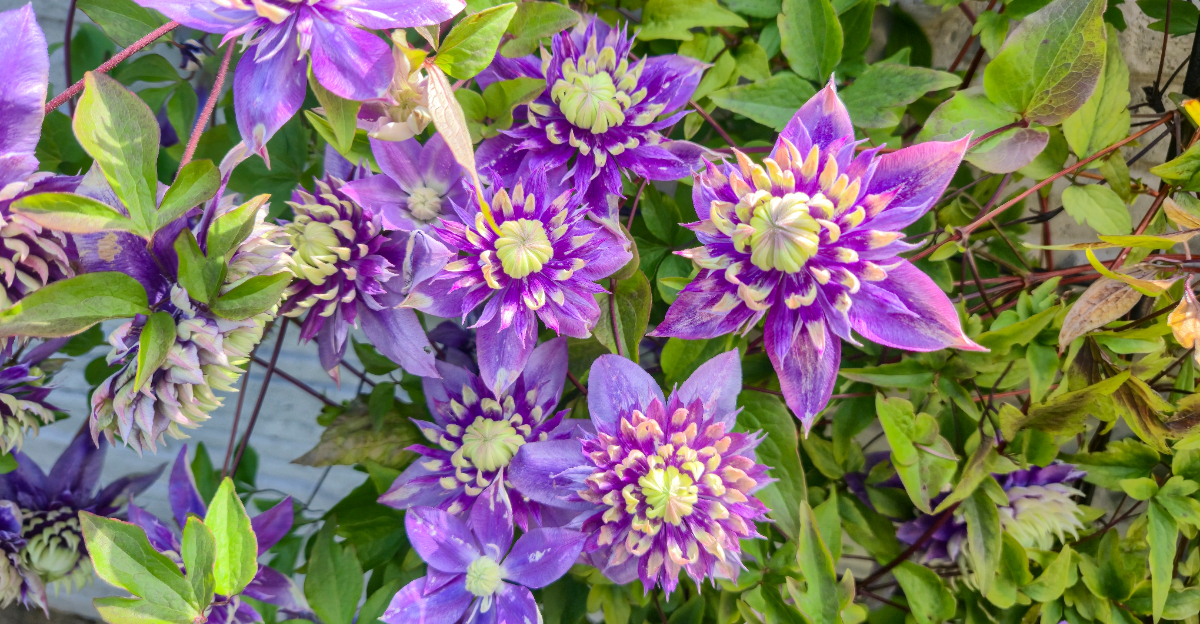
Clematis is one of the most visually dramatic vines a North Carolina gardener can grow, but it also has a reputation for being confusing to maintain. The pruning question trips people up more than almost any other aspect of growing it, and for good reason.
Get the timing or technique wrong and you either cut off the very growth that was about to bloom or end up with a tangled woody mess that produces far less than it should.
North Carolina’s long growing season means clematis has real potential here, often producing flushes of bloom across spring, summer, and sometimes fall depending on the variety.
But that potential only shows up consistently when pruning is handled correctly for the specific type you are growing.
The three pruning groups each have different requirements and different timing, and mixing them up is the most common reason gardeners end up with disappointing results year after year.
This breakdown makes the whole process straightforward so your clematis finally performs the way it should.
1. Pruning Depends On Clematis Type (Clematis Spp.)
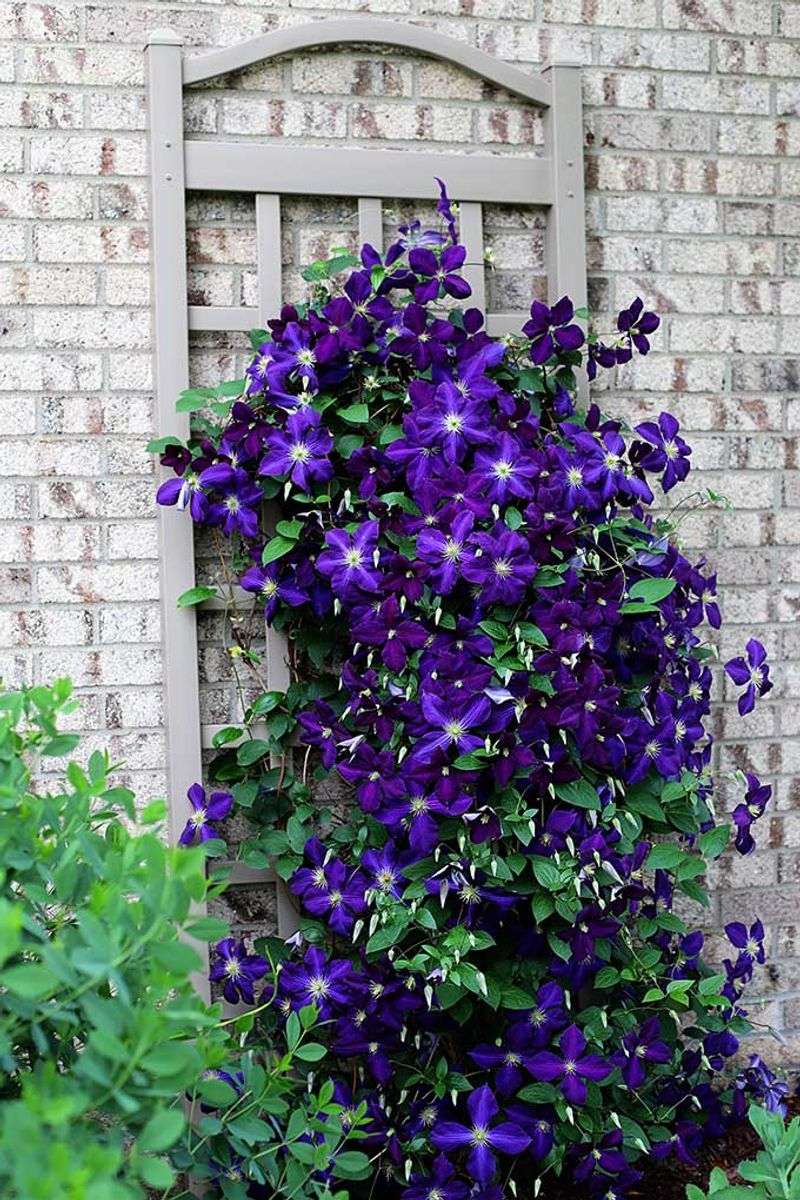
Not all clematis plants are created equal, and that is exactly why pruning can feel so confusing at first. There are hundreds of clematis varieties, and they are organized into three main pruning groups based on when and how they bloom.
Getting your group right is the single most important step before you ever pick up a pair of pruning shears.
Group 1 blooms early in the season on old wood, meaning growth from the previous year. Group 2 produces flowers on both old and new wood, giving you two rounds of blooms.
Group 3 flowers only on fresh new growth that the plant puts out each season.
In North Carolina, where the climate is warm and the growing season is long, clematis can grow aggressively. That makes it even more important to know which type you have before pruning.
Check the plant tag when you purchase your clematis, or look up the variety name online to confirm the group. A little research upfront saves you from accidentally removing all your flower buds.
Many North Carolina gardeners learn this lesson the hard way after a heavy spring pruning leaves them with nothing but green leaves all summer long. Know your type first, and everything else becomes much easier.
2. Early-Flowering Types (Group 1) Should Not Be Pruned In Spring
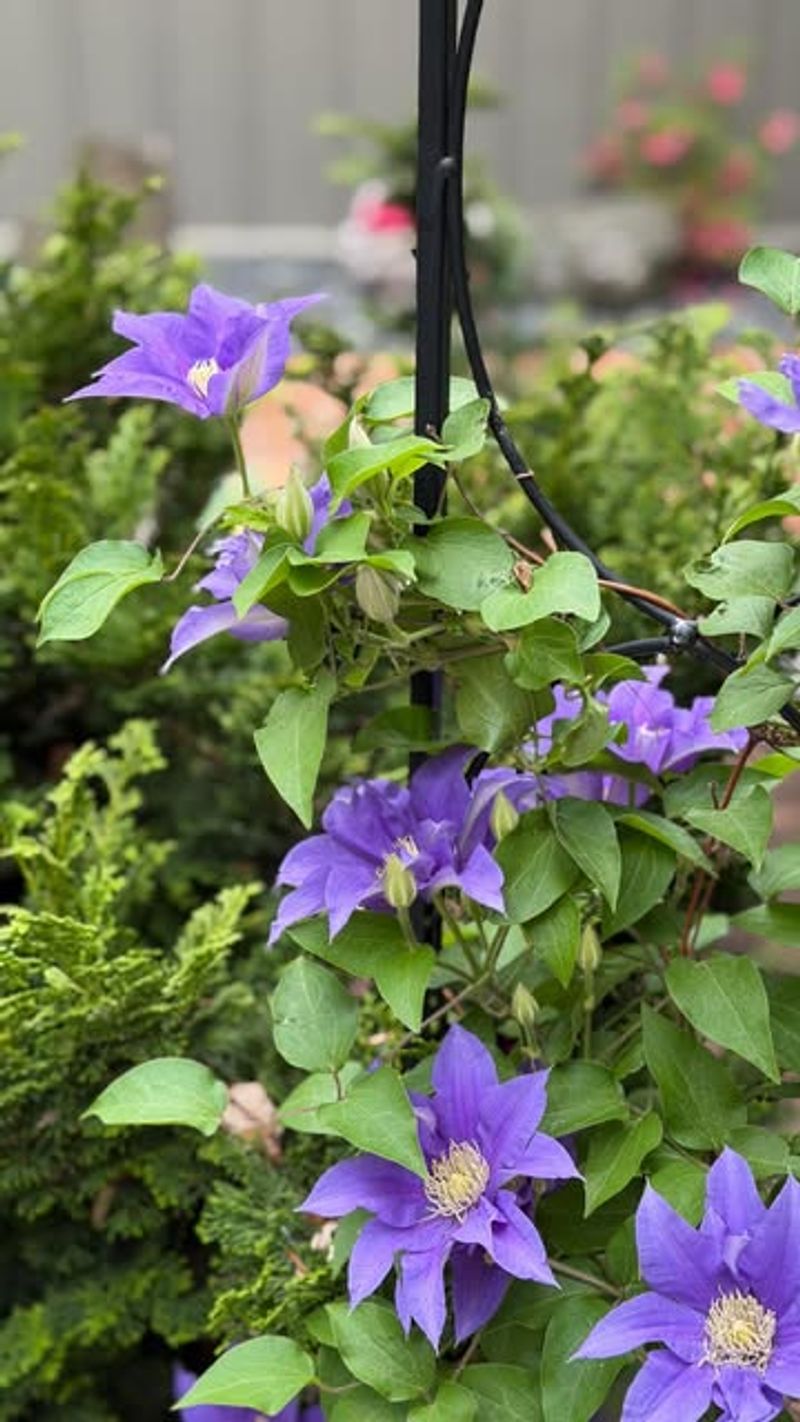
Group 1 clematis varieties are the overachievers of the clematis world. They burst into bloom early in the season, often in late winter or early spring, filling North Carolina gardens with color before most other plants even wake up.
The secret to their early show is that they bloom on old wood, meaning the stems that grew last year are carrying all those beautiful buds.
If you prune a Group 1 clematis in spring before it blooms, you are cutting off every single flower bud the plant worked hard to develop. The result is a perfectly shaped vine with absolutely no flowers.
That is a frustrating outcome that is completely avoidable once you understand the timing.
Your North Carolina Garden Changes Every Week. Your Plan Should Too.
Gardening in North Carolina changes quickly throughout the season. Every Friday you’ll receive a simple weekly plan showing exactly what to plant, prune, fertilize, harvest, and protect so you never miss the right timing.
The right approach is simple: wait until the plant finishes flowering, then prune lightly if needed to keep the shape tidy or remove any weak, tangled growth. In North Carolina, this usually means doing your light pruning in late spring or early summer.
You do not need to cut back hard at all. Group 1 types like Clematis montana and Clematis armandii are naturally vigorous growers and often need very little pruning to stay healthy and full. Less really is more when it comes to these early bloomers.
3. Large-Flowered Hybrids (Group 2) Need Light Spring Pruning
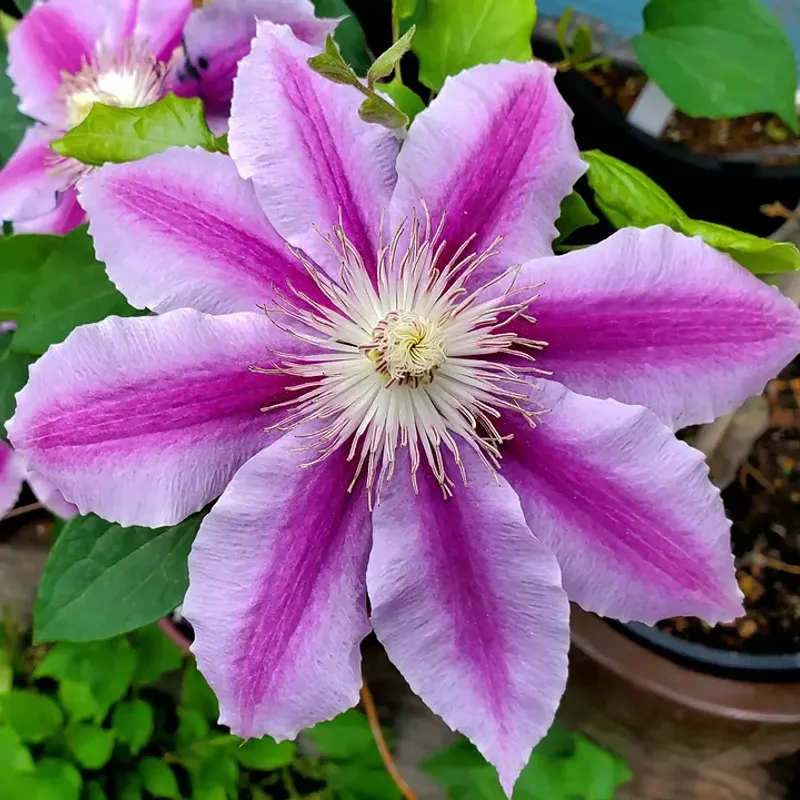
Group 2 clematis hybrids are the showstoppers that most people picture when they think of clematis. Varieties like ‘Nelly Moser,’ ‘The President,’ and ‘Henryi’ produce enormous, plate-sized flowers that make neighbors stop and stare.
In North Carolina, these beauties can put on two impressive rounds of blooms each season, one in late spring on old wood and another in late summer on new growth.
Because they bloom on both old and new wood, the pruning approach needs to be careful and balanced. In early spring, before new growth gets too far along, go through the vine and remove any stems that look weak, thin, or damaged from winter.
Then trim the remaining healthy stems back to a pair of strong, plump buds.
The key word here is light. Avoid cutting back hard like you would with a Group 3 plant, because you will remove all those precious old-wood buds that carry the first flush of flowers.
A light cleanup is all it takes to encourage a full, healthy season of blooms. North Carolina gardeners who push their Group 2 plants too hard in spring often end up waiting until late summer for flowers instead of enjoying two rounds.
A gentle hand in early spring pays off with double the color throughout the growing season.
4. Late-Flowering Types (Group 3) Should Be Cut Back Hard In Late Winter
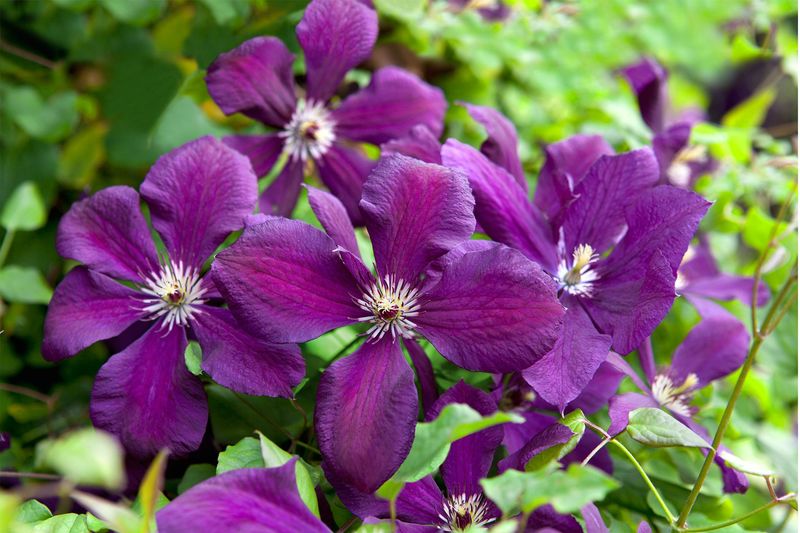
Group 3 clematis are the easiest to prune and honestly the most satisfying. Varieties like Clematis viticella, Clematis terniflora, and the popular sweet autumn clematis fall into this group.
They bloom on fresh new growth produced each season, so there is no need to worry about saving old stems or protecting last year’s wood.
In North Carolina, the best time to cut Group 3 clematis back hard is in late winter, usually between late January and early March depending on your location in the state.
Cut the entire plant down to about 12 to 18 inches above the ground, leaving just a few sets of healthy buds on each stem.
It feels drastic, but the plant responds with a burst of strong new growth that supports a spectacular late-summer and fall flower display.
Skipping this hard pruning leads to a tangled mess of old woody stems with flowers only at the very tips, high up and out of view. That is not what you want after all the effort of growing clematis in North Carolina’s warm, humid climate.
Cutting back hard each late winter keeps the plant compact, manageable, and absolutely packed with blooms from mid-summer right into fall. Group 3 types reward boldness, so do not hold back when pruning season arrives.
5. Remove Withered And Damaged Growth Anytime
North Carolina’s warm, humid summers create perfect conditions for clematis to thrive, but that same humidity can also encourage fungal issues and stem problems if airflow gets restricted.
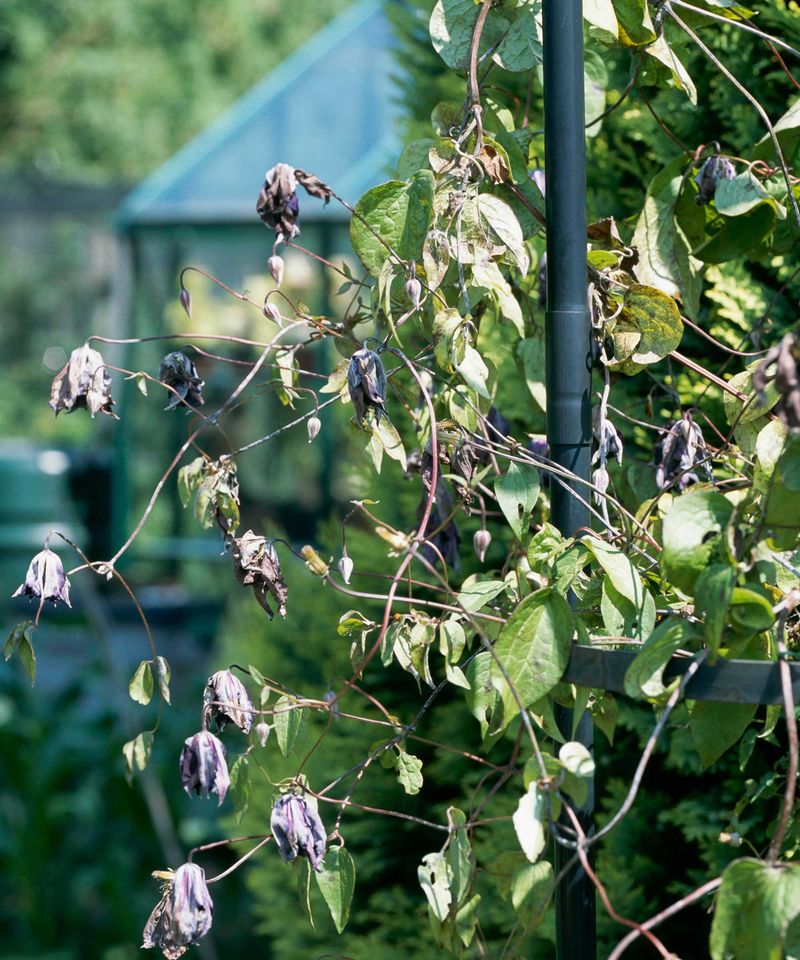
One of the smartest habits you can build as a clematis grower is removing withered, brown, or damaged stems as soon as you notice them, regardless of what pruning group your plant belongs to.
Withered stems serve no purpose on the plant. They take up space, block light and air from reaching healthy growth, and can become entry points for disease.
Snipping them out promptly keeps your clematis looking fresh and reduces the risk of fungal problems spreading through the vine during North Carolina’s humid stretches.
You do not need to wait for a specific season to do this kind of maintenance. Any time you walk past your clematis and spot a brown, shriveled, or clearly struggling stem, go ahead and remove it cleanly with sharp, clean pruning shears.
Just make sure you are cutting back to a point where the stem is clearly healthy and firm. This simple habit takes only a few minutes but makes a noticeable difference in how vibrant and full your clematis looks all season long.
Healthy airflow is one of the best defenses against the humidity challenges that come with gardening in North Carolina.
6. Always Prune Above Healthy Buds
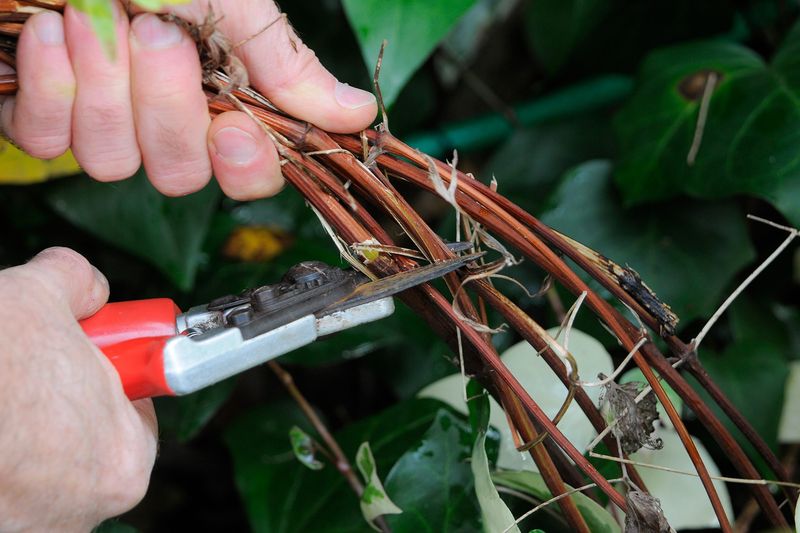
Where exactly you make your cut matters more than most people realize. Pruning above a healthy pair of buds is one of those small details that separates gardeners who get spectacular clematis displays from those who get disappointing results.
The buds are the launching pad for new stems, leaves, and eventually flowers, so giving them the best possible start sets the whole plant up for success.
When you prune, look for buds that are plump, green, and clearly visible on the stem. Make your cut about a quarter inch above them, angling slightly away so water runs off rather than sitting on the cut surface.
Cutting too far above a bud leaves a stub of stem that serves no purpose and can become a spot where problems start. Cutting too close can damage the bud itself.
In North Carolina, where clematis can push out new growth quickly once temperatures warm up in spring, a well-placed cut above a strong bud results in fast, vigorous new growth that supports heavy flowering.
Sharp, clean pruning shears make the job much easier and reduce the risk of crushing or tearing the stem.
Wipe your blades with rubbing alcohol between plants to avoid spreading anything from one vine to another. This one simple technique consistently leads to a fuller, more floriferous clematis throughout the growing season.
7. Avoid Overpruning Without Knowing The Type
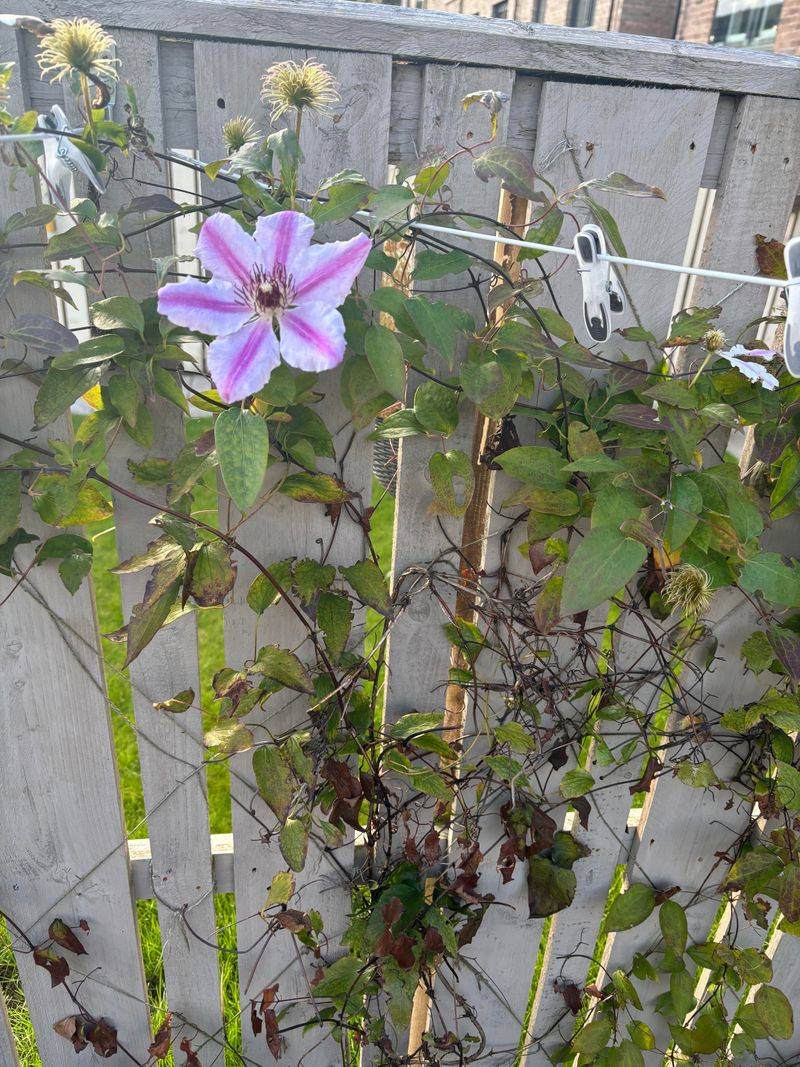
Overpruning is probably the most common clematis mistake made by gardeners across North Carolina, and it almost always comes down to not knowing which pruning group the plant belongs to.
It is tempting to grab the shears and cut everything back hard in spring, especially when the vine looks messy or overgrown after winter. But with clematis, that impulse can cost you an entire season of flowers.
Group 1 and Group 2 plants carry their flower buds on old wood, so cutting them back hard in late winter or early spring removes exactly what you were hoping to enjoy.
The plant will survive and grow back, but you will be staring at a green vine with no blooms all spring and summer, waiting for next year to try again.
When you are genuinely unsure which group your clematis belongs to, the safest approach is to prune as little as possible for the first season. Watch when it blooms and where the new flowers appear, whether on old stems or fresh new growth.
That observation tells you everything you need to know. After one full growing season in your North Carolina garden, you will have a clear picture of the plant’s habits and can prune with confidence going forward.
Patience in the first year leads to confident, rewarding pruning for every year after that.