These Are The North Carolina Invasive Plants Experts Recommend Removing Before June
June marks the point where invasive plants shift from manageable to overwhelming across North Carolina.
Growth accelerates, root systems deepen, and species that looked containable in early spring become genuinely difficult to get ahead of once summer heat drives their expansion.
Removal done now, before June arrives, is faster, more effective, and far less labor intensive than tackling the same plants a month later.
Experts who work on invasive species management in North Carolina consistently point to this spring window as the most productive time to act.
The list of plants worth prioritizing right now includes some of the most commonly overlooked offenders in residential yards across the state.
Getting them out before they set seed or extend their root systems this season makes next year’s management considerably easier.
1. Tree Of Heaven
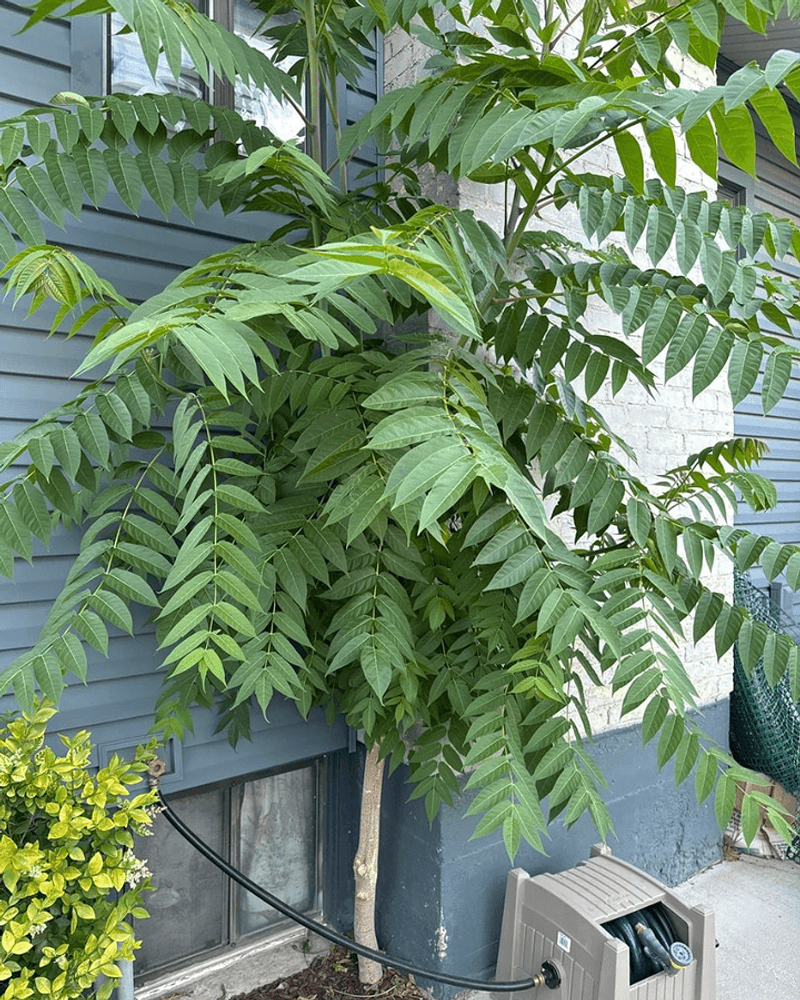
Few plants have earned a more misleading name than the Tree of Heaven. Ailanthus altissima sounds almost poetic, but North Carolina landowners know this fast-growing tree as one of the most stubborn invaders in the region.
Originally introduced from China in the 1700s as an ornamental plant, it has since spread across roadsides, yards, and forest edges with alarming speed.
What makes this tree so difficult to manage is its two-pronged attack. It produces thousands of winged seeds that travel on the wind, and it also sends up root suckers from underground, forming dense colonies that can stretch across an entire property.
Each spring, those suckers emerge with surprising force, pushing through mulch, cracked pavement, and even foundation walls.
Experts also warn that Tree of Heaven serves as a preferred host plant for the spotted lanternfly, an invasive pest that threatens fruit trees and vineyards.
Removing it before June, while plants are still small and soil moisture is high, makes pulling or cutting far more manageable.
Larger trees require stump treatment to prevent resprouting. Acting in early spring, before summer heat accelerates growth, gives homeowners a real advantage in keeping this aggressive colonizer off their property for good.
2. Japanese Stiltgrass
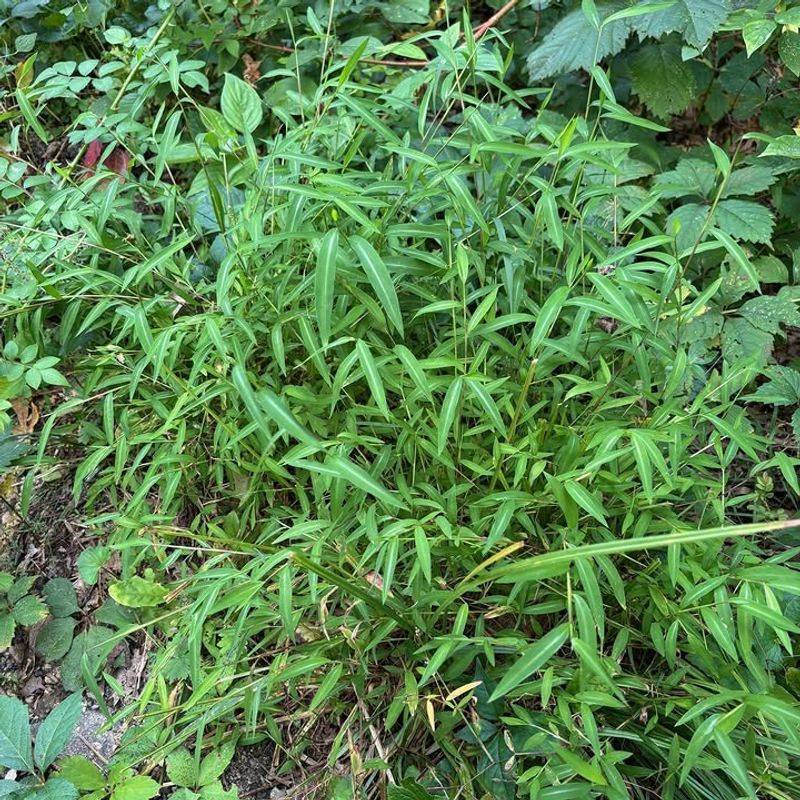
Walk through almost any shaded woodland trail in North Carolina and you have likely already stepped on Japanese Stiltgrass without realizing it.
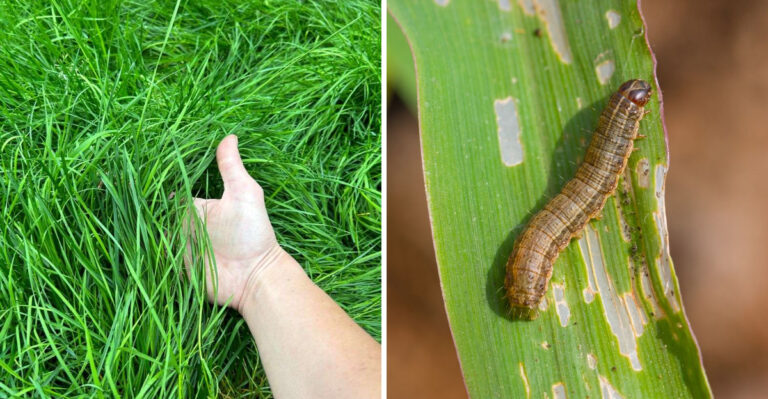
Microstegium vimineum is a low-growing annual grass with pale green, bamboo-like leaves that blends into the landscape so naturally that many homeowners mistake it for a harmless native.
By the time they recognize the problem, it has already spread across entire garden beds.
This grass thrives in the moist, shaded conditions that are incredibly common across North Carolina, especially along stream banks, forest edges, and disturbed soil.
It germinates in spring and spends the summer quietly building mass before producing seeds in late summer and fall.
A single plant can produce up to 1,000 seeds, which is why stopping it before that cycle begins makes such a difference.
Hand pulling works well in spring when plants are young and roots are shallow, especially after rain when the soil is loose.
Thick mulch layers of three inches or more can also block new germination effectively. The key is consistency because seeds already in the soil can sprout for several years.
Your North Carolina Garden Changes Every Week. Your Plan Should Too.
Gardening in North Carolina changes quickly throughout the season. Every Friday you’ll receive a simple weekly plan showing exactly what to plant, prune, fertilize, harvest, and protect so you never miss the right timing.
Removing stiltgrass before June, before warm temperatures accelerate its growth, keeps it from swamping your garden beds and edging out the native plants you actually want growing there.
3. Garlic Mustard
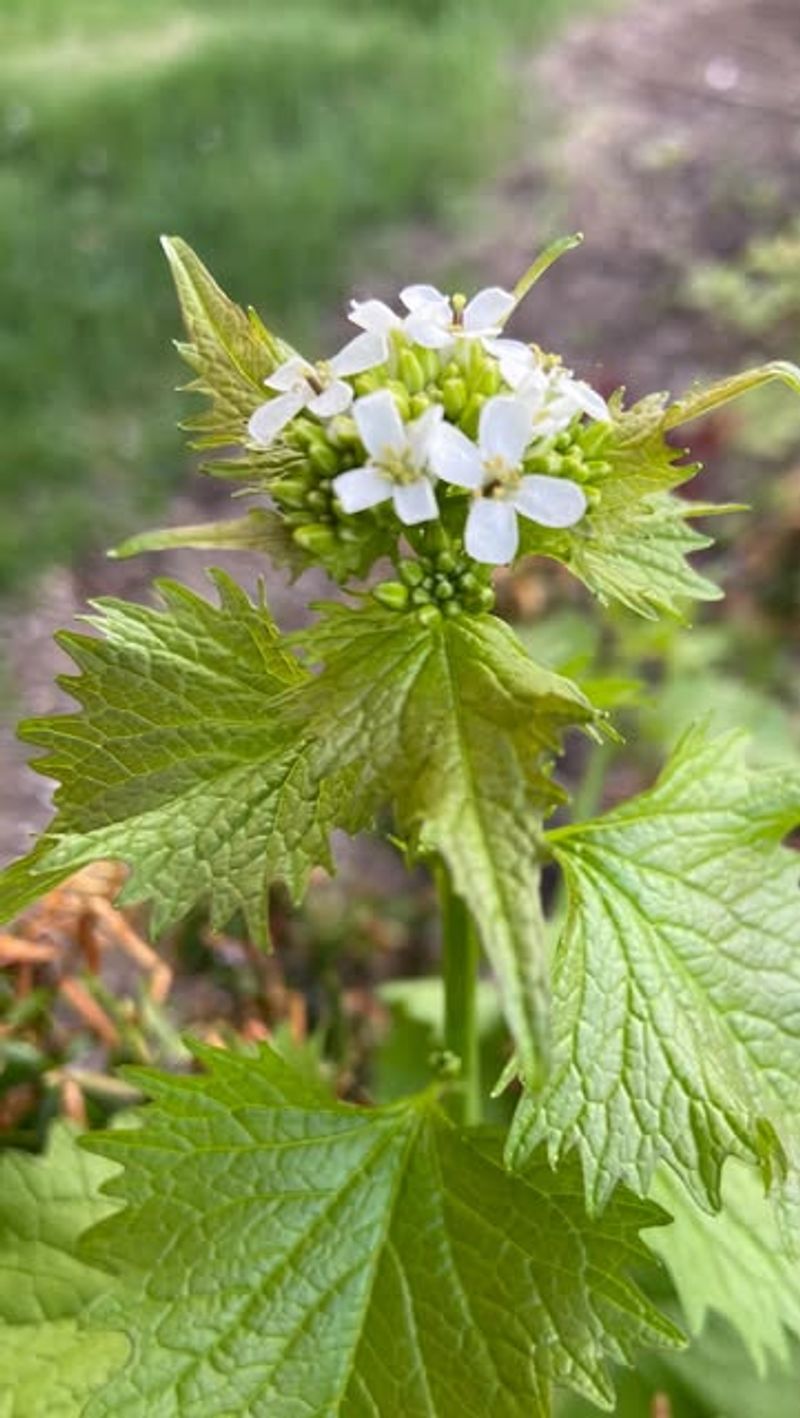
Garlic Mustard has a clever trick that makes it one of the most ecologically damaging plants in North Carolina woodlands.
Alliaria petiolata releases chemicals into the soil that disrupt the underground fungal networks that native trees and wildflowers depend on for nutrients.
In other words, it does not just compete for light and space. It actively poisons the environment for plants around it.
This biennial plant spends its first year as a low rosette of scalloped leaves, almost invisible on the forest floor. In its second year, it shoots up rapidly in early spring, producing clusters of small white flowers followed by long seed pods packed with tiny seeds.
A single plant can produce hundreds of seeds, and those seeds remain viable in the soil for up to five years, which is why early removal is so critical before pods mature.
Spring is the ideal window for control because the plants are tall enough to grab but have not yet set seed. Pulling the entire root system is important since even a small root fragment left behind can resprout.
Bag pulled plants immediately because seeds can continue to ripen even after the plant is uprooted.
Consistent removal over several seasons dramatically reduces seed bank populations and gives native woodland wildflowers like trillium and bloodroot a real chance to recover.
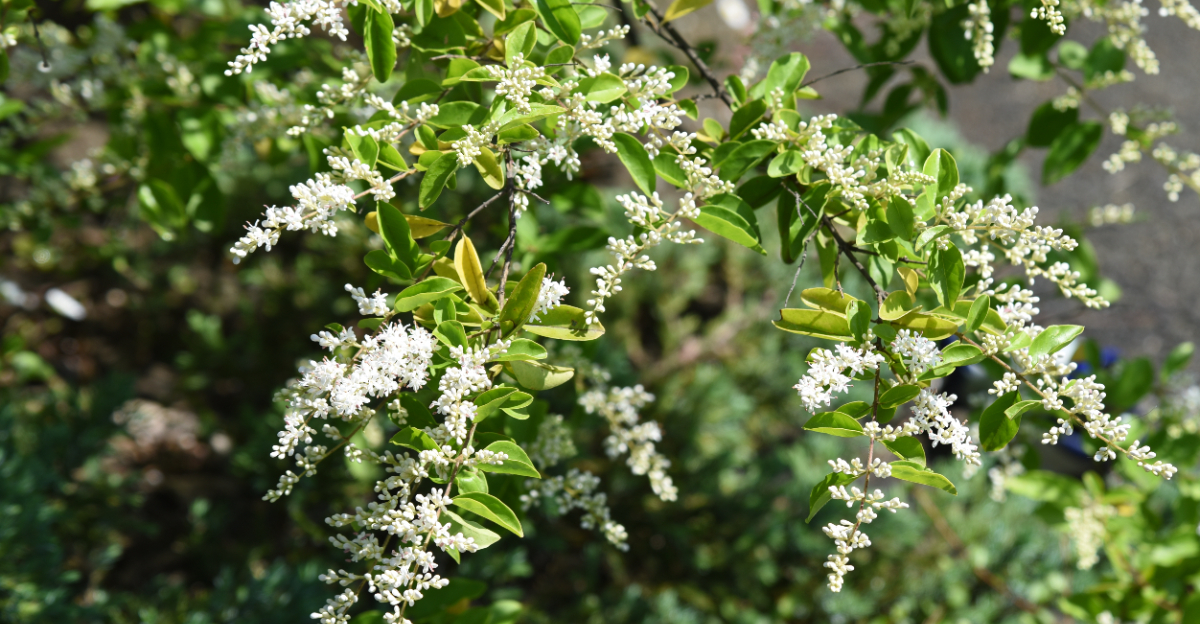
4. Chinese Privet
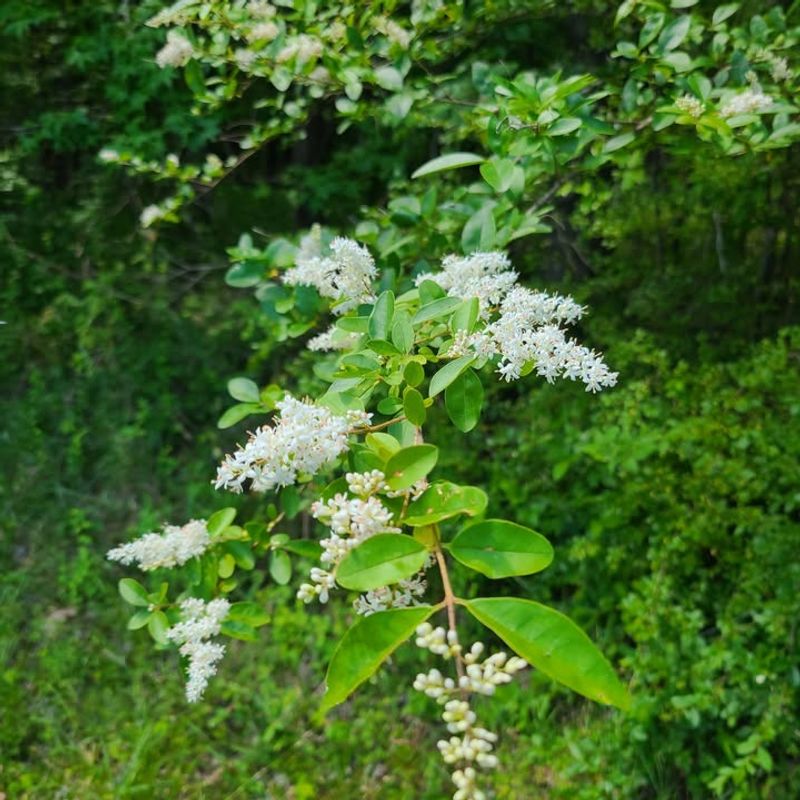
Chinese Privet was once one of the most popular hedging shrubs in the American South, and its neat appearance made it a landscaping staple for decades.
Today, Ligustrum sinense is recognized across North Carolina as one of the most aggressive woodland invaders in the state.
Birds eat the small dark berries and deposit seeds far beyond any garden boundary, creating dense thickets in natural areas that were never planted at all.
Once established, Chinese Privet forms nearly impenetrable stands in woodland understories, blocking sunlight from reaching native wildflowers, ferns, and tree seedlings.
It leafs out earlier than most native shrubs in spring, giving it a head start on resources before competition even wakes up.
That early leaf-out is one reason why spring removal is especially effective before the plant channels energy into explosive new growth. Smaller seedlings and young plants pull out fairly easily from moist spring soil, making
March through May the best window for manual removal on North Carolina properties. Larger established shrubs may require cutting and stump treatment to prevent vigorous resprouting.
Replacing removed privet with native alternatives like American beautyberry or buttonbush fills the space beautifully while supporting local wildlife.
Acting before June heat sets in keeps the work manageable and prevents another season of berry production that would spread seeds even further into surrounding natural areas.
5. Multiflora Rose
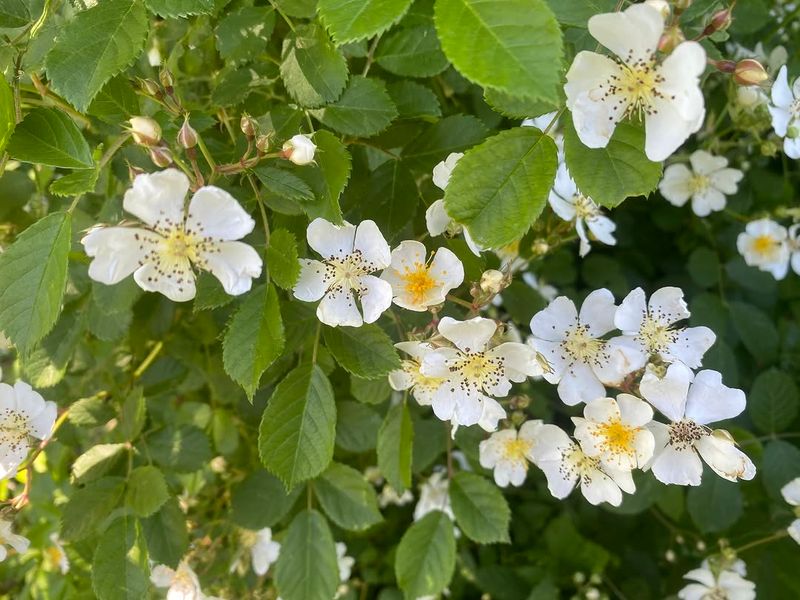
Multiflora Rose may look beautiful when its clusters of small white flowers bloom in late spring, but that charm fades quickly once you understand what this plant does to the landscape around it.
Rosa multiflora forms some of the densest, thorniest thickets in North Carolina, making it painful to remove and nearly impossible for native plants to grow through.
Fields, woodland edges, and fence lines are especially vulnerable to rapid takeover.
Originally introduced in the mid-1900s as a living fence and wildlife habitat plant, Multiflora Rose quickly proved far too successful at spreading.
Each mature plant produces millions of seeds over its lifetime, and birds distribute them enthusiastically across the landscape.
New plants establish fast and begin competing aggressively with native shrubs and grasses within just a few seasons of germination.
Spring removal before flowering offers a real advantage because plants are actively growing but have not yet produced the seeds that will carry next season’s problem.
Young plants under two years old can often be pulled by hand with thick gloves, especially after rain softens the soil.
Larger canes require cutting close to the ground followed by monitoring for resprouting through summer. Repeated cutting over two to three seasons significantly weakens even well-established clumps.
Staying consistent with spring management keeps Multiflora Rose from reclaiming cleared areas and protects the native grasses and shrubs trying to grow alongside it.
6. English Ivy
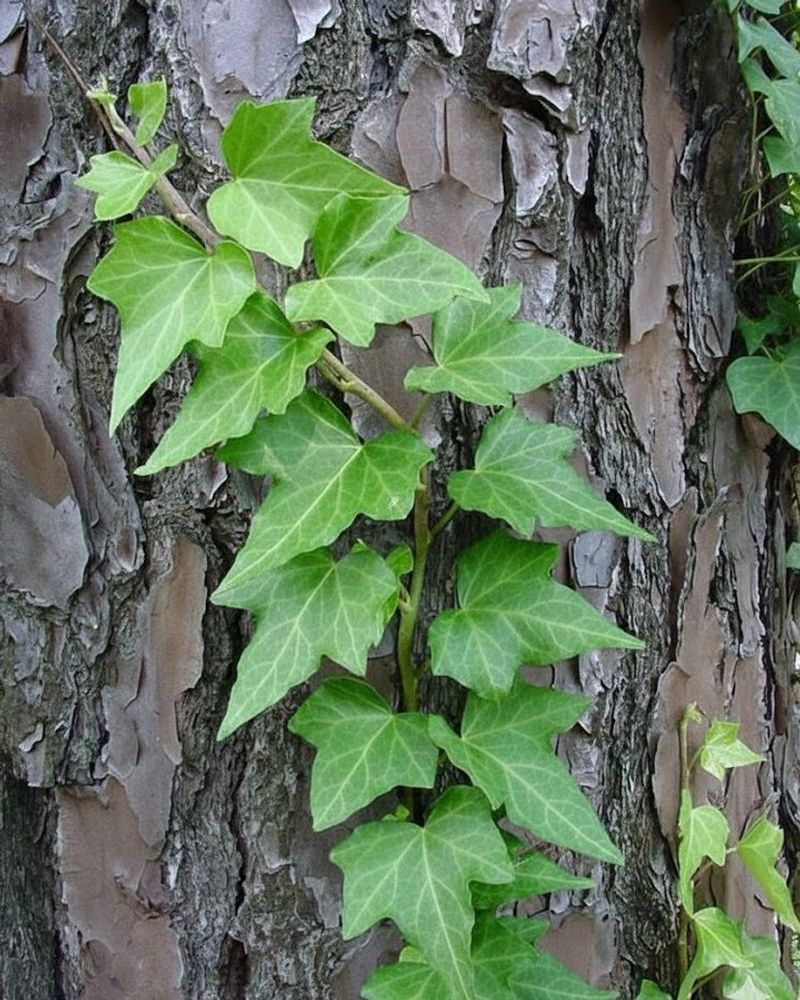
English Ivy looks polished and tidy creeping across a shaded garden bed, but underneath that attractive surface lies one of the most ecologically damaging vines in North Carolina.
Hedera helix climbs trees aggressively, adding significant weight to branches and trapping moisture against bark, which creates conditions that weaken tree structure over time.
In forests, it spreads across the ground in dense mats that block native wildflowers and tree seedlings from establishing.
One detail many homeowners do not realize is that English Ivy has two distinct growth phases. The juvenile phase, which most people recognize with its familiar lobed leaves, spreads along the ground and up surfaces.
The mature phase produces small flowers and berries that birds carry into natural areas, seeding new invasions far from the original planting.
North Carolina’s humid climate is especially well-suited to ivy’s spread, making spring management before summer heat intensifies growth a smart priority.
Removing ivy from trees is one of the most impactful things a homeowner can do for their yard. Cutting vines at chest height and again near the ground, then allowing the upper portion to dry out naturally, protects trees without requiring ladder work.
Ground-level ivy can be rolled back in sections and removed by hand in spring when growth is fresh and roots are shallow. Native groundcovers like wild ginger or green-and-gold make excellent replacements that support local pollinators beautifully.
7. Japanese Honeysuckle
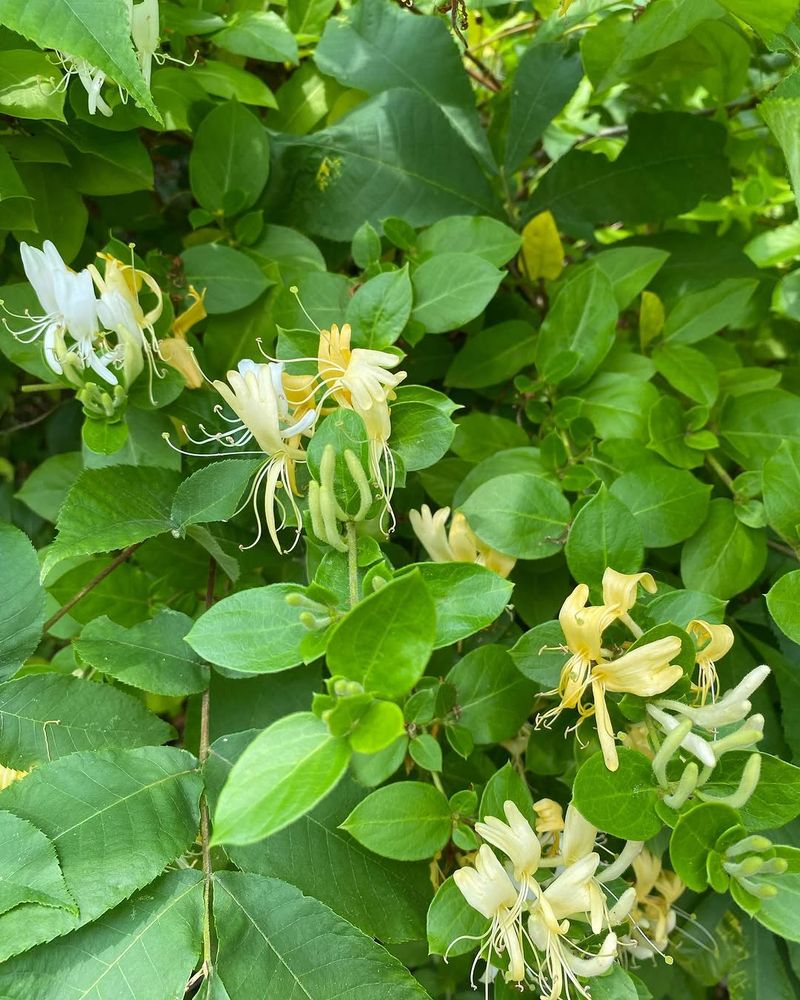
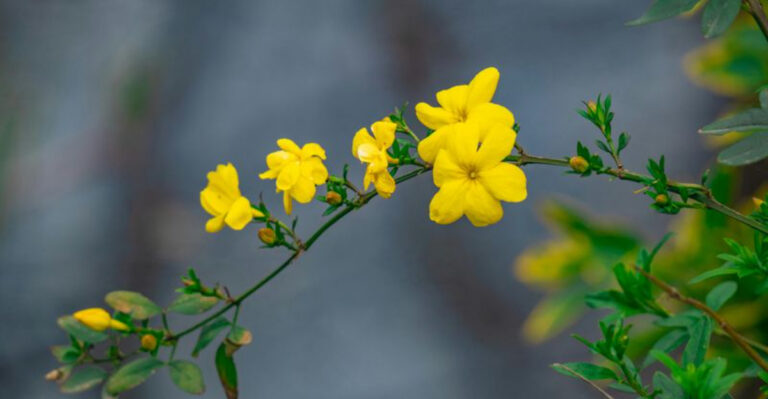
The sweet fragrance of Japanese Honeysuckle drifting through a warm spring evening feels like pure Southern nostalgia.
However, Lonicera japonica is one of the most aggressive vines across North Carolina, and its pleasant scent has helped it earn a false reputation as a harmless native.
This vine is anything but harmless to the native plants it wraps itself around season after season.
Japanese Honeysuckle twines tightly around the stems and branches of shrubs and young trees, eventually girdling them as growth tightens with each passing year.
It spreads both through underground rhizomes and through berries consumed by birds, which means a single planting can generate dozens of new colonies across a landscape within just a few seasons.
It also stays green later into fall than most native vines, extending its competitive advantage into the cooler months.
Spring is genuinely the best season to tackle this vine because new growth is tender and roots have not yet anchored deeply into summer soil. Pulling vines away from supporting shrubs and trees by hand, working from the base upward, prevents further stem damage.
Cutting at the soil line and following up with repeat removal through summer keeps regrowth in check.
Replacing honeysuckle with native alternatives like coral honeysuckle, Lonicera sempervirens, provides similar visual appeal while actually supporting hummingbirds and native bees rather than crowding out the plants they depend on.
8. Nandina
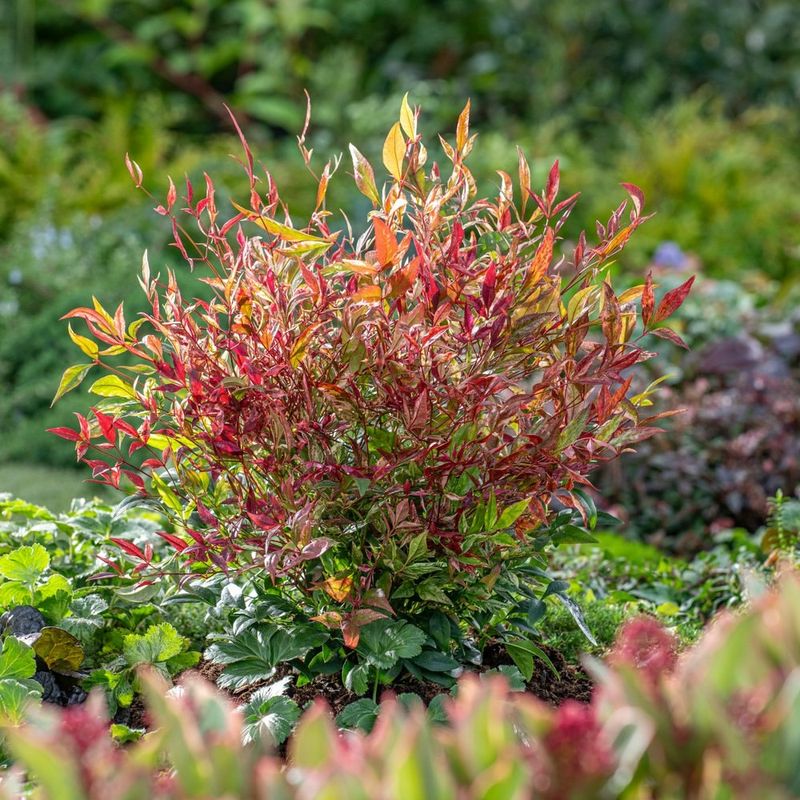
Nandina is one of those plants that seems like it belongs in every Southern garden. Its fine-textured foliage, brilliant red berries, and low maintenance reputation made it a landscaping favorite across North Carolina for generations.
The problem is that Nandina domestica has been spreading quietly beyond garden borders for years, carried by birds that eat those attractive red berries and deposit seeds into natural areas where seedlings establish with very little effort.
Unlike some invasives that require disturbed soil to get started, Nandina seedlings can root successfully in relatively undisturbed woodland edges and stream banks.
Once established, they begin competing with native understory plants like wild azalea, oakleaf hydrangea, and native ferns that provide critical habitat for local wildlife.
The berries themselves are also known to be harmful to birds in large quantities, adding another layer of concern for wildlife gardeners.
Spring is the ideal time to evaluate Nandina on your property and remove older standard varieties before berry production ramps up again. Young seedlings pull out cleanly from moist spring soil with minimal effort.
Established clumps may require digging out the root mass to prevent resprouting through summer. Excellent native replacements include Virginia sweetspire, which offers similar fall color, or inkberry holly for comparable berry interest that actually benefits local birds.
Making the switch supports a healthier North Carolina landscape from your own backyard outward.
9. Japanese Barberry
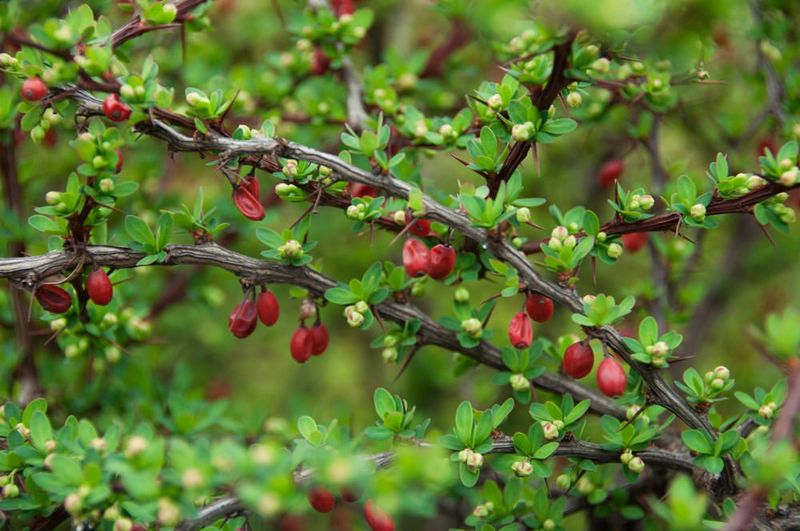
Japanese Barberry might be small, but its impact on North Carolina landscapes is surprisingly large.
Berberis thunbergii was introduced as an ornamental shrub prized for its colorful foliage and drought tolerance, and it still appears in many older garden beds across the state.
What most homeowners do not realize is that this thorny shrub spreads steadily into woodland edges and natural areas through bird-distributed berries, forming dense colonies that shade out native ground layer plants.
Research has also connected Japanese Barberry thickets to increased tick populations. The dense, humid microclimate created under its arching branches provides ideal conditions for white-tailed deer ticks, which are associated with Lyme disease transmission.
That connection has motivated many North Carolina conservation experts to push for broader removal efforts, especially in properties near wooded areas where tick exposure is already a concern for families and pets.
Removing Japanese Barberry in early spring, before full leaf-out, makes identifying and accessing plants much easier. Young plants under three feet can often be pulled with heavy gloves, though every root fragment must come out to prevent resprouting.
Larger shrubs benefit from digging out the entire root crown. Wear thick gloves and long sleeves because the thorns are sharp and persistent.
Native replacements like sweetshrub or native spicebush offer beautiful texture and wildlife value without the invasive spread, making them excellent choices for gardens replacing barberry this season.
10. Bradford Pear
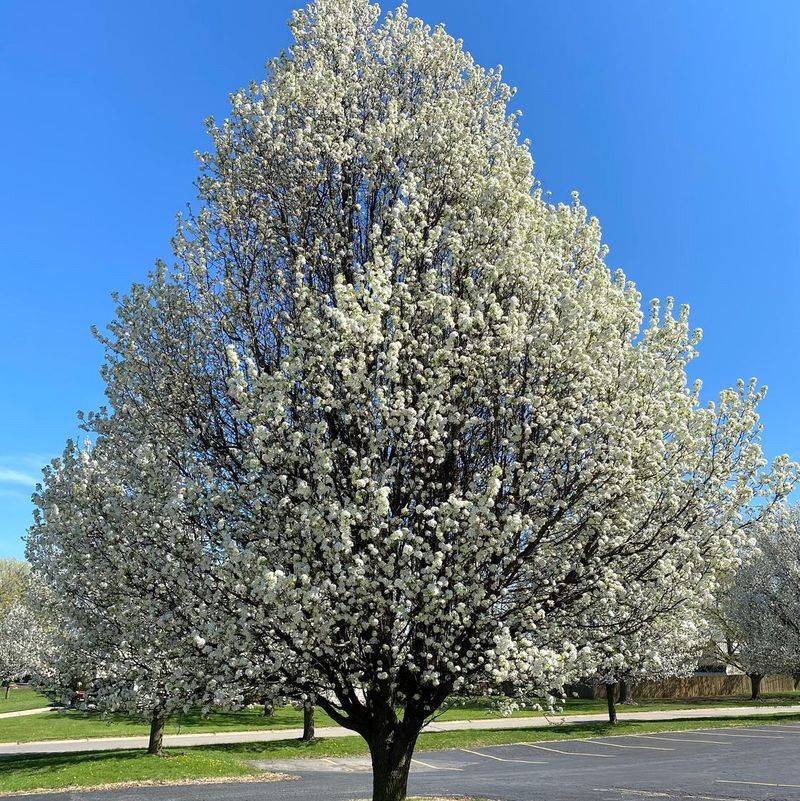
Every spring, Bradford Pear trees explode into clouds of white blossoms across North Carolina neighborhoods, and for a brief moment they look absolutely spectacular.
However, Pyrus calleryana has earned a complicated reputation that goes well beyond its flowers.
These trees spread aggressively into natural areas through bird-dispersed seeds, and their wild offspring are thorny, scrubby, and nearly impossible to manage once established in meadows and woodland edges.
Beyond the invasive spread, Bradford Pears have a structural problem that homeowners discover the hard way every storm season.
The tight, upright branch angles that give the tree its classic rounded shape also create weak attachment points that split dramatically under ice, wind, and heavy rain.
Trees that looked perfectly healthy in April can lose major limbs or entire trunks by July, making removal before summer storms a genuinely practical safety decision.
North Carolina actually runs a Bradford Pear Bounty program through the N.C. Forest Service, offering free native replacement trees to homeowners who remove Bradford Pears from their property.
Replacement options like serviceberry, redbud, and native dogwood provide beautiful spring blooms without the invasive spread or storm damage risk.
Serviceberry in particular offers multi-season interest with spring flowers, edible summer berries, and stunning fall color.
Swapping out Bradford Pear this spring is one of the most impactful single changes a North Carolina homeowner can make for both yard safety and regional ecological health.