Before Another Tomato Cracks In Your Wisconsin Garden, Learn The 13 Mistakes You’re Making
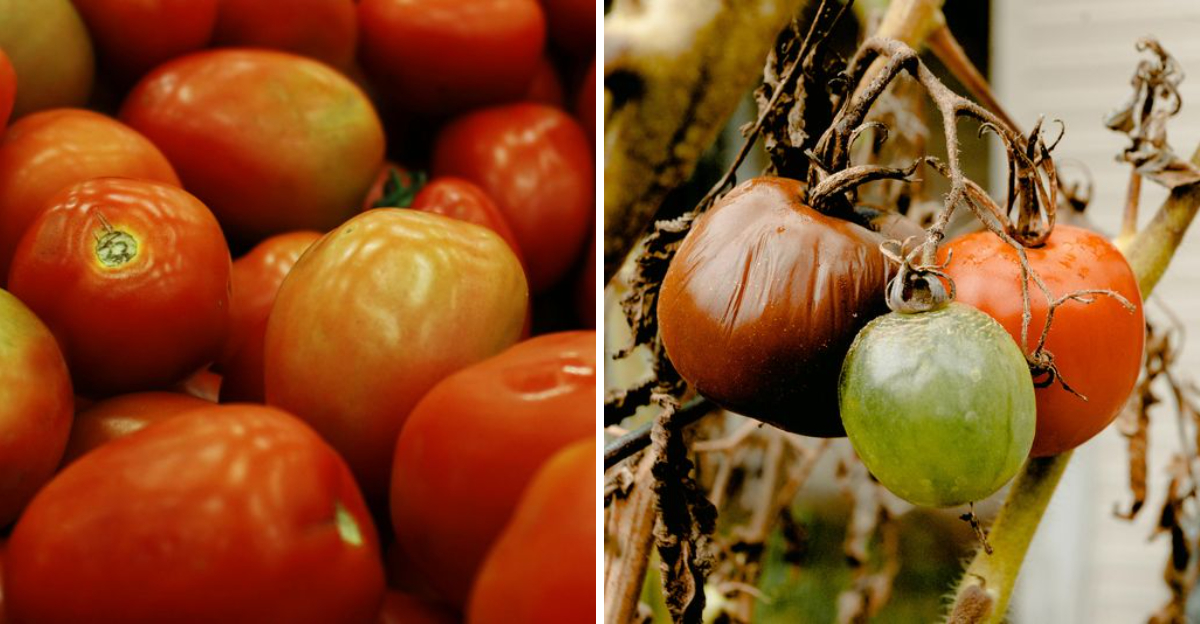
The first time one of my tomatoes cracked, I blamed the weather. The second time, I blamed the soil.
By the third time, I started thinking that maybe the problem was me. Tomato cracking is one of the most common frustrations home gardeners face, and the reasons behind it are surprisingly fixable. Most of the time, the culprit is not bad luck.
It is a handful of small habits that quietly work against your harvest all season long. Wisconsin summers are beautiful, unpredictable, and genuinely tough on tomatoes.
The weather swings, the soil varies from county to county, and the window for a good harvest moves fast. The good news is that once you understand what is actually causing the cracking, the fixes are straightforward.
Everything you need to turn it around is right here.
1. Watering Inconsistently During Dry Spells
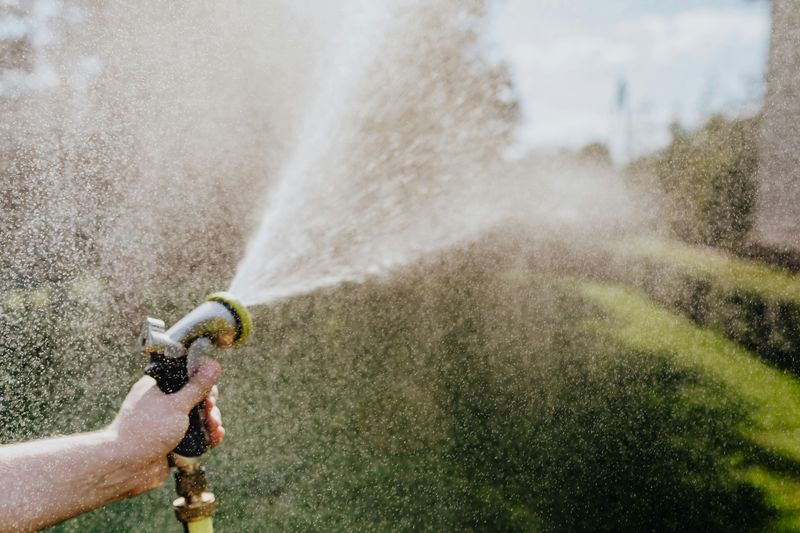
Tomatoes have a memory, and inconsistent watering is basically real stress on the plant.
When the soil dries out during one of those stubborn dry stretches, the tomato’s skin toughens up and stops stretching.
Then you water heavily, the fruit swells fast, and the rigid skin simply splits.
Dry spells in the upper Midwest can sneak up on you.
One week you get rain, the next two weeks nothing.
If you are only watering when you remember or when the plant looks wilted, you may already be behind on what the plant needs.
Aim for deep, even watering at least once every two to three days during dry stretches.
A soil moisture meter costs under fifteen dollars and takes the guesswork out completely.
Push it into the root zone, not just the surface, because the top inch of soil can fool you.
Drip irrigation is a game changer for keeping moisture levels steady without babysitting your garden.
Even a basic soaker hose on a timer can prevent most cracking caused by dry spells.
Consistency is the single most powerful tool you have against fruit splitting.
2. Overwatering After Heavy Downpours
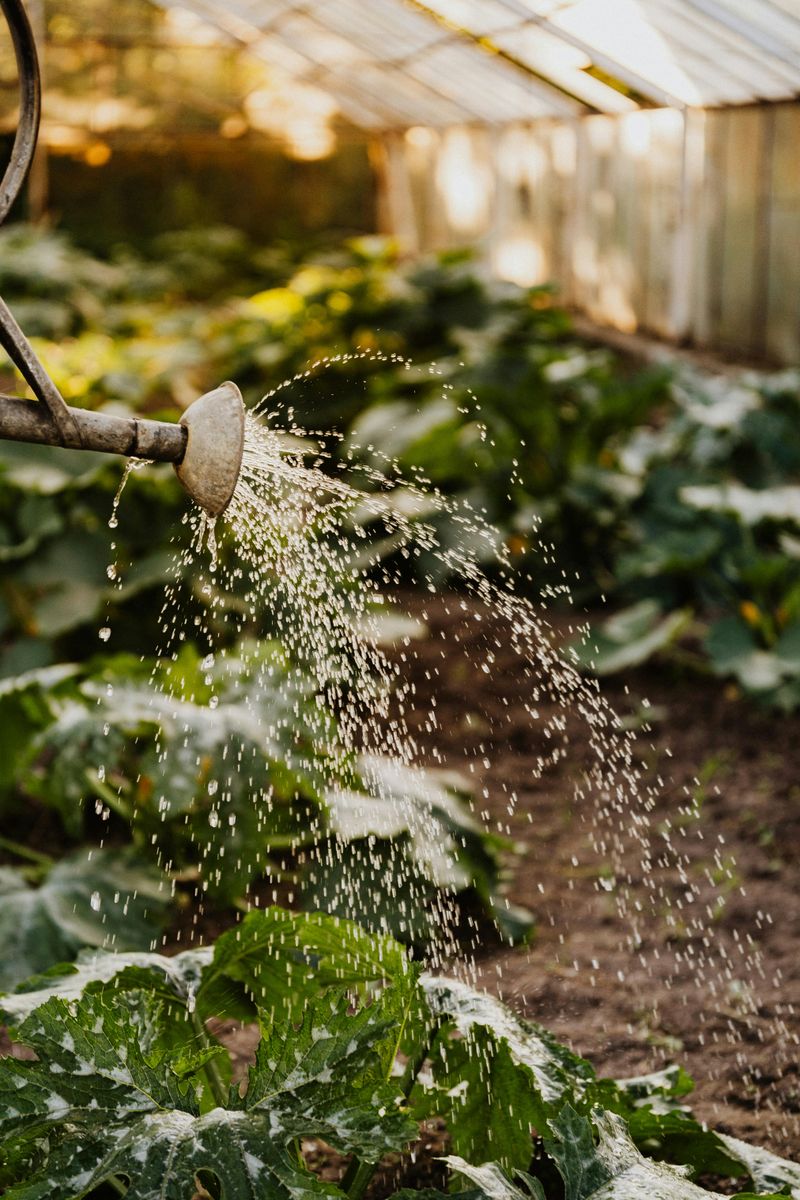
A two-inch downpour hits overnight, and your first instinct might be to skip watering the next day.
That is the right call, but most gardeners do not go far enough.
After a heavy Midwest rain, the soil can stay saturated for days, and adding more water on top is a common path toward cracking
Overwatering floods the roots and forces a sudden surge of moisture straight into the fruit.
The tomato absorbs more than its skin can handle.
That internal pressure has nowhere to go except outward, and cracks form along the shoulders or bottom of the fruit.
Check your soil before watering after any significant rainfall.
Stick your finger two inches into the ground. If it feels wet, wait another day.
Give the soil a real chance to drain before adding anything.
Raised beds help enormously here because they shed excess water faster than flat ground.
If you are gardening in low spots, consider mounding your rows slightly to encourage runoff.
Your Wisconsin Garden Changes Every Week. Your Plan Should Too.
Gardening in Wisconsin changes quickly throughout the season. Every Friday you’ll receive a simple weekly plan showing exactly what to plant, prune, fertilize, harvest, and protect so you never miss the right timing.
Paying attention to what the soil actually needs, rather than following a fixed schedule, will protect your harvest far better than any routine ever could.
3. Not Adjusting Watering After Rapid Temperature Swings
Sixty-five degrees one afternoon, then ninety the next day, then a cool fifty at night.
That is a normal week in a Wisconsin summer, and your tomatoes feel every single degree of it.
When temperatures spike suddenly, plants pull water faster from the soil, and if you have not adjusted your watering schedule to match, the fruit pays the price.
Rapid temperature swings change how quickly moisture moves through a plant.
Hot days mean faster evaporation and faster water uptake.
Cool nights slow everything down, but the fruit has already absorbed a surge of water it cannot easily release.
Track the forecast and adjust your watering the day before a heat spike, not after.
Adding a light watering in the early morning before a hot day helps keep moisture levels steady.
Avoid watering in the evening during cool nights because the soil stays wet too long.
A simple weather app habit can genuinely save your harvest.
Check the five-day forecast every Sunday and plan your watering schedule around what is coming.
Thinking ahead instead of reacting is what gardeners who plan ahead tend to have noticeably better results.
4. Relying Solely On Rainfall
Rainfall in the upper Midwest is about as reliable as a coin flip.
Some summers bring soaking rains every week, others leave you watching the sky for weeks with nothing.
Gardeners who count on rain alone to water their tomatoes are essentially taking an unnecessary risk with their harvest.
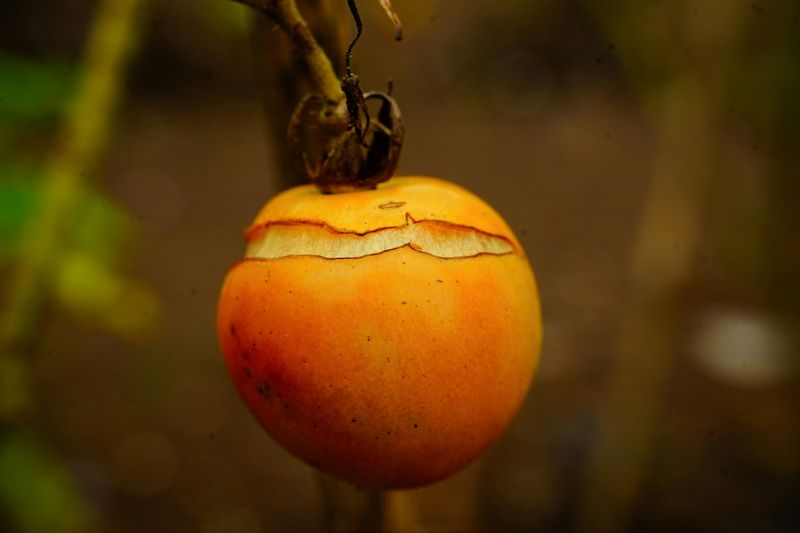
Uneven rainfall creates exactly the boom-and-bust moisture cycle that causes cracking.
Two weeks of dry, followed by a heavy storm, is the classic setup for split fruit.
The tomato skin gets hard during the dry stretch, then when splits the water finally arrives.
Even if your area gets decent summer rainfall, the timing is almost never consistent enough for tomatoes.
They need steady moisture, not feast-or-famine cycles.
Supplementing with hand watering or drip irrigation fills the gaps that rain leaves behind.
Installing a simple rain gauge in your garden is a smart first step.
If you have not received at least an inch of rain in the past week, your tomatoes probably need supplemental water.
Tracking actual rainfall instead of assuming the sky is handling things gives you real data to work with, and real data leads to better tomatoes on your table.
5. Ignoring Wisconsin’s Heavy Clay Soil Drainage Problems
Image Credit: © Daniel Dan / Pexels
Clay soil holds water like a sponge that never fully wrings out.In many parts of the state, gardeners are dealing with heavy clay that drains poorly and stays saturated long after a rain.
Tomato roots sitting in waterlogged soil absorb too much moisture too fast, and the fruit cracks before you even realize there is a problem.
Poor drainage creates the same overwatering effect even when you have not touched the hose.The soil stays wet, the roots keep drinking, and the fruit swells faster than the skin can handle.
This is why two gardeners can get the same amount of rain and have completely different results.
Amending clay soil with compost is the most effective long-term fix.Working in two to three inches of compost each season gradually improves drainage and soil structure.
Raised beds filled with a blend of compost, topsoil, and sand are an even faster solution if your native soil is particularly stubborn.
Testing your drainage is easy: dig a hole about a foot deep, fill it with water, and see how long it takes to drain.
If it takes more than four hours, your drainage needs serious attention before your next tomato season begins.
6. Planting Tomato Varieties Not Suited For Wisconsin
Not every tomato is built for a Wisconsin summer.
Some varieties need a hundred days or more to mature, and with a growing season that can be as short as one hundred and twenty frost-free days, that leaves almost no margin for error.
Choosing the wrong variety sets you up for a race with very little margin for error.
Long-season varieties often end up stuck on the vine well into late summer, when humidity and rain are at their peak.
That combination of overripe fruit and wet weather is a perfect recipe for cracking.
Shorter-season varieties ripen faster and give you more control over when you pick.
Look for varieties specifically bred or recommended for northern climates.
Labels like “early season” or “short season” are your friends at the garden center.
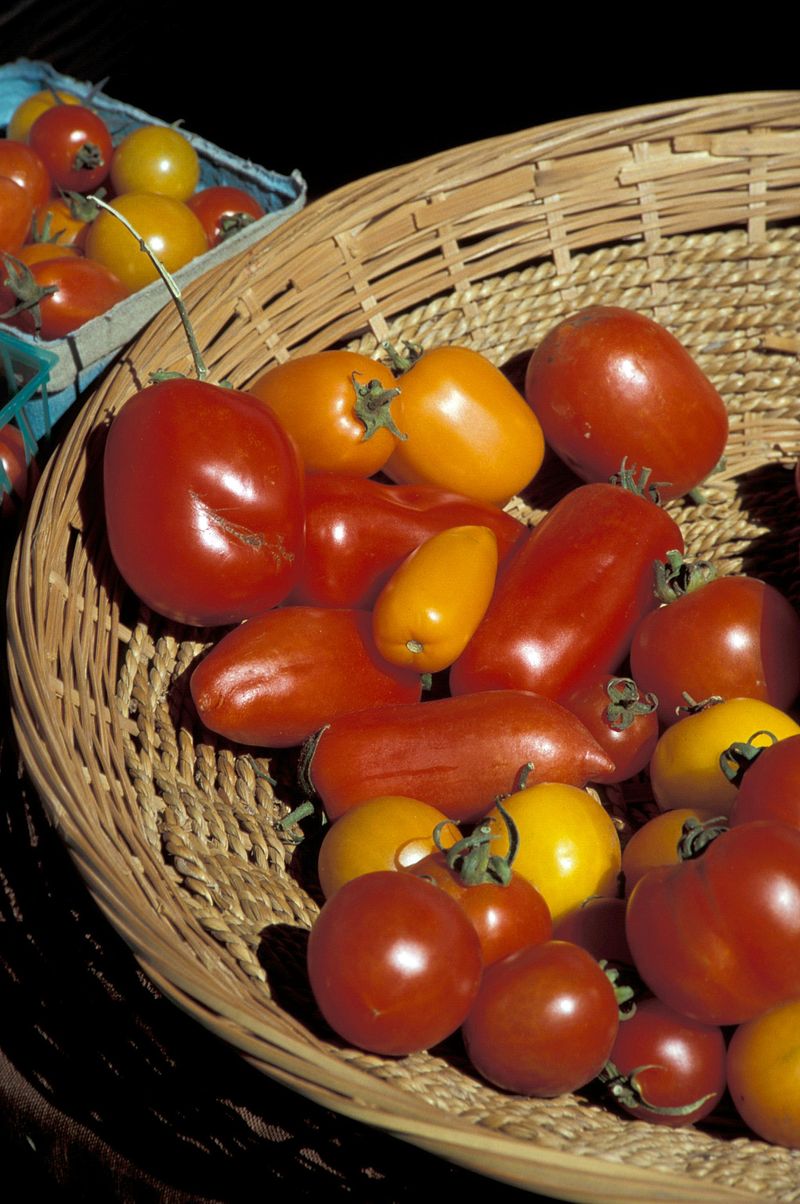
Varieties like Stupice, Siletz, and Early Girl are popular in northern gardens for good reason.
Crack-resistant varieties are also worth seeking out.
Breeding programs have developed tomatoes with thicker, more flexible skins that handle moisture fluctuations far better than older heirloom types.
Asking your local extension office or seed supplier for regionally tested recommendations is one of the best investments you can make before planting season starts.
7. Planting Before Wisconsin’s Last Frost Date
Planting too early is one of the more common missteps in tomato growing.
Planting too early in Wisconsin means your transplants are sitting in cold, wet soil that stresses the roots before they even get started.
Cold-stressed roots take up water erratically, and that irregular uptake creates exactly the moisture swings that lead to cracked fruit later in the season.
Wisconsin’s average last frost date ranges from late April in the south to late May in the north.
Planting even one week before that date is a risk that often is not worth taking.
A frost event can set your plants back by weeks and damage the cellular structure of the fruit before it even forms.
Hardening off your transplants properly before planting also matters more than most gardeners realize.
Sudden exposure to outdoor conditions after weeks in a warm greenhouse causes stress that can affect how the plant manages water all season.
Spend a week gradually introducing plants to outdoor temperatures before they go in the ground.
Use a soil thermometer to confirm the ground has reached at least sixty degrees before transplanting.
Cold soil slows root development and keeps the plant from establishing the strong root system it needs to handle Wisconsin’s unpredictable summer weather without cracking its fruit.
8. Planting Too Late For Wisconsin’s Fall Frost
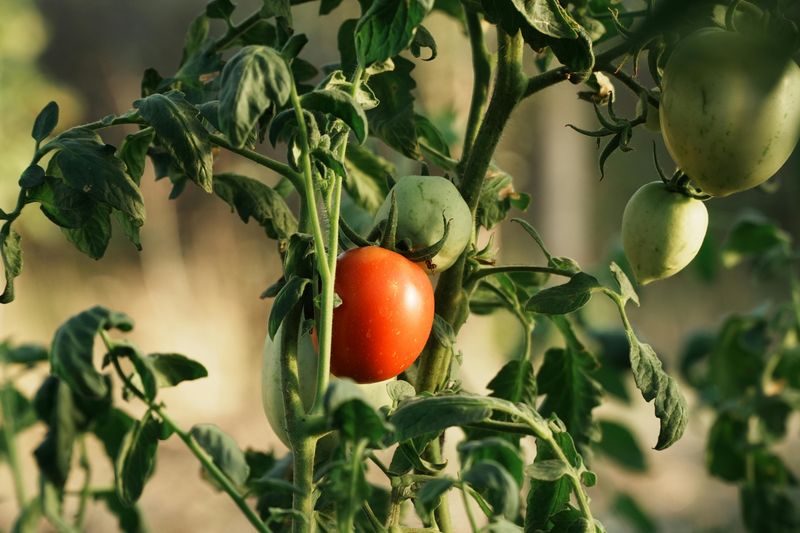
Miss the spring window and you end up chasing the fall frost instead.
Planting tomatoes too late in Wisconsin means your fruit is still maturing when September arrives, and early fall frosts in the north can show up by the first week of that month.
The scramble to ripen fruit before a frost often leads to hasty watering choices that cause cracking.
When gardeners realize they are running out of warm days, they tend to water heavily trying to push the fruit along.
That sudden flood of moisture into nearly ripe tomatoes causes the skin to split almost overnight.
Ripening fruit is especially vulnerable because the skin has already reached close to its maximum stretch.
If you planted late, accept that some fruit will need to be ripened indoors.
Green tomatoes harvested before frost can ripen beautifully on a countertop over one to two weeks.
They will not be quite as sweet as vine-ripened fruit, but they will be whole and usable.
Planning your planting date backward from your expected first fall frost gives you a clearer picture of what is actually achievable.
Knowing your variety’s days-to-maturity and counting back from your frost date helps you set realistic expectations and avoid the late-season panic that causes most of the mistakes.
9. Failing To Harvest Before Summer Storms
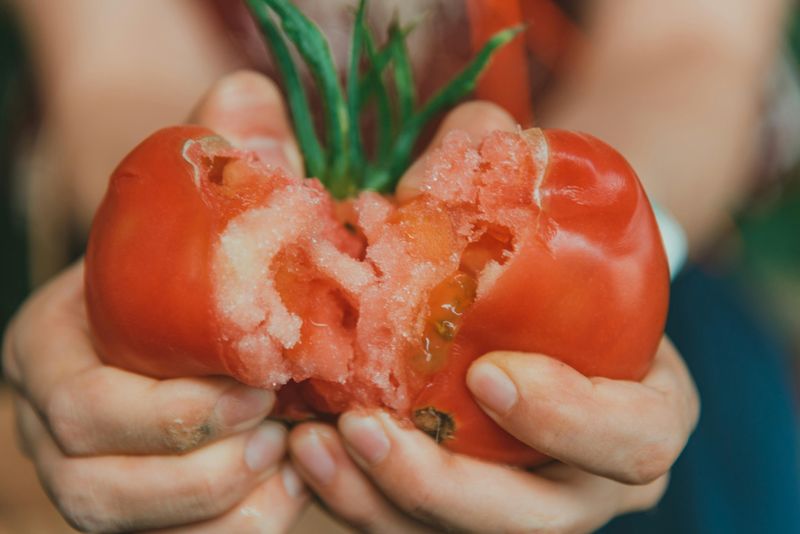
A ripe tomato left on the vine during a heavy late-summer storm is almost very likely to crack.
Fully ripe fruit has the least amount of skin flexibility remaining, and a sudden surge of water from a big storm pushes it right past the breaking point.
Late summer in the Midwest brings some of the most intense storms of the year, and your tomatoes cannot handle them at full ripeness.
Most gardeners wait for tomatoes to be perfectly red before picking, but that is actually too long.
A tomato that has reached the breaker stage, meaning it has just started to show color, will ripen fully off the vine with no loss of flavor.
Harvesting at this stage gives you full control and removes the storm risk entirely.
Check your plants every single day during late July and August.
Once a tomato starts turning, it can go from breaker to fully ripe in just two to three days.
A daily walk through the garden takes five minutes and can save your entire harvest.
Before any forecasted heavy rain, do a quick harvest of anything close to ripe.
Bring them inside, set them stem-side down on the counter, and let them finish at room temperature.
Harvesting on time keeps your fruit whole and your plant productive.
10. Ignoring Calcium Deficiencies
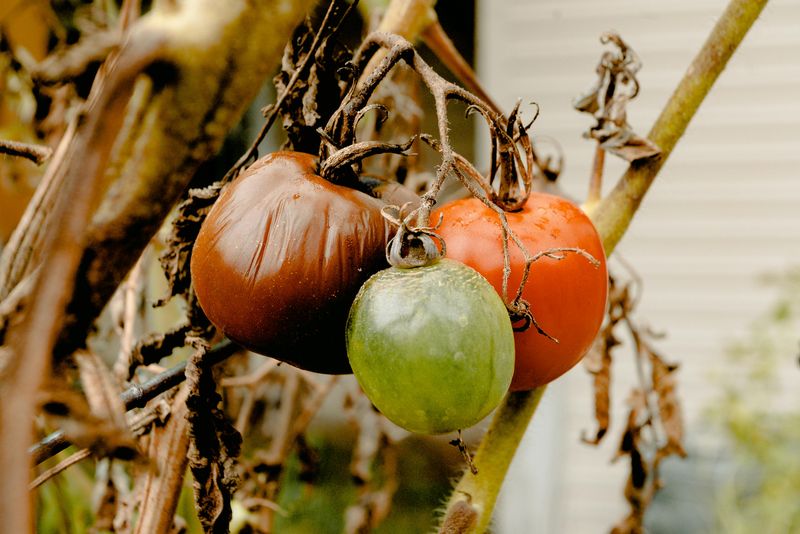
Image Credit: © Wendy Wei / Pexels
Calcium does more for a tomato than most gardeners ever think about.
It is the mineral that builds strong cell walls, and without enough of it, those walls cannot handle the pressure of rapid growth.
Soils in northern and central Wisconsin tend to lean acidic, which can affect how well plants absorb certain nutrients.
Calcium deficiency shows up as blossom end rot, but it also makes tomato skins far more prone to cracking.
Weak cell walls simply cannot flex the way healthy ones can.
When a moisture surge hits, the skin fails instead of stretching.
Getting a soil test is the most accurate way to know what your soil actually needs.
Local extension offices across the state offer affordable testing that tells you both pH and nutrient levels.
If your pH is below 6.5, adding agricultural lime can raise it and unlock the calcium already in your soil.
Foliar sprays of calcium chloride can offer a small boost during the season, though they work best alongside good watering habits and healthy soil.
Apply them in the early morning so the leaves can absorb the calcium before the heat of the day evaporates it.
A two-pronged approach of soil amendment and foliar feeding gives your tomatoes the structural strength to resist cracking from the inside out.
11. Leaving Damaged Tomatoes On The Vine In August
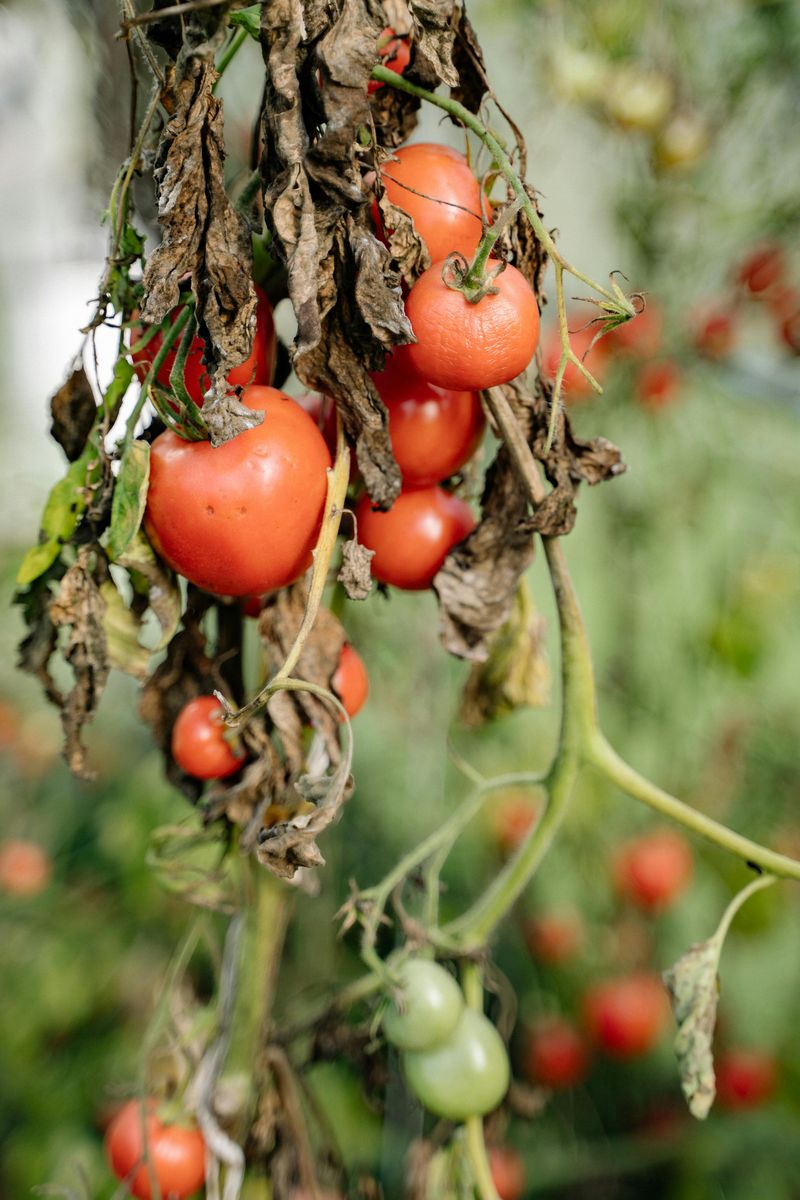
A cracked tomato left on the vine is not just a lost tomato, it is an active problem.
Open cracks are entry points for bacteria, mold, and insects, and in wet August weather, those problems spread fast.
Leaving damaged fruit on the plant also signals the plant to slow down fruit production, which is the last thing you want in the final stretch of the season.
Wet August conditions in the upper Midwest are notoriously rough on tomatoes.
Rain, humidity, and warm temperatures create a perfect environment for the pathogens that move through cracked fruit and into the rest of the plant.
One ignored cracked tomato can start a gradually affect nearby tomatoes and overall plant health.
Remove cracked tomatoes immediately, even if they still look mostly good.
Cut out the cracked section, and if the rest of the fruit is firm and unaffected, you can still use it.
Quick action prevents the damage from spreading to neighboring fruit on the same plant.
Keeping a small harvest basket with you every time you visit the garden makes it easy to pull damaged fruit on the spot.
Making removal a habit rather than a chore keeps your plants healthier and more productive through the end of the season, when every tomato counts the most.
12. Not Using Row Covers During Cold Snaps
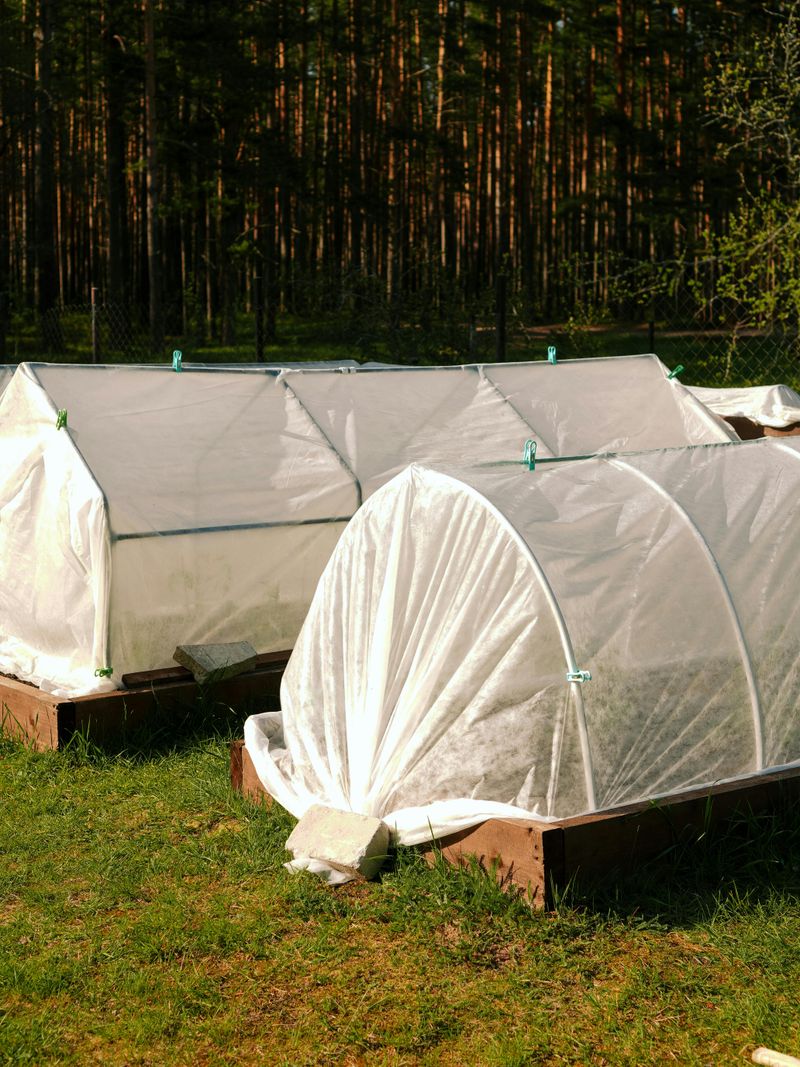
A cold snap in late September can arrive with almost no warning in Wisconsin.
Temperatures that were in the sixties all week can drop below freezing overnight, and if your tomatoes are unprotected, you could risk losing the fruit still on the vine.
Row covers are one of the simplest and most affordable tools a gardener can own, yet most gardeners never use them.
Cold stress does more than threaten frost damage.
When temperatures drop sharply and then bounce back up during the day, the plant experiences rapid temperature cycling that affects how it manages water.
That cycle can trigger cracking in fruit that was perfectly fine the day before.
Floating row cover fabric, sometimes called frost cloth, can add four to six degrees of protection on cold nights.
It is lightweight enough to drape directly over the plants without crushing them.
Secure the edges with stakes or rocks so wind does not pull it off during the night.
Keep a supply of row cover fabric on hand from mid-August onward.
Watching the forecast and covering plants proactively on nights forecast to drop below forty-five degrees protects both the fruit and the plant’s ability to keep ripening through the end of the season without stress-induced cracking.
13. Not Testing Wisconsin’s Regional Soil Composition
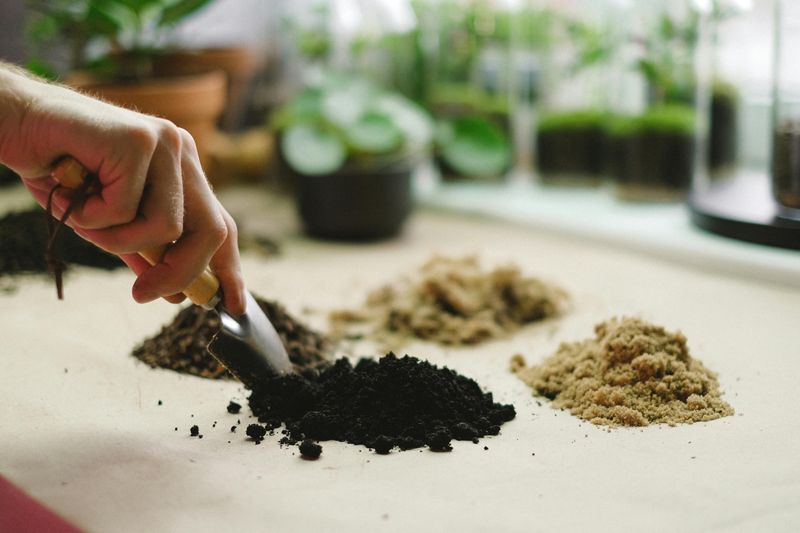
Wisconsin soil is not one thing.
From the sandy soils of the central counties to the heavy clay of the southeast and the rich loam of the southwest, the ground beneath your garden can be dramatically different from your neighbor’s just ten miles away.
Growing tomatoes without knowing what your soil is actually made of is like cooking without knowing your ingredients.
Soil pH directly affects how well tomatoes can absorb calcium, potassium, and other nutrients that keep fruit walls strong and crack-resistant.
A pH that is too low locks up calcium, and a pH that is too high can interfere with potassium uptake.
Both deficiencies make tomato skins weaker and more prone to splitting under moisture pressure.
A basic soil test from your county extension office costs between fifteen and thirty dollars and gives you a full nutrient and pH profile.
Most extension offices also provide specific amendment recommendations based on your results, which takes all the guesswork out of fixing the problem.
Testing once every two to three years keeps you current as your soil changes with each season’s amendments.
Knowing your soil composition is the foundation of everything else you do in the garden.
Watering routines and mulch layers only go so far.
If your soil has a nutrient imbalance, the problem starts before you ever pick up the hose.
Wisconsin gardens vary widely from region to region, and what works in one county may not be enough in another. Soil testing is what closes that gap.