These Are The North Carolina Trees That Cause The Most Problems For Homeowners
Not every tree that catches your eye at a North Carolina nursery is going to be your yard’s best friend. Some trees have a serious glow-up problem.
They look absolutely charming when they are young and manageable, and then they spend the next decade dropping messy fruit everywhere, throwing weak limbs around during storms, and sending roots straight toward your driveway like they have a personal grudge.
Invasive seedlings popping up across your lawn? Also not fun.
Across North Carolina, certain trees come up repeatedly in conversations about landscape regrets, and honestly, a little research before you plant can save you a shocking amount of cleanup, repair costs, and frustration down the road.
Your future self will genuinely thank you for reading this before grabbing that shovel.
1. Callery Pear Brings Big Problems
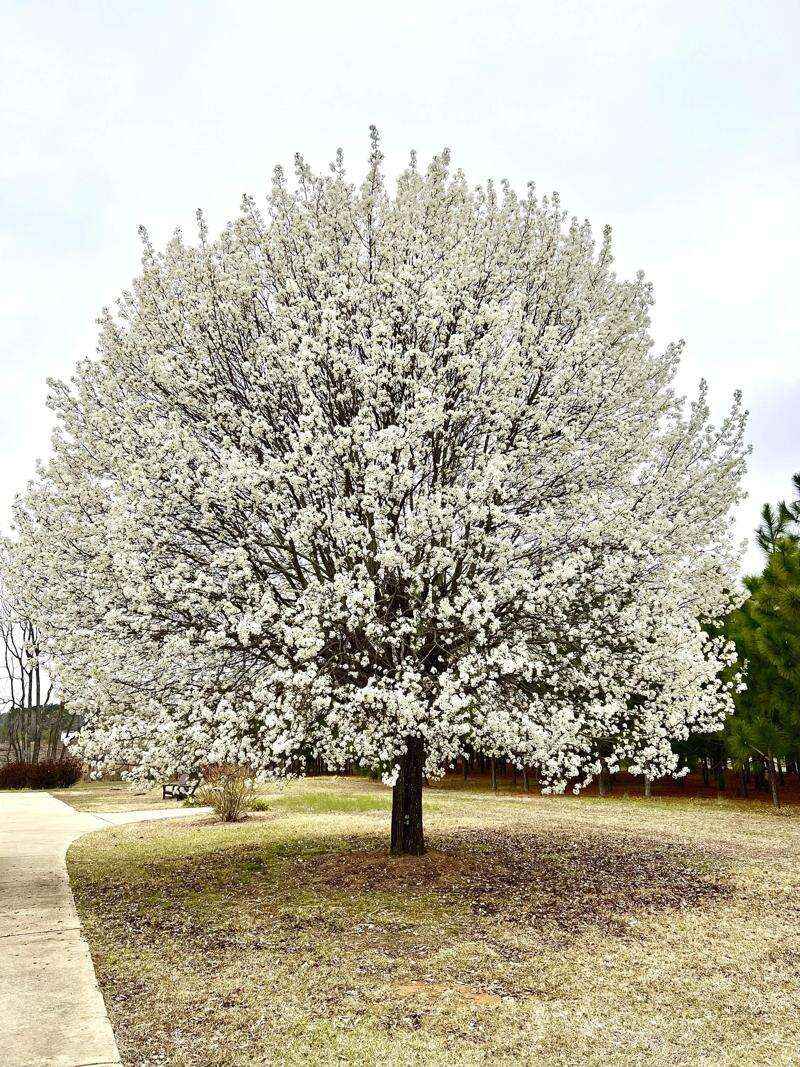
Few trees in North Carolina have gone from beloved neighborhood staple to widespread nuisance quite as quickly as the Callery pear.
For years, this tree was planted up and down residential streets across the state because of its showy white spring flowers and tidy oval shape.
The trouble is that the beauty is short-lived, and the problems tend to outlast it.
One of the most serious concerns is structural. Callery pear branches grow at tight, narrow angles from the trunk, which makes the wood prone to splitting under storm pressure.
North Carolina sees its share of strong winds, ice storms, and heavy rain, and this tree tends to break apart well before other species do. Large limbs can fall without much warning, creating real hazards near homes, cars, and people.
The invasive spread is another major issue. Callery pears produce small fruit that birds eat and carry into woodlands, roadsides, and open fields across North Carolina.
The seedlings that sprout from bird-dropped seeds are often thorny and difficult to remove once established. They can take over field edges and disturbed areas surprisingly fast.
North Carolina has recognized the invasive nature of this species, and it is now listed as an invasive plant of concern in the state.
Homeowners who already have one should watch for seedlings sprouting nearby and address them early before they spread further into the landscape.
2. Tree-Of-Heaven Spreads Fast
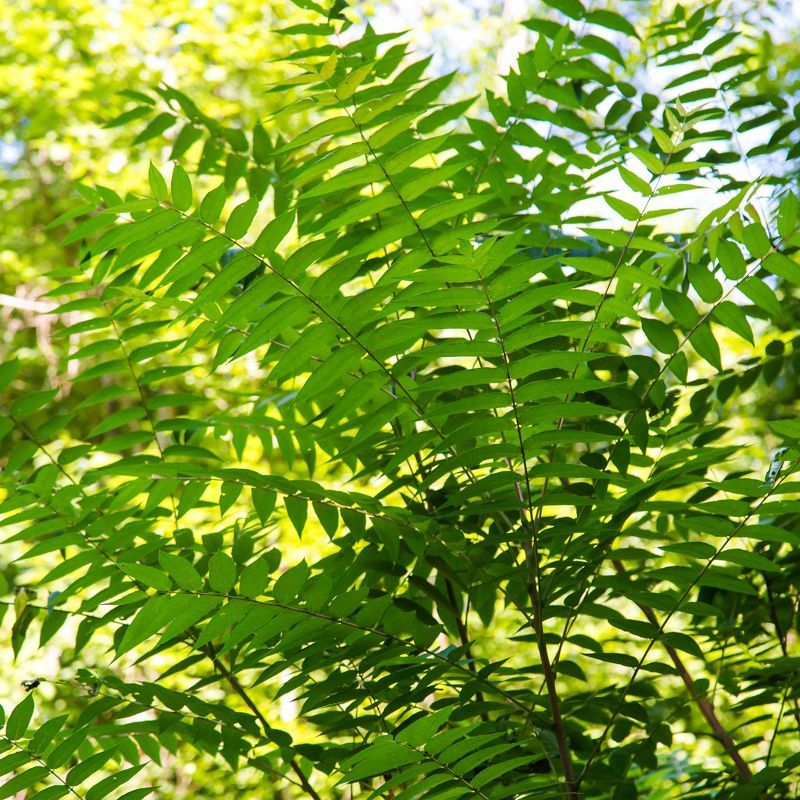
Walk along almost any disturbed roadside, fence line, or vacant lot in North Carolina and there is a good chance you will spot Tree-of-Heaven pushing its way up through the soil.
This fast-growing tree from China has established itself across the state with remarkable efficiency, and once it gets a foothold on a property, removing it completely can take serious effort over multiple seasons.
Tree-of-Heaven grows at an impressive rate, sometimes adding several feet in a single growing season. That speed might sound appealing, but it comes with a long list of drawbacks.
The roots spread aggressively and can sprout new growth even after the main trunk is cut. Cutting the tree without following up with careful root management often results in a cluster of new sprouts emerging from the base and surrounding soil.
Your North Carolina Garden Changes Every Week. Your Plan Should Too.
Gardening in North Carolina changes quickly throughout the season. Every Friday you’ll receive a simple weekly plan showing exactly what to plant, prune, fertilize, harvest, and protect so you never miss the right timing.
Each one of those sprouts is capable of becoming a full-sized tree if left unchecked.
The tree also produces enormous quantities of winged seeds that travel easily on the wind, meaning one mature tree can generate hundreds of seedlings in nearby beds, lawn edges, and garden borders.
Beyond the spread, the foliage has an unpleasant smell that many people find off-putting, especially on warm days.
In North Carolina, Tree-of-Heaven is considered an invasive species, and its presence near wooded property edges can quickly become a management challenge.
Homeowners who spot young trees should address them early, because mature specimens are considerably harder to manage.
3. Mimosa Causes More Trouble Than Expected
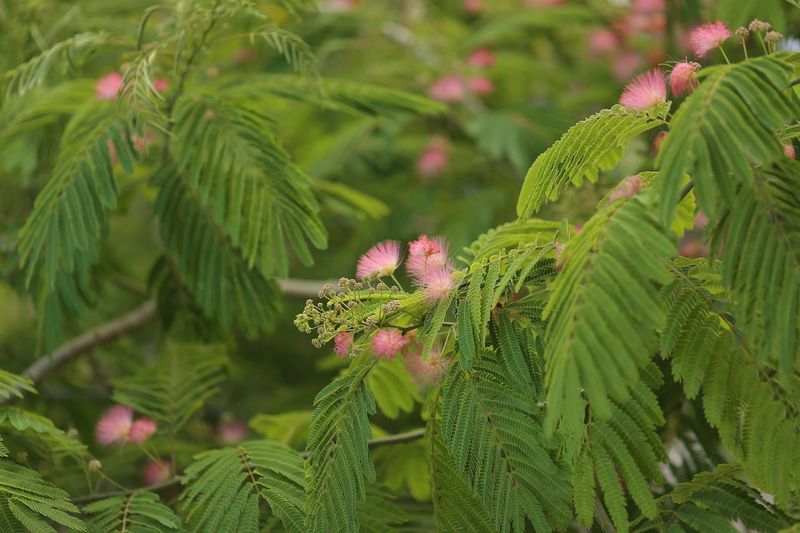
The mimosa tree has a way of charming people at first glance. Those feathery pink flowers are genuinely striking in early summer, and the delicate, fern-like leaves give the tree an almost tropical look that feels right at home in a warm North Carolina yard.
But spend a few seasons with one and the appeal tends to fade quickly.
Seed production is one of the biggest complaints. Mimosa trees generate large quantities of long, flat seed pods that litter the ground beneath the canopy for much of the year.
The seeds inside those pods remain viable for a long time, and they sprout readily in lawns, garden beds, cracks in pavement, and along fence lines. Once seedlings get going, they come back persistently even after being pulled or mowed.
Homeowners often find themselves managing mimosa seedlings well beyond the original tree.
The wood is another concern. Mimosa tends to have brittle branches that break under storm stress, and North Carolina weather can be rough enough to test even stronger species.
Fallen limbs and scattered pods can make a yard look unkempt through much of the growing season. The tree is also susceptible to mimosa wilt, a fungal disease that can weaken or eventually hollow out a mature tree over time.
Mimosa is considered invasive in many parts of North Carolina, particularly in areas near natural land, where escaped seedlings can crowd out native plants along stream banks and woodland edges.
4. Princess Tree Makes A Mess Fast
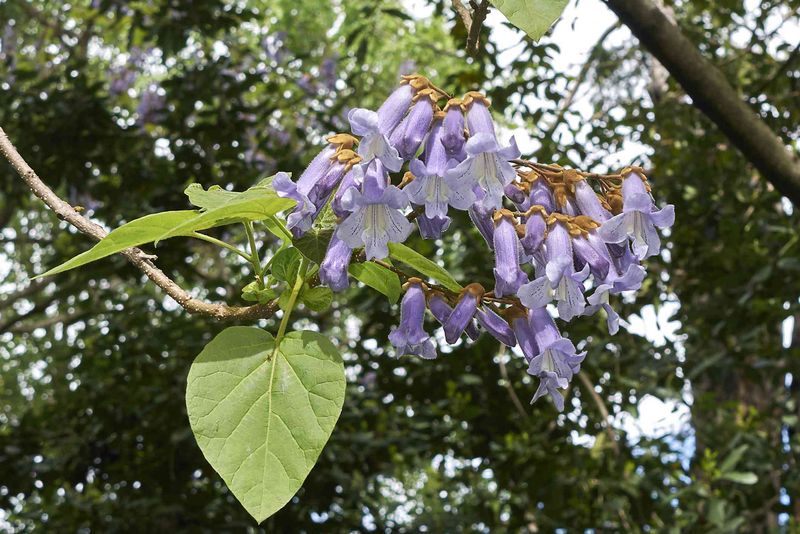
Speed is usually considered a good quality in a shade tree, but the Princess tree takes fast growth to an extreme that most homeowners are not prepared for.
Also known as Paulownia tomentosa, this tree can put on several feet of growth in a single season under the right conditions, which sounds impressive until you realize how quickly it can overtake a yard, fence line, or garden space.
The seed production alone is staggering. A mature Princess tree can release millions of tiny, winged seeds in a single season, and those seeds are light enough to travel long distances on the wind.
They sprout in gutters, between pavers, along rooflines, and in any patch of disturbed soil they can find.
In North Carolina, the tree has spread well beyond cultivated yards into natural areas, where it tends to establish quickly along roadsides, riverbanks, and forest edges after disturbance.
The large leaves, some of which can reach over a foot across on vigorous young growth, drop heavily in fall and are slow to break down. Cleanup under a mature Princess tree can feel like a season-long project.
The roots also resprout vigorously after cutting, meaning removal often requires persistent follow-up.
North Carolina recognizes Paulownia tomentosa as an invasive plant, and its tendency to establish in disturbed areas makes it a particular concern near wooded property edges and natural buffers.
For a typical residential yard, this tree creates far more work than most homeowners anticipate.
5. Chinaberry Brings More Problems Than Beauty
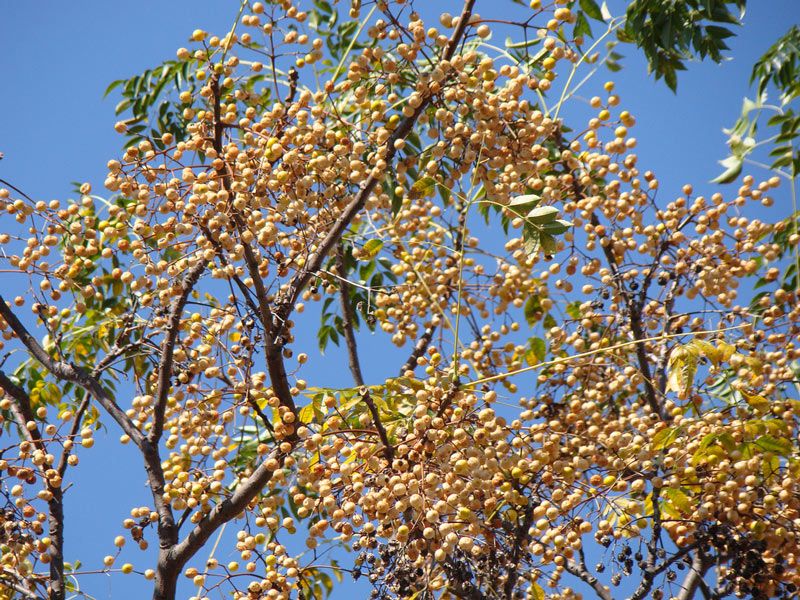
Chinaberry has been growing in yards for generations, and it is easy to see why it caught on. The tree grows quickly, provides dense shade, and produces clusters of fragrant flowers in spring that are genuinely attractive.
In older neighborhoods across the state, you can still find large Chinaberry trees that have been standing for decades. But planting one today comes with a set of problems that are worth understanding before you commit.
The berries are one of the first issues homeowners notice. Chinaberry produces large quantities of small, round fruit that drop and litter patios, driveways, and lawn areas through fall and into winter.
The fallen berries can be slippery underfoot, and cleanup is a recurring task. Birds spread the seeds readily, which is how the tree has naturalized across much of the Southeast, including many parts of North Carolina.
Seedlings sprout in garden beds, along fence lines, and in lawn edges with enough persistence to become a real nuisance.
The wood is relatively soft and tends to break under storm pressure, which is a concern in a state that sees its share of severe weather. Large limbs can come down during strong wind events, creating hazards near structures and vehicles.
Chinaberry is also considered invasive in parts of the Southeast, and its spread into natural areas along stream banks and disturbed ground is an ongoing concern.
In a typical North Carolina residential yard, the long-term maintenance demands tend to outweigh the early appeal of fast growth and summer shade.
6. Eastern Cottonwood Causes Trouble Near Homes
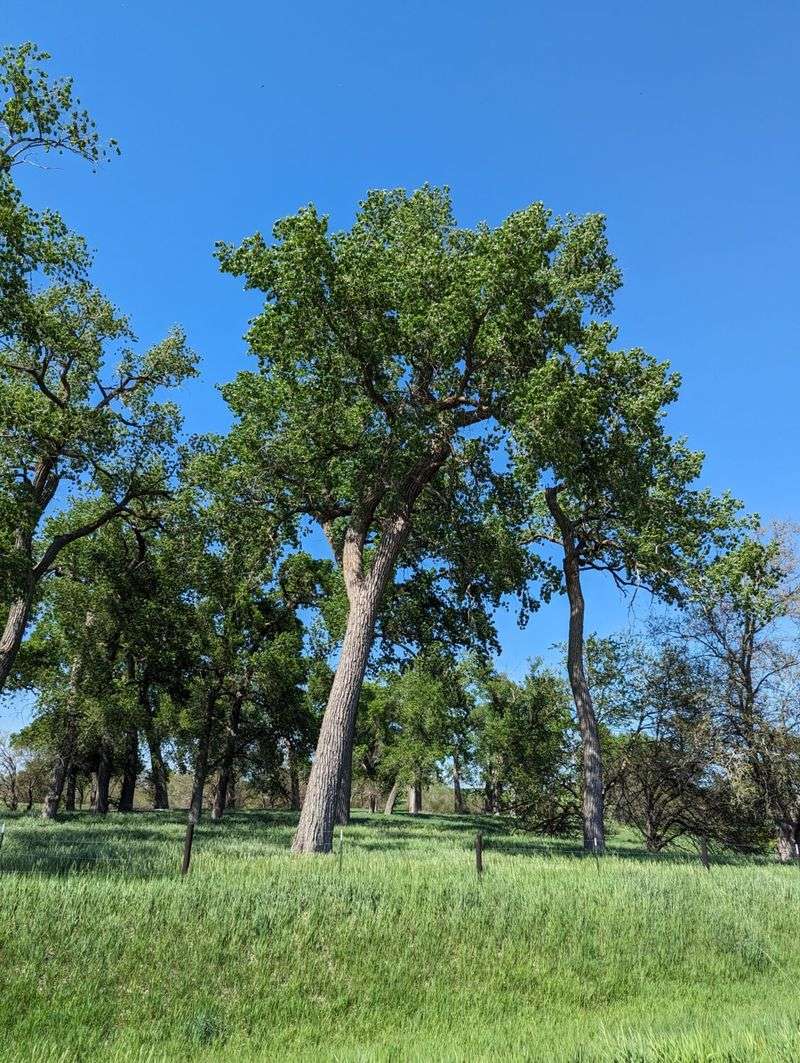
Standing near a river or creek bottom in North Carolina, Eastern Cottonwood is a genuinely impressive native tree. It grows large, provides substantial shade, and supports a variety of wildlife.
The problem is not the tree itself so much as where people sometimes choose to plant it, because a cottonwood placed too close to a home, driveway, or underground utility line tends to create a long list of headaches over time.
The root system is aggressive and wide-spreading, which makes sense for a tree that evolved near floodplains where water is plentiful and soil is loose.
Near a home, those same roots can work their way into sewer lines, crack pavement, and heave sidewalks as the tree matures.
The roots tend to follow moisture, so any nearby irrigation lines, downspout drainage, or plumbing can attract them. Planting distance matters enormously with this species, and many homeowners underestimate how large the root zone eventually becomes.
The cottony seed release that gives this tree part of its common name is another well-known nuisance.
In late spring, mature female trees release enormous quantities of fluffy white seeds that drift into gutters, window screens, air conditioning units, and garden beds.
The seeds themselves are not harmful, but the sheer volume of them can clog drainage and create fire risk near grills or fire pits.
Eastern Cottonwood is a North Carolina native and has real ecological value in the right setting, but its size and root behavior make it a poor fit for typical residential lots.
7. Black Willow Can Be Hard To Manage
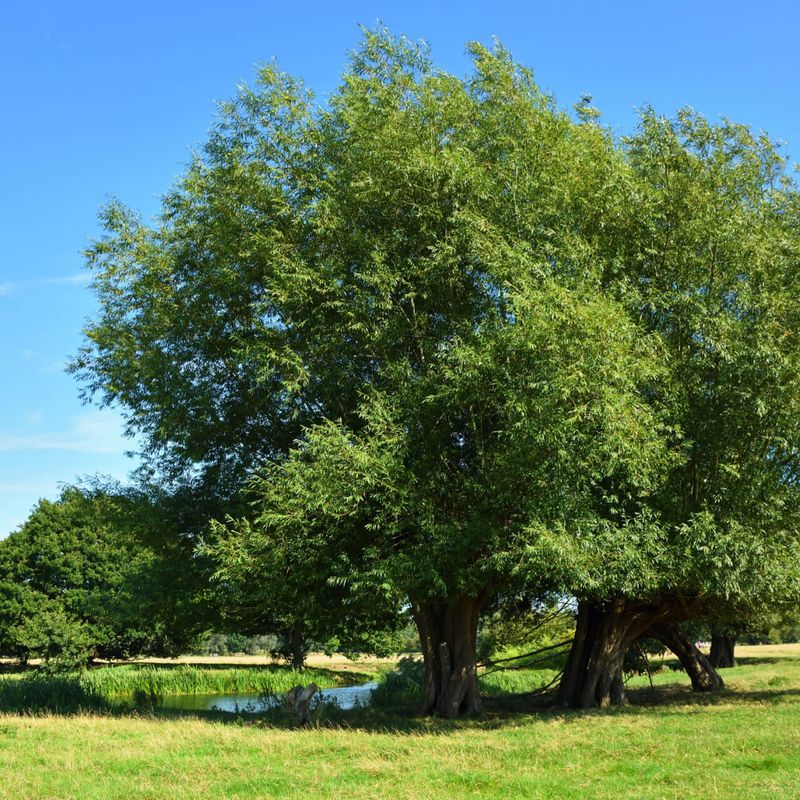
Water-loving trees have a way of finding moisture wherever it exists in a landscape, and Black Willow is one of the most persistent examples of that tendency in North Carolina.
Along stream banks and pond edges, this native tree plays a useful role in stabilizing soil and supporting wetland habitat.
Closer to a home, though, its aggressive root behavior and high water demands can create recurring problems that are difficult to fully resolve.
The roots of Black Willow are well known for seeking out water sources, and in a residential setting that means drainage pipes, irrigation lines, and any moisture that collects near a foundation can attract root growth.
Once roots enter a pipe or crack, the damage tends to expand over time.
Homeowners who plant Black Willow near a septic system, sewer line, or drainage feature often discover the consequences years later when blockages or structural damage become apparent.
Beyond root concerns, Black Willow drops branches and twigs regularly, particularly after storms or strong winds.
The wood is not especially sturdy, and mature trees can shed significant limbs during severe weather events that are common in North Carolina.
Keeping up with fallen debris requires consistent attention through the growing season. The tree also tends to sucker from the roots, sending up new growth around the base and in surrounding lawn areas.
Black Willow can thrive beautifully in naturalized or riparian settings, but near a home with managed landscaping, its combination of root spread and storm sensitivity makes long-term management genuinely challenging.