Why Cucumber Beetles Are One Of The Sneakiest Threats To Michigan Vegetable Gardens Right Now
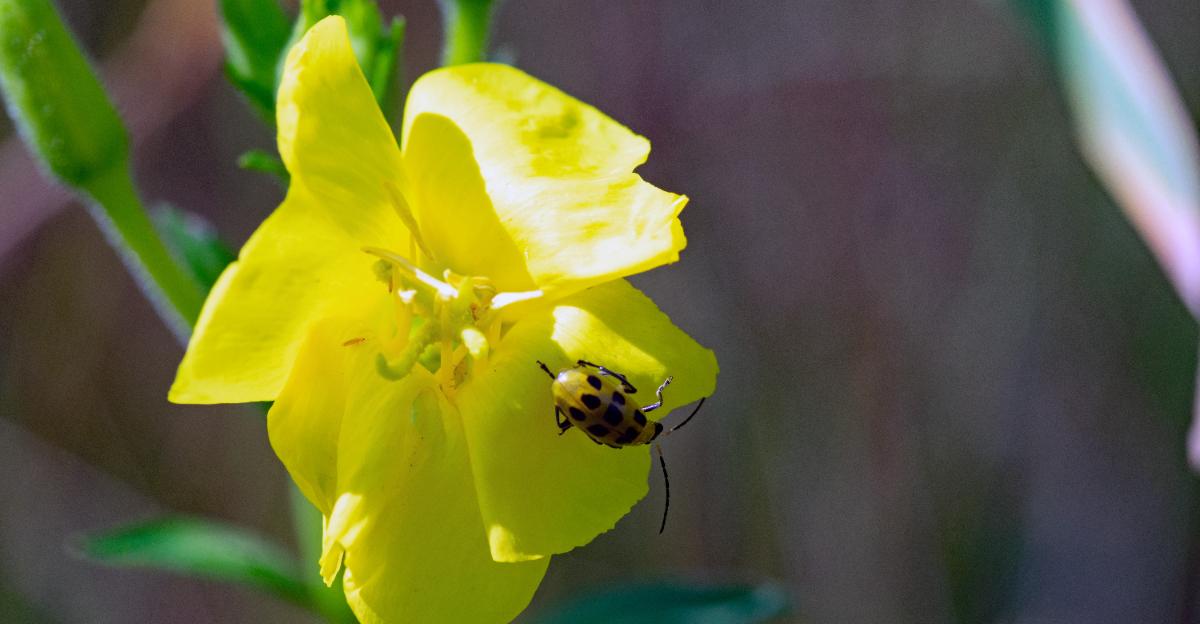
Most garden pests make themselves obvious. You see the damage, you find the culprit, and you deal with it.
Cucumber beetles work differently. They arrive early in the season before most gardeners are thinking about pest pressure, and the real harm they cause often does not show up until weeks after the initial feeding.
The beetles carry bacterial wilt in their digestive systems and transfer it to plants while feeding, which means a plant can look fine for a stretch of time and then collapse quickly with no clear explanation.
By the time Michigan gardeners connect the decline to the beetles, the damage is already done.
Understanding how these insects move through a vegetable garden and what actually stops them is worth knowing before they show up, not after.
1. Cucumber Beetles Spread Bacterial Wilt Faster Than Most Gardeners Realize
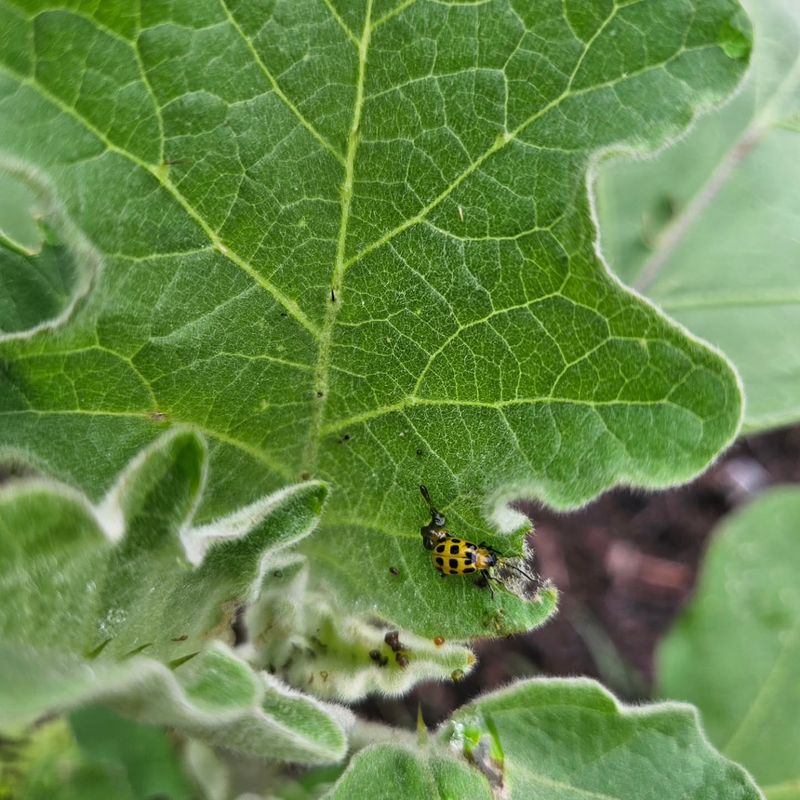
Most gardeners worry about chewed leaves, but cucumber beetles carry something far more dangerous inside them. Striped cucumber beetles are the main carriers of bacterial wilt, a disease caused by a bacterium called Erwinia tracheiphila.
When a beetle feeds on a plant, it deposits this bacterium directly into the wound, and from there the infection spreads fast through the plant’s water-carrying system.
Squash, cucumbers, melons, and pumpkins are all vulnerable. What makes bacterial wilt so alarming is how quickly it moves.
A plant that looked perfectly fine on Monday can start showing wilted leaves by Wednesday, and within days the entire vine can collapse without any obvious warning signs that something was wrong.
The bacterium blocks the plant’s ability to move water from roots to leaves. No amount of watering will fix it once the infection takes hold.
Gardeners often assume the plant is just thirsty, water it repeatedly, and feel confused when nothing improves. Understanding that the real problem started with a beetle bite changes everything about how you should approach protecting your garden.
Catching beetles early, before populations grow large, is genuinely the most effective way to keep bacterial wilt from spreading through your cucurbit beds this season.
2. Michigan Gardeners Often Notice The Damage Too Late
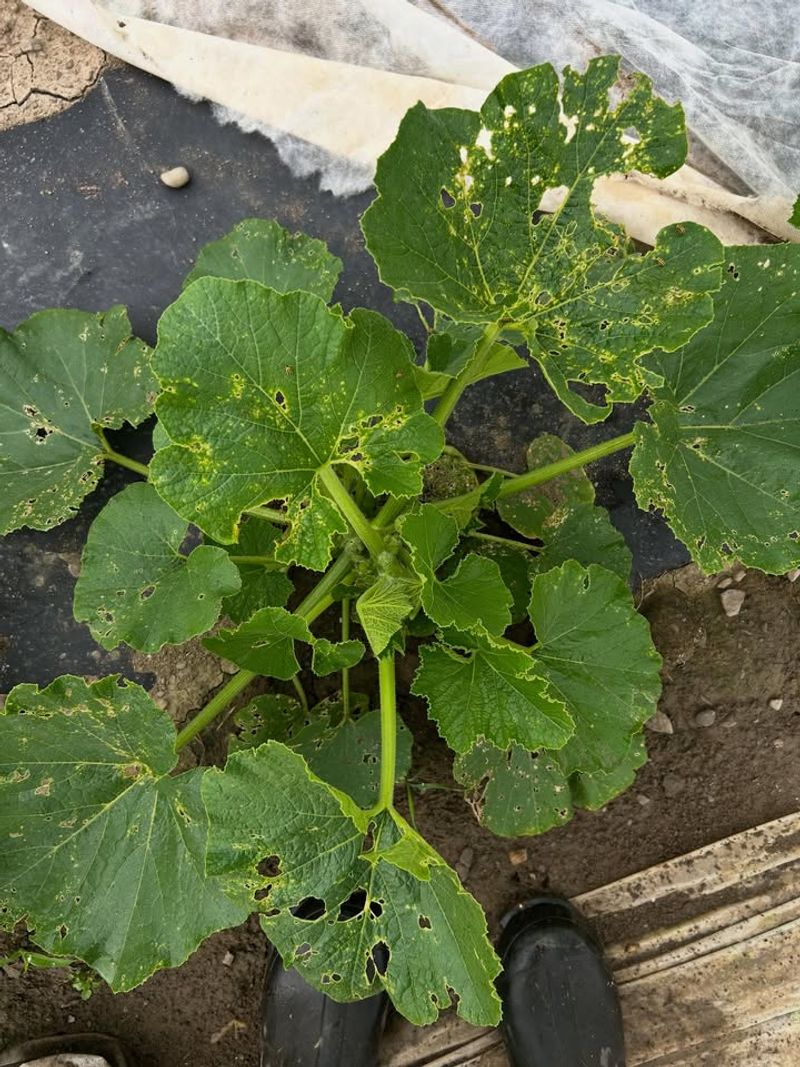
Cucumber beetles are genuinely sneaky. Early in the season, they tend to feed quietly on stem bases, flower buds, and the undersides of leaves where gardeners rarely think to look.
By the time chewed leaves or wilting vines become obvious, beetle populations have often already grown to a level that is much harder to manage.
Populations can build up surprisingly fast in Michigan gardens once warm weather arrives in late May and June. Adult beetles that survived winter start showing up on plants almost immediately after transplants go in or seedlings emerge.
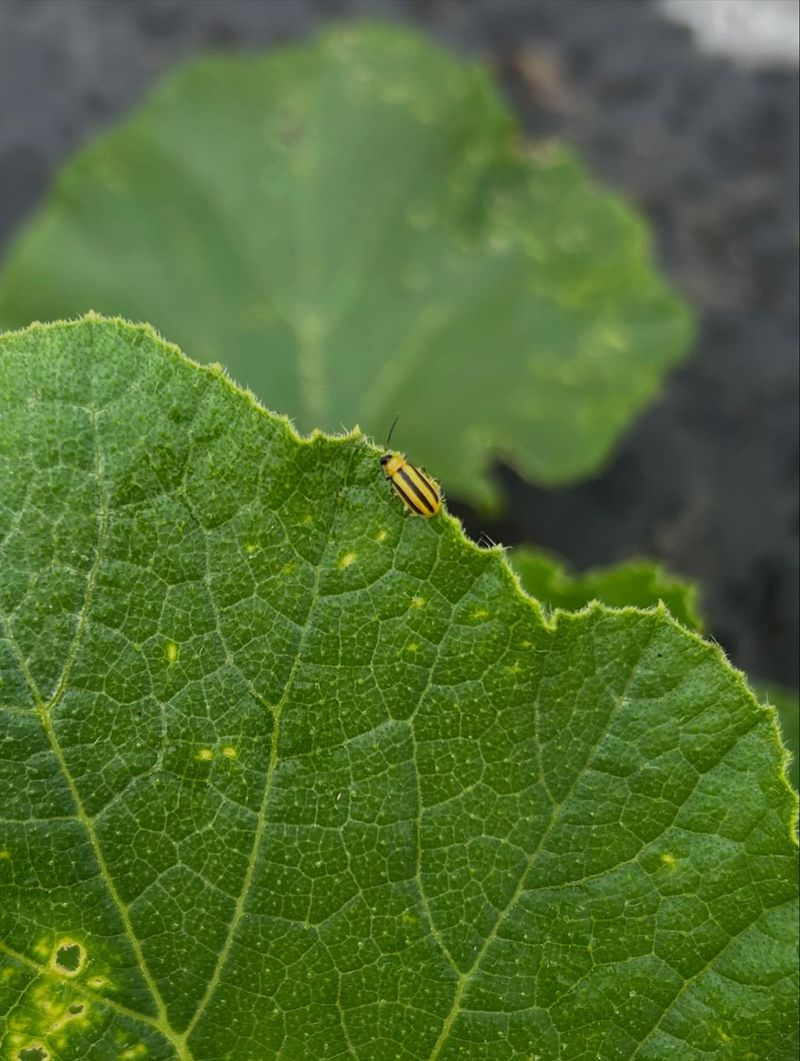
Because they are small, only about a quarter of an inch long, and move quickly when disturbed, a casual glance at the garden often misses them entirely.
Consistent inspection is the real secret to catching problems early. Check plants at least twice a week, and focus on the undersides of leaves, along stem joints, and inside open flowers.
Your Michigan Garden Changes Every Week. Your Plan Should Too.
Gardening in Michigan changes quickly throughout the season. Every Friday you’ll receive a simple weekly plan showing exactly what to plant, prune, fertilize, harvest, and protect so you never miss the right timing.
Tipping leaves gently and looking closely is far more effective than just scanning from above. Early morning is a great time to check because beetles tend to be slower and less likely to fly away.
Spotting even two or three beetles on young plants should be treated as a serious signal that action is needed right away, not something to monitor casually for another week.
3. Young Cucumber Plants Are Especially Vulnerable
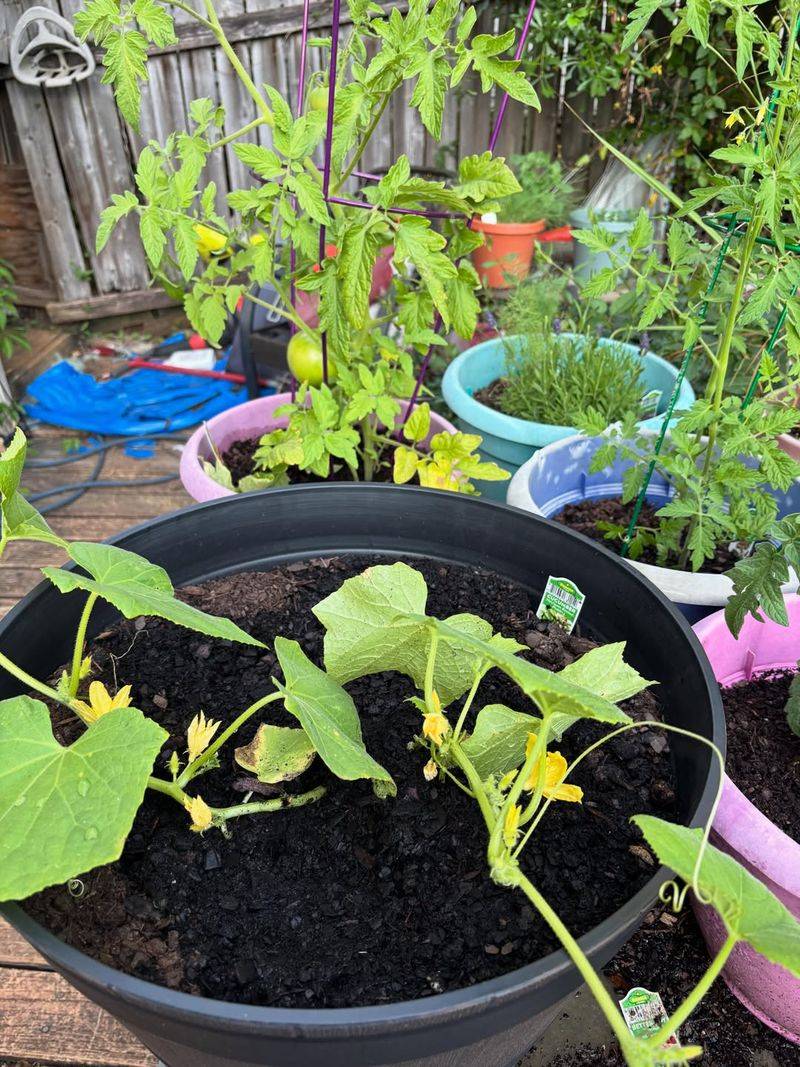
Tiny seedlings have almost no buffer when beetle pressure arrives. A few adult cucumber beetles feeding heavily on a young transplant can cause enough damage to stunt its growth significantly within just a couple of days.
Unlike a large established plant that can afford to lose some leaf tissue, a seedling is working with very limited resources.
The first two to three weeks after transplanting or germination are genuinely the most critical window. During this stage, roots are still getting established, the plant has few leaves to spare, and any disruption to normal growth can set the whole season back.
Beetles that feed on stem tissue near the soil line can cause a type of injury called girdling, which cuts off the plant’s ability to move nutrients upward.
Protecting young plants right from the start makes a real difference. Floating row covers placed directly over transplants immediately after planting create a physical barrier that beetles simply cannot get through.
Checking underneath covers every few days ensures no beetles got trapped inside before the cover was placed. Starting with healthy, vigorous transplants from a reputable nursery also gives plants a stronger foundation.
The faster a young plant establishes itself and starts putting on real growth, the better its chances of tolerating any beetle activity that comes later in the season.
4. The Beetles Feed On Much More Than Cucumbers
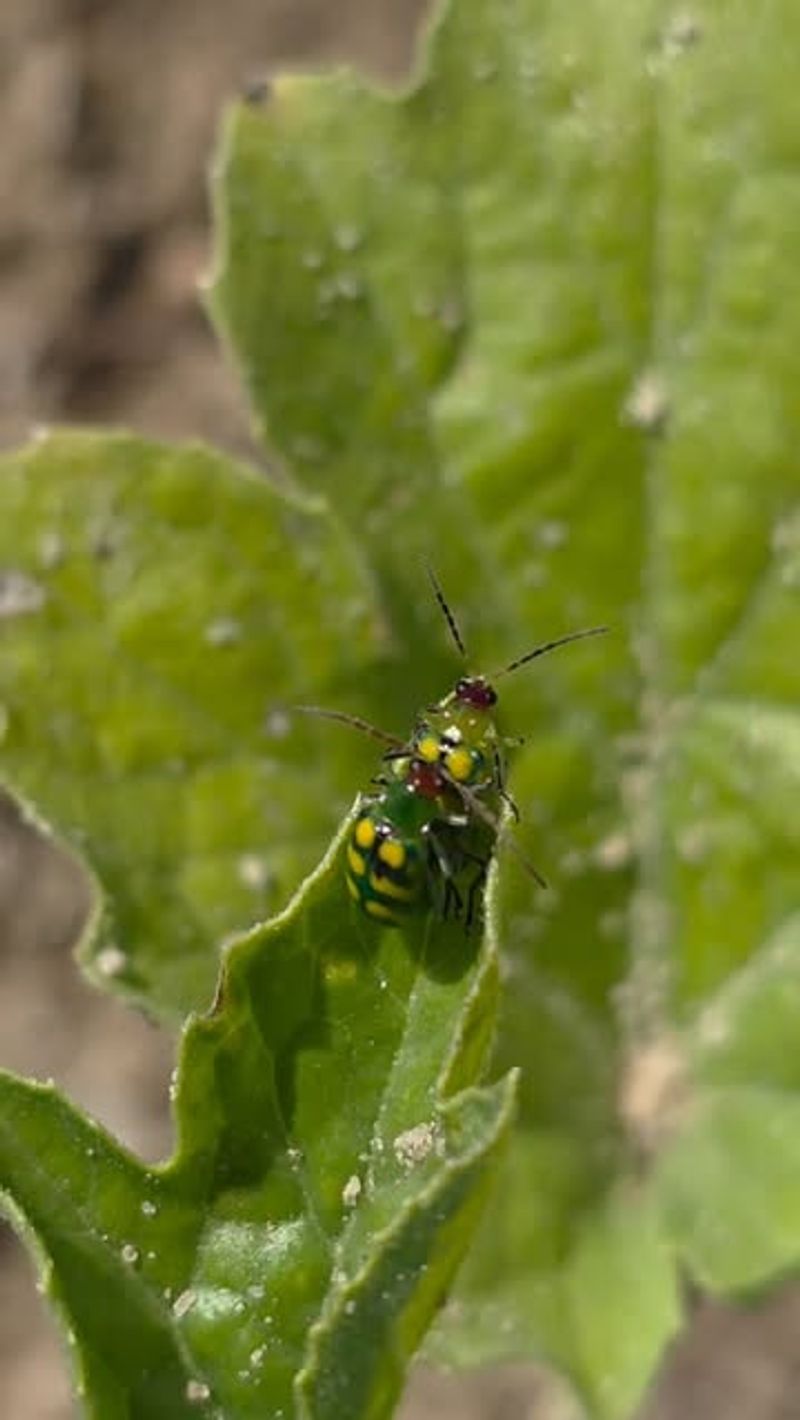
The name cucumber beetle is a little misleading. Yes, cucumbers are a favorite target, but these insects are happy to feed on a wide range of garden crops whenever they get the chance.
Squash, pumpkins, muskmelons, watermelons, and gourds are all regularly attacked, and the entire cucurbit family should be considered at risk whenever beetles are present in the garden.
Beyond cucurbits, cucumber beetles have been known to feed on beans, corn, and even some ornamental flowers like zinnias and dahlias.
They are attracted to pollen and soft plant tissue, which means any blooming or tender-leaved plant nearby can become a feeding site during peak beetle season.
Gardeners who grow a diverse vegetable garden sometimes get surprised when they find beetles on crops they never expected to be targets.
Knowing this wider host range matters a lot for monitoring strategy. Checking only cucumber plants while ignoring squash or pumpkins growing a few feet away gives beetles a comfortable refuge where they can feed and multiply undisturbed.
A whole-garden approach to monitoring, where every cucurbit and neighboring crop gets regular inspection, gives you a much clearer picture of how large the beetle population really is.
Rotating which crops you grow in each bed from year to year also disrupts beetle cycles and reduces how quickly populations build up in any single area of the garden.
5. Bright Yellow Flowers Actually Help Attract Them
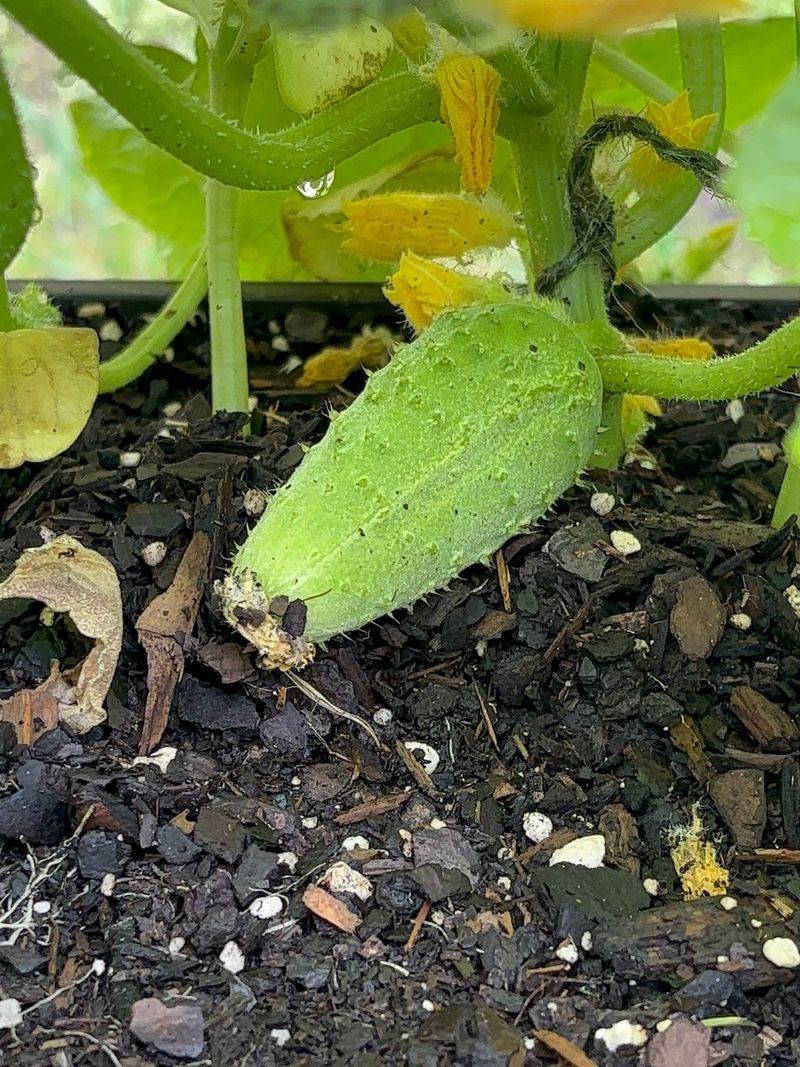
There is something almost ironic about this one. Those gorgeous yellow squash and cucumber flowers that signal your plants are growing beautifully are also like a beacon for cucumber beetles.
The beetles are strongly drawn to the color yellow and to the scent of cucurbit flowers, making bloom time one of the highest-risk periods of the entire growing season.
Research has shown that cucumber beetles use both visual and chemical cues to locate host plants. Cucurbitacin, a compound found naturally in cucurbit plants, is particularly attractive to these insects.
Once flowers open and begin releasing scent compounds into the air, beetles from surrounding areas can move in quickly, sometimes arriving in numbers that seem to appear from nowhere overnight.
Knowing this timing helps gardeners stay ahead of the problem. As soon as the first flowers begin to open on squash, cucumbers, or melons, that is the moment to increase inspection frequency.
Checking plants every single day during early bloom rather than every few days gives you a much faster response window.
Some gardeners find that removing row covers right at the start of flowering and immediately setting out yellow sticky traps near plants helps catch incoming beetles before they establish.
Traps alone will not solve a serious infestation, but they serve as a useful early warning system that something is arriving in your garden before the population grows large.
6. Row Covers Only Work Before Flowering Starts
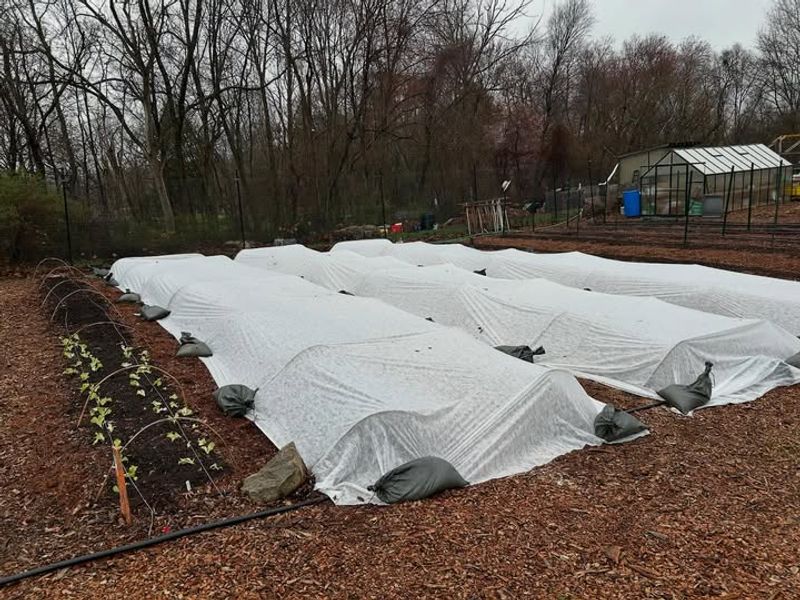
Row covers are one of the most genuinely useful tools a Michigan gardener has against cucumber beetles, but they come with an important limitation that trips people up every season.
They work beautifully as a physical barrier when plants are young and not yet flowering, but once those first blossoms open, the covers usually need to come off so pollinators can do their job.
Cucumbers, squash, pumpkins, and melons all need bee pollination to produce fruit. Keeping row covers in place through flowering will protect plants from beetles but will also block bees from reaching flowers, which means no fruit sets.
Timing the removal of covers to coincide with early bloom is one of the more delicate judgment calls in the season, and getting it right matters for both pest protection and harvest.
A few practical tips make this easier. Make sure covers are secured tightly at the edges so beetles cannot crawl underneath from the soil level.
Check underneath the covers every few days for any beetles that may have been present before covering. Water plants through the cover or lift the edges carefully to avoid creating gaps.
When the time comes to remove covers at flowering, do it on a morning when you can spend a few minutes doing a thorough hand inspection of the plants first.
Catching any beetles present right at that transition moment gives your plants a cleaner start into the pollination phase of the season.
7. Hand Picking Works Better Than Many Gardeners Expect
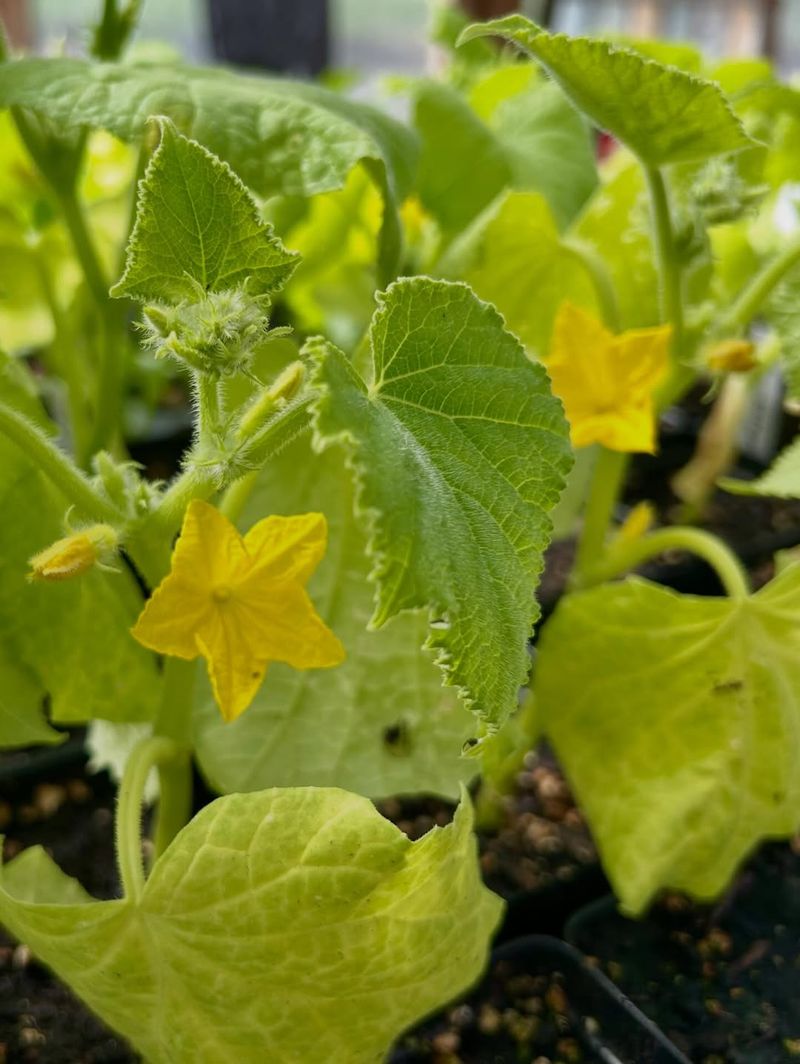
Hand picking might sound too simple to actually work, but for a small home garden it is genuinely one of the most effective strategies available.
Cucumber beetles are fast, but early in the morning when temperatures are still cool they move more slowly and are far easier to catch.
A dedicated ten-minute inspection session before 8 a.m. can remove a surprising number of beetles before they have a chance to spread or feed further.
The method is straightforward. Bring a container of soapy water into the garden and hold it underneath leaves and stems as you inspect.
When you spot a beetle, give the leaf or stem a quick shake and the beetle will often drop directly into the water below. Checking the undersides of leaves, inside flowers, and along stem joints gives you the best coverage since these are the spots beetles prefer most.
Consistency is the part that actually makes hand picking successful. Doing it once and then waiting a week will not make a meaningful dent in the population.
Going out every morning for several days in a row, especially during peak season in June and July, removes beetles steadily before they can reproduce and multiply. For gardeners who grow just a few plants, this approach is both practical and satisfying.
Catching beetles yourself gives you a real sense of how large the population is and whether other strategies need to be added alongside the daily removal routine.
8. Healthy Fast Growing Plants Recover More Easily
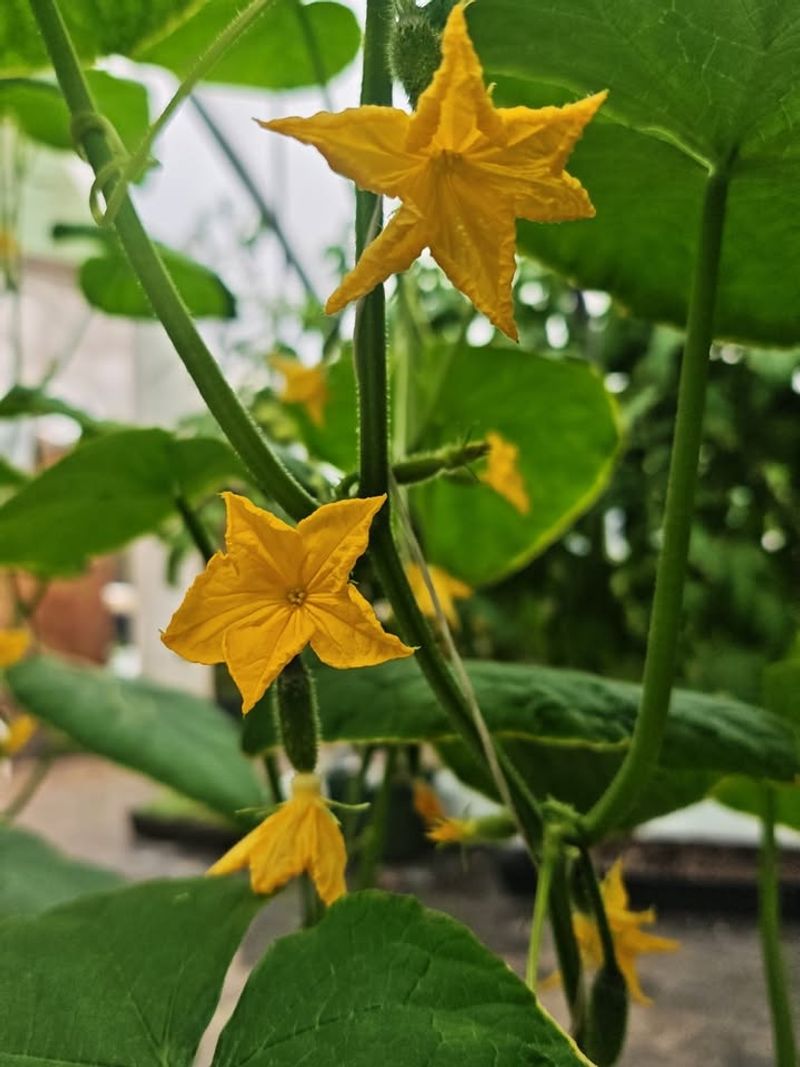
A strong, well-fed plant handles beetle pressure in a way that a stressed or struggling plant simply cannot.
When cucumbers and squash are growing quickly and consistently, they can outpace moderate feeding damage and still produce a good harvest even when some beetle activity is present.
Soil health, steady moisture, and good airflow all contribute to this kind of resilience. Mulching around plants is one of the simplest and most effective things you can do to support steady growth during beetle season.
A good layer of straw or wood chips keeps soil moisture consistent, regulates temperature around roots, and reduces the amount of bare soil where overwintering beetles sometimes emerge in spring.
Consistent watering matters just as much, since plants that go through repeated cycles of drought stress and overwatering have a harder time recovering from any kind of pest pressure.
Good airflow between plants also reduces the conditions that allow secondary problems to develop on leaves that beetles have already damaged. Spacing plants properly and keeping aggressive weeds out of the bed helps air move through the canopy.
Feeding plants with a balanced fertilizer at planting and again once vines start running gives them the nutrients needed for rapid growth.
Healthy plants are not immune to beetle damage, but they have a much better chance of pushing through a moderate infestation and still delivering a rewarding harvest by the end of the season.
9. Cucumber Beetles Overwinter In Garden Debris
One of the reasons cucumber beetles show up so reliably every spring is that many of them never actually leave.
Adult beetles that feed in late summer and fall begin searching for protected spots to survive Michigan winters, and garden debris gives them exactly what they need.
Old cucurbit vines, dried leaves, weedy patches along fence lines, and even layers of thick mulch left in place can all serve as overwintering shelter.
Understanding this cycle changes how you think about fall garden cleanup. Removing old cucurbit vines and plant material promptly after the harvest season ends reduces the number of protected spots available for overwintering adults.
Composting debris in a hot compost pile or bagging it for curbside pickup rather than leaving it in the garden bed removes a significant portion of next season’s starting population before spring even arrives.
Crop rotation is another powerful tool that works hand in hand with fall cleanup. Moving cucurbit crops to a different section of the garden each year means that beetles emerging from nearby debris in spring have to travel farther to find their preferred host plants.
That extra distance and disruption does not eliminate beetles entirely, but it slows down early season population buildup in a meaningful way.
Combining thorough fall cleanup with thoughtful crop rotation year after year is one of the most practical long-term strategies available to Michigan home gardeners who want to reduce beetle pressure without relying heavily on sprays.
10. Waiting Until Plants Wilt Usually Means The Disease Has Already Spread
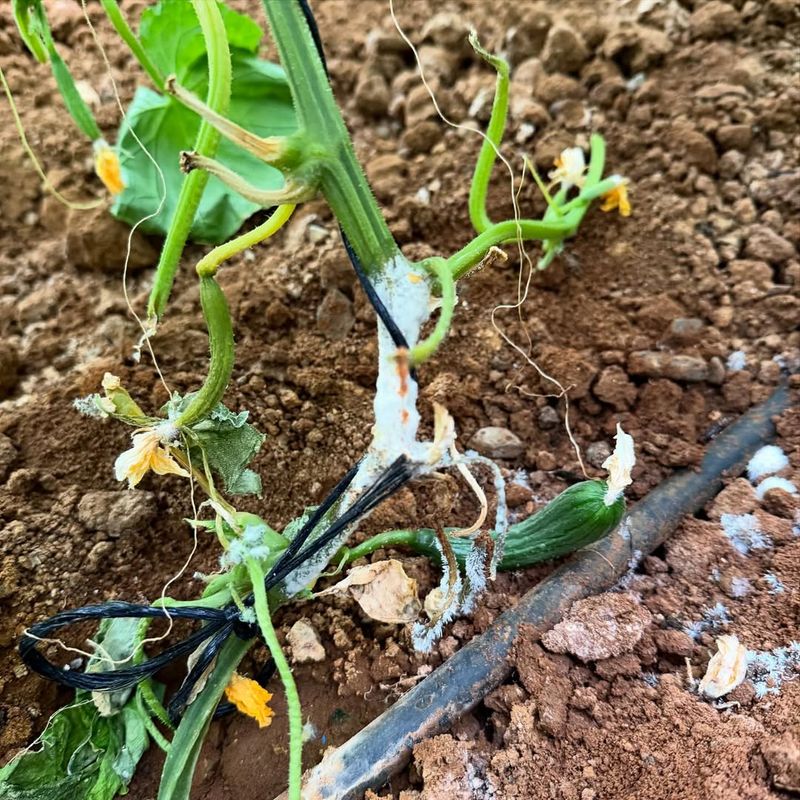
Bacterial wilt does not give you much warning before it takes hold completely. By the time a vine starts visibly collapsing, the bacterium has already moved through much of the plant’s vascular system.
At that stage, removing the affected plant is really the only practical response, and even that will not undo any spread that has already reached neighboring plants through shared beetle feeding activity.
A simple field test can help you identify bacterial wilt before full collapse happens. Cut a wilting stem near the base and press the two cut ends together briefly, then slowly pull them apart.
If thin, thread-like strands of bacterial ooze stretch between the cut surfaces, bacterial wilt is almost certainly present.
Catching this sign early, even just a day or two before full vine collapse, allows you to remove the plant and reduce the chance of beetles carrying the bacterium to nearby healthy plants.
Prevention genuinely outperforms any treatment option available for bacterial wilt. There are no sprays or soil treatments that reverse an active infection once it is established inside a plant.
The entire strategy has to focus on reducing beetle populations before they can transmit the disease in the first place.
Row covers during the seedling stage, consistent hand picking, and early monitoring during flowering are all prevention steps that pay off far more than anything you can do after wilting begins.
Starting the season with a strong prevention mindset is the single most effective approach Michigan gardeners can take.