These Are The Ohio Garden Habits That Hurt Native Bees Without Homeowners Realizing It
Ohio gardeners have really shown up for pollinators lately, and that’s genuinely worth celebrating.
Flower beds are more colorful, plant labels get read more carefully, and “is this good for bees” has become a completely normal thing to ask at the garden center.
Love to see it. But here’s something that might sting a little: some of the most common yard habits are quietly making life harder for native bees, even in gardens that look absolutely beautiful from the outside.
A tidy lawn, a thick layer of fresh mulch, an enthusiastic fall cleanup: all things that feel responsible and look great, but can seriously disrupt the nesting and overwintering habitat native bees depend on.
The good news is that fixing it doesn’t take much. Just a little know-how and a willingness to let things get slightly messier. In the best way.
1. Mulching Every Inch Too Thickly
Bare soil might look untidy to most Ohio homeowners, but for a large number of native bees, it is some of the most valuable real estate in the yard.
Roughly 70 percent of native bee species nest in the ground, and that means they need access to soil that is loose, dry, and open enough to burrow into.
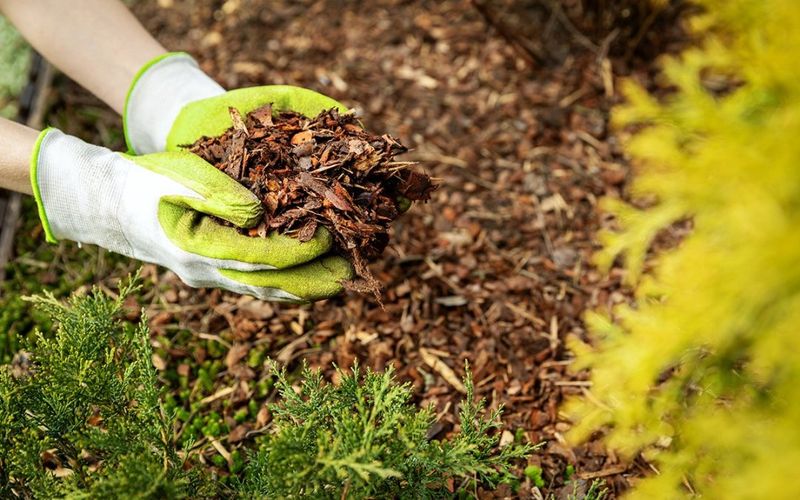
When mulch is layered four or more inches deep across every bed, those bees simply cannot get through to nest.
Many gardeners apply thick mulch with good intentions, wanting to hold moisture, reduce weeds, and give beds a polished look. A thin layer of one to two inches can still do most of those jobs while leaving some soil patches accessible.
The problem comes when mulch is piled on so heavily that the ground beneath stays too compacted and covered for bees to reach.
Leaving a few small areas of bare or lightly covered soil in a sunny corner of the garden can make a noticeable difference. South-facing slopes or sandy spots work especially well.
Reducing mulch depth around the base of native plantings also helps. The goal is not to eliminate mulch entirely but to use it with a lighter hand so Ohio native bees still have places to nest close to the flowers they rely on for food.
2. Using Weed Barrier Fabric Throughout The Bed
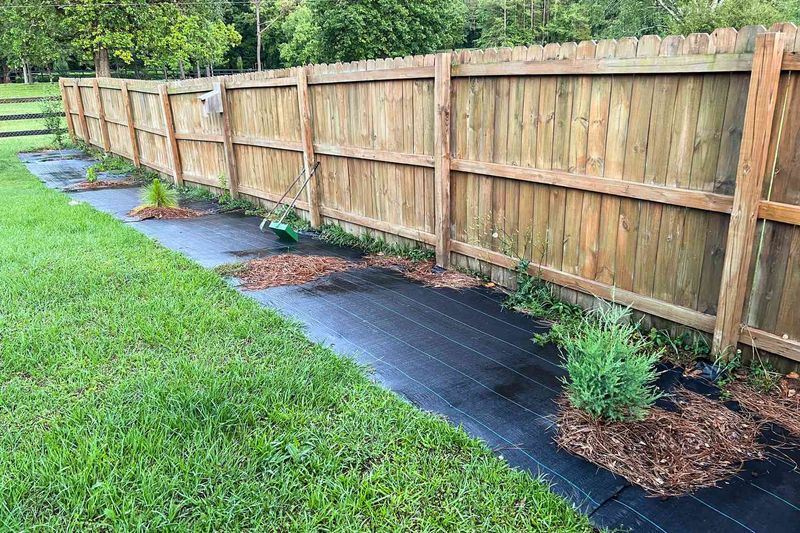
Landscape fabric feels like a smart solution when you are tired of pulling weeds every summer. It blocks unwanted growth, sits under mulch neatly, and seems to keep beds low-maintenance for seasons at a time.
What it also does, without most homeowners realizing it, is seal off the soil surface completely, leaving ground-nesting bees with nowhere to go.
Ground-nesting bees in Ohio search for specific conditions when choosing a nest site. They want loose, well-drained soil with enough sunlight to warm the ground and help their eggs develop properly.
Weed barrier fabric eliminates that option across the entire bed. Even when mulch sits on top, the fabric underneath acts as a physical barrier that bees cannot dig through.
Nesting females will move on and look elsewhere, which often means leaving the yard entirely.
Your Ohio Garden Changes Every Week. Your Plan Should Too.
Gardening in Ohio changes quickly throughout the season. Every Friday you’ll receive a simple weekly plan showing exactly what to plant, prune, fertilize, harvest, and protect so you never miss the right timing.
Swapping fabric for a thinner layer of organic mulch gives beds a similar tidy appearance while keeping the soil beneath more accessible. Spot-treating persistent weeds or pulling them by hand in high-traffic areas is more work, but it preserves habitat value.
For gardeners who want to support native bees while still managing weeds, reducing or eliminating landscape fabric is one of the more impactful changes that can be made without redesigning the entire yard.
3. Keeping The Yard Covered In Thick Turf
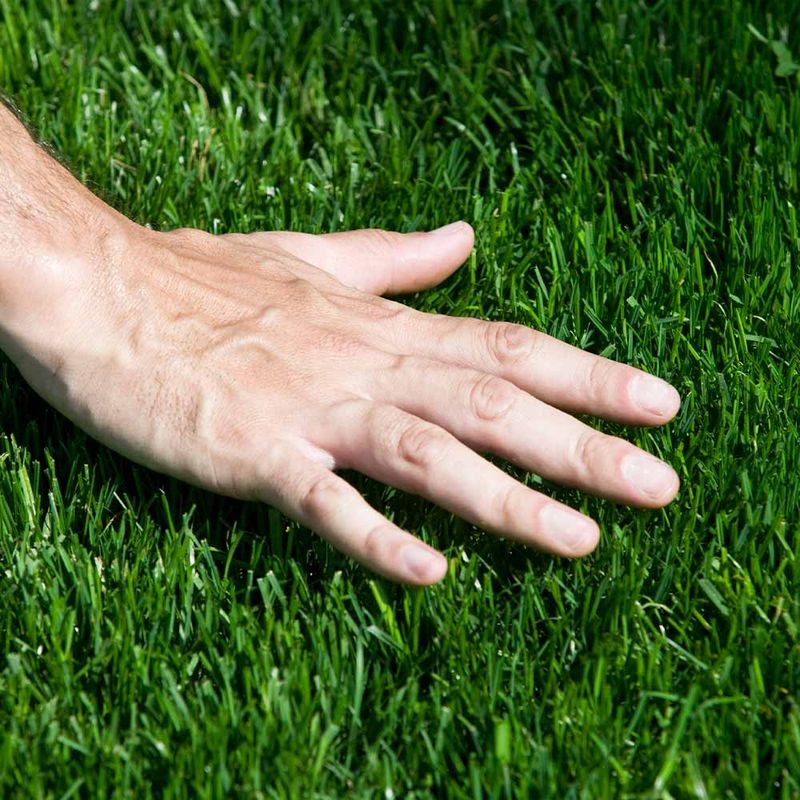
A lush, wall-to-wall lawn is the standard image of a well-kept Ohio yard, and there is nothing wrong with having grass.
The challenge for native bees is that a dense, unbroken turf covering every square foot of the property leaves almost no room for the habitat features they depend on most.
Ground-nesting bees need open, sunny soil. Thick, healthy grass crowds out that option almost entirely.
Many homeowners have lawns that extend right up to the foundation, the fence line, and every edge of the yard. When flower beds are small or absent and turf fills the rest, native bees that nest underground have very few places to establish themselves.
Bumblebees, mining bees, and sweat bees are all common in Ohio, and most of them spend time searching for exposed or sparsely covered ground where they can dig their nesting tunnels.
Converting even a modest strip of lawn into a native plant bed can create meaningful habitat. Reducing mowing frequency in one section of the yard allows low-growing plants and bare patches to appear naturally.
Choosing a diverse edge planting along a fence or property border also helps. Ohio yards do not need to be entirely lawn-free to support native bees, but giving bees a few dedicated spots outside of the turf makes a real difference over time.
4. Cutting All Damaged Stems Down To The Ground
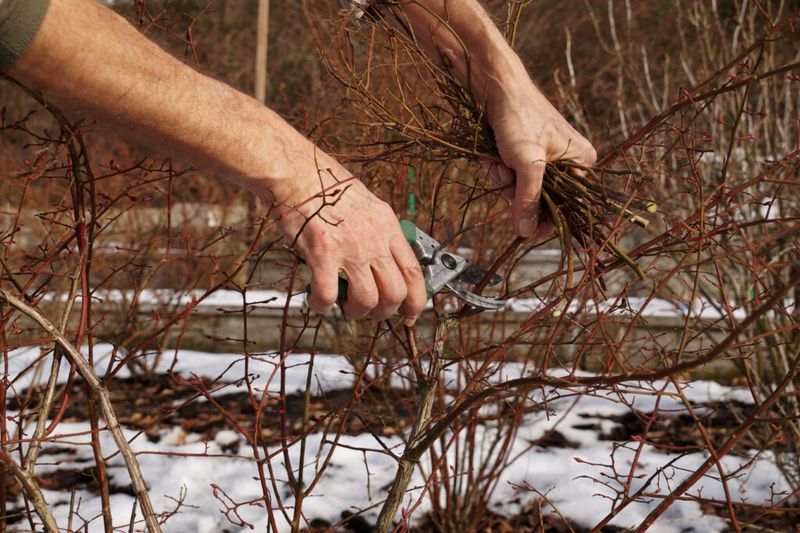
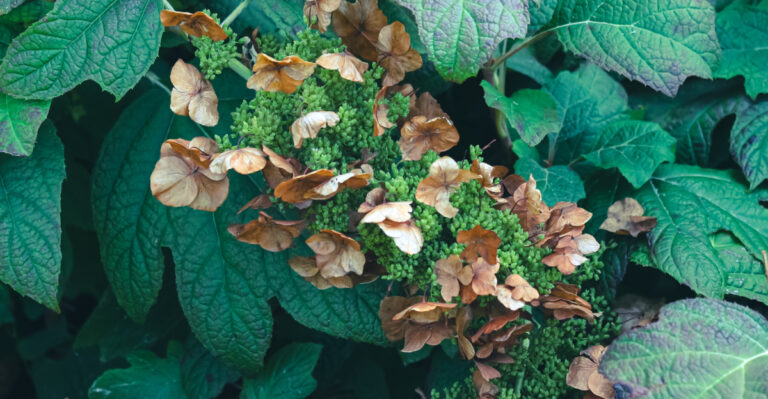
Hollow plant stems left standing through winter look a little rough around the edges, and most Ohio gardeners reach for the pruners as soon as plants start looking brown and spent.
It feels like responsible maintenance to clear everything back neatly before the cold sets in.
But those dried, hollow stems are some of the most important nesting spots that small native bees use in Ohio gardens.
Many solitary bee species, including small carpenter bees and mason bees, nest inside hollow or pithy stems rather than in the ground.
Females lay eggs in individual chambers inside the stem, seal them with plant material, and leave the next generation to develop through winter.
When stems are cut flush to the ground in fall or early spring, those developing bees are removed along with the cuttings before they ever have a chance to emerge.
Leaving stems standing at eight to twelve inches above the soil through winter and into late spring gives stem-nesting bees the time they need to complete their development.
Cutting stems in late spring rather than fall, after temperatures have warmed consistently, allows most species to emerge on their own schedule.
Gardeners who make this one adjustment often notice more bee activity around their perennials the following season, without any additional planting or cost involved.
5. Cleaning Up Too Thoroughly In Fall And Early Spring
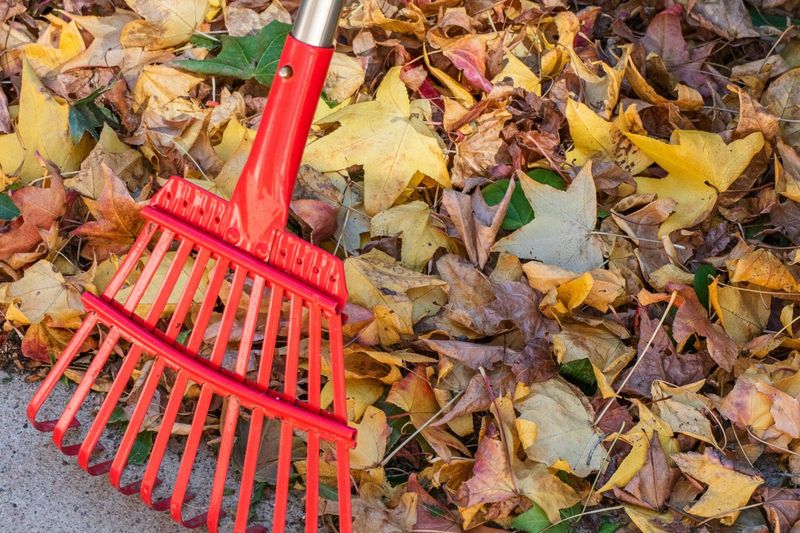
There is something deeply satisfying about a perfectly cleaned-up garden bed in October or a freshly raked yard in early April. Ohio seasons have a way of inspiring that urge to reset everything before the cold arrives or after it lifts.
The problem is that many native bees spend the winter tucked inside leaf litter, under loose bark, or just beneath the soil surface, and an overly thorough cleanup can disturb them before they are ready to emerge.
Bumblebee queens, for example, overwinter in shallow spots under leaf piles or in loose soil near the surface. Removing all leaf litter in fall or raking aggressively in early spring can expose or displace queens that are still waiting for warmer temperatures.
Other species spend winter as eggs or pupae inside stems, seed heads, and plant debris that gets bundled up and sent to the curb without a second thought.
Waiting until daytime temperatures are consistently above 50 degrees Fahrenheit before doing spring cleanup gives overwintering bees time to emerge safely.
Leaving leaf litter in low-traffic corners of the yard through winter provides insulation for ground-level nesters.
Ohio gardeners who delay their most thorough cleanup by just a few weeks in spring often preserve far more native bee habitat than they would expect from such a simple timing shift.
6. Planting For Spring Color Only
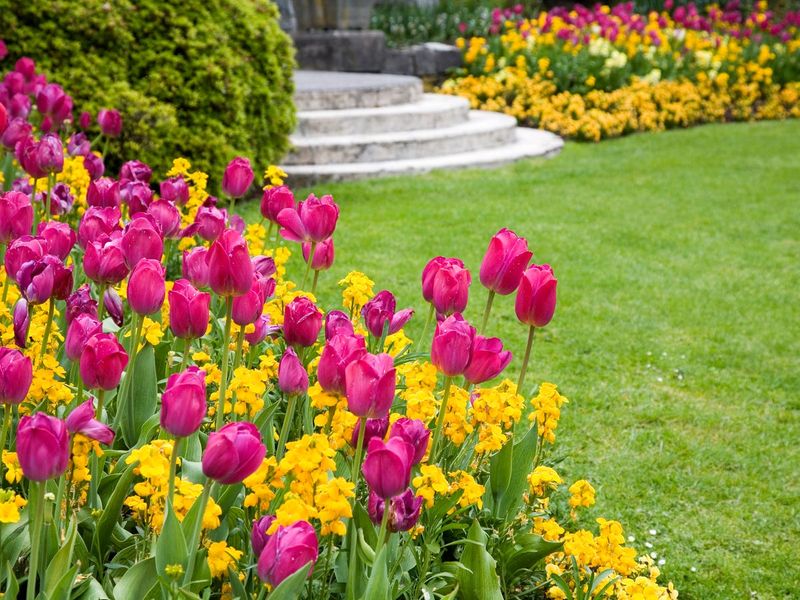
Spring bulbs and early-season annuals are a tradition in Ohio gardens, and the burst of color they bring after a long winter is genuinely welcome. Tulips, daffodils, and pansies brighten up yards and signal warmer days ahead.
But when a garden is designed almost entirely around spring color and then left without much bloom for the rest of the season, native bees face a food gap that can be hard to bridge.
Native bees are active from early spring through late fall, depending on the species. Some early-emerging bees, like mining bees, need pollen sources in March and April.
Others are most active in midsummer or even into October. A yard that peaks in April and then offers very little through July, August, and September leaves bees searching for food during the months when many colonies are at their most active and hungry.
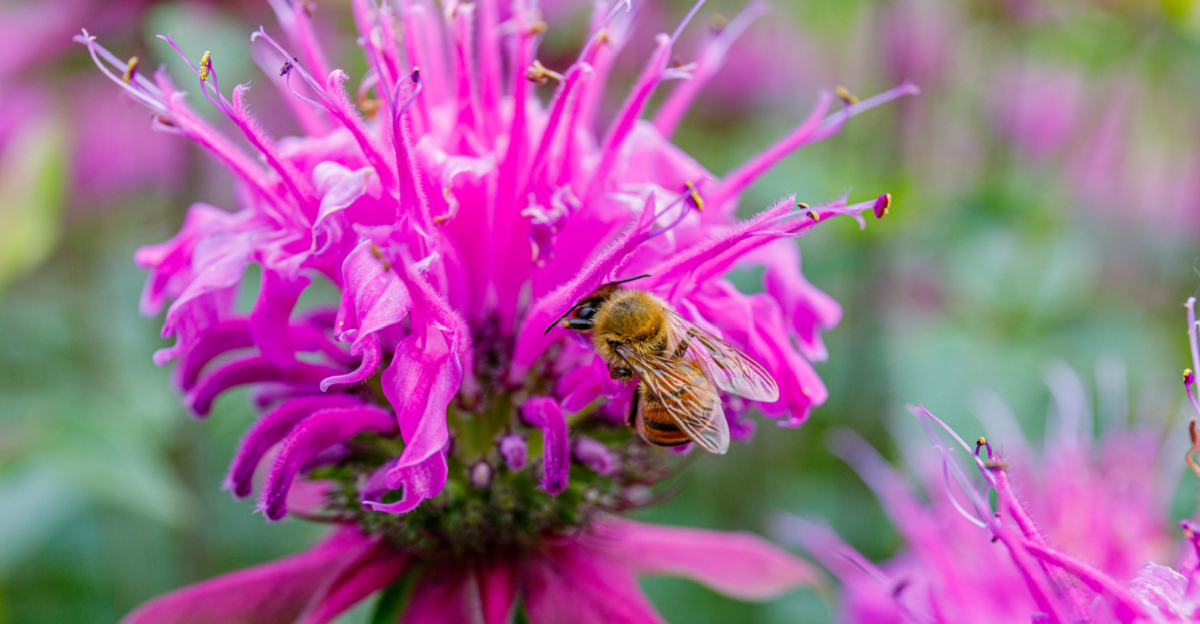
Spreading bloom times across the season makes a meaningful difference. Adding mid-season native plants like coneflowers, black-eyed Susans, and bee balm bridges the gap between spring and fall.
Late-blooming asters and goldenrod are especially valuable for Ohio native bees preparing for winter.
Planning a garden that has something in flower from early spring through October does not require a complete redesign, just a few strategic additions that keep food available when bees need it most.
7. Skipping Native Plants In Favor Of Mostly Decorative Flowers
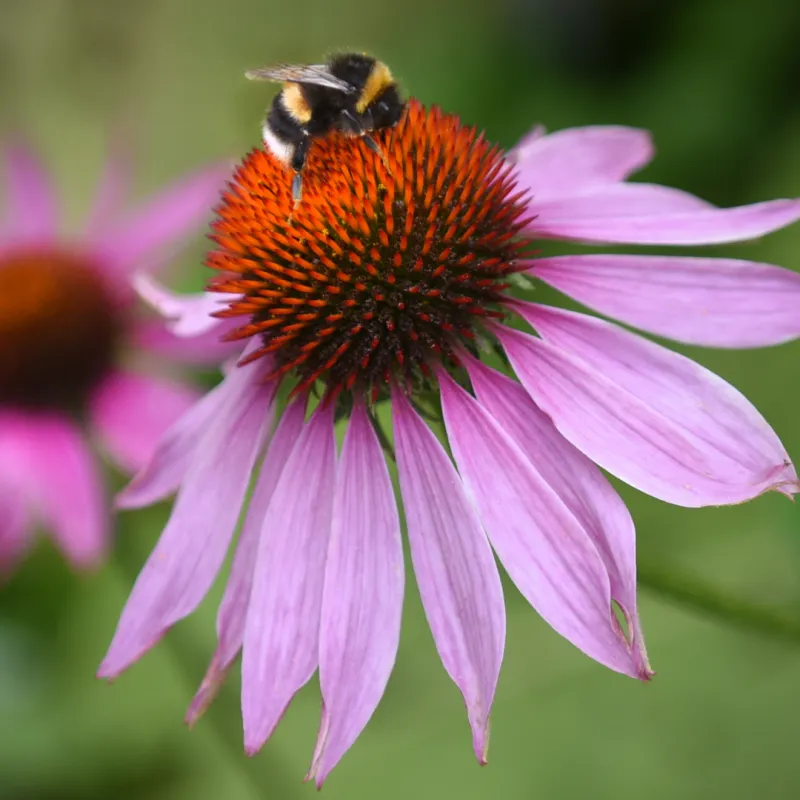
Colorful ornamental flowers fill garden center shelves every spring, and it is easy to understand their appeal. They are showy, widely available, and bred to hold their blooms for a long time.
What many gardeners do not realize is that some of the most popular decorative flowers offer very little nutritional value to native bees, even when they look like a pollinator paradise from a distance.
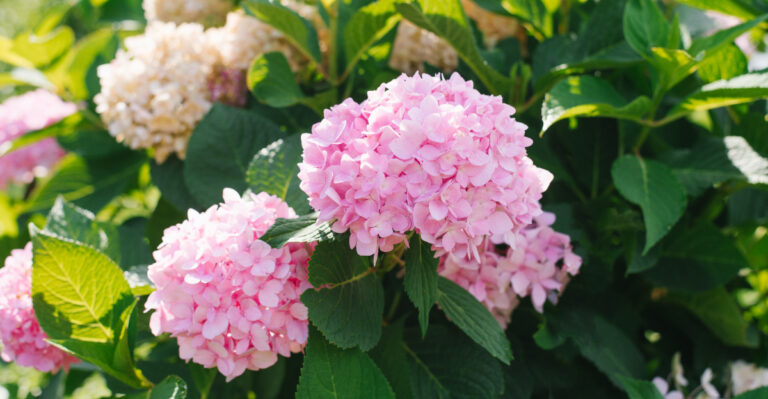
Many hybrid ornamental flowers have been selectively bred for larger petals, double blooms, or extended color, and that breeding often reduces or eliminates the pollen and nectar that bees actually need.
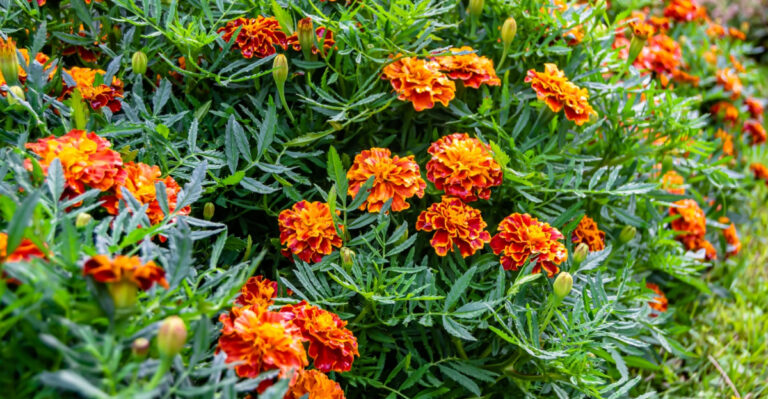
A bed full of double-petaled marigolds or highly hybridized petunias may attract a glance from a passing bee, but it does not provide the same food value as a patch of native coneflowers or wild bergamot.
Native plants and Ohio native bees evolved together, which means native plants tend to be much better matched to what local bee species can access and use.
Mixing even a portion of native plants into existing ornamental beds can raise the habitat value significantly.
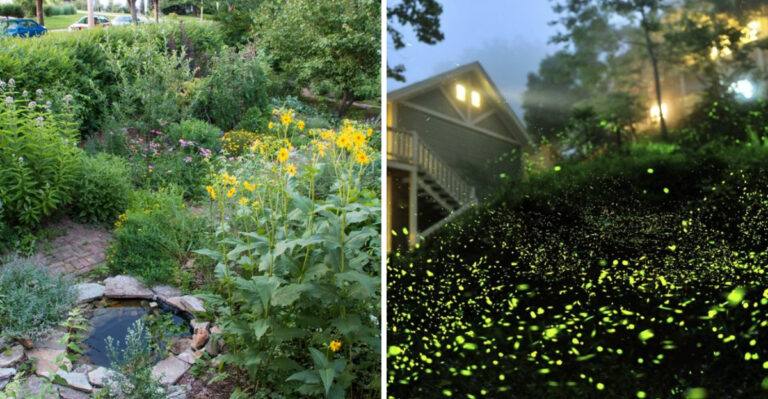
Ohio native options like wild blue indigo, prairie dropseed, ironweed, and native sunflowers support a wide range of bee species and bloom at different times.
Replacing a few decorative annuals with native perennials each season gradually shifts the garden toward something that feeds native bees more reliably throughout the year.
8. Treating Bee Habitat As Just Flowers Instead Of Food Plus Nesting Space
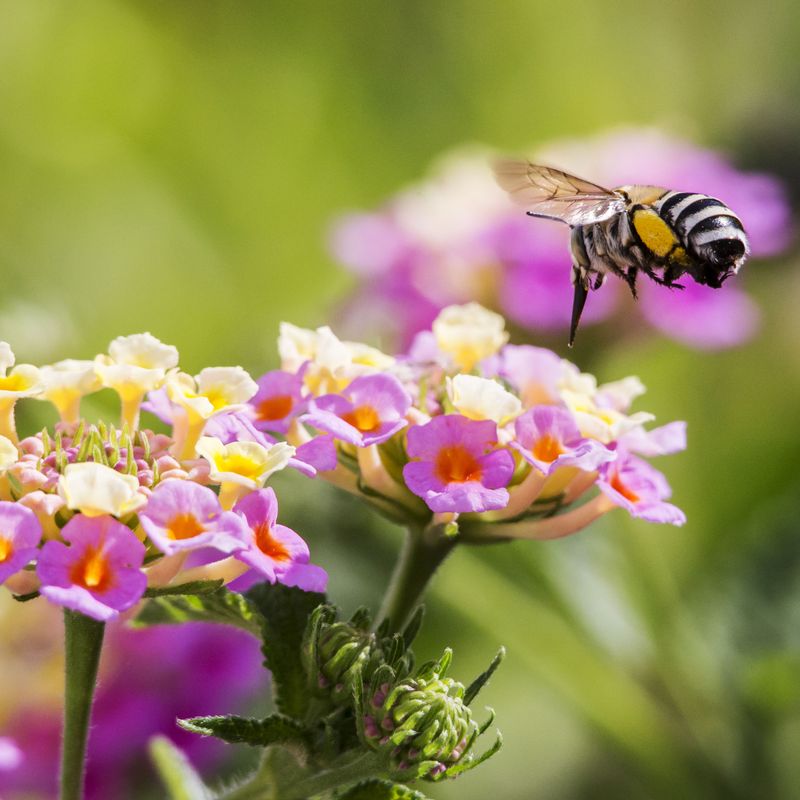
Flowers get most of the attention when it comes to supporting pollinators, and they are genuinely important. But thinking of bee habitat as simply a flower bed misses a big part of what native bees actually need to survive and reproduce in an Ohio yard.
Food and nesting space work together, and a garden that provides one without the other only goes partway toward being truly useful to native bees.
An Ohio yard might have a beautiful pollinator border full of native blooms, yet still have no suitable nesting areas nearby. Ground-nesting bees need open, sunny soil within a reasonable distance of their food sources.
Stem-nesting bees need hollow or pithy plant material left standing or placed intentionally in the garden.
Without those features, bees may visit the flowers for a meal but have nowhere nearby to raise their young, which limits how much the garden actually supports local populations over time.
Thinking about habitat in two parts, food and nesting space, makes it easier to spot gaps and fill them with small adjustments.
Leaving a sunny patch of bare soil near a flowering bed, allowing a few stems to stand through winter, and keeping a loose pile of leaves in a quiet corner all add nesting value without changing the look of the garden dramatically.
Ohio yards that offer both food and shelter tend to support a noticeably wider variety of native bee species throughout the season.