These Are The Oregon Plants That Thrive In Heavy Rain And Standing Water
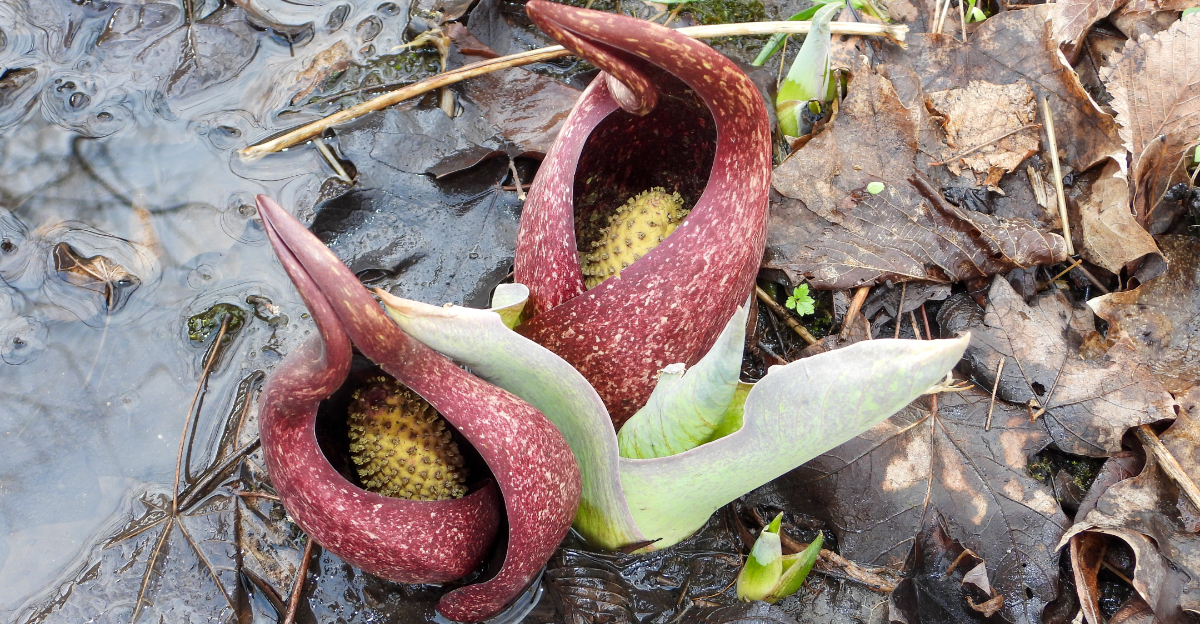
Some garden spots never seem to dry out, no matter how carefully the yard is planned. Water gathers near low beds and can linger long after a storm has passed.
What starts as a small drainage issue can quickly turn into a planting challenge. Annoying? Definitely. But a wet corner does not have to sit empty or look forgotten.
Plenty of Oregon plants are built for heavy rain and soil that stays damp longer than usual. Instead of fighting the site, it often makes more sense to work with plants that already know how to handle those conditions.
Think about that low dip in the yard where water naturally settles. Could it become one of the most interesting parts of the garden?
Some plants can turn a problem spot into a lush, natural-looking space that feels useful instead of frustrating.
Red Twig Dogwood Drinks Up Standing Water And Looks Good Doing It
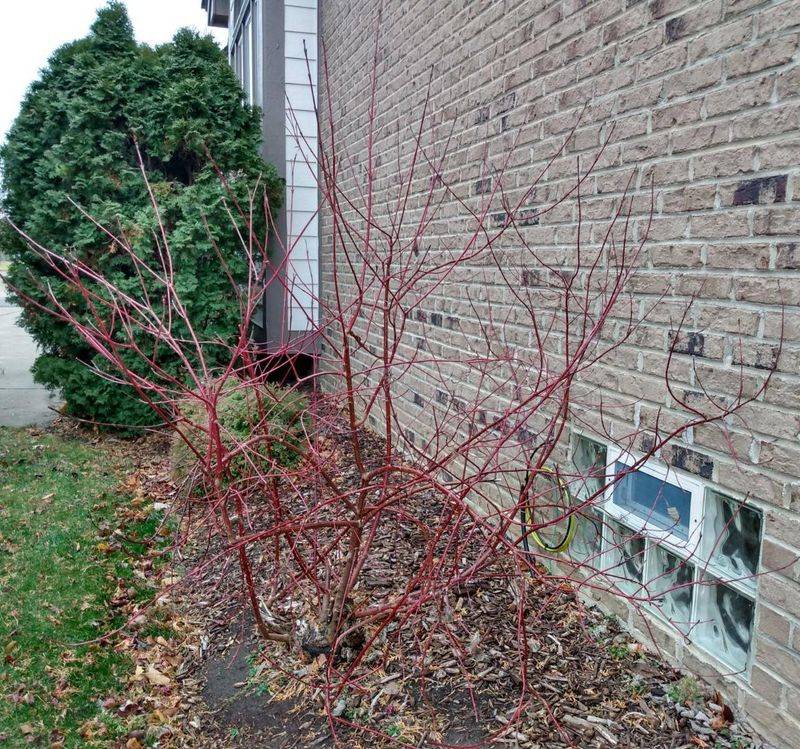
Few plants put on a winter show quite like this one. Red Twig Dogwood is known for its stunning, fire-red stems that glow brightest after the leaves have dropped in fall.
In Oregon, where gray winters can feel long, this shrub brings serious color to wet, low-lying spots in the yard.
It grows naturally along streams, riverbanks, and wetland edges throughout the Pacific Northwest. That means soggy soil and standing water do not slow it down at all.
In fact, it thrives in those conditions. Plant it in a rain garden, along a drainage swale, or at the edge of a pond for best results.
In spring and summer, clusters of small white flowers attract butterflies and native bees. Later, white berries appear and birds love them.
The plant also spreads gradually through root suckers, which helps stabilize wet or eroding soil over time.
Pruning old stems back in early spring encourages the brightest new red growth each season. It grows between six and eight feet tall and wide, so give it plenty of room.
This is a tough, reliable shrub that earns its place in any wet garden by delivering beauty and function all year long.
Pacific Ninebark Was Built For Wet Winters
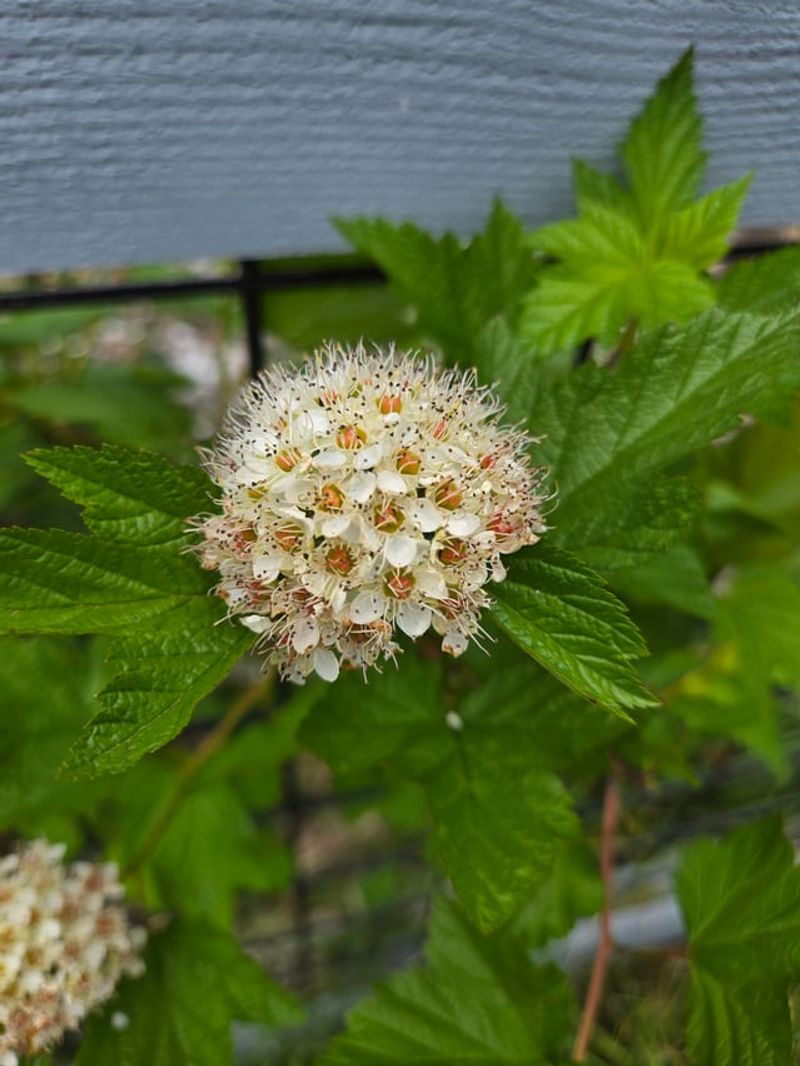
There is something wonderfully rugged about Pacific Ninebark. This native shrub gets its name from the way its bark peels back in multiple layers, revealing reddish-brown wood underneath.
It looks like it belongs in the wild, because it does.
Along streams, wetland edges, and moist hillsides, Pacific Ninebark has been growing for centuries. It handles heavy rain, poor drainage, and even seasonal flooding without missing a beat.
The roots are strong and deep, which makes this plant excellent for controlling erosion along wet banks and ditches.
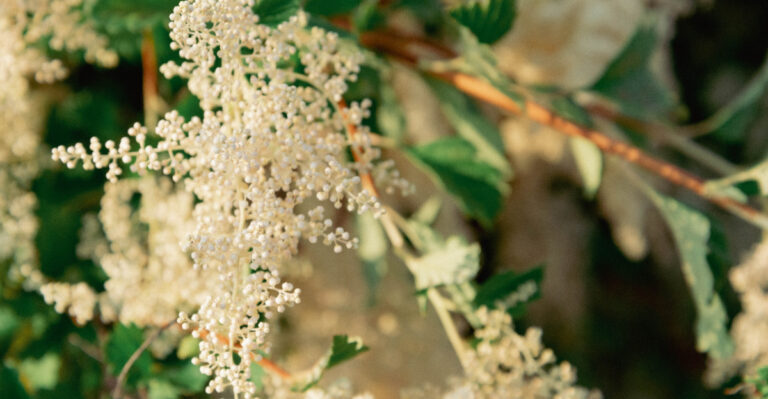
In late spring, the shrub bursts into clouds of small white or pale pink flowers that attract native bees, butterflies, and other beneficial insects. After flowering, reddish seed capsules form and add ornamental interest well into fall.
Birds also visit regularly to feed on the seeds.
Pacific Ninebark can grow between six and twelve feet tall, depending on conditions. It does well in full sun to partial shade and requires very little care once established.
Your Oregon Garden Changes Every Week. Your Plan Should Too.
Gardening in Oregon changes quickly throughout the season. Every Friday you’ll receive a simple weekly plan showing exactly what to plant, prune, fertilize, harvest, and protect so you never miss the right timing.
Prune it lightly after flowering to keep a tidy shape if needed. For gardeners dealing with wet slopes, boggy corners, or rain gardens, this shrub is one of the most dependable choices available.
Slough Sedge Turns Your Soggiest Spot Into A Feature
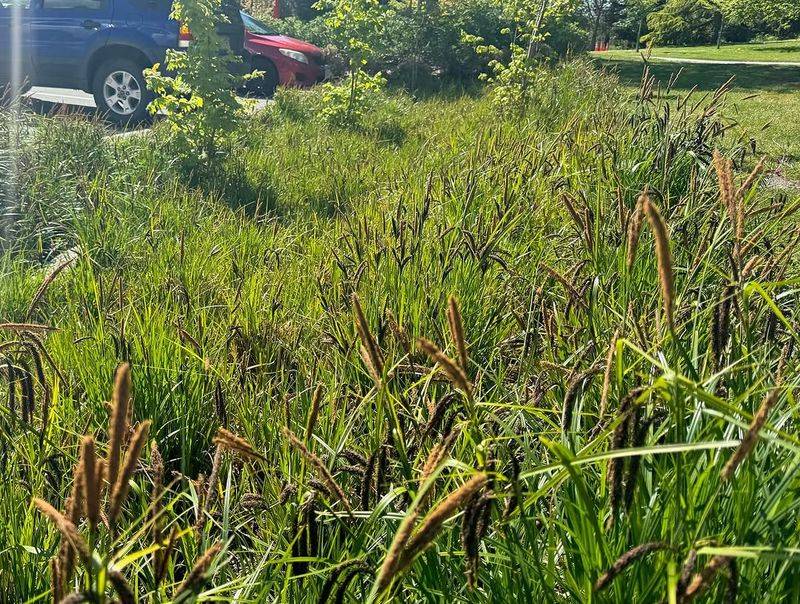
Wetlands and rain gardens need structure, and Slough Sedge delivers exactly that. With long, arching, dark green leaves that can reach three to four feet in length, this native sedge creates a lush, tropical feel in wet areas.
It is one of the most common and useful wetland plants found throughout Oregon.
Unlike ornamental grasses that struggle in soggy ground, Slough Sedge actually prefers to grow with its roots in shallow water or consistently saturated soil. It thrives along stream margins, pond edges, and low spots where water collects after heavy rain.
The plant spreads through rhizomes, slowly forming dense clumps that stabilize shorelines and filter runoff.
Wildlife benefits from this plant in multiple ways. Waterfowl and songbirds use the dense foliage for nesting cover.
Insects find shelter among the stems. The seeds are eaten by various bird species throughout fall and winter.
Slough Sedge grows in full sun to full shade, making it adaptable to many different garden situations. It is evergreen in mild winters, which means it provides year-round structure in the landscape.
For anyone building a rain garden or restoring a wet area, this sedge is a foundational plant that knits the whole design together beautifully.
Daggerleaf Rush Thrives In The Puddles Other Plants Avoid
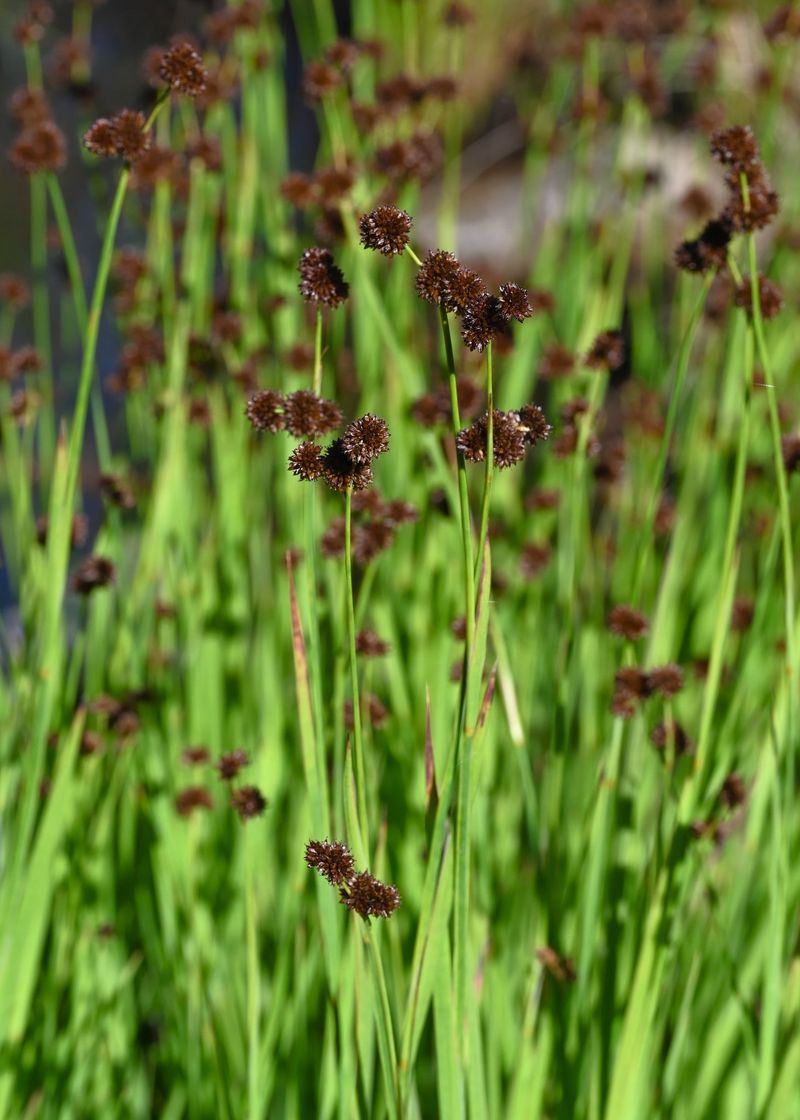
Sharp, upright, and unmistakably architectural, Daggerleaf Rush is one of those plants that makes a wet area look intentional and designed. The stiff, pointed stems grow in tight clusters and can reach up to four feet tall.
They create strong vertical lines that contrast beautifully with softer, spreading plants nearby.
Found naturally in Oregon marshes, pond edges, and slow-moving streams, this rush is perfectly adapted to standing water and waterlogged soils. It does not just tolerate those conditions, it needs them to truly perform.
Plant it where water tends to pool after storms, and it will reward you with steady, reliable growth season after season.
Beyond looks, Daggerleaf Rush plays an important ecological role. The dense stems provide cover and nesting material for red-winged blackbirds and other wetland birds.
Aquatic insects and small invertebrates shelter among the roots, supporting the food web in ponds and rain gardens.
This plant spreads slowly through rhizomes and forms manageable clumps over time. It grows best in full sun but tolerates some afternoon shade.
Little maintenance is required beyond cutting back old stems in late winter before new growth emerges. For water gardens and naturalistic wet landscapes, Daggerleaf Rush adds bold structure without demanding much in return.
Soft Rush Does Not Mind Getting Its Feet Wet All Season
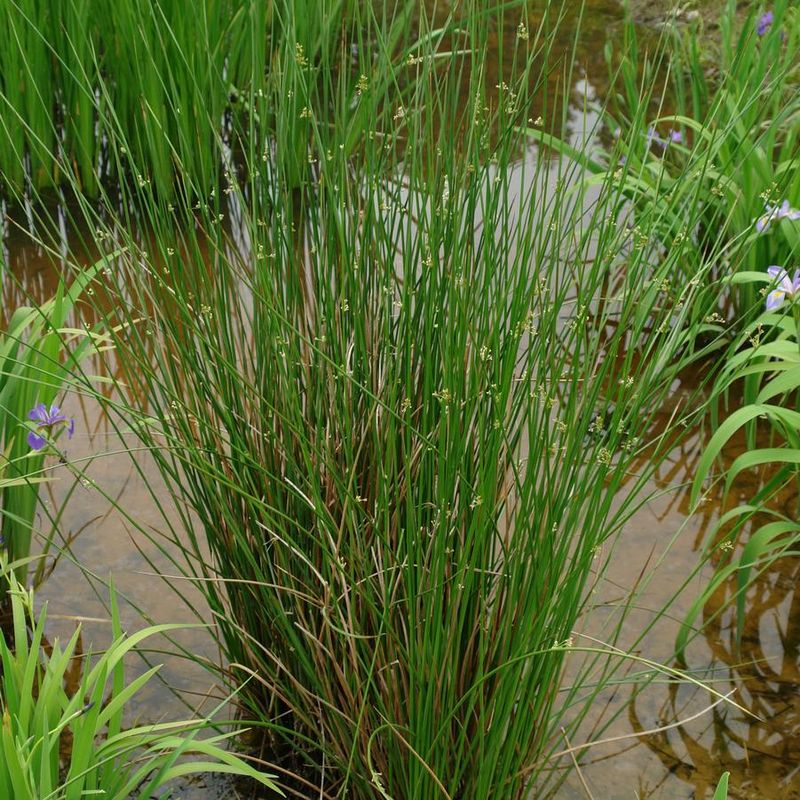
Soft Rush has been growing in wet meadows, stream banks, and boggy fields for a very long time. It is one of those humble plants that does not demand attention but quietly gets a huge amount of work done.
The smooth, round, bright green stems grow in dense tufts and reach about two to four feet tall.
This plant handles heavy rain, flooding, and prolonged wet periods with ease. It is one of the most adaptable wetland plants available for gardens.
Rain gardens, bioswales, constructed wetlands, and pond margins are all perfect homes for Soft Rush. It also grows well in containers placed in shallow water features.
Tiny brown flower clusters appear near the tips of the stems in summer, adding subtle texture and interest. The seeds attract various songbirds in fall and winter.
Dense clumps also provide shelter for small mammals and nesting birds during the warmer months.
Soft Rush is not aggressive, but it does spread slowly to fill available wet space. Dividing clumps every few years keeps plants healthy and prevents overcrowding.
Full sun produces the strongest, most upright growth, but partial shade works fine too. For anyone building a water-friendly garden, this understated plant is a reliable and ecologically valuable choice.
Camas Transforms Waterlogged Ground Into A Spring Showstopper
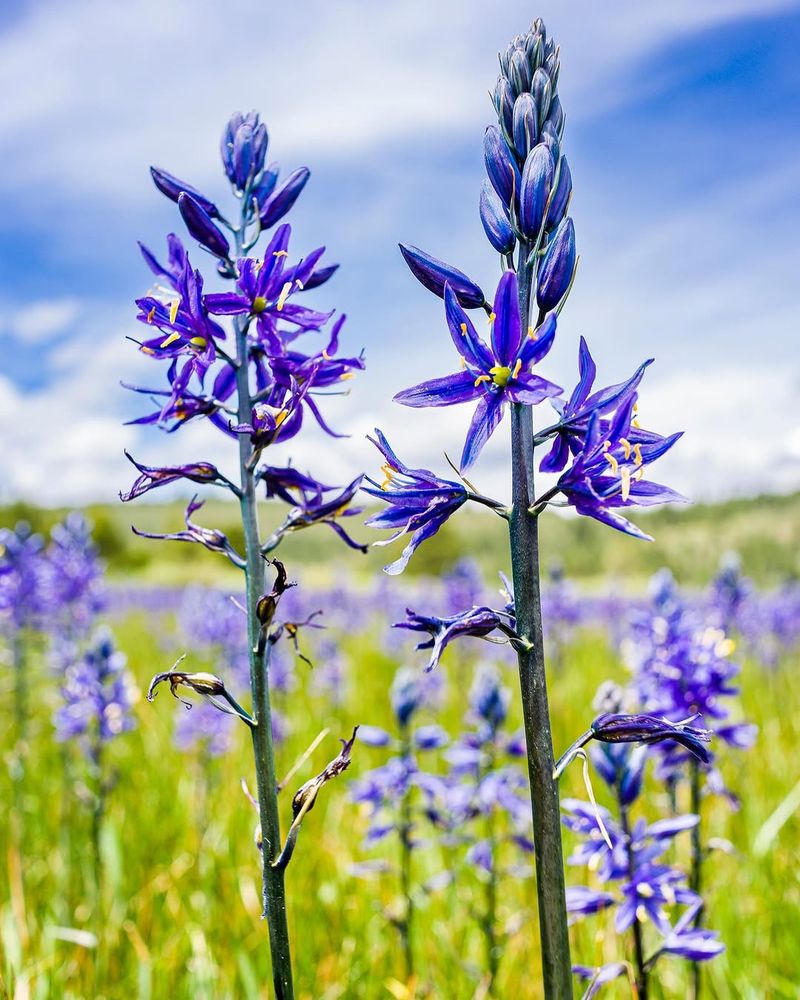
Every spring, wet meadows across Oregon come alive with waves of deep blue-purple blooms, and Camas is responsible for that breathtaking display. This native bulb plant has a rich history in the Pacific Northwest, where Indigenous peoples harvested the bulbs as an important food source for thousands of years.
It is both historically significant and genuinely beautiful.
Camas thrives in areas that are wet or even flooded in winter and spring but dry out somewhat by summer. That seasonal flooding pattern is common in valley meadows, making this plant a natural fit for low spots in gardens and rain garden designs.
It grows about one to two feet tall and produces tall flower spikes covered in star-shaped blooms.
Pollinators absolutely love Camas flowers. Native bees, bumblebees, and various butterfly species flock to the blooms during peak flowering in April and May.
Planting a mass of Camas in a wet meadow or garden creates a spectacular pollinator magnet right when early-season insects need food most.
After flowering, the foliage fades back naturally as the ground dries. This is perfectly normal and part of the plant’s seasonal cycle.
Plant bulbs in fall for spring blooms. Camas naturalizes over time, slowly multiplying to create larger, more impressive displays each year.
Douglas Spirea Blooms Beautifully Even In The Wettest Corners
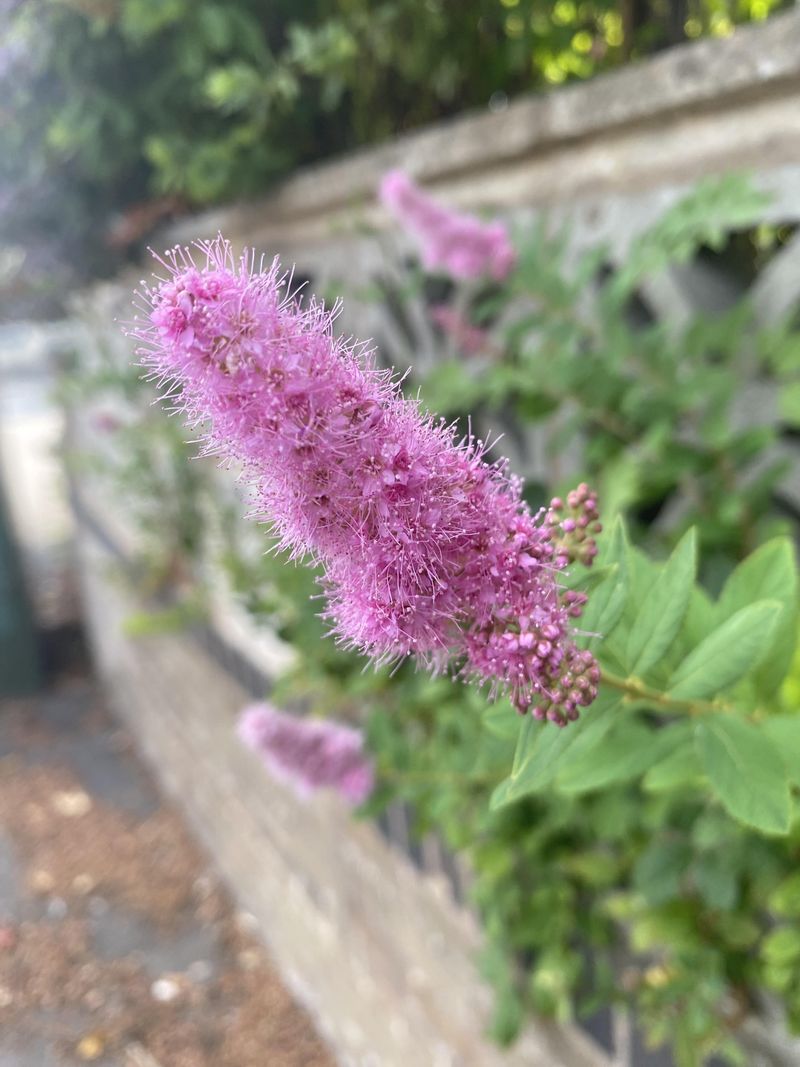
Fluffy, rose-pink flower plumes rising above lush green foliage, Douglas Spirea is one of the most cheerful sights along wet stream corridors in summer. This native shrub blooms from July through September, long after many other plants have finished flowering.
That extended bloom time makes it especially valuable for late-season pollinators.
It grows naturally in wet meadows, along stream banks, and at the edges of marshes throughout the Pacific Northwest. Moist to wet soil is not a problem for this plant, it is a requirement.
In drier conditions, Douglas Spirea struggles. Give it consistently wet or boggy ground and it will reward you with vigorous growth and abundant flowers.
Bumblebees, butterflies, and native bees are regular visitors to the blooms. The dense, suckering growth habit also provides excellent cover for small birds and mammals.
Over time, it forms thickets that stabilize wet, eroding banks very effectively.
Douglas Spirea typically reaches three to six feet in height and spreads gradually through root suckers. It grows best in full sun to partial shade.
Cutting stems back in late winter encourages fresh, vigorous growth each spring. For gardeners who want a low-care, wildlife-friendly shrub that loves standing water and heavy rain, this plant is hard to beat.
Salmonberry Loves The Wet Winters That Other Shrubs Hate
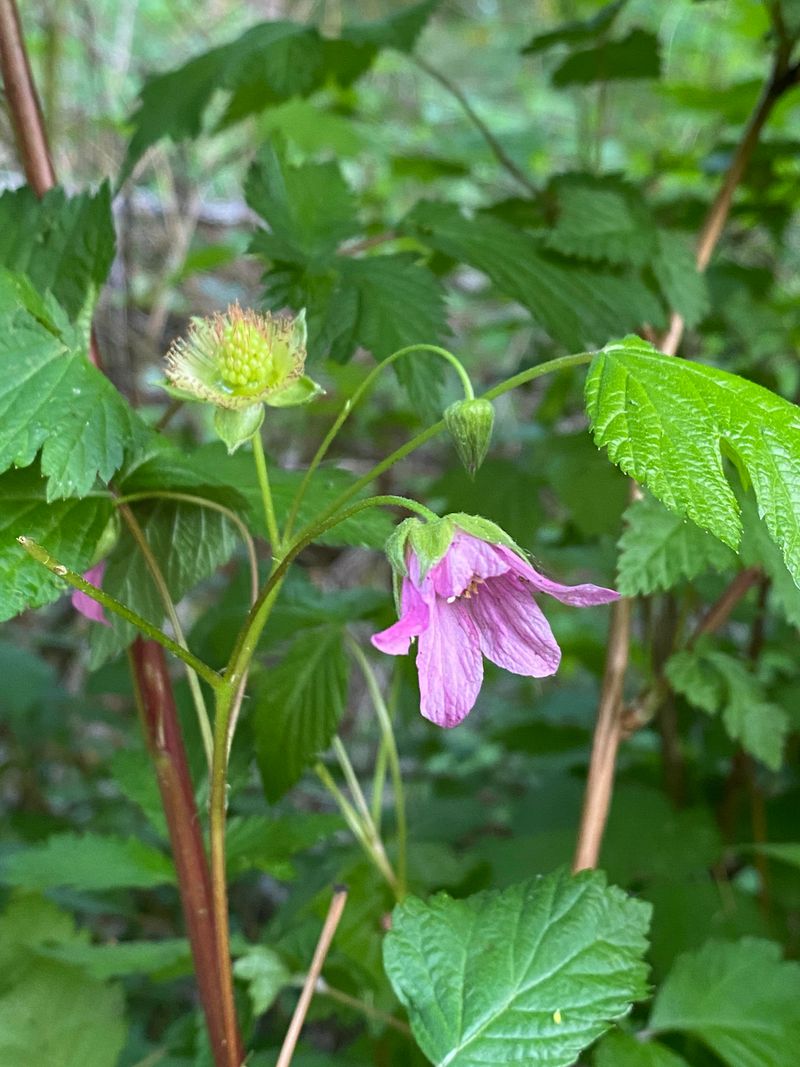
Walk along almost any wet forest trail and you will likely brush past Salmonberry. This native shrub is a true Pacific Northwest icon.
It produces magenta-pink flowers as early as February, making it one of the first native plants to bloom each year. Rufous hummingbirds time their northward migration to match that early bloom, relying on Salmonberry nectar for fuel.
The berries that follow in early summer range from yellow to deep red-orange and look remarkably like raspberries. They are edible and have a mild, slightly sweet flavor.
Wildlife eagerly eats them too. Bears, birds, and small mammals all depend on Salmonberry fruit as an important seasonal food source.
Wet soil is where this plant feels most at home. Streambanks, floodplains, moist forest edges, and boggy spots are its natural habitat throughout the coast and Cascades.
It handles heavy rain and seasonal flooding without any issues and actually grows more vigorously in consistently moist conditions.
Salmonberry spreads through rhizomes and can form large thickets over time. It grows between four and twelve feet tall depending on light and moisture.
Partial shade suits it well, though it also grows in full sun with enough water. For a wildlife-rich, rain-loving shrub with real character, Salmonberry delivers on every front.
Skunk Cabbage Actually Needs That Standing Water
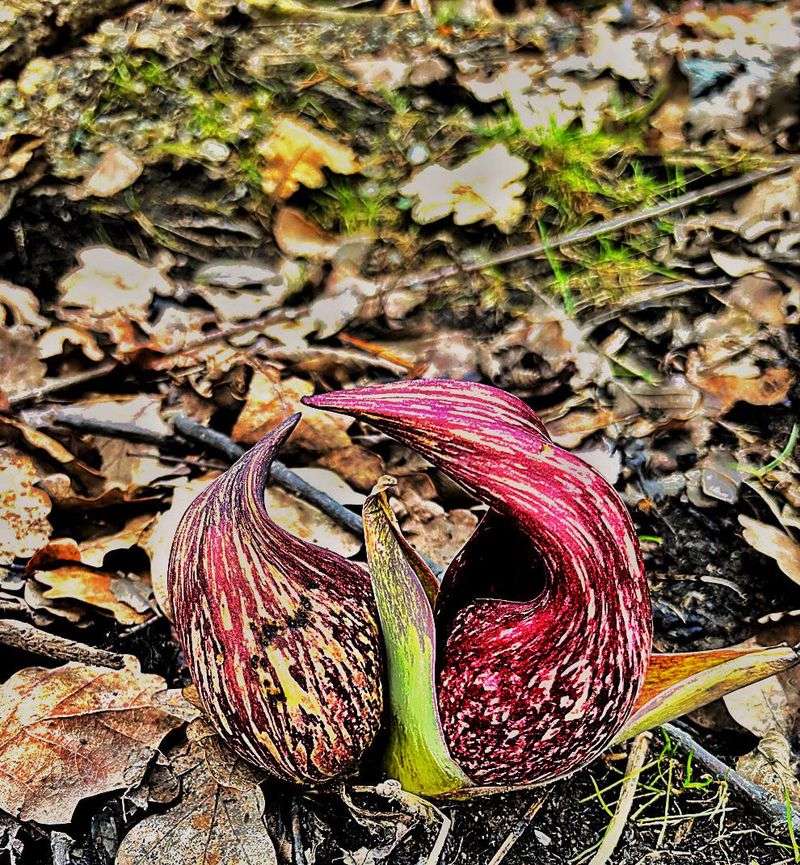
Bold, ancient, and wonderfully weird, Skunk Cabbage is unlike any other plant on this list. It is one of the earliest plants to emerge each spring, sometimes pushing up through snow in February.
The bright yellow, hood-shaped spathes are hard to miss in the dark, wet forest floor. They almost seem to glow.
Here is a fascinating fact: Skunk Cabbage generates its own heat through a process called thermogenesis. The flower can be up to 35 degrees warmer than the surrounding air.
That warmth melts snow, releases the plant’s musky odor, and attracts early pollinators like flies and beetles that help with pollination.
As spring progresses, enormous tropical-looking leaves unfurl and can reach four feet long. They create dramatic, lush ground cover in wet forest areas and shady bog gardens.
The plant grows in standing water, saturated soil, and along slow streams, conditions that few other plants can handle as gracefully.
Wildlife benefits greatly from Skunk Cabbage. Black bears eat the young leaves after emerging from winter dormancy.
Various birds and insects use the large leaves for shelter. It spreads slowly through thick rhizomes and rarely needs any attention once established.
For a truly unique, conversation-starting plant in a wet garden, nothing compares to this prehistoric-looking native.