What Michigan Gardeners Should Plant In Containers In May For A Full Summer Display
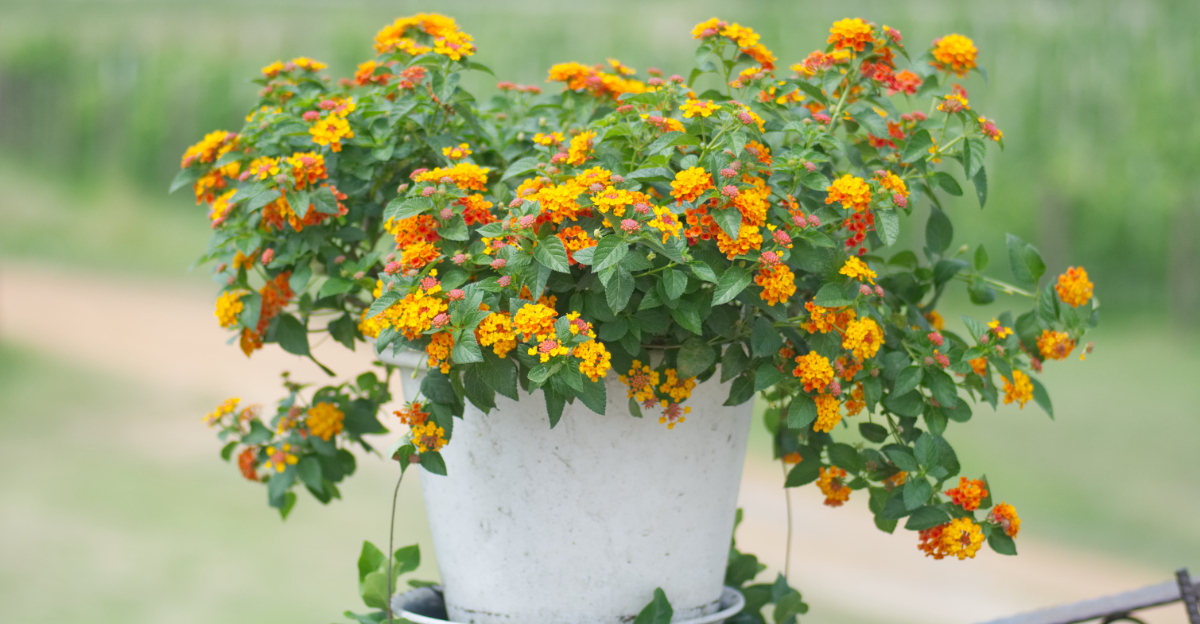
May is the right month to get containers planted in Michigan, and the choices you make now determine how those pots and planters look from June straight through to frost.
The soil is warming up, nights are settling down, and most plants are ready to hit the ground running the moment they go in.
Container gardening in Michigan rewards smart variety selection more than almost anything else, because the limited root space and faster drying soil mean plants need to be genuinely suited for the conditions rather than just attractive on a nursery bench.
The good news is that May offers a wide planting window with plenty of options across every color range, growth habit, and sun exposure.
Whether you are filling a front porch, a patio corner, or a raised deck planter, the right combinations planted this month will build into something full and impressive well before midsummer arrives.
1. Calibrachoa Creates Nonstop Color In Sunny Containers
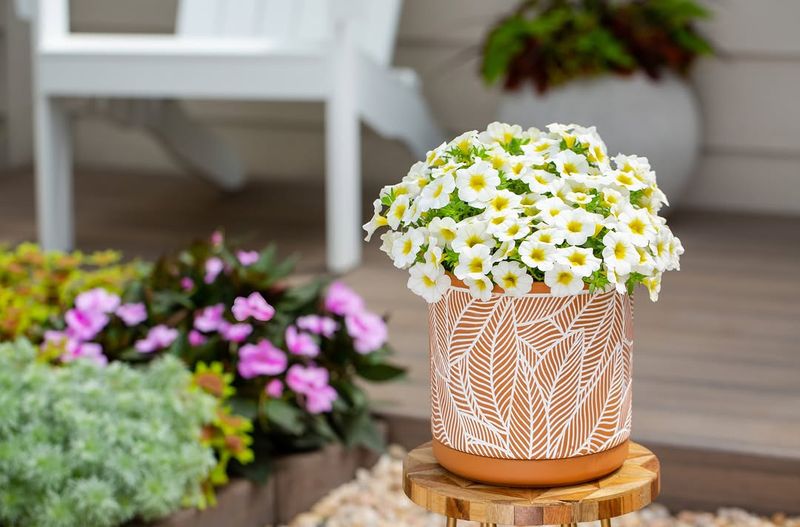
If you have ever wanted a plant that practically takes care of its own color display, Calibrachoa is the one to know.
Often called Million Bells, this trailing annual produces hundreds of tiny petunia-like flowers from May all the way through the first frost, making it one of the most reliable bloomers for containers.
It handles the cool, damp nights of early summer without skipping a beat.
Full sun is where Calibrachoa truly shines. Aim for at least six hours of direct sunlight daily, and your plant will reward you with dense, cascading blooms that spill beautifully over the edges of hanging baskets and patio pots.
Michigan’s moderate summer temperatures actually suit this plant well, since extreme heat can slow blooming in hotter states.
Watering consistently is key because Calibrachoa does not like to dry out completely between drinks. Check containers every day during warm stretches, and water thoroughly until it drains from the bottom.
Feed with a water-soluble, high-phosphorus fertilizer every seven to ten days to keep flowers coming strong.
Unlike petunias, Calibrachoa is self-cleaning, meaning you rarely need to remove spent blooms. Just keep it fed and watered, and it will handle the rest all season long.
2. Geraniums Thrive In Containers Once Nights Warm Up
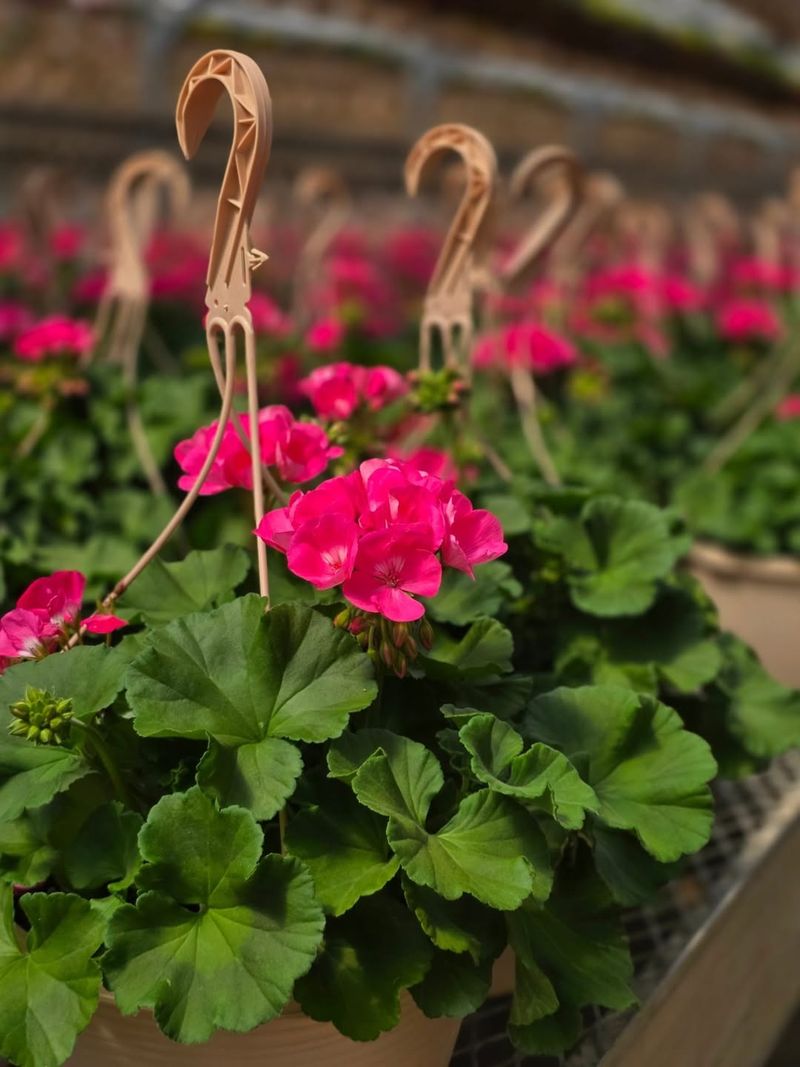
Few plants carry the charm and reliability of a well-grown geranium. These classic container favorites have been filling porches and patios with bold color for generations, and Michigan’s climate happens to suit them beautifully.
Unlike gardeners in the deep South who struggle with geraniums wilting in brutal summer heat, Michigan growers get to enjoy them at their absolute best from late May straight through early fall.
Geraniums prefer full sun to light shade, and they perform strongest with at least five to six hours of direct light each day.
Wait until nighttime temperatures stay consistently above 50 degrees Fahrenheit before moving them outside, which in Michigan typically means late May is the sweet spot for container planting.
They are surprisingly tolerant of cool nights, but a hard frost will set them back fast.
Your Michigan Garden Changes Every Week. Your Plan Should Too.
Gardening in Michigan changes quickly throughout the season. Every Friday you’ll receive a simple weekly plan showing exactly what to plant, prune, fertilize, harvest, and protect so you never miss the right timing.
Watering geraniums correctly makes a huge difference in their performance. Allow the top inch of soil to dry out between waterings, since soggy roots lead to poor flowering and weak stems.
Removing spent flower clusters every few days keeps new blooms coming strong all season. Feed with a balanced, slow-release fertilizer at planting, then follow up with liquid fertilizer every two weeks.
Wind-exposed containers dry out faster, so check those pots more frequently during breezy Michigan days for best results.
3. Coleus Brings Bold Leaf Color To Shade Containers
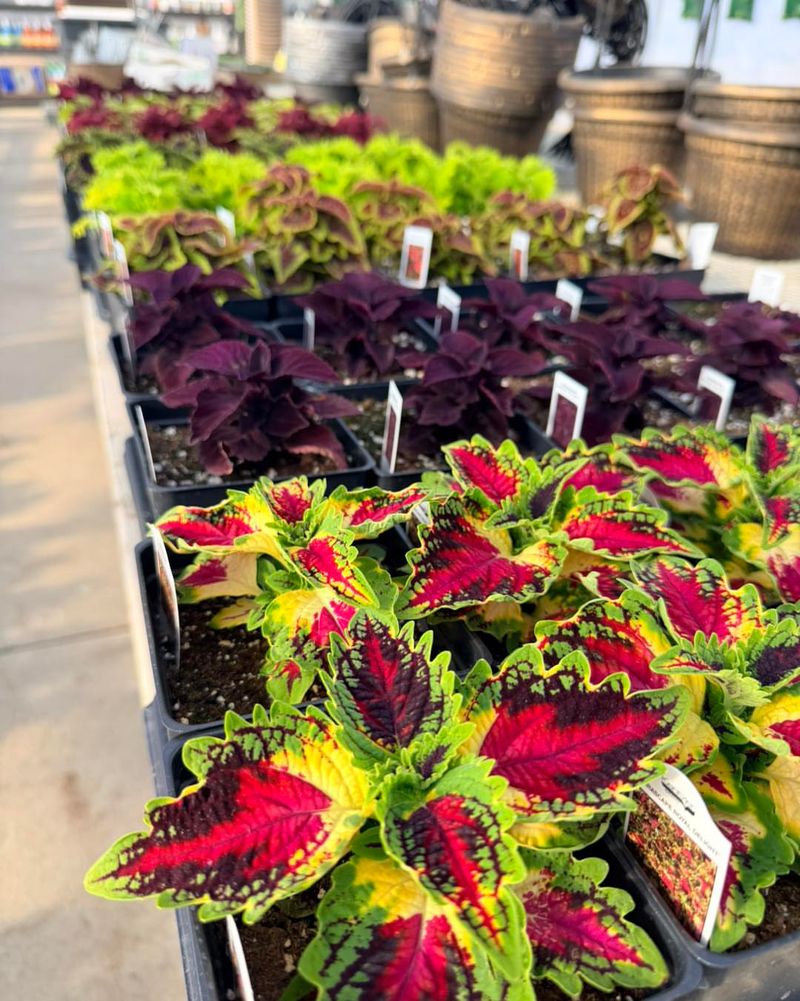
Not every spot in a Michigan garden gets full sun, and that is exactly where Coleus steps in and steals the show.
Known for its wildly patterned leaves in shades of red, burgundy, lime green, gold, and deep purple, Coleus turns shady patios and covered porches into something truly eye-catching.
The color comes from the foliage itself, so you are never waiting on blooms to make an impression.
Modern Coleus varieties have come a long way from the old-fashioned types that required deep shade to survive. Many newer cultivars, like the Wizard and Kong series, can handle several hours of morning sun while still needing protection from harsh afternoon rays.
In Michigan, where summers are warm but rarely scorching, Coleus often tolerates more light than it would in southern states without fading or burning.
Pinching out the growing tips every few weeks encourages a fuller, bushier shape and prevents the plant from getting leggy as the season progresses.
Remove any flower spikes that appear, since blooming redirects energy away from leaf production and can reduce that bold color you planted it for.
Water regularly to keep the soil evenly moist, and feed with a balanced fertilizer every two weeks. Coleus grows quickly in warm weather, so containers fill in fast and look lush by midsummer.
4. Sweet Potato Vine Quickly Fills Containers With Summer Color
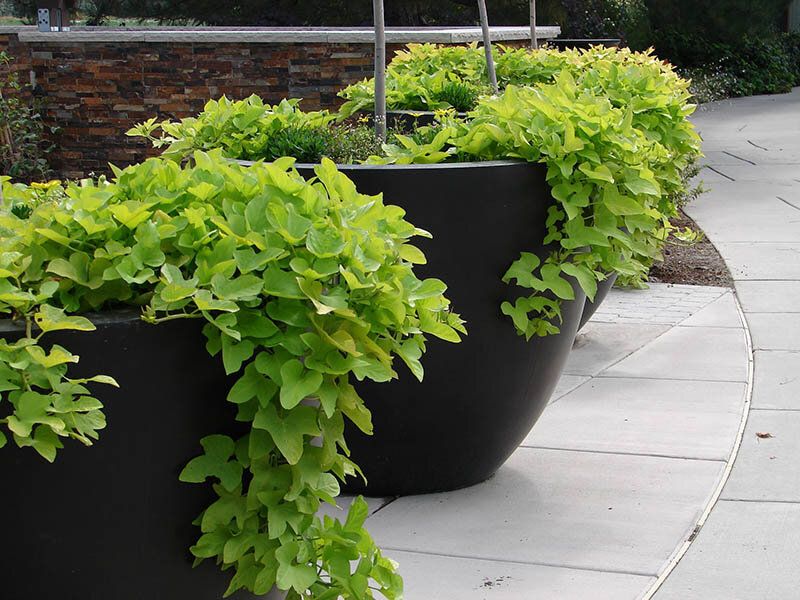
There is something almost magical about how fast Sweet Potato Vine grows once temperatures climb into the 70s.
This vigorous trailing plant can add several inches of growth in a single week during peak summer, making it the ultimate solution for containers that need to look full and lush in a hurry.
Its bold leaves come in electric lime green, deep burgundy, and even variegated patterns that pair beautifully with almost any flower color.
Sweet Potato Vine works best as the spiller element in mixed containers, tumbling generously over pot edges and softening the hard lines of planters, urns, and window boxes.
It loves full sun but will also grow reasonably well in part shade, though leaf color tends to be most vivid with at least five hours of direct sunlight.
Plant it in containers after the last frost date, which typically falls between early and mid-May depending on your region.
Keep the soil consistently moist since this plant is a fast grower that uses water quickly during hot spells. Fertilize every two weeks with a balanced liquid fertilizer to maintain strong, healthy vines.
If stems get unruly and start crowding neighboring plants, simply trim them back with scissors. Pruning actually encourages even more branching, so do not hesitate to cut it back when needed throughout the summer season.
5. Dragon Wing Begonias Handle Summer Humidity Beautifully
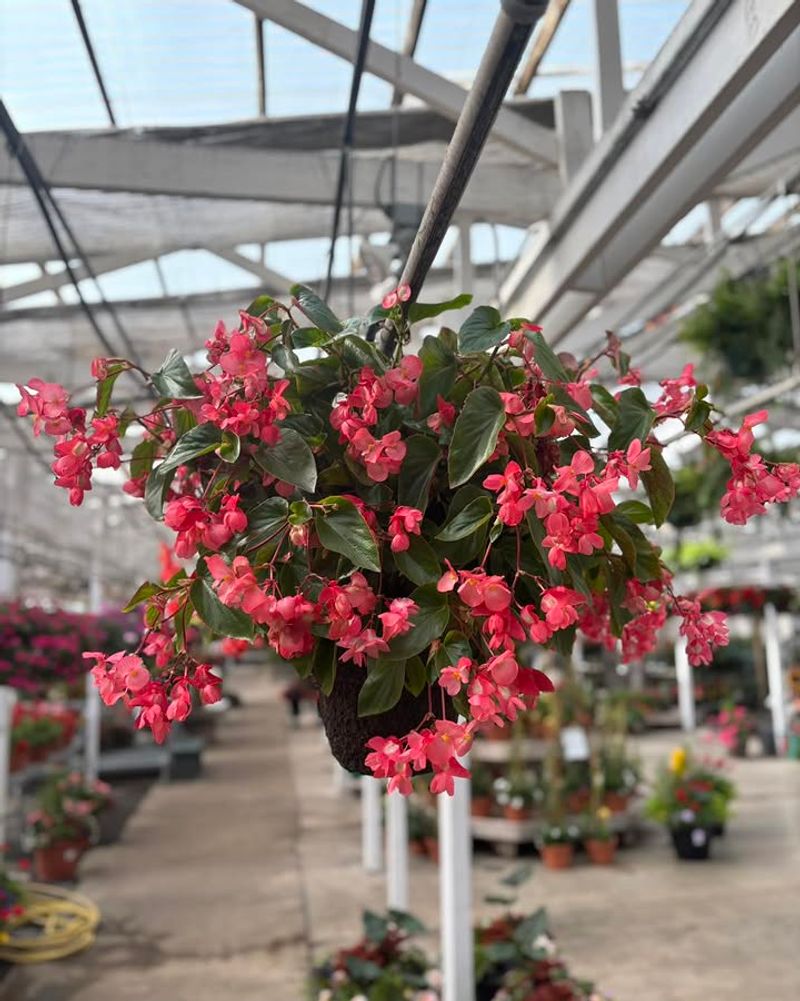
Dragon Wing Begonias are the kind of plant that makes other gardeners stop and ask what you are growing.
With their graceful, wing-shaped glossy leaves and clusters of bright red or pink flowers that hang like little earrings, they bring a tropical elegance to porches and patios that is hard to match.
Best of all, they thrive in the warm, humid summers that Michigan regularly delivers.
Unlike wax begonias, which can struggle with heavy rain and fluctuating temperatures, Dragon Wings are remarkably tough. They bounce back quickly after summer thunderstorms and continue blooming without missing a beat.
They perform best in part sun to part shade, making them ideal for spots that get morning light but are shielded from the hottest afternoon rays. East or northeast-facing exposures work especially well in Michigan.
Watering Dragon Wing Begonias well means keeping the soil consistently moist without letting containers sit in standing water. They are fairly forgiving compared to other begonia types, but soggy roots will eventually cause problems.
Fertilize every two weeks with a balanced, water-soluble fertilizer to support continuous flowering. Removing spent blooms is generally not necessary since spent blooms drop cleanly on their own.
By midsummer, a well-fed Dragon Wing Begonia in a generous container will grow impressively full and become one of the most admired plants on your patio.
6. Petunias Bloom Heavily In Containers With Proper Care
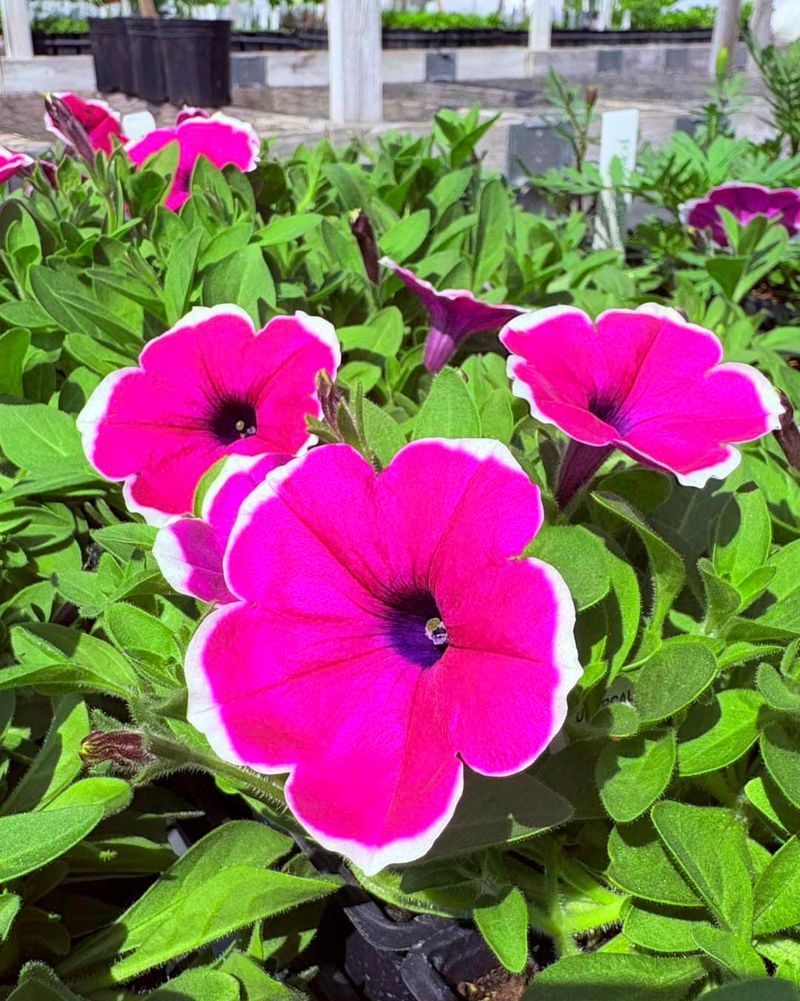
Petunias are the workhorse of the summer container garden, and in Michigan they hit their stride right when the season gets going.
From classic mounding types to the sprawling Wave varieties that cascade dramatically over pot edges, there is a petunia for virtually every container style and sun exposure.
Plant them in May once frost risk passes, and they will reward you with wave after wave of bold color through September.
Full sun is non-negotiable for the best petunia performance. Aim for six or more hours of direct sunlight each day, and avoid spots where containers sit in shade for long afternoon stretches.
Michigan summers provide ideal conditions for petunias because temperatures rarely stay oppressively hot for extended periods.
However, heavy summer rainstorms can waterlog blooms and cause flowers to look beaten up for a day or two, so placing containers under a slight overhang helps protect them.
Regular feeding is what separates a good petunia display from a spectacular one. Use a water-soluble, high-phosphorus fertilizer every seven to ten days throughout the growing season.
Removing spent flowers every few days keeps the plant tidy and encourages new buds to form faster. If plants get leggy by midsummer, cut stems back by about one-third to refresh growth.
New shoots will emerge within a week, and blooming will resume stronger than before in Michigan’s warm late-summer conditions.
7. Upright Salvia Keeps Pollinators Visiting Patios All Summer
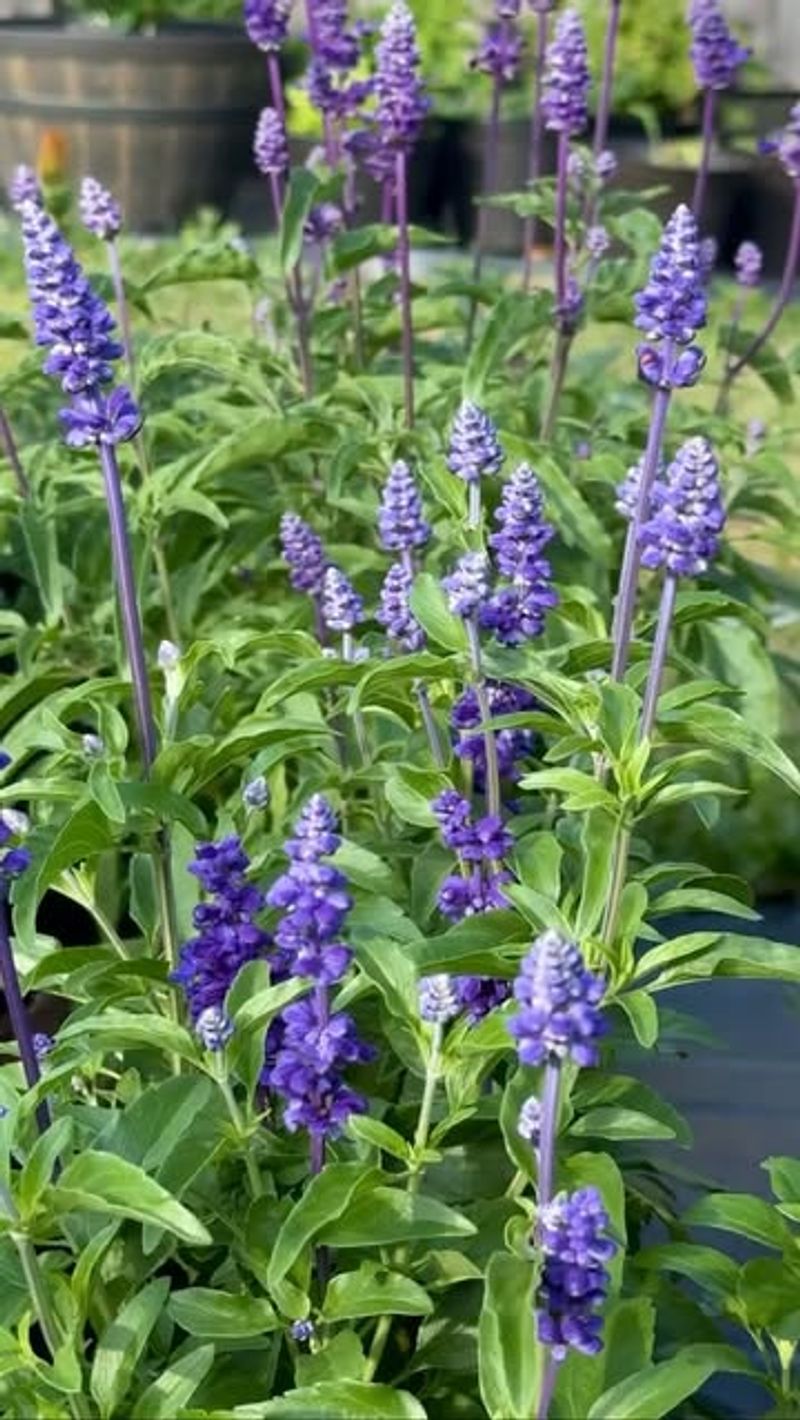
Plant one container of upright Salvia and you will quickly notice that your patio becomes a favorite stop for bumblebees, hummingbirds, and butterflies from June straight through September.
These tall, spiky bloomers add vertical drama that most trailing and mounding container plants simply cannot provide, and their flower spikes in shades of purple, red, coral, and white create a striking contrast against lush summer foliage.
Salvia is genuinely tough once it settles into a container. It handles heat, periods of dry weather, and full sun exposure without complaint, which makes it perfect for patios and decks that bake in afternoon light.
Varieties like Salvia farinacea, commonly called Blue Victoria, and Salvia splendens perform reliably as annuals throughout Michigan’s growing season. They are slow to start but build momentum quickly once summer heat arrives in earnest.
Water Salvia deeply but allow the top inch or two of soil to dry between sessions, since it prefers slightly drier conditions compared to thirstier container plants.
Fertilize with a balanced slow-release granular fertilizer at planting, then supplement with liquid fertilizer monthly during peak summer.
Removing spent spikes encourages new flower stalks to emerge and keeps the plant looking tidy. Place containers in the sunniest spot available for the strongest growth and the most reliable pollinator activity throughout the Michigan summer season.
8. Lantana Performs Surprisingly Well During Hot Summers
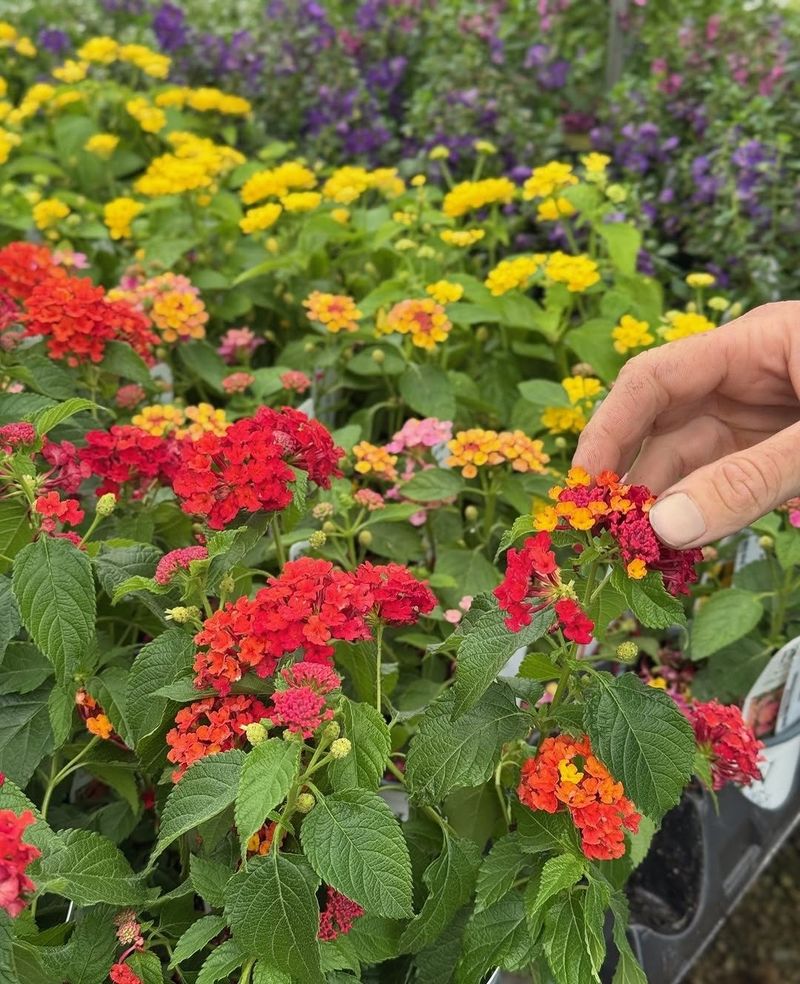
Lantana gets overlooked by many gardeners who assume it is strictly a Southern plant, but the truth is it thrives here once summer heat kicks in.
Treated as an annual in Michigan’s climate, Lantana delivers some of the most vibrant, multicolored blooms you will find in any container garden, with individual flower clusters that shift between yellow, orange, pink, and red as they mature.
It is genuinely one of the showiest plants you can grow in a pot.
Butterflies and bees absolutely love Lantana, which adds even more life and movement to patio displays throughout the season.
It is also one of the more drought-tolerant options for containers, making it a smart choice for gardeners who sometimes forget to water or travel during summer months.
Full sun is essential though, since Lantana planted in shade will produce far fewer flowers and grow in a weak, sprawling manner.
Plant Lantana in containers after Michigan’s last frost date and give it a few weeks to establish before expecting heavy flowering. Once summer temperatures climb consistently into the 80s, it will explode with color and barely slow down until fall.
Water deeply but allow the soil to dry slightly between sessions. Fertilize monthly with a balanced fertilizer, since overfeeding actually reduces flowering.
Avoid overwintering expectations in Michigan, as Lantana is best enjoyed as a spectacular warm-season annual.
9. Ornamental Grasses Add Structure To Summer Containers
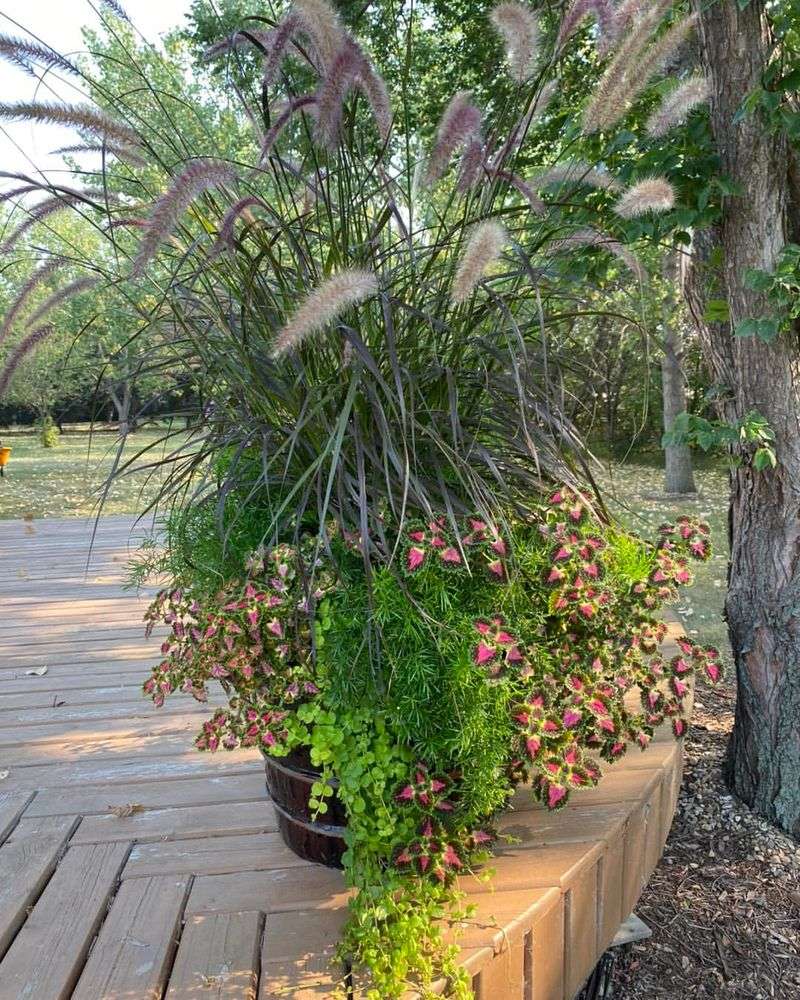
Most container gardens focus entirely on flowers, but adding an ornamental grass to the mix creates a completely different kind of impact.
Grasses bring height, movement, and texture that flowers alone simply cannot deliver, and they look stunning as the centerpiece thriller plant in a mixed container arrangement.
When a breeze moves through a planting of Purple Fountain Grass, the effect is genuinely beautiful and surprisingly calming to watch.
Purple Fountain Grass is one of the top choices for container gardeners because its deep burgundy foliage pairs with virtually any flower color and its feathery plumes emerge by midsummer to add even more visual interest.
Fiber Optic Grass is another excellent option for containers that need a quirky, fine-textured element, especially in partly shaded spots near water features or in mixed arrangements with shade-loving companions.
Both varieties grow vigorously in containers with good drainage and consistent moisture.
Plant ornamental grasses in containers in May after frost risk has passed, and place them where they will receive at least five to six hours of sunlight daily for the strongest, most upright growth.
Water regularly and fertilize monthly with a balanced slow-release granular fertilizer.
Grasses are not winter-hardy as container plants in Michigan, so plan to enjoy them as seasonal annuals and replace them each spring. Their dramatic presence throughout summer makes them absolutely worth replanting year after year.