These Are The Plants That Make Your Texas Yard More Welcoming To Fireflies
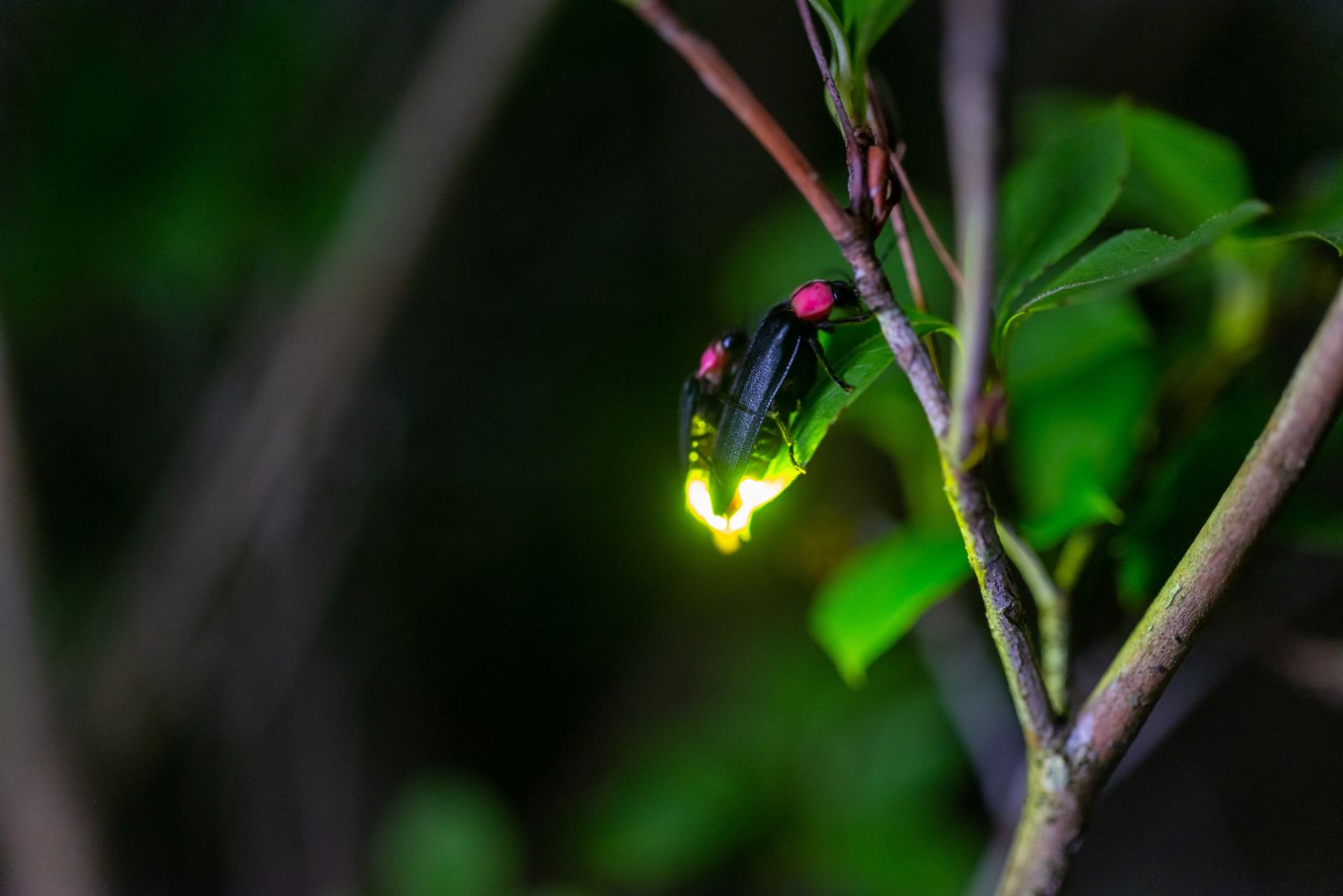
There is something magical about spotting fireflies in the yard on a warm Texas evening. One minute the light is fading, and the next those tiny flashes start floating through the grass and garden like little sparks in the dark.
It is the kind of scene that makes a backyard feel softer, calmer, and a whole lot more alive. The catch is that fireflies are not drawn to just any outdoor space.
If a yard is too bare, too bright, or missing the kinds of plants and shelter they rely on, those glowing visitors are a lot less likely to stick around.
That is why the plants in your landscape matter more than you might think. A firefly-friendly Texas yard is not only about flowers.
It is also about texture, cover, moisture, and creating a more natural setting where these insects can rest, hide, and thrive. The best plant choices can help your yard feel lush and inviting while making it more appealing to fireflies during their active season.
A few smart additions can turn an ordinary space into the kind of backyard that feels extra special once the sun goes down.
1. Inland Sea Oats
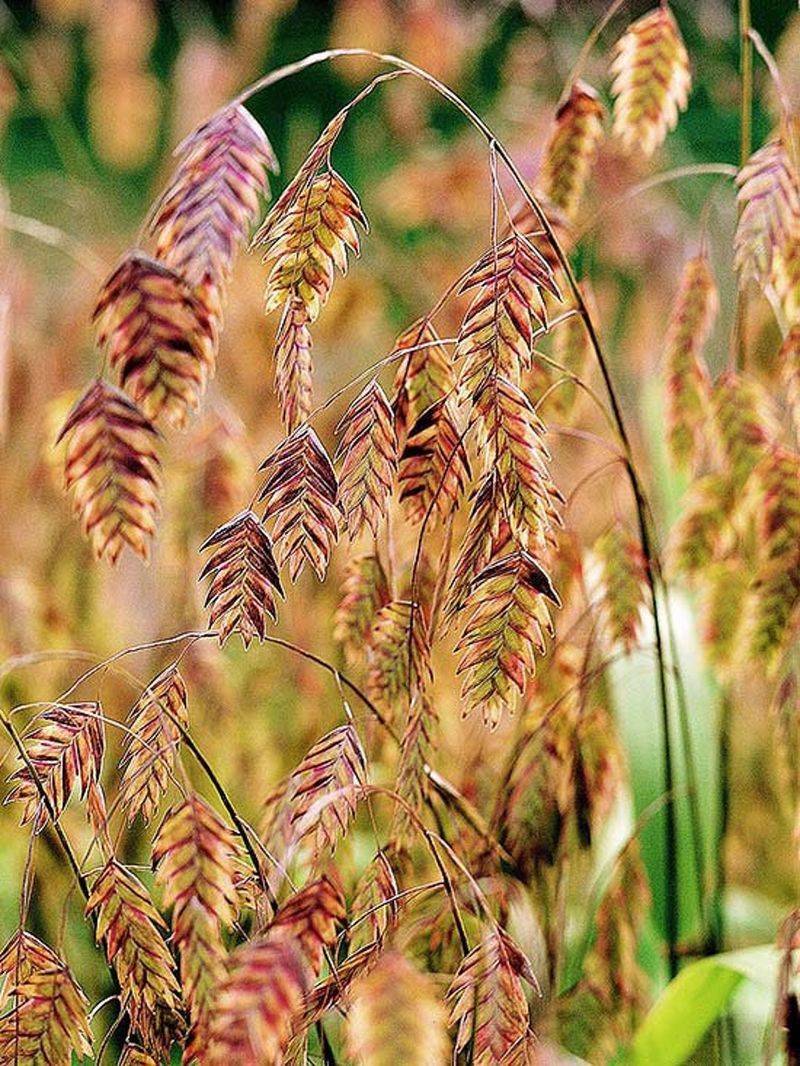
Walk through almost any shaded Texas woodland and you are likely to spot Inland Sea Oats swaying gently in the breeze. This graceful native grass has arching stems topped with flat, dangling seed clusters that catch even the faintest wind.
It creates a soft, layered look that feels completely at home in a natural Texas yard. Fireflies spend most of their daylight hours resting in sheltered, shaded spots close to the ground. Inland Sea Oats delivers exactly that kind of cover.
Its arching growth habit creates little pockets of shade and protection that adult fireflies love to tuck into between their nighttime displays.
This plant works especially well along fences, under trees, and in woodland-style beds where full sun never quite reaches. It handles part shade with ease, making it one of the more versatile native options for Texas gardeners.
It also spreads slowly over time, gradually filling in bare ground that might otherwise stay exposed.
Because it is native to Texas, Inland Sea Oats is already adapted to local soil and rainfall patterns. You will not need to fuss over it much once it settles in. It stays tidy enough for a backyard garden while still feeling natural and relaxed.
If you want to build a yard that genuinely supports fireflies, starting with a plant like this one makes a lot of sense.
It handles the shaded corners of your Texas landscape beautifully while quietly making your yard a more welcoming place for fireflies to rest and return to night after night.
2. Switchgrass
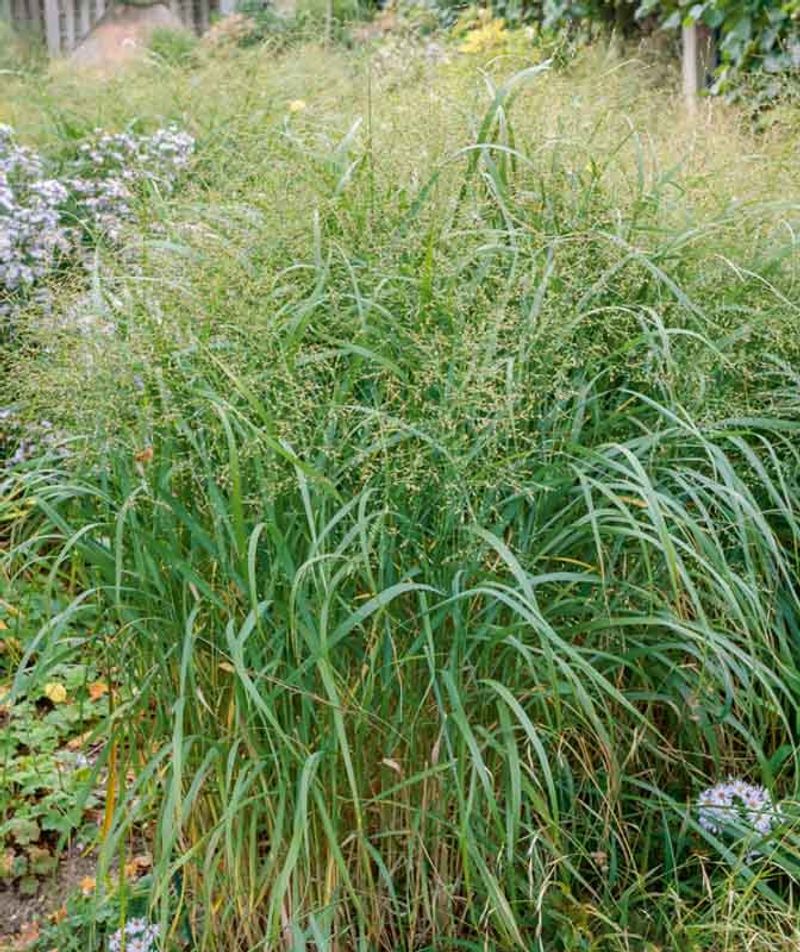
There is something almost architectural about Switchgrass. It stands upright and tall, adding real structure to a yard without looking stiff or formal.
In Texas, where open spaces can feel exposed and windswept, this native grass brings a sense of fullness and depth that other plants just cannot match.
Switchgrass is widely recommended for firefly-friendly plantings, and for good reason. Its dense, upright growth gives fireflies places to perch, hide, and move through without feeling out in the open.
Adult fireflies are more active in yards that feel layered and sheltered rather than flat and bare.
This grass is native through much of Texas and handles a wide range of conditions. It can take full sun, tolerates dry spells once established, and still looks attractive through most of the year.
In late summer, its fine, airy seed heads catch the light in a way that makes the whole plant glow at dusk, which feels perfectly fitting for a firefly garden.
One smart approach is to plant Switchgrass in small groupings rather than single stems. Clusters of three or more create thicker cover and make the habitat feel more substantial.
Place them toward the back of a bed or along a property edge where height will not block shorter plants in front.
For Texas gardeners who want to attract fireflies without taking on a high-maintenance project, Switchgrass is a reliable, low-effort choice. It earns its place in any native planting designed to bring more wildlife, and more summer magic, into your yard.
3. Gulf Muhly
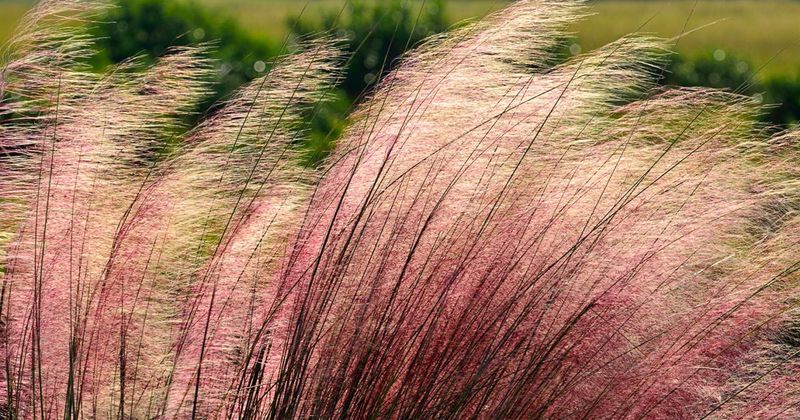
Few plants turn heads in a Texas garden quite like Gulf Muhly does in fall. Its soft, cotton-candy-pink plumes seem to glow in the afternoon sun, creating a show that stops people mid-step.
But beyond its good looks, Gulf Muhly is also a genuinely useful plant for anyone trying to make their yard more welcoming to fireflies.
Fireflies need places to hide during the day, and Gulf Muhly delivers that in a tidy, manageable package. Its clump-forming habit means it stays in a neat mound rather than spreading aggressively across your beds.
That makes it a smart pick for Texas yards where you want soft texture and real cover without constant maintenance.
This grass thrives in sunny spots where other plants might struggle. It handles the heat and dry stretches that are so common across Texas without needing much extra watering once it gets established. That kind of toughness makes it easy to include in almost any yard design.
Because Gulf Muhly grows in dense clumps, it also helps break up open lawn areas that fireflies tend to avoid. Replacing even a small patch of turf with a few clumps of this grass adds the kind of layered, textured planting that makes a yard feel more like a natural habitat.
Planting Gulf Muhly in groups of three to five gives you the most visual impact and the best cover for fireflies. It is one of those plants that looks great, asks for very little, and quietly makes your Texas yard a better place for fireflies all season long.
4. Turk’s Cap
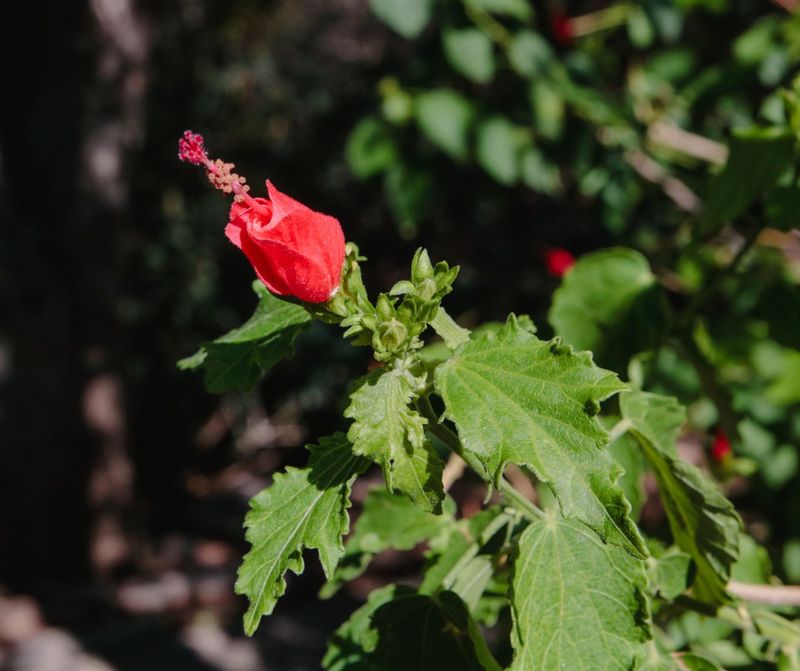
Bright red twisted blooms that never fully open, that is the signature look of Turk’s Cap, and once you know it, you spot it everywhere across Texas. It is a bold, cheerful plant with a lot of personality.
Hummingbirds love it, butterflies visit constantly, and it turns out fireflies benefit from it too.
Turk’s Cap does especially well in part shade, which makes it perfect for filling in those tricky spots under trees or along shaded fences where other plants give up. It helps create the layered, slightly sheltered planting style that suits fireflies well.
Shaded understory areas with dense plant cover are exactly the kind of spots where fireflies rest during the day.
One of the most useful things about this Texas native is how it handles the soil. It tends to keep the ground beneath it a bit cooler and more protected from the harsh afternoon sun.
Firefly larvae spend time in the soil, so keeping that ground shaded and slightly more stable matters more than most people realize.
Turk’s Cap also spreads over time, gradually filling in bare patches and creating a denser, more natural-feeling garden floor. You can let it do its thing with very little interference. Trim it back if it gets too large, but otherwise it pretty much takes care of itself.
For Texas gardeners working with shaded or partially shaded spaces, Turk’s Cap is one of the most rewarding native plants you can grow. It brings color, wildlife activity, and real habitat value all at once, which is a hard combination to beat.
5. Cardinal Flower
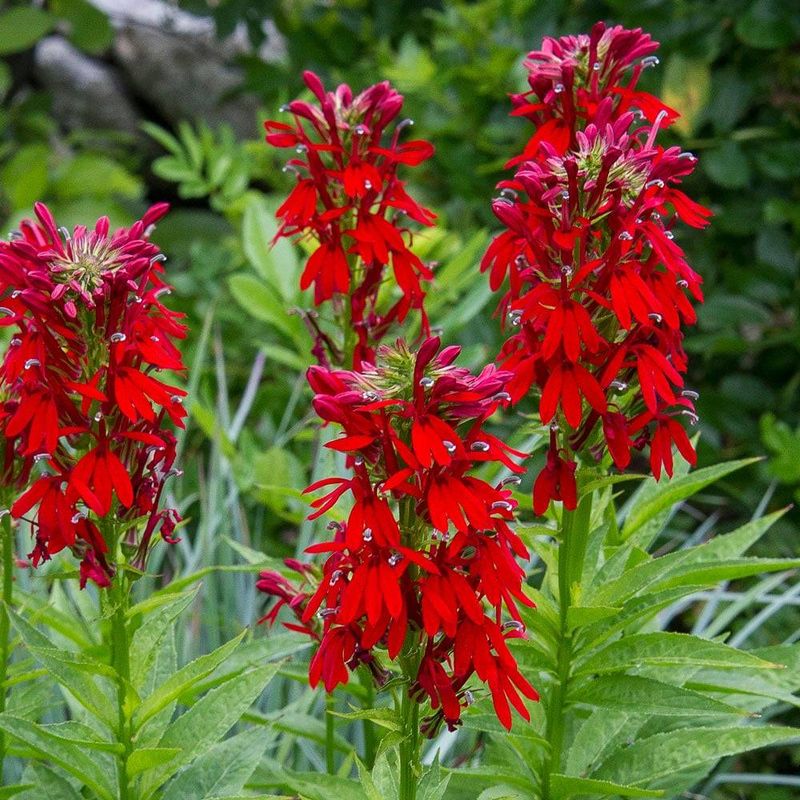
If your yard has a low spot that stays wet after rain, or a bed near a downspout that never quite dries out, Cardinal Flower was practically made for that space.
Its tall spikes of vivid red blooms are some of the most eye-catching in any Texas garden. But the real value for firefly fans goes deeper than looks.
Many firefly larvae need moist ground to survive. They live in the soil and leaf litter for months before they ever flash a single light.
Spots that stay consistently damp give those larvae a much better chance of making it through to adulthood. Cardinal Flower thrives in exactly those kinds of wet, shaded to partly sunny spots.
Planting Cardinal Flower in moist areas of your Texas yard does double duty. It brings bold color and attracts hummingbirds and pollinators, while also helping you build the kind of damp, planted habitat where firefly populations can actually grow over time.
That is a meaningful benefit that goes beyond simple decoration. This plant is a perennial in much of Texas, meaning it comes back each year without needing to be replanted.
It may self-seed and spread into small colonies if conditions suit it, which only adds to its value as a habitat plant.
More plants in a moist area means more protected ground for firefly larvae below the surface.
Keep the soil around Cardinal Flower consistently moist and avoid letting it dry out completely between waterings. Give it some afternoon shade in the hottest parts of Texas, and it will reward you with reliable blooms and a habitat that fireflies genuinely appreciate.
6. Blue Mistflower
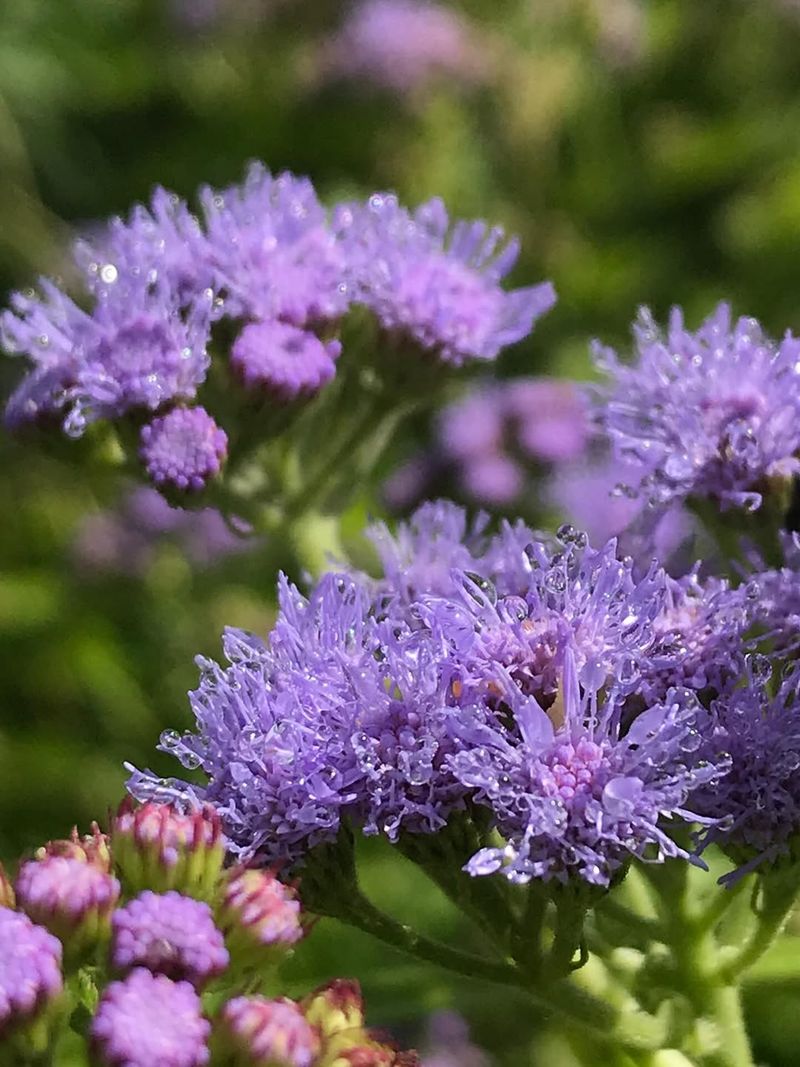
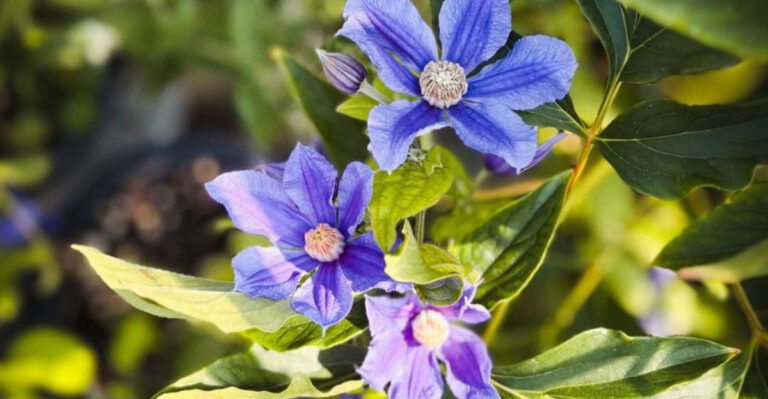
Blue Mistflower has a way of making a garden feel more alive. Its soft, fuzzy clusters of blue-purple blooms appear in fall just when many other plants are winding down, and they seem to draw in every butterfly and beneficial insect in the neighborhood.
For Texas gardeners, that late-season energy is genuinely exciting to watch. Beyond its charm, Blue Mistflower is a practical plant for anyone trying to create a firefly-friendly yard.
It spreads into soft, natural-looking patches that replace bare ground and sparse lawn with the kind of denser, layered planting that fireflies benefit from. Open, mowed turf offers very little to fireflies. Dense, planted ground offers a lot.
This native spreads at a moderate pace, gradually filling in gaps between other plants and creating a fuller, more connected garden. That connectivity matters for fireflies, which prefer to move through planted areas rather than cross wide-open stretches of lawn.
The more your Texas yard feels like a living, layered habitat, the more comfortable fireflies will be in it.
Blue Mistflower handles part shade well and tolerates the kind of average Texas garden soil that many other plants find challenging. It does not need a lot of fussing. Water it while it gets established, and then let it do what it does naturally.
One thing worth knowing is that it can spread assertively in ideal conditions. Give it a spot where a little spreading is welcome, like along a fence line or at the edge of a wooded area.
In those settings, it builds exactly the kind of soft, natural ground cover that makes a Texas yard feel genuinely alive.
7. Texas Frogfruit
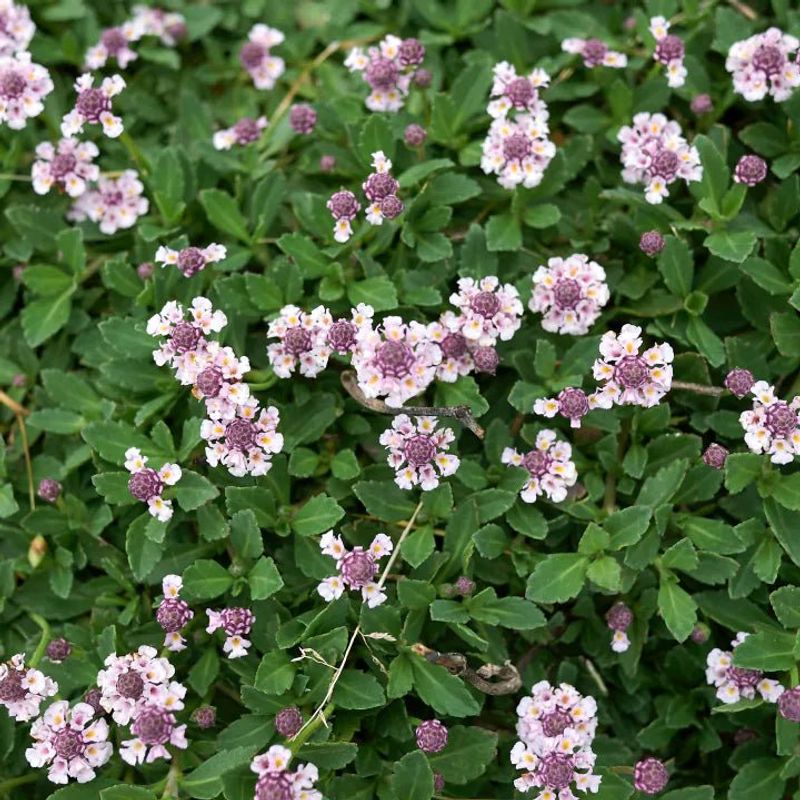
Most people walk right past Texas Frogfruit without giving it a second glance, and that is a shame. It is small, low to the ground, and easy to overlook.
But for fireflies, this little native groundcover is one of the most useful plants you can grow in a Texas yard.
Fireflies benefit enormously from protected, less-disturbed ground. They need places where the soil stays a little cooler, where leaf litter can accumulate, and where the surface is not constantly being mowed, raked, or disrupted.
Texas Frogfruit creates exactly that kind of living, layered ground between beds and along garden edges.
Unlike a flat stretch of turf, Frogfruit stays low but dense, forming a soft mat that covers the soil without smothering other plants nearby.
It spreads into the spaces between stepping stones, along bed edges, and around the base of larger plants, turning those in-between areas into useful habitat rather than bare or mowed ground.
It also produces tiny white flowers that attract small pollinators, adding even more life to your Texas yard at ground level. That activity at the surface is a good sign that the habitat beneath is healthy too.
Firefly larvae spend most of their lives underground, so a healthy soil surface matters more than most gardeners expect.
Texas Frogfruit handles full sun to part shade and tolerates the heat that comes with Texas summers. It is drought-tolerant once established and needs very little care.
For anyone building a more firefly-friendly yard from the ground up, starting at ground level with this tough little native is one of the best moves you can make.