These Are The 10 Privacy Plants Perfect For Small Florida Yards
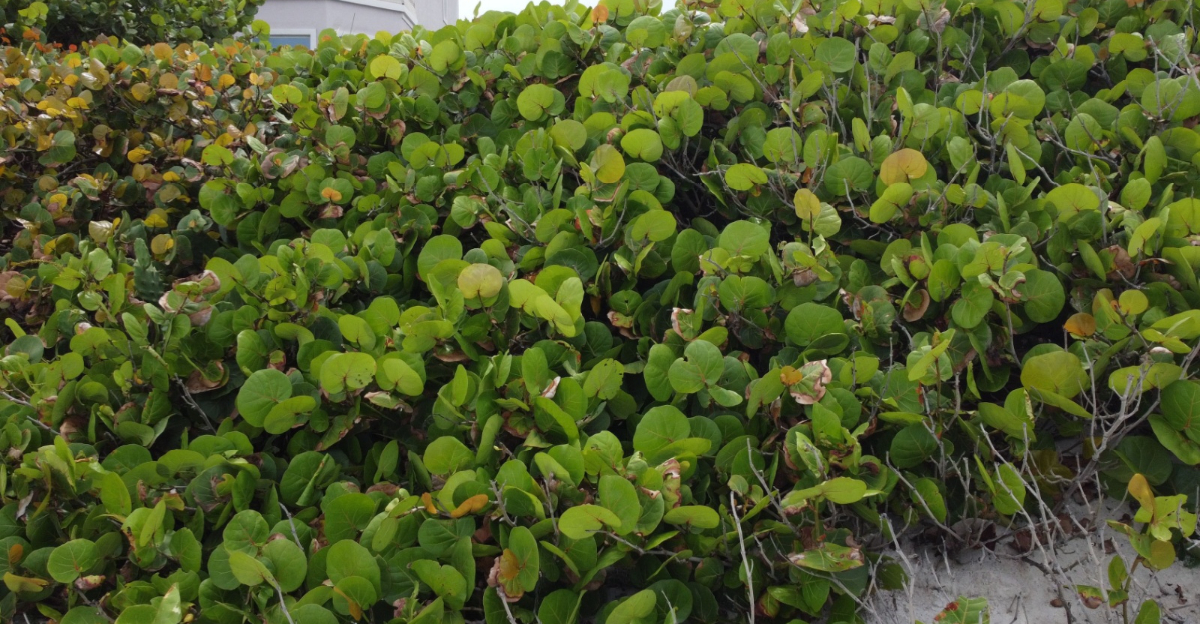
A small Florida yard can still feel like your own private escape. The secret comes down to choosing plants that grow with purpose, not just size.
The right picks create living walls that block views, muffle street noise, and add a lush, layered look without crowding every inch. Florida’s heat and humidity demand plants that stay dense, resilient, and attractive through long seasons, and plenty of options deliver exactly that.
Some grow tall and narrow, others fill in fast with thick foliage, all designed to give you coverage where it matters most. With smart placement, even the tightest space can feel tucked away and calm.
A handful of well-chosen plants can turn an exposed yard into a green retreat that feels comfortable, quiet, and naturally secluded every single day.
1. Wax Myrtle Creates A Dense, Native Screen
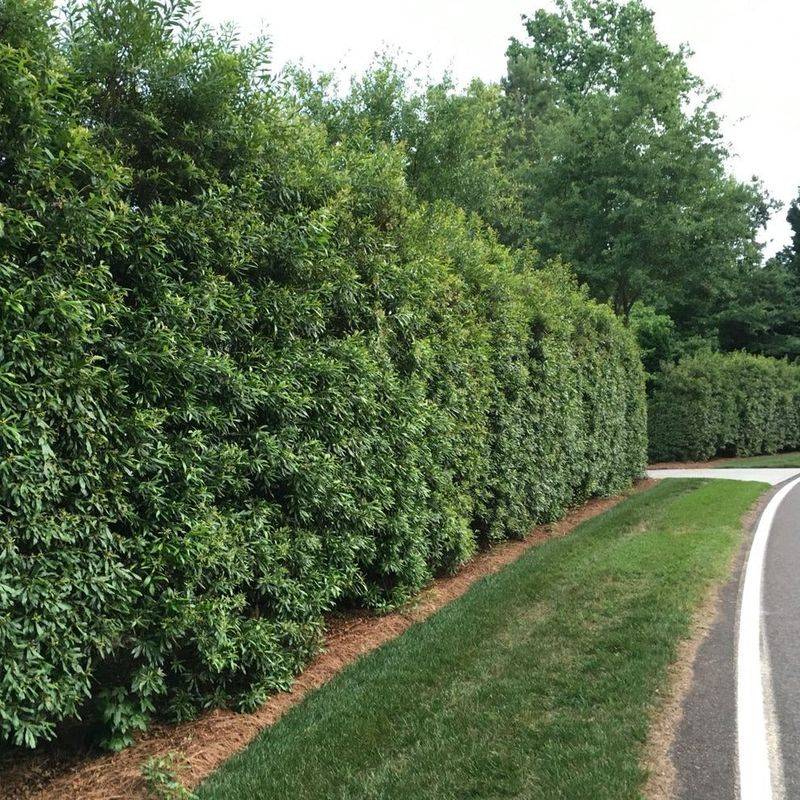
Few native plants can match the reliability of Wax Myrtle when it comes to creating a thick, year-round green wall in a Florida yard. This fast-growing evergreen shrub is a true Florida original, thriving in everything from full sun to partial shade with very little fuss.
Its aromatic, olive-green leaves stay on the plant all year, giving you consistent coverage no matter the season.
One of the best things about Wax Myrtle is how well it handles Florida’s tricky soil conditions. It tolerates wet, dry, and even sandy soils, making it a flexible choice for yards with drainage challenges.
Birds absolutely love the small, waxy berries it produces, so planting it brings extra life and movement to your outdoor space.
For small yards, Wax Myrtle can be pruned into a tidy, formal hedge or left to grow in a more natural, flowing shape. It typically reaches between 10 and 15 feet if left unpruned, but regular trimming keeps it compact and manageable.
Because it is native to Florida, it supports local pollinators and wildlife while requiring far less water and fertilizer than non-native alternatives, making it both eco-friendly and practical.
2. Clusia Provides Thick, Glossy Green Coverage
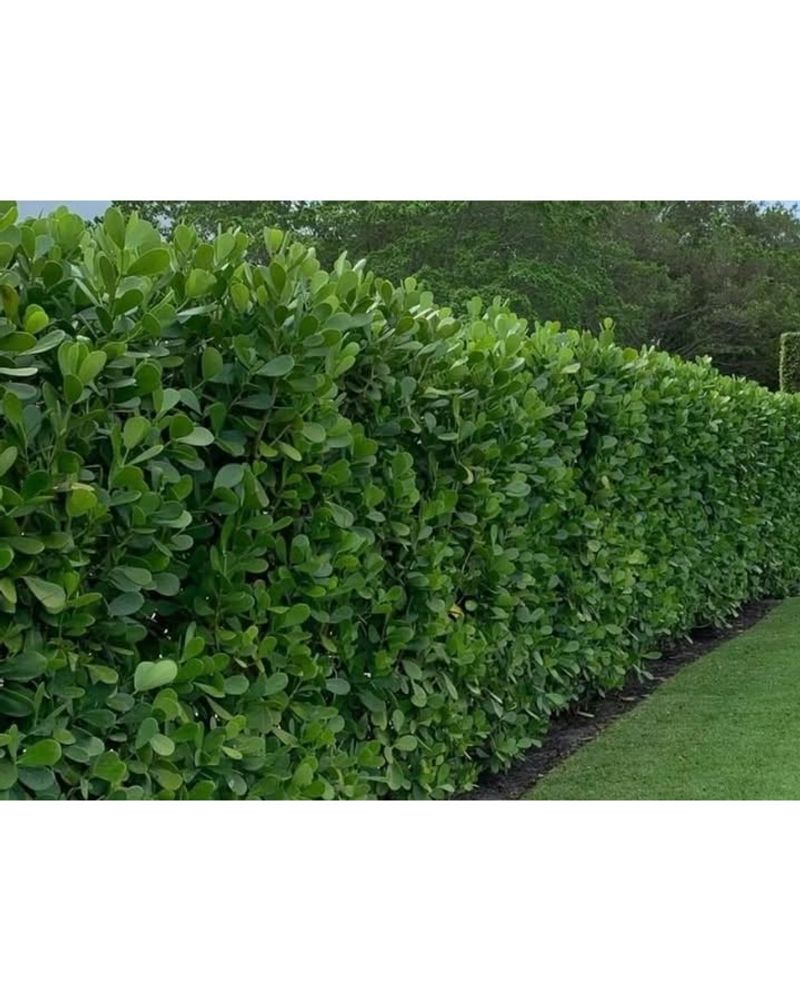
There is something almost architectural about a well-grown Clusia hedge. The thick, dark green leaves are so dense and leathery that they create a wall-like barrier that is both beautiful and highly functional.
Also known as the Autograph Tree, Clusia rosea is one of the most popular hedge choices across Florida, and for good reason.
Clusia handles Florida’s heat and humidity like a champion. It thrives in full sun and is remarkably drought-tolerant once it gets established, meaning you will not need to water it constantly to keep it looking great.
It also handles salt spray well, which makes it a solid option for yards closer to the coast.
For small spaces, Clusia is a particularly smart pick because it grows upward more than outward, allowing you to get good height without sacrificing too much yard space. It can be shaped easily with regular trimming to maintain a clean, polished look.
The plant also produces attractive pink and white flowers and small round fruits that add a bit of visual interest. Low-maintenance, tough, and visually striking, Clusia checks a lot of boxes for Florida homeowners who want privacy without constant upkeep.
3. Podocarpus Offers Vertical Screening
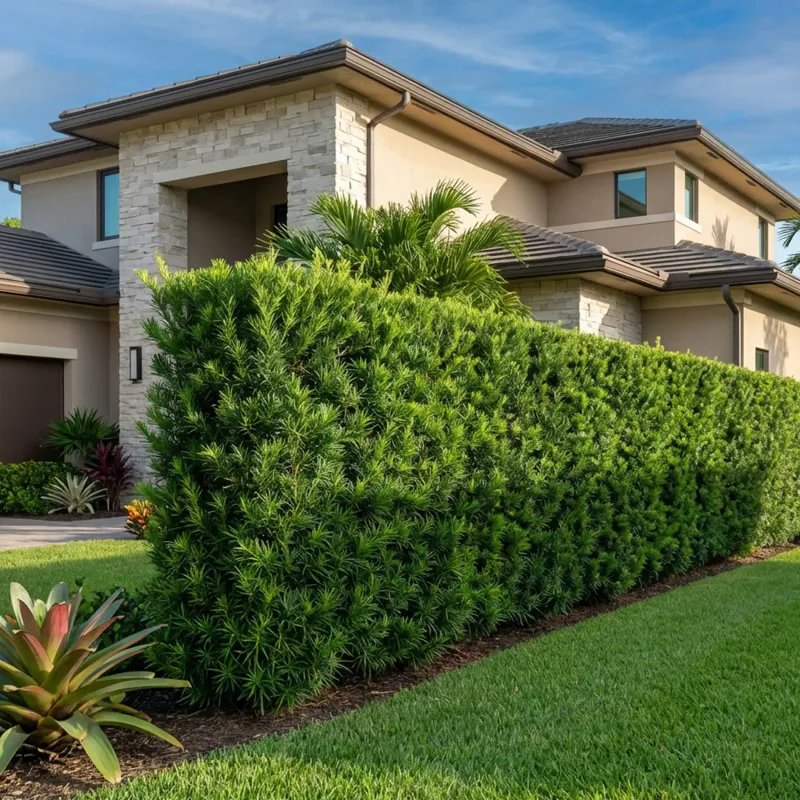
When yard space is tight, growing upward instead of outward is the smartest strategy, and Podocarpus does exactly that. Sometimes called Yew Pine, this elegant evergreen shrub has a naturally columnar shape that makes it perfect for creating a tall, slim privacy screen without eating up precious ground space.
The soft, needle-like foliage gives it a refined, almost formal appearance.
Podocarpus is incredibly adaptable to Florida’s varied growing conditions. It handles full sun to partial shade and is tolerant of both dry spells and occasional flooding, which is a major plus given Florida’s unpredictable rain patterns.
It also responds beautifully to pruning, so you can sculpt it into a neat, tidy hedge or let it grow in a more relaxed, natural column.
Growth is steady rather than explosive, which actually works in your favor for a small yard since you are not constantly battling overgrowth. Podocarpus can eventually reach 20 feet or more if left alone, but regular trimming keeps it at whatever height you prefer.
It is also resistant to most common pests and diseases, which means less time troubleshooting and more time enjoying your private outdoor space. A truly low-drama plant with high-impact results.
4. Pineapple Guava Adds Fragrant Foliage
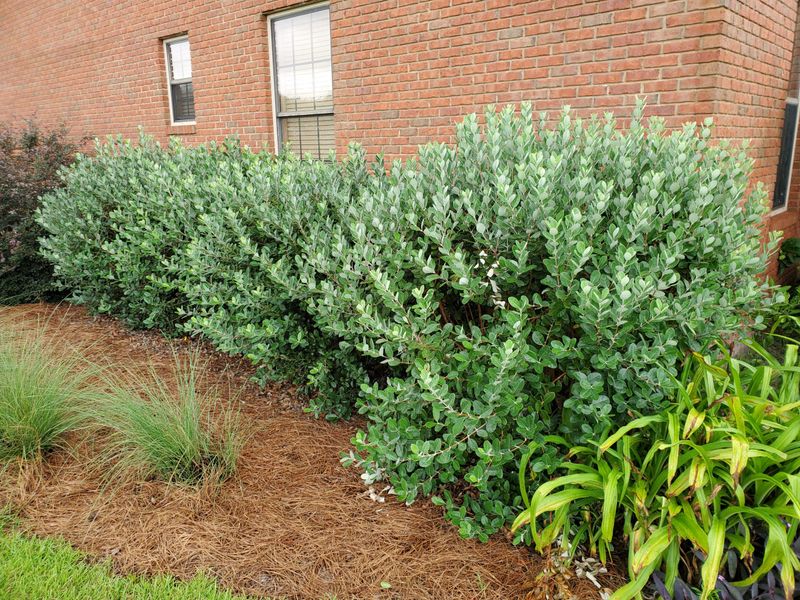
Not every privacy plant has to be purely practical. Pineapple Guava, known botanically as Feijoa sellowiana, brings a sensory experience to the yard that most hedges simply cannot match.
The silvery-green leaves catch the light in a way that feels almost tropical, and when the plant blooms in late spring, the flowers are genuinely stunning with their bright red stamens and white petals.
Beyond its good looks, Pineapple Guava is surprisingly tough. It handles Florida’s heat well and is moderately drought-tolerant once established.
The plant grows at a moderate pace, making it manageable for smaller yards where you need control over size and spread. Regular light pruning keeps it dense and full, which improves its effectiveness as a privacy screen.
As a bonus, the flowers are actually edible and have a sweet, floral flavor that many people enjoy. The plant can also produce small, fragrant fruits in favorable conditions, adding yet another layer of interest.
For a small Florida yard where every plant needs to earn its place, Pineapple Guava delivers beauty, fragrance, edible extras, and solid privacy coverage all in one package. It is a genuinely rewarding shrub to grow.
5. Florida Privet Is Stylish And Adaptable
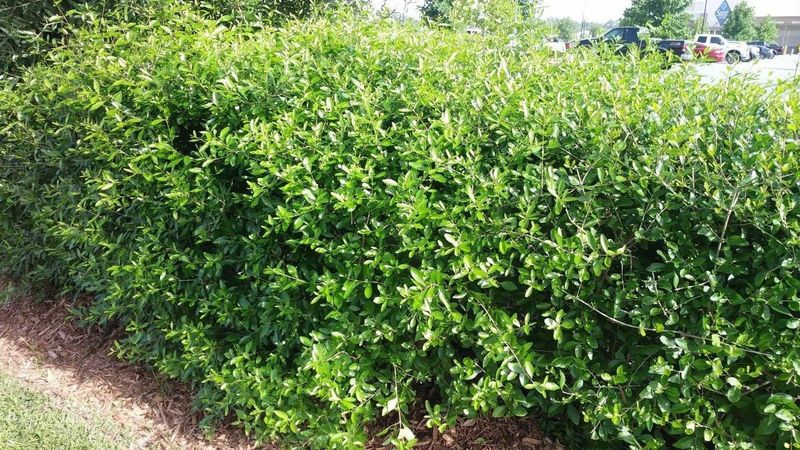
Florida Privet, or Forestiera segregata, might not be the flashiest plant on this list, but it is one of the most dependable native hedges you can grow in a small Florida yard. This shrub has been quietly thriving in Florida landscapes for years, appreciated by gardeners who know that reliability and adaptability are worth more than flashy looks.
What makes Florida Privet stand out is its remarkable tolerance for a wide range of conditions. It handles full sun, partial shade, drought, and occasional wet feet with equal ease.
That kind of flexibility is rare and incredibly useful in Florida, where weather and soil conditions can vary dramatically from one yard to the next. It also grows relatively quickly, so you will not be waiting years for your privacy screen to fill in.
The plant responds well to pruning and can be shaped into a formal, tight hedge or left to grow in a looser, more naturalistic form. Small dark berries appear in the fall and winter, attracting birds and adding a seasonal touch of wildlife activity to your yard.
For homeowners who want a native, eco-conscious privacy solution that requires minimal intervention, Florida Privet is a genuinely smart and stylish choice.
6. Simpson’s Stopper Brings Seasonal Privacy
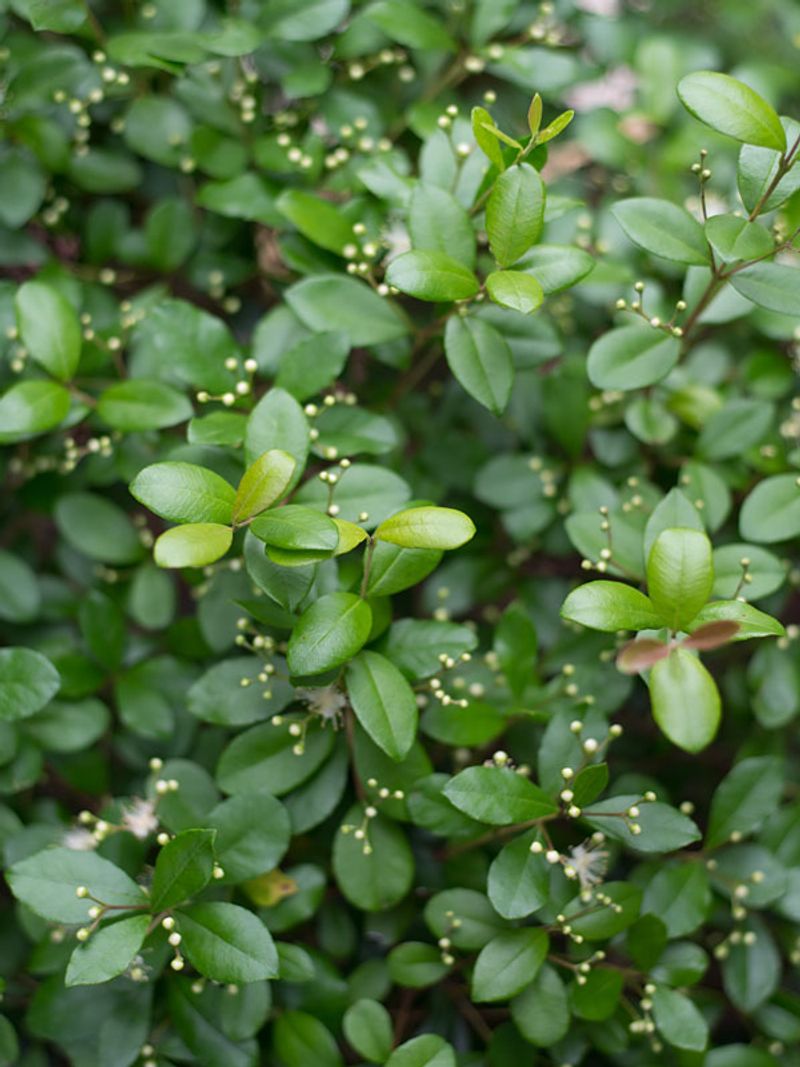
Named for a 19th-century Florida botanist, Simpson’s Stopper has been a quiet favorite among Florida native plant enthusiasts for a long time. This medium-sized shrub offers a wonderful combination of glossy green leaves, fragrant white flowers, and bright orange-red berries that make it as ornamental as it is functional.
It is the kind of plant that pulls double duty without any extra effort on your part.
For small yards, Simpson’s Stopper is a great fit because it grows at a manageable pace and typically tops out between 10 and 15 feet when unpruned. With regular trimming, it stays compact and dense, forming an effective privacy screen that looks polished year-round.
The fragrant flowers, which bloom multiple times throughout the year, are a genuine pleasure and attract butterflies and bees to the garden.
Birds are particularly fond of the colorful berries, so planting Simpson’s Stopper near a seating area can turn your backyard into a lively nature scene. It grows well in full sun to partial shade and tolerates a variety of soil types, including the sandy, nutrient-poor soils common across much of Florida.
For anyone wanting a wildlife-friendly, low-maintenance hedge with real seasonal charm, this native gem is hard to beat.
7. Cocoplum Works In Small Yards Too
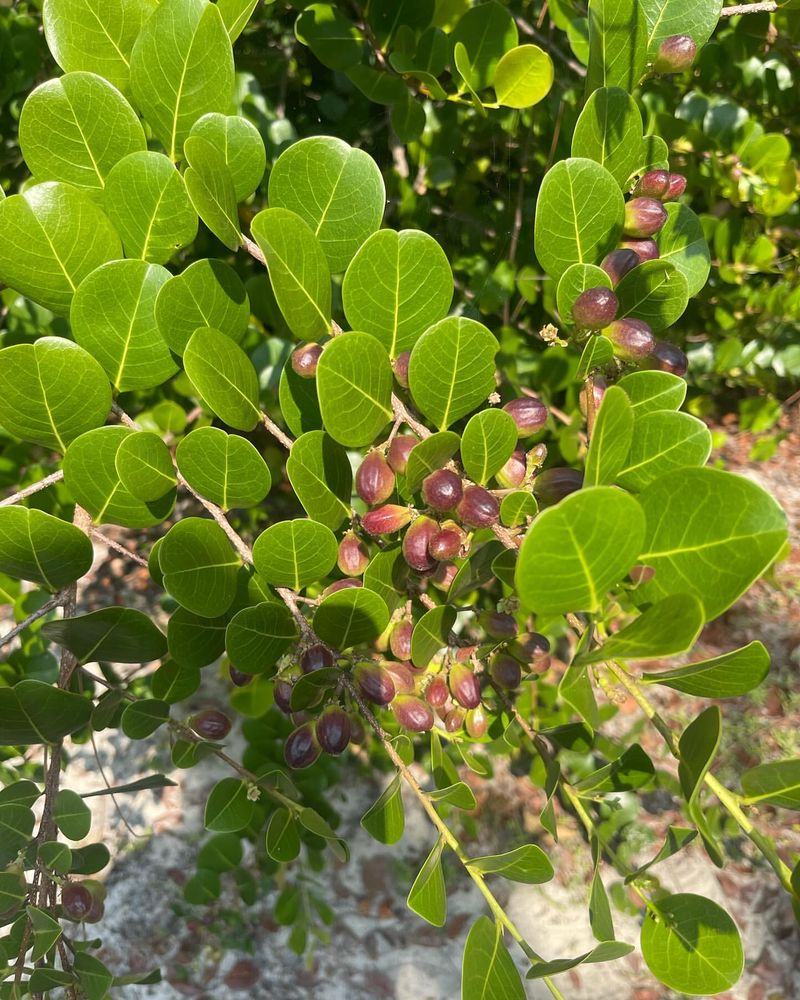
Cocoplum has a reputation for being a coastal plant, but this tough, adaptable shrub performs just as well in small inland yards across Florida. With its dense, rounded leaves and naturally bushy growth habit, Cocoplum forms a solid privacy barrier that looks lush and tropical without requiring a lot of special attention.
It is a plant that genuinely earns its spot in the landscape.
One of Cocoplum’s most charming features is the small, edible fruits it produces. The berries range in color from white to deep purple depending on the variety, and they have a mildly sweet flavor that wildlife and even adventurous humans enjoy.
Beyond the fruit, the plant’s foliage is attractive year-round, with glossy leaves that catch sunlight beautifully and stay looking fresh through Florida’s hottest months.
Cocoplum tolerates salt spray, sandy soil, and drought once established, making it a low-maintenance option for yards where conditions are not always ideal. It grows at a moderate rate and responds well to pruning, so keeping it at a manageable height for a small yard is straightforward.
For homeowners who want a privacy hedge that also adds a touch of tropical character and even a bit of edible interest, Cocoplum is a genuinely rewarding choice.
8. Sea Grape Offers Tropical Privacy
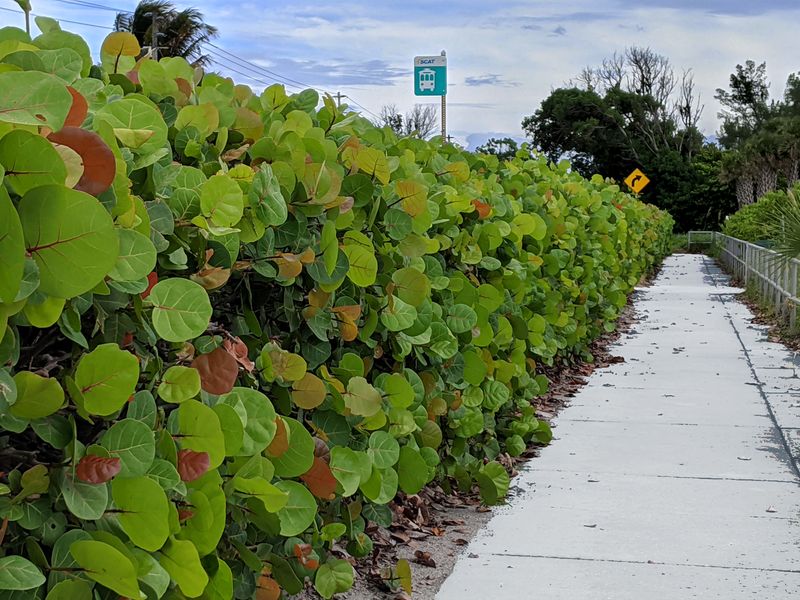
Walking past a Sea Grape hedge feels like stepping into a tropical postcard. The broad, circular leaves are unlike almost anything else in the plant world, and they create an instantly recognizable, lush visual that screams Florida.
Sea Grape, or Coccoloba uvifera, is most famous as a coastal plant, but it adapts well to small yards throughout South and Central Florida with the right care.
The plant is exceptionally tolerant of salt, wind, and sandy soil, which makes it a top pick for yards near the beach or in areas with poor growing conditions. Even away from the coast, Sea Grape holds up well in full sun and handles dry spells once it is established.
The large leaves create a surprisingly effective sound and visual barrier, giving small yards a sense of seclusion that feels both natural and dramatic.
Clusters of grape-like fruits appear seasonally and are actually used to make jelly in Florida, adding a fun, edible dimension to the plant. Sea Grape grows as either a large shrub or a small tree depending on how it is pruned, giving you flexibility in how you use it.
For small yards looking for bold tropical character combined with practical privacy, Sea Grape delivers on every level.
9. Fakahatchee Grass Provides Privacy With Soft, Textured Growth
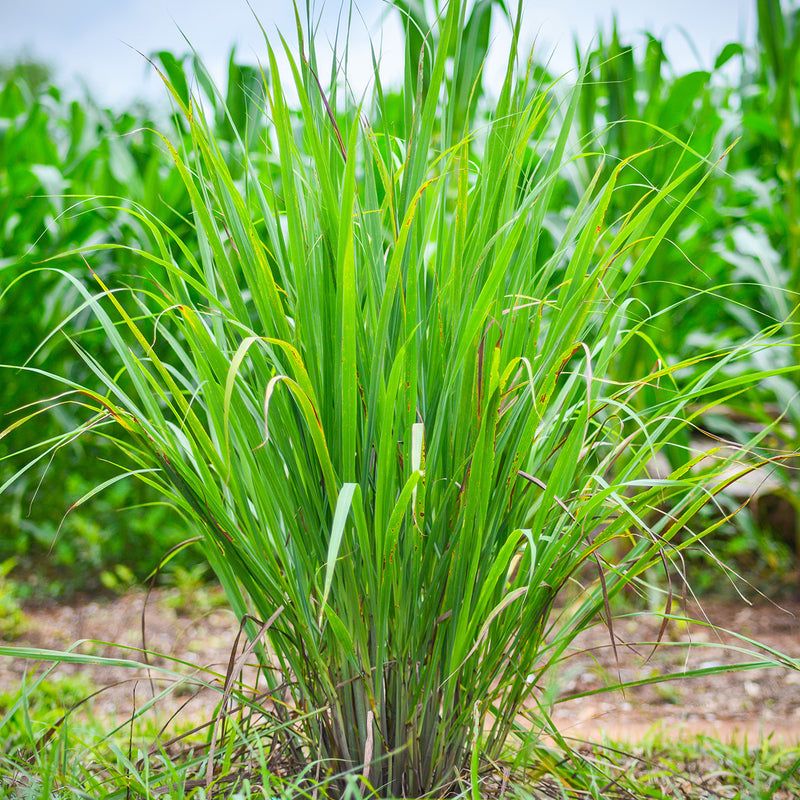
Not every privacy screen has to be a rigid hedge. Fakahatchee Grass, a native Florida ornamental grass, brings a softer, more flowing approach to backyard privacy that works beautifully in informal and naturalistic garden designs.
The long, arching blades sway gently in the breeze, creating a living curtain that feels relaxed and organic rather than structured and formal.
This grass is a true Florida native and is incredibly well-adapted to the state’s climate. It tolerates full sun, partial shade, wet conditions, and drought, covering pretty much every growing scenario a Florida yard might throw at it.
The plant grows in clumping form, which means it stays where you put it and does not spread aggressively, a major plus for small spaces where you need predictable, contained growth.
Fakahatchee Grass typically reaches three to four feet in height, making it ideal for creating a low to mid-height privacy screen along borders, pathways, or sitting areas. It requires very little maintenance beyond an occasional trim to keep it looking tidy.
The feathery seed heads that appear in warmer months add a decorative, meadow-like quality to the landscape. For small yards craving a natural, textured look with minimal upkeep, this grass is a fantastic and underappreciated option.
10. Viburnum Adds Privacy With Seasonal Blooms
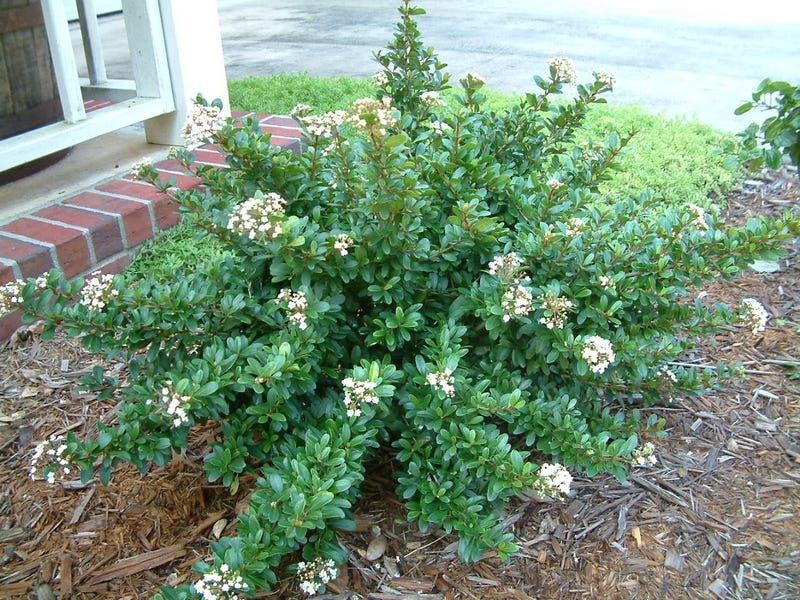
Viburnum is the kind of shrub that makes neighbors stop and ask what it is. With its glossy, deep green leaves and clusters of fragrant white flowers that appear in spring, Walter’s Viburnum and Sweet Viburnum are two varieties that have become staples of Florida landscaping for very good reasons.
The combination of beauty and practicality is hard to match.
Both varieties grow quickly, which is great news if you need privacy sooner rather than later. They respond extremely well to pruning, allowing you to shape them into a tight formal hedge or a more relaxed, rounded form depending on your yard’s style.
The dense foliage provides solid visual coverage year-round, with the seasonal blooms adding a burst of fragrance and color that makes the plant feel special rather than purely functional.
Viburnum thrives in full sun to partial shade and handles Florida’s heat and humidity without complaint. Once established, it is fairly drought-tolerant and requires only occasional fertilizing to keep it looking its best.
Small berries follow the flowers and attract birds, adding an extra layer of activity to your yard. For small Florida yards where every plant needs to work hard and look good doing it, Viburnum is a reliable, rewarding, and genuinely beautiful choice.