These Are The 9 Red Perennials To Plant In Florida This March
Stop settling for a dull, washed-out yard when March is the best time to turn up the heat in your Florida garden. While most plants shrivel under the brutal Sunshine State sun, these red perennials actually crave the intensity.
Planting them now gives roots a head start before the summer humidity turns your flower beds into an oven. Imagine your garden filled with the fiery glow of Firebush and the deep crimson spikes of Geraniums.
These aren’t just pretty faces; they are absolute workhorses that pull in hummingbirds and butterflies while laughing at sandy soil and drought. Florida gardening is all about picking winners that can take a punch from the weather and still look incredible.
Grab your shovel this month and swap the boring green for a landscape that stops traffic.
1. Add Pentas For Nonstop Red Blooms And Pollinators
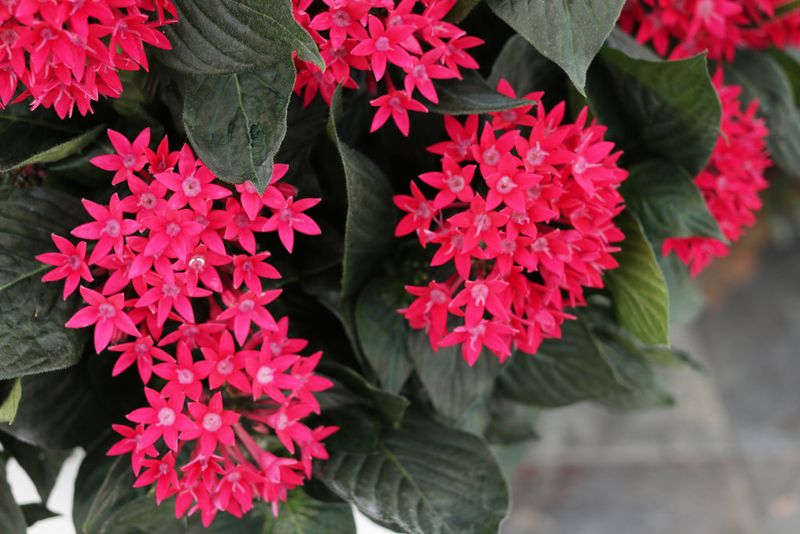
Few plants earn their place in a Florida garden quite like pentas. Walk through any neighborhood in Tampa or Orlando in summer and you will likely spot those cheerful, star-shaped red flower clusters nodding in the heat, seemingly unbothered by the blazing sun and thick humidity that sends gardeners rushing indoors.
Pentas lanceolata, commonly called Egyptian star flower, is a warm-season perennial that thrives in Florida’s climate like it was born for it. March is the ideal time to plant pentas because the mild temperatures give roots several weeks to settle in before the intense summer heat arrives.
Once established, these plants are remarkably tough and keep producing blooms almost continuously from spring straight through fall.
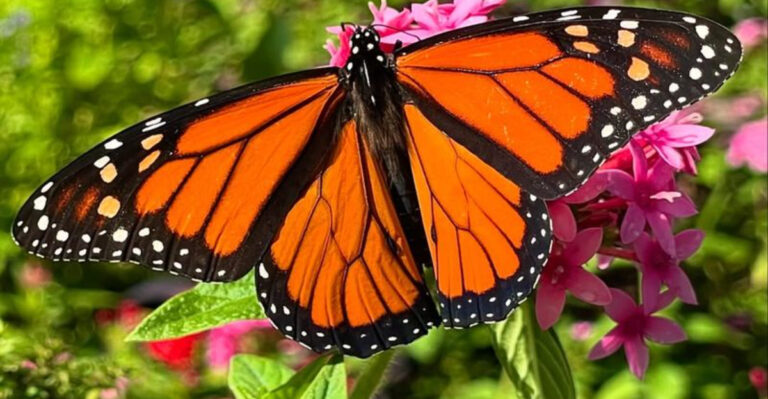
Red pentas are absolute magnets for butterflies and hummingbirds, making them a smart choice for any pollinator garden. Plant them in full sun for the heaviest bloom production, though they tolerate light afternoon shade.
Florida’s sandy soils work well for pentas as long as you water regularly during the first few weeks. Space plants about 18 inches apart and apply a slow-release fertilizer at planting.
Deadheading spent flower heads encourages fresh blooms and keeps plants looking tidy all season long.
2. Plant Firebush For A True Florida Native Showstopper
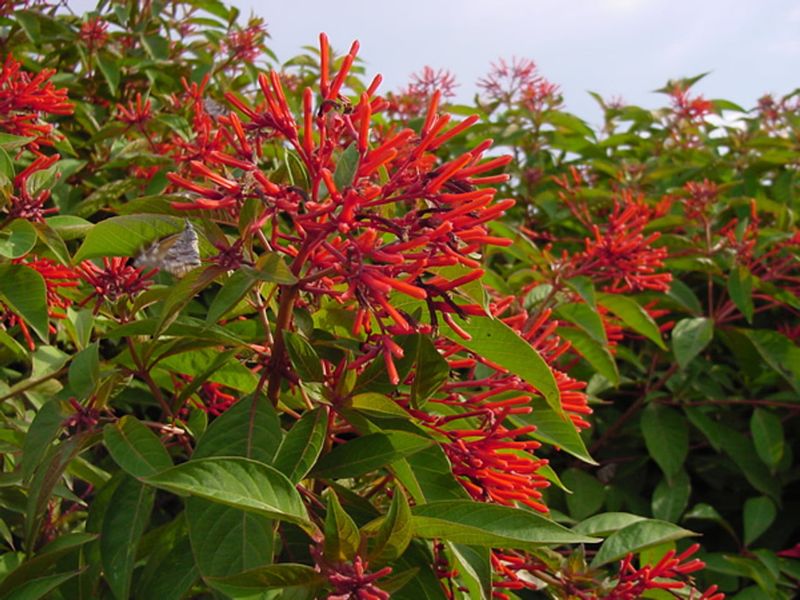
If there is one native plant that practically every University of Florida IFAS Extension agent recommends for red color in Florida landscapes, it is firebush. Hamelia patens var patens is a Florida native shrub that produces an almost ridiculous number of tubular red and orange-red flowers from spring through fall, and it does it with very little fuss from the gardener.
Planting firebush in March gives it the perfect head start. Mild spring temperatures let roots spread into the soil before summer storms roll in, and once established, firebush handles Florida’s heavy summer rains and periods of drought with equal ease.
The plant is also tolerant of salt spray, which makes it a great option for coastal Florida gardens that struggle with salt-sensitive species.
Hummingbirds and butterflies absolutely flock to firebush blooms, so placing it near a patio or window where you can watch the action is a wonderful idea. Full sun produces the most flowers, but firebush grows well in partial shade too.
Sandy, well-drained Florida soils suit it perfectly. It can grow quite large, reaching six to ten feet, so give it room to spread or prune it regularly to keep it compact and bushy.
3. Grow Tropical Hibiscus For Bold Red Garden Color
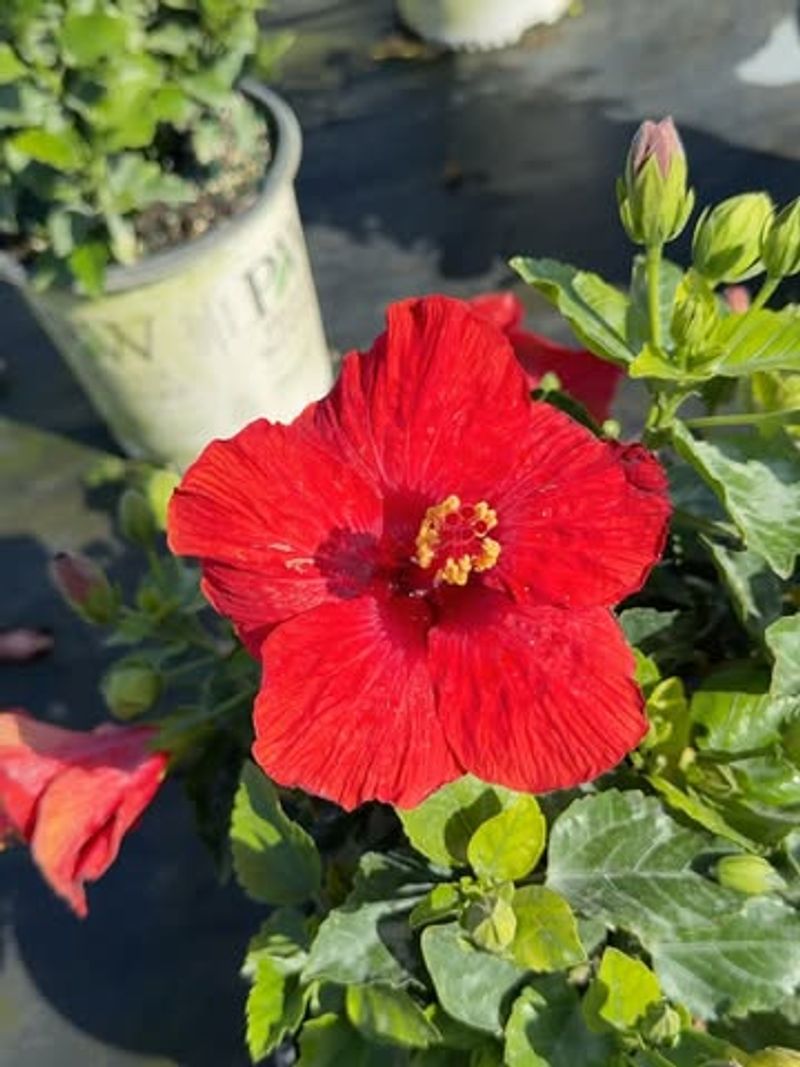
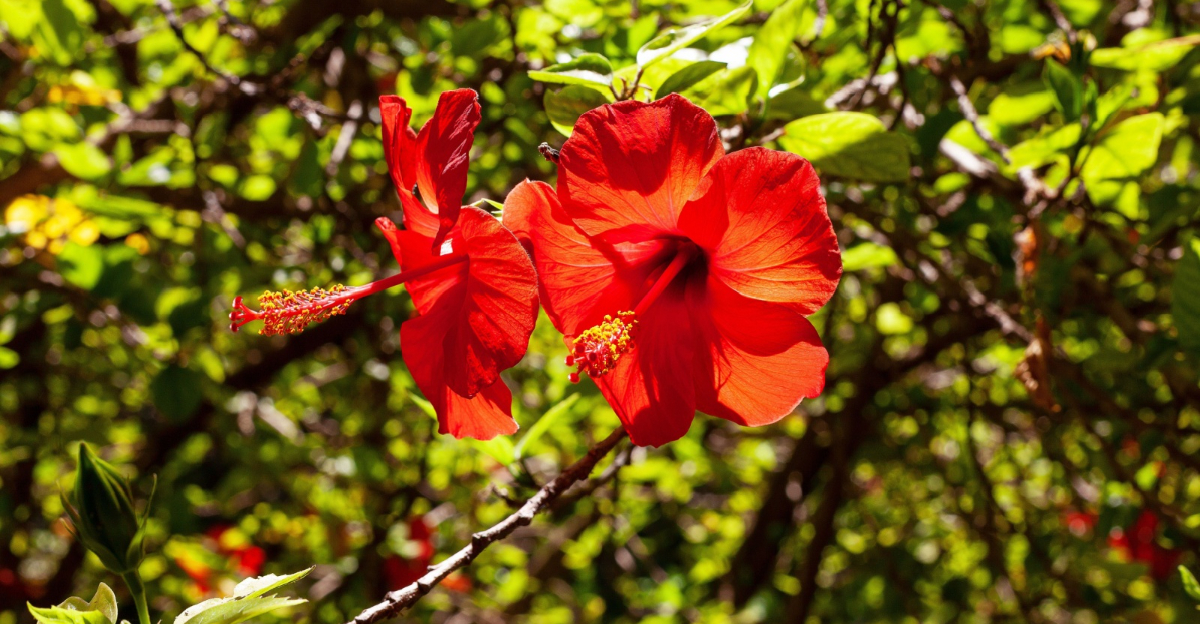
There is something almost theatrical about a fully open tropical hibiscus bloom. The flowers are enormous, deeply saturated in red, and they last just a day before dropping, but new buds open constantly throughout the warm season, keeping the show going for months.
In Florida, tropical hibiscus is practically a garden staple.
Hibiscus rosa-sinensis thrives in Florida’s heat and humidity, and March is one of the best months to get it into the ground. Planting in early spring gives the roots time to establish before the hottest and most humid months of summer arrive.
A well-rooted hibiscus plant handles Florida’s intense July and August heat far better than one that was just planted. Choose a spot with full sun, at least six hours daily, for the biggest and most frequent blooms.
Tropical hibiscus appreciates regular watering but needs good drainage to keep roots healthy. Florida’s sandy soils drain quickly, so mixing in some compost at planting helps retain just enough moisture.
Feed with a fertilizer formulated for flowering plants every four to six weeks during the growing season. Avoid high-nitrogen formulas, which push leafy growth at the expense of flowers.
Prune lightly after each bloom flush to encourage branching and even more flower buds throughout the season.
4. Choose Salvia For Long Lasting Red Flower Spikes
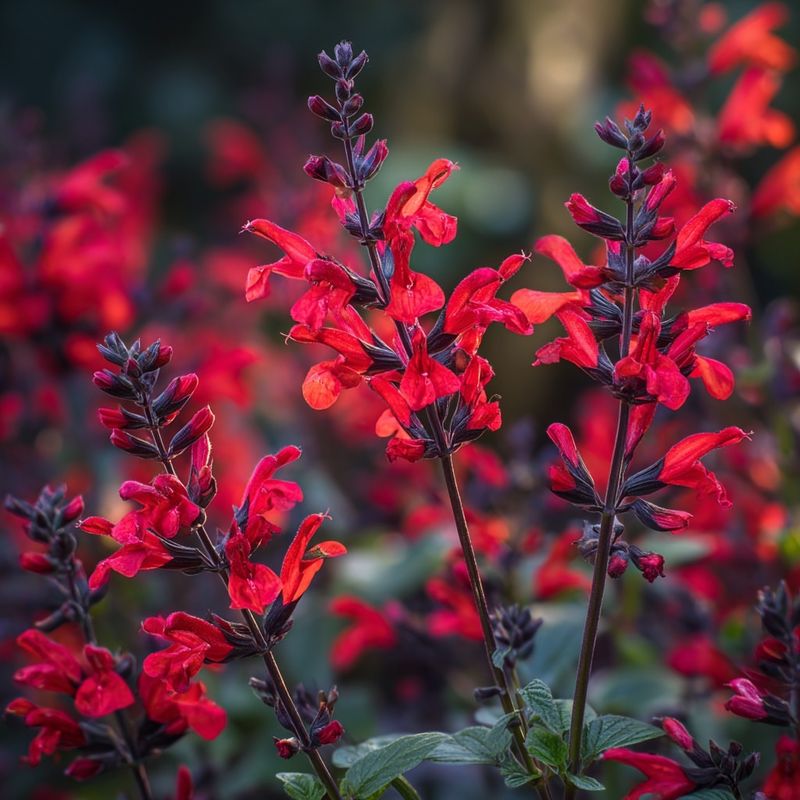
Scarlet sage, known botanically as Salvia coccinea, is one of those plants that quietly outperforms everything around it. While other plants sulk in the Florida heat, this salvia just keeps pushing up fresh red flower spikes, attracting every hummingbird and butterfly in the neighborhood without demanding much attention in return.
Tropical sage is considered a perennial in most of Florida, self-seeding freely and returning reliably each year once established. March planting allows young plants to root in during the comfortable spring temperatures before summer humidity sets in.
Plants grow two to four feet tall and carry their bright red flower spikes well above the foliage, creating excellent vertical interest in mixed garden beds.
One of the best things about red salvia in Florida is its adaptability. It handles sandy soils, tolerates brief dry spells, and actually performs better without excessive fertilizer.
Too much nitrogen encourages leafy growth and reduces flowering. Plant in full sun to light shade and water regularly for the first few weeks after planting.
Once established, salvia is impressively self-sufficient. Deadhead spent spikes to encourage continuous blooming, or leave them for birds to enjoy the seeds.
Either way, this plant earns its spot in any Florida perennial garden.
5. Let Blanket Flower Light Up Sunny Florida Beds
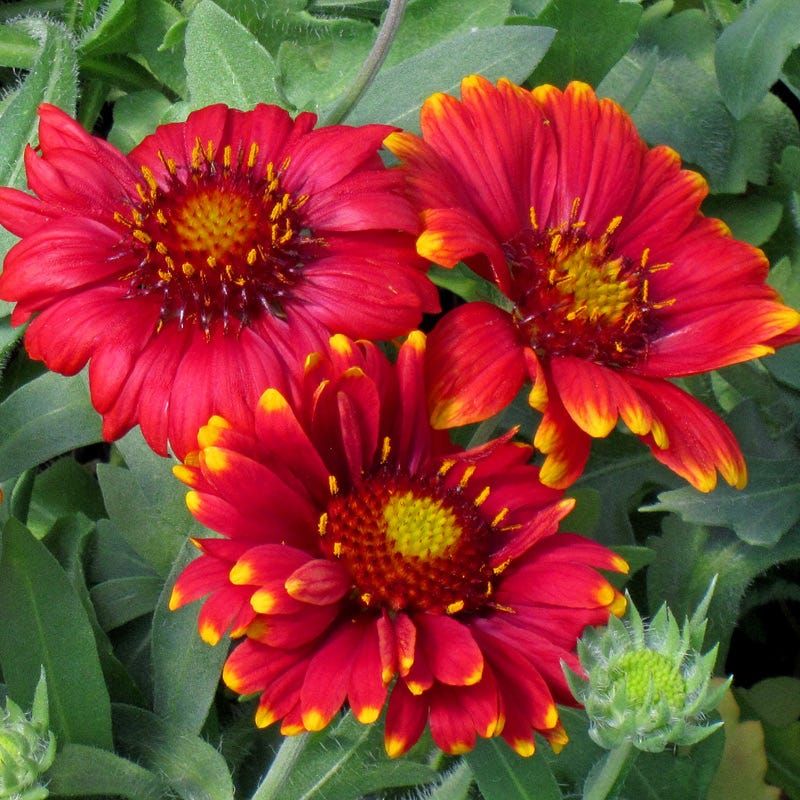
Gaillardia, or blanket flower, is the kind of plant that makes you smile every time you walk past the garden. The blooms are fiery, cheerful, and almost impossibly vibrant, combining deep red centers with yellow-tipped petals in a pattern that looks like something from a Southwest textile design.
In Florida’s sunny landscape, they fit right in.
What makes gaillardia especially valuable in Florida gardens is its love of heat, full sun, and sandy, well-drained soils. Most flowering perennials struggle in poor, sandy conditions, but blanket flower genuinely prefers lean soil.
Rich, heavily amended beds can actually cause it to flop and produce fewer blooms. March is a great time to plant because the warming soil encourages quick establishment before summer arrives.
Gaillardia is drought-tolerant once established, which is a huge advantage during Florida’s dry spring season before the summer rains begin. Plant in full sun with good air circulation to prevent fungal issues that can occur in Florida’s humid summers.
Space plants about 12 to 18 inches apart. Regular deadheading keeps blooms coming steadily through the warm season.
Pollinators, especially native bees and butterflies, visit the flowers frequently, making blanket flower a smart and beautiful addition to any sunny Florida flower bed.
6. Add Red Hot Poker For Dramatic Vertical Color
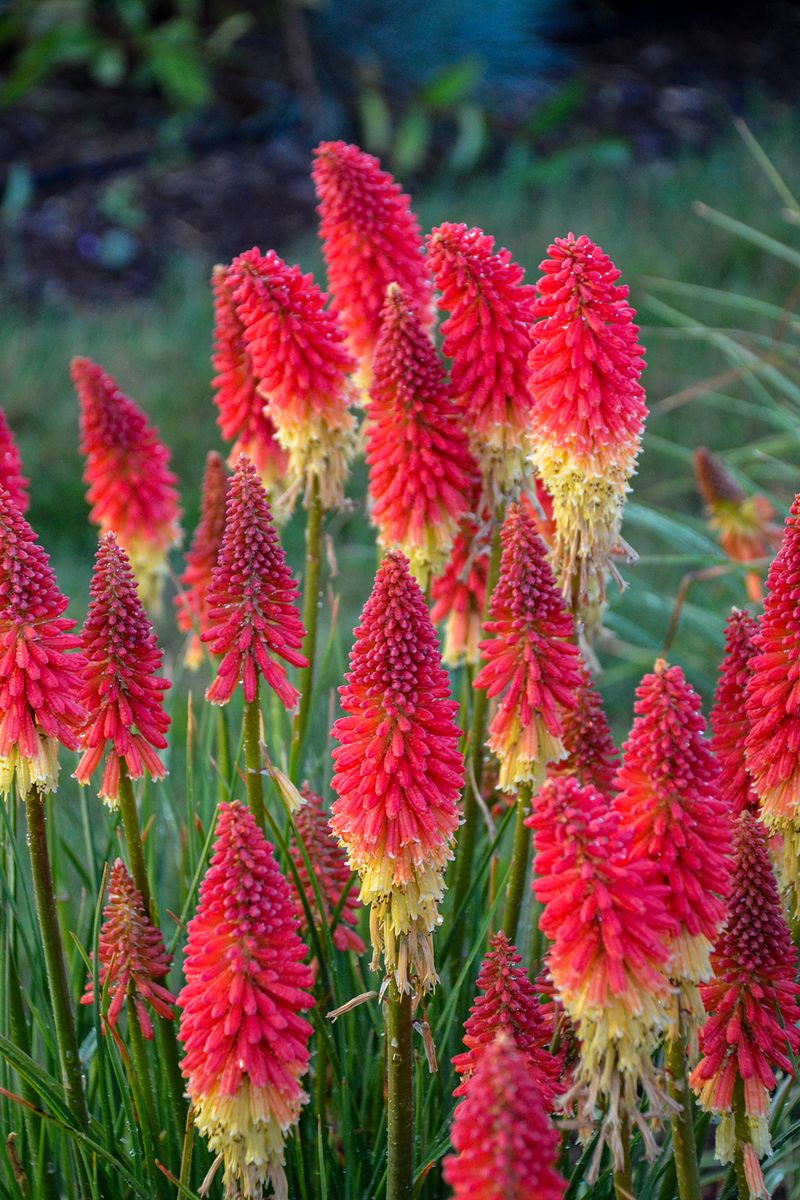
Not every garden plant is content to blend in, and red hot poker is definitely not one of them. Kniphofia, sometimes called torch lily, sends up tall, torch-shaped flower spikes in blazing shades of red, orange, and yellow that stop people in their tracks.
Planted in a sunny Florida garden, these spikes can reach three to four feet tall and create a dramatic vertical focal point that no other perennial quite matches. While these dramatic spikes are a triumph in North and Central Florida’s sandy soils, gardeners in the humid tropics of South Florida should ensure maximum drainage to keep them thriving.
Red hot poker performs best in Florida’s warmer, well-drained landscapes, and March planting allows the root system to settle before the intense summer sun arrives. Choose a location with full sun and excellent drainage because kniphofia absolutely cannot tolerate soggy soil.
Florida’s sandy soils are actually ideal for this plant, as long as you water consistently during the establishment period in those first few weeks.
Space plants at least 18 to 24 inches apart to allow good airflow and give the clumps room to expand over time. Avoid overhead irrigation once established, as wet foliage in Florida’s humid summers can invite fungal problems.
Hummingbirds are particularly attracted to the tubular red flowers, hovering around the spikes in a spectacular display. After blooming, cut spent flower stalks down to the base to encourage the plant to push up fresh flowering stems.
7. Grow Red Geraniums In Cooler Florida Gardens
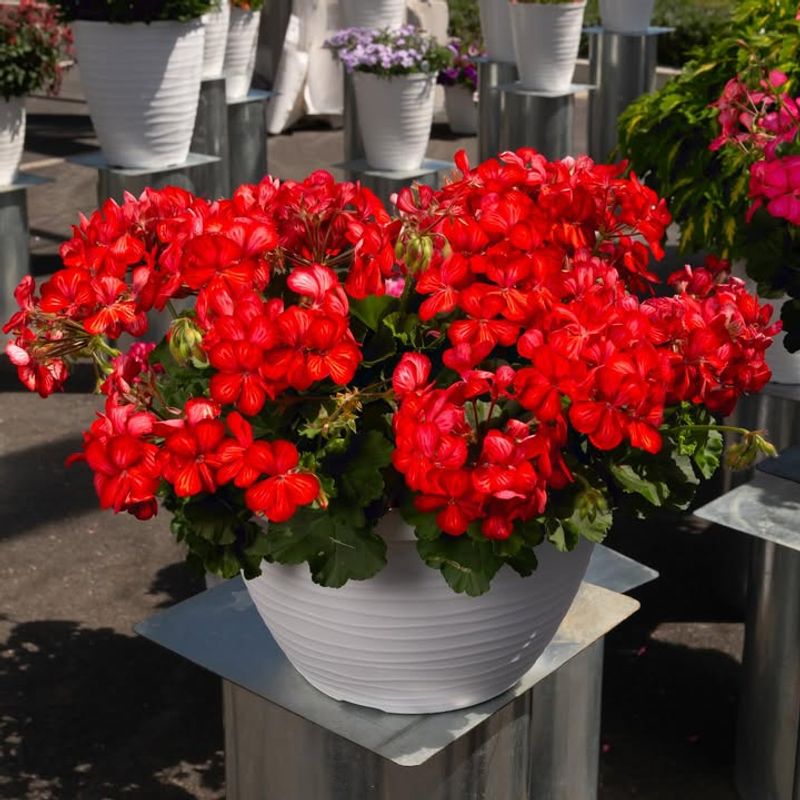
While geraniums thrive as long-lasting spring stars in the cooler breeze of North Florida, treat them as a vibrant seasonal splash further south before the heavy summer humidity arrives. Geraniums have a nostalgic quality that many gardeners find irresistible.
The round, bright red flower clusters and the distinctive earthy scent of the leaves bring back memories of grandmother’s porch planters and cottage garden borders. In Florida, geraniums play a slightly different role than they do in northern states, and understanding that difference is the key to getting the most out of them.
In North and Central Florida, geraniums, particularly Pelargonium x hortorum, behave as cool-season perennials or long-lasting annuals. March is actually near the end of their prime season in these regions, but planting early in the month still gives you several weeks of beautiful blooms before summer heat causes them to slow down.
In South Florida, the cooler months from November through March are the ideal window, and March planting can still work in the right microclimates.
Plant geraniums in full sun to partial shade with well-draining soil. Avoid overwatering, as geraniums are prone to root issues in consistently wet conditions.
Florida’s sandy soils actually help with drainage, but adding a little compost improves water retention just enough for steady growth. Fertilize every three to four weeks with a balanced, water-soluble fertilizer and deadhead spent flower clusters regularly to keep plants producing fresh blooms throughout their season.
8. Plant Red Amaryllis For Tropical Spring Drama
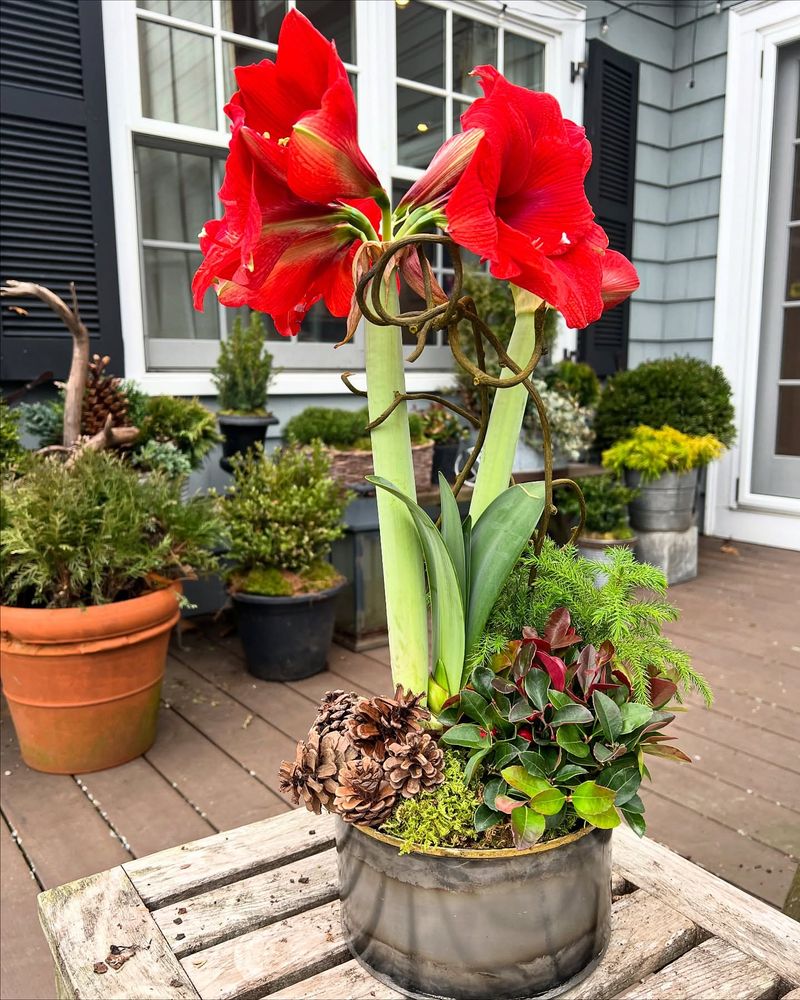
Watching a red amaryllis bloom for the first time is genuinely memorable. The thick, leafless stem rises from the soil with quiet confidence, and then those enormous, trumpet-shaped red flowers burst open in a display that looks almost too bold to be real.
In Florida, amaryllis is not just a holiday houseplant. It is a true outdoor perennial that returns faithfully every spring.
Hippeastrum, the botanical name for garden amaryllis, thrives in Florida’s warm climate and is far more at home outdoors here than in most other American states. March is an excellent time to plant amaryllis bulbs because the warming soil temperatures trigger active root growth, and blooms often appear within weeks.
The long, warm Florida spring gives bulbs time to build strong foliage after blooming, which fuels next year’s flower production.
Plant bulbs in a sunny to lightly shaded spot with well-drained soil. The top third of the bulb should sit above the soil surface.
Florida’s humidity and warmth mean you rarely need to water established amaryllis as frequently as you might think. After blooming, allow the long, strap-like leaves to remain on the plant all season.
Those leaves are busy capturing sunlight and storing energy in the bulb for an even better spring show next year.
9. Plant Cardinal Flower For True Red Nectar Rich Blooms
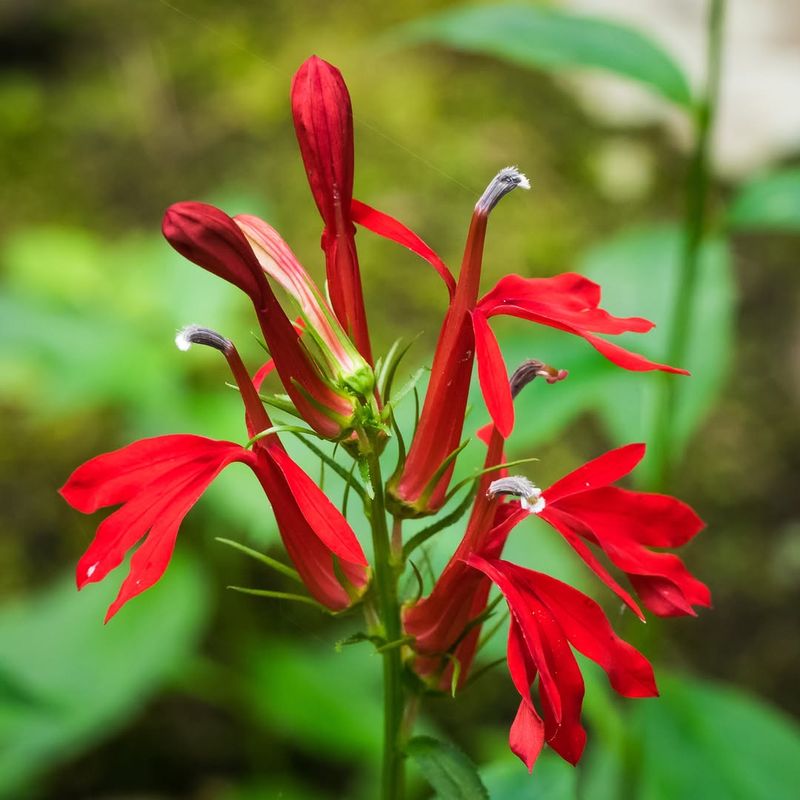
Hummingbirds seem to have a sixth sense when cardinal flower is in bloom. Lobelia cardinalis produces some of the most intensely red flower spikes in the native plant world, and the tubular blooms are perfectly shaped for hummingbird feeding.
Planting cardinal flower in a Florida garden in March is essentially putting out a welcome sign for every ruby-throated hummingbird passing through.
Cardinal flower is a Florida-native perennial that grows naturally along stream banks and in moist woodland areas throughout much of the state. Unlike many perennials on this list, it prefers consistently moist to slightly wet soil rather than dry, sandy conditions.
Planting near a rain garden, a low spot in the yard, or along a pond edge gives it the moisture it loves. March planting is ideal because mild temperatures and increasing rainfall help roots establish before the summer heat peaks.
Choose a spot with full sun to partial shade. In South Florida’s intense heat, afternoon shade actually helps cardinal flower perform better and hold its blooms longer.
Space plants about 12 inches apart and mulch around the base to retain soil moisture. Butterflies and native bees also visit the flowers regularly.
After blooming, let seed heads form naturally because cardinal flower self-seeds reliably, giving you new plants each season without any extra effort on your part.