These Are The 8 Shade-Loving Perennials For Florida Gardens
You know that one spot in the yard where nothing ever quite works? Too shady for flowers, too dry for anything lush, or somehow damp and lifeless at the same time.
It’s the kind of space people plant once, try again, and then quietly give up on.
Florida makes it trickier. Shade isn’t just about less sun.
Tree roots compete for water, humidity lingers, and light shifts throughout the day in ways that can make or break a plant.
Still, those overlooked areas don’t have to stay empty or boring. The right perennials can settle in, hold their shape, and bring real texture and color without constant fuss.
Some hug the ground and fill gaps. Others add structure or a splash of color where you least expect it.
Once the right plant lands in the right spot, that problem area stops being a problem and starts looking like it was planned that way all along.
1. Grow Coontie For Effortless Native Shade Structure
Long before Florida had neighborhoods and landscaped yards, Coontie was already thriving across the state.
This ancient Florida native cycad has been growing in Florida’s sandy soils and shaded woodlands for thousands of years, and it shows no signs of slowing down.
Coontie is one of the toughest, most reliable plants you can add to a shady Florida garden.
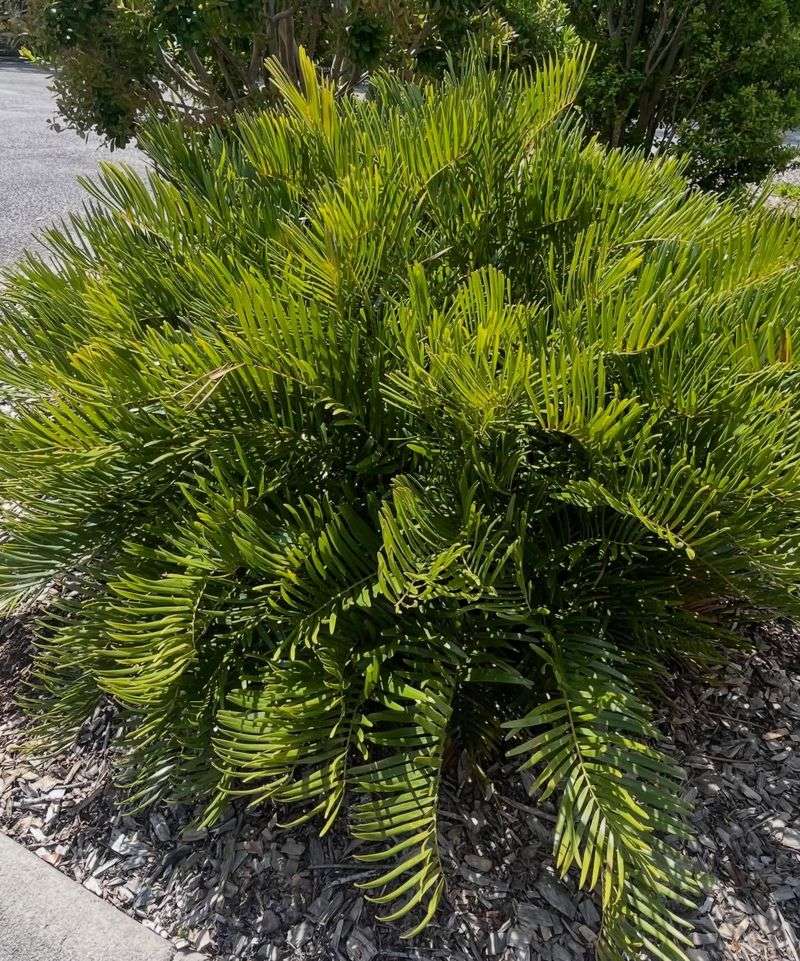
Once established, Coontie handles drought with ease. It grows slowly into a compact, evergreen mound of dark green, feathery fronds that look tidy and structured all year long.
Unlike many tropical plants, it does not flop over or look ragged after a cold snap. It holds its shape through Florida’s hot summers and mild winters without much help from you.
Coontie thrives in partial to full shade, making it ideal for spots under large oaks or along shaded fences. It does best in well-drained sandy or loamy soil and needs very little fertilizer once it is settled in.
You do not need to water it constantly after the first season.
Wildlife lovers will appreciate that Coontie is the only known host plant for the Atala butterfly, a striking orange and black species that nearly vanished from Florida. Planting Coontie helps support this butterfly’s recovery.
UF/IFAS and the Florida Native Plant Society both recognize Coontie as a safe, non-invasive, and ecologically valuable choice for Florida landscapes.
2. Plant Swamp Fern Where Moisture Meets Shade
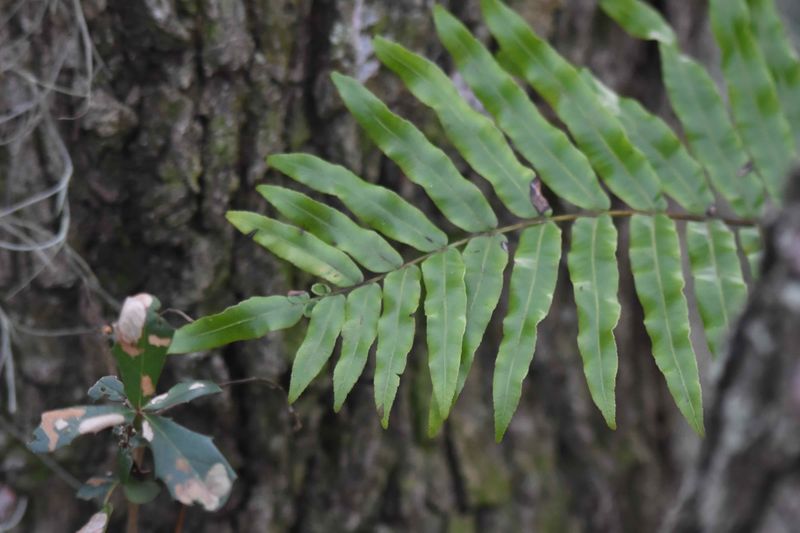
Some parts of a Florida yard just stay wet. After heavy summer rains, low spots collect water, and most ornamental plants simply cannot handle that combination of shade and soggy soil.
Swamp Fern, known scientifically as Blechnum serrulatum, was made for exactly these conditions.
This Florida native fern thrives in moist to wet shaded areas, making it a natural fit for rain gardens, pond edges, shaded drainage swales, and low spots that stay damp after storms.
Its long, arching fronds create a lush, layered texture that softens hard edges and fills space in a way that feels completely natural.
Your Florida Garden Changes Every Week. Your Plan Should Too.
Gardening in Florida changes quickly throughout the season. Every Friday you’ll receive a simple weekly plan showing exactly what to plant, prune, fertilize, harvest, and protect so you never miss the right timing.
The fronds can reach several feet in length, giving the plant a bold, tropical presence.
Swamp Fern spreads slowly by underground rhizomes, forming colonies over time in the right conditions. It works well planted alongside other moisture-loving natives like Cardinal Flower or alongside the base of cypress trees.
It does not perform well in dry soil, so placement matters a lot with this plant.
The Florida Native Plant Society lists Swamp Fern as a reliable native groundcover for wet, shaded environments. It requires minimal maintenance once established in the right spot.
No fertilizer, no extra watering, and very little pruning are needed. For gardeners dealing with persistently damp shady areas, Swamp Fern turns a problem spot into a feature worth showing off.
3. Use Twinflower To Carpet Shady Ground Naturally
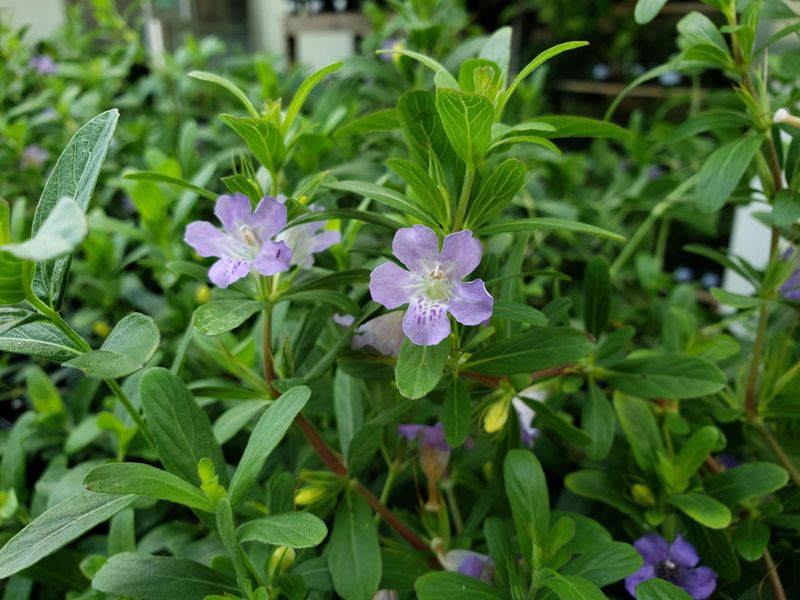
Bare soil under trees is one of the most common frustrations in Florida yards. Grass refuses to grow there, mulch washes away, and the area looks unfinished no matter what you do.
Twinflower, or Dyschoriste oblongifolia, is a Florida native groundcover that quietly solves this problem.
This low-growing perennial spreads gently across shaded ground, forming a soft green carpet dotted with small lavender-purple flowers. It handles light shade and dappled shade best, rather than deep, dense shade.
The flowers are small but cheerful, blooming in flushes throughout warmer months and attracting native bees and small pollinators.
Twinflower stays low to the ground, rarely getting taller than about six inches. This makes it a practical lawn alternative in areas where turf grass simply will not perform.
It grows in sandy, well-drained soil and does not need rich amendments or heavy watering once established. Its spreading habit is gentle rather than aggressive, so it will not take over nearby garden beds.
The Florida Wildflower Foundation highlights Twinflower as a valuable native species for supporting pollinators in low-maintenance landscapes. It is non-invasive, easy to manage, and genuinely attractive up close.
For shaded spots that need soft, living coverage without constant upkeep, Twinflower is a trustworthy Florida native that earns its place in the garden year after year.
4. Add Cardinal Flower For Bold Color In Shade
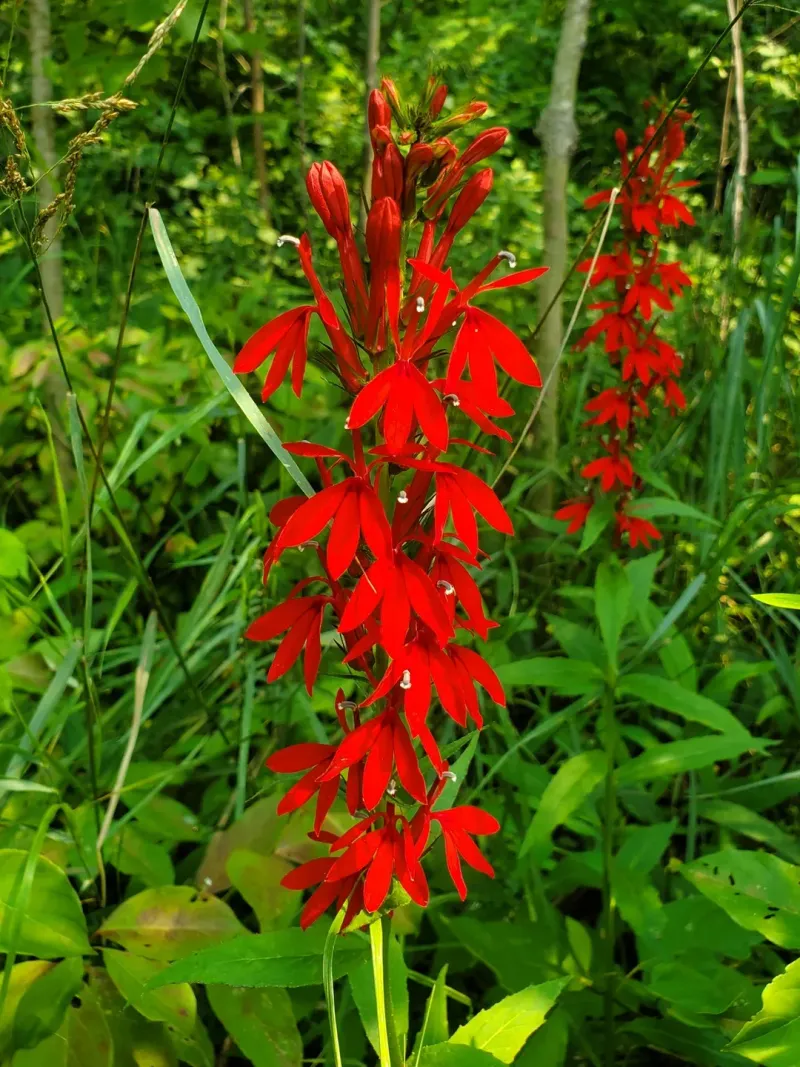
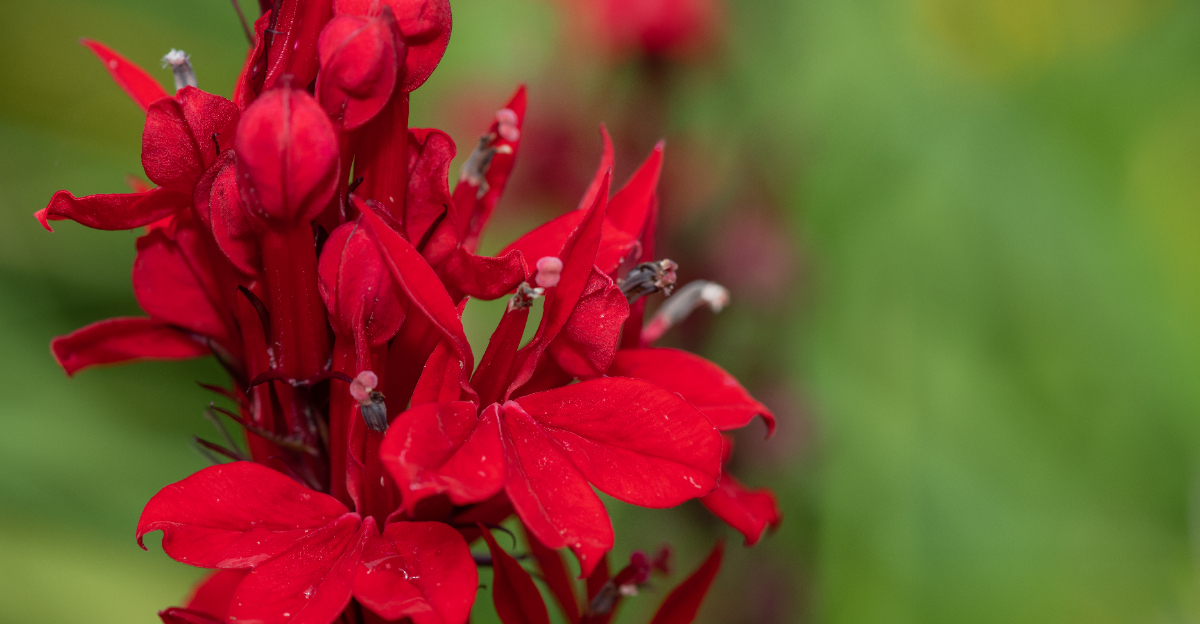
Few plants stop people in their tracks the way Cardinal Flower does. The tall spikes of vivid, fire-engine red blooms are almost impossible to ignore, and they appear in a season when many other shade plants are simply sitting quietly in the background.
Lobelia cardinalis is a Florida native perennial that brings serious color to partial shade and woodland edge gardens.
Cardinal Flower performs best in moist soil with some filtered light or partial shade. It does not do well in deep, dry shade, so placement near the edge of a tree canopy or beside a water feature works perfectly.
Consistently moist soil is the key to keeping this plant healthy and blooming reliably through summer and into fall.
The tall flower spikes, which can reach three to four feet, are a major draw for ruby-throated hummingbirds. Watching hummingbirds hover and feed at the blooms is one of the genuine pleasures of growing this plant in a Florida garden.
Swallowtail butterflies and native bees also visit the flowers regularly.
UF/IFAS recommends Cardinal Flower as a Florida-friendly native for moist, partially shaded garden areas. It reseeds modestly, so small new plants may appear nearby each season.
Removing spent flower stalks before seeds drop can help you manage where new plants establish. For gardeners who want bold color in a challenging shady, wet spot, this plant delivers beautifully.
5. Brighten Light Shade With Tropical Sage
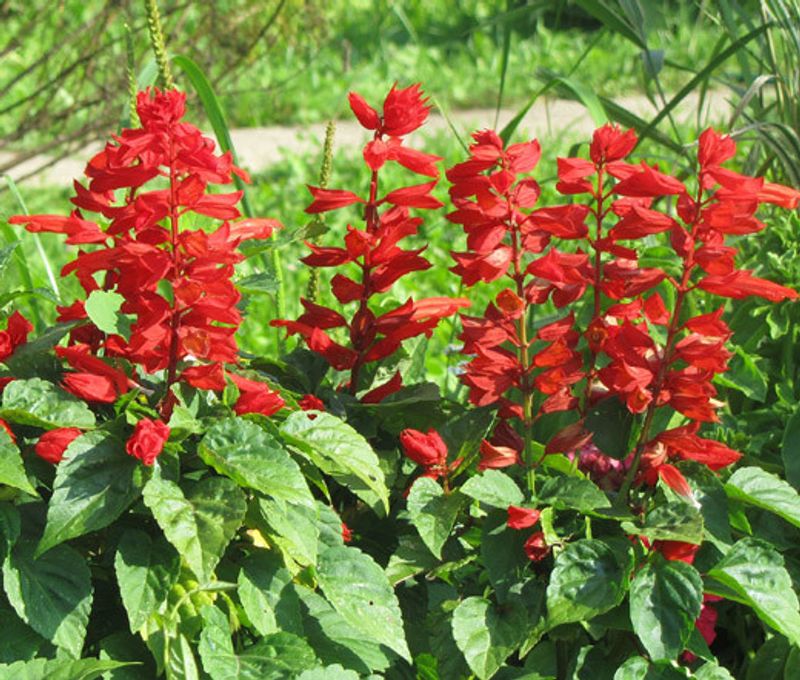
Red flowers and pollinators go together like sunshine and Florida summers, and Tropical Sage brings both energy and wildlife value to spots that get a little shade each day.
Salvia coccinea is a Florida native perennial that handles part shade surprisingly well, though it blooms most freely when it receives a few hours of direct sun along with filtered shade.
The upright stems carry clusters of small, tubular red flowers that butterflies, bees, and hummingbirds find irresistible. Blooming begins in spring and continues through fall, sometimes longer in South Florida’s mild winters.
The plant grows two to three feet tall and has a relaxed, airy structure that fits naturally into cottage-style or naturalistic Florida gardens.
Tropical Sage reseeds freely, which means new plants pop up near the original each season without any effort on your part. This self-renewing habit keeps the planting looking fresh and full year after year.
It is not considered invasive by Florida gardening authorities, and seedlings are easy to pull or relocate if they appear somewhere unwanted.
The Florida Wildflower Foundation and UF/IFAS both list Tropical Sage as a native species with strong pollinator value. It grows well in average to sandy Florida soils without heavy fertilization or irrigation once established.
For lightly shaded beds that need color and pollinator activity without a lot of maintenance, Tropical Sage is a dependable and genuinely rewarding native perennial.
6. Fill Deep Shade With Partridge Berry
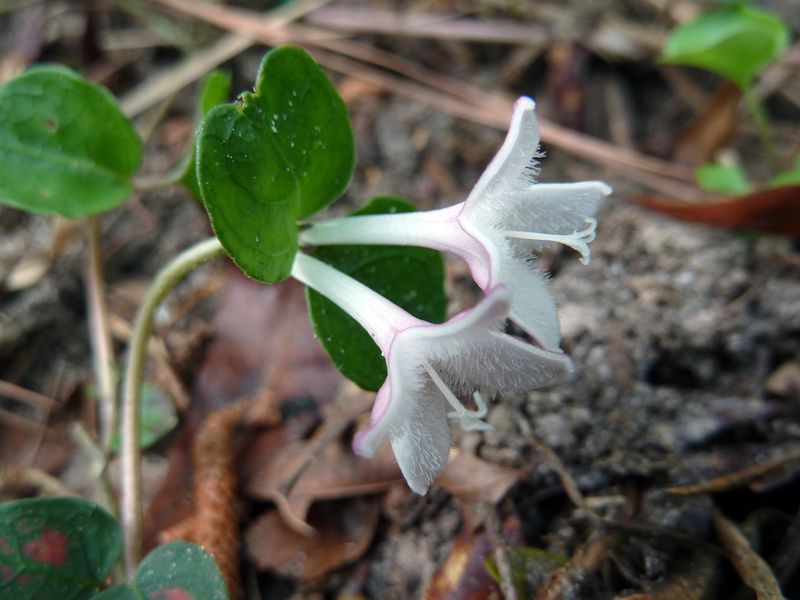
Deep shade under a dense oak canopy or beside a shaded fence is one of the hardest spots to fill in any Florida garden.
Most plants need at least some direct light to look their best, but Partridge Berry, Mitchella repens, genuinely thrives where things stay dark and cool all day long.
This Florida native groundcover grows as a trailing, evergreen vine that hugs the ground and spreads slowly across the soil. The small, rounded leaves stay dark green year-round, and in spring the plant produces pairs of tiny white flowers with a faint sweet fragrance.
By fall, small bright red berries appear, adding a cheerful pop of color to otherwise dim garden corners.
Partridge Berry grows best in moist, well-drained, acidic soil with plenty of organic matter, like the kind found naturally under mature oaks or in woodland garden beds amended with leaf litter. It spreads slowly and stays low, never climbing or smothering neighboring plants.
This makes it one of the most well-behaved groundcovers available for Florida’s shaded spaces.
The Florida Native Plant Society recognizes Partridge Berry as a true woodland native suited to quiet, shaded garden areas. The red berries attract certain ground-feeding birds and small wildlife.
For gardeners who want a living, evergreen carpet in the deepest shade on their property, Partridge Berry is a safe, beautiful, and ecologically sound Florida native choice.
7. Rely On Cast Iron Plant For No-Fail Greenery
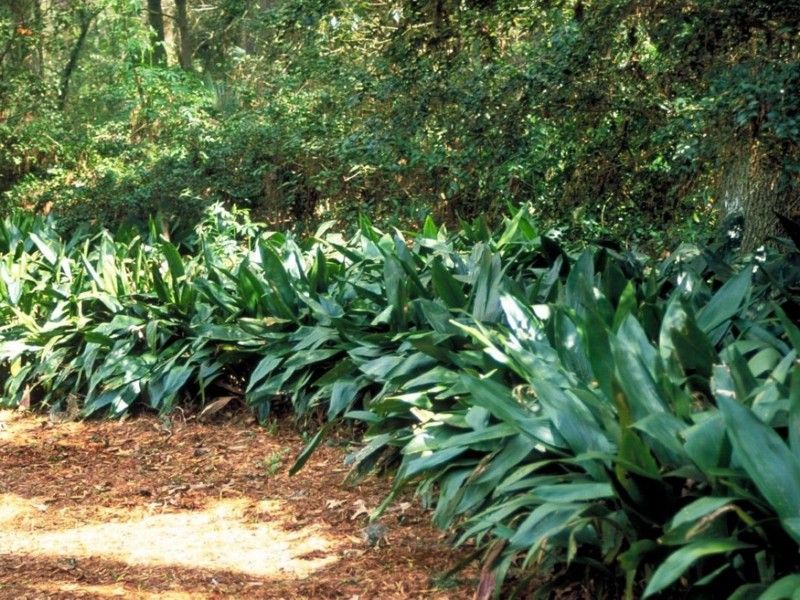
There is a reason gardeners have been growing Cast Iron Plant for over a century in the American South. Aspidistra elatior earns its name honestly.
It survives deep shade, dry soil, neglect, and heat without complaint, making it one of the most dependable foliage plants available for Florida gardens.
Cast Iron Plant is not a Florida native, but it is recognized as a Florida-Friendly landscape plant by UF/IFAS because it is non-invasive, low-maintenance, and well-suited to Florida’s climate.
It performs especially well in dry shade, which is the kind of challenging spot found under large trees where roots compete for water and very little rain reaches the soil.
Many plants give up in these conditions, but Cast Iron Plant holds steady.
The broad, dark green, strap-like leaves grow in clumps that slowly expand over time.
There are no showy flowers to speak of, but the rich, glossy foliage provides year-round structure and a clean, polished look in shaded beds.
It pairs beautifully with ferns, native groundcovers, or seasonal color plants along the border of a shaded area.
Maintenance needs are minimal. Occasional watering during extended dry spells and removing any damaged leaves now and then is about all it asks for.
No heavy fertilizing, no complex pruning schedules. For gardeners who need reliable greenery in the toughest shaded spots on their property, Cast Iron Plant is a proven, safe, and sensible solution.
8. Choose Peacock Ginger For Lush Tropical Texture
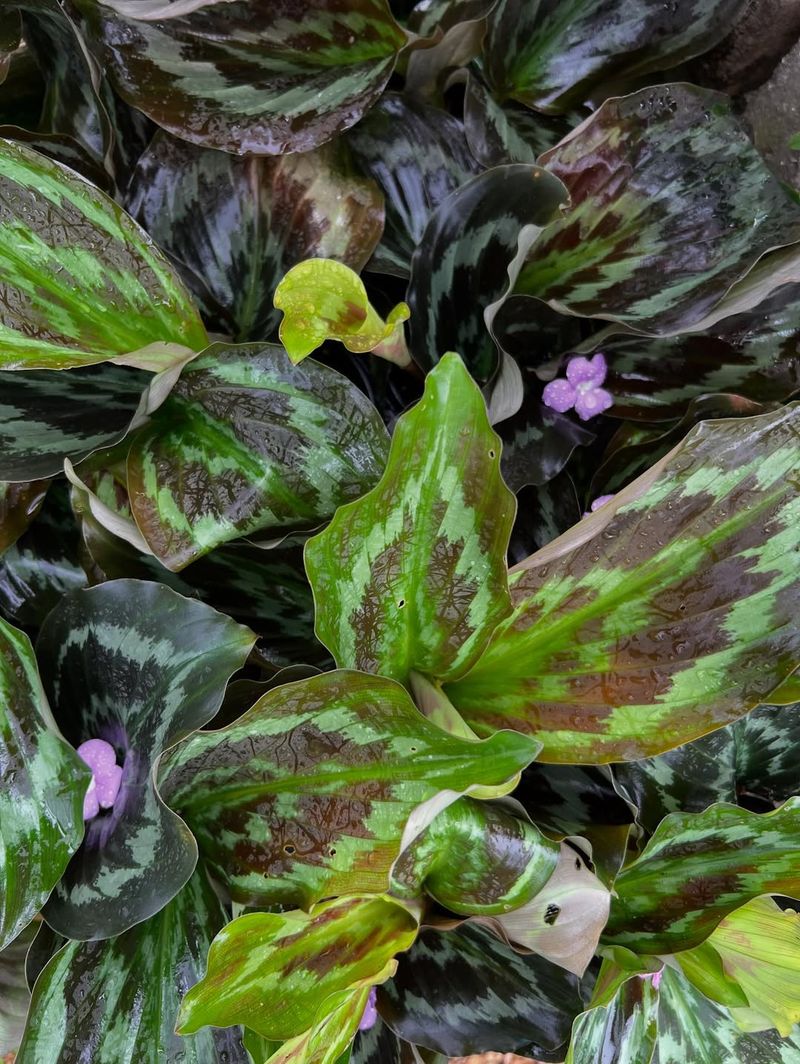
Walk through a shaded Florida garden in summer and you might spot a groundcover with leaves so beautifully patterned they look almost painted.
Peacock Ginger, Kaempferia pulchra, produces low-growing foliage with striking silver and dark green markings that make it one of the most visually interesting shade plants available for Florida landscapes.
Unlike some gingers that spread aggressively and become landscape problems, Peacock Ginger is considered a safe, Florida-Friendly choice. It grows in a well-behaved clump that expands gradually without taking over nearby plants.
Florida-Friendly Landscaping resources list it as a reliable option for shaded garden beds, particularly in Central and South Florida where the climate suits it well.
Small lavender-purple flowers appear at ground level throughout summer, poking up between the patterned leaves and adding a soft, delicate touch to the tropical texture below.
The plant goes dormant in winter, disappearing underground until warm weather returns in spring.
This seasonal rhythm is completely normal and nothing to worry about.
Peacock Ginger thrives in moist, well-drained soil with consistent shade. It works beautifully as a groundcover under trees, along shaded pathways, or in garden beds near the north side of a house.
Pairing it with evergreen plants like Cast Iron Plant or Coontie helps fill the visual gap during its dormant winter months, keeping the garden looking full and lush all year long.