These Are The 9 Shrubs Florida Gardeners Should Cut Back Before Spring
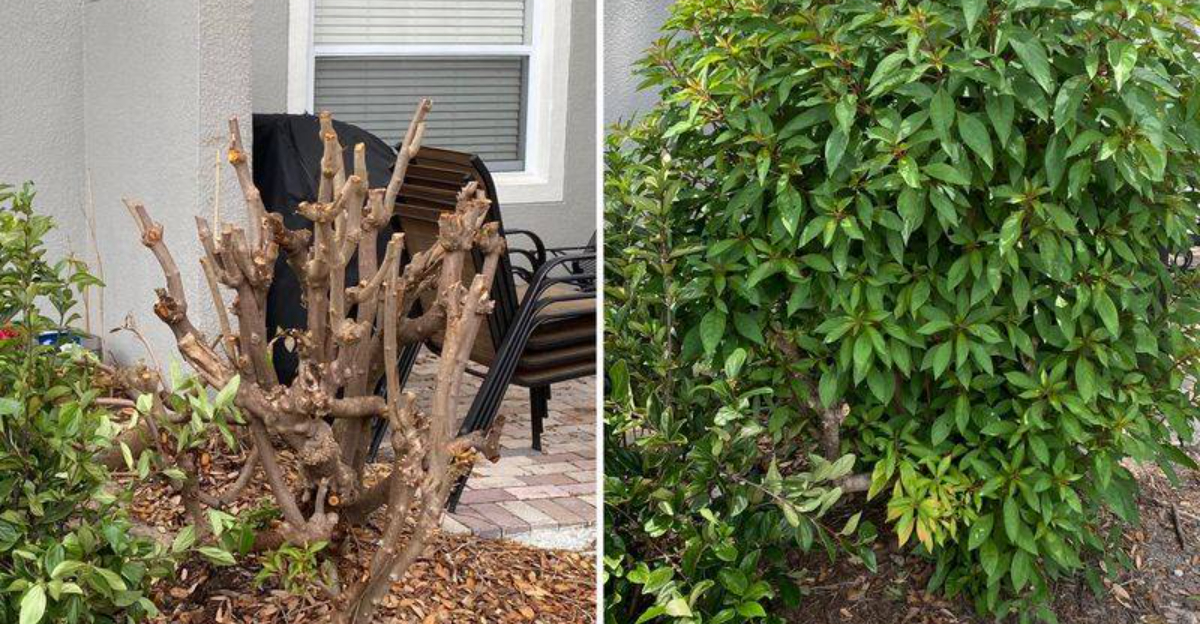
Winter calm never lasts long in Florida. One warm stretch and everything wakes up at once, shoots pushing, branches stretching, shrubs racing in every direction.
What looked neat and under control can turn wild faster than most people expect. This is the small window where a little effort makes a big difference later.
A careful trim now helps shrubs grow thicker, hold a better shape, and put energy where it actually counts instead of wasting it on weak or crowded growth. Ignore the moment and spring can feel like a nonstop battle with fast growing branches and uneven plants.
Time it right and the whole yard feels easier, cleaner, and far more put together without extra work. Grab the pruners and get ready, because these shrubs truly reward a cutback before spring gets rolling in Florida.
1. Firebush Needs A Fresh Start Before Spring Growth
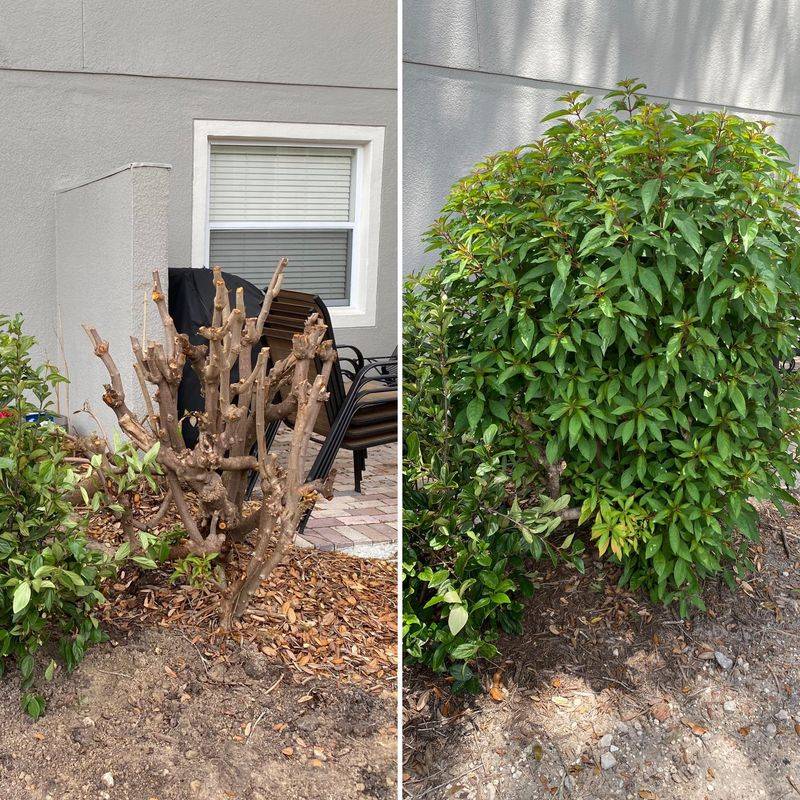
Cold damage may show up on firebush after winter, mainly in North and Central Florida, and occasionally during rare cold snaps in South Florida. Brown stems and blackened leaves are common sights on this otherwise tough native.
Late winter is when you should assess the damage and cut back to healthy wood before the plant starts pushing new growth.
Look for green tissue under the bark. That tells you where the plant is still alive.
Remove all the withered or damaged stems down to that point, even if it means cutting the shrub back significantly. Firebush recovers quickly and puts out dense new shoots once warm weather arrives.
Pruning now encourages a bushier shape and more flowering stems. Firebush blooms on new growth, so every fresh branch you stimulate will produce those signature orange-red flowers that hummingbirds love.
Cut back up to one-third of the overall height if the plant looks leggy or sparse.
In North and Central Florida, wait until late February or early March when the risk of hard freezes drops. South Florida gardeners can prune earlier in February.
This timing gives the plant a head start on spring without exposing tender new growth to cold.
2. Beautyberry Benefits From A Hard Late Winter Cutback
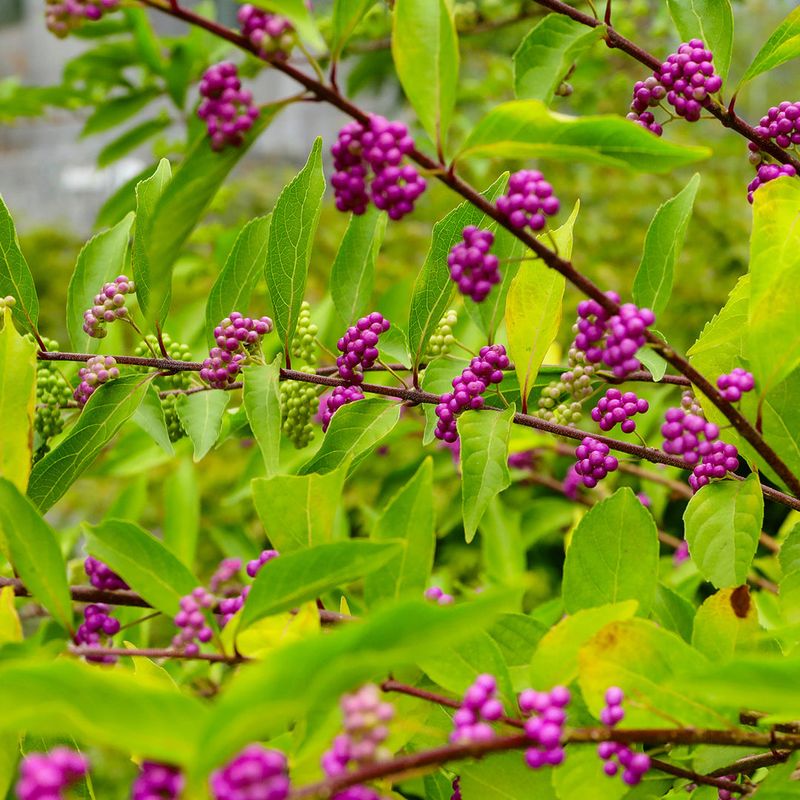
American beautyberry grows fast and tends to get leggy if left unpruned. Branches stretch out, leaves cluster at the tips, and the overall shape becomes loose and unattractive.
A hard cutback in late winter solves this problem and rejuvenates the entire plant.
Cut beautyberry back to 12 to 18 inches from the ground in late February or early March. This might seem drastic, but the plant responds with vigorous new stems that grow thick and full.
Those fresh shoots are where the flowers form, and flowers turn into the stunning purple berries that make this shrub a fall favorite.
Beautyberry blooms on new wood, so you will not sacrifice any berry production by pruning hard now. In fact, you will get more berries because the plant produces more flowering stems.
The new growth also stays compact and manageable through the growing season.
Old woody stems do not produce as many berries and contribute to a sprawling habit. Removing them focuses the plant’s energy on fresh, productive growth.
Late winter is ideal because the plant is still dormant, and you can see the structure clearly without foliage in the way. Florida gardeners who prune beautyberry annually see better berry displays and healthier plants overall.
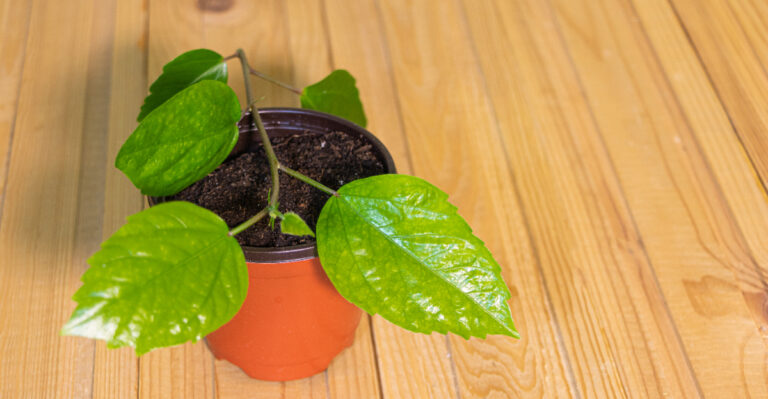
3. Tropical Hibiscus Blooms Better After Strategic Pruning
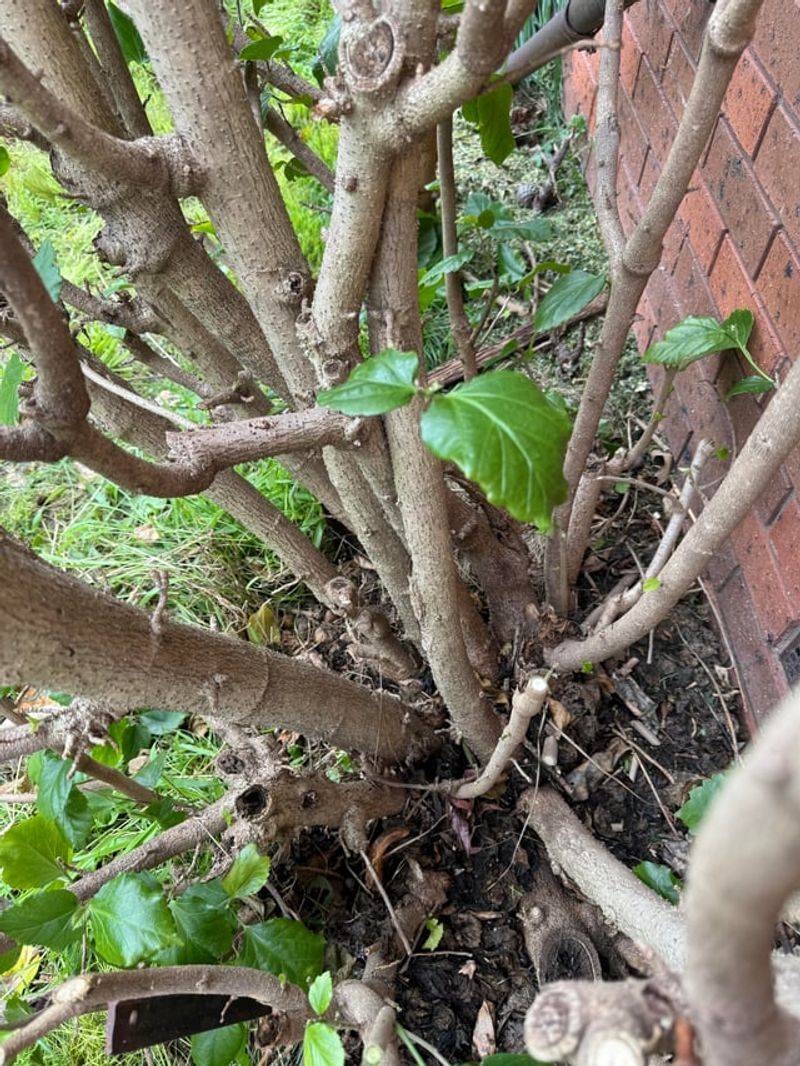
Tropical hibiscus can become woody and sparse if not pruned regularly. Weak stems, crossing branches, and old growth reduce flowering and make the plant look tired.
Late winter pruning shapes the plant and stimulates a flush of new growth that produces more blooms throughout spring and summer.
Start by removing any damaged or weak stems. Then cut back the remaining branches by about one-third to encourage branching.
Tropical hibiscus blooms on new growth, so every branch you prune will push out multiple new shoots, each capable of producing flowers.
Focus on creating an open center to improve air circulation. This reduces disease pressure and allows light to reach the interior of the plant.
Remove stems that cross or rub against each other, and thin out crowded areas.
Timing matters in Florida. In North and Central Florida, prune in late February or early March after cold risk passes.
In South Florida, hibiscus can be pruned almost year-round, but major pruning is best done in late winter to early spring. This gives the plant time to heal and start pushing new shoots as temperatures warm up.
Avoid pruning too early in winter, especially in North Florida, where late cold snaps can damage fresh growth. Strategic pruning now sets up your hibiscus for a heavy bloom cycle that lasts months.
4. Lantana Performs Best When Cut Back Before Warm Weather
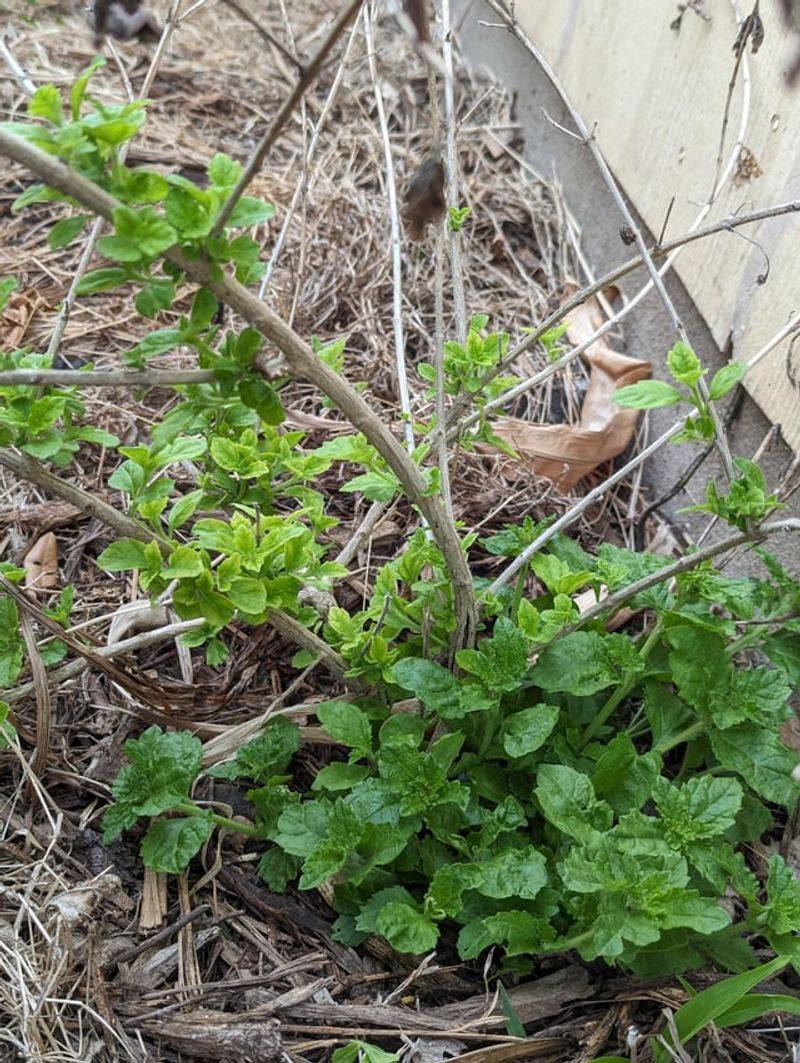
Lantana grows woody and sprawling over time. Old stems stop producing as many flowers, and the plant loses its compact shape.
Cutting back lantana in late winter removes that unproductive growth and encourages fresh stems that bloom heavily once warm weather arrives.
In North and Central Florida, cut back to 6–12 inches after frost risk passes. In South Florida, lantana may only need light shaping rather than a hard cutback.
This might look severe, but lantana bounces back quickly. The new growth comes in thick and full, and every stem will produce clusters of colorful flowers.
Lantana blooms on new wood, so hard pruning actually increases flower production.
Late winter is also a good time to remove any freeze-damaged stems. Even in South Florida, lantana can show some cold damage after a chilly night.
Cut back to healthy green tissue, and the plant will recover without issue.
Pruning now keeps lantana compact and manageable through the growing season. Without a cutback, the plant can become leggy and overgrown by summer.
Florida gardeners who prune lantana annually get more flowers, better shape, and healthier plants. Wait until late February or early March, when the risk of hard freezes has passed but before new growth begins in earnest.
5. Blue Plumbago Stays Fuller With A Seasonal Trim
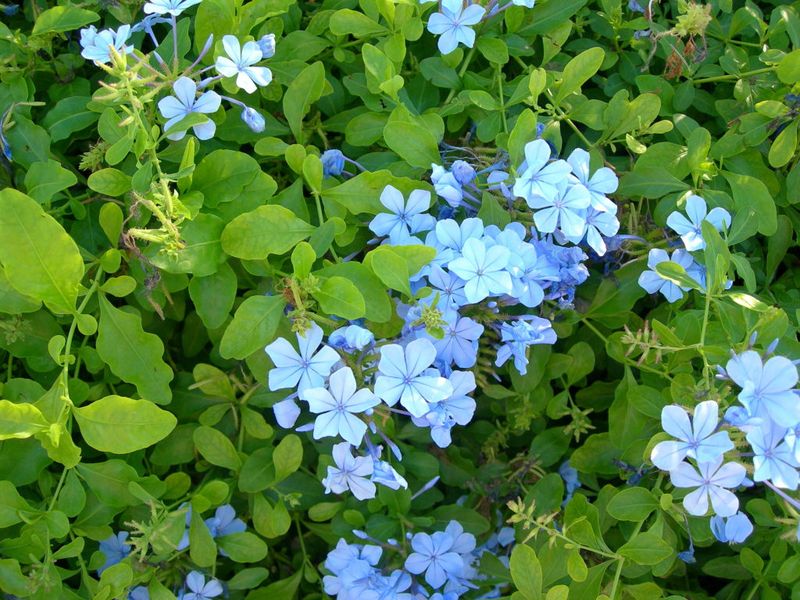
Blue plumbago has a sprawling habit that can quickly take over a garden bed if left unchecked. The plant sends out long stems that flop and tangle, and flowering becomes sparse on older growth.
A late winter trim controls the spread and stimulates fresh flowering stems that stay fuller and more attractive.
Cut back the entire plant by about half in late February or early March. Focus on shortening long, leggy stems and removing any withered or damaged wood.
Plumbago blooms on new growth, so pruning now encourages the plant to push out multiple new shoots that will flower heavily through spring and summer.
Shaping the plant at this time also improves its overall structure. You can create a more compact mound or control its spread along a fence or border.
Plumbago responds well to hard pruning and will fill back in quickly once warm weather arrives.
This shrub tolerates Florida’s heat and humidity but benefits from annual pruning to stay healthy and vigorous. Without a seasonal cutback, plumbago becomes woody at the base and produces fewer flowers.
In North and Central Florida, late winter is ideal before spring growth begins. In South Florida, plumbago grows year-round and can be pruned anytime, though late winter shaping is still preferred.
6. Cape Honeysuckle Responds Fast To Late Winter Shaping
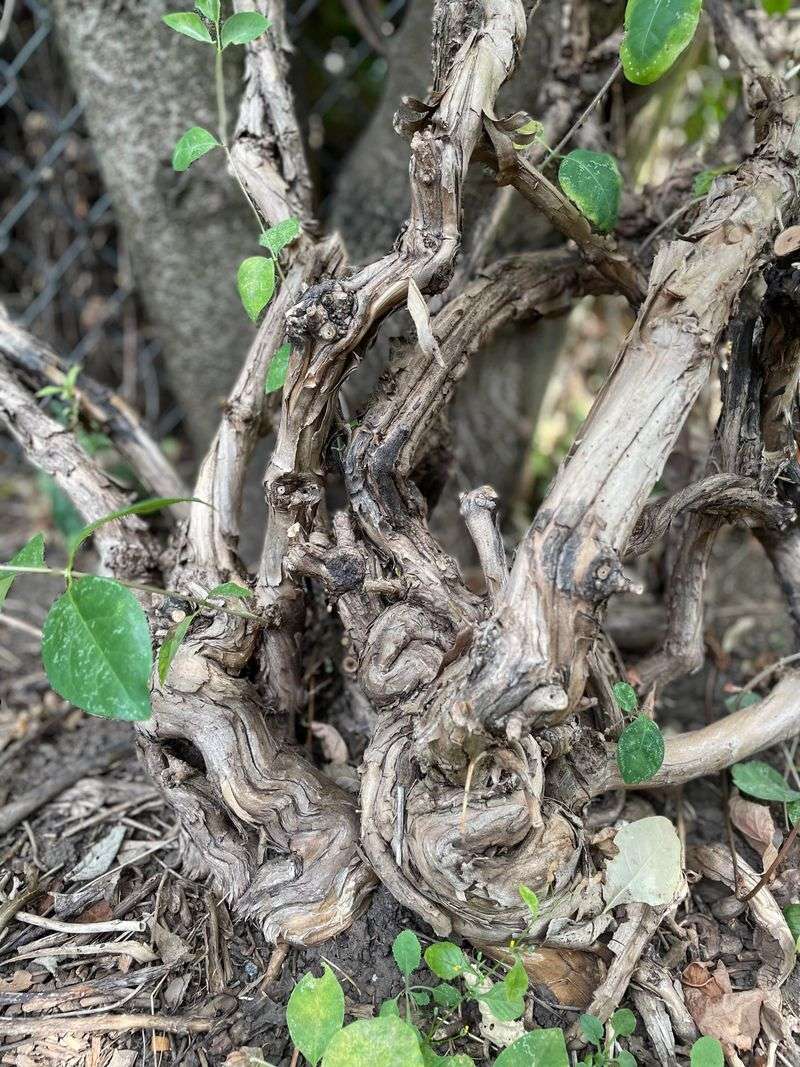
Cape honeysuckle grows aggressively and can quickly become overgrown. Long stems scramble over fences, walls, and nearby plants, and the shrub loses its shape.
Late winter is the time to take control with rejuvenation pruning that encourages compact growth and heavy flowering on new stems. In North Florida, wait until after frost risk has passed before heavy pruning, as new growth is sensitive to cold.
Cut cape honeysuckle back hard, removing up to two-thirds of the plant if needed. This might seem extreme, but the plant responds with vigorous new growth that blooms more heavily than old wood.
Cape honeysuckle flowers on new growth, so hard pruning now sets up a strong bloom cycle for spring and summer.
Focus on removing the oldest, woodiest stems first. These contribute little to flowering and take up space that fresh growth could fill.
Then shape the plant to fit your landscape needs, whether that means a tidy shrub or a controlled vine along a fence.
Cape honeysuckle is fast-growing, so do not worry about cutting back too much. The plant will fill back in quickly once warm weather arrives.
Late February or early March is the best time to prune in Florida. This timing allows the plant to recover before the spring growth flush begins, and you will see new flowering stems by mid-spring.
7. Oleander Looks Cleaner And Flowers Stronger After Pruning
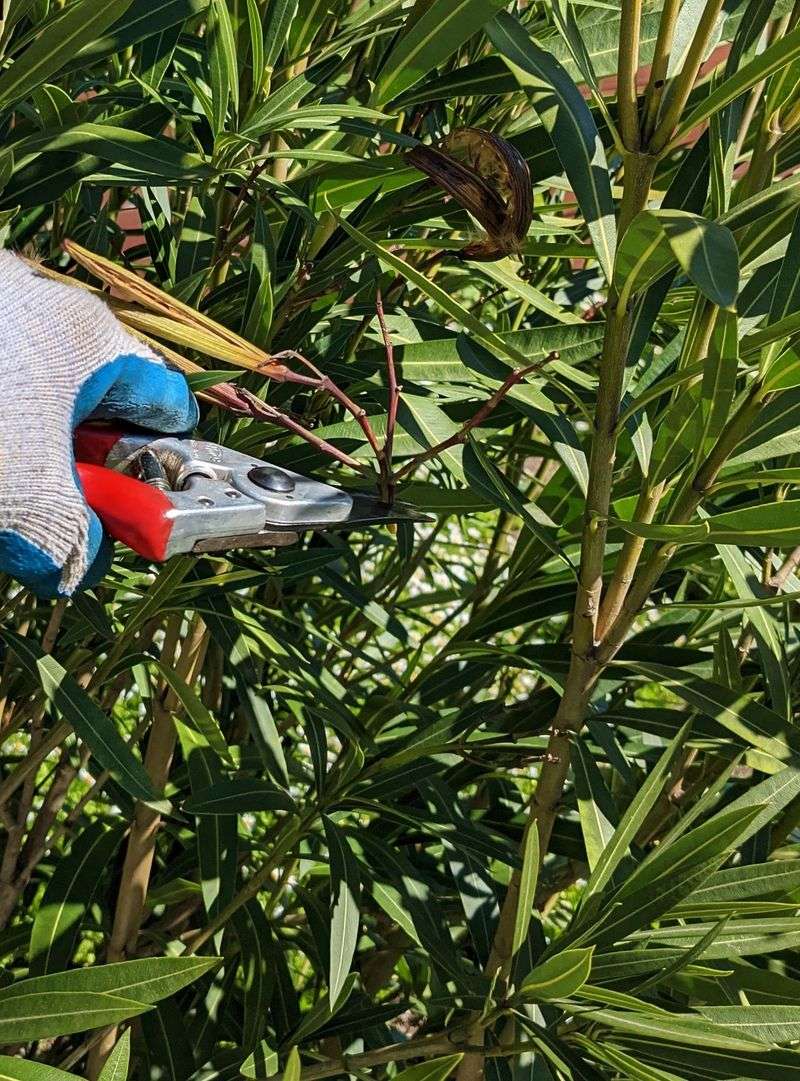
Oleander develops crowded stems and dense growth over time. Branches cross, rub, and compete for light, and flowering decreases on the interior of the plant.
Late winter pruning thins out the crowded growth and improves air circulation, which leads to stronger flowering and a cleaner overall appearance. Oleander is highly toxic.
Always wear gloves and avoid contact with sap when pruning. Wear eye protection, wash up after pruning, and never burn oleander trimmings.
Start by removing any damaged, weak, or crossing stems. Then thin out the interior by cutting back some of the older branches to the base.
This opens up the plant and allows light to reach all parts of the shrub. Oleander blooms on new growth, so removing old wood encourages fresh flowering stems.
You can also shape the plant at this time. Shorten long branches to maintain a compact form or control the size of the shrub.
Avoid shearing oleander into tight shapes, as this reduces flowering and creates a formal look that does not suit the plant’s natural habit.
Timing is important in Florida. Prune in late February or early March, just before the spring growth flush begins.
This gives the plant time to heal and start pushing new shoots as temperatures warm. Oleander is tough and responds well to pruning, but timing the cutback correctly ensures strong flowering through the growing season.
8. Duranta Grows Denser When Trimmed Before Spring
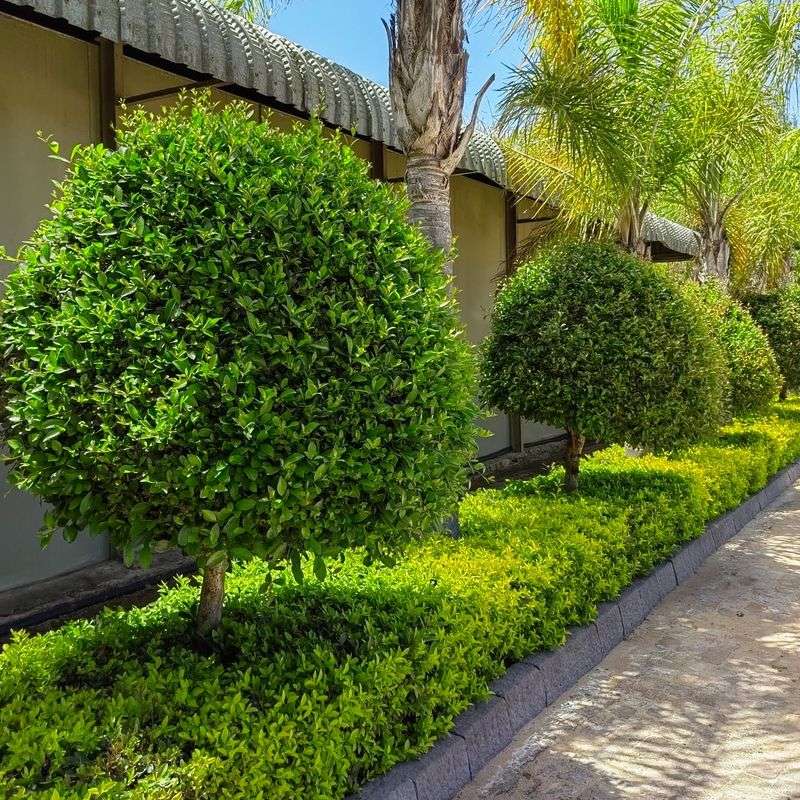
Duranta can become leggy and open if not pruned regularly. Stems stretch out, leaves cluster at the tips, and the plant loses its dense, full appearance.
Late winter pruning corrects this by encouraging branching and fresh growth that fills in the plant and produces more flowers.
Cut back the tips of the branches by several inches to stimulate new shoots. If the plant is overgrown or sparse, you can prune harder, removing up to one-third of the overall height.
Duranta blooms on new growth, so every branch you cut will push out multiple new stems that flower through spring and summer.
This shrub is often used as a hedge or screen in Florida landscapes. Regular pruning keeps it compact and dense, making it more effective as a privacy plant.
Without annual trimming, duranta becomes loose and open, and its screening ability decreases.
In North and Central Florida, prune after the last frost, as duranta may suffer winter dieback. In South Florida, light pruning can be done almost anytime.
This timing allows the plant to recover before the spring growth flush begins, and you will see fresh flowering stems by mid-spring. Duranta responds quickly to pruning and will fill back in within a few weeks once warm weather arrives.
Keep the plant shaped and dense with a seasonal trim before spring growth takes off.
9. Rose Of Sharon Sets More Blooms After A Timely Cutback
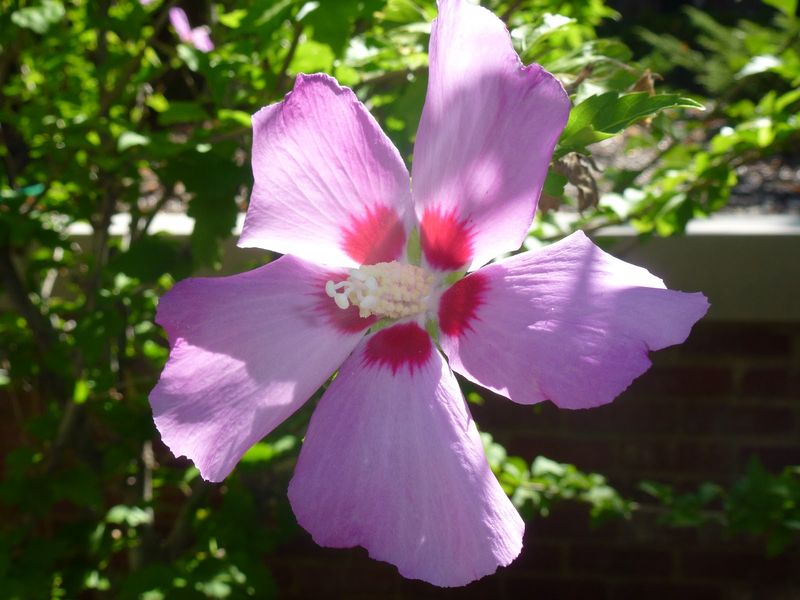
Rose of Sharon blooms on new wood, which makes late winter the perfect time to prune. Cutting back the plant now encourages fresh growth that produces more flowers through summer and fall.
Without pruning, the shrub becomes tall and leggy, and flowering decreases on older stems.
Cut back the branches by about one-third to one-half in late February or early March. Focus on removing weak or crossing stems first, then shorten the remaining branches to create a compact shape.
Every branch you prune will push out new shoots that bloom heavily once warm weather arrives.
Rose of Sharon grows quickly in Florida and can become overgrown if not pruned annually. The plant responds well to hard cutbacks and will fill back in within a few weeks.
Shaping the shrub now also improves its overall structure and makes it more attractive in the landscape.
Timing matters for best results. Prune before the spring growth flush begins, but after the risk of hard freezes has passed.
This gives the plant time to heal and start pushing new growth as temperatures warm. Rose of Sharon performs best in North Florida and cooler parts of Central Florida.
In South Florida, flowering may be reduced due to insufficient winter chill.