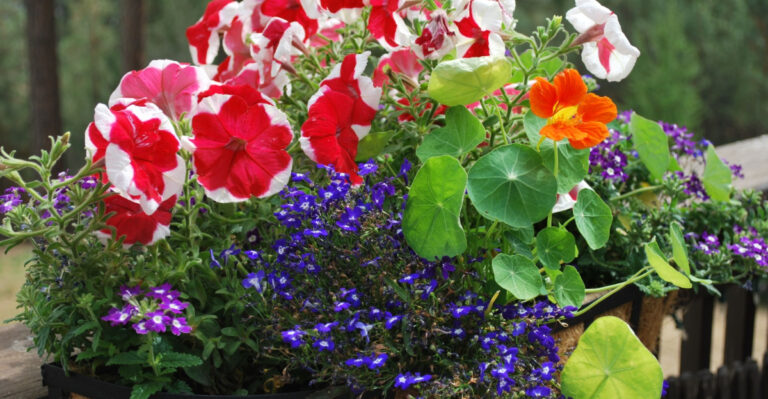
These Are The 8 Shrubs Texas Gardeners Should Cut Back Before Spring
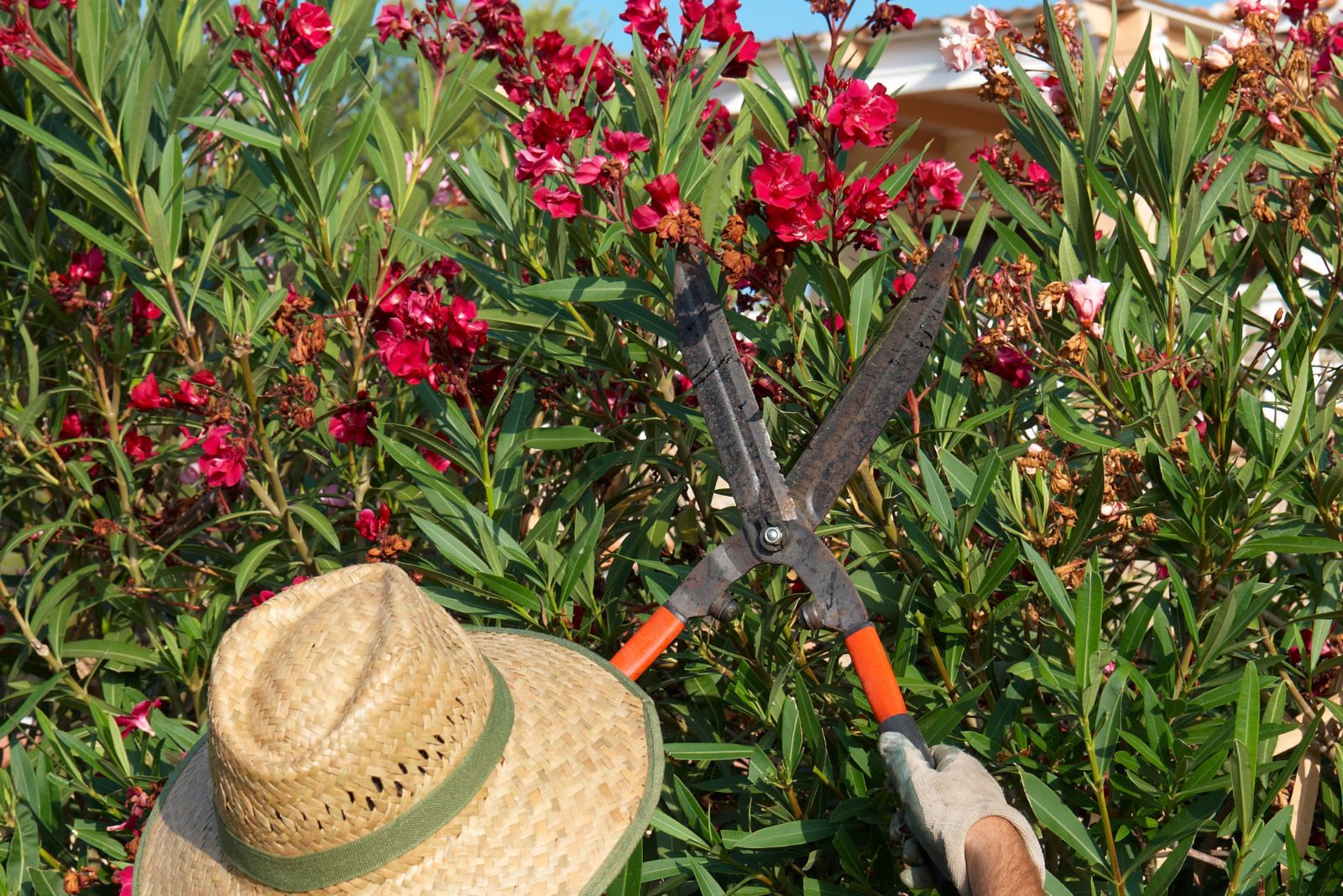
As spring approaches, Texas gardeners are eager to prepare their yards for a fresh season of growth. One essential task you don’t want to overlook is cutting back certain shrubs.
Pruning before new growth begins helps promote healthy, vibrant plants that are ready to thrive when warmer weather arrives.
Some shrubs can become overgrown or suffer from dry branches during the winter months. Cutting them back now ensures they have the energy to produce more blooms and lush foliage in the coming months.
While it may seem like a tough job, pruning is an investment in the overall health of your garden, helping prevent disease and making room for new growth.
Knowing which shrubs need attention and when to tackle the task is key. With the right timing and techniques, your Texas garden will be looking better than ever when spring finally arrives.
1. Texas Sage (Leucophyllum Frutescens)
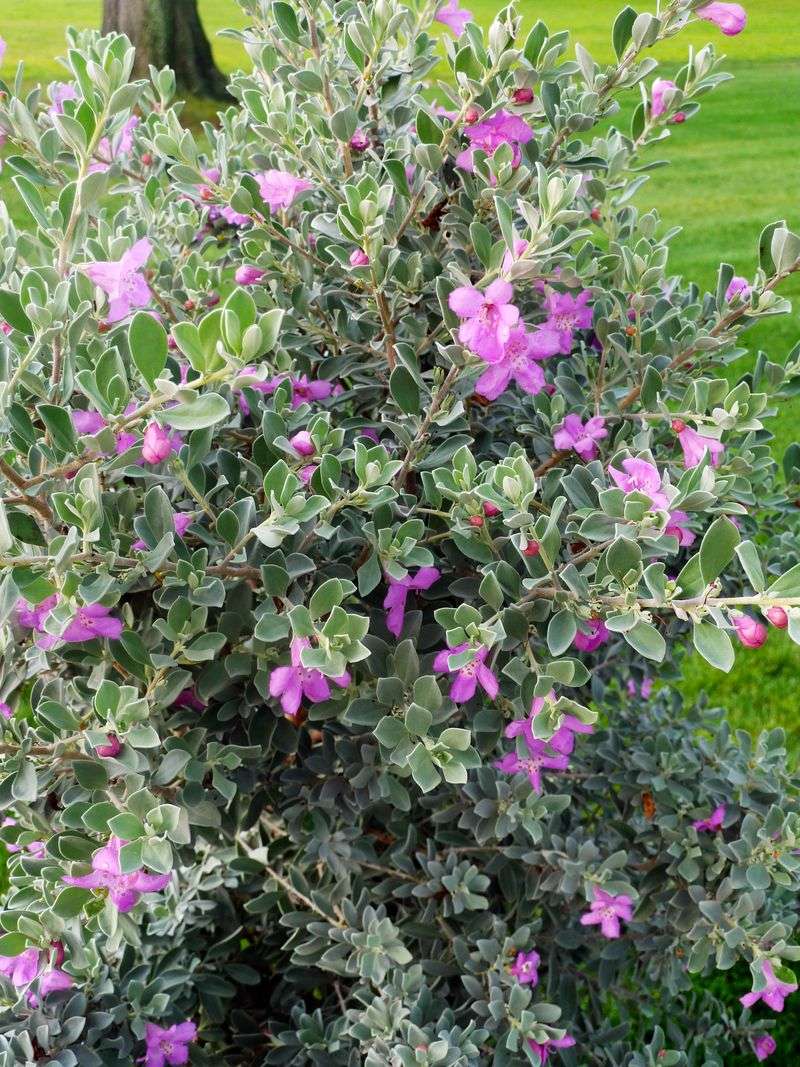
If there is one shrub that truly belongs in the Texas landscape, it is Texas Sage. Also called cenizo or purple sage, this tough native plant is a familiar sight across yards from El Paso to Houston.
Its silvery leaves and bright purple blooms make it a standout in any garden, and it thrives even in dry conditions.
Late winter is the perfect time to give it a light pruning before new growth begins. You do not need to go overboard.
Just remove any dry or damaged branches and trim back leggy stems that make the shrub look scraggly. Shaping it now helps the plant put its energy into fresh, healthy growth once spring arrives.
One of the coolest things about Texas Sage is that it blooms after rain. Gardeners call it a “barometer bush” because it seems to sense moisture in the air before the rain even falls.
Keeping it well-shaped means you will get more blooms when the summer rains roll in. Avoid heavy pruning, which can stress the plant.
A gentle, thoughtful trim in late winter is all it really needs to shine all season long in your Texas yard.
2. Nandina / Heavenly Bamboo (Nandina Domestica)
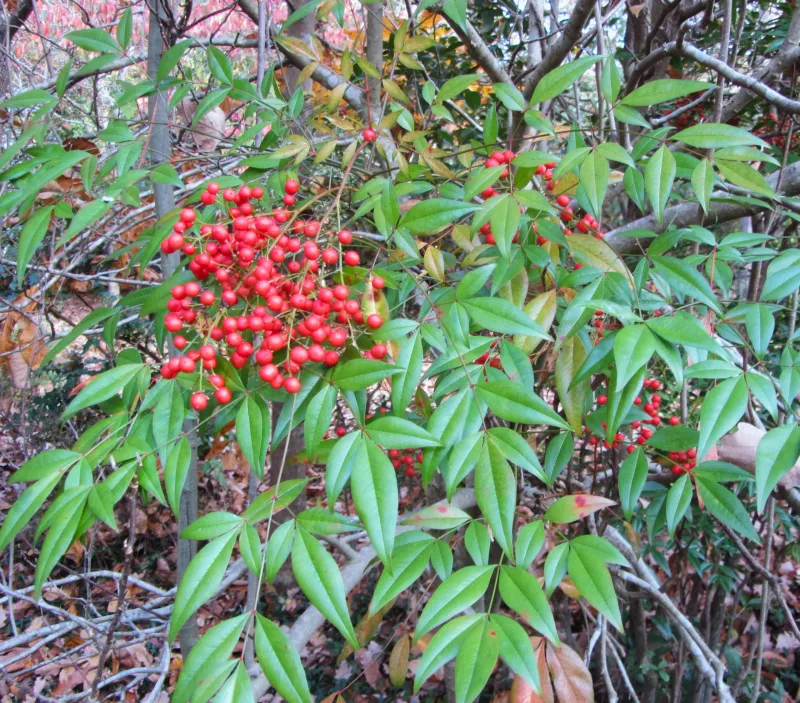
Nandina is one of those plants that earns its keep year-round. In Texas, it shows off red berries in winter, fiery foliage in fall, and soft new growth in spring.
Many gardeners love it because it looks great no matter the season, and it handles Texas heat without much fuss.
Before spring kicks in, cut back the oldest and woodiest stems all the way to the ground. This approach, sometimes called rejuvenation pruning, encourages fresh new canes to sprout up from the base.
Do not shear the whole plant into a ball shape. That approach ruins its natural, graceful look and can actually reduce the colorful foliage that makes it so appealing.
Stagger your cuts so you remove about one-third of the oldest stems each year. This keeps the plant looking full and layered rather than bare at the bottom.
Nandina grows fairly quickly in Texas conditions, so pruning before active spring growth begins gives the new canes plenty of time to fill in beautifully. It works wonderfully as a border plant, a foundation shrub, or even a colorful accent near a patio.
A little late-winter attention keeps this Texas garden favorite looking its absolute best all year long.
3. Indian Hawthorn (Rhaphiolepis Indica)
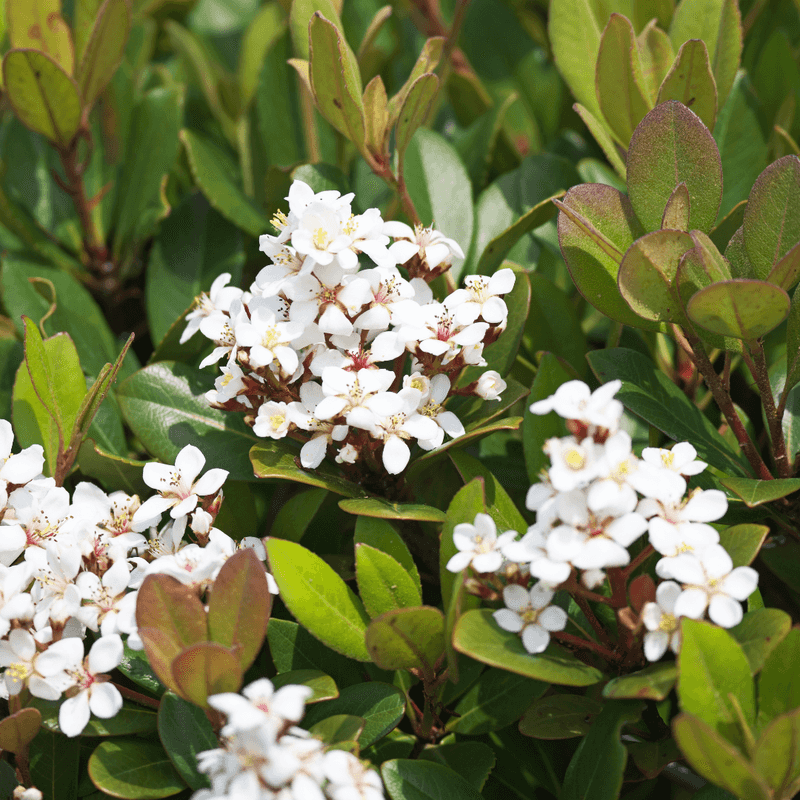
Walk through almost any Texas neighborhood in spring and you will spot Indian Hawthorn covered in clusters of pink or white flowers. It is a reliable, low-growing shrub that fits perfectly in hedges, borders, and foundation plantings.
Its dark, glossy leaves stay green all year, making it a dependable anchor in any landscape design.
Late winter is the ideal moment to remove weak, crowded, or crossing branches before the spring bloom cycle begins. Thinning out the inside of the plant improves air circulation, which helps prevent fungal issues that can be a problem in humid parts of Texas.
You do not need to do a dramatic cut. Just focus on cleaning up the overall shape and removing anything that looks tired or damaged.
Avoid pruning Indian Hawthorn after spring growth has started, because you risk cutting off the flower buds that are already forming. Timing really matters with this one.
A well-timed late-winter trim rewards you with a fuller, more floriferous shrub come spring.
Indian Hawthorn is also wonderfully drought-tolerant once established, which makes it a smart choice for Texas gardeners looking for beauty without a lot of extra watering. Keep it tidy now and enjoy the blooms later.
4. Oleander (Nerium Oleander)
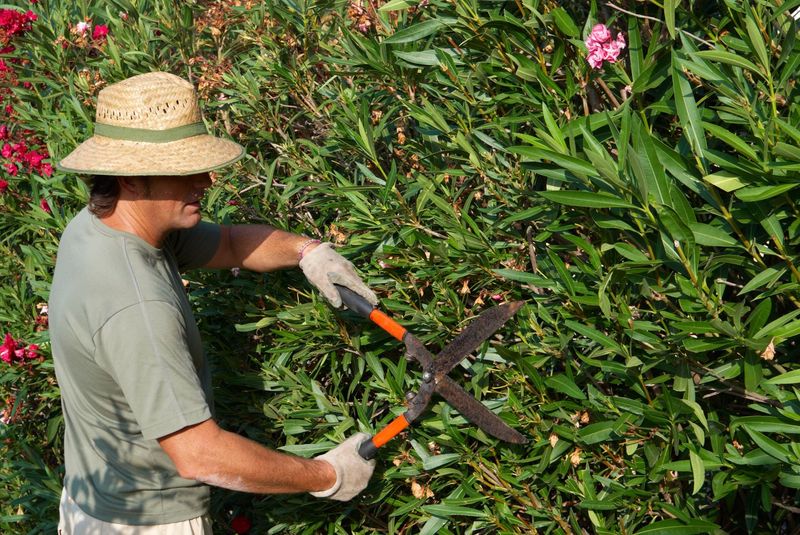
Few shrubs are as bold and showy as Oleander. Drive along almost any Texas highway or coastal area and you will see it blooming in shades of pink, red, white, and yellow.
It is tough, drought-tolerant, and loves the heat that Texas delivers in abundance. But before spring arrives, it needs some attention to keep it performing at its best.
Cut back old flowering stems before new growth begins. This encourages the plant to send out fresh shoots that will carry more blooms throughout the warm months ahead.
Oleander can get quite large if left unpruned, so late winter is your best opportunity to manage its size and encourage a bushier, more compact shape. Remove any crossing branches or stems that look thin and unproductive.
One very important reminder: always wear gloves and long sleeves when working with Oleander. Every part of this plant contains toxic compounds that can irritate skin and cause serious problems if ingested.
Keep children and pets away from the area while you are pruning. Dispose of trimmings carefully and never burn them.
Despite this caution, Oleander remains one of the most popular landscape shrubs across Texas because of its incredible heat tolerance and stunning flower display. Handle it with care and it will reward you generously.
5. Bottlebrush (Callistemon Citrinus)
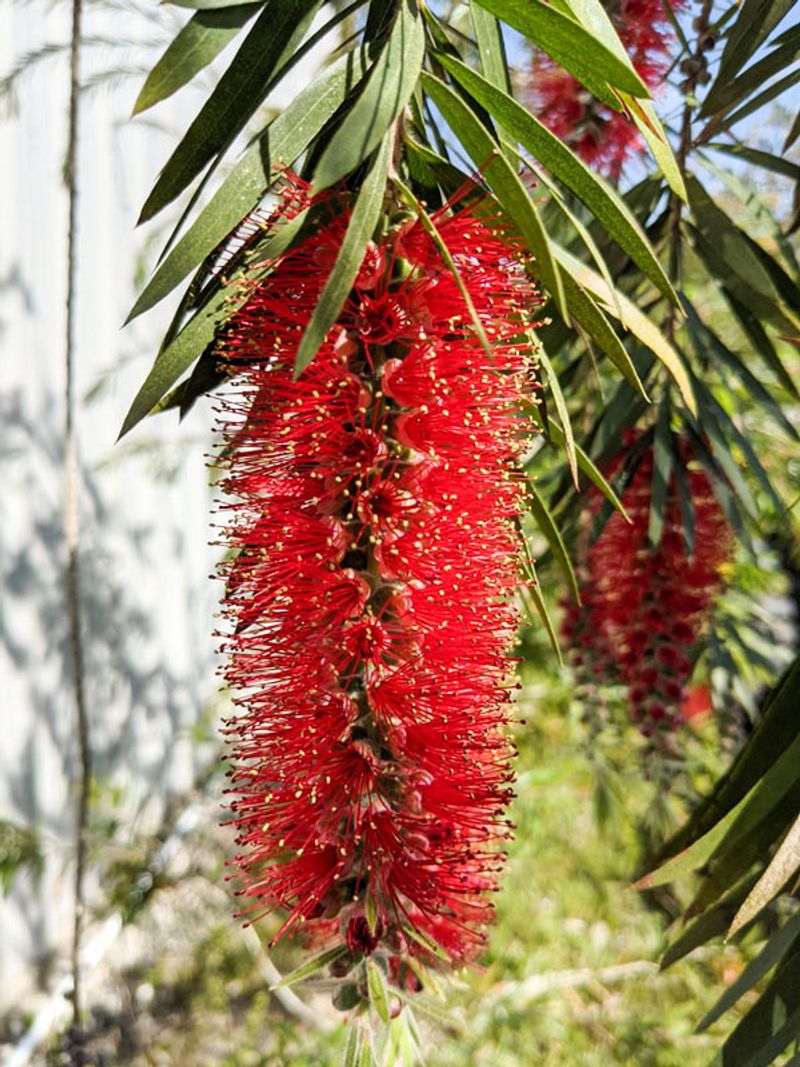
There is something almost magical about watching a Bottlebrush in full bloom. Those bright red, brush-shaped flower spikes are unlike anything else in the Texas garden, and hummingbirds absolutely cannot resist them.
Native to Australia, this shrub has found a very happy home in the warm, sunny climate that Texas provides so generously.
Before spring arrives, give your Bottlebrush a light trim to remove dry branch tips and shape the overall plant. You do not need to do a heavy prune.
Just clean up any winter damage and encourage a more compact, tidy form. Cutting back right before the growing season gives the plant energy to push out strong new growth and those spectacular blooms that make it such a showstopper.
Bottlebrush is impressively drought-tolerant once it gets established in your Texas yard. It prefers full sun and well-drained soil, which is easy to find across much of the state.
Avoid pruning too late into spring, as you may cut off developing flower buds. A gentle late-winter tidy-up is really all this shrub needs to thrive.
Over time, a well-maintained Bottlebrush can become a real focal point in your garden, drawing pollinators and adding a splash of tropical color to the Texas landscape all season long.
6. Dwarf Burford Holly (Ilex Cornuta ‘Burfordii Nana’)
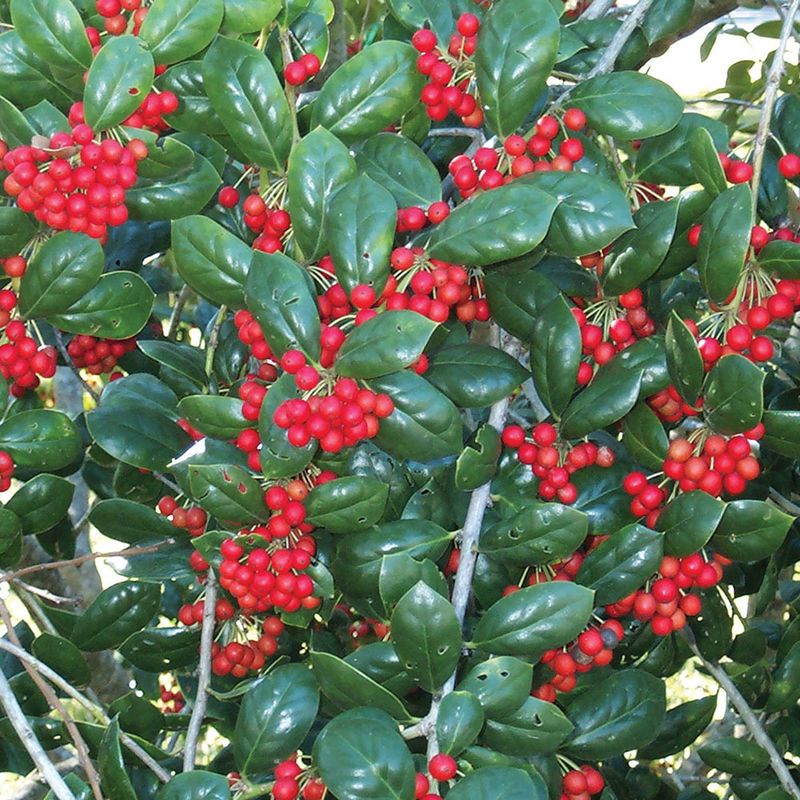
Reliable, tidy, and practically indestructible, Dwarf Burford Holly is a Texas gardener’s best friend when it comes to low-maintenance landscaping.
Its dense, glossy foliage and bright red berries make it attractive all year long, and it holds up beautifully in the intense Texas heat. You will spot it everywhere from Dallas front yards to Houston foundation plantings.
Late winter is the right time to remove any dry or damaged branches before new growth takes off. Take a close look at the interior of the plant and thin out any crossing or rubbing branches.
Good airflow through the center of the shrub helps prevent disease and keeps the foliage looking lush and healthy throughout the growing season ahead.
Dwarf Burford Holly responds very well to pruning and can be shaped into a formal hedge or left in a more natural rounded form. Either way, a late-winter cleanup sets the stage for strong, dense growth once temperatures start climbing.
It is also worth noting that the spiny leaves can be sharp, so wear thick gloves when working with this one.
For Texas gardeners who want a dependable, attractive shrub that asks for very little in return, Dwarf Burford Holly is hard to beat. Keep it trimmed and it will reward you with year-round beauty.
7. Loropetalum (Loropetalum Chinense)
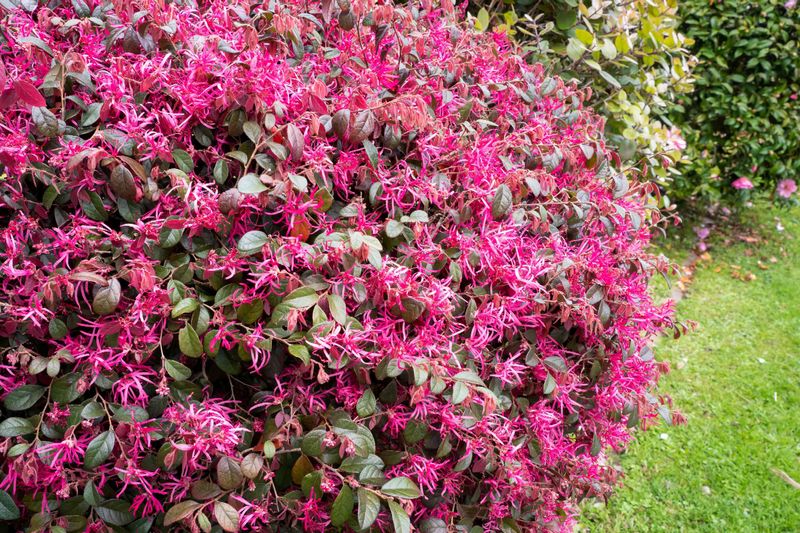
With its dramatic burgundy foliage and hot-pink, fringe-like flowers, Loropetalum brings a bold, almost theatrical energy to the Texas garden. It is sometimes called Chinese fringe flower, and once you see it in bloom, the name makes perfect sense.
This shrub has become increasingly popular across Texas because it looks striking even when it is not flowering.
Prune Loropetalum in late winter before the new growth flush begins. Focus on removing old, woody stems that have become thick and unproductive at the center of the plant.
Cutting these back encourages the shrub to push out fresh, leafy growth that will be covered in that gorgeous deep color. Also shape the outer branches to keep the overall form balanced and attractive.
Loropetalum works beautifully in partially shaded spots where other shrubs might struggle, making it a versatile choice across many Texas yard conditions. It can grow quite large if left alone, so regular pruning keeps it at a manageable size for most landscape settings.
Avoid pruning too late in spring, as you may reduce the flower display. A well-timed winter trim results in fuller foliage and a more generous bloom in the weeks that follow.
For color, texture, and easy care, few shrubs match what Loropetalum brings to a Texas garden.
8. Wax Myrtle (Morella Cerifera)
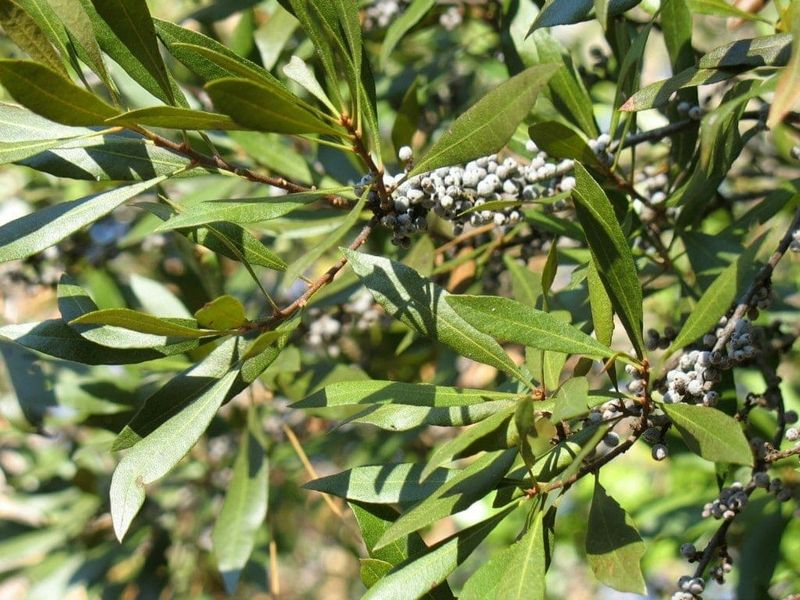
Wax Myrtle is as Texas as bluebonnets and brisket. This native shrub grows naturally across the eastern and central parts of the state, and it has been quietly making Texas landscapes more beautiful for a very long time.
Rub a leaf between your fingers and you will get a pleasant, spicy scent that is instantly recognizable to anyone who has spent time outdoors in the Lone Star State.
Before spring growth takes off, give your Wax Myrtle a light trim to encourage a fuller, bushier shape. Left completely unpruned, it can grow into a small tree rather quickly.
A late-winter trim keeps it in shrub form and encourages dense branching from the base upward. Remove any winter-damaged tips and thin out crowded interior growth to let light and air reach the center.
One of the best things about Wax Myrtle is how little it demands once it gets established in your Texas yard. It handles drought, poor soil, and even occasional flooding with impressive ease.
The small, waxy blue-gray berries that appear in winter are a favorite food source for birds, adding extra wildlife value to your landscape. It grows quickly after pruning, so you will see results fast.
For Texas gardeners who want a native, low-fuss shrub with real personality, Wax Myrtle is an outstanding choice every single time.