These Are The 8 Tall Plants That Create Natural Privacy In Texas
Sometimes the best way to create privacy in a Texas yard is not with a fence at all. Tall plants can soften a space, block unwanted views, and make the whole yard feel calmer and more secluded without looking harsh or boxed in.
That is a big part of their appeal. They do the practical job of creating a screen, but they also bring texture, movement, and a more natural look that works beautifully in the Texas landscape.
Of course, not just any tall plant will do. In Texas, heat, strong sun, dry stretches, and unpredictable weather can quickly expose the wrong choice.
A plant might look great at first, then struggle when summer really kicks in. That is why it helps to know which ones can actually handle local conditions while still giving you the height and coverage you want.
If you are hoping to carve out a little more peace in your outdoor space, the right tall plants can make a noticeable difference. They offer privacy, beauty, and a softer kind of boundary that feels much more inviting.
1. Yaupon Holly (Ilex Vomitoria)
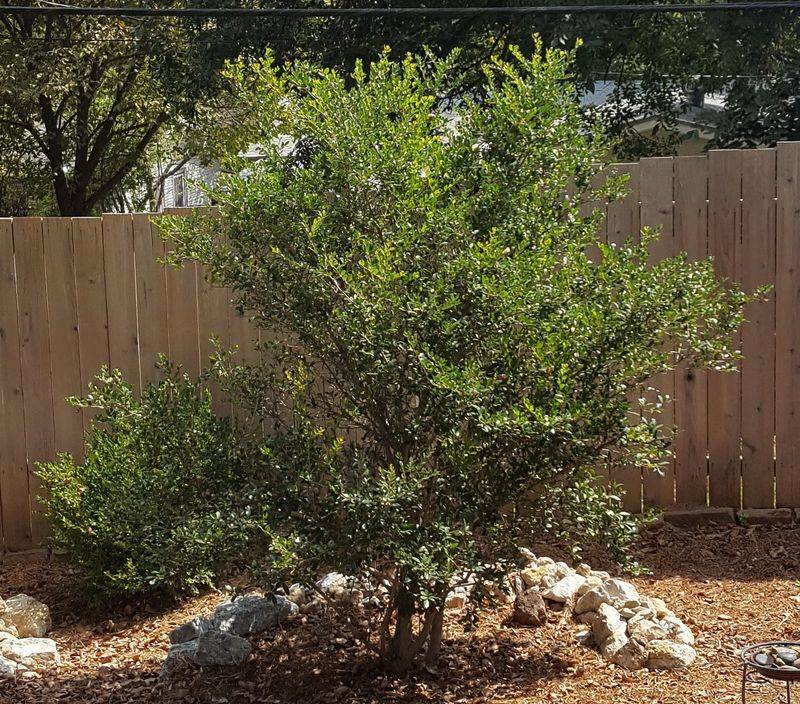
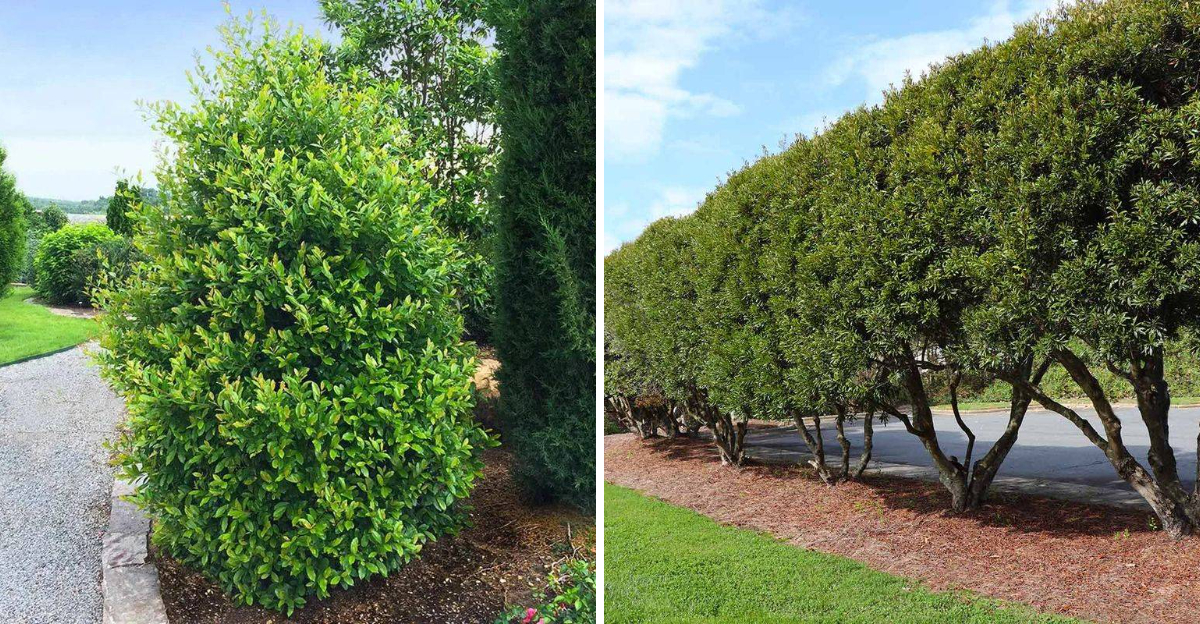
Yaupon holly might just be Texas’s best-kept landscaping secret. This tough evergreen native has been growing across the state for centuries, and it is still one of the smartest choices you can make for a natural privacy screen.
It can reach anywhere from 12 to 25 feet tall, giving you serious coverage without needing to plant a full-sized tree.
One of the biggest reasons Texas gardeners love yaupon holly is how adaptable it is. It handles clay soil, sandy soil, wet conditions, and drought without much complaint.
That kind of toughness is rare, and it makes yaupon holly a reliable option whether you are planting in Houston, Austin, or the Dallas area.
Pruning is easy with this plant. You can shape it into a tight formal hedge or let it grow into a loose, natural screen.
Female plants produce small red berries in fall and winter, which birds absolutely love. That means your privacy screen doubles as a wildlife habitat.
Another bonus is that yaupon holly stays green all year long. There are no bare months where your neighbors can suddenly see right into your yard.
If you want a low-maintenance, native, evergreen privacy solution that truly works in Texas, yaupon holly deserves a top spot on your list.
2. Wax Myrtle (Morella Cerifera)
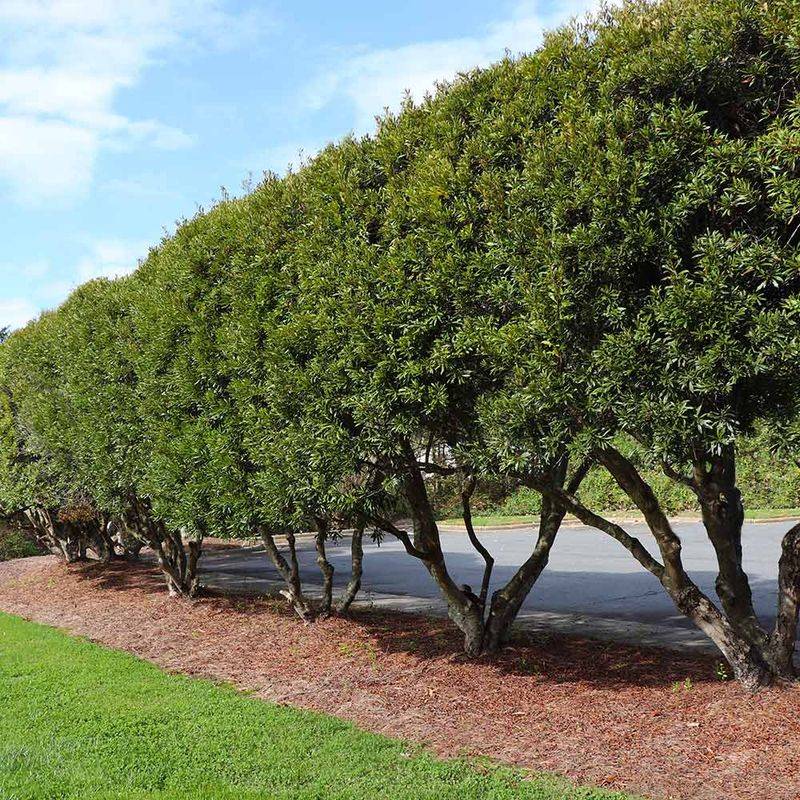
Walk past a wax myrtle on a warm Texas afternoon and you will immediately notice that clean, fresh scent coming from its leaves. This native evergreen is one of the most popular natural privacy plants in the state, and for very good reason.
Wax myrtle typically grows between 10 and 15 feet tall, though in ideal conditions it can push even higher.
What makes wax myrtle stand out is how fast it gets going. Once established, it fills in quickly and creates a dense, leafy wall that blocks views from the street or neighboring properties.
It handles full sun beautifully and is quite drought-tolerant once its roots are settled in, making it a smart fit for many regions across Texas.
It also works well in wetter spots. If you have a low-lying area in your yard that tends to stay soggy after rain, wax myrtle can handle those conditions too. That kind of flexibility is hard to find in a single plant.
Birds are drawn to the small waxy berries that appear on female plants, adding life and movement to your yard throughout the year.
Whether you are in San Antonio, Corpus Christi, or East Texas, wax myrtle is a dependable, fast-growing choice for natural screening that looks great in any season.
3. Texas Mountain Laurel (Dermatophyllum Secundiflorum)
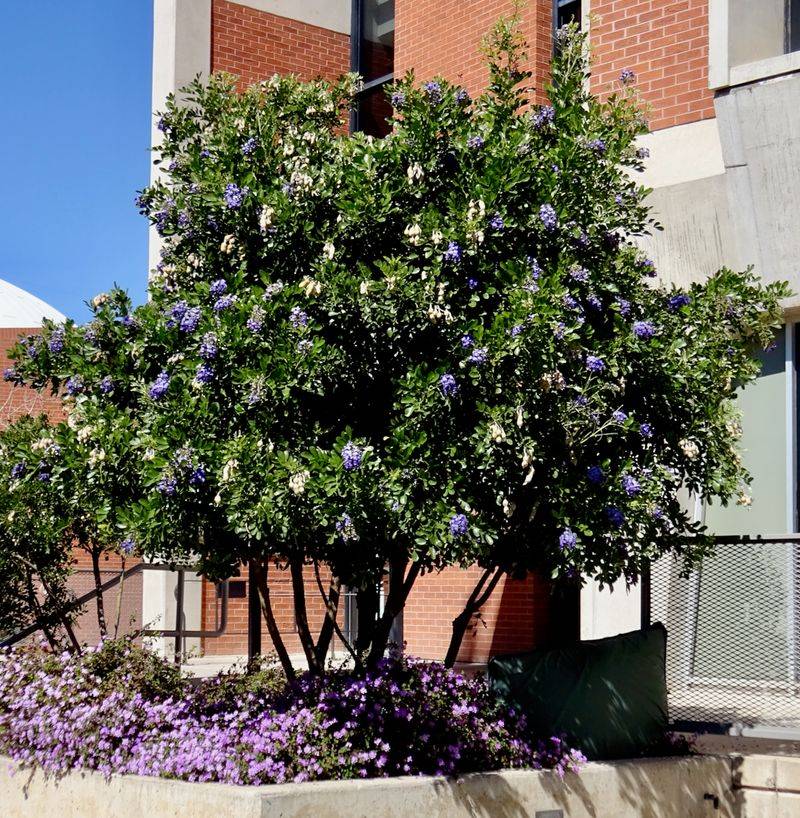
Few plants in Texas stop people in their tracks quite like the Texas mountain laurel in bloom. Every spring, this evergreen native bursts into clusters of deep purple flowers that smell unmistakably like grape bubblegum.
It is one of those plants that makes your yard the talk of the neighborhood for all the right reasons.
Beyond the flowers, Texas mountain laurel is a serious privacy performer. It can reach 15 to 25 feet tall over time, creating a thick, year-round screen with its dark, glossy leaves.
It grows at a moderate pace, so patience is part of the deal, but the payoff is absolutely worth it.
This plant is built for Texas. It thrives in rocky, alkaline soils that would frustrate most other plants, which makes it a natural fit for the Hill Country and Central Texas regions. Once established, it needs very little water and almost no fertilizer to keep looking great.
Because it stays evergreen, you never have to worry about a bare, see-through hedge in winter. The foliage stays full and lush no matter the season.
For homeowners who want a privacy plant that also doubles as a showstopper, Texas mountain laurel delivers beauty and function in one tough, native package that holds up across many parts of the state.
4. Evergreen Sumac (Rhus Virens)
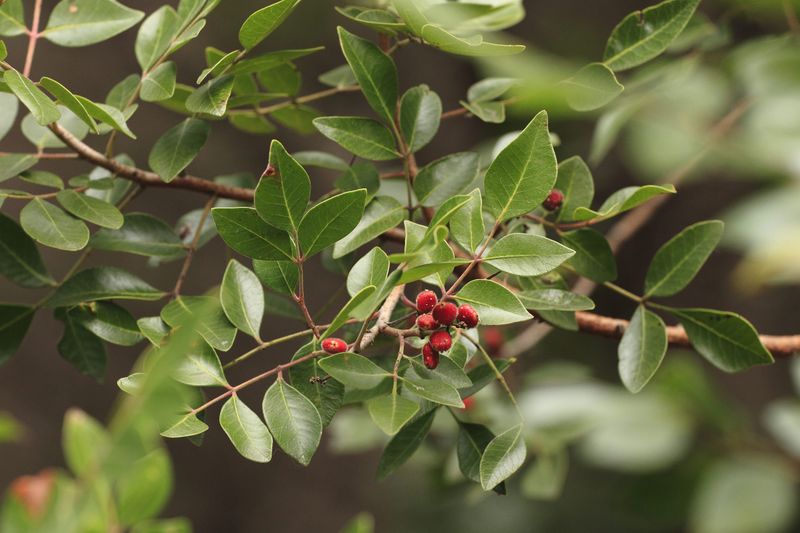
Not every yard needs a towering wall of green. Sometimes a softer, more natural-looking privacy screen fits the space better, and that is exactly where evergreen sumac shines.
Native to Texas and parts of the Southwest, this tough shrub grows to about 8 to 10 feet tall and spreads wide enough to block views without feeling heavy or overpowering.
Evergreen sumac holds its leaves through most of the year, which is a big deal in a state where winters can swing wildly from one week to the next. It may drop some leaves during an unusually cold stretch, but it bounces back reliably.
That resilience makes it a dependable choice for Texas homeowners who want low-drama landscaping.
Rocky, well-drained soil is where this plant truly thrives. If you have a sloped yard or a dry, challenging spot that other plants have struggled in, evergreen sumac is worth trying.
It is especially well-suited for Central Texas and the Edwards Plateau region, where thin soils and limestone bedrock are common.
Come fall, clusters of small red berries appear on the branches, and birds flock to them eagerly. The plant also takes on a warm reddish tint in cooler weather, adding seasonal color to your privacy planting.
For a relaxed, native screen that works hard without needing much attention, evergreen sumac is a smart and underrated pick.
5. Carolina Cherry-Laurel (Prunus Caroliniana)
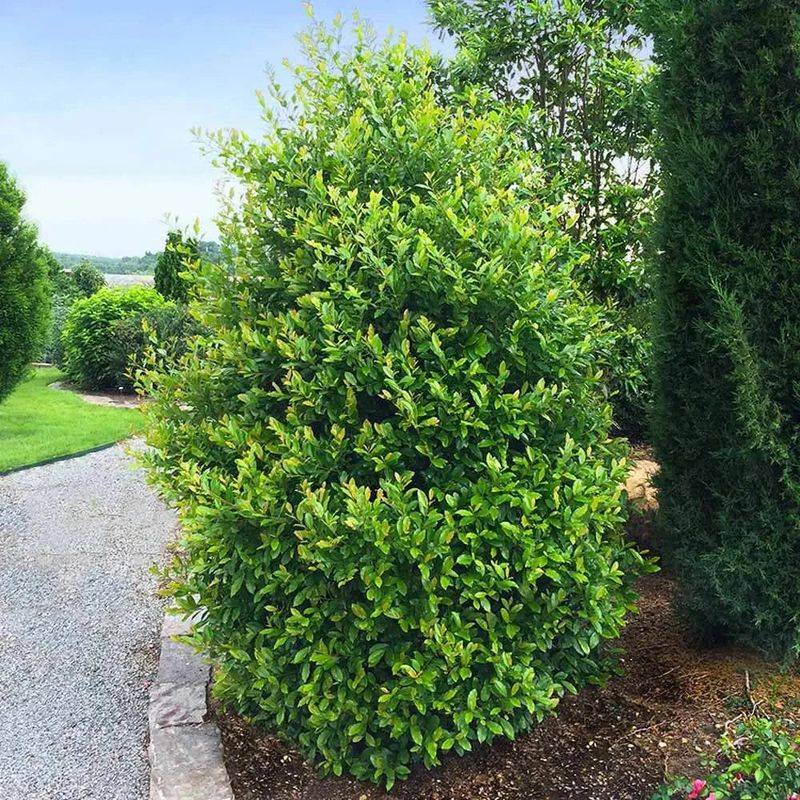
Speed matters when you want privacy fast, and Carolina cherry-laurel delivers. This fast-growing evergreen can shoot up to 40 feet tall if left completely on its own, though most Texas homeowners keep it trimmed to a more manageable height.
Even at 10 to 15 feet, it creates one of the densest, most effective privacy screens you can grow.
The glossy, deep green leaves stay on the plant all year, giving you consistent coverage through every season.
That is a major advantage in Texas, where you want your yard to feel private whether it is July or January. The foliage is thick enough that even a single row of plants creates a solid visual barrier.
Carolina cherry-laurel is adaptable across many parts of Texas. It handles both full sun and partial shade, and it tolerates a range of soil types including clay, which is common in many Texas neighborhoods.
It does prefer regular watering while getting established, but once its roots are in place, it becomes much more self-sufficient.
Pruning keeps it looking sharp and helps you control its size and shape. You can train it as a tall formal hedge or let it grow into a more tree-like form.
Small white flower clusters appear in spring, followed by dark berries that attract birds. For quick, tall, reliable privacy in Texas yards, this plant consistently earns high marks from gardeners across the state.
6. Eastern Redcedar (Juniperus Virginiana)
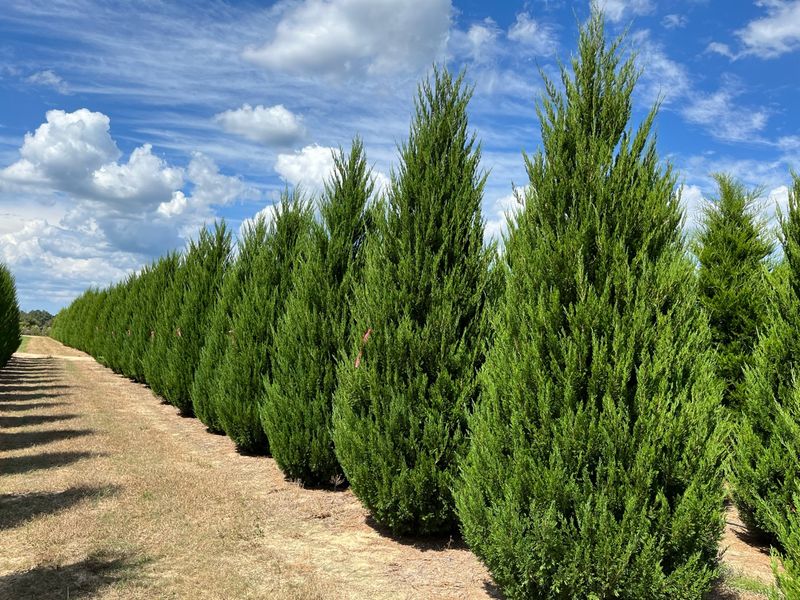
When long-term, serious privacy is the goal, eastern redcedar steps up like few other plants can. This native evergreen conifer grows 30 to 40 feet tall with a dense, columnar shape that creates an impressive visual and wind barrier.
It is one of the most widely planted privacy trees across Texas, and its track record speaks for itself.
Eastern redcedar is incredibly tough. It handles drought, poor soils, heat, and even the occasional ice storm that Texas winters can throw at it.
Once planted and established, it needs very little care, making it an ideal low-maintenance option for homeowners who want results without constant upkeep.
The foliage is a rich blue-green color that stays attractive all year. In winter, female trees produce small, dusty blue berries that cedar waxwings and other birds absolutely flock to.
Planting a row of eastern redcedars creates not just a privacy screen but a genuine wildlife corridor right in your backyard.
One thing to keep in mind is that eastern redcedar does release pollen in late winter and early spring, which can affect allergy sufferers in Texas. If that is a concern, planting male-free selections or spacing them away from high-traffic areas is a good strategy.
For sheer height, density, and long-term durability, eastern redcedar is one of the strongest privacy choices available anywhere in the state.
7. Texas Sage / Cenizo (Leucophyllum Frutescens)
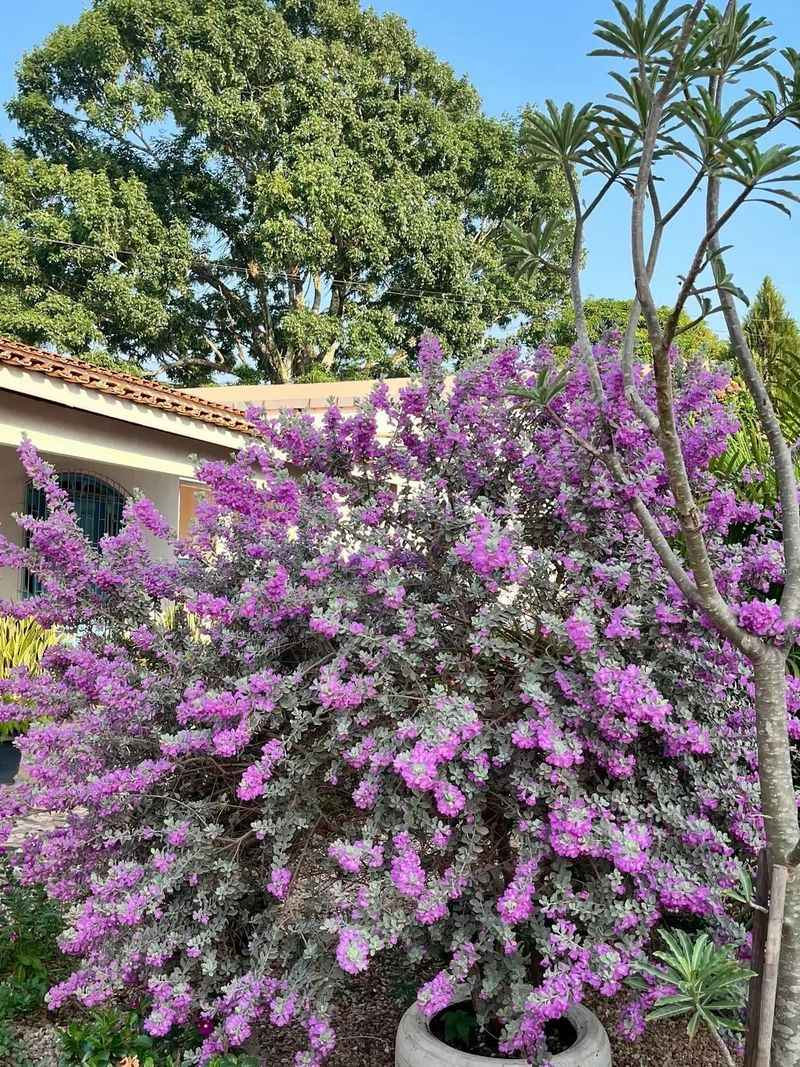
There is something almost magical about Texas sage. After a good rain, this silvery-leafed native suddenly erupts in a burst of purple blooms seemingly overnight.
Locals call it the barometer bush because its flowering is triggered by humidity changes, and watching it bloom is one of those small joys that Texas gardeners look forward to every season.
As a privacy plant, Texas sage works best in the drier regions of the state, including West Texas, the Hill Country, and South Texas. It typically grows 6 to 8 feet tall, though well-established plants in favorable spots can push toward 10 feet.
Planted in a row, it creates a soft, attractive screen that looks natural and inviting rather than rigid or formal.
Drought tolerance is one of its greatest strengths. Once established, Texas sage needs very little supplemental watering, which is a huge advantage during the hot Texas summers when water bills can skyrocket.
It thrives in full sun and well-drained soil, and it actually struggles in soggy or heavily watered conditions, so less is more with this plant.
The silver-green foliage provides a lovely contrast against darker plants and wooden fencing. Hummingbirds and bees are regular visitors when the blooms appear.
For homeowners in hot, sunny parts of Texas who want a low-water, low-maintenance privacy screen that also happens to be gorgeous, cenizo is an easy and rewarding recommendation.
8. Desert Willow (Chilopsis Linearis)
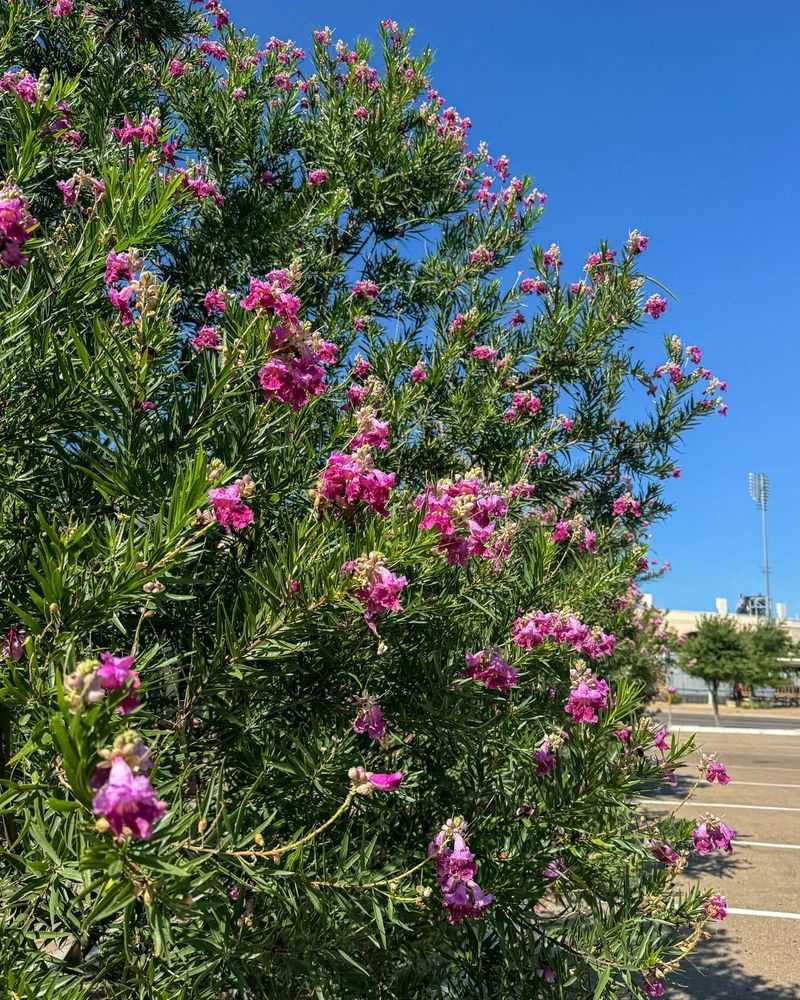
Desert willow is not your typical dense privacy hedge, and that is exactly what makes it special.
This graceful native tree brings a relaxed, airy kind of screening to Texas landscapes, with long, slender leaves and showy trumpet-shaped flowers that bloom in shades of pink, lavender, and white throughout the summer months. It is privacy with personality.
Growing as a large shrub or small tree, desert willow typically reaches 15 to 25 feet tall in good conditions. It has an open, branching form that filters views rather than completely blocking them, making it a softer alternative to dense evergreen screens.
Planted in groups or along a property line, it creates a natural, layered look that feels more like a garden than a barrier.
This plant was made for hot, dry Texas conditions. It is native to the Trans-Pecos region and thrives in full sun with minimal water once established.
In fact, overwatering is one of the few ways to stress a desert willow, so it fits perfectly into water-wise landscaping plans across the state.
Hummingbirds are powerfully drawn to the flowers, visiting repeatedly throughout the blooming season. The long seed pods that follow add winter interest to the silhouette of the tree.
For Texas homeowners who want a native, drought-tough plant that offers height, beauty, and a touch of wildness to their privacy planting, desert willow is a truly unique and worthwhile choice.