These Are The Worst Vegetables To Plant In Texas Garden Beds
Think all vegetables are fair game for your Texas garden? Think again.
Some may look great on seed packets but quickly disappoint when faced with the state’s intense heat, dry spells, and finicky soil. It’s not always obvious which ones won’t work, until you’ve wasted water, time, and effort trying.
That’s why knowing what not to plant is just as helpful as knowing what to grow. Certain veggies simply can’t take the pressure of Texas summers or fail to develop properly in unpredictable weather.
Others attract pests or need more water than makes sense for the climate. Avoiding these poor performers can make your garden more productive and way less frustrating.
So before you head to the nursery, take a look at this list of vegetables that just aren’t worth planting in Texas beds, and find out what smarter options to try instead. You might just save your season.
1. Celery
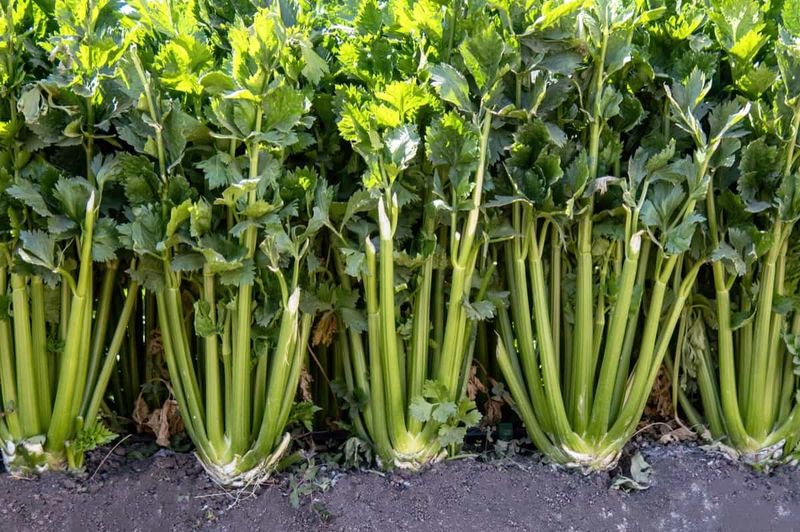
Celery demands more attention and specific conditions than most Texas gardeners can reasonably provide. This vegetable needs consistently cool temperatures between 60 and 70 degrees, which Texas rarely offers for extended periods.
The moment temperatures climb above 75 degrees, celery plants become stressed and bitter. Water requirements for celery are extremely demanding.
These plants need constant moisture without ever sitting in waterlogged soil, a balance that’s tough to maintain during unpredictable Texas weather patterns. Miss a watering session during a hot afternoon, and your celery will quickly become stringy and inedible.
The growing season presents another major obstacle for Texas gardeners. Celery requires about 130 to 140 days of cool weather to reach maturity.
Most Texas regions simply don’t have that long of a cool period between the last spring freeze and the arrival of intense summer heat. Soil preparation for celery is also more intensive than typical garden vegetables.
You need rich, heavily amended soil with perfect drainage yet excellent moisture retention. The clay soils common across much of Texas require extensive modification to meet these contradictory requirements.
Pest problems multiply when celery struggles in unsuitable conditions. Stressed plants attract aphids, leaf miners, and fungal diseases that spread rapidly in Texas humidity.
Even organic pest control becomes a constant battle that rarely results in a worthwhile harvest. Your gardening efforts are better spent on heat-tolerant vegetables that actually enjoy Texas conditions rather than fighting nature to grow celery that will likely disappoint.
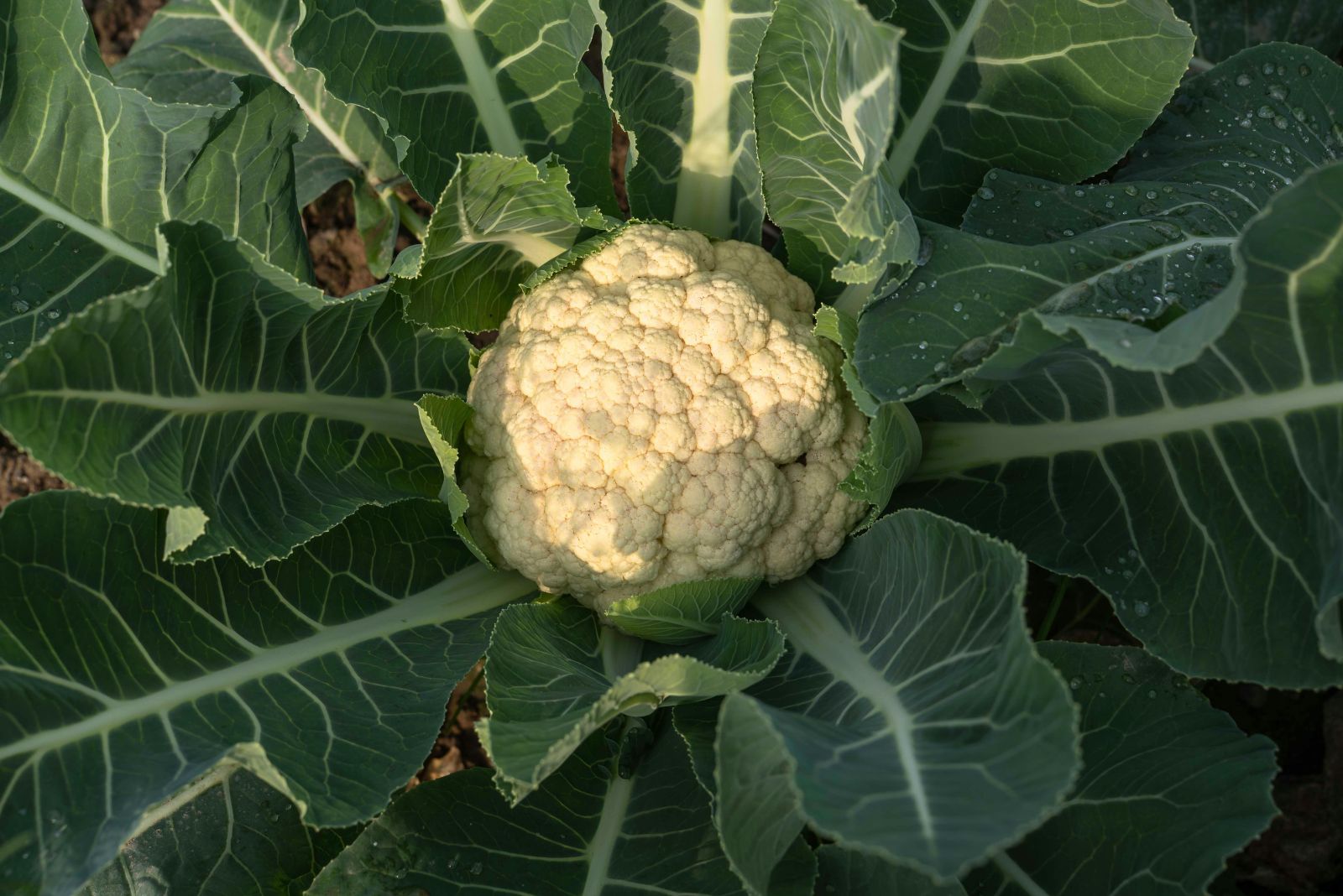
2. Cauliflower
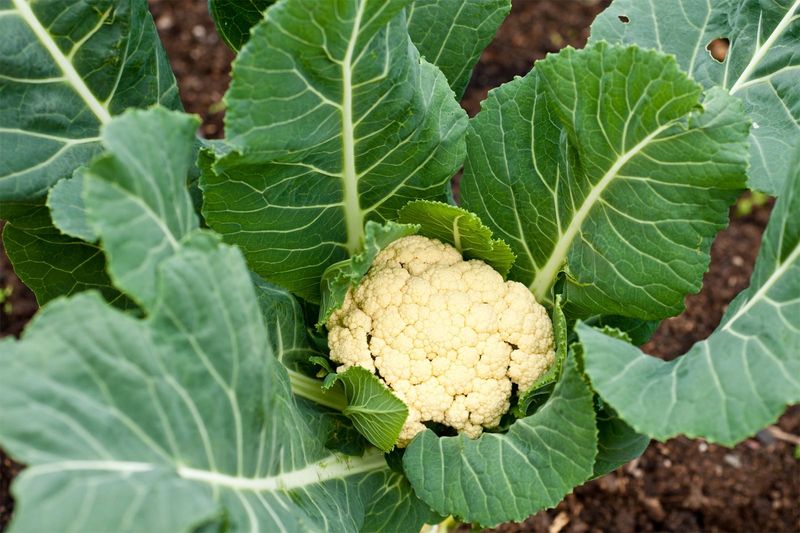
Growing cauliflower in Texas feels like trying to ice skate uphill. This finicky vegetable belongs to the brassica family and craves consistently cool temperatures that Texas weather rarely cooperates in providing.
When temperatures swing above 80 degrees, cauliflower heads either refuse to form or develop poorly with loose, ricey textures. Temperature sensitivity makes timing nearly impossible for Texas gardeners.
Plant too early in spring, and a late freeze damages young transplants. Plant too late, and summer heat arrives before heads can develop properly.
The narrow window of suitable weather leaves little room for error. Cauliflower also needs an incredibly long stretch of cool days to produce those tight, white heads you see in grocery stores.
Most varieties require 50 to 80 days of temperatures staying below 75 degrees. Few Texas locations can guarantee such conditions without the heat waves that frequently arrive in late spring.
Water and nutrient demands add another layer of difficulty. Cauliflower plants are heavy feeders requiring rich soil and consistent moisture.
Any stress from inconsistent watering or nutrient deficiency causes the plants to button, forming tiny, unusable heads instead of full-sized ones. Pest pressure intensifies when cauliflower struggles in Texas heat.
Cabbage worms, aphids, and flea beetles attack stressed plants with enthusiasm. You’ll spend more time protecting struggling plants than enjoying any harvest.
Texas gardeners find much better success with heat-loving vegetables like okra, peppers, and tomatoes that actually thrive in local conditions rather than constantly fighting them.
3. Artichokes
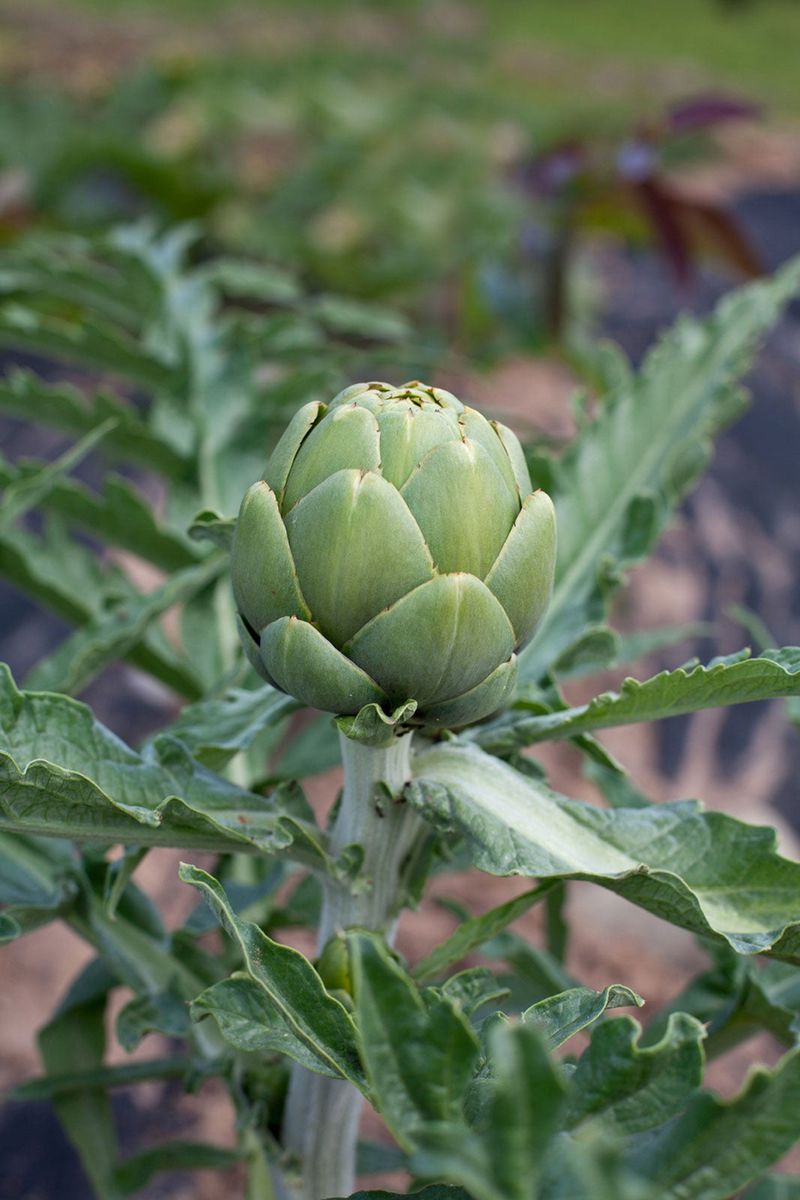
Artichokes might seem like an interesting addition to your Texas garden, but these Mediterranean natives prefer coastal California conditions over Texas heat. These perennial vegetables need mild winters and cool summers, the exact opposite of what most Texas regions provide.
The plants survive as perennials only in the mildest parts of the state. Space requirements alone make artichokes impractical for many Texas gardeners.
Each plant spreads 4 to 6 feet wide and needs that much room to produce even a modest harvest. In return for all that garden real estate, you might get only a handful of artichokes if conditions cooperate.
Texas summer heat sends artichoke plants into survival mode rather than production mode. When temperatures consistently exceed 85 degrees, the plants stop forming buds and focus on simply staying alive.
The buds that do form often open prematurely into purple flowers instead of remaining tight and harvestable. Winter cold presents problems too, especially in North Texas and the Panhandle.
Artichokes need protection from hard freezes below 25 degrees, requiring extra effort with mulching and covering. Even with protection, plants often suffer damage that reduces the following season’s production.
Water consumption becomes excessive during Texas summers. Artichokes need deep, frequent watering to support their large leaf canopy, making them water hogs when drought conditions or water restrictions are common concerns.
The amount of water these plants demand could support several productive vegetable crops instead. Better options exist for Texas gardeners wanting to maximize garden productivity without the constant maintenance artichokes demand in unsuitable climates.
4. Brussels Sprouts
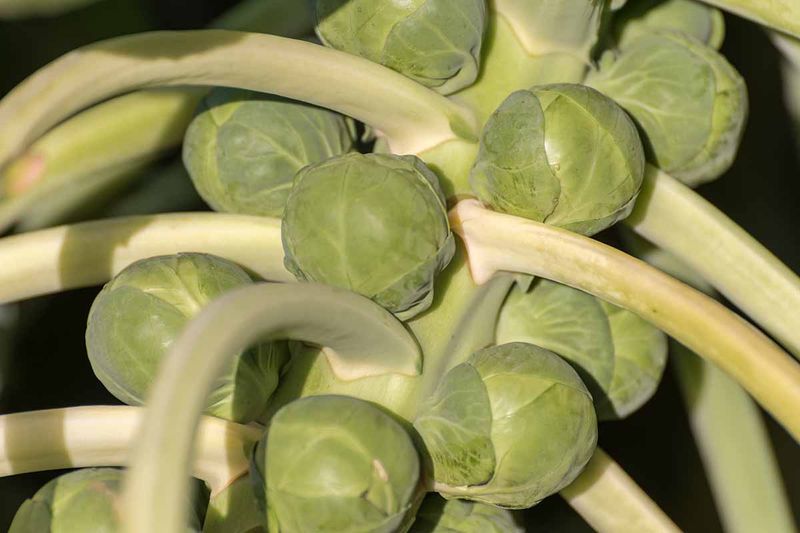
Brussels sprouts rank among the most challenging vegetables for Texas gardeners to grow successfully. These cold-weather lovers need a long, cool growing season that Texas rarely provides without interruption.
The plants require temperatures between 60 and 65 degrees for about 90 to 180 days, depending on the variety. Heat ruins Brussels sprouts faster than almost any other factor.
When temperatures climb into the 80s, the sprouts become loose and bitter instead of forming tight, sweet buttons along the stalk. Texas heat waves during spring or early fall quickly transform promising plants into disappointing failures.
Timing becomes a frustrating puzzle across different Texas regions. In South Texas, winters might work but rarely stay cool long enough.
In North Texas, spring planting risks late freezes while fall planting often gets cut short by early summer heat. Central Texas falls somewhere in between with its own timing challenges.
These plants also grow slowly compared to other vegetables, occupying valuable garden space for months. During that time, you could grow and harvest multiple crops of lettuce, radishes, or other quick-maturing vegetables that actually enjoy Texas conditions.
Pest problems plague Brussels sprouts throughout their extended growing period. Cabbage worms, aphids, and harlequin bugs find these plants irresistible.
Managing pests organically for such a long growing season becomes tedious and often unsuccessful in Texas gardens.
The lengthy growing season, specific temperature requirements, and pest pressure make Brussels sprouts more frustration than they’re worth for most Texas gardeners. Heat-tolerant alternatives provide better returns on your gardening investment.
5. Lettuce
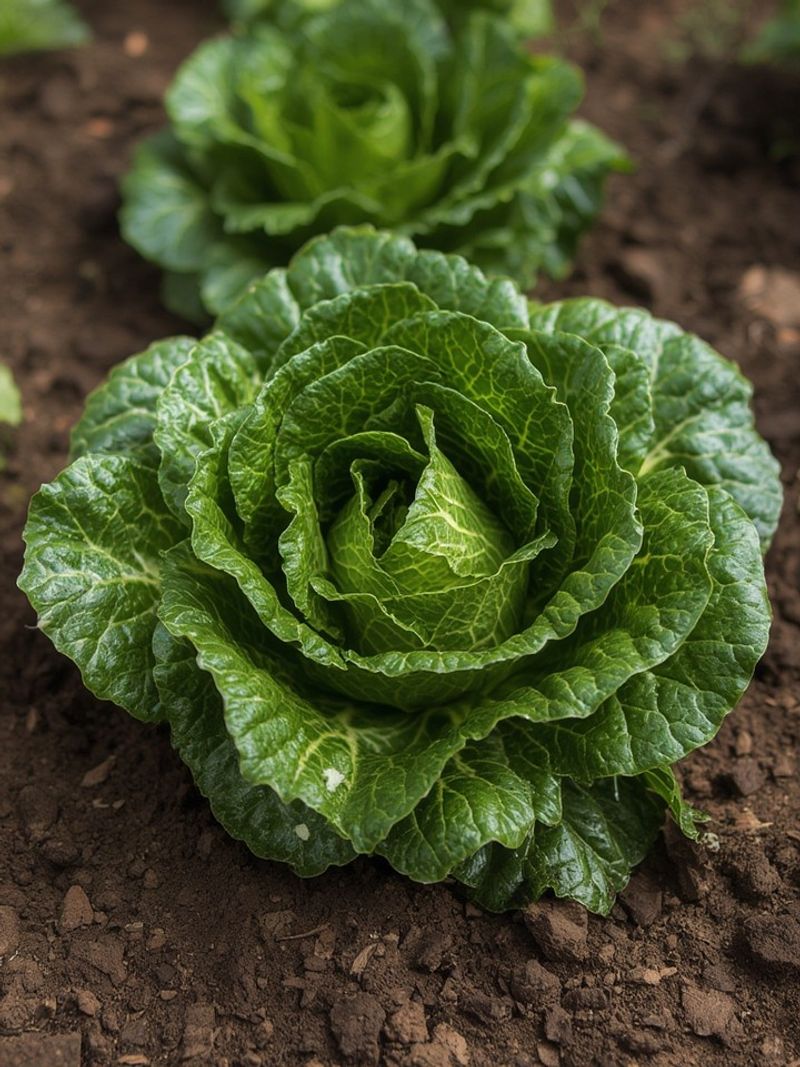
Lettuce presents a timing challenge that frustrates many Texas gardeners. This cool-season crop bolts quickly when temperatures rise above 75 degrees, sending up a flower stalk and turning leaves bitter.
Texas springs warm up rapidly, often giving you only a few weeks of harvestable lettuce before heat ruins the crop. Spring weather in Texas swings wildly between cold snaps and warm spells.
Lettuce planted too early risks freeze damage, while lettuce planted even slightly too late bolts before forming decent heads. This narrow planting window makes success feel more like luck than skill.
Summer growing is essentially impossible across most of Texas. Even shade cloth and frequent watering cannot overcome the combination of intense heat and bright sunshine that causes lettuce to bolt almost immediately.
Gardeners waste money on seeds and transplants that never produce an edible harvest. Fall planting offers slightly better chances but comes with its own complications.
You need to start lettuce when temperatures are still quite warm, requiring extra attention to keep seedlings from drying out. Then you’re racing against the first freeze, which can arrive surprisingly early some years.
Water demands during warm weather become excessive. Lettuce needs consistent moisture, and Texas heat causes soil to dry out quickly.
Missing even one watering can stress plants enough to trigger premature bolting. Many Texas gardeners find that the brief harvest period and intensive management lettuce requires simply aren’t worth the effort.
Heat-loving greens like amaranth or sweet potato leaves provide fresh salad options throughout the long Texas growing season without the constant disappointment.
6. Peas
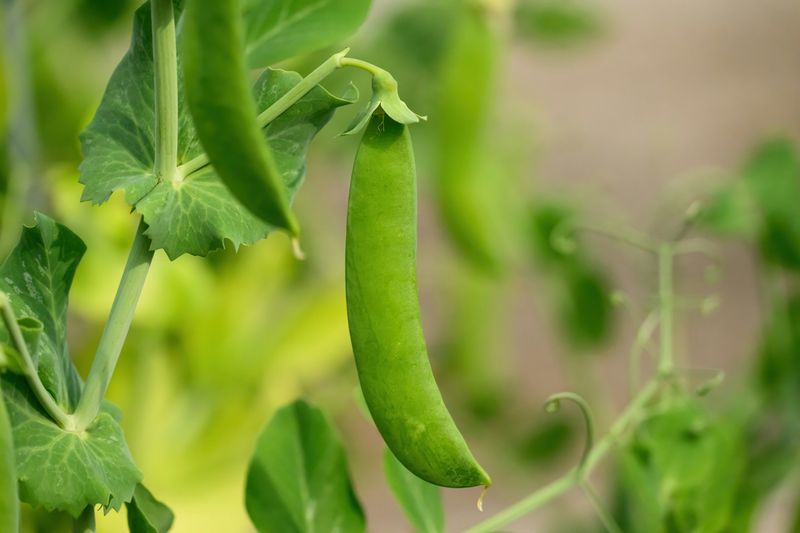
Peas need cool temperatures and hate Texas heat with a passion. These spring vegetables perform best when daytime temperatures stay below 70 degrees and nights remain cool.
Once temperatures consistently reach the 80s, pea plants stop producing and often start declining rapidly. Texas spring weather rarely cooperates with pea growing requirements.
The transition from winter to summer happens quickly across most of the state. You might get a few weeks of ideal pea weather, but summer heat usually arrives before plants reach peak production.
Root rot becomes a serious problem when peas struggle in warming Texas soils. These plants prefer cool, well-drained soil, but Texas clay soils warm up and hold moisture in ways that encourage fungal diseases.
Healthy-looking plants can suddenly collapse as roots rot in less-than-ideal conditions. Powdery mildew thrives in the temperature and humidity combinations common during Texas spring.
This fungal disease coats leaves with white powder, reducing photosynthesis and weakening plants. Once established, powdery mildew spreads rapidly and is difficult to control organically.
The harvest window closes quickly as heat arrives. Pea pods that should be tender and sweet become tough and starchy within days once temperatures climb.
You need to check plants daily during the brief harvest period, adding to the time investment for minimal return. Most Texas gardeners find that the short productive period and disease susceptibility make peas more trouble than the harvest justifies.
Southern peas like black-eyed peas and purple hull peas thrive in Texas heat and provide much better returns for your gardening efforts.
7. Broccoli
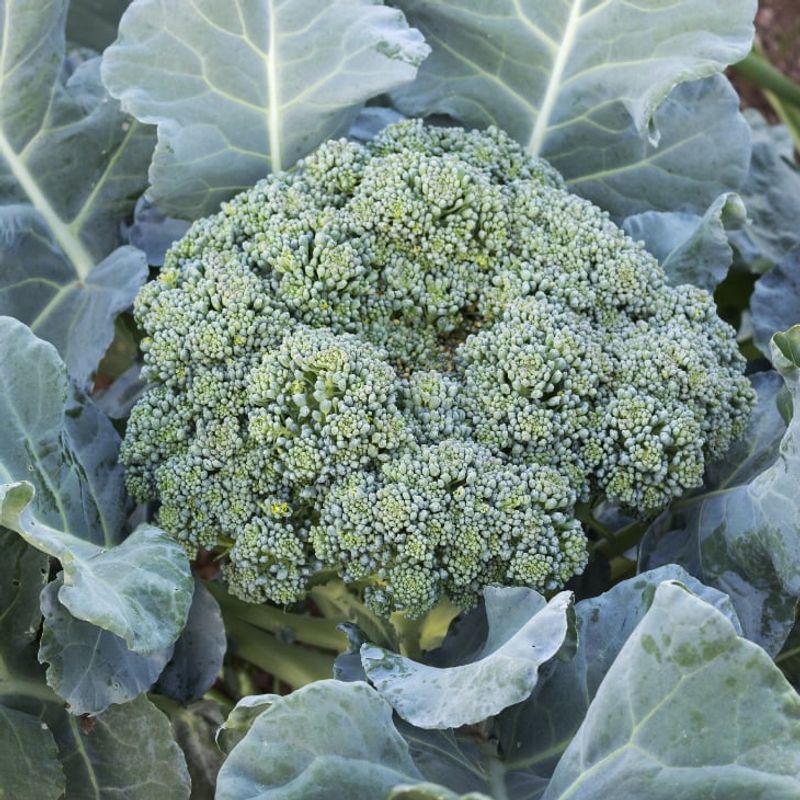
Broccoli teases Texas gardeners with initial promise before usually disappointing when heat arrives. This cool-season crop needs steady temperatures between 60 and 70 degrees to form tight, flavorful heads.
Temperature swings common in Texas spring weather stress plants and result in poor head formation. Premature flowering, called bolting, happens quickly when broccoli experiences temperature stress.
Instead of forming dense heads, the plants send up loose, flowering shoots that taste bitter. One unseasonably warm week during spring can ruin an entire broccoli planting across Texas gardens.
Head formation timing becomes unpredictable in variable Texas weather. Broccoli needs about 60 to 90 days of cool conditions to mature properly.
Calculating backward from when heat typically arrives leaves a narrow planting window that varies significantly across different Texas regions. Transplant stress compounds the temperature challenges.
Broccoli transplants need careful hardening off and gentle weather to establish roots before focusing on head formation. A cold snap or heat wave during the establishment period sets plants back significantly.
Pest management requires constant vigilance throughout the growing season. Cabbage worms, aphids, and flea beetles attack broccoli plants enthusiastically.
Organic controls need frequent application, and heavy infestations can damage heads before harvest. Many Texas gardeners experience disappointment when broccoli forms tiny heads or skips head formation entirely, going straight to flower.
The effort invested in soil preparation, transplanting, and pest management rarely results in the large, grocery-store-quality heads gardeners hope for. Heat-adapted vegetables better suit Texas conditions and gardener expectations for reliable harvests.