These 12 Backyard Mistakes Are Making Florida Yards More Work Than Necessary
Florida backyards are supposed to feel like an escape. A place to sip coffee in the morning, grill on weekends, and relax after long days.
Instead, many homeowners find themselves stuck in an endless cycle of mowing, trimming, watering, and fixing problems that never seem to stay solved. If your yard feels like a second job, you are not alone.
Florida’s fast-growing plants, intense sun, heavy rain, and sandy soil can quietly turn simple landscaping choices into ongoing maintenance headaches. What looks good at the garden center often becomes overwhelming once it hits real Florida conditions.
The good news is that most of this extra work is avoidable. Small decisions about spacing, plant selection, watering habits, and layout can make the difference between a yard that constantly demands attention and one that practically takes care of itself.
The following mistakes are some of the most common reasons Florida yards become harder to manage than they need to be.
1. Overplanting Without Planning
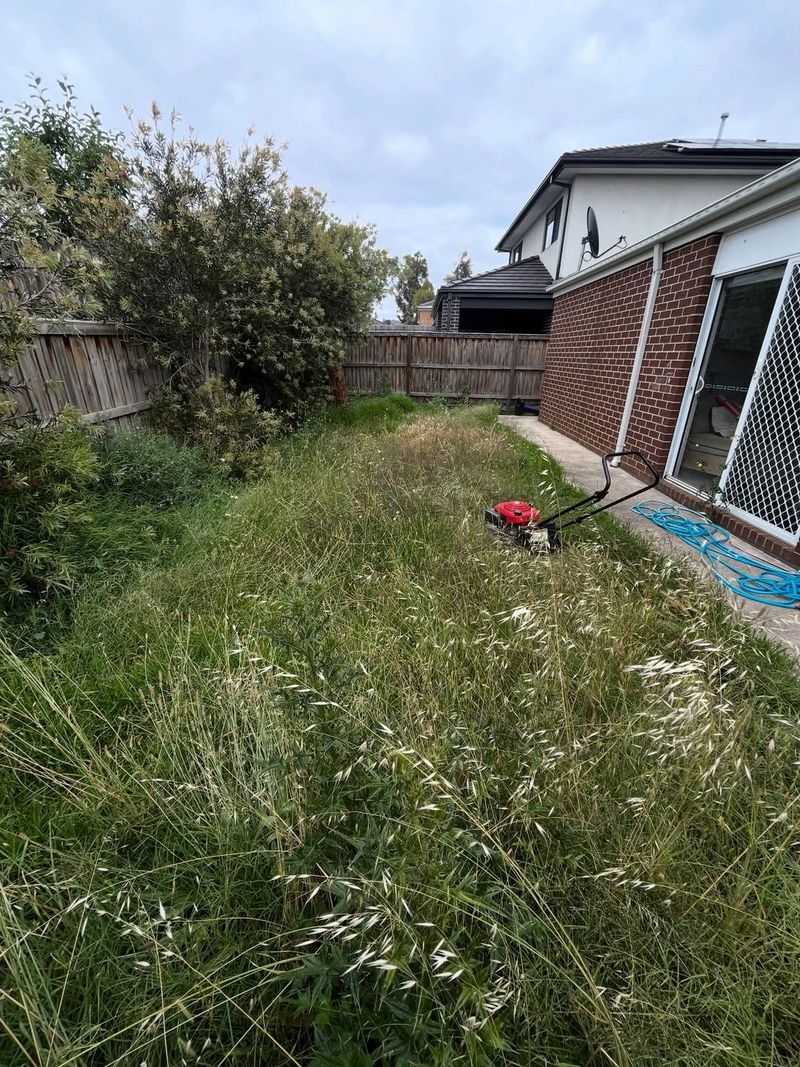
Walking through garden centers in spring feels exciting, and it’s easy to fill your cart with colorful plants that look perfect on the shelf. You bring them home, squeeze them into available spots, and imagine how beautiful everything will look in a few months.
But without thinking about mature size, growth rate, or spacing requirements, you’ve just created a maintenance trap that will demand constant attention.
Florida’s long growing season and warm temperatures mean plants reach full size faster than in cooler states. That small hibiscus becomes a six-foot shrub.
The groundcover spreads across pathways. Suddenly you’re pruning every few weeks, fighting for space, and watching plants compete for light, water, and nutrients.
North Florida gardeners often see this problem with fast-growing evergreens, while South Florida homeowners struggle with tropical plants that explode in size year-round. Central Florida sits somewhere between, but the pattern remains the same.
When you plant without planning for mature dimensions, you commit yourself to endless trimming, thinning, and wrestling with overgrown landscapes that could have been avoided with simple spacing and research before planting day arrived.
2. Choosing Plants That Fight Florida Weather
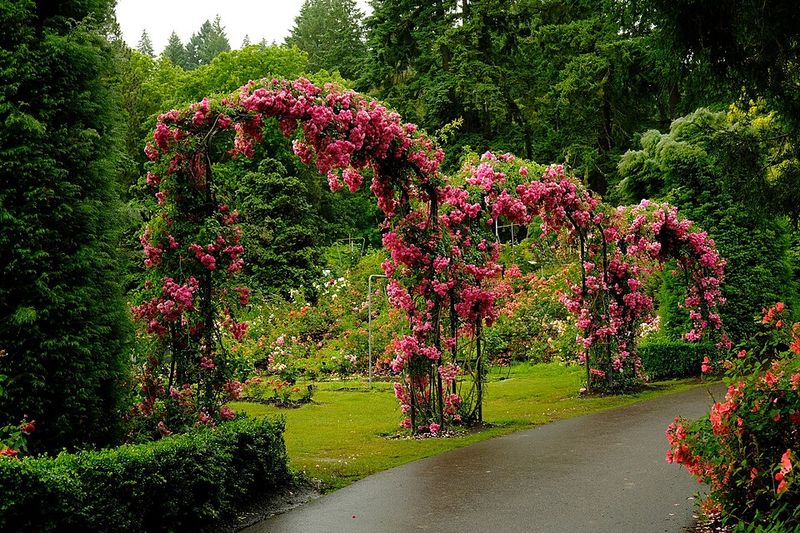
Some plants simply don’t belong in Florida, yet homeowners keep trying to grow favorites from other climates. You might remember roses from your grandmother’s northern garden or dream of English lavender like you saw on vacation.
The desire to recreate those memories makes sense, but forcing incompatible plants into Florida conditions creates constant work and disappointment.
Our combination of heat, humidity, afternoon thunderstorms, and sandy soil stresses plants adapted to cooler, drier, or more predictable environments.
You’ll find yourself battling fungal diseases, dealing with wilting during summer heat, and replacing plants that struggle year after year.
The extra watering, fertilizing, pest control, and eventual replacement costs add up quickly in both time and money.
North Florida can support some temperate plants that fail further south, and South Florida offers tropical options impossible in cooler zones. But fighting your local climate always increases workload.
University of Florida IFAS Extension provides lists of Florida-Friendly plants suited to each region.
When you choose species naturally adapted to your area’s rainfall, heat, and soil conditions, maintenance drops dramatically because the plants actually want to grow in your yard instead of merely surviving with your constant help.
3. Watering On Automatic Without Adjusting
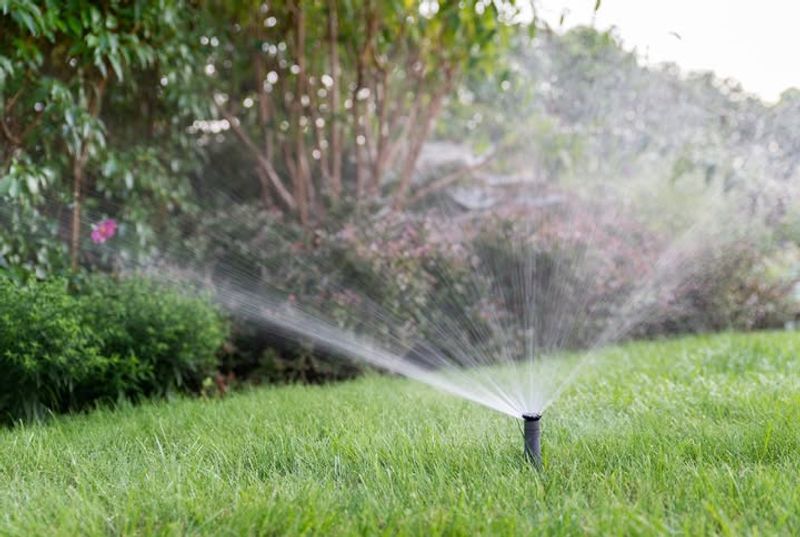
Irrigation systems offer convenience, but setting them once and forgetting about them wastes water and creates problems. Many Florida homeowners install timers, program a schedule based on summer needs, and never adjust for seasonal changes or rainfall patterns.
Your system runs on the same schedule during January’s dry cool weather and July’s daily thunderstorms, delivering water whether your yard needs it or not.
Overwatering causes shallow root systems, encourages fungal diseases, promotes weed growth, and increases your water bill unnecessarily. Grass and plants become dependent on frequent irrigation instead of developing deep roots that access moisture naturally.
You’ll notice more disease pressure, weaker plants, and constant maintenance issues that wouldn’t exist with smarter watering habits.
Florida’s rainy season typically runs from late May through early October, when frequent afternoon storms deliver much of the year’s rainfall. During these months, irrigation should reduce significantly or stop entirely in many areas.
Winter and spring require more supplemental water, especially in South Florida’s drier months. Installing a rain sensor and adjusting your timer seasonally takes minutes but saves hours of dealing with problems caused by inappropriate watering.
Your plants will actually grow stronger and healthier when you water less frequently but more appropriately for current conditions.
4. Fighting Natural Soil Instead Of Working With It
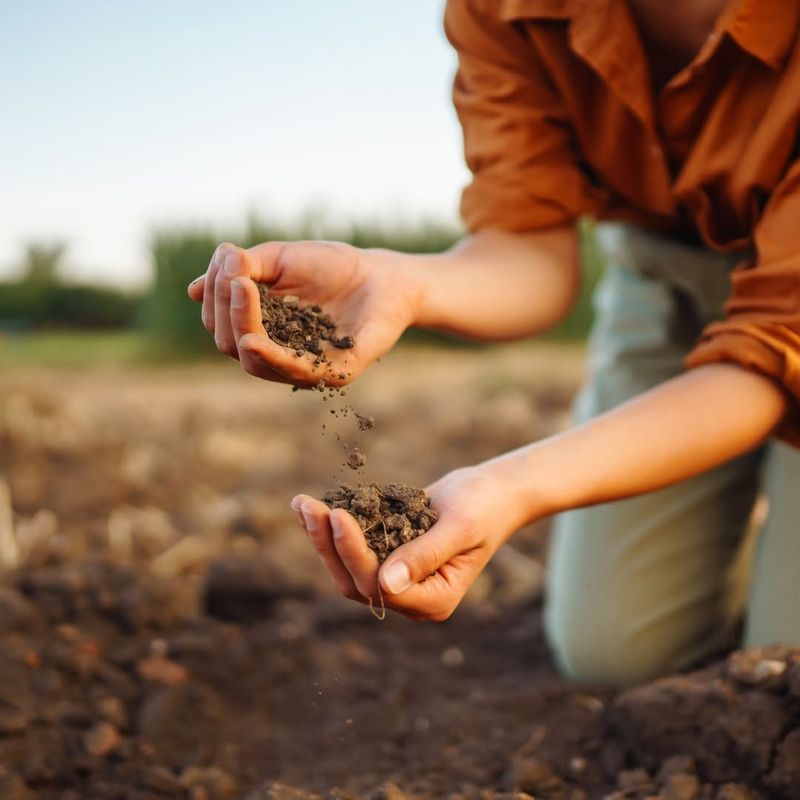
Florida soil surprises newcomers who expect rich, dark earth like they knew elsewhere. Much of Florida sits on sandy soil that drains quickly and holds few nutrients, although some areas, especially in North Florida, contain more loam or clay layers.
Rather than accepting this reality and adapting, many homeowners spend years fighting it with constant amendments, fertilizers, and frustration.
You might add compost, peat, and topsoil repeatedly, watching it disappear into the sand or wash away during heavy rains. The expense and effort become exhausting, and plants still struggle because you’re working against fundamental soil characteristics.
Sandy soil actually offers advantages when you choose appropriate plants and use proper techniques designed for these conditions.
North Florida has slightly more clay content in some areas, while South Florida’s limestone-based soils create different challenges with pH and drainage. But throughout the state, fighting your natural soil type creates unnecessary work.
Instead, select plants adapted to sandy conditions, use mulch to retain moisture and add organic matter gradually, and apply slow-release fertilizers designed for quick-draining soils.
University of Florida IFAS research shows Florida-Friendly plants thrive in native soil conditions when properly mulched and watered.
Accepting your soil type and working with it reduces maintenance dramatically compared to endless attempts at transformation.
5. Ignoring Mulch Or Using It Incorrectly
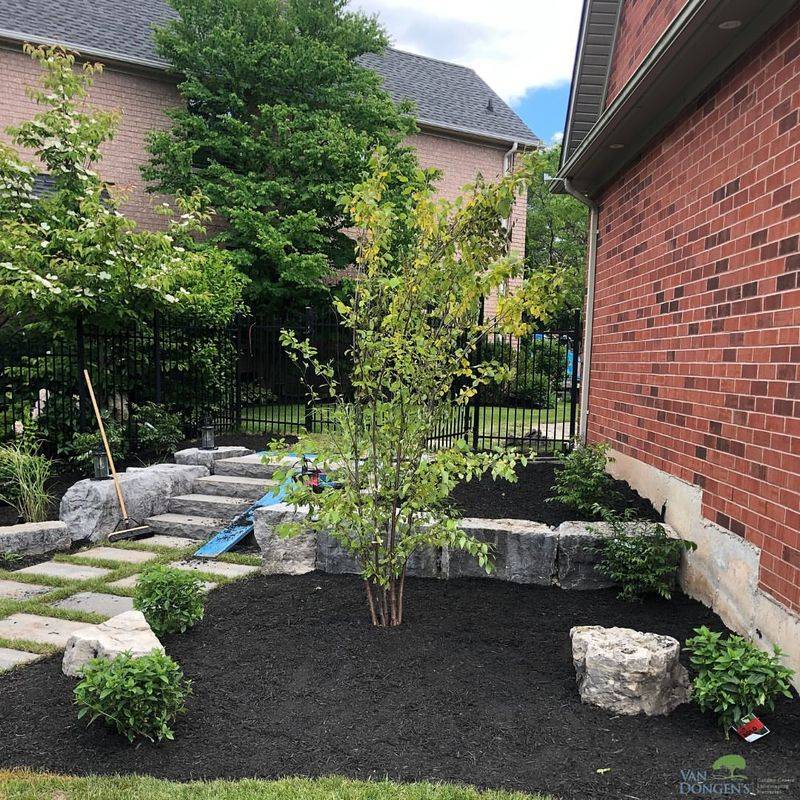
Mulch might seem like a simple finishing touch, but it’s actually one of the most important tools for reducing yard work in Florida. Many homeowners skip it entirely, use too little, or pile it incorrectly, missing the benefits that make maintenance easier.
Without proper mulch coverage, your yard demands constant attention to watering, weeding, and temperature management that mulch naturally handles.
A proper layer of two to three inches of mulch moderates soil temperature, retains moisture, suppresses weeds, and gradually adds organic matter as it decomposes. Your watering needs drop significantly, weeds struggle to establish, and soil stays healthier with less effort.
But piling mulch against tree trunks and plant stems causes rot and disease, while spreading it too thin provides minimal benefits.
Florida’s heat and humidity break down organic mulch faster than in cooler climates, so you’ll need to refresh it annually. Pine bark, pine straw, and eucalyptus mulch work well in different Florida regions.
North Florida homeowners often prefer pine straw, while Central and South Florida gardeners frequently choose bark or hardwood options.
Applying mulch correctly once or twice yearly saves countless hours of weeding, watering, and dealing with stressed plants throughout the growing season.
The small investment of time and material returns enormous maintenance savings.
6. Planting Too Close To Structures
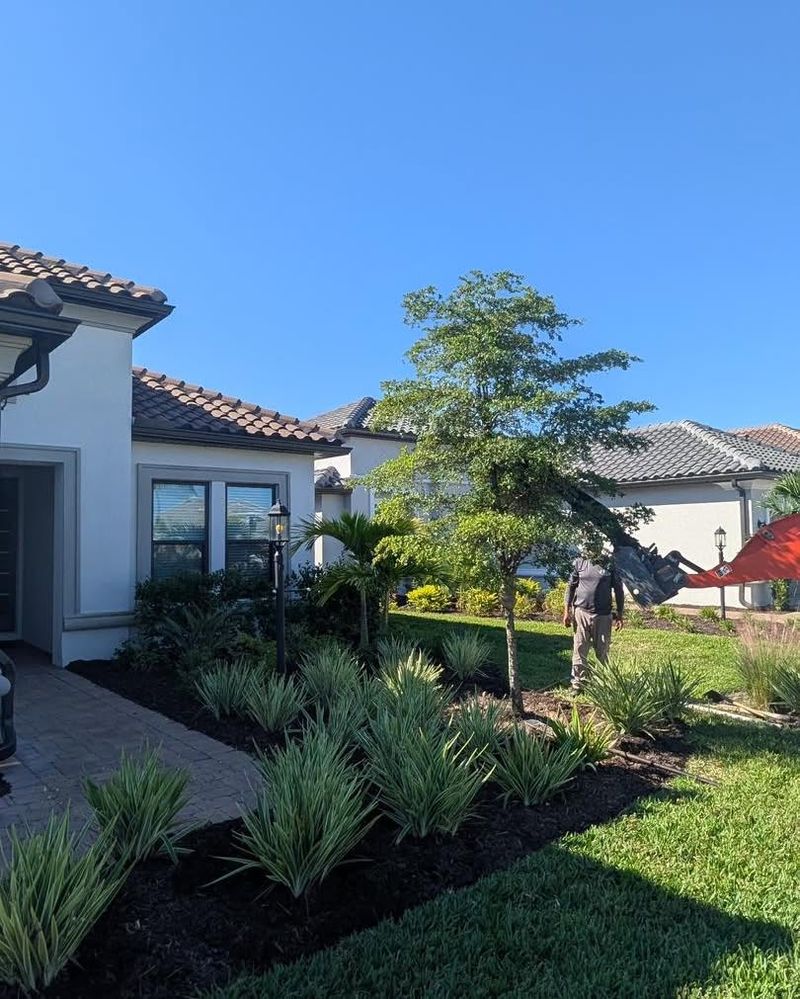
Foundation plantings look charming when small, so homeowners tuck shrubs against walls, near air conditioning units, and beside walkways without considering future growth. Those compact plants quickly mature into large specimens that crowd structures, block vents, damage foundations, and create constant pruning obligations.
What started as attractive landscaping becomes a maintenance nightmare requiring frequent cutting back to prevent damage and maintain access.
Florida’s extended growing season means plants reach mature size faster than in northern states. Shrubs grow year-round in South Florida and most of the year in Central and North Florida.
A plant placed two feet from your house might need four or six feet of space at maturity. Soon you’re trimming every few weeks to keep walkways clear, prevent moisture damage to walls, and maintain airflow around air conditioning equipment.
Plants crowding structures also create pest problems, as insects and rodents use dense vegetation as highways to your home. Moisture trapped against walls encourages mold and rot.
Before planting anything near buildings, check its mature dimensions and allow adequate space. University of Florida IFAS guidelines generally recommend allowing at least three to five feet of space for medium and large shrubs, depending on mature size.
Proper spacing from the beginning eliminates years of unnecessary pruning and prevents expensive damage to your home’s exterior and foundation.
7. Creating High-Maintenance Lawn Areas
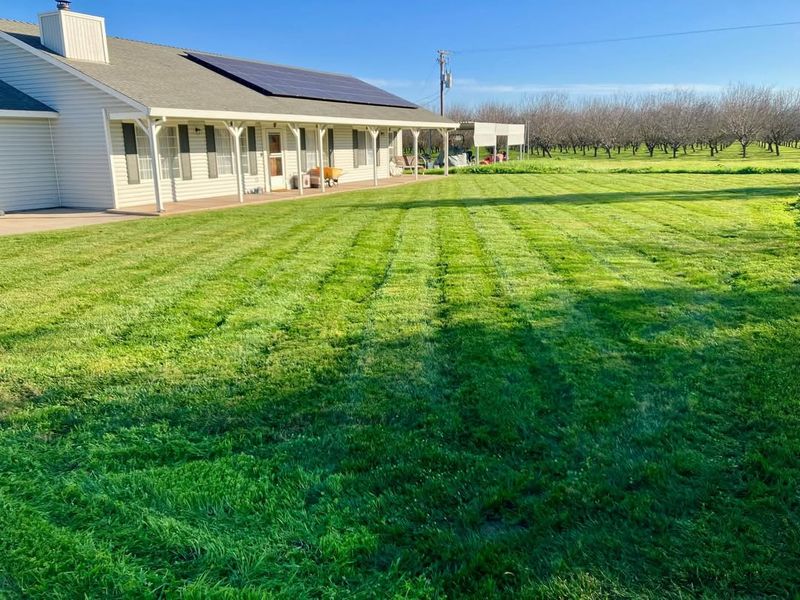
Large expanses of perfect green lawn look appealing in magazines, but maintaining that appearance in Florida requires enormous effort.
Many homeowners install wall-to-wall turf without considering how much mowing, edging, fertilizing, pest control, and irrigation they’re committing to for years ahead.
Grass in difficult areas like steep slopes, deep shade, or narrow strips between hardscapes demands even more attention while never looking quite right.
Different grass types suit different Florida regions, but all require regular maintenance. St. Augustine dominates residential lawns statewide but needs frequent mowing during warm months.
Bahia offers lower maintenance than St. Augustine but has a less uniform appearance that some homeowners find less visually appealing. Zoysia grows slowly but requires patience during establishment.
Regardless of type, more lawn area equals more work every single week during the growing season.
Consider reducing lawn coverage in favor of mulched beds, groundcovers, or hardscaping in areas where grass struggles or serves no functional purpose. Narrow strips along fences, shady spots under trees, and steep slopes often work better with alternatives that need minimal care.
The Florida-Friendly Landscaping program encourages right-sizing lawn areas to spaces actually used for recreation or visual impact.
When you limit turf to appropriate areas and replace problem spots with better-suited alternatives, your mowing time drops significantly while your yard looks more interesting and requires less water, fertilizer, and constant attention throughout the year.
8. Skipping Seasonal Adjustments
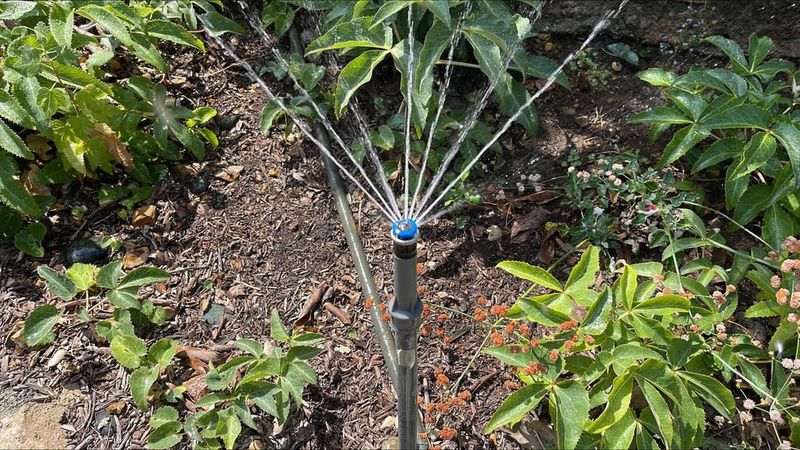
Florida doesn’t experience dramatic four-season changes like northern states, so homeowners often maintain the same yard routine year-round. But our subtle seasonal shifts still require adjustments to watering, fertilizing, and maintenance schedules.
Treating every month identically creates unnecessary work and stresses plants that need different care as temperatures and rainfall patterns change throughout the year.
Summer’s heat and daily thunderstorms mean less irrigation and more pest pressure. Fall brings cooler temperatures and planting opportunities.
Winter in North Florida requires protecting sensitive plants, while South Florida experiences its driest months. Spring triggers rapid growth that demands more attention.
When you ignore these patterns and maintain static care routines, you waste water during rainy months, underwater during dry periods, and miss optimal times for planting and major tasks.
Adjusting your approach seasonally actually reduces overall workload by working with natural cycles instead of against them.
Fertilize during active growth periods and follow University of Florida IFAS regional fertilizer timing guidelines to avoid overfeeding or nutrient runoff.
Reduce irrigation when rainfall increases. Schedule major pruning and planting during appropriate windows for your region.
University of Florida IFAS Extension publishes seasonal guides for each part of the state. Following these recommendations means your efforts match plant needs, reducing wasted time on tasks that don’t benefit your yard while focusing energy when it actually makes a difference.
9. Using Chemicals Instead Of Prevention
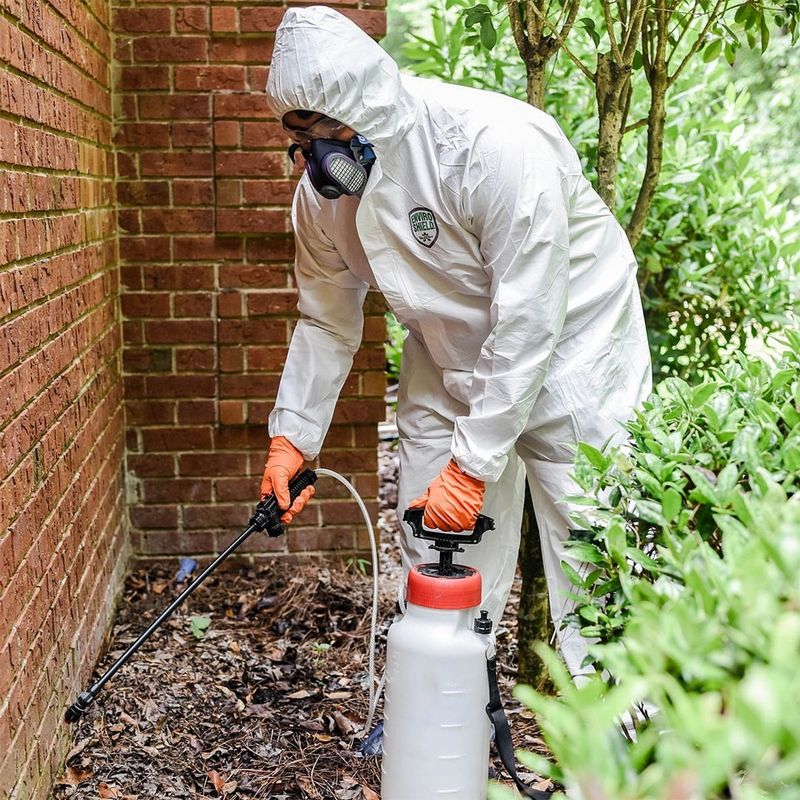
When problems appear in your yard, reaching for chemical solutions feels like the fastest fix. Weeds get herbicide, insects get insecticide, and diseases get fungicide without much thought about why the problems occurred or how to prevent them from returning.
This reactive approach creates an endless cycle of treatment and expense while ignoring underlying issues that keep causing the same problems repeatedly.
Florida’s warm, humid climate naturally supports vigorous growth of both desirable and undesirable organisms. But healthy, properly maintained landscapes resist most problems without chemical intervention.
Weak, stressed plants attract pests and diseases. Poor soil management encourages weeds.
Inappropriate watering creates conditions for fungal issues. When you address root causes through better cultural practices, many problems simply stop appearing with such frequency and intensity.
The Florida-Friendly Landscaping program emphasizes prevention over treatment through proper plant selection, appropriate irrigation, adequate mulching, and healthy soil management. When you choose right plants for right places, water appropriately for conditions, maintain proper mulch coverage, and encourage beneficial insects, pest and disease pressure drops dramatically.
Chemical treatments become occasional targeted tools rather than routine weekly applications. Your time shifts from constant problem-fighting to maintaining conditions that prevent problems from developing.
The approach requires patience initially but dramatically reduces long-term workload while creating healthier, more resilient landscapes that need less intervention.
10. Forgetting About Drainage
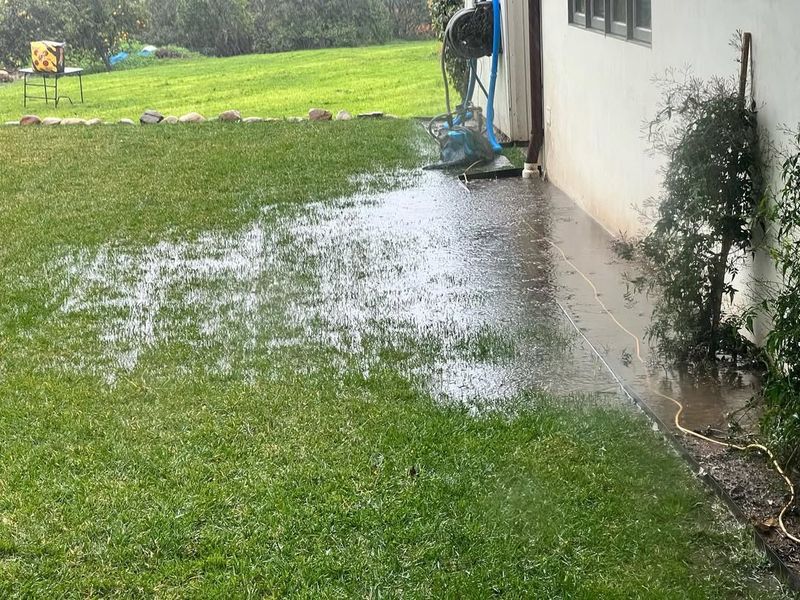
Water management might not seem exciting, but poor drainage creates some of the most frustrating and labor-intensive yard problems Florida homeowners face. Many people ignore how water moves through their property until standing water, erosion, or soggy areas become impossible to overlook.
By then, the damage affects plant health, creates mosquito breeding grounds, and requires significant effort to correct issues that proper planning could have prevented.
Florida’s flat terrain and heavy rainfall make drainage particularly important. Summer thunderstorms dump inches of rain in short periods, overwhelming poorly planned landscapes.
Low spots collect water, drowning plant roots and creating muddy messes. Improper grading directs water toward foundations instead of away from structures.
Sandy soil drains quickly in some areas while clay layers or compaction create waterlogged zones in others.
North Florida’s slightly rolling terrain offers more natural drainage than South Florida’s pancake-flat landscape, but every region needs attention to water flow. Before planting, observe how water moves across your property during heavy rain.
Grade areas to direct flow away from buildings and toward appropriate drainage points. Create swales or rain gardens to capture and slowly release water.
Choose plants appropriate for wet or dry zones based on actual conditions. University of Florida IFAS research shows proper drainage planning reduces plant loss, erosion, mosquito habitat, and long-term maintenance problems.
Addressing water management from the beginning saves years of fighting soggy spots, replacing drowned plants, and battling problems that never needed to exist.
11. Planting Without Thinking Long-Term
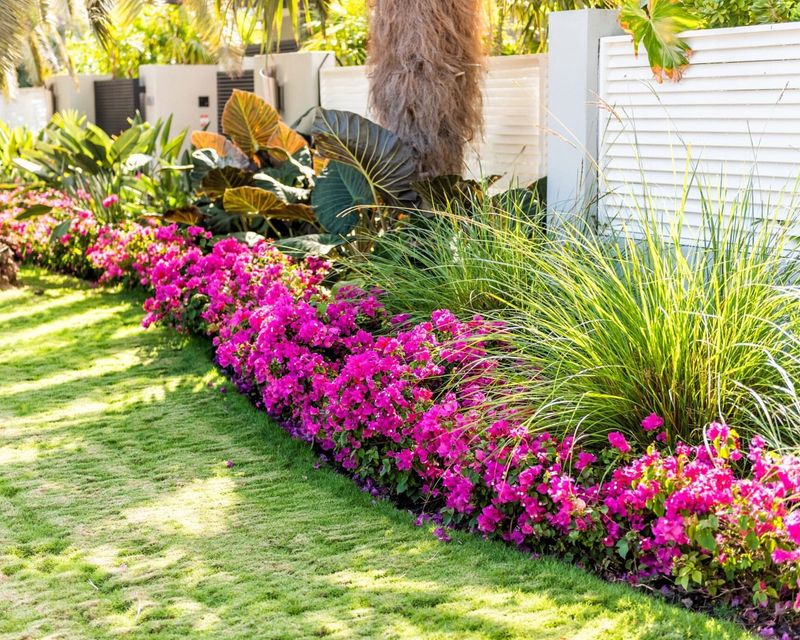
Instant gratification drives many planting decisions, as homeowners want immediate results without considering what their yard will look like in five or ten years.
You might choose fast-growing species for quick screening, plant trees without researching mature size, or select trendy options without understanding long-term care requirements.
These short-term decisions create long-term maintenance obligations that could have been avoided with more thoughtful planning from the start.
Fast-growing plants often become maintenance burdens as they quickly outgrow their spaces and require constant management. Trees planted too close together eventually crowd each other, demanding expensive removal or aggressive pruning.
Species chosen for appearance without considering care needs become high-maintenance projects that demand regular attention for years. What seemed convenient initially turns into ongoing work that never ends.
Florida’s climate allows year-round growth in many areas, so mistakes compound faster than in regions with winter dormancy. A poor planting decision in South Florida creates problems within months rather than years.
Before adding anything permanent to your landscape, research mature size, growth rate, care requirements, and lifespan. Consider how each plant fits into your long-term vision and maintenance capacity.
University of Florida IFAS Extension provides detailed information about appropriate species for each region. Thinking ahead prevents countless hours of corrective work and allows you to create landscapes that actually become easier to maintain over time as plants establish and mature appropriately.
12. Not Designing For Shade And Sun
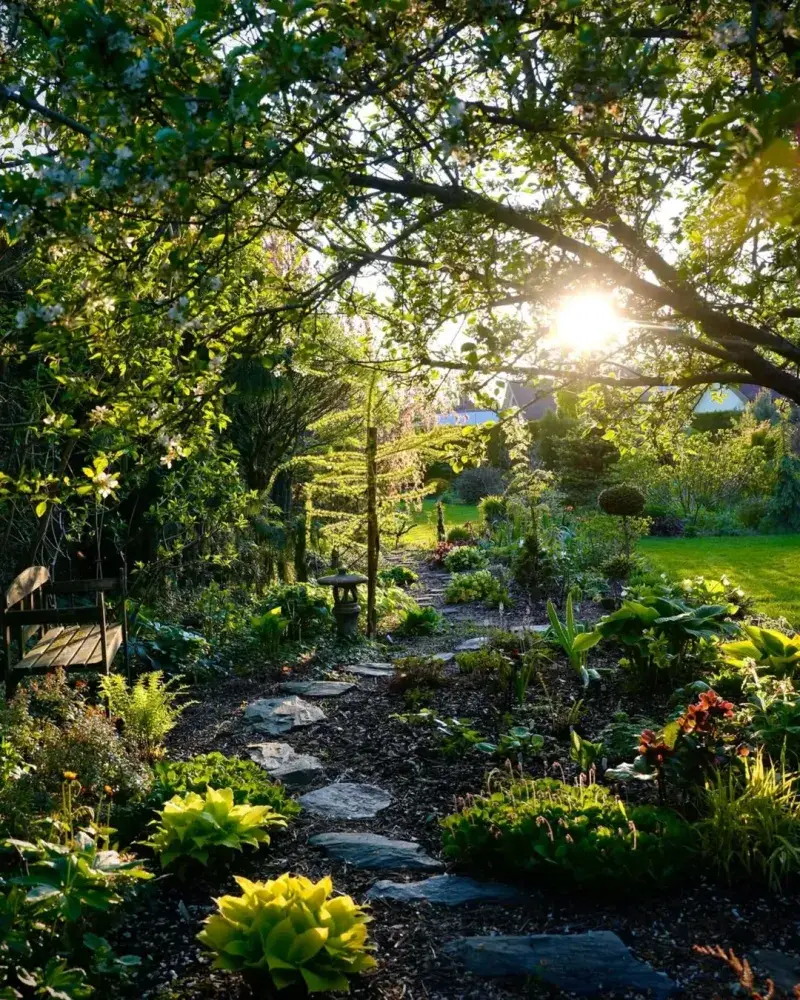
Light conditions determine plant success more than almost any other factor, yet many homeowners plant without carefully observing sun and shade patterns throughout the day and across seasons. You might place sun-loving plants in afternoon shade or shade-preferring species in full sun, then spend months wondering why they struggle despite your best care efforts.
Mismatched light conditions create weak, stressed plants that demand constant attention and never quite thrive no matter how much you water, fertilize, or fuss over them.
Florida’s intense sun and heat make appropriate placement even more critical than in milder climates. Full sun in South Florida feels different than full sun in North Florida.
Morning sun differs from afternoon sun. Shade cast by buildings changes angle throughout the year as the sun’s path shifts.
What seems sunny in January might be shaded by summer foliage. These variations affect plant performance dramatically, but many people plant based on how conditions look during a single visit to the garden center.
Before planting anything, observe your yard at different times of day and through different seasons if possible. Note which areas receive morning versus afternoon sun, how shade patterns change, and where hot spots develop.
Match plants to actual conditions rather than ideal hopes. Sun-loving species like pentas and lantana generally perform best with six or more hours of direct sunlight.
Shade plants like ferns and caladiums prefer protection from afternoon intensity. When you design for real light conditions, plants flourish with minimal care instead of struggling despite maximum effort.
Proper placement eliminates countless maintenance problems before they start.