These Bare Stems Are Bursting Into Bloom Overnight Across Louisiana Yards After The Season’s Rain
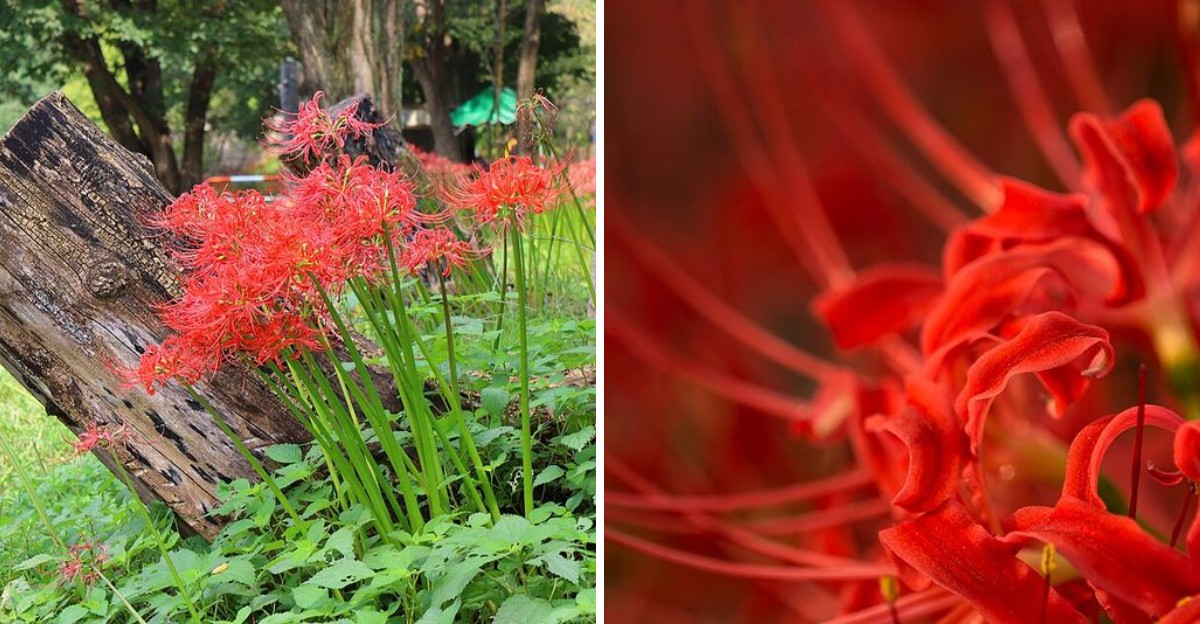
Overnight, that bare patch outside your door turned into a stage. Stalks shot up thick and fast, without a single leaf showing. Louisiana soil quietly hides a secret bulb sitting under your feet.
Rain triggers it, and cooler night air confirms what you feel. You will watch bold color unfold from bare stems within days. Blooms arrive fast in front of you, impossible to ignore.
Old fence lines and forgotten cemeteries across Louisiana still flaunt this trick. Grandmothers planted these bulbs decades ago, and they still perform reliably. Neighbors slow their cars down just to stare at your walk.
Nobody warns you how fast this transformation actually happens. Your soil has quietly been plotting this for weeks now. Timing matters more than you might realize, and it moves quickly.
Understanding exactly what triggers this bloom changes how you garden. One glimpse and you cannot look away from what comes next.
The Bulb Behind The Magic Trick
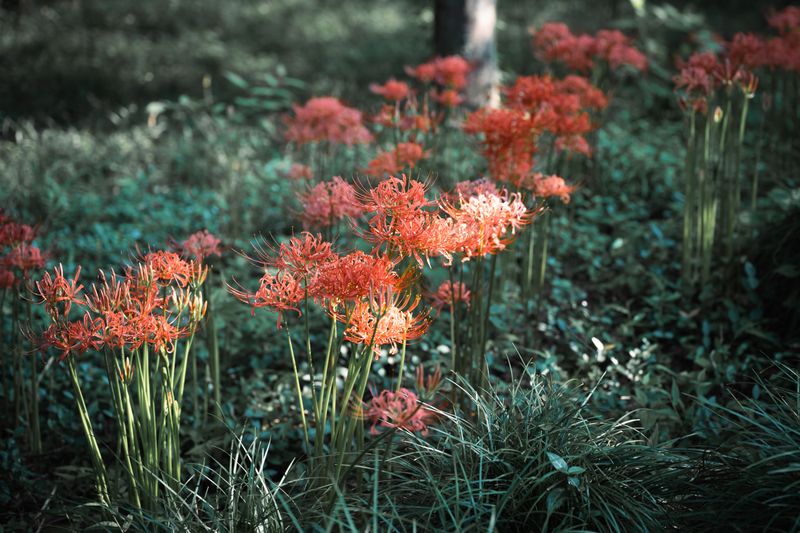
Gardeners in south Louisiana have a nickname for this plant that sums it up perfectly: the surprise lily. Lycoris radiata sits underground all summer doing what looks like absolutely no work.
Then the first real September rain soaks the soil and the temperature drops a few degrees at night. That combination flips a switch inside the bulb, and a smooth stem pushes up fast, often gaining several inches within a day or two.
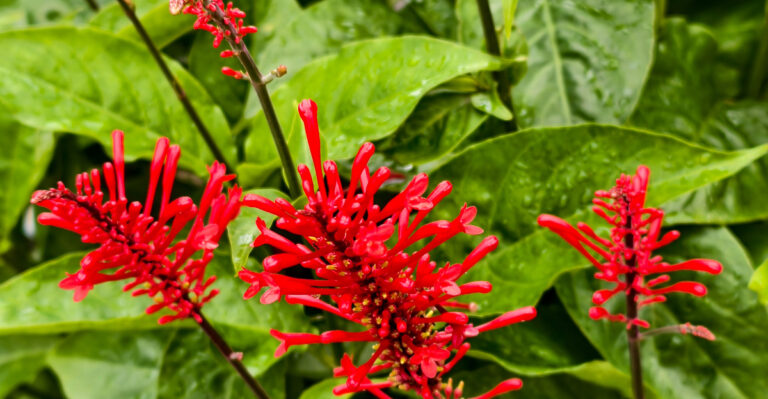
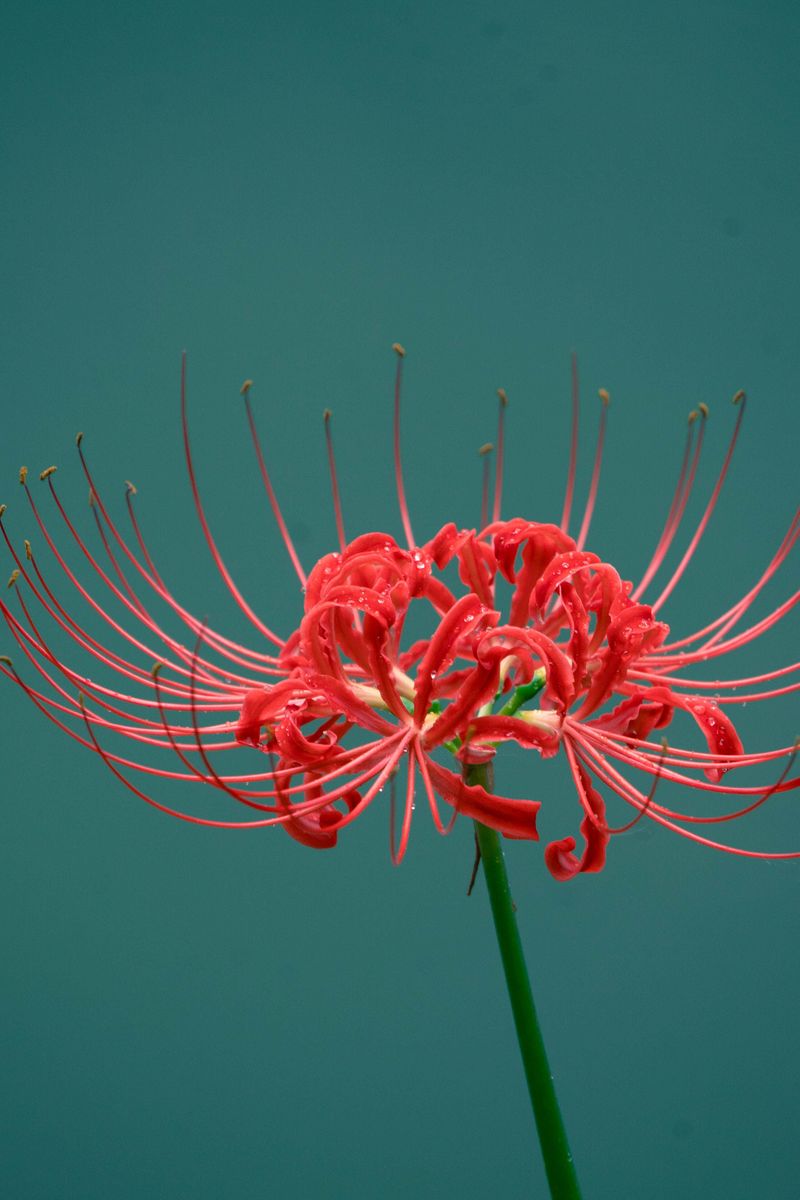
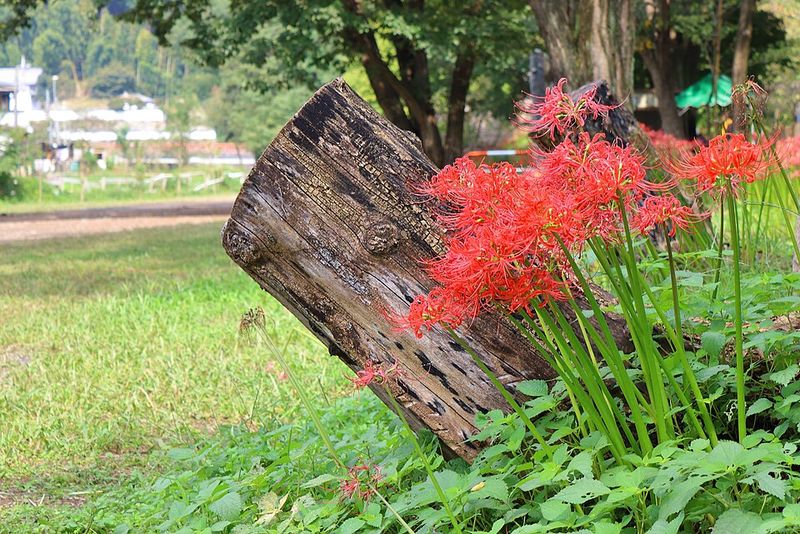
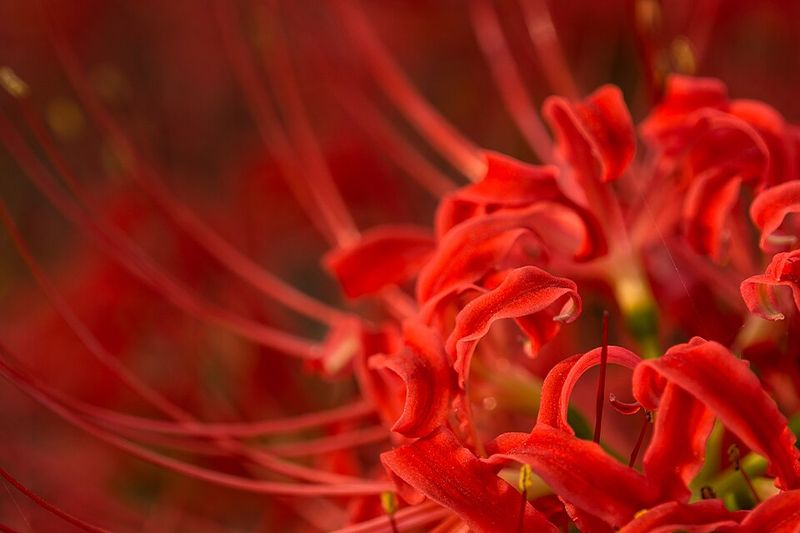
The flower opens into a cluster of curled red petals with long, whiskery stamens arching out like fireworks frozen mid-air. Because there are no leaves at bloom time, folks started calling it the naked lady, a name that still makes visiting relatives laugh.
Here is the part that surprises new growers. The leaves show up later, in mid to late fall, and they stay green straight through winter while the rest of the yard naps.
Those strappy leaves soak up sunlight for months, store energy in the bulb, then fade away by late spring. That stored energy is exactly what fuels next September’s show.
Bulbs reportedly arrived in the American South in 1854, after a naval officer returning from Japan carried home just a few, which were planted by a relative in North Carolina. They naturalized so well along the Gulf Coast that many people assume they are native.
Understanding this backward schedule changes how you treat the plant. Once you know the leaves matter more than the flowers, everything else about caring for them starts to make sense.
Why September Rain Flips The Switch
Rain does the talking here. After a long stretch of Louisiana heat, the ground bakes hard and those bulbs sit tight, waiting for a signal that conditions have shifted.
A soaking storm changes soil moisture and, just as importantly, cools the upper few inches of earth. That small temperature drop combined with water is the cue the bulb has been holding out for.
Scientists call this kind of timed response a dormancy break. Gardeners call it the reason their yard looked plain on Tuesday and looked like a parade on Friday.
Your Louisiana Garden Changes Every Week. Your Plan Should Too.
Gardening in Louisiana changes quickly throughout the season. Every Friday you’ll receive a simple weekly plan showing exactly what to plant, prune, fertilize, harvest, and protect so you never miss the right timing.
The speed is notably fast. Flower stalks can grow noticeably within a day or two, and a whole colony tends to bloom within the same week because they all felt the same rain.
You can nudge the process along during a dry September. A deep watering, roughly an inch spread over the bed, often brings stems up within a week or so.
Skip the light daily sprinkle, though. Shallow watering wets the mulch and not much else, and the bulbs sitting four to six inches down stay unconvinced.
Blooms last around one to two weeks, a little longer when afternoons stay mild and storms hold off. Heavy downpours during peak bloom can flatten stems, so a few bamboo stakes tucked beside tall clumps help them stand tall.
Once the color fades, leave the stalk until it softens on its own. That last bit of green still feeds the bulb below.
Picking A Spot They Will Actually Love
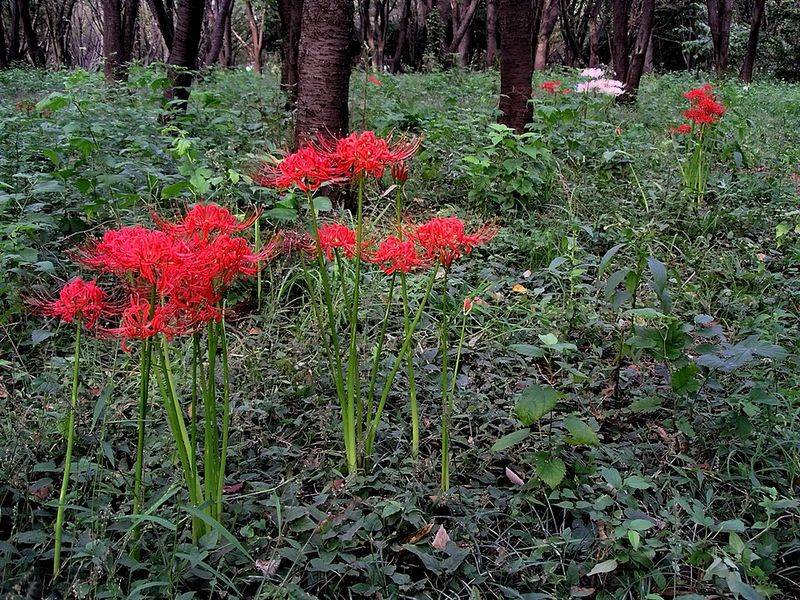
Think about where you have seen the biggest clumps around town. Usually it is along an old fence line, under a live oak, or hugging the edge of a driveway that nobody has touched in decades.
That tells you something useful. These bulbs prefer spots where they can be left alone, with dappled shade to about half a day of sun.
Full blazing afternoon sun works in cooler parts of the state, but along the Gulf the flowers hold their color longer with some light shade. Morning sun paired with afternoon protection hits the sweet spot.
Drainage matters more than soil richness. Bulbs sitting in soggy clay through summer tend to sulk, so raised beds or gently sloped ground give better results.
If your yard holds water, mix in a few inches of compost and coarse sand to loosen things up before planting. A bed that drains in an hour after a storm is a good target.
Placement deserves a little planning too. Since the stems arrive bare, pair them with low groundcovers like liriope, ajuga, or dwarf mondo grass that hide the empty soil.
Avoid tucking them behind tall shrubs where the short stalks disappear. Front edges of beds, along walkways, and around mailboxes let the blooms do their job.
One more tip from old Louisiana gardens: plant them where you will see them from a window. Half the fun is catching the stems the morning they appear.
Planting Depth And Timing That Pay Off

Get the depth wrong and you may wait two or three seasons for flowers. Get it right and the bulbs settle in quickly.
Lycoris radiata likes a shallow home compared to tulips or daffodils. Set the bulb so the pointed neck sits just at or barely under the soil surface, with only an inch of cover over the top.
Space them four to six inches apart in groups of seven or more. Odd-numbered clusters look more natural than tidy rows, and a drift of fifteen to twenty bulbs makes a real statement.
Late summer through early fall is prime planting time in Louisiana, which means right now is fair game. Bulbs planted in September may skip blooming that first year while they build roots, then reward you the following season.
Freshly planted bulbs appreciate one good watering, then benign neglect. Constant moisture invites soft rot, especially in heavy soil.
Dividing established clumps follows the same rules. Wait until the foliage fades in late spring, lift the cluster with a spading fork, gently separate the bulbs, and replant right away so they do not dry out.
Clumps often need dividing somewhere between every three and five years, or whenever flowering drops off while the leaves still look healthy.
Label the spot with a small marker. Since the bed looks empty for months, a stray shovel has ended many a spider lily colony.
Winter Leaves Are Doing The Heavy Lifting
Come November, thin dark green straps appear where the flowers stood. Plenty of folks mistake them for weeds or stray monkey grass and mow right over them.
That is one of the most common mistakes with this plant. Those leaves are the solar panels that recharge the bulb for next year’s flower show.
Each leaf has a pale stripe down the center and lies fairly flat, forming a low green tuft about a foot across. They shrug off Louisiana cold snaps without much fuss.
Let them grow through winter and into spring without trimming. When they yellow and flop in April or May, that is your signal the bulb finished storing energy.
At that point you can rake away the spent foliage or simply let it break down into the bed. Either approach works fine.
A light feeding helps during the leafy stretch. A balanced slow-release fertilizer applied once in late fall, or a scattering of bone meal, supports bulb growth without pushing floppy leaves.
Skip heavy nitrogen lawn fertilizer near the clumps. It encourages foliage at the expense of flower buds. Mulch lightly, about an inch, and keep it pulled back from the bulb necks. Thick mulch piled on top can smother the emerging stems in September.
Treat winter as the growing season for this plant and the rest takes care of itself. Skimping on leaf care is the usual reason a clump stops blooming.
Troubleshooting A Clump That Stays Quiet
Many gardeners eventually run into a stubborn patch. Neighbors have blooms up and down the street while your bed sits there looking unbothered.
Start with depth. Bulbs buried too deep, often from mulch piling up year after year, put energy into reaching the surface instead of flowering.
Scrape back the excess and check that the necks sit near the top of the soil. Many quiet clumps perk up the next season after this one fix.
Recently moved bulbs also take a break. Transplanting shock can pause blooming for one to two years, which is normal and not a sign of trouble.
Too much shade is another common culprit. Trees grow, shade deepens, and a spot that was bright ten years ago may now be dim, so lifting and relocating in late spring often solves it.
Watch for soft, mushy bulbs when you dig. That points to poor drainage, and raising the bed a few inches usually turns things around.
Good news on the critter front: the bulbs contain compounds that deer and squirrels find unappealing, which is part of why old colonies survive untended for decades.
Keep them away from areas where pets dig, since the bulbs are not meant to be eaten by people or animals.
Patience counts for a lot here. Give a struggling clump one full leaf season with decent light and drainage, and September usually brings the answer you were hoping for.