Your Coneflowers Have Leaves But Few Flowers? Here’s Why
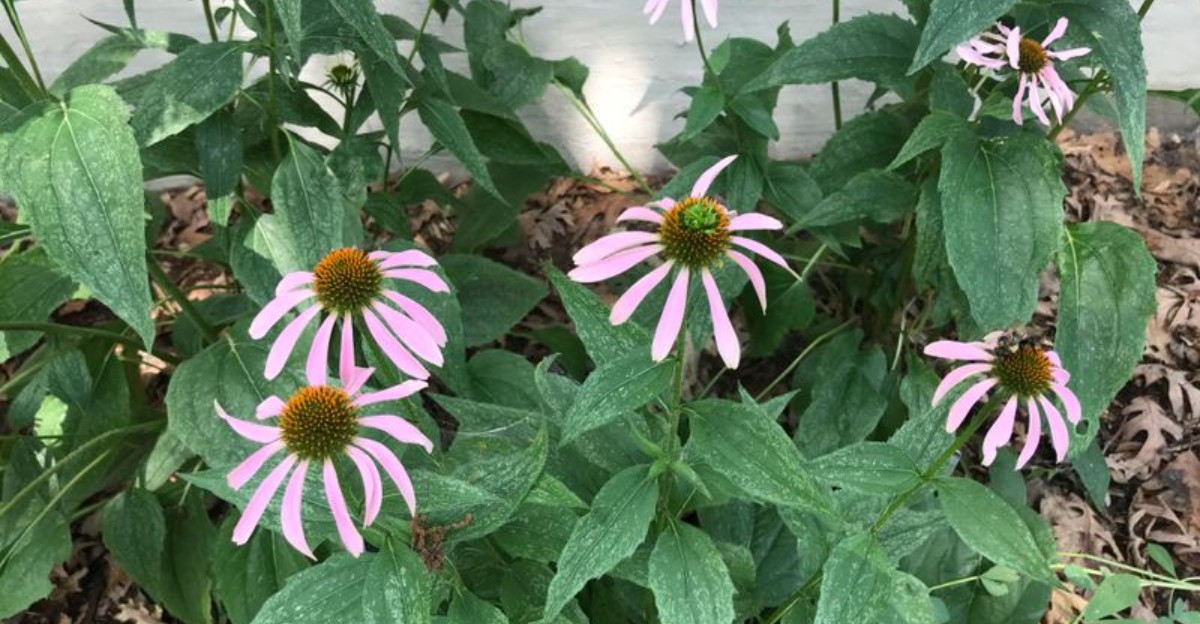
You planted them with big dreams of bold, daisy-shaped color spilling across the garden all summer long. What you got instead was a very healthy, very leafy green pile that refuses to bloom.
Leaves everywhere, buds nowhere, and neighbors asking politely what exactly you are growing back there. Plants rarely skip flowers for no reason, and the clues are usually hiding in plain sight.
Sometimes the problem sits underground, sometimes it hangs in the air, and sometimes it is you. Small habits, hopeful shortcuts, and one generous scoop of the wrong stuff can quietly cancel the show.
Leafy failures are fixable, and most gardeners repeat the same handful of mistakes. Your garden is not stubborn, it is just loudly growing salad instead of the fireworks you ordered.
1. Too Little Sunlight Is Limiting Your Flower Buds
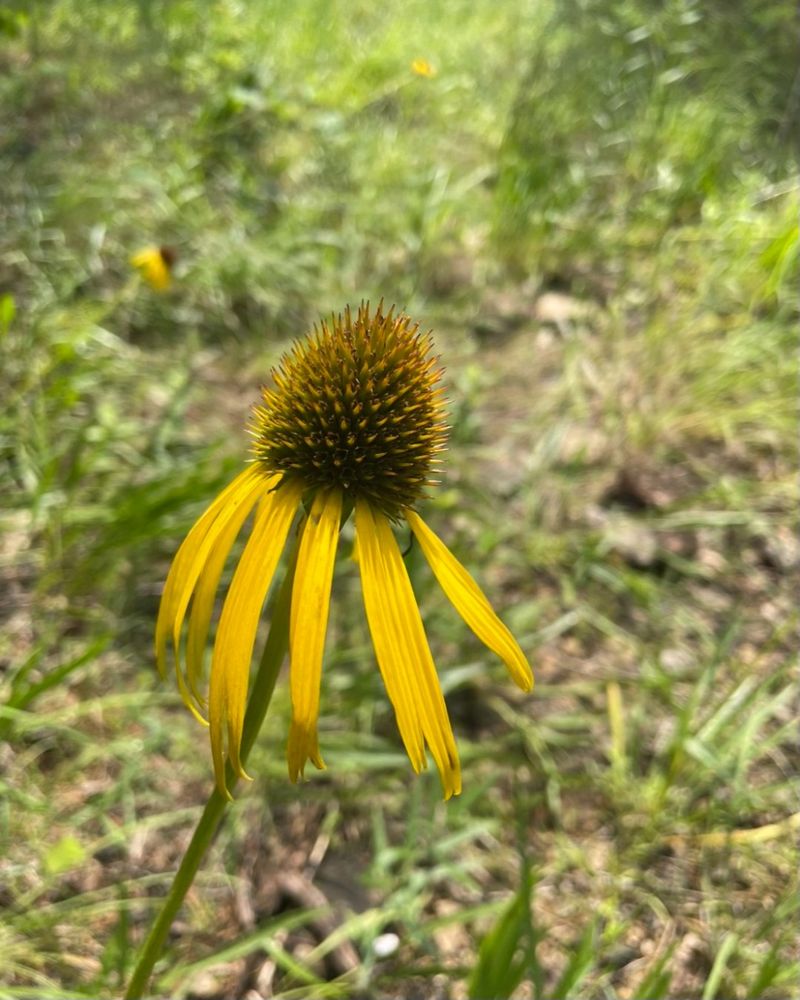
Prairie soil and blazing sunshine shaped these plants long before they landed in tidy suburban flower beds. Shade feels merciful to gardeners, but it quietly cuts the fuel supply that flowers need.
Six hours of direct sun is the bare minimum here, and eight hours is much better. Anything less and the plant spends its energy stretching pale leaves toward brighter patches instead.
Watch the bed for a full day and write down when sunlight actually touches it. Trees grow, fences appear, and a spot that was sunny five years ago may not be.
Morning sun counts, though strong afternoon light usually produces sturdier stems and larger flower heads. Plants near trees also compete with greedy roots that grab moisture before it ever reaches them.
Moving a clump is easier than most people expect, and early spring is the friendliest window. Dig wide, keep a generous root ball, and water steadily for about three weeks.
Thinning a few nearby branches can add two hours of light without removing a beloved tree. One pruned limb sometimes flips a sulking patch back into full bloom mode by August.
Tall neighbors matter too, since a row of sunflowers can shade shorter plants by July. Give every clump elbow room on its southern side whenever your garden layout allows it.
Expect improvement the same season if you transplant early, or next summer if you wait. Sunlight is the cheapest fertilizer around, and it does not show up on a garden receipt.
2. Excess Nitrogen Fertilizer Is Fueling Leaves Over Flowers
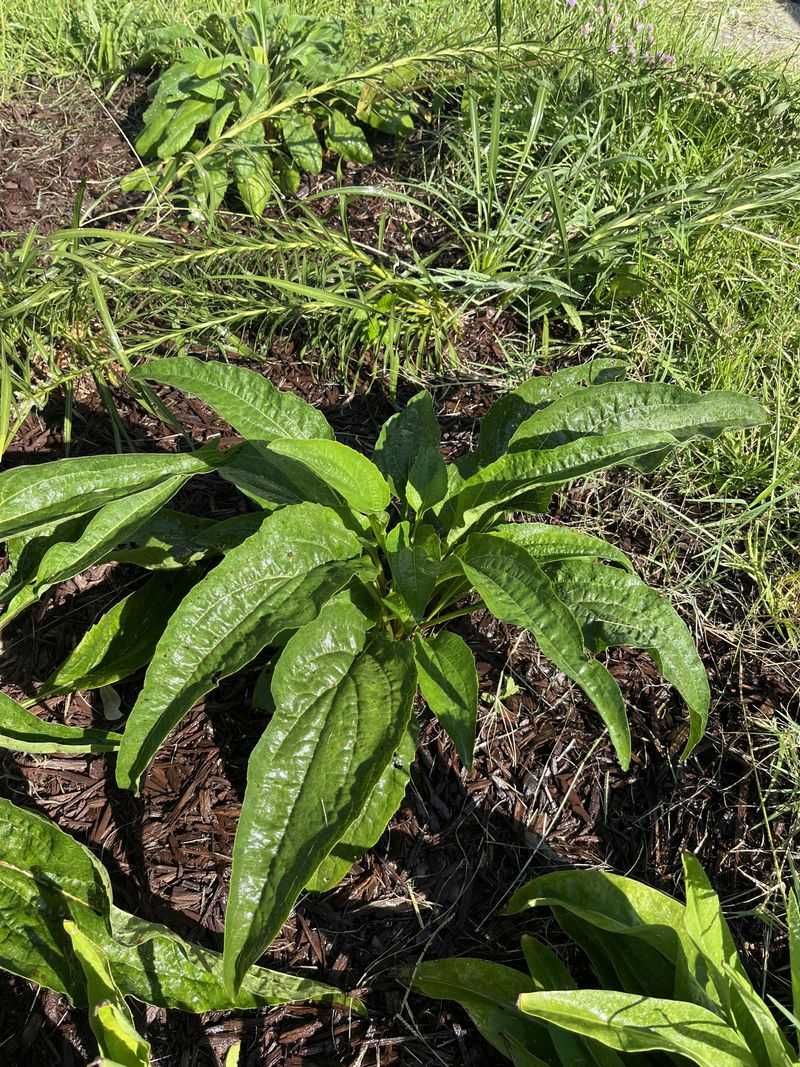
Here is the classic garden irony: kindness with the fertilizer bag can erase your flowers. Nitrogen tells plants to build leaves, stems, and even more leaves, and they obey happily.
Lawn food is the usual suspect, especially when stray granules drift into nearby flower beds. Those big first numbers on the bag scream growth, but they rarely deliver blooms.
Check the three numbers printed on every fertilizer label before you scatter anything around plants. A blend like 5-10-10 supports flowering far better than a leafy 30-0-4 lawn product.
Rich compost and manure help soil, though piling them on yearly can overload the bed. Coneflowers actually prefer lean, average ground, which feels wrong to generous gardeners nearly everywhere.
Skip feeding for one full season and watch what the plant does on its own. Many gardeners see fresh buds within weeks once the nitrogen buffet finally shuts down.
Keep lawn spreaders at least three feet from beds, and sweep stray granules off mulch. Rain moves nutrients sideways, so a sloped yard can feed flowers you did not intend to feed.
Bone meal or a bloom-focused fertilizer adds phosphorus, which supports bud formation instead of foliage. Use it sparingly in spring, because more is not better with any plant food.
A simple soil test costs little and removes the guessing from this frustrating situation. Your extension office will happily tell you the truth your leafy plants already announced.
Patience helps here. Soil nitrogen fades over a season or two without any extra feeding.
3. An Overcrowded Clump Is Competing For Water And Light
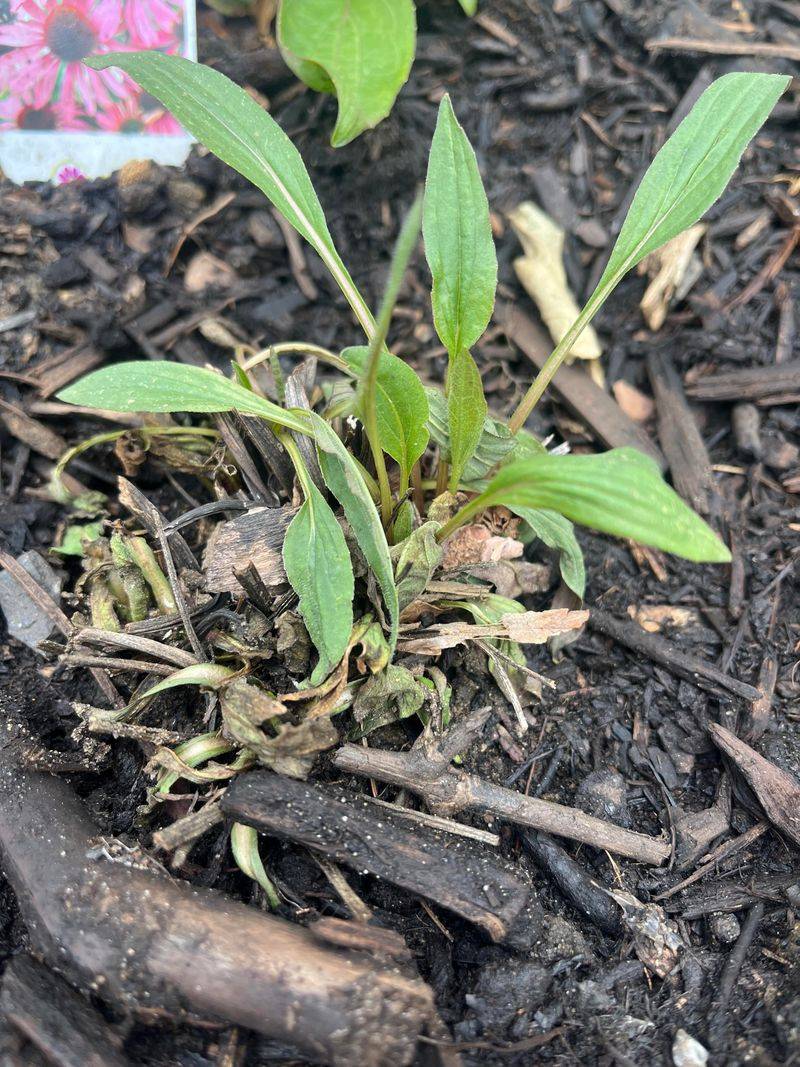
Coneflowers spread slowly but surely, and after four or five years the center gets crowded. Stems crammed together compete for water, nutrients, and every scrap of sunlight.
Crowded clumps often show a bald middle with healthy growth ringing the outside edge. That doughnut shape is the plant politely asking for a division.
Dividing sounds scary, though it takes maybe twenty minutes with a sharp spade. Early spring, when new growth reaches a few inches tall, works best in most yards.
Lift the whole clump, then slice it into sections with three or four healthy shoots. Toss the woody, tired center and replant the vigorous outer pieces elsewhere.
Space new divisions eighteen to twenty-four inches apart so air moves freely between them. Crowding also encourages powdery mildew, which steals energy that buds desperately need.
Water the transplants well for a month, then leave them alone to settle in. Blooms may pause briefly that first summer, but the following year usually rewards everyone.
Neighboring plants count as competition too, especially aggressive spreaders like mint or bee balm. Roots you cannot see may be quietly draining the moisture around your flowers.
Free plants are the happy bonus, since every division becomes a gift for someone. Gardening friends rarely refuse a bucket of roots handed over the back fence.
Mark your calendar for every third or fourth spring as a simple maintenance habit. Future you will appreciate the reminder far more than a note scribbled somewhere.
4. A Young Plant Is Building Roots Before Blooms
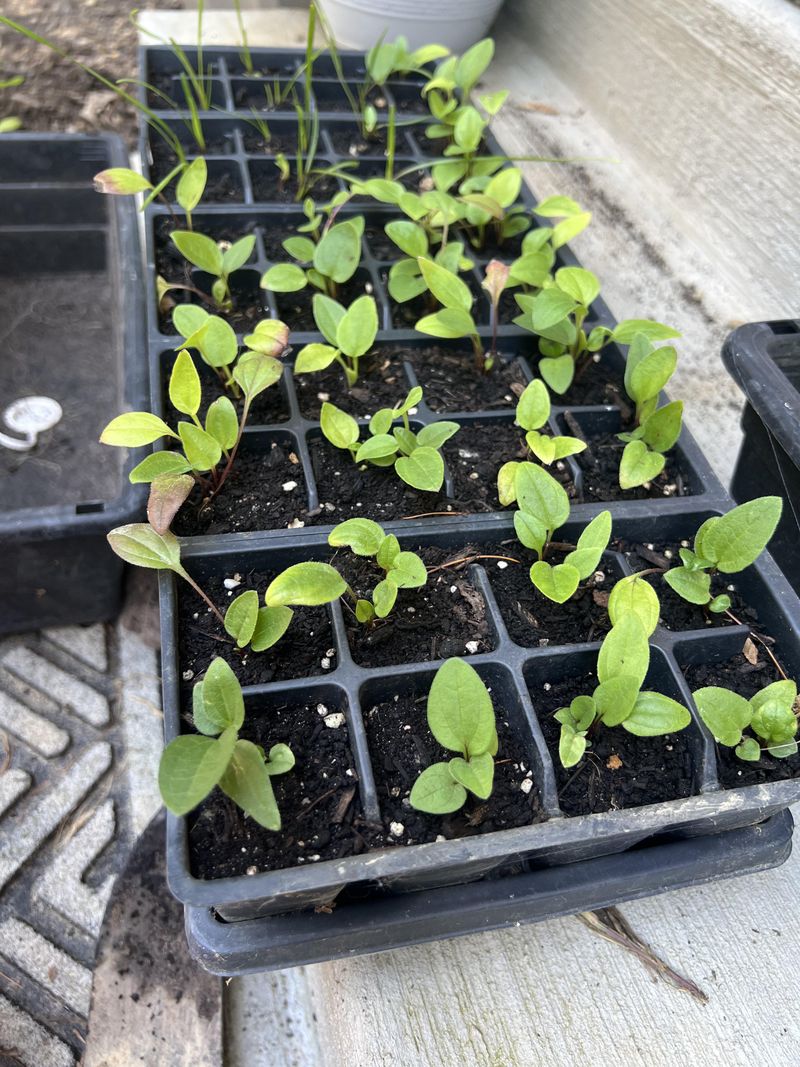
First-year plants have one job, and flowering sits low on their private priority list. Roots come first, because underground anchors decide whether the plant survives its first winter.
Nursery plants often arrive blooming, then sulk the following spring with leaves only. That pause is normal and does not mean you did anything wrong at all.
Gardeners repeat an old saying about perennials: sleep, creep, then leap. Year one settles in, year two spreads out, and year three finally shows off.
Seed-grown coneflowers take even longer, sometimes waiting two full seasons before the first bud. Patience feels expensive, though seeds cost pennies compared with gallon-sized nursery pots.
Help young plants by watering deeply once a week rather than sprinkling daily. Deep drinks push roots downward, which builds the foundation that future flowers depend on.
Skip heavy fertilizer during that first season and add a thin layer of compost instead. Mulch keeps moisture steady, but keep it a few inches away from the crown.
Pinching off early blooms on brand-new transplants redirects energy straight into root growth. The sacrifice stings for a week, then pays you back generously next July.
Label your planting dates somewhere reliable, because memory blurs after two busy summers. A plant marker saves you from blaming an innocent perennial that is simply young.
Give the plant three seasons before you judge it harshly or dig it out. Most gardeners who wait end up glad they resisted the urge to replace things.
5. Aster Yellows Disease Is Twisting Every Flower Bud
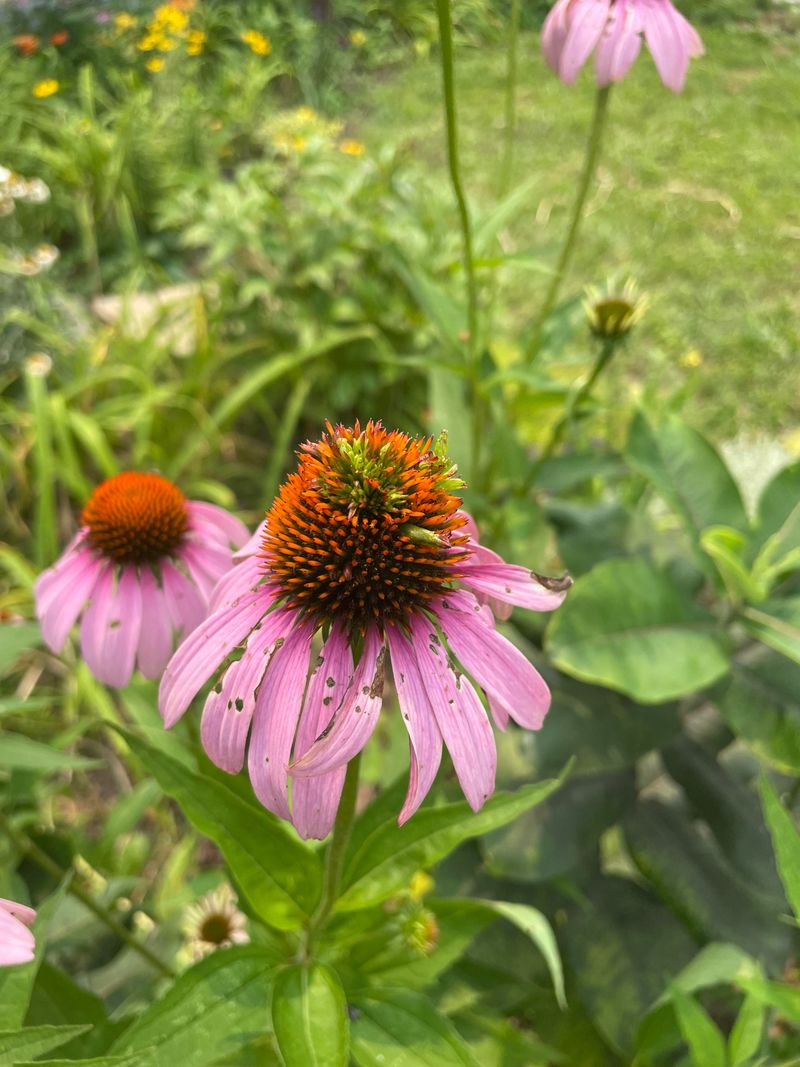
Something looks wrong and you cannot name it: green, leafy tufts sprouting from flower centers. Aster yellows is the culprit, and it turns blooms into strange little green monsters.
A bacteria-like organism called a phytoplasma causes it, spread by tiny insects named leafhoppers. They feed on sap, then carry the infection from plant to plant across your yard.
Symptoms include warped petals, sickly yellow-green color, and weird secondary blooms shooting from cone tops. Stems may twist strangely, and the whole plant looks like a science experiment.
No spray, tonic, or trick cures an infected plant, which is the frustrating part. Removing affected plants promptly protects the healthy ones growing nearby.
Dig out the entire plant, roots included, and bag it for the trash. Leaving it composting in the yard simply invites leafhoppers back for another round.
Control weeds like dandelion and thistle, since they host the same infection quietly. A tidy border edge reduces the leafhopper hangout spots around your flower beds.
Floating row covers protect young plants during heavy leafhopper seasons in late spring. Beneficial insects help too, so avoid broad sprays that wipe out your allies.
Aster yellows infects more than three hundred plant species, including carrots and lettuce. Check the vegetable patch if your flower border starts showing those odd green tufts.
Catching it early keeps the problem small and your remaining clumps blooming normally. One removed plant beats losing an entire border to a stubborn traveling infection.
6. Mistimed Cutting Back Is Removing Forming Flower Buds
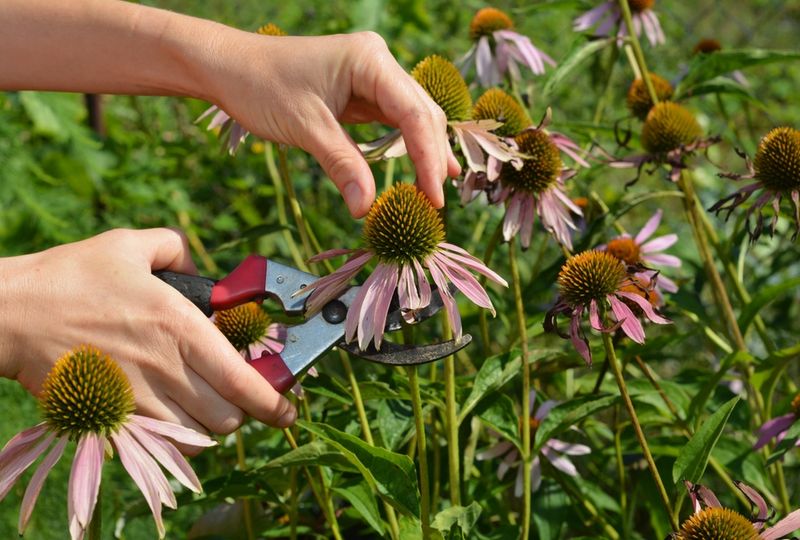
Enthusiastic tidying can backfire, especially when shears come out in late spring or early summer. Buds form earlier than most people realize, hiding inside those innocent-looking green shoots.
Cutting stems back in June removes the exact growth that was about to bloom. The plant regrows leaves, spends its energy, and shows up late or not at all.
The famous Chelsea chop trims perennials in late May to create shorter, bushier plants. Done too late or too hard, it postpones flowering well past your patience.
Trimming faded blooms during flowering season is different and genuinely helps produce another round. Snip finished flowers back to a leaf or side bud, not to the ground.
Leave some seed heads standing in fall, because goldfinches treat them like a diner. Winter stems also shelter native bees, and they look striking under a dusting of snow.
Cut old stems down in early spring, before new basal growth reaches four inches. Waiting later means slicing off fresh shoots you actually wanted to keep.
Rabbits and deer perform their own unwanted pruning, usually overnight and without permission. Chewed stems look like scissor cuts, so inspect for clean angled bites near ground level.
Keep a note of what you trimmed and when, then compare bloom timing next year. Garden memory is short, but a phone photo tells the story perfectly.
One thoughtful cut beats five nervous ones across an entire summer season. Shears are useful tools, though they make terrible decisions on their own.
7. Soggy Or Compacted Soil Is Stressing The Roots
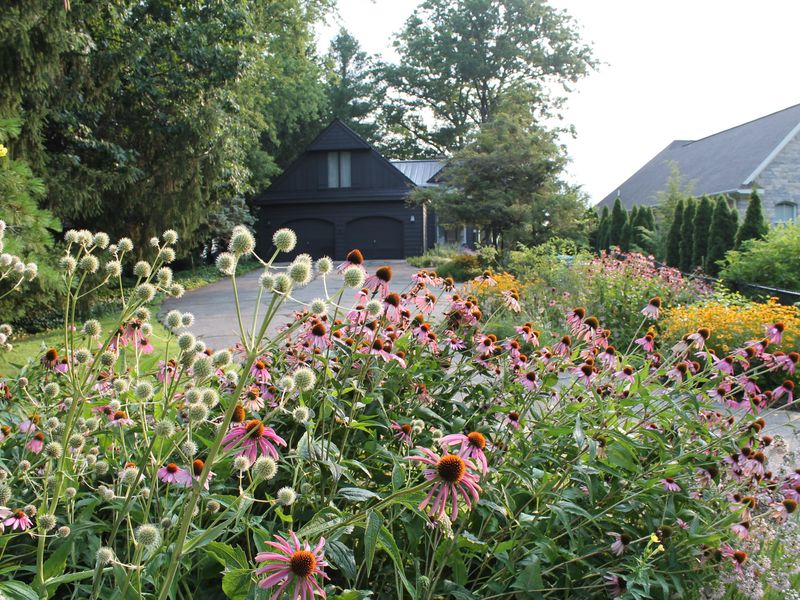
Prairie natives hate wet feet, and heavy clay holds water like a cereal bowl. Roots sitting in soggy ground cannot breathe, so the plant survives without ever thriving.
Drooping leaves confuse people because they look thirsty, even when soil stays constantly damp. Push a finger three inches down into the soil before reaching for the hose again.
Compacted soil creates the same trouble, since roots cannot push through concrete-like ground. Foot traffic, construction, and heavy mowers squeeze out the air pockets roots need.
Improve drainage by working compost into the top eight inches before planting anything. Raised beds and gentle mounds also lift crowns above lingering puddles after storms.
Watch the bed during a heavy rain and note where water sits for hours. Those low spots deserve different plants, or a quick regrade with extra soil.
Mulch helps, though piling it against stems traps moisture and invites crown rot. Two inches spread evenly is plenty, and keep a donut of space around each crown.
Established plants handle drought remarkably well, which surprises gardeners used to thirsty hybrids. Weekly deep watering during dry spells beats daily light sprinkling every single time.
Overwatering is the most common mistake with these prairie plants in home landscapes. Ignoring them slightly is practically a care instruction, which suits busy people fine.
Fix the soil once and you solve several problems at the same time. Healthy roots eventually produce the flowers that stubborn watering habits kept hiding.
8. Japanese Beetle Damage Is Erasing New Flower Buds
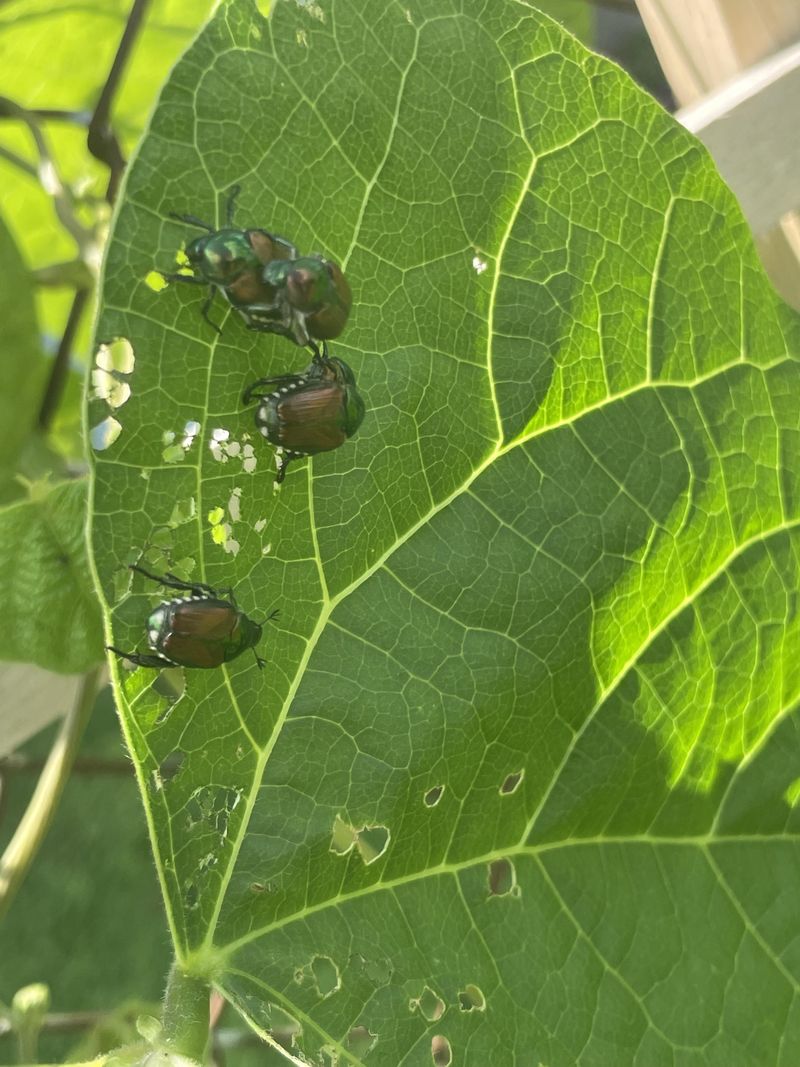
Metallic green beetles arrive in early July, and they eat like they skipped breakfast. Japanese beetles chew petals, buds, and leaves until the plant looks strangely lacy.
Damaged buds often fail to open, so you see stems topped with ragged stubs. Their feeding also releases scents that call even more beetles to the same plant.
Hand-picking early in the morning works better than any spray sold at the store. Knock them into soapy water while they are cold, slow, and easy to catch.
Skip pheromone traps, because research shows they attract more beetles than they capture. Your neighbor two houses down may thank you for that decision someday.
Earwigs, aphids, and thrips also damage buds, though the pattern looks quite different. Thrips cause distorted, streaky flowers, while aphids cluster along stems in sticky colonies.
A firm spray of water knocks aphids off and invites ladybugs to finish the job. Insecticidal soap handles heavy infestations without harming most beneficial visitors nearby.
Healthy soil and proper spacing make plants tougher, which reduces how much pests bother them. Stressed plants send chemical signals that pests read like a neon restaurant sign.
Beetle season lasts roughly six weeks, so patience carries you through the worst part. Later blooms often open untouched once the metallic crowd finally moves along.
Planting a few extra clumps spreads the damage and guarantees some flowers survive. Sharing with insects is annoying, though the garden usually keeps enough for you.