These 10 Bright Orange Flowers Thrive In Florida Gardens And Are Perfect To Plant In March
March is the perfect month to add a splash of color to Florida gardens, and bright orange flowers do it effortlessly.
These blooms stand out in the sun, attract pollinators, and bring life to patios, flower beds, and even container gardens. Hardy and low-maintenance, they handle Florida’s heat while creating vibrant, cheerful spaces that brighten any yard.
Planting now gives them time to establish roots and bloom throughout the season. Gardeners can mix and match varieties for texture, height, and movement, creating a dynamic outdoor display.
With just a little planning and care, these flowers transform ordinary gardens into lively, sun-soaked spaces that invite attention and admiration.
1. Butterfly Weed Ignites The Garden With Fiery Glow
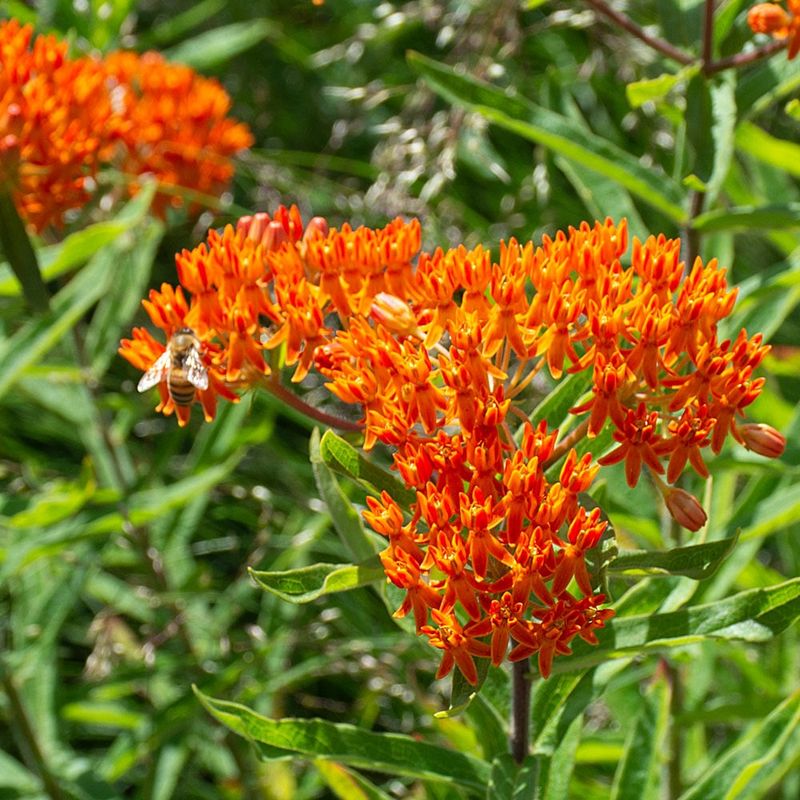
Florida’s native butterfly weed produces clusters of brilliant orange flowers that look like tiny flames dancing above slender green foliage. This wildflower belongs to the milkweed family and serves as an essential host plant for monarch butterflies, making it both beautiful and ecologically valuable.
March planting allows the roots to develop during spring’s moderate temperatures, preparing the plant for summer blooming.
Butterfly weed thrives best in full sun in North and Central Florida; in humid South Florida it requires excellent drainage and may be short-lived. It adapts to various soil types but performs best in well-drained sandy or rocky ground that mimics its native habitat.
Once established, this tough perennial tolerates drought exceptionally well, requiring minimal watering even during dry spells.
The flower clusters appear from late spring through fall, attracting butterflies and bees, with occasional visits from hummingbirds. Each plant grows 1 to 3 feet tall with a natural upright form that needs no staking.
North and Central Florida gardeners appreciate its cold tolerance, while South Florida residents enjoy nearly year-round foliage.
Planting in March gives butterfly weed the moisture and warmth it needs for strong establishment. Space plants 12 to 18 inches apart in borders, wildflower meadows, or butterfly gardens where their fiery orange blooms create unforgettable displays against green landscapes.
2. Scarlet Sage Adds Warm Citrus Tones
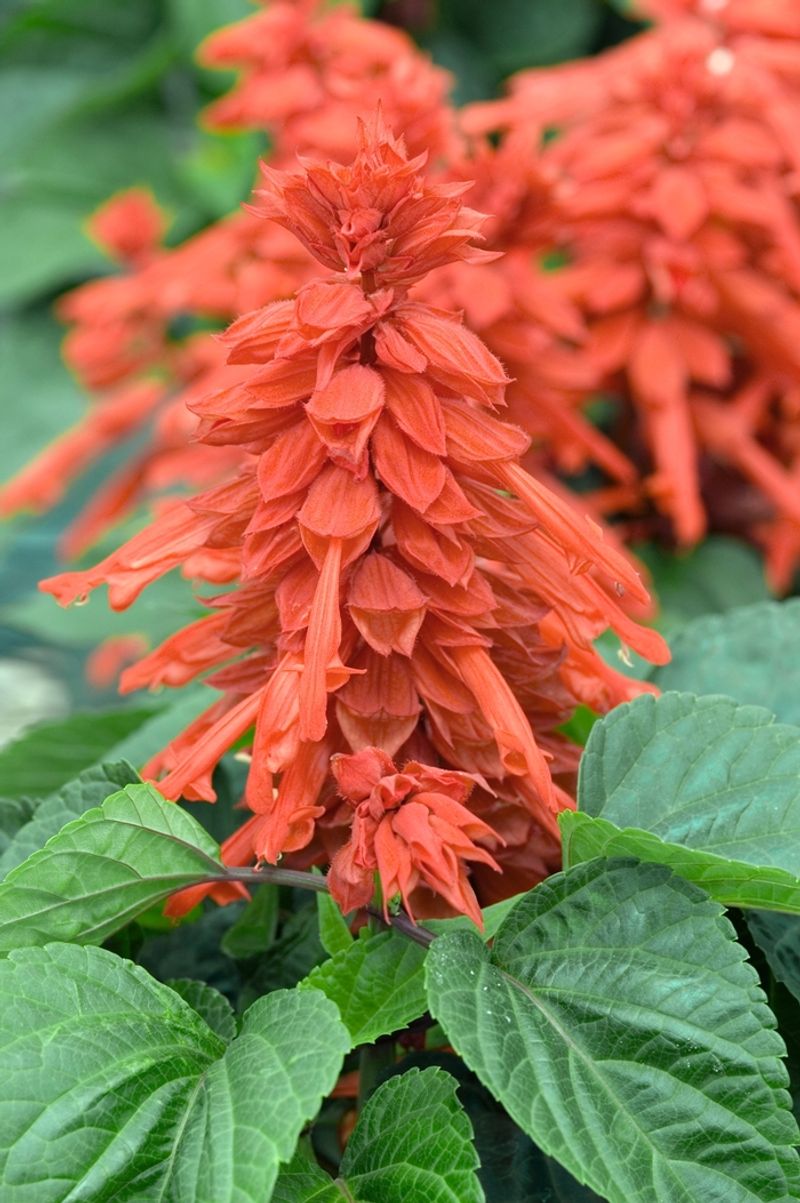
Tall spikes of tubular orange blooms make scarlet sage a hummingbird magnet that performs beautifully throughout Florida’s warm climate. While the native red form is most common, orange selections are available and offer a warmer, citrus-toned alternative.
March plantings establish quickly, sending up flower spikes by late spring that continue through fall and mild winters.
This adaptable perennial grows 2 to 4 feet tall and spreads moderately, creating bushy clumps that fill garden spaces with color and texture. Full sun to partial shade suits scarlet sage well, though flowering is heaviest with at least six hours of direct sunlight daily.
It tolerates Florida’s sandy soils and humidity without complaint.
Central and South Florida gardeners enjoy scarlet sage as a nearly evergreen perennial that blooms almost constantly in warm weather. North Florida residents may see foliage fade during cold snaps, but plants typically rebound quickly when temperatures warm.
Regular deadheading encourages continuous blooming, though self-seeding provides volunteer plants in subsequent seasons.
Water needs are moderate once established, making scarlet sage suitable for water-wise landscapes. The tubular flowers attract hummingbirds reliably, while butterflies and bees visit frequently.
Plant in mixed borders, cottage gardens, or wildlife-friendly landscapes where the orange spikes add vertical interest and motion to your garden design.
3. Cosmos Brings Bright Sunshine Blooms
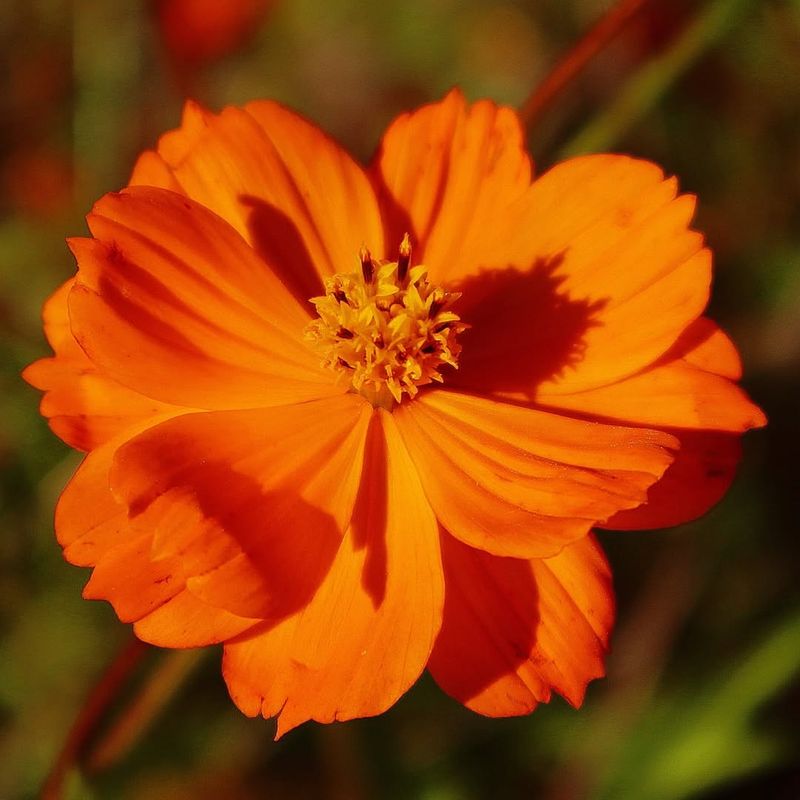
Delicate, daisy-like flowers in brilliant orange shades dance on tall, airy stems that sway gracefully in Florida breezes. Cosmos offers cottage garden charm with minimal effort, making it ideal for beginning gardeners and busy homeowners alike.
These annuals grow quickly from seed or transplants, with March plantings blooming within weeks, though flowering often declines during Florida’s hot, humid summer.
Orange cosmos varieties typically reach 2 to 4 feet tall with fine, feathery foliage that creates a soft backdrop for the bold blooms. Full sun locations produce the most flowers, though cosmos tolerates light afternoon shade in hotter regions.
Well-drained soil is essential, but these adaptable plants don’t require rich, amended ground to thrive.
North and Central Florida gardeners enjoy cosmos from spring through early summer, with a possible fall rebloom when temperatures cool. South Florida residents can plant cosmos during the cooler months for best performance.
The flowers attract butterflies and beneficial insects while making excellent cut flowers for indoor arrangements.
Water regularly during establishment, then reduce frequency as plants mature and develop drought tolerance. Deadheading spent blooms encourages continued flowering and prevents excessive self-seeding.
Plant cosmos in masses for dramatic color impact, or mix them into vegetable gardens where they attract pollinators and add beauty between edible crops.
4. Mexican Sunflower Sets The Garden On Fire
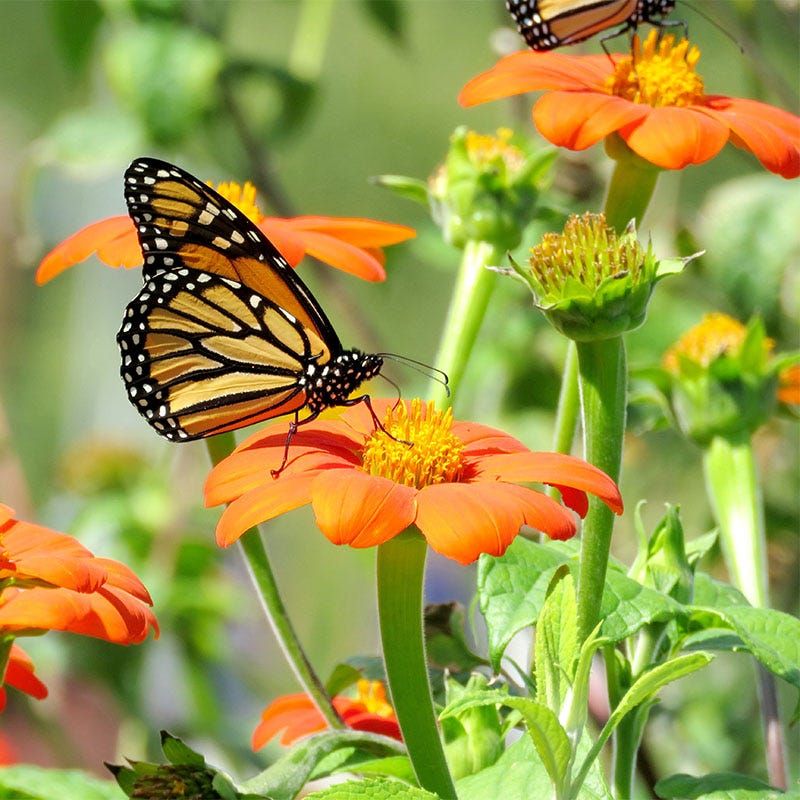
Bold, blazing blooms the size of saucers make Mexican sunflower one of the most dramatic orange flowers for Florida gardens. These robust annuals grow rapidly, often reaching 4 to 6 feet tall with sturdy stems that support masses of fiery orange flowers.
March sowings establish before heat intensifies, producing plants that bloom prolifically from late spring through fall.
Mexican sunflowers demand full sun and thrive in Florida’s heat and humidity better than many other annuals. They tolerate poor, dry soils once established, though moderate watering and decent drainage produce the best results.
The large, velvety leaves create substantial foliage that fills garden spaces quickly.
Butterflies, especially monarchs and swallowtails, visit Mexican sunflower blooms constantly, making these plants essential for pollinator gardens. Hummingbirds also frequent the nectar-rich flowers throughout the day.
Mexican sunflowers grow well in Florida, though they can become large and self-seed aggressively if not managed.
Space plants 2 to 3 feet apart to accommodate their substantial size and spread. Use Mexican sunflowers as background plants in borders, as living screens for privacy, or in cutting gardens where their long-lasting blooms shine in arrangements.
Pinching young plants encourages bushier growth, while allowing them to grow naturally creates tall, dramatic specimens that command attention from across the yard.
5. Zinnias Keep Bold Blooms Coming
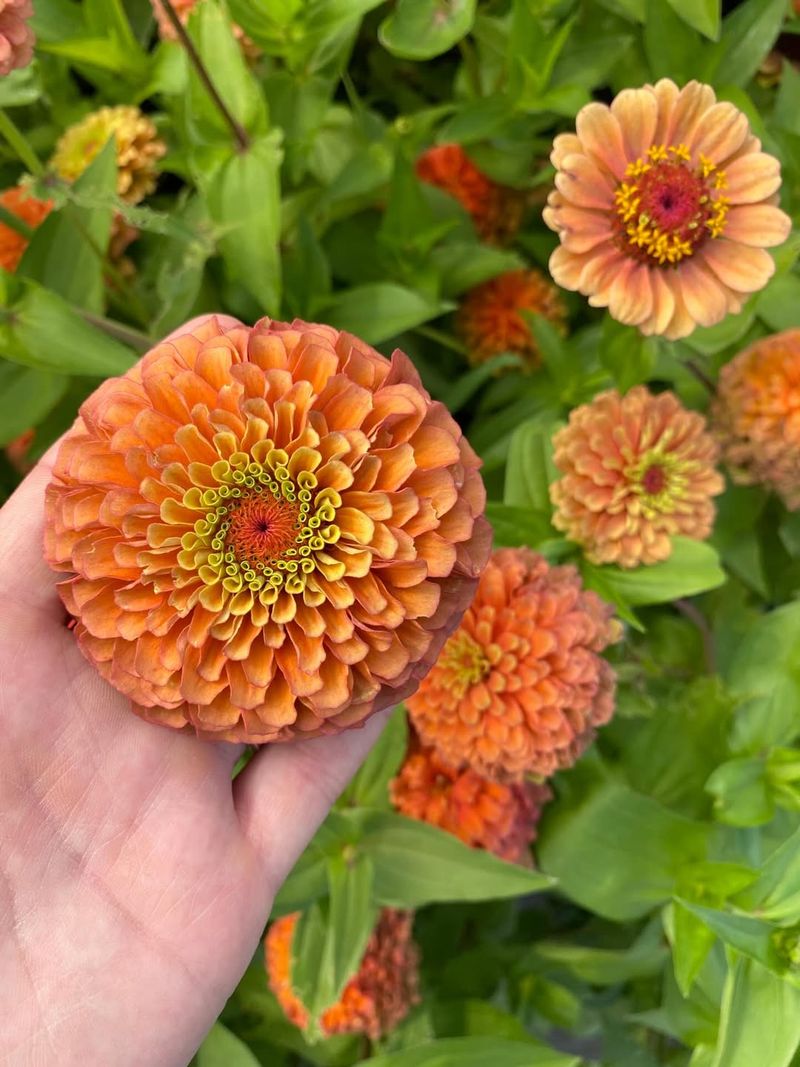
Few flowers deliver as much color for as little effort as zinnias, and orange varieties bring particularly vibrant energy to Florida landscapes. These annuals bloom heavily in spring and fall, though flowering often declines in Florida’s hot, humid summer due to disease and heat stress.
Available in sizes from compact 6-inch plants to towering 3-foot specimens, zinnias fit every garden design.
Full sun and well-drained soil create ideal conditions for zinnia success across all Florida regions. They tolerate heat remarkably well and actually bloom more profusely during warm weather.
North Florida gardeners enjoy zinnias from spring through frost, while Central and South Florida residents can grow them during cooler months when many other annuals struggle.
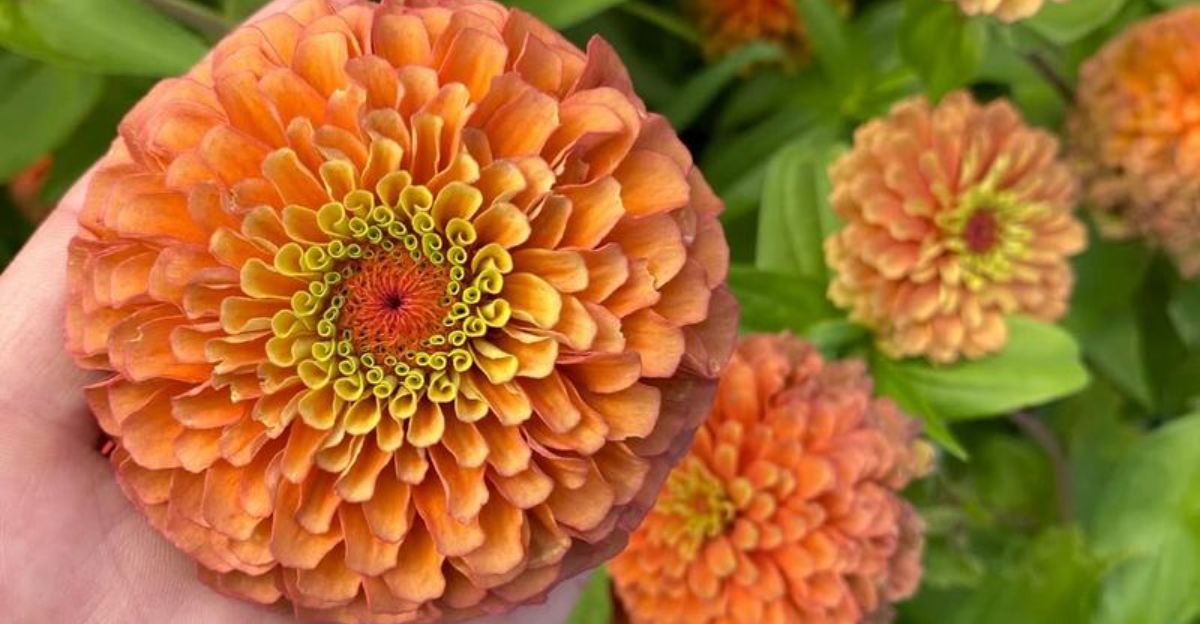
Orange zinnias range from soft peachy tones to intense tangerine shades, with flower forms including single daisies, double pompoms, and cactus-flowered types. Butterflies visit zinnias constantly, and the flowers make outstanding cut stems that last over a week in arrangements.
Choosing mildew-resistant varieties helps plants stay healthy during Florida’s humid summers.
Water at soil level rather than overhead to minimize disease issues, and space plants adequately for good air circulation. Deadheading spent blooms encourages continuous flowering and keeps plants looking tidy.
Plant zinnias in masses for bold color impact, mix them into vegetable gardens as companions, or use them in containers where their cheerful blooms brighten patios and entryways.
6. Marigolds Deliver Classic Cheerful Color
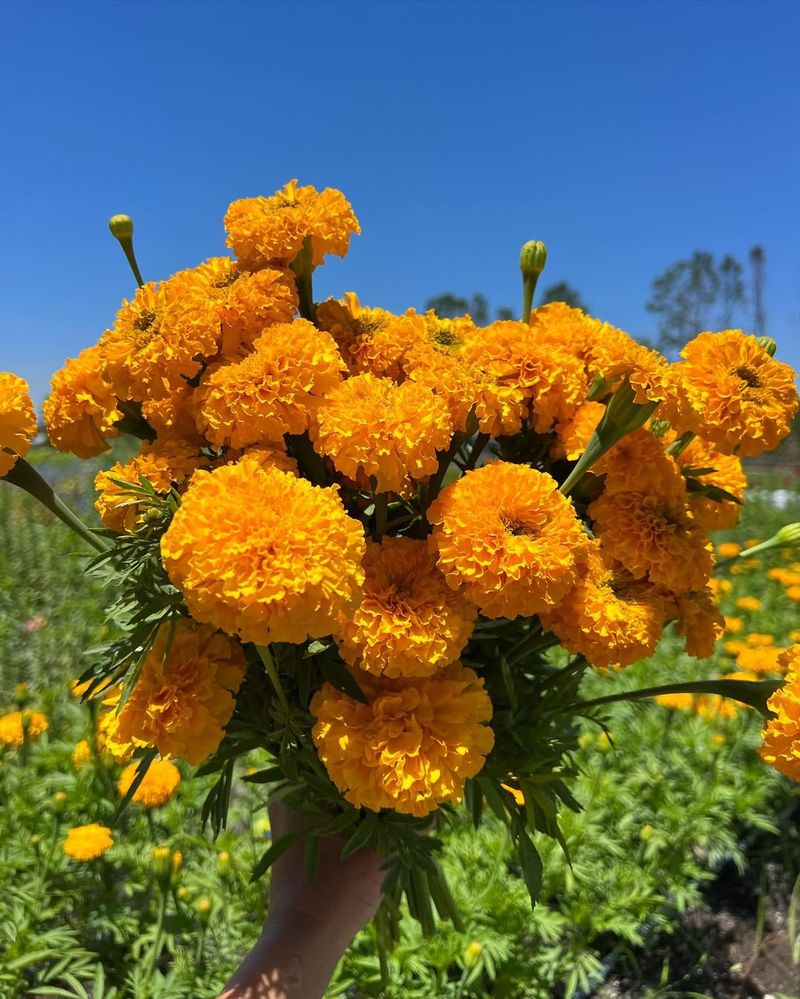
Dependable, easy, and endlessly cheerful, marigolds have earned their place as Florida garden favorites through decades of reliable performance. Orange varieties range from soft apricot to deep burnt orange, with flower sizes from dainty singles to large, fully double pompoms.
March plantings establish before heat peaks, though French marigolds tolerate summer heat better than African types, which may decline in hot, humid conditions.
Marigolds thrive in full sun across all Florida regions, tolerating heat, humidity, and occasional drought once their roots develop. They adapt to various soil types but prefer well-drained ground that doesn’t stay soggy.
Compact French marigolds grow 6 to 12 inches tall, while African types reach 18 to 36 inches, offering options for every landscape need.
The distinctive marigold scent deters some garden pests, making these flowers popular companions in vegetable gardens. Their bright blooms may attract some butterflies and beneficial insects while adding constant color to borders, containers, and mass plantings.
North and Central Florida gardeners enjoy marigolds from spring through fall, while South Florida residents plant them during cooler months for best results.
Water regularly during establishment, then reduce frequency as plants mature. Deadheading keeps plants blooming heavily and prevents energy waste on seed production.
Use marigolds as edging plants along walkways, mix them into annual beds, or plant them in containers where their compact growth and continuous color create long-lasting displays.
7. Crossandra Glows In Warm Shade
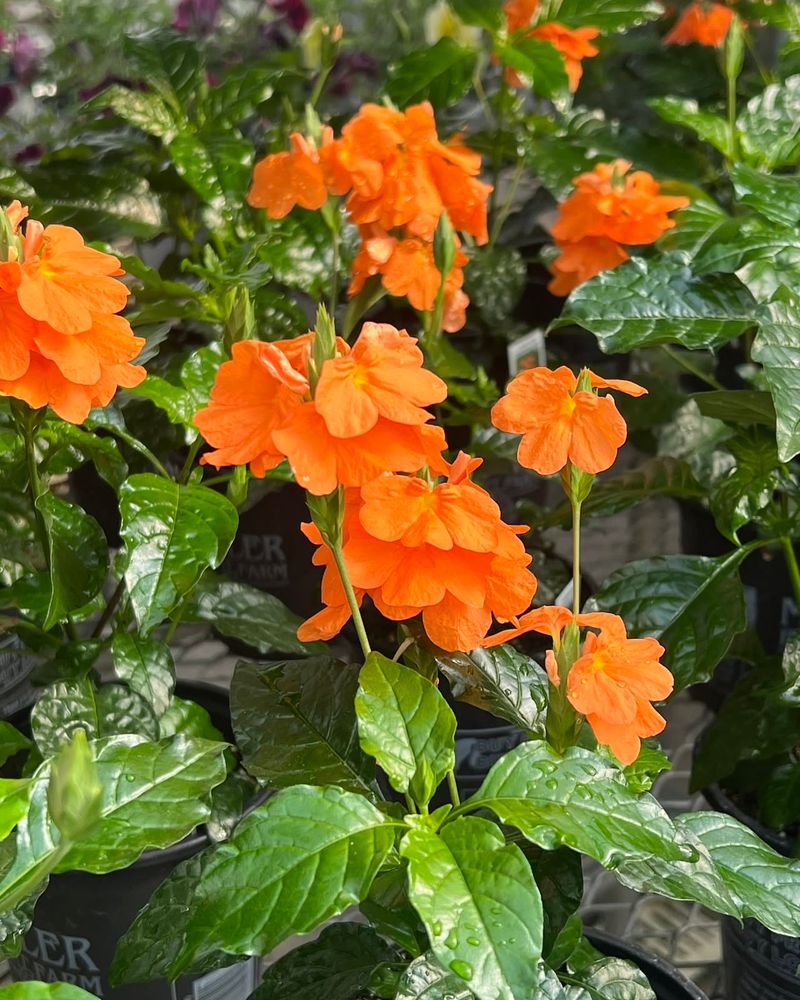
Glossy, dark green foliage topped with clusters of bright orange tubular flowers makes crossandra a shade garden treasure in Florida landscapes. This tropical perennial thrives where many orange flowers struggle, bringing vibrant color to areas receiving filtered light or morning sun with afternoon shade.
March plantings establish during spring’s moderate conditions, preparing plants to bloom heavily throughout warm months.
Crossandra performs best in Central and South Florida, where warm temperatures and humidity create ideal conditions. North Florida gardeners can grow crossandra in protected locations or treat it as a warm-season annual.
Partial shade suits this plant perfectly, though it tolerates more sun in cooler regions if given adequate moisture.
The flower spikes appear continuously from spring through fall, with peak blooming during warm weather. Each plant grows 1 to 3 feet tall with a naturally compact, mounded form that needs no pruning or shaping.
Butterflies and hummingbirds visit the nectar-rich blooms regularly, adding wildlife interest to shaded garden areas.
Well-drained soil produces the healthiest plants, and consistent moisture keeps crossandra blooming heavily; adding organic matter can improve growth but is not required. Mulching helps maintain even soil moisture and moderate temperatures around roots.
Use crossandra under trees, along shaded walkways, in woodland gardens, or mixed with ferns and other shade lovers where its glowing orange flowers brighten dim spaces beautifully.
8. Canna Lilies Create A Tropical Statement
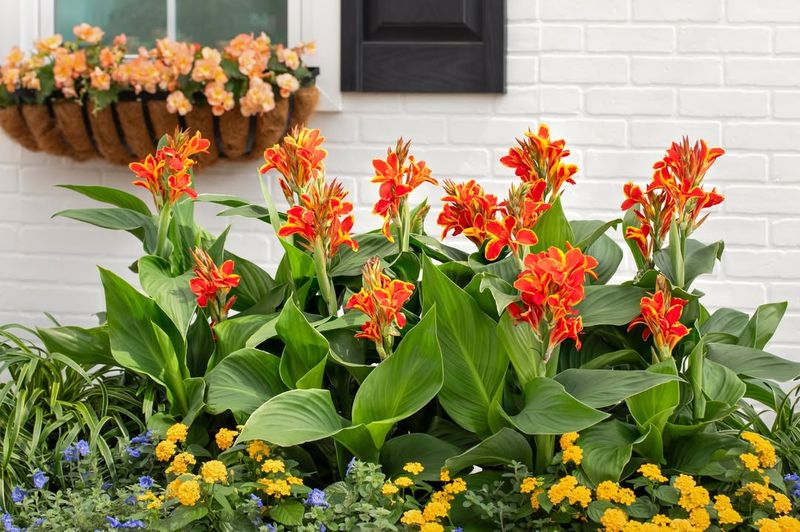
Massive tropical foliage and towering spikes of bright orange flowers make canna lilies bold focal points in Florida gardens. These dramatic perennials grow from rhizomes that multiply over time, creating expanding clumps that fill spaces with lush, exotic beauty.
Planting rhizomes in March allows them to establish and begin blooming by late spring or early summer, continuing through fall.
Cannas thrive in full sun to partial shade throughout Florida, performing best with at least six hours of daily sunlight. They tolerate wet soils better than most flowering plants, making them excellent choices for low spots, pond edges, or rain gardens.
Heights range from compact 2-foot varieties to towering 6-foot specimens that create living screens.
Orange canna varieties offer shades from soft peachy tones to intense tangerine and burnt orange hues. Some feature contrasting bronze or burgundy foliage that enhances the flower color dramatically.
All Florida regions support canna growth, with South Florida enjoying nearly year-round foliage and North Florida seeing plants return reliably each spring.
Water cannas regularly for best performance, especially during establishment and active growth periods. They benefit from light fertilization every 4–6 weeks during the growing season.
Remove spent flower spikes to encourage continued blooming. Use cannas as background plants, property line screens, or dramatic container specimens where their bold scale and tropical appearance transform ordinary landscapes into exotic retreats.
9. Gerbera Daisies Pop With Bright Color
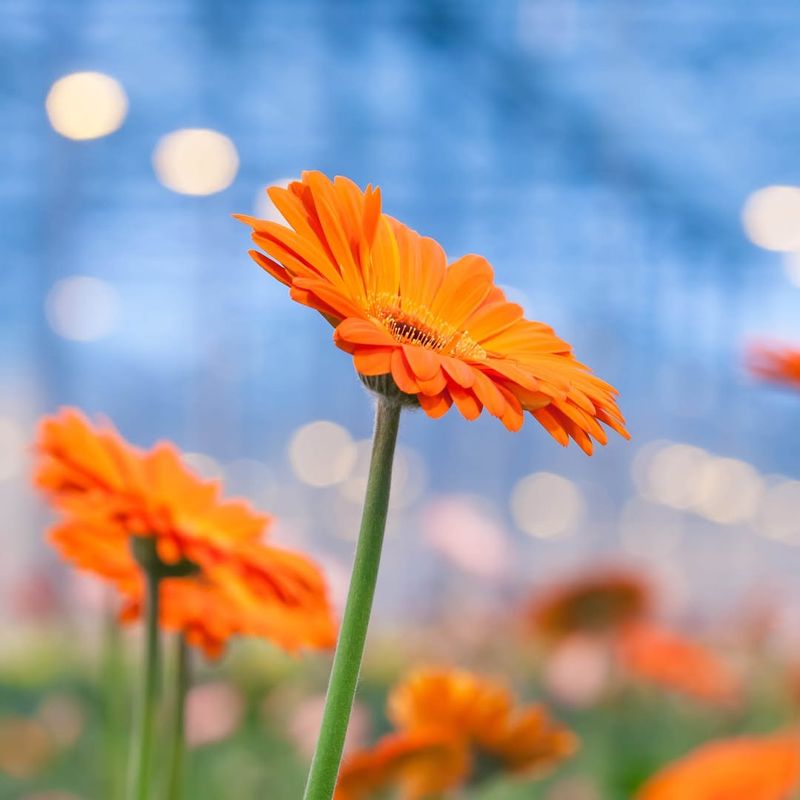
Large, cheerful daisy flowers in brilliant orange shades bring instant happiness to Florida gardens and containers. Gerbera daisies produce blooms 3 to 5 inches across on sturdy stems that rise above attractive rosettes of dark green foliage.
March plantings establish during pleasant spring weather, though in Florida gerberas bloom best in cooler months and often decline during hot, humid summer.
These tender perennials prefer bright, indirect light or morning sun with afternoon shade in Florida’s climate. Full sun can stress plants during intense summer heat, particularly in Central and South Florida.
Well-drained soil is absolutely essential, as gerberas quickly develop crown rot in soggy conditions. Raised beds or containers often provide better drainage than in-ground plantings.
Orange gerbera varieties range from soft sherbet tones to deep, saturated shades that coordinate beautifully with other warm-colored flowers. The blooms make outstanding cut flowers, lasting up to two weeks in arrangements.
North Florida gardeners may treat gerberas as cool-season annuals, while Central and South Florida residents can maintain them as perennials with careful attention to drainage and placement.
Water at the soil level, avoiding the crown and foliage to prevent disease problems. Remove spent flowers regularly to encourage continuous blooming and maintain tidy appearance.
Gerberas excel in containers where drainage can be controlled, along borders in well-drained beds, or as patio plants where their cheerful blooms brighten outdoor living spaces with sustained color.
10. Bulbine Thrives In Heat And Sun
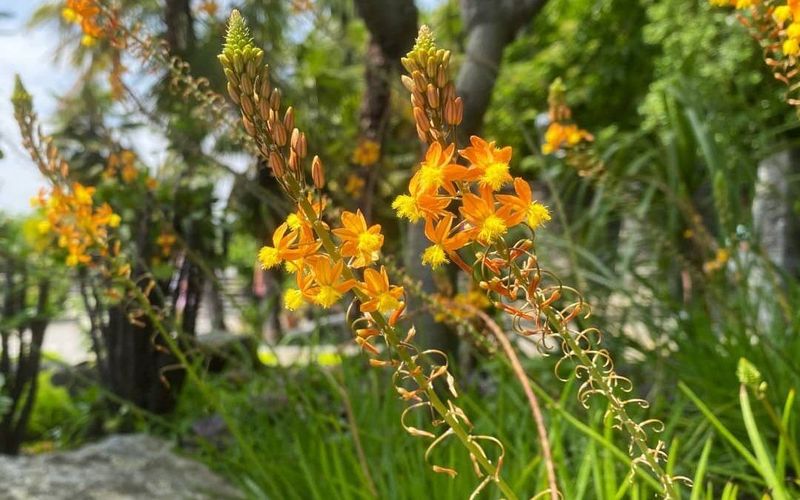
Spikes of small, star-shaped orange flowers rise continuously above succulent-like foliage, making bulbine a waterwise wonder for Florida’s hottest, driest garden spots. This perennial adapts well to Florida’s climate, blooming most heavily in spring and fall, with flowering slowing during extreme heat or cool weather.
March plantings establish quickly, often blooming within weeks and continuing reliably with minimal attention.
Bulbine demands full sun and excellent drainage, thriving in sandy soils that challenge many other flowering plants. It tolerates drought exceptionally well once established, requiring watering only during extended dry periods.
The plants grow 12 to 18 inches tall with narrow, fleshy leaves that form attractive evergreen clumps even when not blooming.
Central and South Florida provide ideal conditions for bulbine as a permanent landscape perennial. North Florida gardeners can grow it in protected locations or enjoy it as a warm-season performer.
The flowers attract butterflies and bees while the foliage remains deer-resistant, solving multiple landscape challenges simultaneously.
Plant bulbine in rock gardens, xeriscapes, or any location where water conservation matters. It performs beautifully in containers, along sunny borders, or as a groundcover in areas too hot and dry for traditional options.
The bright orange flowers appear on tall spikes that create vertical interest, while the low foliage fills spaces between other plants efficiently and attractively throughout the year.