These 8 California Garden Plants Help Keep Deer And Rabbits Away
Deer and rabbits are cute until they’re not. One morning you walk outside to find your carefully tended garden beds stripped overnight, and suddenly the wildlife appreciation disappears pretty fast.
California gardeners in suburban edges, foothill communities, and rural areas deal with this constantly, and the usual solutions, fencing, repellent sprays, decoys, require ongoing effort and money with mixed results. Plants are a quieter, longer-lasting answer.
Certain varieties are naturally unappealing to deer and rabbits because of their texture, scent, or taste, and strategically placing them around the garden creates a buffer that works around the clock without any intervention.
The beauty of this approach is that you’re not sacrificing aesthetics for protection.
Many of the most deer and rabbit resistant plants are genuinely stunning, pulling serious visual weight in the garden while quietly doing the unglamorous job of keeping browsers moving along to someone else’s yard.
Functional and beautiful is a combination worth building around.
1. White Sage
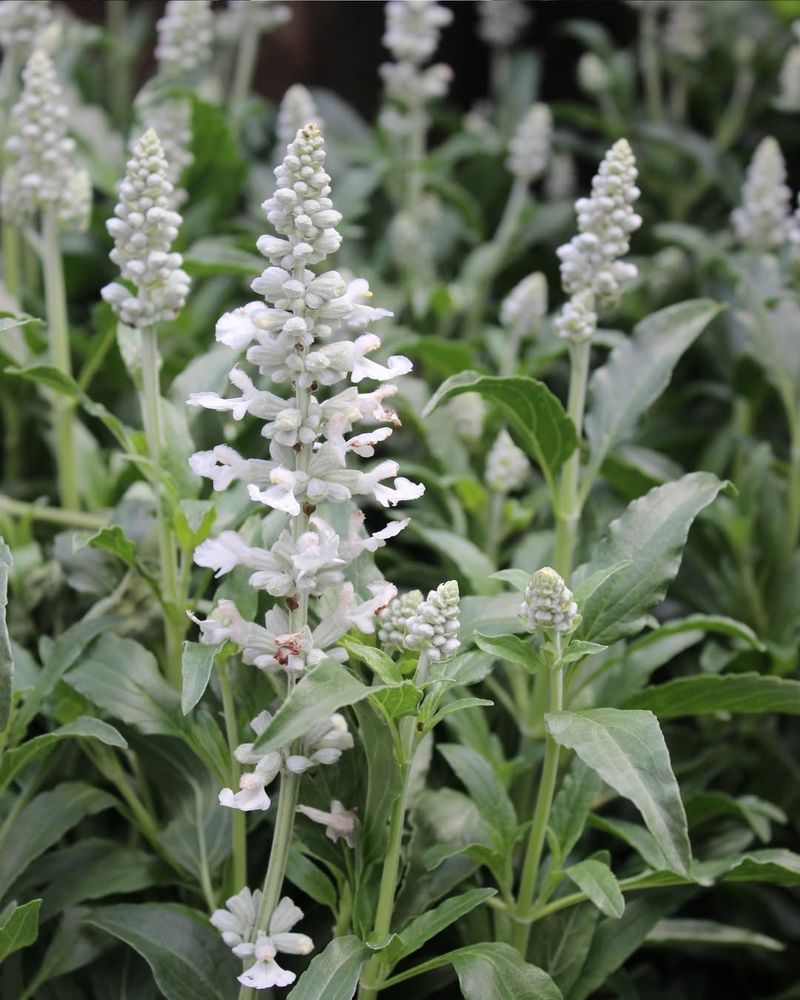
Few plants in California carry as much character as white sage. Known scientifically as Salvia apiana, this plant has been valued by Native Californians for centuries, both as a ceremonial herb and a practical one.
Its thick, silvery-white leaves release a powerful, pungent aroma that most people find pleasant but deer and rabbits strongly dislike.
The scent alone is usually enough to make browsing animals turn around and look elsewhere. White sage thrives in the dry, sunny conditions that are so common across Southern California and other parts of the state.
Once established, it needs very little water, making it an excellent choice for low-maintenance gardens.
Plant it along the edges of your garden beds or near entry points where animals tend to wander in. It grows into a full, rounded shrub that also attracts bees and hummingbirds.
That means you get pest deterrence and pollinator support at the same time. The tall white flower spikes that bloom in late spring add a lovely visual element to any California landscape.
It is both practical and beautiful.
2. Black Sage
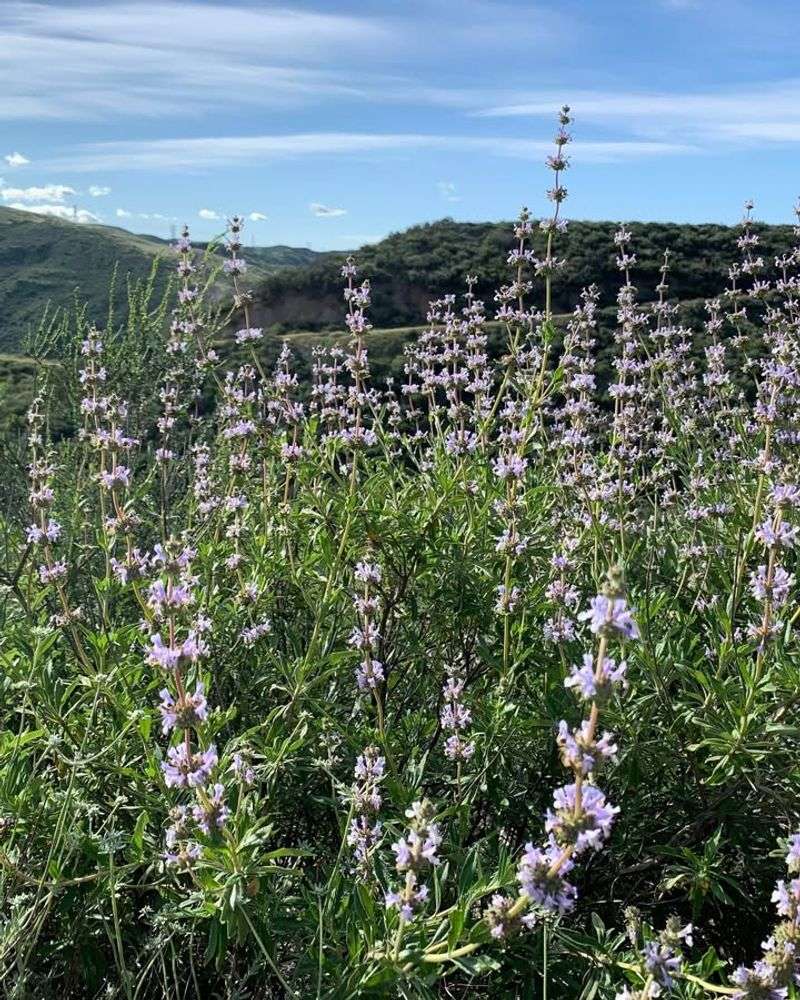
Walk through any California chaparral on a warm afternoon, and you will likely catch a whiff of black sage before you even see it. Salvia mellifera has a sharp, medicinal scent that is unmistakable.
That same strong fragrance is exactly what makes deer and rabbits want nothing to do with it.
Black sage is a tough, reliable shrub that does well in hot, dry California conditions. It handles poor soil, full sun, and long dry summers without much complaint.
Gardeners across the state love it because it asks for very little while giving back a lot in terms of structure and wildlife value.
The small, pale lavender flowers attract a surprising number of native bees, and the plant provides good cover for small birds. When used as a border plant or a low hedge, black sage can help create a natural boundary that browsing animals tend to avoid.
It pairs well with other native California plants and blends naturally into the landscape. If you want a plant that works hard without requiring constant attention, black sage is a solid and dependable choice for any California garden.
Your California Garden Changes Every Week. Your Plan Should Too.
Gardening in California changes quickly throughout the season. Every Friday you’ll receive a simple weekly plan showing exactly what to plant, prune, fertilize, harvest, and protect so you never miss the right timing.
3. Purple Sage
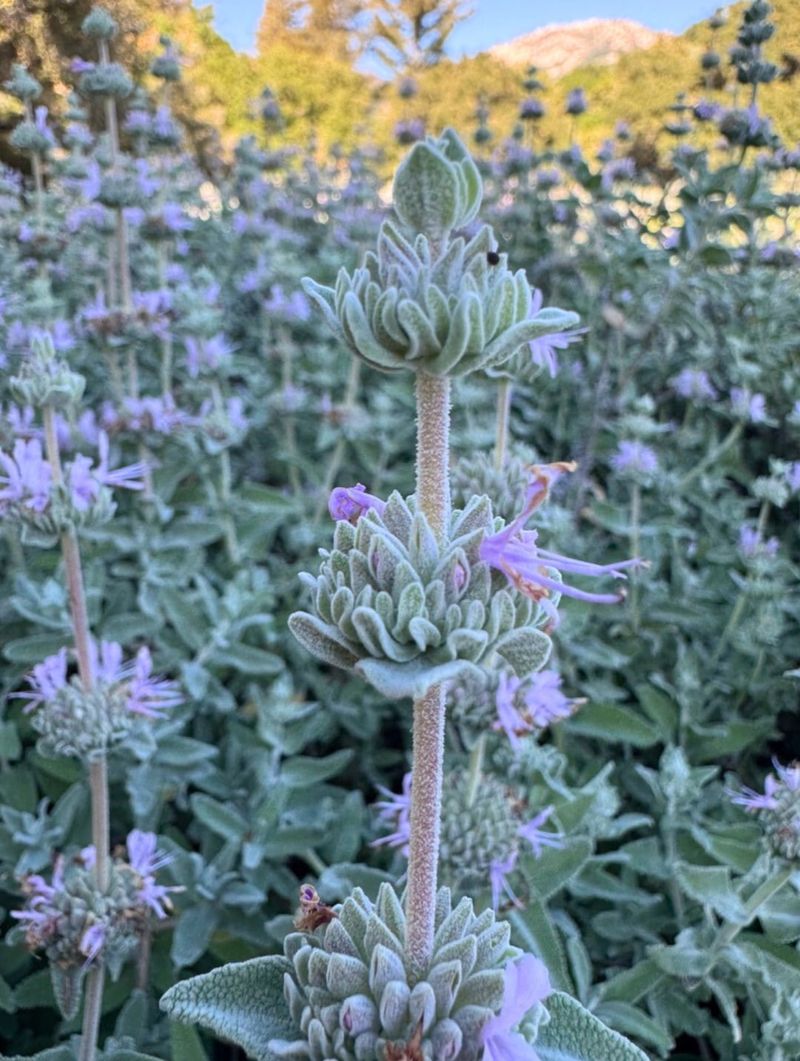
There is something almost magical about the way purple sage looks in a California garden. Salvia leucophylla, commonly called purple sage, produces soft gray-green leaves and stunning lavender-purple flower spikes that bloom in late spring.
It is one of those plants that makes your garden look intentional and well-designed without much effort on your part.
Beyond its good looks, purple sage brings a strong aromatic quality that makes it highly unappealing to deer and rabbits. The leaves contain oils that produce a sharp, herbal smell.
Animals that browse on tender plants tend to avoid anything with this kind of intense scent profile.
Purple sage grows naturally on dry slopes and in coastal sage scrub communities throughout California, so it is completely at home in local conditions. It is drought-tolerant once established and does well in full sun with well-drained soil.
Use it along garden borders, on hillsides, or in large containers near entryways to help discourage animal visitors. Hummingbirds absolutely love the flowers, so you will likely see regular visits during bloom season.
It is a plant that multitasks beautifully, offering color, fragrance, wildlife value, and natural pest deterrence all at once.
4. Yerba Buena
Yerba buena has a long and interesting history in California. Spanish explorers gave it its name, which means good herb, and Native Californians used it for medicinal purposes long before that.
Today, it is recognized as a charming and useful ground cover that grows naturally in shaded, moist areas along the California coast and in woodland settings.
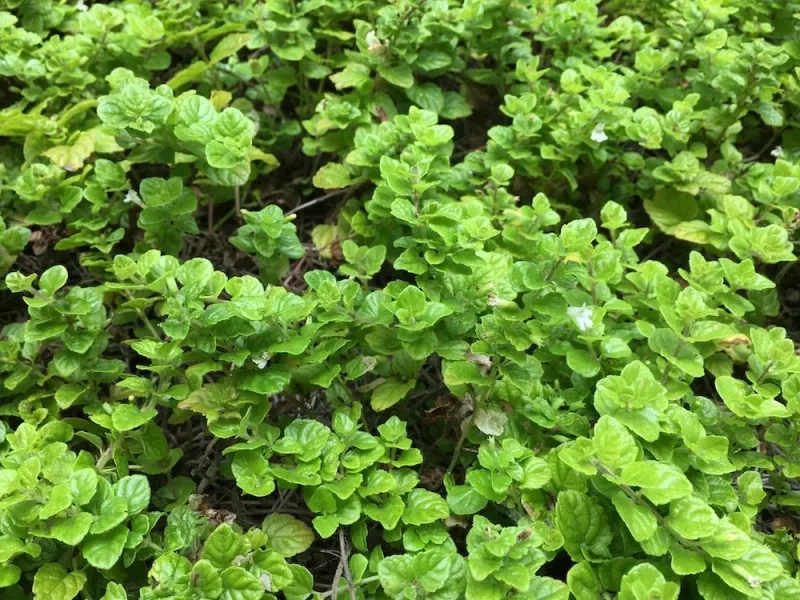
Clinopodium douglasii, its scientific name, produces small rounded leaves that release a refreshing mint-like scent when touched. That minty fragrance is exactly what makes deer and rabbits hesitant to munch on it.
Most browsing animals find strong mint scents off-putting and will move on to easier targets.
In the garden, yerba buena works beautifully as a low-growing ground cover under trees or along shaded pathways. It spreads gently without becoming invasive and stays green through much of the year in mild California climates.
It also works well in containers on porches or near garden entrances. The tiny white flowers are subtle but charming, and the plant overall has a soft, natural look.
For gardeners who want something that covers ground, smells wonderful, and helps keep animals at bay, yerba buena is a genuinely underrated option worth trying.
5. Western Sword Fern
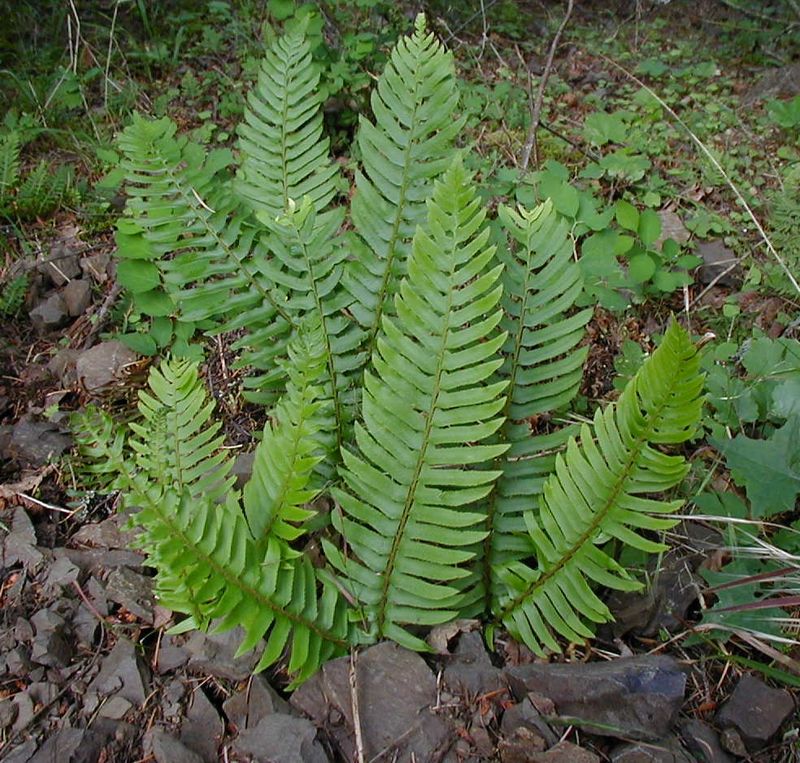
Not every deer-resistant plant needs a strong smell to do its job. Western sword fern, known scientifically as Polystichum munitum, takes a different approach entirely.
Its thick, leathery fronds are simply not appealing to most browsing animals. Deer and rabbits tend to pass right by it in favor of softer, more tender plants nearby.
This fern is a native of the Pacific Coast and is well at home in the shaded, moist corners of California gardens. It grows in large, graceful clumps with arching dark green fronds that can reach several feet in length.
It looks lush and full even in low-light conditions where many other plants struggle.
Western sword fern is a great choice for filling in shaded areas under trees, along fences, or in spots where you want year-round greenery without much fuss. It is relatively low-maintenance and does not need much fertilizer once it gets going.
In California, it does best with some shade and regular moisture, especially during dry summers. Pairing it with other native plants creates a layered, natural look that also happens to be less attractive to browsing animals.
It is a quiet but effective addition to any California garden.
6. Golden Currant
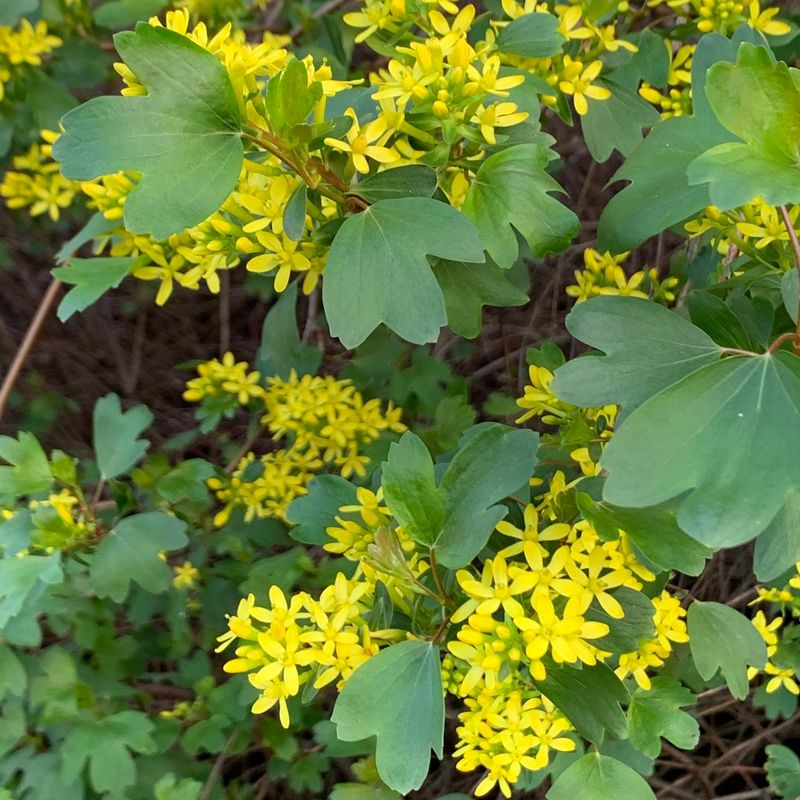
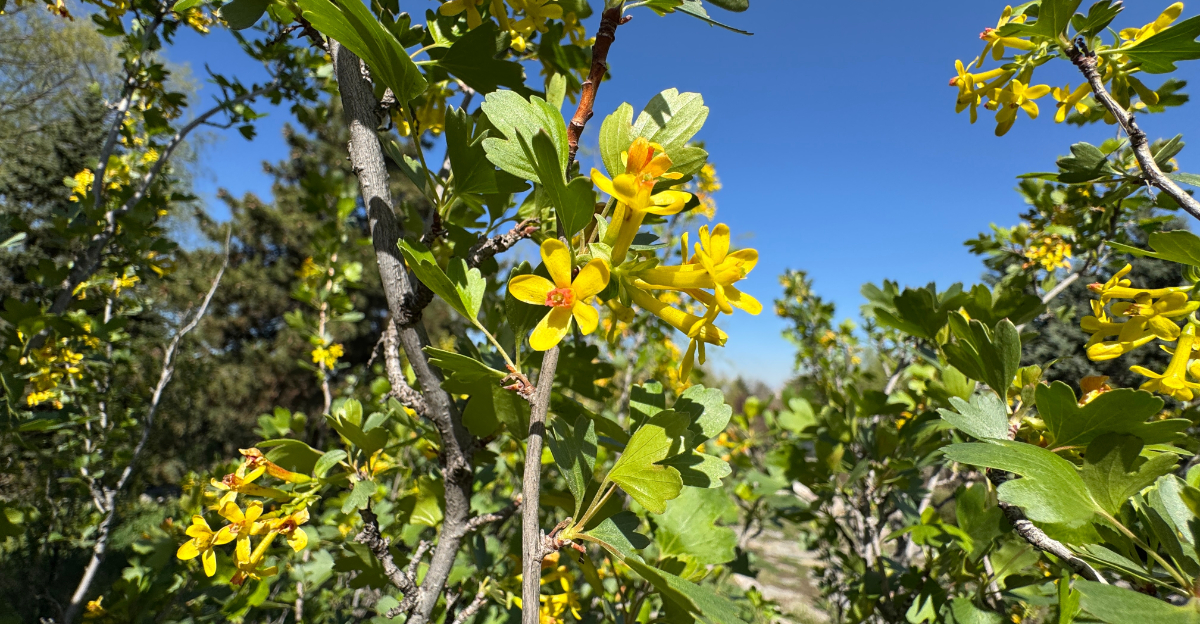
Bright yellow flowers in early spring, small edible berries in summer, and a natural resistance to deer browsing make golden currant one of the most rewarding shrubs you can plant in a California garden. Ribes aureum is its scientific name, and it has a well-earned reputation among California native plant enthusiasts for being both beautiful and practical.
Deer tend to leave golden currant alone, likely because of its slightly bitter, aromatic foliage. Rabbits are also not big fans.
That makes it a smart choice for garden borders or areas where animal pressure is high. The plant adapts well to a range of California climates, from coastal zones to inland valleys.
Golden currant is not picky about soil and handles drought reasonably well once it has had a season or two to get established. It grows as a medium-sized deciduous shrub that fits naturally into mixed plantings with other California natives.
The flowers are a magnet for hummingbirds and native bees in late winter and early spring when few other plants are blooming. That early-season support for pollinators makes golden currant an especially valuable plant.
It earns its place in the garden on multiple levels, from looks to wildlife support to natural animal deterrence.
7. Pink-Flowered Currant
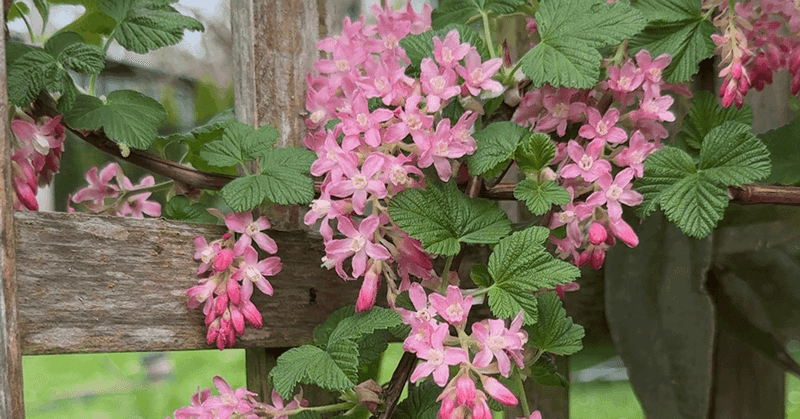
If you have ever seen Ribes sanguineum var. glutinosum in full bloom, you already know why California gardeners love it so much. The drooping clusters of deep pink flowers appear in late winter or very early spring, often before most other plants have woken up from winter dormancy.
It is one of the earliest and most cheerful signs that the growing season is about to begin.
Pink-flowered currant has a strong, resinous scent in its leaves and stems that deer and rabbits find unappealing. The aromatic quality of the foliage acts as a natural deterrent, making this shrub a smart planting choice near vegetable beds or other areas you want to protect.
It grows well in partial shade to full sun and does best with some moisture, especially during the dry California summers. In its natural habitat along the California coast and in woodland edges, it often grows under the canopy of larger trees.
That makes it a great option for spots in your garden that get filtered light. Hummingbirds flock to the flowers, and the small dark berries that follow provide food for birds later in the season.
It is a shrub that genuinely gives back to the garden ecosystem while quietly keeping browsing animals away.
8. Woolly Blue Curls
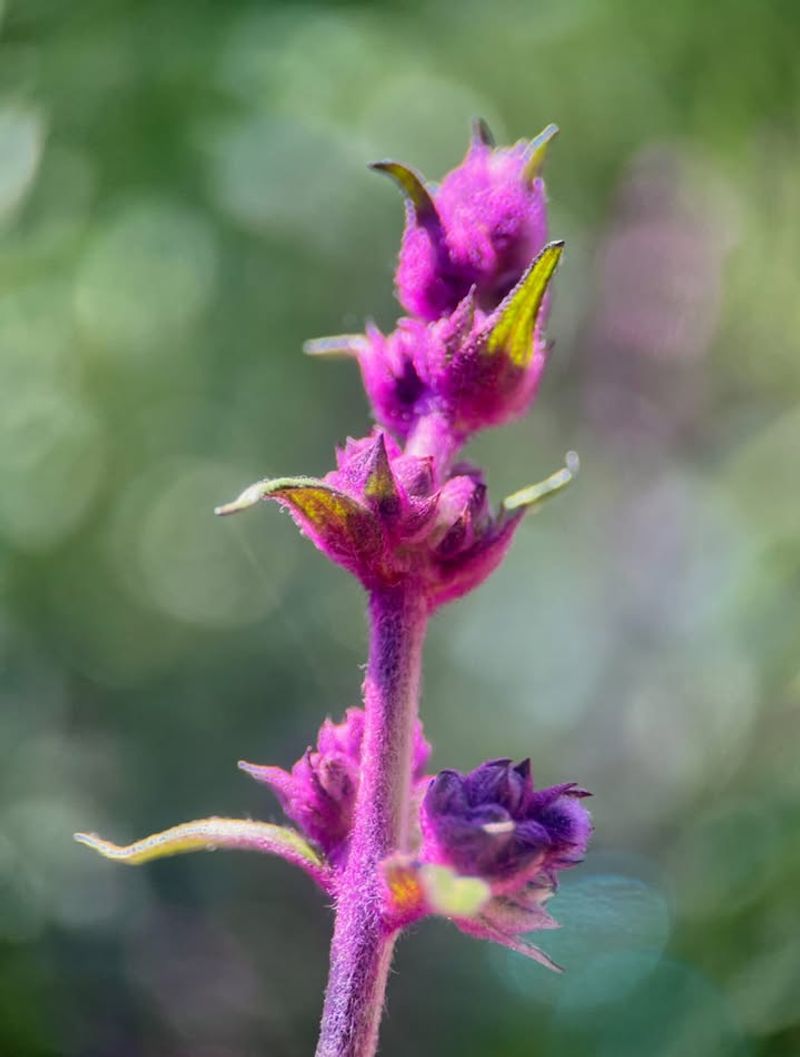
Woolly blue curls might just be the most dramatically beautiful plant on this list. Trichostema lanatum is a California native that produces stunning spikes of vivid blue-purple flowers covered in soft woolly hairs.
The whole plant has an intensely aromatic quality that is pleasant to humans but deeply off-putting to deer and rabbits.
The strong camphor-like fragrance comes from oils in the leaves and stems. Browsing animals rely heavily on smell when deciding what to eat, and this scent sends a clear signal to stay away.
That makes woolly blue curls a highly effective natural deterrent without any effort on your part beyond planting it.
It grows best in full sun with excellent drainage and very little supplemental water once established. It is a true California native, naturally found on dry rocky slopes and coastal sage scrub communities throughout the state.
In the garden, it works beautifully as a focal point or accent plant in a dry, sunny border. The flowers bloom from spring into early summer and attract hummingbirds and native bees in impressive numbers.
Few plants offer this level of visual drama, wildlife value, and practical pest deterrence all in one package. It is a standout choice for any California garden.