These Herbs Won’t Grow In Your Ohio Garden Unless You Trim Them
A lot of Ohio gardeners plant herbs expecting them to just keep going all season, only to end up with tall, tired stems and barely any fresh growth. It’s frustrating, especially when everything looks healthy at first and then suddenly slows down.
The truth is, some herbs need regular trimming to stay productive. Without it, they stretch out, flower too early, and stop putting energy into the leaves you actually want to use.
Ohio’s spring and early summer weather can speed that process up even more.
Once you understand how these herbs respond to cutting, it completely changes how they grow in your garden. The timing, the way you snip, and even where you cut all play a role, and getting that part right keeps them full and usable much longer.
1. Mint That Stays Lush Without Taking Over
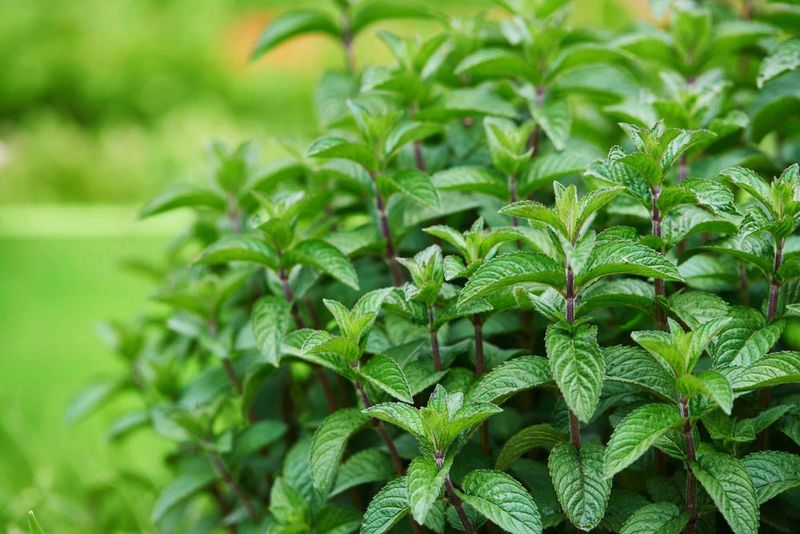
Mint is the herb that never seems to know when to stop. In Ohio gardens, it can spread like wildfire across your beds if you let it go unchecked, sending runners underground and popping up in places you never expected.
Planting mint in a container is a smart first step, but even then, regular trimming is absolutely necessary to keep this energetic plant producing the soft, fragrant leaves you actually want to use in your kitchen.
When mint is allowed to grow too tall without being cut back, the stems can become woody and tough, and the flavor of the leaves may become less intense. Cutting your mint plants back by about one-third every few weeks encourages fresh, new shoots to sprout from the base.
These young leaves are far more aromatic and flavorful than older growth, making your harvest much more enjoyable.
After mint blooms in the Ohio summer heat, cut the entire plant back to just a couple of inches above the soil. This might seem drastic, but the plant will bounce back quickly with a fresh flush of tender new growth.
Ohio gardeners who skip this step often find their mint looking tired and sparse by midsummer. Keeping up with regular cuts also reduces the chance of powdery mildew, which loves the humid Ohio air.
With a little consistent attention, mint can be one of the most productive herbs in your entire garden from spring through fall.
2. Basil That Keeps Coming Back Fuller
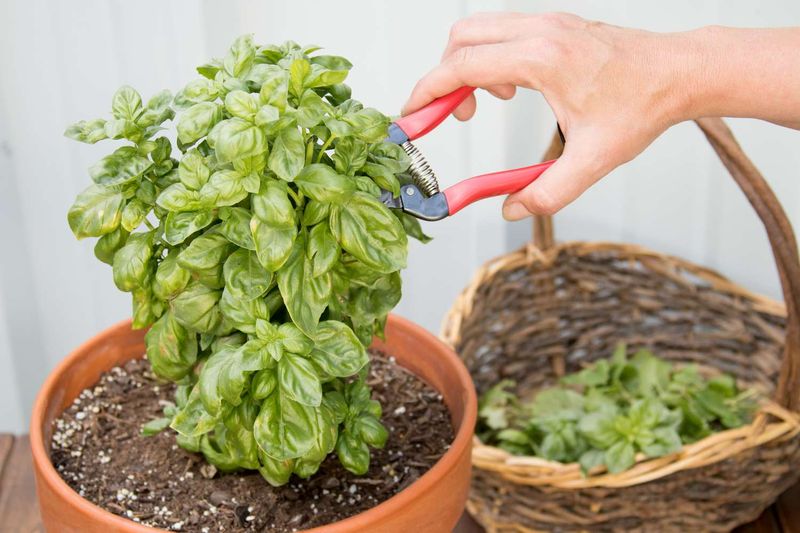
Few things in the garden smell as incredible as a big, healthy basil plant on a warm Ohio summer morning. Basil is one of those herbs that practically begs to be touched, and lucky for you, touching it, specifically pinching it back regularly, is exactly what it needs to stay full and flavorful.
Without regular trimming, basil quickly produces flowers, and once that happens, the leaves can develop a stronger, less desirable flavor and the plant often slows down leaf production.
The trick is to pinch off the growing tips at the very top of each stem before flower buds even appear. Do this every week or two throughout the growing season, and your Ohio basil plant will reward you with thick, bushy growth and tons of tender leaves.
Your Ohio Garden Changes Every Week. Your Plan Should Too.
Gardening in Ohio changes quickly throughout the season. Every Friday you’ll receive a simple weekly plan showing exactly what to plant, prune, fertilize, harvest, and protect so you never miss the right timing.
Always pinch just above a set of leaves so the plant naturally branches out in two directions.
Ohio’s warm, humid summers are actually perfect for basil, but the heat can speed up the flowering process. That makes trimming even more important here than in cooler states.
If you spot any small flower clusters starting to form, remove them right away. Keeping up with this simple habit means you will have fresh, sweet basil from June all the way through September.
Whether you grow it in a raised bed or a pot on your porch, consistent trimming makes all the difference between a plant that thrives and one that struggles.
3. Oregano That Gets Thicker With Every Cut
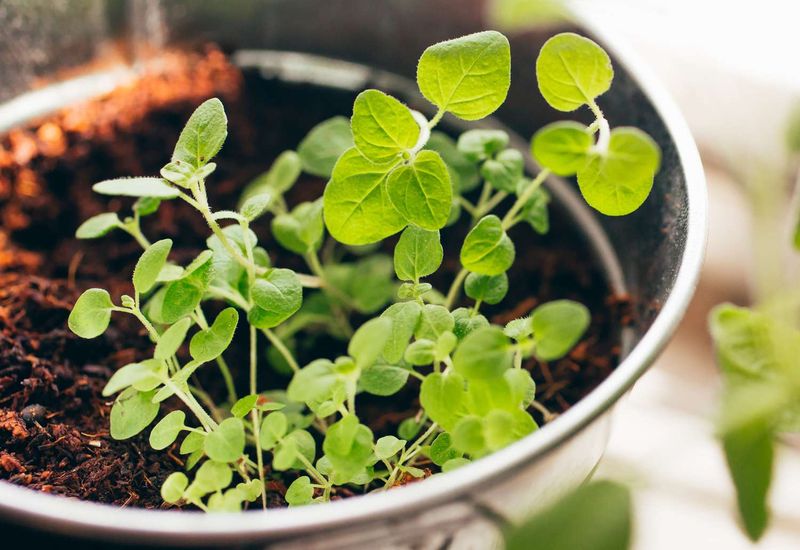
Known for its bold, peppery flavor, oregano has become a staple in kitchens across Ohio and beyond. What a lot of home gardeners do not realize, though, is that the amazing flavor oregano is known for depends heavily on how the plant is managed in the garden.
Left to grow freely without any trimming, oregano stems become thick and woody, and the leaves that form on those old stems lose much of their punch.
Pinching back oregano regularly, starting when the plant is young, keeps it from going woody too soon. Focus on removing the soft growing tips at the ends of each stem, and do this every couple of weeks during the active growing season.
Ohio’s warm spring and summer months are when oregano puts on most of its growth, so that is the time to be most diligent about trimming. Each time you pinch back a stem, the plant responds by branching out and producing more leaves.
Before oregano flowers, the leaves are at their most flavorful and aromatic. Once the tiny purple or white flowers appear, the plant directs more energy into flowering, and the leaf flavor may become less intense.
Remove flower buds as soon as you spot them to extend your harvest window. If some flowers do manage to open, cut those stems all the way back to a healthy leaf node.
Ohio gardeners who stay on top of this routine enjoy generous harvests of deeply flavorful oregano leaves that are perfect for pizza, pasta, and so much more.
4. Thyme That Fills In Instead Of Thinning Out
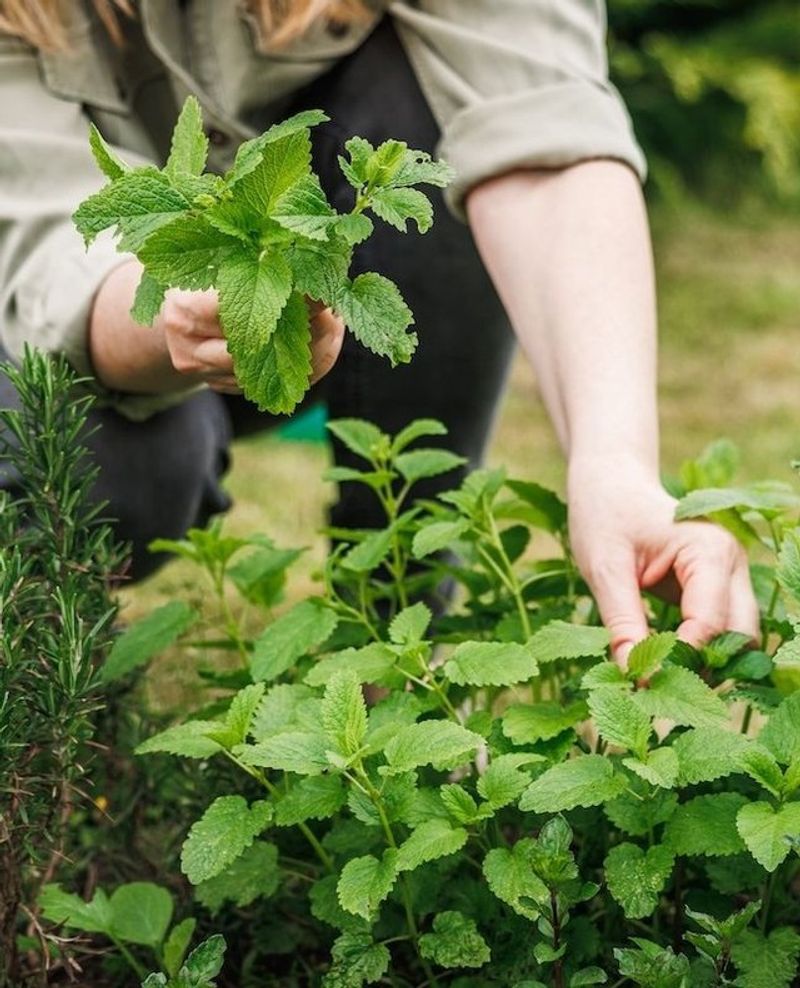
Thyme is one of those quietly impressive herbs that can handle Ohio’s sometimes unpredictable weather better than most. It tolerates heat, handles dry spells reasonably well, and even survives cold winters in many parts of the state.
But here is the thing, thyme has a strong tendency to become woody and sparse if you never trim it. Over time, the center of the plant fills up with stiff, brown stems that do not produce many leaves at all.
The best time to give thyme a serious haircut in Ohio is right after its main spring blooming period wraps up. At that point, cut the plant back by about one-third, removing the spent flower stems and any old woody growth you can see.
This encourages the plant to push out fresh, young stems loaded with the small, intensely aromatic leaves thyme is famous for. Do not cut back into the woody base, though, as thyme does not regenerate well from very old wood.
Through the rest of the summer, light trimming every few weeks keeps thyme tidy and productive. Harvest small amounts regularly rather than letting the plant grow unchecked between big cuts.
Ohio gardeners often find that thyme planted in well-drained soil in a sunny spot, combined with consistent trimming, produces an almost continuous supply of fresh leaves. Thyme is wonderful in soups, roasted vegetables, and marinades, and keeping your plant well-trimmed means you will always have plenty on hand whenever a recipe calls for it.
5. Sage That Grows Strong And Sturdy
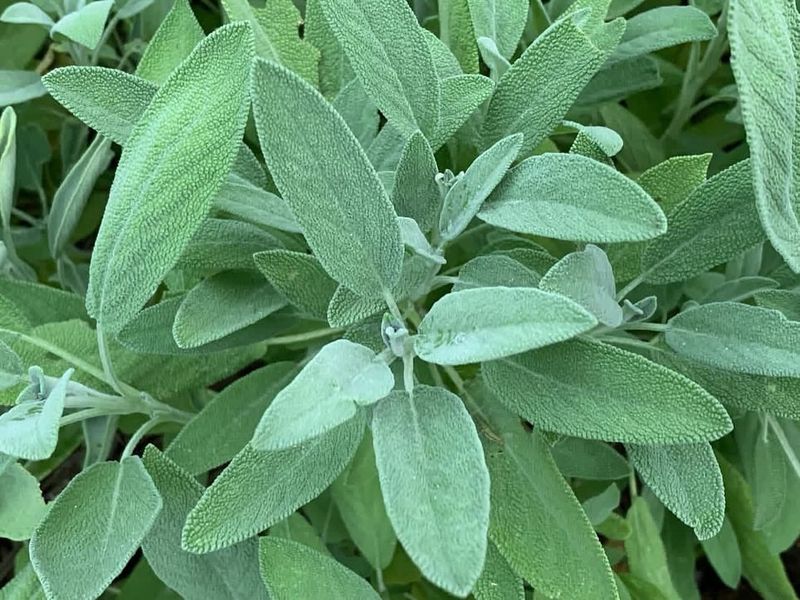
There is something almost magical about sage. Its silvery-green leaves, velvety texture, and earthy, slightly smoky aroma make it one of the most distinctive herbs you can grow in an Ohio garden.
Sage is a perennial here in most of the state, meaning it comes back year after year, but without regular pruning, it quickly turns into a sprawling, woody mess that produces very few usable leaves.
Pruning sage at the right times makes a huge difference in how productive and attractive the plant stays. Early spring, just as new growth begins to emerge, is the first key moment to trim.
Cut back any damaged or winter-affected stems and shape the plant to encourage compact, bushy growth. Then, after sage finishes flowering in late spring or early summer, cut it back again by about half to stimulate a fresh wave of new foliage.
Ohio’s climate can be tough on sage during winter, especially in the northern part of the state where temperatures drop quite low. Avoid cutting sage back hard in the fall, as this can leave the plant vulnerable to cold damage.
Instead, save your major pruning for spring when the plant is actively waking up and ready to grow. Light trims throughout the summer keep sage looking neat and producing the tender young leaves that have the best flavor.
Fresh Ohio-grown sage is commonly used in stuffing, browned butter sauces, and herbal teas, making regular pruning especially useful for maintaining good leaf production.
6. Rosemary That Stays Dense And Productive
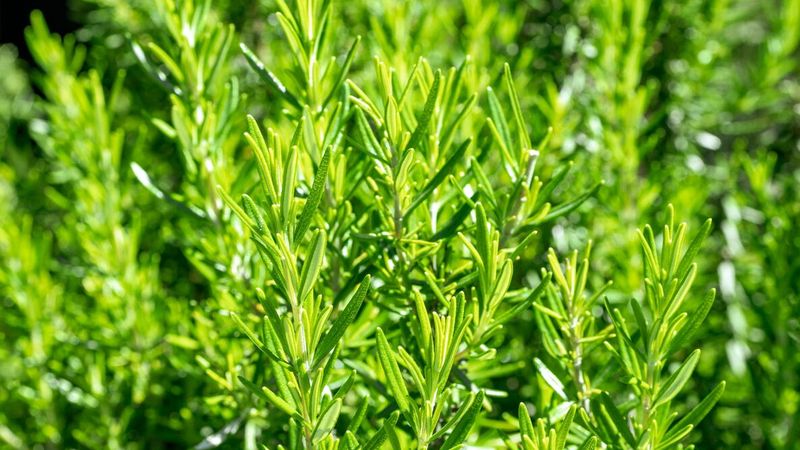
With its look and scent straight out of a Mediterranean hillside garden, rosemary can absolutely flourish right here in Ohio with the right care. This woody, evergreen herb is a bit of a slow grower compared to something like basil or mint, which is exactly why regular pruning matters so much.
Without consistent trimming, rosemary grows tall and leggy, with most of its fragrant leaves concentrated at the tips of long, bare stems.
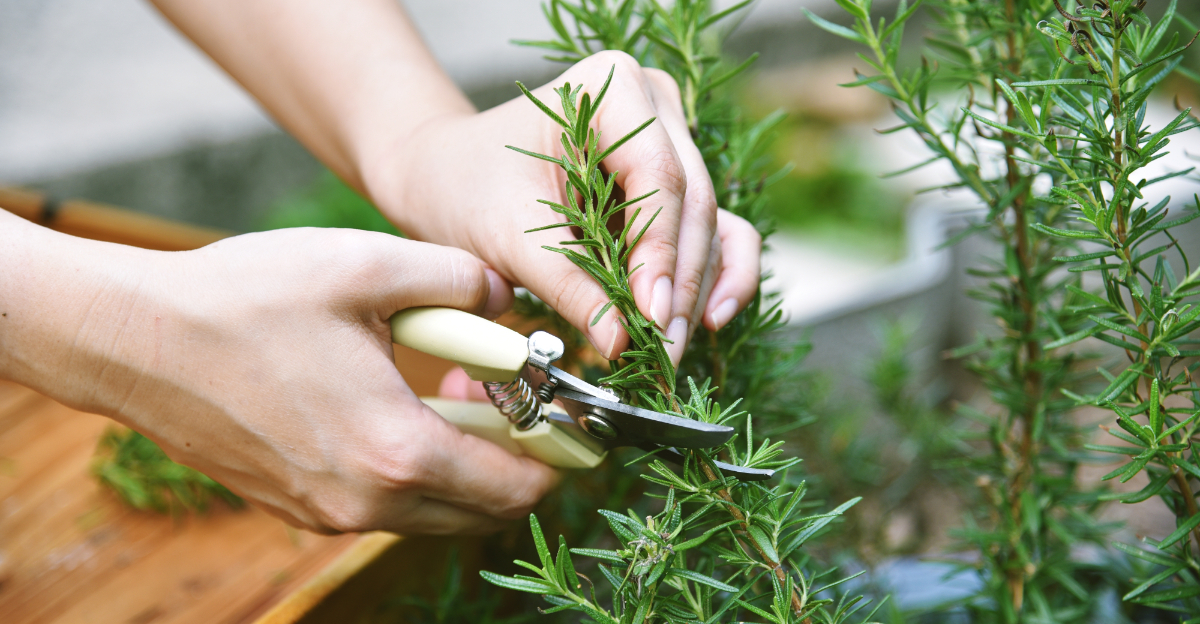
Pruning rosemary encourages the plant to branch out and fill in, creating a fuller, more productive shape. After rosemary finishes its spring bloom, that is your cue to trim.
Cut back the stems by about one-third, focusing on the tips where new growth is most likely to emerge. Avoid cutting into the very old, woody portions of the stem because rosemary, like thyme, does not sprout new growth easily from ancient wood.
Ohio winters can be challenging for rosemary, particularly in zones 5 and 6 where hard freezes are common. Many Ohio gardeners grow rosemary in containers so it can be brought indoors when temperatures plummet.
If you do grow it in the ground, a good layer of mulch around the base helps protect the roots. Keeping up with summer trimming not only shapes the plant nicely but also improves air circulation, reducing the risk of fungal issues in Ohio’s humid summer air.
The reward is a generous supply of piney, aromatic rosemary for roasting meats, flavoring breads, and making herbal oils.
7. Lemon Balm That Bounces Back Fast
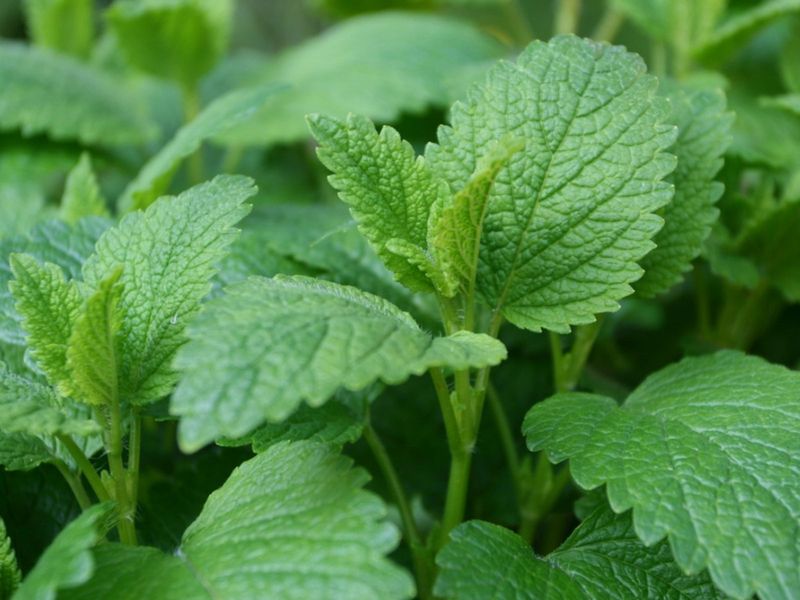
With a cheerful, citrusy scent, lemon balm instantly lifts your mood the moment you brush against its leaves. It is part of the mint family, and just like its famous cousin, lemon balm has a strong will to spread and take over your Ohio garden if you do not stay ahead of it.
Regular cutting is not just about keeping the plant tidy, it is about keeping your entire garden from being taken over by this enthusiastic grower.
After lemon balm flowers in midsummer, the plant starts to look a bit ragged and the leaves lose some of their fresh lemon fragrance. That is your signal to cut the whole plant back hard, all the way down to just a few inches from the ground.
It sounds aggressive, but lemon balm bounces back with remarkable speed, sending up fresh, vibrant new growth within just a couple of weeks. Ohio’s warm summer temperatures actually help speed up this recovery.
In addition to controlling spread, cutting back lemon balm after flowering prevents it from self-seeding too aggressively. Lemon balm seeds itself freely, and in Ohio’s fertile garden soil, those seeds can germinate quickly and produce dozens of new plants you did not plan for.
Keeping up with trimming and removing spent flowers before seeds form helps you stay in control. Fresh lemon balm leaves are wonderful in herbal teas, lemonade, fruit salads, and even as a calming bedtime drink.
Growing it in Ohio is easy as long as you keep those scissors handy all summer long.
8. Sweet Marjoram That Stays Soft And Full

Often overshadowed by its close relative oregano, sweet marjoram has a gentler, sweeter flavor with floral hints that make it wonderful in everything from roasted chicken to fresh salads. Growing it well in Ohio, though, requires one key habit: trimming it consistently before and after it tries to flower.
Marjoram is treated as an annual in most of Ohio because it is not cold-hardy enough to survive the state’s winters outdoors. That means you have one growing season to get the most out of it, and trimming is the best way to maximize your harvest.
Pinch back the stem tips regularly starting when the plant is about six inches tall. This encourages marjoram to branch out and produce a much fuller plant with far more harvestable leaves than a single, unpruned stem would ever give you.
Once sweet marjoram begins forming its tiny, knot-like flower buds, the flavor of the leaves starts to shift and become less sweet. Remove those buds promptly to keep the leaves at their best.
Ohio’s summer heat can push marjoram toward flowering faster than you might expect, so check your plants every few days during the hottest months. Growing sweet marjoram in a spot with full sun and well-drained soil gives it the best possible start, and pairing that with regular trimming means you will enjoy an abundant, flavorful harvest from late spring right through the first frost of the Ohio fall season.