These 10 Citrus Trees Are Perfect To Plant In Florida This January
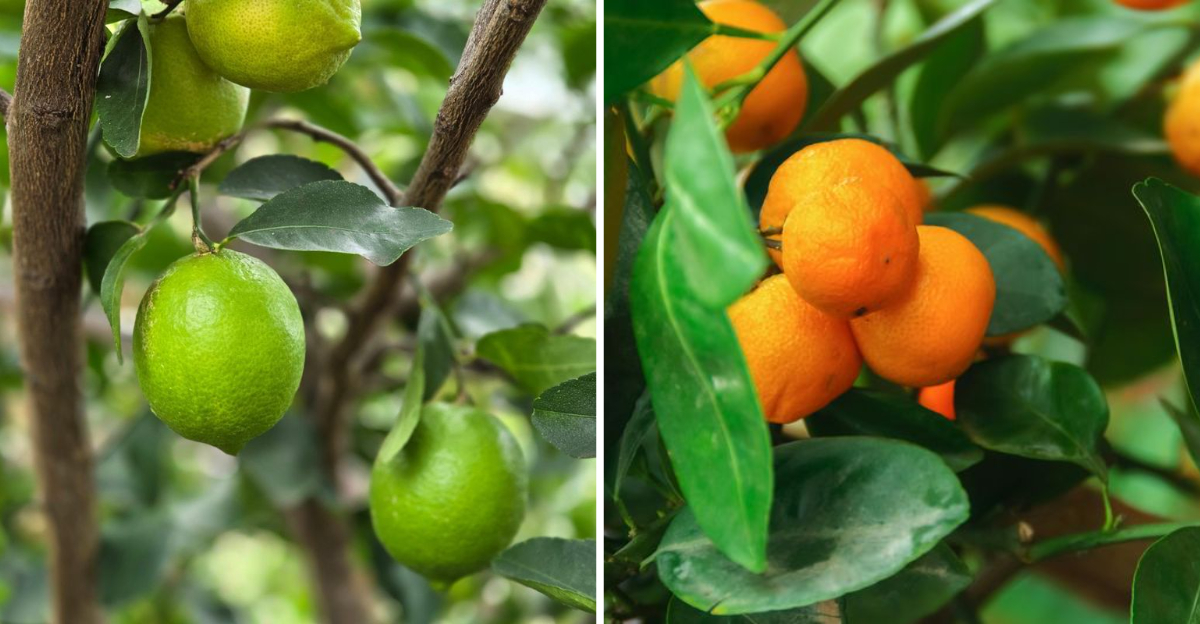
January is when Florida gardeners quietly stack the deck in their favor.
While everything still looks calm on the surface, this is the moment when citrus trees get their best shot at long-term success.
Planting now allows roots to settle in without competition, setting up trees to grow stronger, fuller, and more productive over time.
This is the kind of move that pays off down the road.
Instead of pushing growth later, citrus trees planted in January benefit from a slow, steady start.
Strong roots support healthier branches, improved fruit set, and trees built to carry their weight.
It’s the gardening version of measuring twice and cutting once.
Florida landscapes are made for citrus, and choosing the right varieties early can turn a yard, patio, or small garden into a reliable fruit producer.
From compact and ornamental trees to high-yield options, these citrus selections are well suited for planting in Florida this January—and ready to perform for years to come.
1. Meyer Lemon
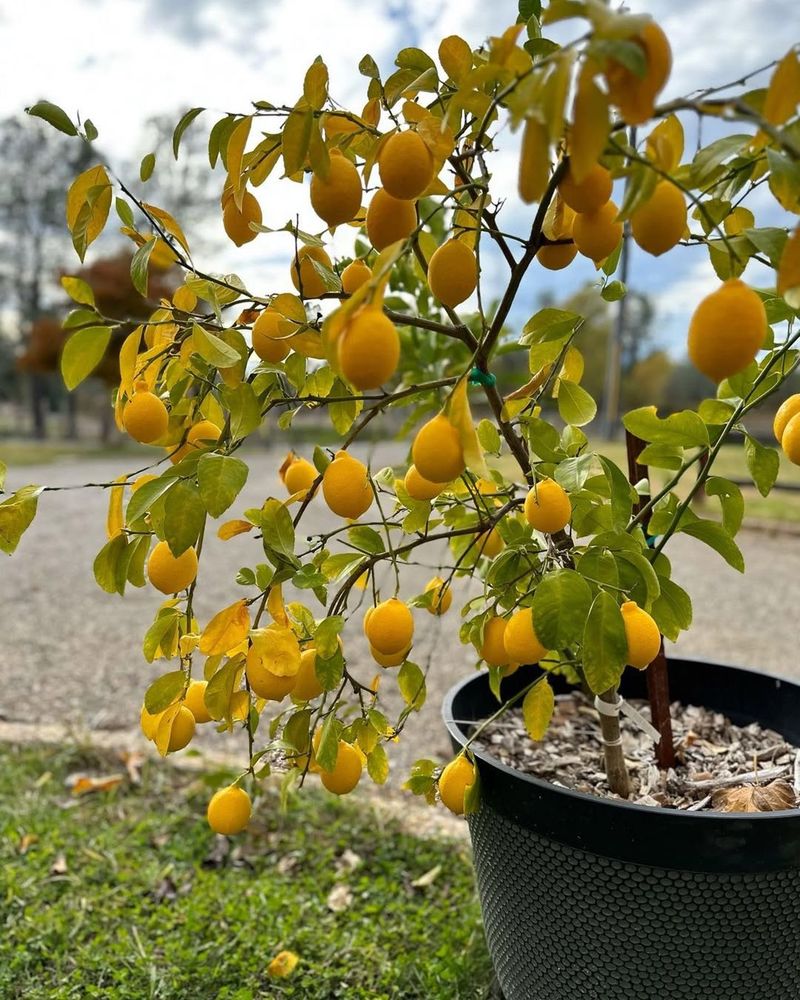
Cool-season planting gives Meyer lemon trees the perfect chance to develop strong roots before Florida’s warm spring arrives.
January temperatures allow young trees to acclimate gently without the shock of summer heat stressing delicate root systems.
This variety thrives in containers or ground plantings, making it ideal for patios, small yards, or larger garden spaces.
Meyer lemons produce sweeter fruit than standard lemons, with a thin skin and juicy flesh that home cooks love.
Florida’s mild winter lets roots expand slowly and steadily, building the foundation for vigorous growth once temperatures rise.
Full sun exposure for at least six hours daily ensures healthy foliage and abundant fruit production over the years.
Container-grown Meyer lemons offer flexibility for renters or gardeners who want to move trees during occasional cold snaps.
Expect fruit within one to two years after planting, with harvest periods extending from late fall through early spring.
2. Key Lime
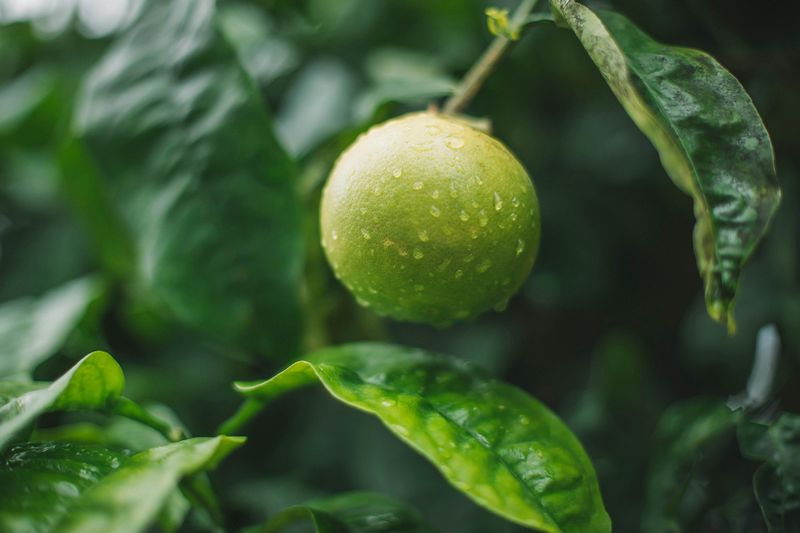
Compact size makes Key lime trees perfect for Florida yards where space is limited but fresh citrus flavor is desired.
Planting in January takes advantage of slower winter growth, allowing roots to establish without competing with rapid foliage development.
Warm, protected locations near south-facing walls or fences help shield young trees from unexpected cold fronts that occasionally sweep through.
Key limes are smaller and more aromatic than Persian limes, with a distinctive tart flavor prized in pies and beverages.
Florida’s coastal regions provide ideal conditions, though inland gardeners succeed by choosing sheltered spots with good sun exposure.
These trees adapt well to large containers, giving you the option to bring them indoors during rare freezing nights.
Root development during cooler months creates a stronger tree that can handle summer rains and humidity with greater resilience.
Fruiting typically begins within two to three years, with peak harvest happening during summer and early fall months.
3. Valencia Orange
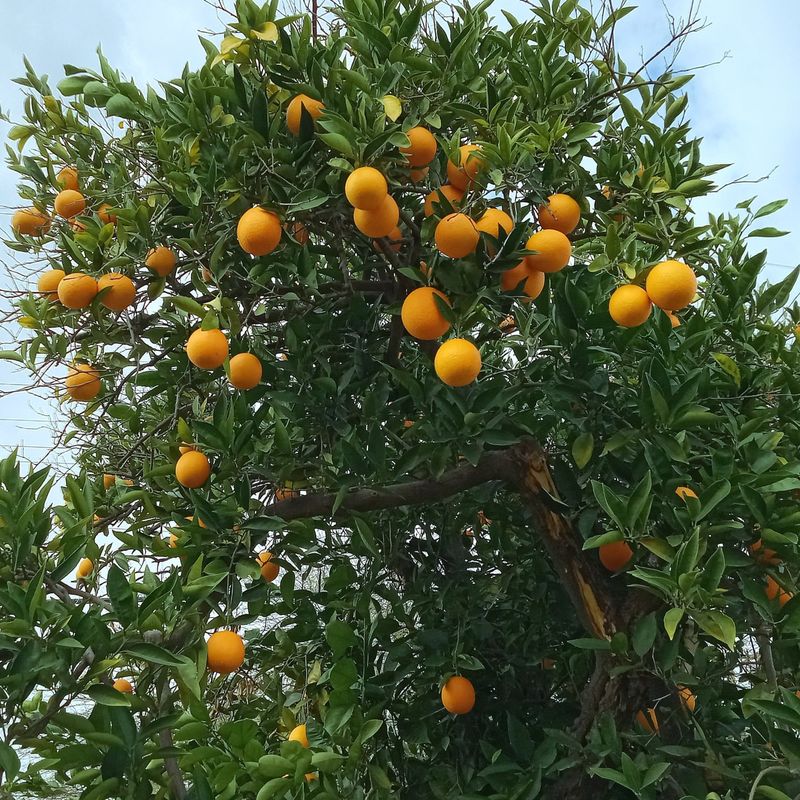
Strong root development happens naturally when Valencia orange trees are planted during Florida’s cooler January weather conditions.
Long-term productivity makes this variety a favorite among homeowners who want reliable fruit harvests for decades to come.
Cooler months reduce transplant shock, allowing young trees to focus energy on underground growth rather than supporting heavy foliage.
Valencia oranges ripen in late spring and summer, providing fresh juice when other citrus varieties have finished their seasons.
Florida’s sandy soils drain well, which Valencia trees appreciate since they dislike standing water around their root zones.
Spacing trees at least twelve to fifteen feet apart ensures adequate air circulation and prevents crowding as they mature.
Full sunlight throughout the day promotes the sweetest fruit and healthiest growth, so choose planting locations carefully for best results.
Established Valencia trees can produce fruit for twenty to thirty years, making January planting a wise investment in your landscape.
4. Hamlin Orange
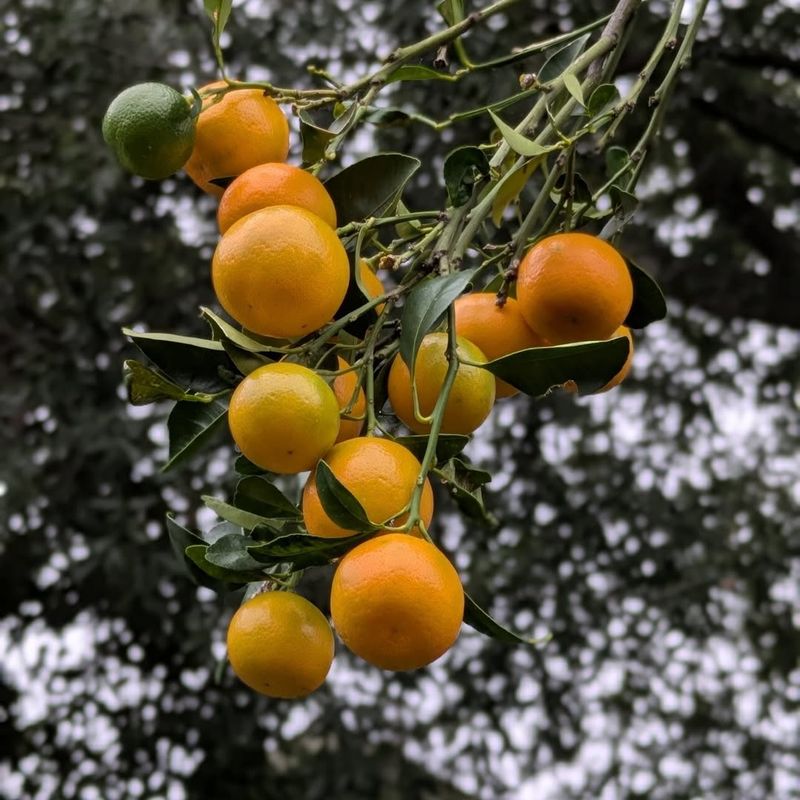
Early growth habits make Hamlin orange trees excellent choices for Florida gardeners who want fast establishment and reliable fruit production.
Cold tolerance surpasses many other orange varieties, offering peace of mind during January nights when temperatures occasionally dip lower than expected.
Florida backyards benefit from Hamlin’s manageable size, which fits well in medium-sized landscapes without overwhelming nearby plants or structures.
January planting benefits young trees by giving roots several months to spread before summer’s intense heat and frequent rainstorms arrive.
Hamlin oranges ripen early in the season, typically from October through January, providing fresh juice during cooler months.
These trees adapt well to various soil types common in Florida, from sandy coastal soils to clay-rich inland areas.
Consistent watering during the first year helps establish deep roots that will support the tree through dry spells and hot summers.
Expect your first meaningful harvest within three to four years, with production increasing steadily as the tree matures over time.
5. Satsuma Mandarin
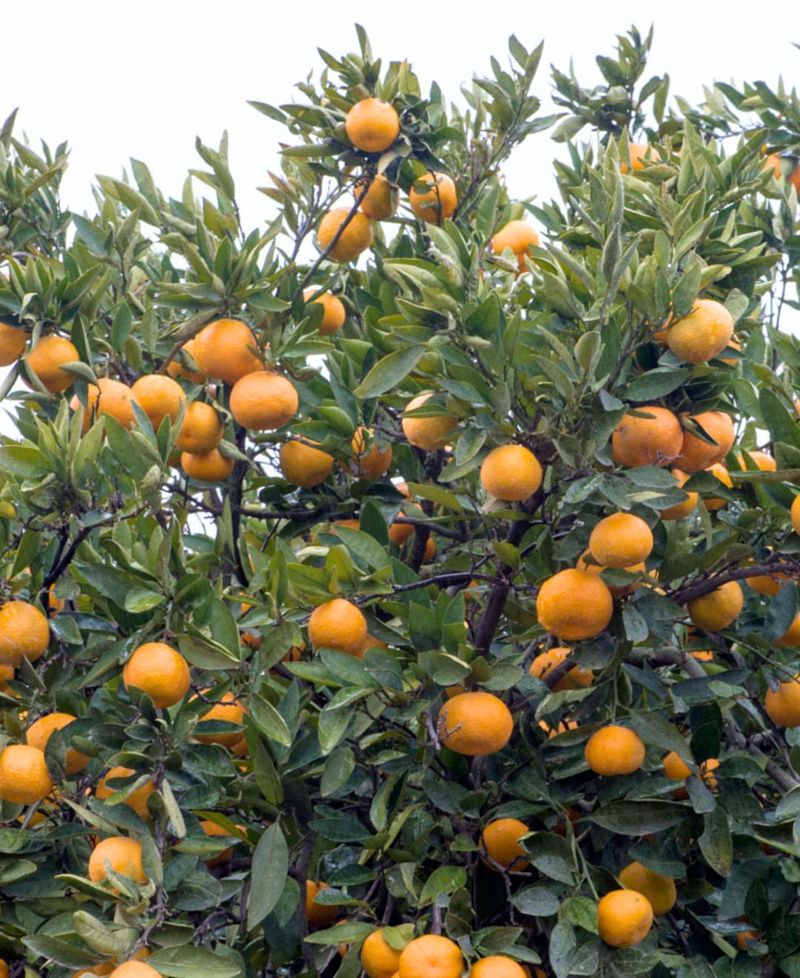
Cold resilience makes Satsuma mandarin trees a top choice for Florida gardeners concerned about protecting citrus during winter months.
Easy-peeling fruit appeals to families with children who enjoy healthy snacks that require minimal effort to prepare and eat.
Container options work beautifully for Satsumas, allowing gardeners to place trees on patios, decks, or near entrances for easy access.
Florida January planting gives these trees time to develop strong root systems before spring growth accelerates and fruit set begins.
Satsuma mandarins typically ripen earlier than most citrus varieties, with harvest periods starting in late fall and continuing through winter.
These trees stay relatively small, usually reaching eight to ten feet tall, making them perfect for yards with limited vertical space.
Planting in well-draining soil prevents root rot, a common issue in Florida’s rainy season when water accumulates around tree bases.
Fruit production often begins within two to three years, rewarding patient gardeners with sweet, seedless mandarins perfect for fresh eating.
6. Persian Lime
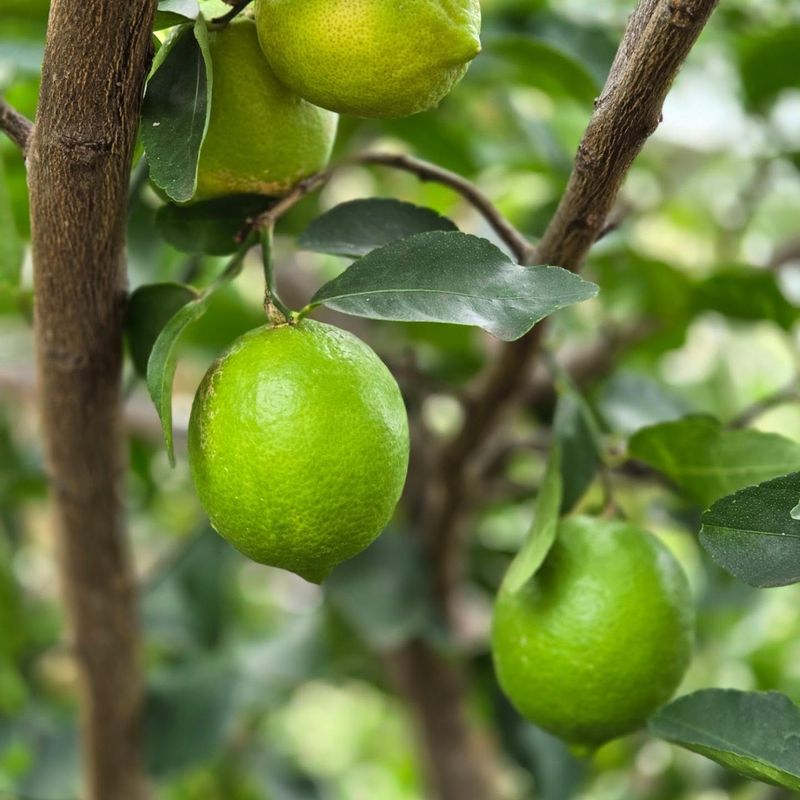
Sun requirements for Persian lime trees are significant, with at least eight hours of direct light needed for optimal growth.
Protection from cold snaps remains important during January, even though Florida winters are mild compared to northern regions of the country.
Florida soil considerations include ensuring good drainage and amending heavy clay soils with organic matter to improve root penetration.
Slow winter growth advantages allow Persian limes to establish roots without the stress of supporting rapid leaf and branch development.
These limes grow larger than Key limes and have a milder, less acidic flavor that works well in cooking and beverages.
January planting positions trees to take advantage of spring rains, which naturally support growth without requiring constant manual watering.
Mulching around the base helps retain soil moisture and regulate temperature, protecting roots from both heat and occasional cold weather.
Mature Persian lime trees produce fruit year-round in Florida, with peak harvests typically occurring during summer and early fall months.
7. Calamondin Orange
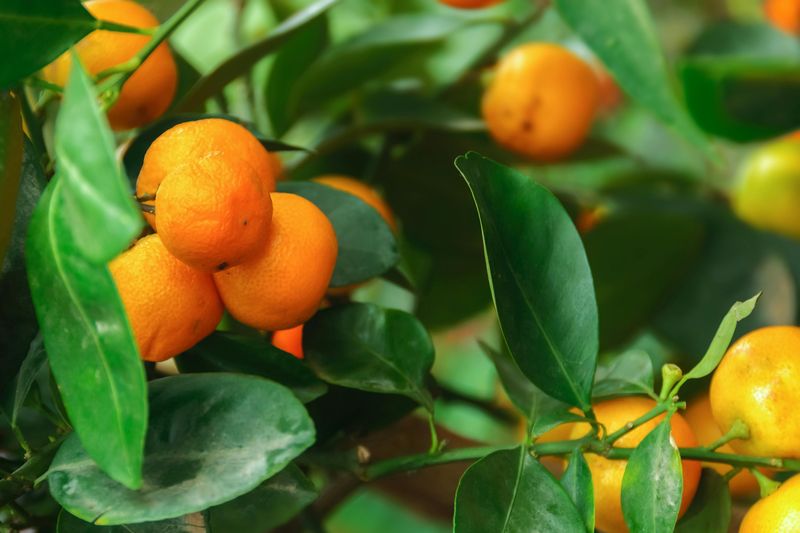
Ornamental value makes Calamondin orange trees popular for Florida landscapes where beauty and function combine in a single plant.
Container success comes easily with this variety, as its compact size and manageable root system adapt well to pot culture.
Edible fruit offers a tart, tangy flavor perfect for marmalades, drinks, and recipes that need a bright citrus punch.
Florida January care simplicity appeals to beginner gardeners who want low-maintenance citrus that tolerates occasional neglect without suffering significantly.
These trees bloom and fruit almost continuously in warm climates, providing year-round visual interest and fresh citrus for the kitchen.
Planting during cooler months allows roots to establish before summer heat arrives, reducing watering needs and transplant stress considerably.
Calamondin trees tolerate partial shade better than most citrus, making them suitable for spots that receive four to six hours of sun.
Expect fruit production to begin within the first year after planting, with small oranges appearing frequently throughout the growing season.
8. Grapefruit
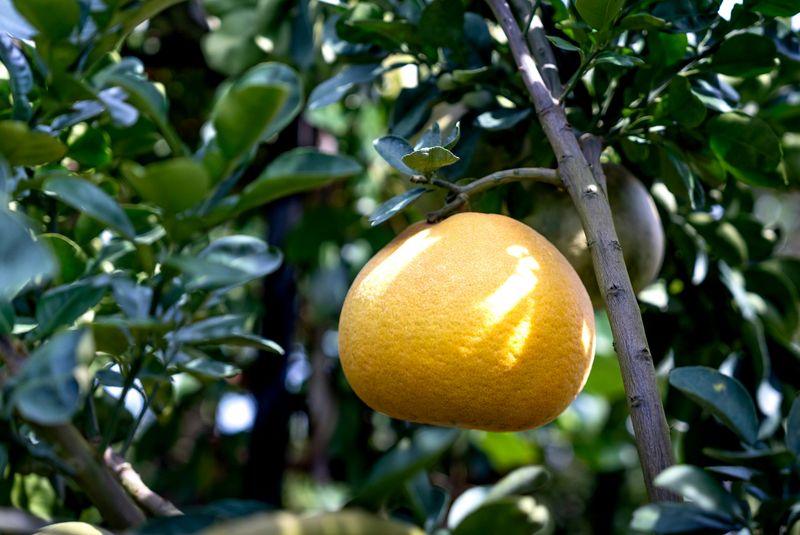
Spacing needs for grapefruit trees are substantial, requiring at least fifteen to twenty feet between trees and nearby structures or plants.
Deep root development happens naturally when trees are planted during Florida’s cooler January weather, creating stability for years ahead.
Cooler planting conditions reduce stress on young trees, allowing them to focus energy on establishing roots rather than supporting heavy foliage.
Florida climate compatibility makes grapefruit trees particularly well-suited to the state, where they originated and have thrived for generations.
These trees grow large and produce abundant fruit, making them ideal for homeowners with ample yard space and patience.
January planting gives grapefruit trees several months to settle in before the summer rainy season brings intense heat and humidity.
Full sun exposure throughout the day ensures the sweetest, juiciest fruit, so select planting sites carefully for maximum light availability.
Mature grapefruit trees can produce hundreds of fruits annually, with harvest seasons typically running from late fall through early spring months.
9. Tangerine
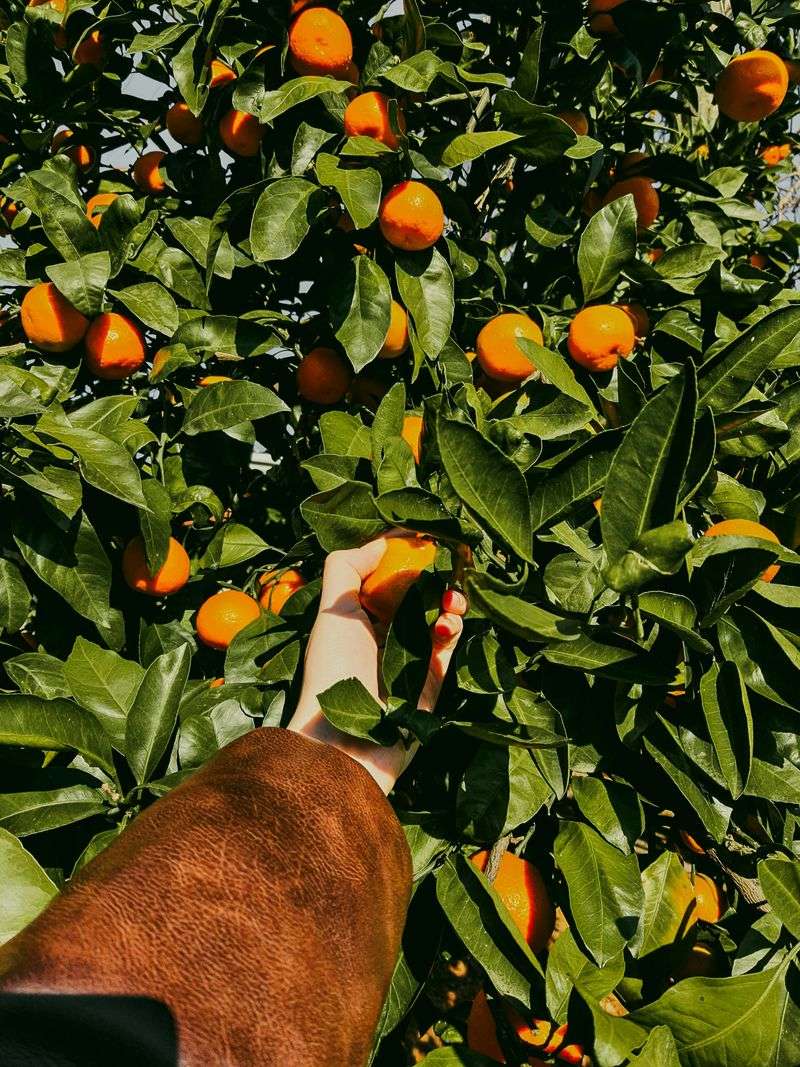
Sweetness levels in tangerines surpass most other citrus varieties, making them a favorite for children and adults who prefer less acidic fruit.
Manageable tree size allows tangerines to fit comfortably in Florida yards where space is at a premium but fresh fruit is desired.
Improved establishment timing during January gives roots the chance to spread before spring growth accelerates and fruit development begins.
Florida winter planting advantages include reduced watering needs, lower pest pressure, and gentler conditions that support healthy root growth without stress.
Tangerine trees adapt well to various Florida soil types, though they prefer well-draining sandy loam with plenty of organic matter mixed in.
Consistent sunlight for at least six to eight hours daily promotes the sweetest fruit and most vigorous growth throughout the tree’s life.
These trees typically reach ten to fifteen feet tall, making them suitable for both smaller yards and larger landscape designs.
Fruit production often begins within two to three years, with harvest periods running from late fall through winter in most Florida regions.
10. Kumquat
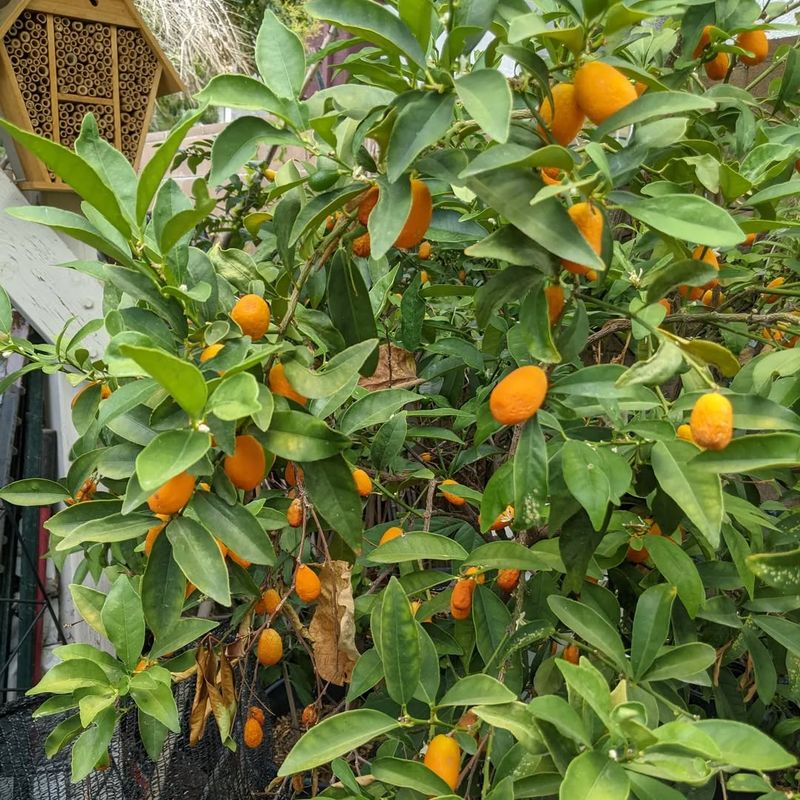
Cold tolerance makes kumquat trees among the hardiest citrus options for Florida gardeners worried about occasional winter temperature drops.
Edible peel appeal sets kumquats apart from other citrus, as the entire fruit is eaten without peeling or juicing required.
Container adaptability allows kumquats to thrive in pots on patios, balconies, or near entrances where their attractive appearance enhances curb appeal.
Florida January planting confidence comes from knowing that kumquats handle cooler weather better than most citrus varieties available to home gardeners.
These trees stay compact, usually reaching six to eight feet tall, making them perfect for small yards or decorative landscape accents.
Kumquats produce sweet-skinned fruit with tart flesh, offering a unique eating experience that surprises first-time tasters with its flavor contrast.
Planting during cooler months reduces transplant shock and allows roots to establish before spring rains and summer heat arrive in force.
Fruit production typically begins within two years, with harvest periods extending from late fall through early spring in most Florida locations.