These Colorful Plants Help Bring Dragonflies Into Your Arizona Garden
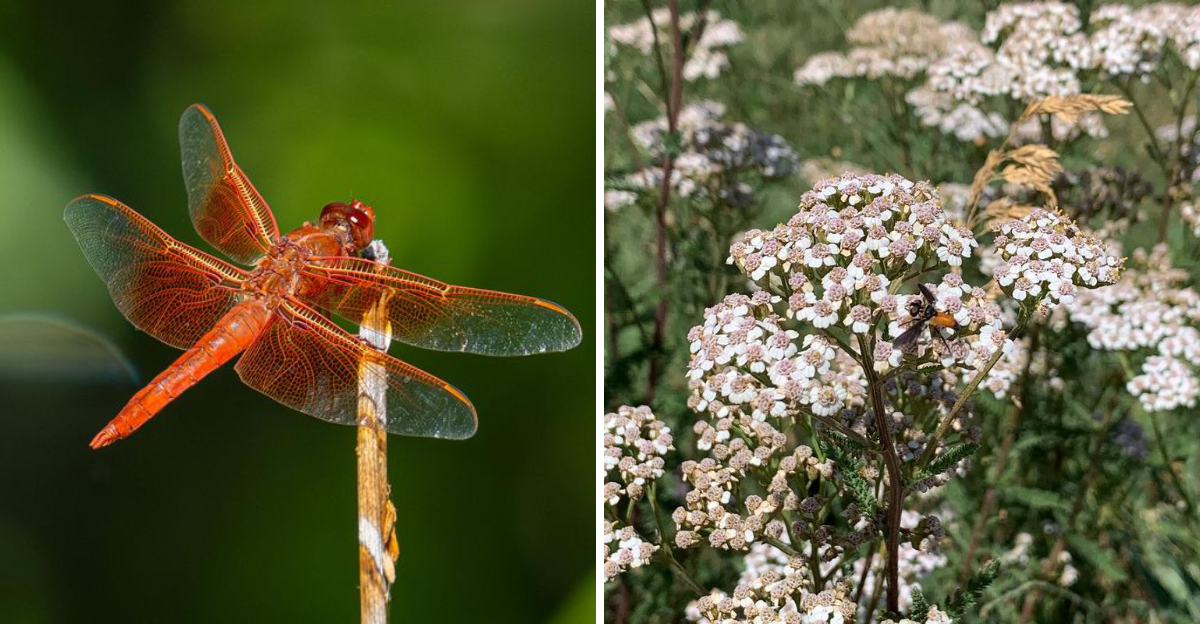
Dragonflies start appearing around Arizona gardens much more often once temperatures warm up and flowering plants fill in for the season.
Their fast movement and bright colors usually catch attention right away, especially during early mornings and evenings when they dart through the yard hunting insects.
Certain plants seem to attract far more dragonfly activity than others.
Tall stems, clusters of blooms, and spaces that support small insects can make a garden much more appealing once dragonflies begin searching for food and resting spots. Water nearby can help too, but planting choices still play a major role in how often they visit.
Garden layout also changes how comfortable dragonflies feel. Open flying space, layered plantings, and flowers that bloom through hotter months tend to create better conditions during the busiest part of the season.
Once dragonflies begin visiting regularly, gardens often feel more active and lively throughout the day, especially during long stretches of warm weather.
1. Bright Daisy Like Flowers Stay Active Through Heat Waves
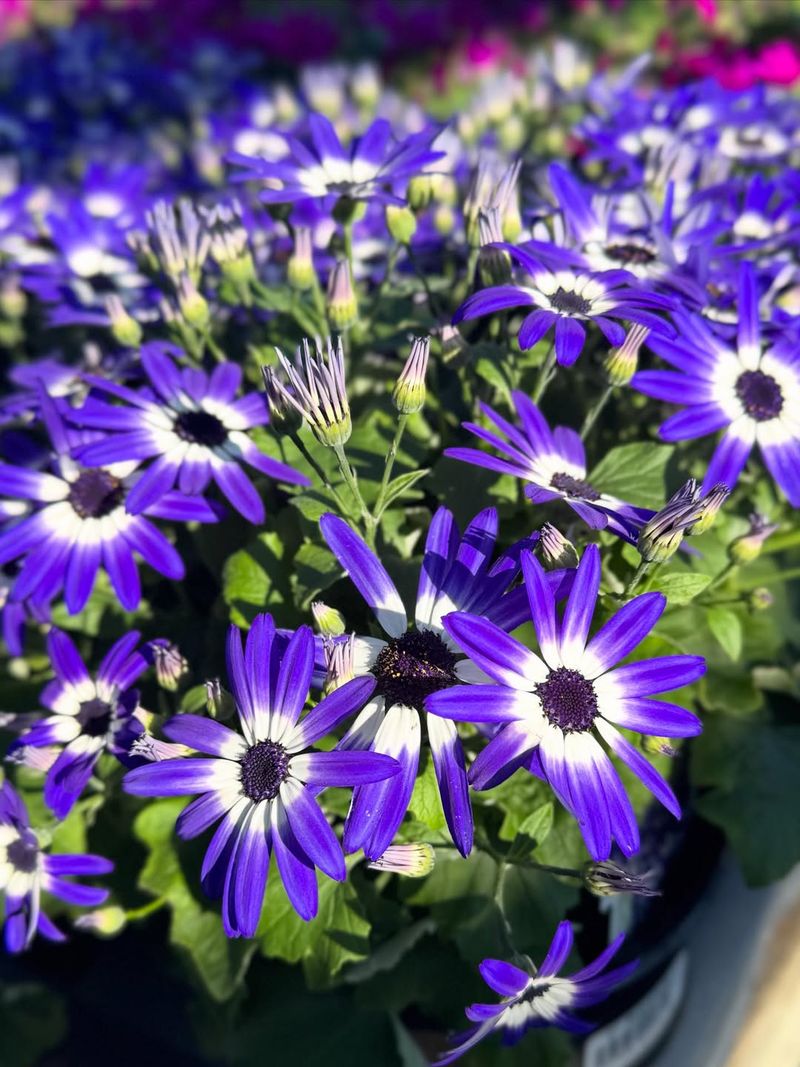
African daisies handle intense heat surprisingly well, which makes them stand out among flowering plants grown in Arizona landscapes.
While many flowers begin struggling once temperatures rise sharply, African daisies continue opening their bright blooms toward the sun.
Dragonflies are especially attracted to open and flat shaped flowers because they provide easy landing spots between hunting flights.
Planting African daisies near a birdbath or small water feature can make the area even more appealing to dragonflies.
The flowers offer resting places while nearby water encourages dragonflies to patrol the same space throughout the day. Spacing plants about twelve inches apart gives them enough room to spread without overcrowding nearby flowers.
In lower desert areas, African daisies often bloom from late winter into early summer before extreme heat arrives. Removing old flowers regularly encourages the plant to continue blooming rather than shifting energy toward seed production too early.
A layer of gravel mulch around the base helps soil stay more consistent without trapping too much moisture around the roots.
For gardeners wanting dependable color with very little maintenance, African daisies remain one of the more reliable flowering plants for attracting insect activity in hot desert gardens.
In the hottest stretch of summer, plants may slow down, but African daisies often rebound again when evening temperatures drop and monsoon moisture arrives.
2. Tubular Red Flowers Bring More Backyard Movement
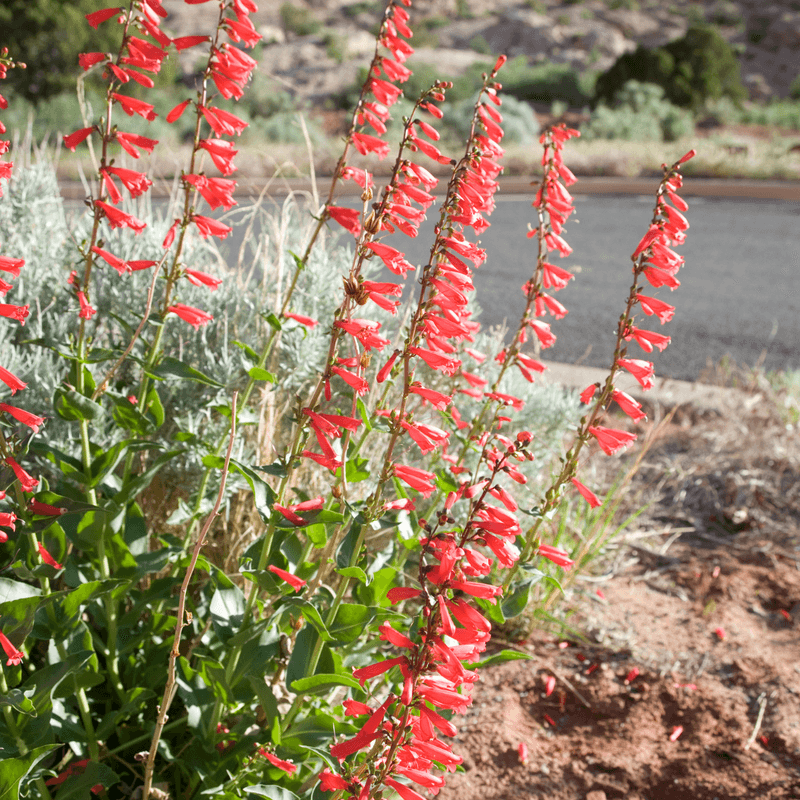
Red salvia acts like a signal flare in a garden. Hummingbirds find it first, then dragonflies follow, drawn by the constant aerial activity that makes the area feel alive.
Tubular flowers produce nectar deep inside their structure, which keeps smaller pollinators working hard and hovering in place.
Dragonflies are ambush predators, so a plant that keeps other insects busy and predictable is basically a hunting ground set up just for them.
Planting red salvia in clusters of five or more gives dragonflies enough reason to return to the same spot repeatedly throughout the week.
Autumn sage, a native salvia variety, performs especially well across a wide range of elevations here. It blooms reliably from spring through late fall, tolerates drought once established, and bounces back quickly after monsoon rains.
Your Arizona Garden Changes Every Week. Your Plan Should Too.
Gardening in Arizona changes quickly throughout the season. Every Friday you’ll receive a simple weekly plan showing exactly what to plant, prune, fertilize, harvest, and protect so you never miss the right timing.
In the southern and central parts of the state, it often blooms almost year-round with minimal care.
Regular watering during the first growing season helps roots establish deeply, after which the plant becomes remarkably self-sufficient.
Cutting stems back by about a third in midsummer encourages a fresh round of blooms right when monsoon moisture arrives. Few plants deliver this much consistent backyard movement for this little effort.
A spot with full morning sun and light afternoon shade often helps keep flowering steady deeper into the peak summer heat.
3. Long Blooming Color Fills Empty Sunny Corners
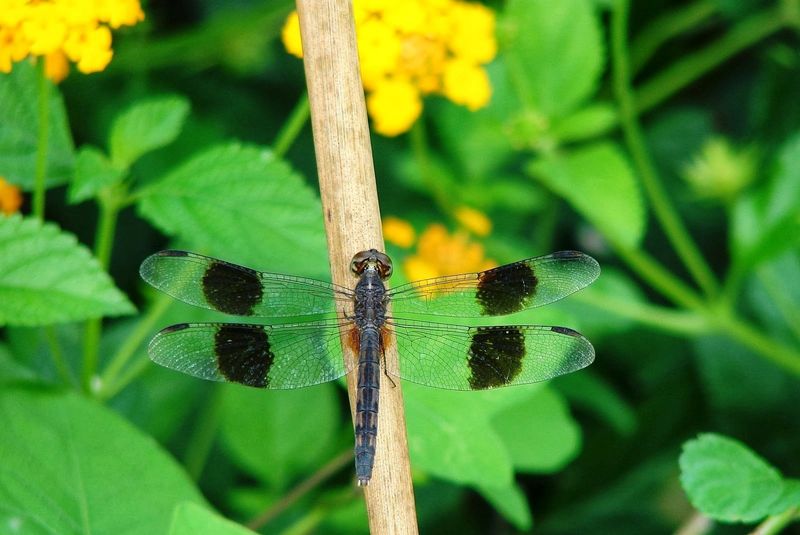
Lantana is one of those plants that simply refuses to stop blooming once it gets going, and in Arizona, that can mean color from March through November with very little maintenance.
Sunny areas that once looked dry and lifeless can change completely once lantana fills in.
The flat topped flower clusters appear in shades of yellow, orange, pink, and red, sometimes all on the same plant at once.
Those bright colors attract a wide range of flying insects, which is one reason dragonflies become especially active nearby.
Constant insect movement gives dragonflies a reliable place to hunt throughout the warmer months. Lantana also handles reflected heat from walls, fences, gravel, and concrete far better than many flowering plants.
Once roots are established, it usually needs very little supplemental watering, making it a practical option for low water landscapes.
Overwatering is one of the most common mistakes because soggy soil weakens the plant quickly in desert conditions.
Cutting lantana back hard in late winter encourages dense new growth before spring temperatures rise. One important thing to remember is that lantana berries are toxic to pets, so placement matters in yards where dogs or cats roam freely.
Aside from that concern, lantana remains one of the most dependable long blooming plants for hot and sunny desert gardens.
In colder weather it may be cut back by frost, but it typically regrows vigorously from the base when warmth returns.
4. Soft Pink Puff Blooms Create Constant Garden Activity
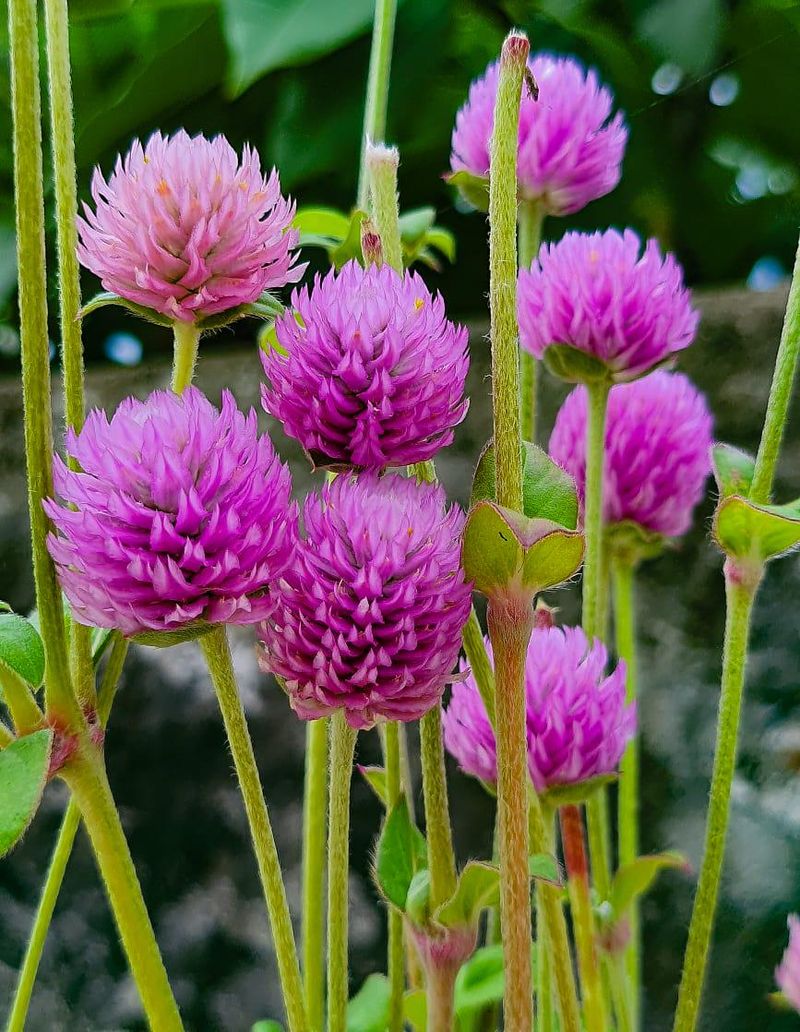
Globe amaranth looks almost too cheerful to handle extreme heat, but those round clover like blooms perform surprisingly well through desert summers.
Steady flowering during the hottest months keeps insect activity constant, which is one reason dragonflies tend to stay active around these plants.
Unlike some ornamentals that slow down once temperatures rise, globe amaranth often thrives during peak heat in lower desert areas.
Plants grow quickly from transplants, usually reaching around eighteen inches tall while spreading enough to fill beds without becoming difficult to manage.
The soft texture of the flowers also contrasts nicely with bolder desert plants like agave or prickly pear. Smaller insects including gnats, aphids, hoverflies, and tiny native bees visit globe amaranth regularly throughout its long bloom season.
Where those insects gather, dragonflies often appear nearby hunting and resting between flights. Watering at the base instead of overhead helps blooms stay cleaner and last longer through summer.
Full sun is especially important because shaded plants become leggy quickly and produce fewer flowers.
Grouping several plants together creates a much stronger visual effect and tends to attract more insect activity than scattering individual plants around the yard.
For gardeners looking for dependable color with very little maintenance, globe amaranth remains one of the most reliable warm season annuals for attracting wildlife activity.
During monsoon season, established plants often pick up even more growth and continue flowering strongly after brief bursts of rain.
5. Flat Flower Clusters Handle Harsh Conditions Easily
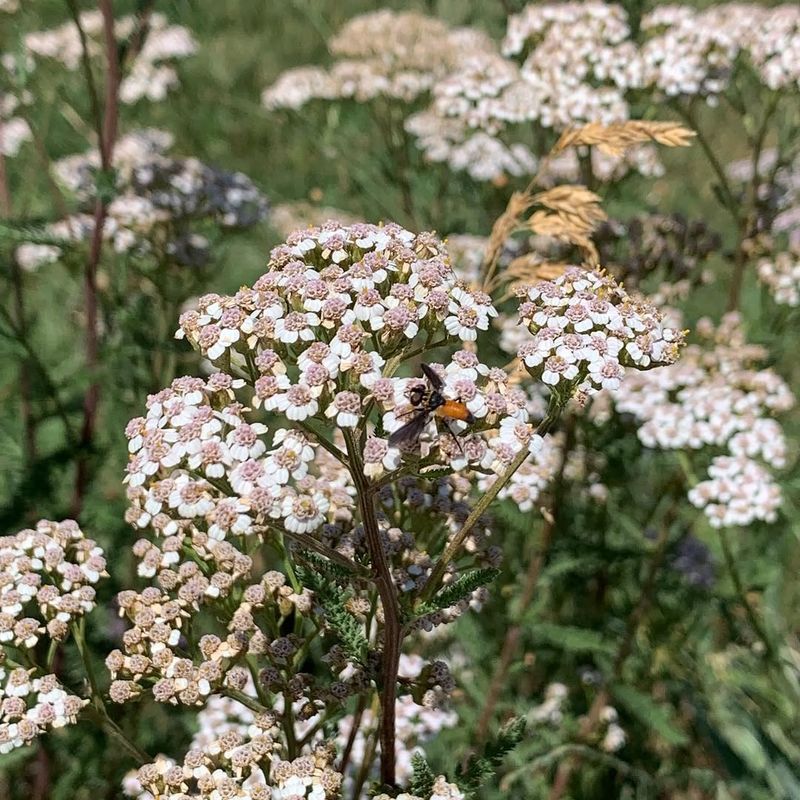
Yarrow is the kind of plant that makes experienced desert gardeners nod with approval. Flat flower clusters sit at the top of sturdy stems, creating perfect landing platforms for dragonflies between aerial hunts.
In a garden with limited water and maximum sun exposure, very few perennials perform as dependably.
Across our state’s higher elevation communities, yarrow naturalizes beautifully, spreading slowly into healthy clumps that get better-looking every year.
Even in the hotter low-desert regions, selecting heat-tolerant cultivars like ‘Moonshine’ or local native varieties gives gardeners reliable results through summer.
The key is sharp drainage; yarrow roots will rot in soggy soil but thrive in the kind of gritty, fast-draining ground found throughout most of the state.
What makes yarrow especially valuable for dragonfly habitat is the way its flowers attract a wide spectrum of smaller insects.
Hoverflies, wasps, beetles, and native bees all visit regularly, creating the kind of busy, prey-rich environment that dragonflies patrol with enthusiasm.
Blooms typically arrive from late spring through midsummer, with a possible second flush after cutting spent stems back by half. Plants need almost no fertilizer and actually perform better in lean soil.
Deadheading is helpful but not strictly necessary. For a no-fuss perennial that builds real garden biodiversity over time, yarrow delivers season after season without demanding much in return.
6. Silvery Blooms Stand Out In Dry Gravel Areas
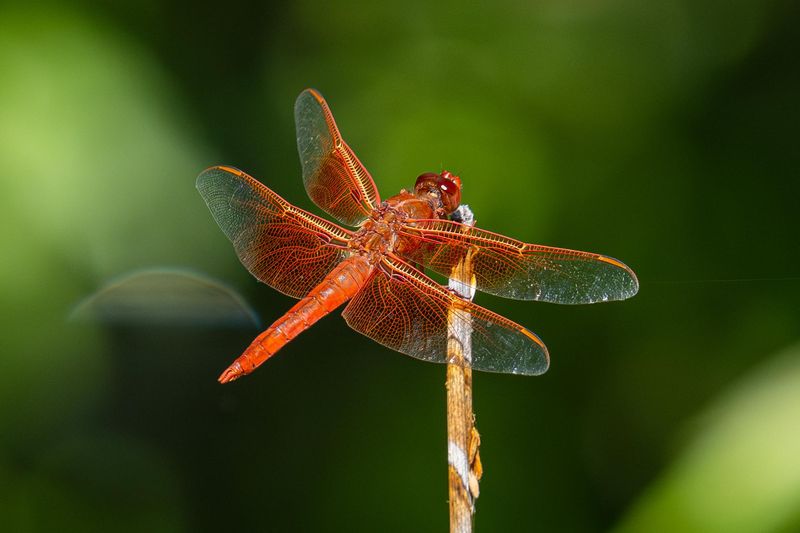
Dusty miller almost looks metallic beneath the midday sun, and that silvery foliage reflects light in ways that can attract flying insects searching for visual markers.
Many gardeners grow it for contrast alone, but it also adds surprising ecological value to dry landscapes.
Gravel gardens in Arizona are especially well suited for dusty miller because the plant handles reflected heat from rocks, walls, and pavers extremely well.
Its low water needs also make it a practical choice for keeping landscapes attractive through long stretches of summer heat without increasing irrigation demands too much.
Pairing it with slightly taller flowering plants nearby creates more layers within the garden, which often increases overall insect activity.
The small yellow or white flowers that appear in late spring and early summer are not especially flashy, but they still attract smaller insects looking for nectar.
Those insects naturally draw dragonflies searching for prey around the garden. Planting dusty miller in clusters creates a stronger visual effect and makes the silver foliage stand out more.
Very little pruning is needed in desert climates, though a light trim after blooming helps maintain a cleaner shape.
For dry gravel beds needing strong contrast and reliable heat tolerance, dusty miller remains one of the easiest low maintenance plants to grow successfully.
7. Tall Orange Blooms Draw Attention From Far Away
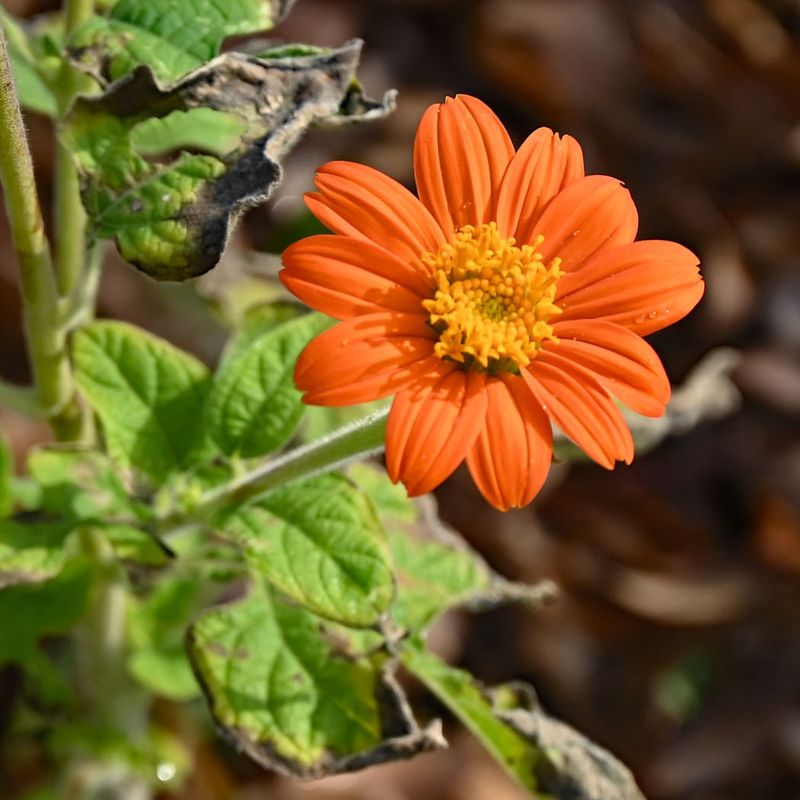
Mexican sunflower earns its reputation quickly. Plants can reach five feet tall in a single growing season and produce vivid orange blooms that stand out from across the yard.
That kind of height and color changes the feel of a garden fast, and the insect activity surrounding the plant becomes noticeable almost immediately.
Tithonia, the botanical name, is not a true sunflower but handles heat and intense sun in a very similar way.
It performs especially well in low desert conditions, continuing to bloom through monsoon season when many other plants slow down.
Dragonflies become especially active during and after summer storms, and tall flowering plants give them elevated places to land and scan the area.
Butterflies, bees, and hoverflies visit Mexican sunflower constantly, which helps attract the smaller insects dragonflies hunt.
Seeds can be started indoors about six weeks before the last frost or planted directly outside once soil temperatures warm consistently.
Plants grow quickly and need room to spread, so spacing them at least three feet apart usually works best. Staking may help in exposed areas where strong afternoon winds are common.
Regular cutting encourages fresh blooms and keeps plants flowering longer through the season. Few annuals match the combination of bold color, height, pollinator activity, and wildlife value that Mexican sunflower brings to desert gardens.
8. Trailing Purple Flowers Spread Across Warm Garden Beds
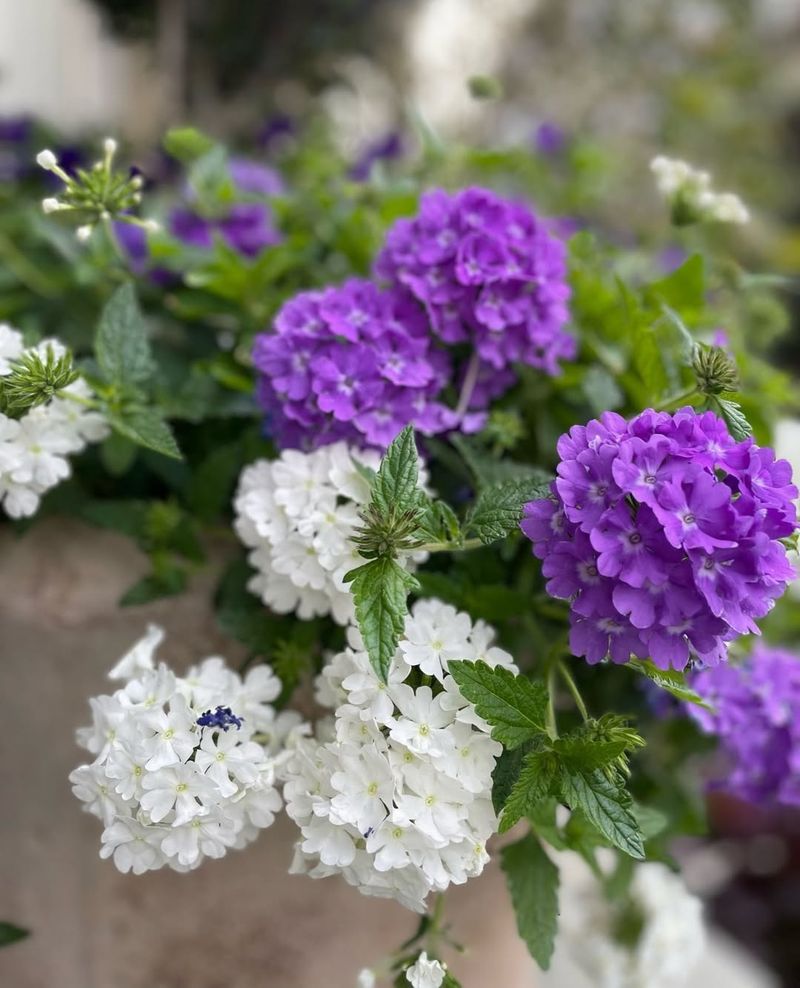
Verbena bonariensis and trailing ground verbena are two completely different plants, but both share one important quality: they cover ground with purple blooms that seem to last forever in our climate.
Spreading plants that hug warm soil create microhabitats at ground level where insects shelter, rest, and feed constantly.
Trailing verbena works especially well along the edges of raised beds, spilling over borders and filling in gaps between larger shrubs. In the central and southern parts of the state, it often behaves as a short-lived perennial, returning from the roots after mild winters.
In the northern regions, treating it as an annual and replanting each spring gives consistent results without disappointment.
Dragonflies tend to patrol garden edges where open space meets dense planting, and trailing verbena creates exactly that kind of transitional zone.
The small, clustered purple flowers attract a steady stream of butterflies and native bees throughout the growing season, keeping insect density high enough to make the area worth hunting.
Water verbena deeply but infrequently once established, allowing soil to dry slightly between sessions. Full sun produces the best bloom density; plants in partial shade tend to stretch and produce fewer flowers.
Pinching back stem tips early in the season encourages branching and a fuller, more vigorous spread.
For warm garden beds that need reliable ground-level color and consistent wildlife activity, trailing verbena is a smart, proven choice.