These Are The Arizona Native Trees That Create The Most Shade Without The Messy Debris
If you’ve ever stepped outside in an Arizona summer and immediately turned right back around, you already understand the value of a good shade tree on a deeply personal level.
We’re talking about months of triple digit heat, a sun that feels like it has a grudge, and a backyard that goes completely unusable from June through September without the right cover overhead.
A great shade tree changes everything. The problem is that a lot of trees come with a catch, whether that’s a mountain of fallen pods, sticky sap, seed litter everywhere, or a cleanup situation that basically becomes its own part time job.
Arizona native trees though? Several of them offer serious, meaningful shade while keeping the mess surprisingly manageable.
And in a low-water landscape, they’re basically doing you multiple favors at once.
1. Ironwood Gives Steady Desert Shade
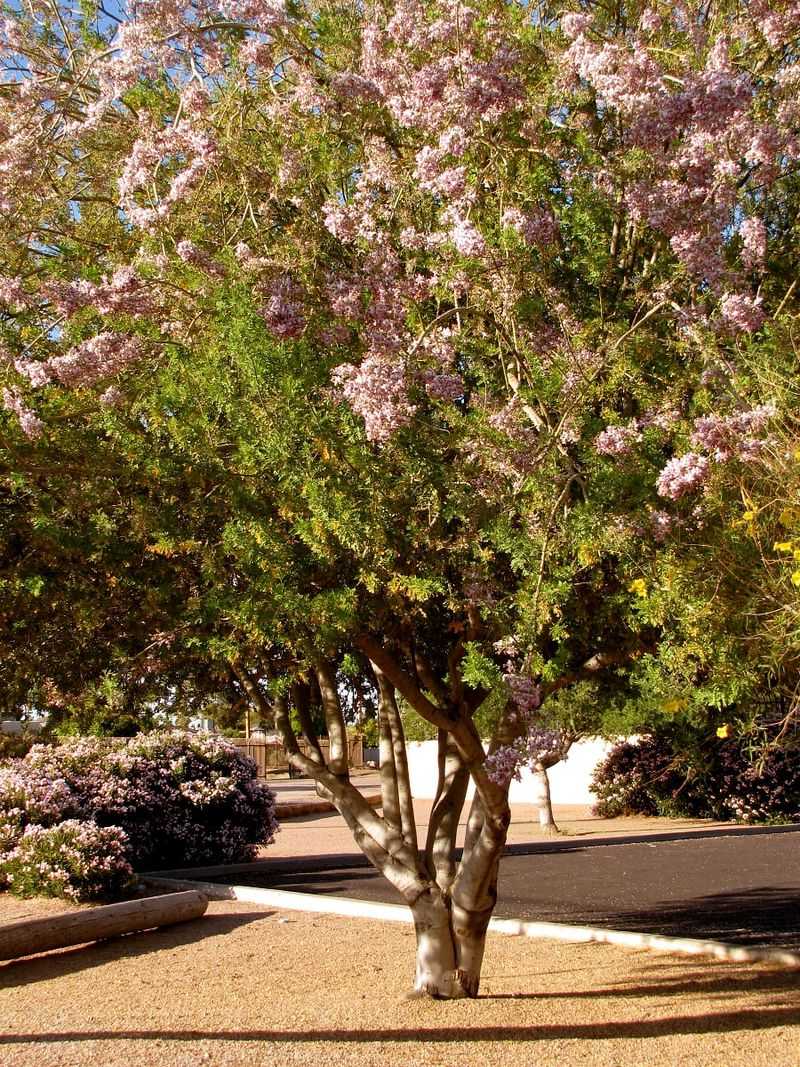
Few trees in the Sonoran Desert feel as solid and dependable as the desert ironwood. With a broad, rounded canopy that can spread 20 to 30 feet wide at maturity, ironwood is one of the best choices for creating genuine midday shade in an Arizona backyard.
It grows slowly but steadily, and its dense canopy does a solid job of blocking intense summer sun over patios, seating areas, or dry garden beds.
Ironwood is semi-evergreen, meaning it holds most of its small, gray-green leaves through the year and drops them briefly in spring before leafing out again.
That brief leaf drop is relatively light compared to many other shade trees, making cleanup near patios or walkways fairly manageable.
The tree also produces small purple flowers in late spring, which add seasonal color without creating significant debris piles.
One thing worth knowing is that ironwood does have small thorns along its branches, so placement matters. Giving it enough space away from foot traffic areas or pool edges makes the most sense for residential yards.
It thrives in full sun with minimal supplemental water once established, fitting naturally into water-wise landscapes. Wildlife also find ironwood valuable, as birds and small desert animals use its canopy for cover.
For homeowners looking for a long-lived, structurally impressive native shade tree that earns its space without demanding constant cleanup, ironwood is a standout option in Arizona’s native tree palette.
2. Desert Willow Brings Light Shade And Flowers
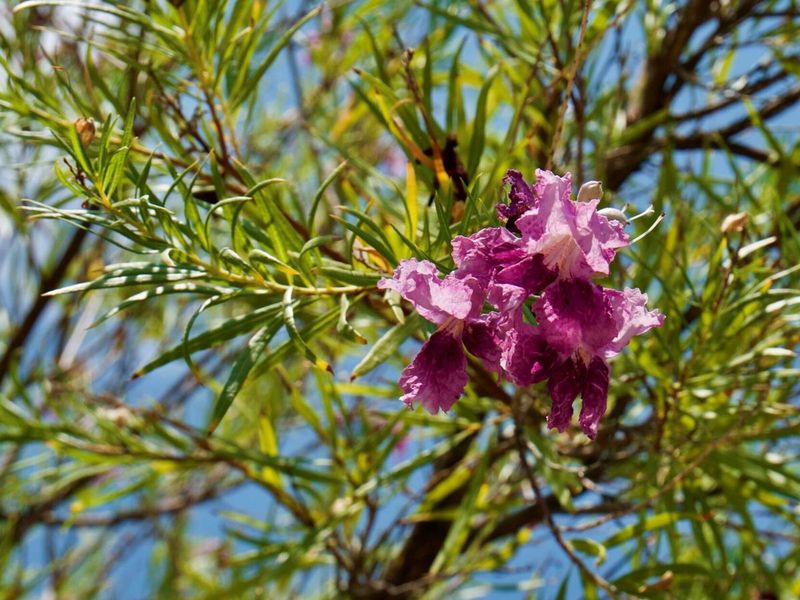
Walking past a desert willow in full bloom is one of those small summer pleasures that can stop you in your tracks.
The long, trumpet-shaped flowers in shades of pink, lavender, and white appear repeatedly from late spring through summer, bringing color and pollinator activity to any yard.
Beyond its blooms, desert willow offers light, dappled shade that works well for seating areas where you want filtered sunlight rather than heavy cover.
The canopy is open and airy, with narrow, willow-like leaves that create a soft, feathery look.
Because the leaf structure is so fine, the debris that falls is light and breaks down quickly in the soil, making it one of the more manageable native trees for placement near patios or dry garden beds.
Your Arizona Garden Changes Every Week. Your Plan Should Too.
Gardening in Arizona changes quickly throughout the season. Every Friday you’ll receive a simple weekly plan showing exactly what to plant, prune, fertilize, harvest, and protect so you never miss the right timing.
Seed pods do form after flowering and can be noticeable, so positioning the tree slightly away from pool edges or paved surfaces can reduce cleanup.
Desert willow is deciduous, dropping its leaves in winter, but the bare branching structure has its own quiet appeal in the cooler months.
It grows at a moderate pace, reaching roughly 15 to 25 feet tall depending on water and soil conditions, and it handles heat and drought very well once established.
Hummingbirds are especially drawn to the flowers, making this tree a lively addition to a wildlife-friendly yard. For homeowners who want seasonal color, pollinator activity, and manageable light shade, desert willow brings a lot to an Arizona landscape.
3. Canyon Hackberry Works For Natural Shade Areas
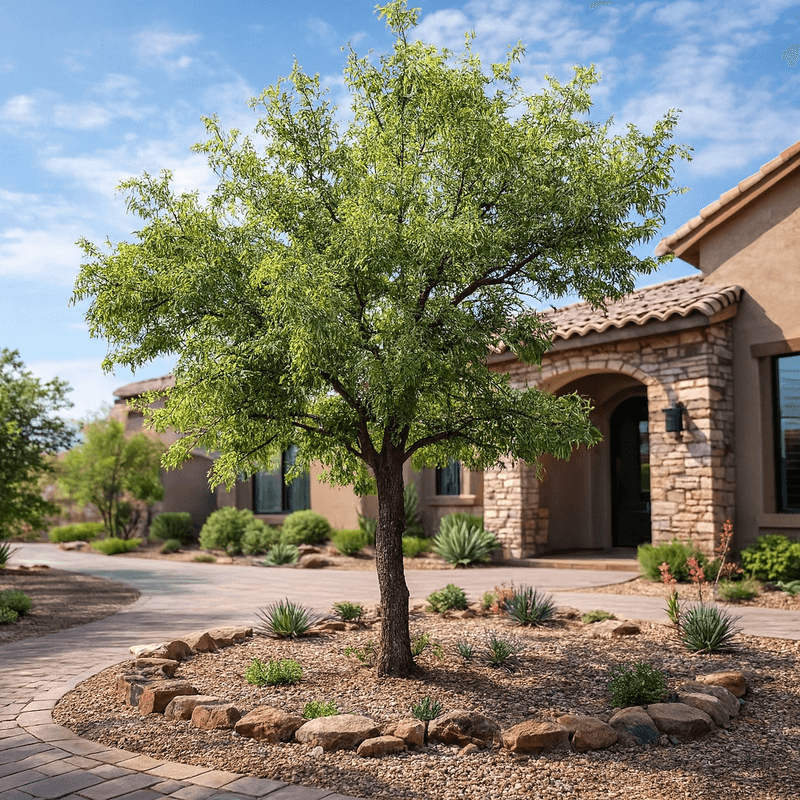
Some trees feel like they belong exactly where they grow, and canyon hackberry is one of them.
In Arizona, this native tree tends to appear naturally along rocky slopes, canyon edges, and dry washes, where it takes advantage of occasional moisture without needing regular irrigation.
That same adaptability makes it a solid choice for naturalized areas, low-water garden beds, or informal backyard spaces where a spreading, organic canopy is welcome.
Canyon hackberry grows into a medium to large tree, often reaching 20 to 30 feet in height with a broad, spreading canopy that provides genuine midday shade.
The leaves are rough-textured and medium-sized, and while the tree is deciduous and does drop its leaves in fall and winter, the debris tends to break down relatively quickly in Arizona’s dry climate.
Small berry-like fruits appear in late summer and fall, which wildlife, especially birds, find very appealing, though placement away from pool decks or light-colored paving can help minimize fruit staining.
One of the understated strengths of canyon hackberry is how naturally it fits into an Arizona yard without requiring a lot of intervention. It handles rocky soil, reflected heat, and low supplemental water once established.
The canopy develops a pleasant, informal shape over time that feels at home in a desert naturalized landscape.
For homeowners with a larger yard, a shaded slope, or a dry wash feature who want a native tree that supports wildlife and provides real shade without demanding heavy maintenance, canyon hackberry is a trustworthy and ecologically valuable choice.
4. Arizona Rosewood Adds Small Evergreen Shade
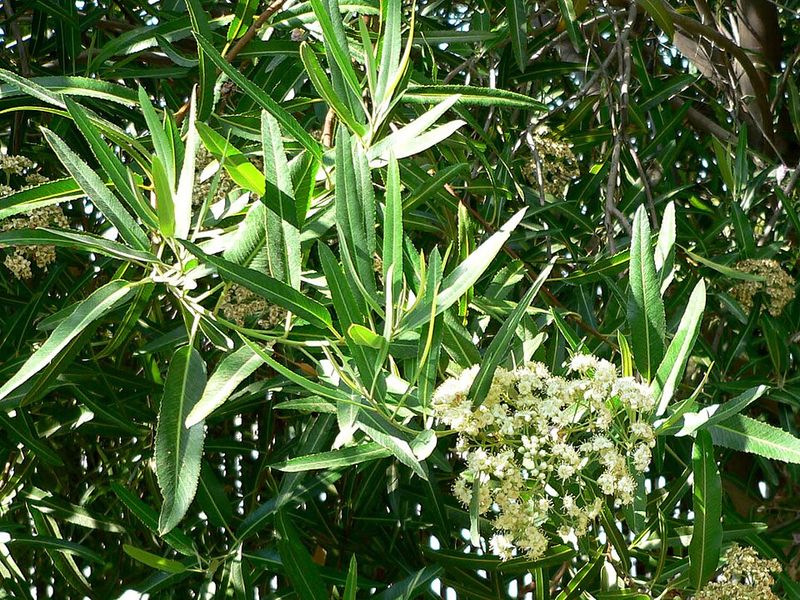
Not every Arizona backyard needs a towering canopy. Sometimes a smaller, well-behaved evergreen tree is exactly what a courtyard corner, narrow side yard, or compact patio space calls for, and Arizona rosewood fits that role quietly and reliably.
It grows as a large shrub or small multi-trunked tree, typically reaching 10 to 18 feet in height, with dense, dark green foliage that holds year-round without significant seasonal leaf drop.
Because Arizona rosewood is evergreen and relatively compact, it creates consistent shade in smaller areas without overwhelming nearby structures or garden beds.
The leaves are small and leathery, and while some seasonal drop does occur, the overall debris load is modest compared to larger deciduous trees.
Small white flowers appear in clusters during spring, adding subtle seasonal interest without leaving behind messy petals or heavy litter.
This tree is native to rocky canyon slopes and desert mountain foothills in Arizona, which gives you a clue about its soil preferences.
It handles rocky, well-draining soil extremely well and thrives with low supplemental water once established, making it a natural fit for water-wise landscapes.
It also provides wildlife value, offering cover and nesting habitat for small birds. Placement near a shaded seating nook, against a southwest-facing wall, or at the edge of a naturalized dry garden bed can bring out the best in Arizona rosewood.
For homeowners who want tidy, consistent evergreen shade in a smaller footprint, this native is worth serious consideration.
5. Arizona Cypress Creates Tall Backyard Screening
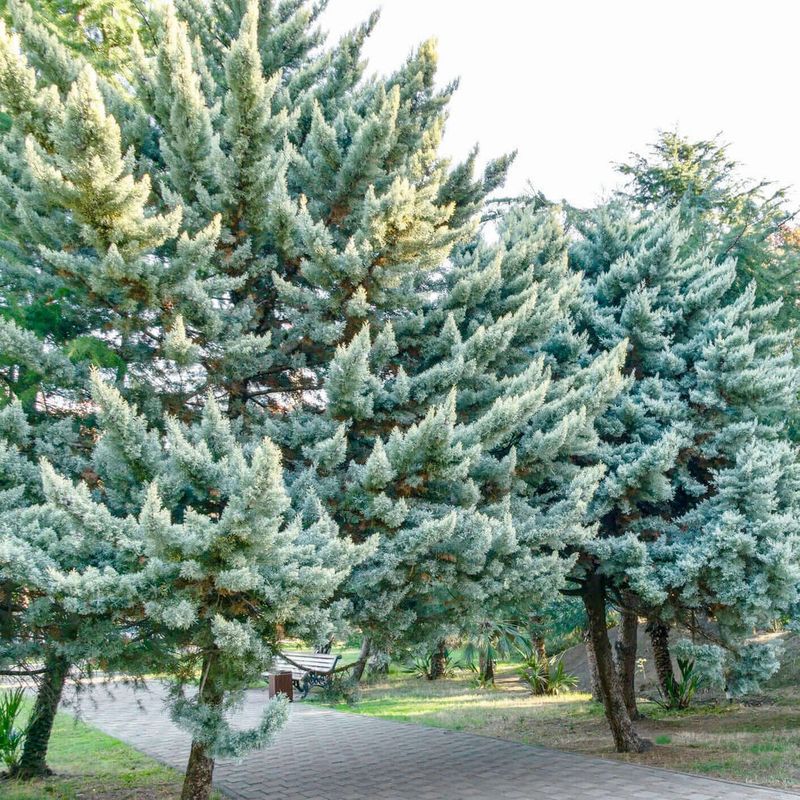
Privacy matters in many Arizona backyards, especially in newer subdivisions where homes sit close together and fences only do so much.
Arizona cypress is one of the most effective native trees for creating tall vertical screening while also providing meaningful shade along property lines, near covered patios, or beside outdoor seating areas.
Its naturally columnar to broadly pyramidal shape makes it a strong structural choice for screening purposes without taking up excessive horizontal space.
The foliage is blue-green to silvery green and holds year-round, giving the tree consistent screening value across all seasons.
Leaf drop is minimal compared to many deciduous shade trees, and while some small cones and foliage bits do fall over time, the overall debris load near paved surfaces or patios is generally manageable with occasional light cleanup.
The scale and density of the canopy also means it can block harsh afternoon sun from reaching west-facing walls or outdoor spaces.
Arizona cypress is native to mountain and foothill regions across Arizona and handles cold winters better than many other native desert trees, making it useful in higher-elevation Arizona communities as well as lower desert yards.
It prefers well-draining soil and low to moderate supplemental water once established.
Growth rate is moderate, so some patience is helpful, but the tree fills in well over time. Birds also find the dense foliage useful for nesting and shelter.
For homeowners wanting tall, evergreen screening with shade value and manageable seasonal debris, Arizona cypress is a practical and attractive native option.
6. Kidneywood Adds Light Shade Near Patios
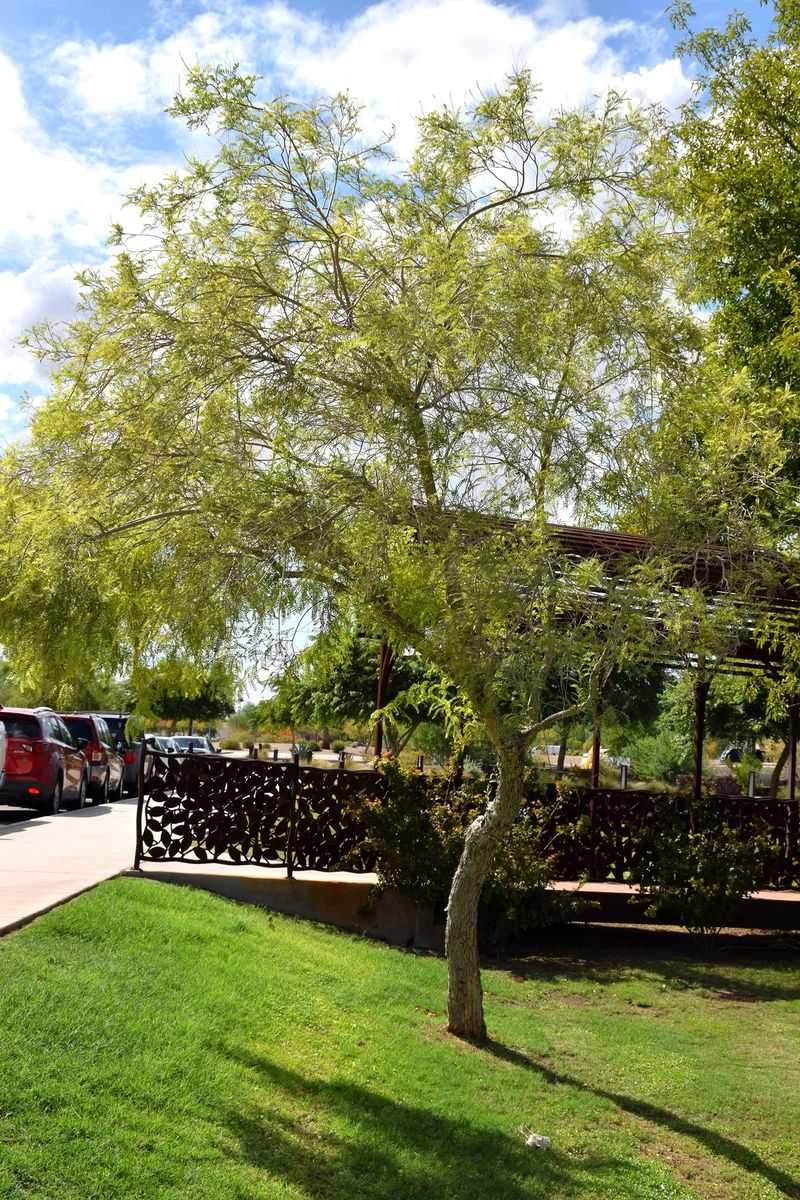
There is something genuinely pleasant about sitting near a kidneywood tree when it is in bloom.
The clusters of small, white, fragrant flowers appear in waves from spring through summer and carry a light, sweet scent that makes outdoor seating areas noticeably more enjoyable during warmer months.
Beyond the flowers, kidneywood brings a fine-textured, airy canopy that filters sunlight rather than blocking it completely, which works well for patios where some brightness is still welcome.
Kidneywood typically grows 8 to 15 feet tall, sometimes a bit taller under favorable conditions, with a graceful, multi-stemmed form and small, pinnate leaves that give the tree a delicate, open appearance.
Because the leaves are so small and fine, seasonal leaf drop is light and tends to scatter rather than accumulate in heavy piles.
Flower drop after blooming is also minimal, making kidneywood one of the tidier native flowering trees for placement near paved surfaces, outdoor dining areas, or poolside spaces.
This tree is native to rocky desert hillsides and canyon areas in southern Arizona and handles drought, heat, and rocky or sandy soil with ease once established.
It needs minimal supplemental water after its first year or two in the ground, fitting comfortably into a water-wise Arizona landscape.
Pollinators, including bees and butterflies, visit the flowers regularly during bloom cycles, adding lively seasonal activity near patio spaces.
For homeowners who want a smaller, fragrant native tree with manageable debris and real charm near a seating area, kidneywood is a rewarding and underappreciated choice in Arizona yards.