These 9 Colorful Plants Will Wake Up First In Your Florida Garden
Your Florida garden doesn’t have to wait around for spring to show off. While some plants are still hitting snooze, these colorful early bloomers are already throwing a full-on flower party.
Think bright petals popping up weeks ahead of schedule, pollinators showing up early, and your yard instantly looking alive again. These plants are known for waking up fast, loving Florida’s warm weather swings, and delivering bold color when most landscapes still look half asleep.
If you’re craving that first burst of garden excitement, this is where it starts. Fresh blooms, vibrant shades, and serious curb appeal arrive sooner than you think.
Get ready to step outside and see your garden steal the spotlight before spring even settles in.
1. Azaleas Bring Color First
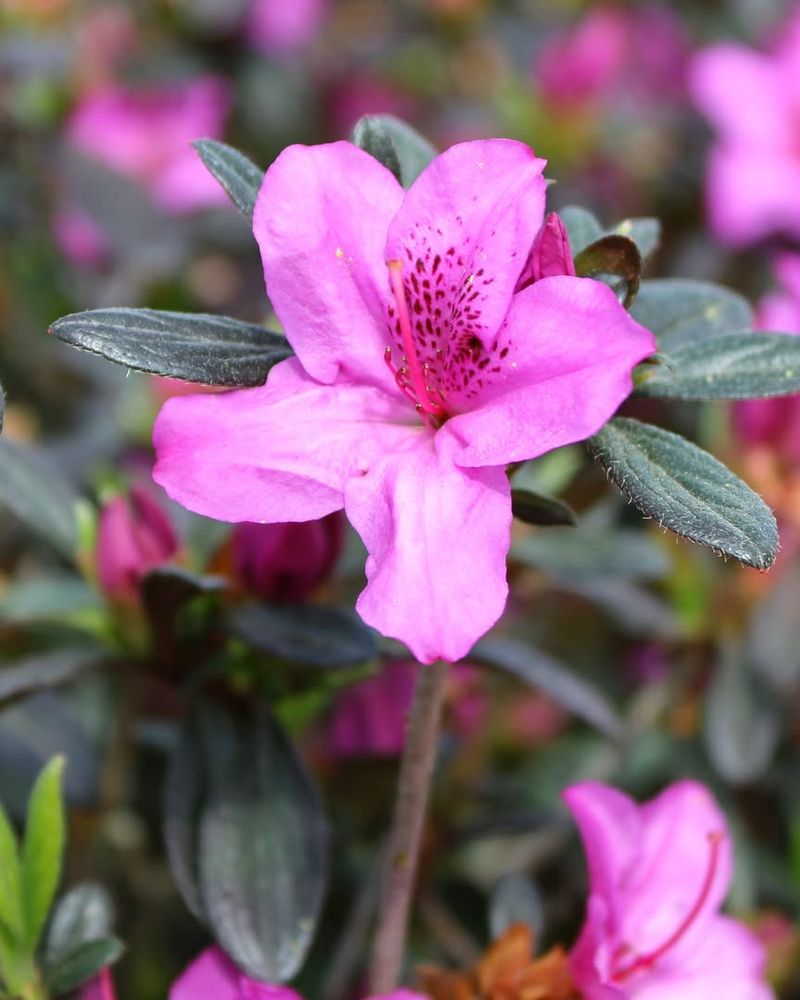
Walk through any Florida neighborhood in late winter and you’ll spot azaleas stealing the show before almost anything else blooms. These shrubs explode with flowers in shades of pink, red, white, and purple, creating masses of color that brighten up shady spots under trees.
Azaleas prefer the cooler temperatures Florida offers from January through March, making them perfect for early season interest. Planting azaleas in your Florida garden requires some attention to soil conditions since they love acidic ground.
Mix peat moss or composted pine bark into your beds before setting them in, and choose spots with morning sun and afternoon shade. Too much direct sunlight can stress the plants and reduce flowering.
Once established, azaleas need regular watering but hate sitting in soggy soil, so good drainage matters. Mulch around the base helps keep roots cool and maintains moisture during dry spells.
Fertilize right after blooming finishes to encourage strong growth for next year’s flower display. Florida gardeners should pick varieties bred for warmer climates like Encore azaleas, which often bloom twice yearly.
These reliable performers need minimal pruning and provide spectacular color when your landscape needs it most, making them essential for any early blooming garden plan.
2. Hibiscus Wakes Up Early
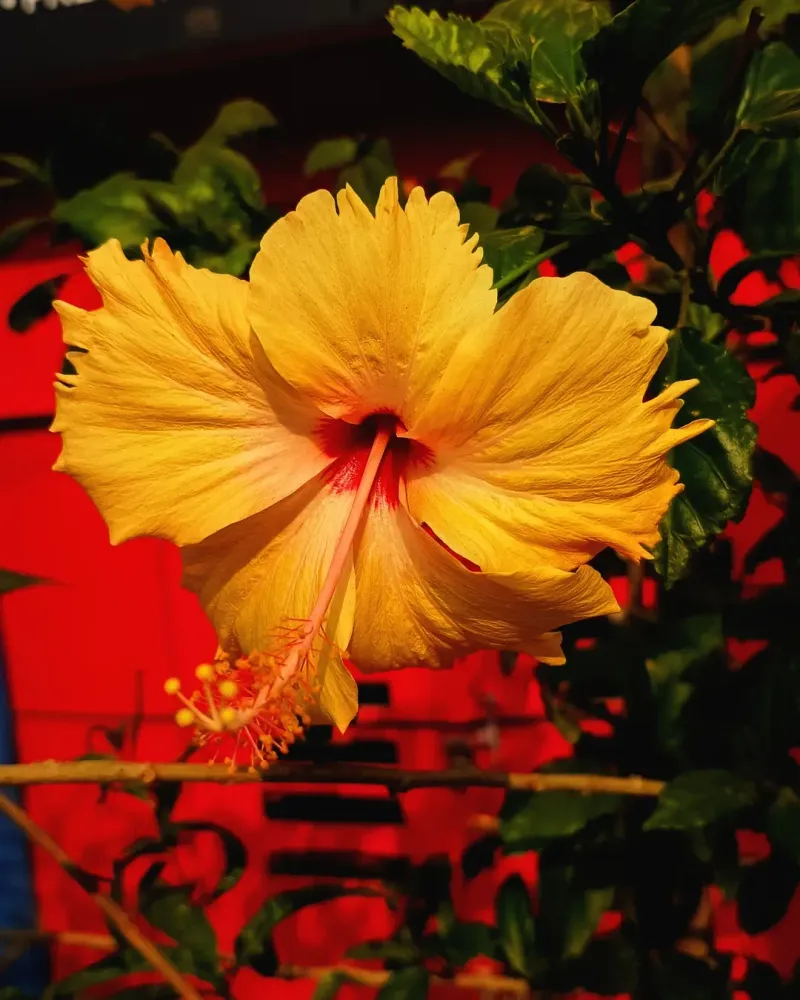
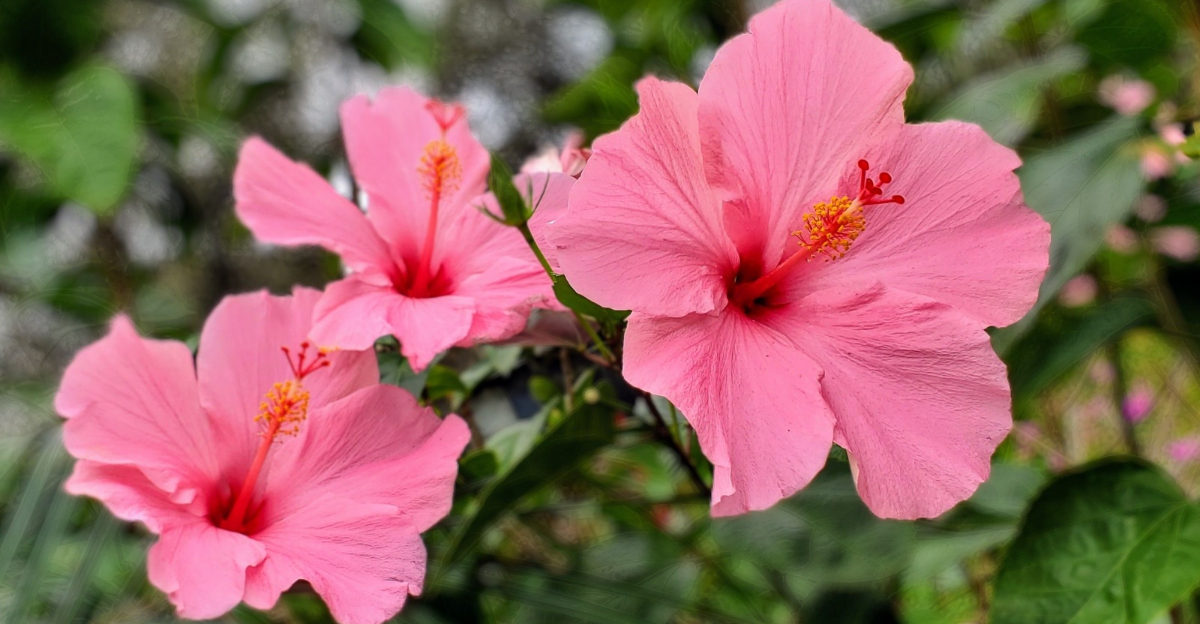
Nothing says Florida quite like hibiscus flowers showing off their huge, tropical blooms when temperatures start climbing. These plants respond quickly to warmer days, pushing out flowers that can reach six inches across in colors ranging from red and orange to yellow and pink.
Hibiscus bushes grow fast and fill spaces with lush foliage that stays attractive even between bloom cycles. Growing hibiscus in Florida gardens works best when you plant them where they’ll receive at least six hours of sunlight daily.
They tolerate our sandy soils well but appreciate regular feeding with fertilizer formulated for acid-loving plants. Water deeply when the top inch of soil feels dry, especially during establishment.
Both tropical and hardy hibiscus varieties thrive in Florida, though tropical types bloom more consistently year-round in southern regions. Northern Florida gardeners might see tropical hibiscus slow down during cooler months, but hardy varieties bounce back reliably each spring.
Pruning in late winter encourages bushier growth and more flowering branches. Watch for aphids and whiteflies, which love hibiscus as much as gardeners do.
Spray them off with water or use insecticidal soap for heavier infestations. With proper care, hibiscus provides months of stunning flowers that attract hummingbirds and butterflies to your Florida yard.
3. Bougainvillea Starts Strong
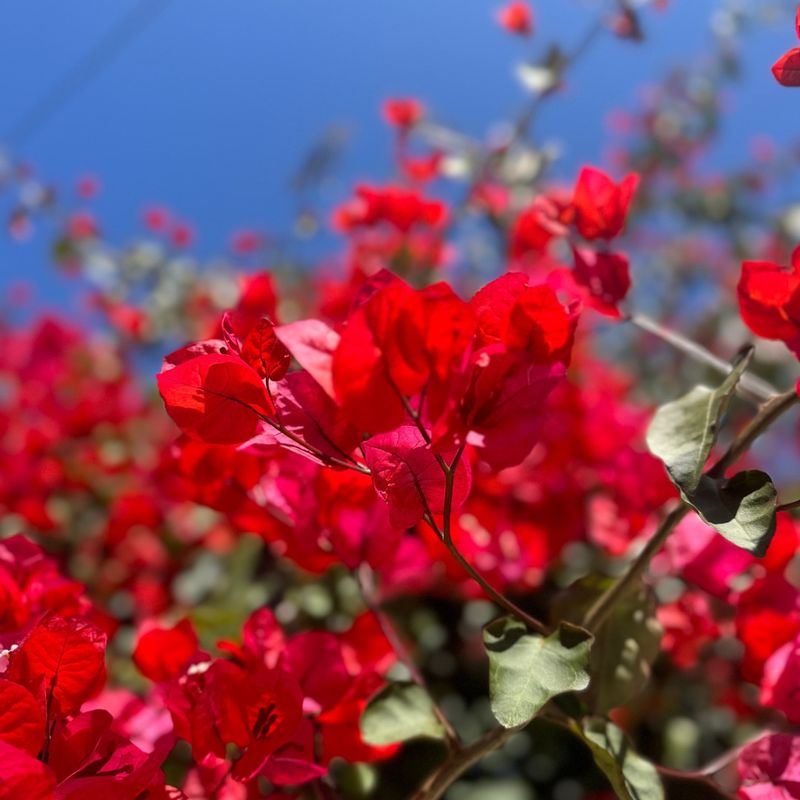
Bougainvillea vines wake up with serious energy once Florida’s weather warms, covering fences and arbors with brilliant color that lasts for months. The papery bracts in magenta, orange, red, white, or purple create eye-catching displays that outshine actual flowers.
These Mediterranean natives adapted perfectly to Florida’s climate, handling heat and occasional drought like champions. Planting bougainvillea requires choosing a sunny location since these vines need full sun to produce their best color show.
They grow in almost any well-draining soil and actually bloom better when slightly stressed by dry conditions. Overwatering reduces flowering and encourages leafy growth instead of colorful bracts.
Training bougainvillea onto supports takes patience since their thorny stems grow vigorously in multiple directions. Tie new growth to trellises or fences with soft plant ties, guiding branches where you want coverage.
Pruning after bloom cycles keeps plants manageable and encourages fresh flowering wood. Florida gardeners love bougainvillea for its low maintenance needs once established.
These plants tolerate salt spray in coastal areas and bounce back quickly from occasional cold snaps that might damage tender growth. Feed lightly during the growing season and enjoy waves of color that start early and continue through fall in most Florida regions.
4. Snapdragons Bloom Fast
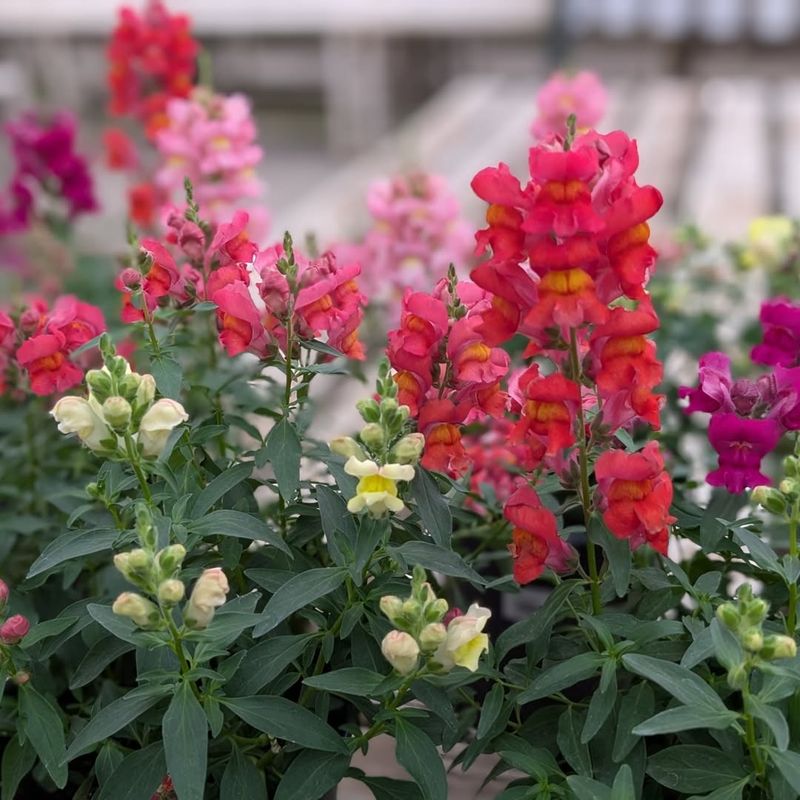
Snapdragons jump into action during Florida’s cooler months, sending up spikes of flowers that kids love to pinch and watch snap open like dragon mouths. These annuals thrive in temperatures between 40 and 70 degrees, making them perfect for fall through spring planting across the state.
Colors range from soft pastels to bold reds and purples, with heights varying from six inches to three feet depending on variety. Sowing snapdragon seeds or transplants works best in Florida from October through February, giving plants time to establish before heat arrives.
They prefer full sun in northern areas but appreciate afternoon shade in central and southern regions. Rich, well-draining soil amended with compost helps snapdragons develop strong root systems and abundant flower spikes.
Pinching back young plants encourages branching and more flower stalks, creating fuller displays in garden beds or containers. Deadhead spent blooms regularly to keep new flowers coming and prevent plants from setting seed too early.
Water consistently but avoid overhead irrigation that can encourage fungal problems on foliage. Florida gardeners should plant snapdragons knowing they’ll fade when summer heat intensifies, but their cool-season performance makes them worthwhile additions.
Mix different heights and colors for dynamic displays that provide cutting flowers and attract beneficial insects to your garden throughout the cooler months.
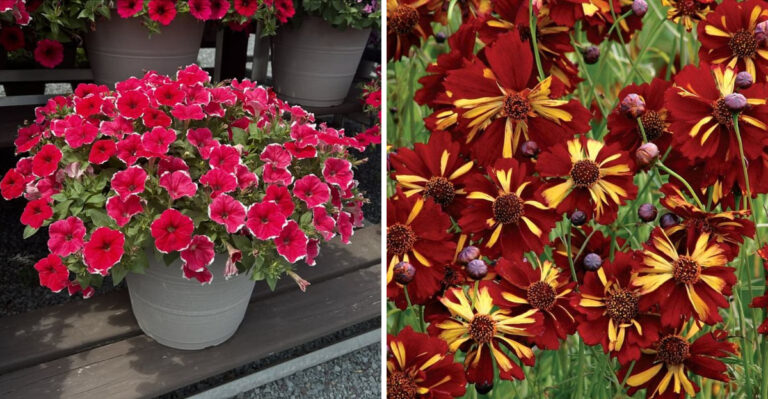
5. Petunias Light Up Beds
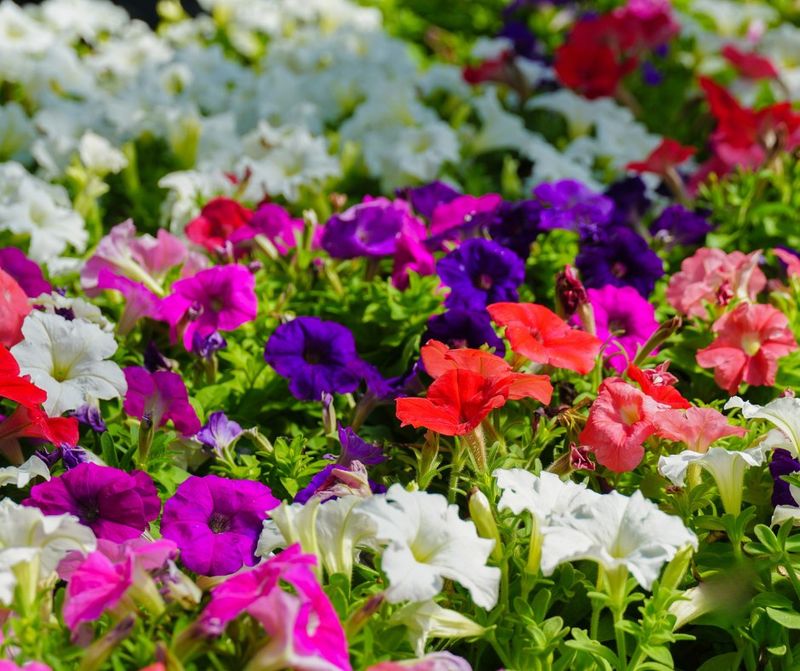
Stunning petunias carpet Florida gardens with continuous color from fall through spring, offering more flower power per square foot than almost any other annual. Modern varieties resist heat better than older types, extending their performance deeper into Florida’s warmer months.
Wave and spreading petunias work especially well as groundcovers or in hanging baskets where their trailing habit shows off hundreds of blooms. Planting petunias in Florida succeeds best when you choose well-draining locations with six hours of sunlight minimum.
These annuals tolerate various soil types but respond beautifully to regular feeding with balanced fertilizer every two weeks. Grandiflora types produce large, showy flowers while multiflora varieties offer smaller blooms in greater quantities.
Deadheading isn’t usually necessary with newer petunia varieties that clean themselves, dropping spent flowers naturally. However, cutting back leggy stems by one-third in mid-season encourages fresh growth and renewed blooming.
Watch for tobacco budworms, common petunia pests in Florida, and treat with organic Bt spray if damage appears. Container plantings with petunias need more frequent watering than garden beds since pots dry out quickly in Florida’s climate.
Mix slow-release fertilizer into potting soil at planting time for steady nutrition. Petunias provide reliable color that brightens entries, borders, and landscape beds throughout the cooler growing season across all Florida regions.
6. Pansies Never Quit Blooming
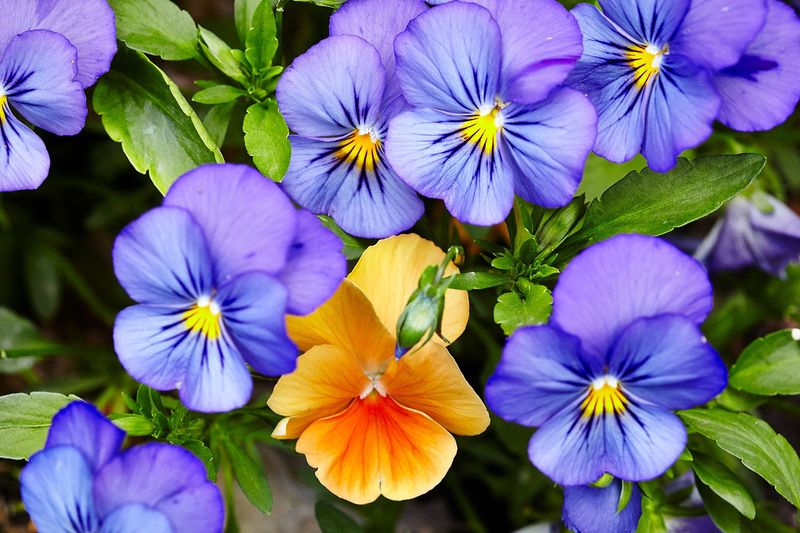
Pansies tough it out through Florida’s winter months, providing cheerful faces that keep blooming even when occasional cold fronts roll through. These hardy annuals handle light frosts that would damage more tender plants, making them reliable performers for consistent color.
Their compact growth habit works perfectly for edging beds, filling containers, or creating masses of color in landscape plantings. Timing pansy planting correctly matters in Florida since they need cool weather to establish and bloom well.
Set transplants out from October through January, depending on your location within the state. Northern Florida gardeners can plant earlier while southern regions should wait until temperatures moderate.
Full sun to partial shade works, with some afternoon protection helpful in warmer areas. Prepare beds with organic matter and ensure good drainage since pansies dislike waterlogged roots.
Feed every two to three weeks with liquid fertilizer diluted to half strength for continuous flowering. Remove faded blooms regularly even though pansies will keep flowering without deadheading, as this practice encourages more buds.
Florida’s spring warmth eventually signals pansies to fade, usually by April or May depending on location. Until then, they provide months of reliable color in shades of purple, yellow, orange, red, white, and bicolors.
Mass plantings create stunning displays while mixed containers combine different colors for maximum impact throughout the cool season.
7. Geraniums Start Early
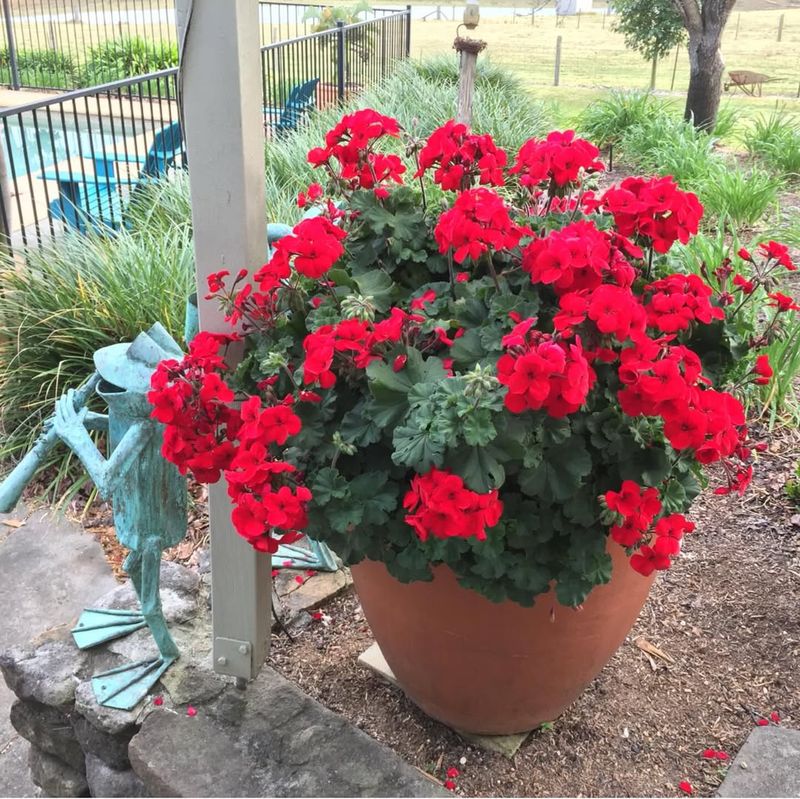
Geraniums burst into bloom early in Florida gardens, producing clusters of flowers in vibrant reds, pinks, whites, and salmons that catch everyone’s attention. These Mediterranean natives adapted well to Florida’s climate, especially during cooler months when they really shine.
Both zonal geraniums with rounded leaves and ivy geraniums with trailing habits offer options for different garden situations. Growing geraniums successfully in Florida requires understanding they prefer our cooler season from fall through spring.
Plant them in October or November for best results, choosing locations with morning sun and afternoon shade in warmer regions. Northern Florida gardeners can provide more sun exposure.
Well-draining soil is critical since geraniums quickly develop root problems in soggy conditions. Water geraniums when soil feels dry an inch below the surface, avoiding overhead watering that can promote disease on foliage and flowers.
Remove spent flower clusters by snapping them off at the base to encourage continuous blooming. Fertilize monthly with balanced plant food, reducing frequency if you notice more leaves than flowers developing.
Container growing works beautifully for geraniums in Florida, allowing you to move plants to protected spots during rare cold snaps. They tolerate crowded roots better than many plants, making them perfect for pots and window boxes.
Geraniums provide reliable color and easy care that beginning and experienced Florida gardeners appreciate equally.
8. Coreopsis Pops With Color
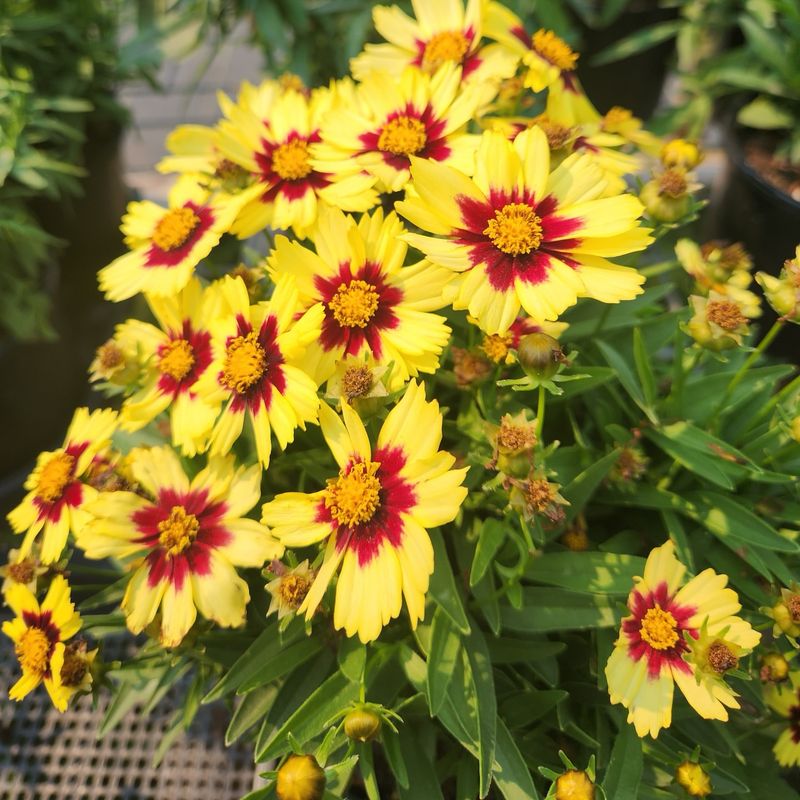
Florida’s state wildflower brings sunshine yellow blooms to gardens starting in early spring and continuing for months with minimal care. Coreopsis species native to Florida handle our climate perfectly, tolerating sandy soils, heat, and occasional dry spells that would stress less adapted plants.
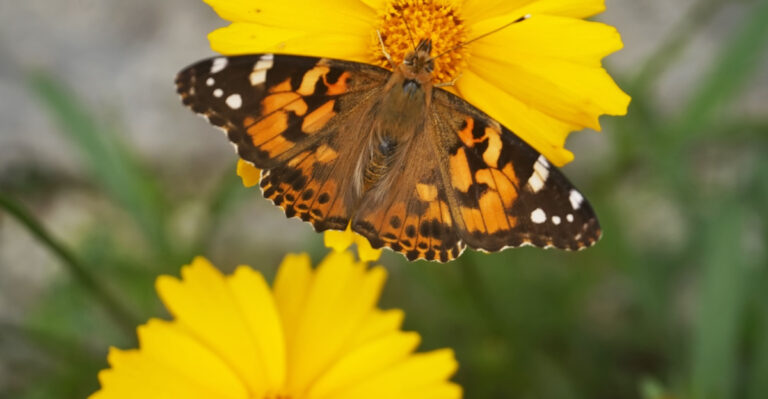
These cheerful daisies attract butterflies and beneficial insects while providing cutting flowers for indoor arrangements. Planting coreopsis from seed or transplants works well in Florida gardens, with fall planting giving plants time to establish strong roots before blooming season.
They thrive in full sun and actually prefer lean soils without heavy fertilization. Too much nitrogen produces leafy growth at the expense of flowers.
Space plants 12 to 18 inches apart for good air circulation. Once established, coreopsis needs little attention beyond occasional watering during extended dry periods.
These tough perennials reseed readily, creating natural drifts of color that expand over time. Shearing plants back by one-third after the first heavy bloom flush encourages fresh growth and repeat flowering through summer and fall.
Several coreopsis species grow wild across Florida, but cultivated varieties offer larger flowers and more color options including reds and bicolors. Lanceleaf coreopsis and tickseed varieties perform reliably in home landscapes, providing long-lasting color with native plant toughness.
These low-maintenance beauties deserve space in every Florida garden focused on early season blooms.
9. Blanket Flower Keeps Blooming
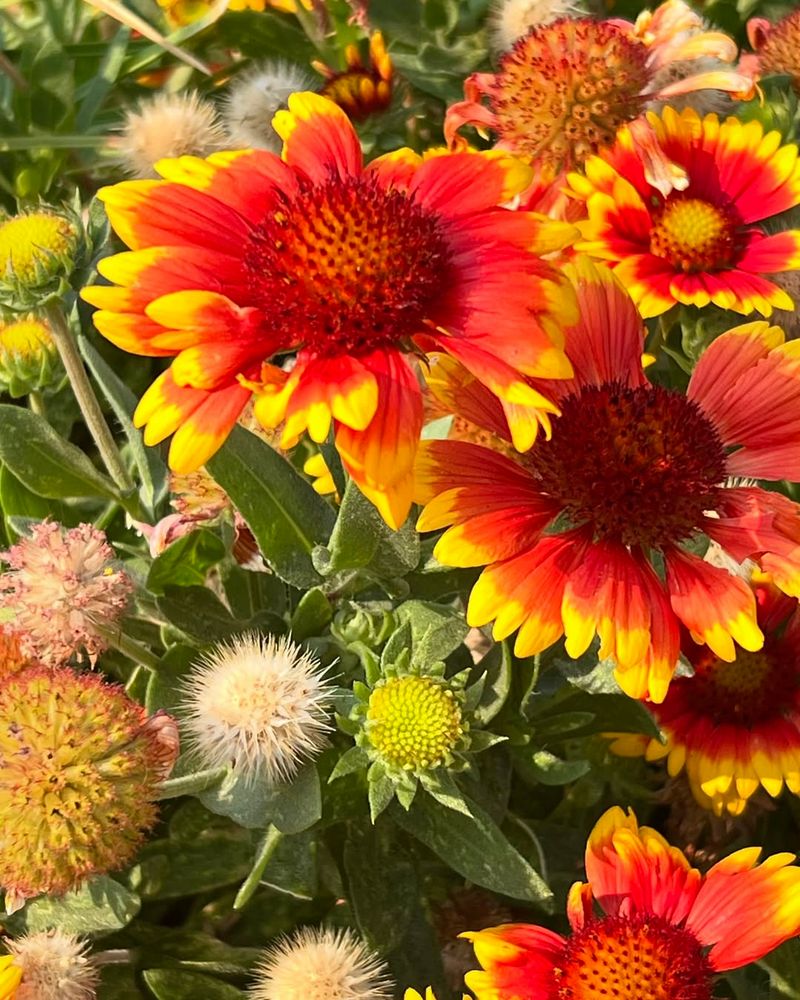
Blanket flower lives up to its name by covering Florida gardens with warm-colored blooms that start early and refuse to quit. These native perennials produce daisy-like flowers in combinations of red, orange, and yellow that resemble colorful woven blankets.
Gaillardia species tolerate Florida’s challenging conditions including heat, humidity, and poor soils that discourage less rugged plants. Establishing blanket flower in Florida gardens succeeds best with fall or early spring planting, giving roots time to settle before blooming begins.
Choose sunny locations with excellent drainage since these plants absolutely hate wet feet. Sandy soils work perfectly without amendment, though adding compost improves water retention in extremely fast-draining spots.
Space plants 15 inches apart for mature coverage. Blanket flowers need minimal watering once established, making them excellent choices for low-maintenance landscapes and water-wise gardens.
Deadheading spent blooms extends flowering but isn’t necessary since plants bloom prolifically regardless. Cut back shabby foliage in late fall to encourage fresh spring growth and tidy appearance.
Florida gardeners appreciate blanket flower’s resistance to deer and most pests, plus its ability to attract butterflies and native bees. These perennials often reseed, creating expanding patches of color that fill in bare spots naturally.
Their long blooming season from spring through fall provides consistent color when many other plants take summer breaks, making them valuable additions to any Florida garden.