These 8 Common Feeding Mistakes Stunt Petunia Blooms
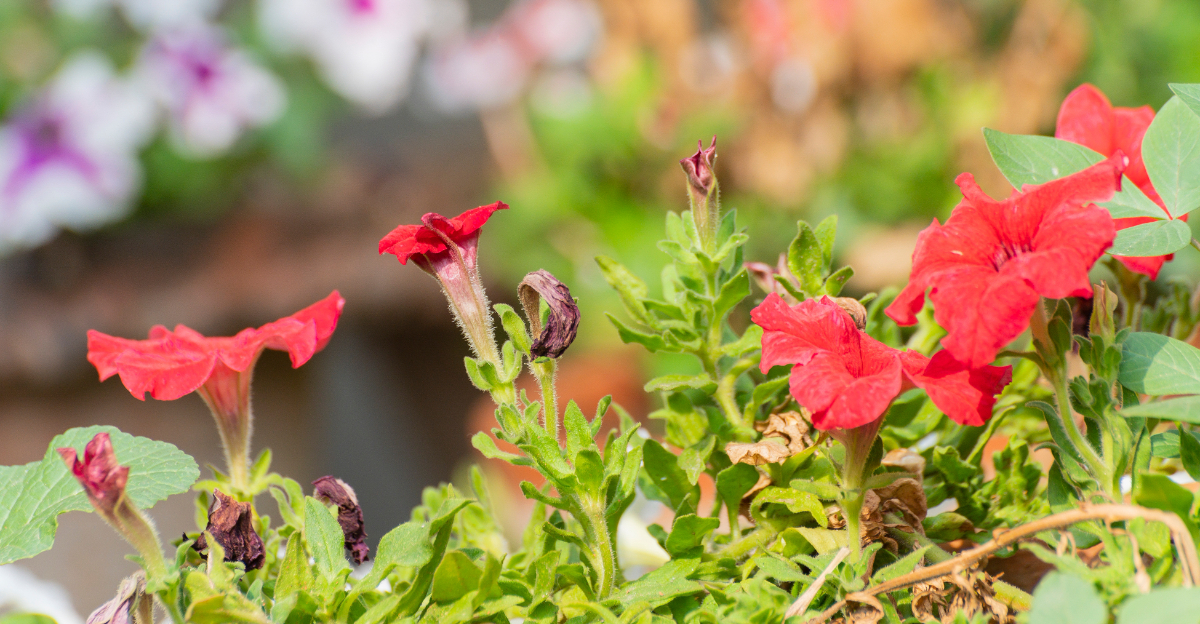
Petunias practically beg for attention with their ruffled, color-drenched blooms spilling over every pot and border. Yet plenty of gardeners watch that same plant turn into a green, leafy disappointment by midsummer.
Here’s the twist nobody mentions: the plant isn’t struggling, it’s confused. Something in its daily routine is quietly telling it to grow leaves instead of flowers.
Most people blame sunlight or watering first, tweaking everything except the one habit actually running the show behind the scenes. Once that piece clicks into place, the difference shows up fast.
Petunias aren’t shy performers by nature. They’re just picky about how they’re fed, and getting that timing and balance right is the real secret to blooms that keep coming instead of fading out.
1. Too Much Nitrogen Grows Leaves Instead Of Flowers
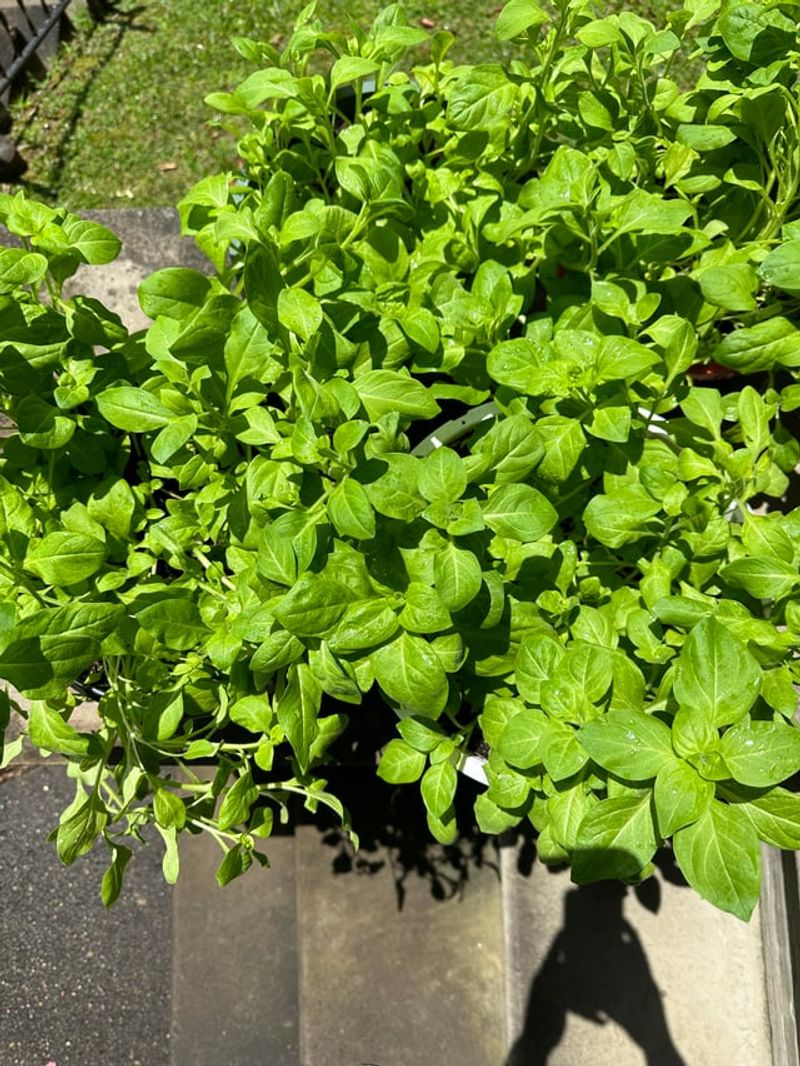
Nitrogen is sneaky like that. You give your petunias a generous dose, expecting fireworks, and instead you get a jungle of green leaves with almost zero blooms.
Nitrogen is the nutrient responsible for leafy, vegetative growth. When petunias get too much of it, the plant puts all its energy into producing stems and foliage instead of flowers.
Most gardeners make this mistake by grabbing whatever fertilizer is on sale. A high-nitrogen formula like a 30-10-10 blend is designed for lawns and leafy vegetables, not flowering annuals.
Petunias need a balanced or bloom-boosting fertilizer with lower nitrogen and higher phosphorus. Look for something labeled 10-30-20 or similar, which signals more support for root strength and flower production.
The fix is not complicated once you understand the numbers on the bag. Those three numbers represent nitrogen, phosphorus, and potassium in that exact order.
Swap your high-nitrogen product for a bloom formula and give the plant two to three weeks to respond. You should start seeing bud development pick back up as the plant redirects its energy.
One extra tip: if your petunias are already overly leafy, pinch back a few stems. That signals the plant to shift focus from growing longer to producing buds.
A little label-reading goes a long way toward keeping this particular slip-up off your list. Your petunias are not being difficult, they are just following the nutrients you give them.
2. Skipping Fertilizer Entirely Starves Blooms Of Energy
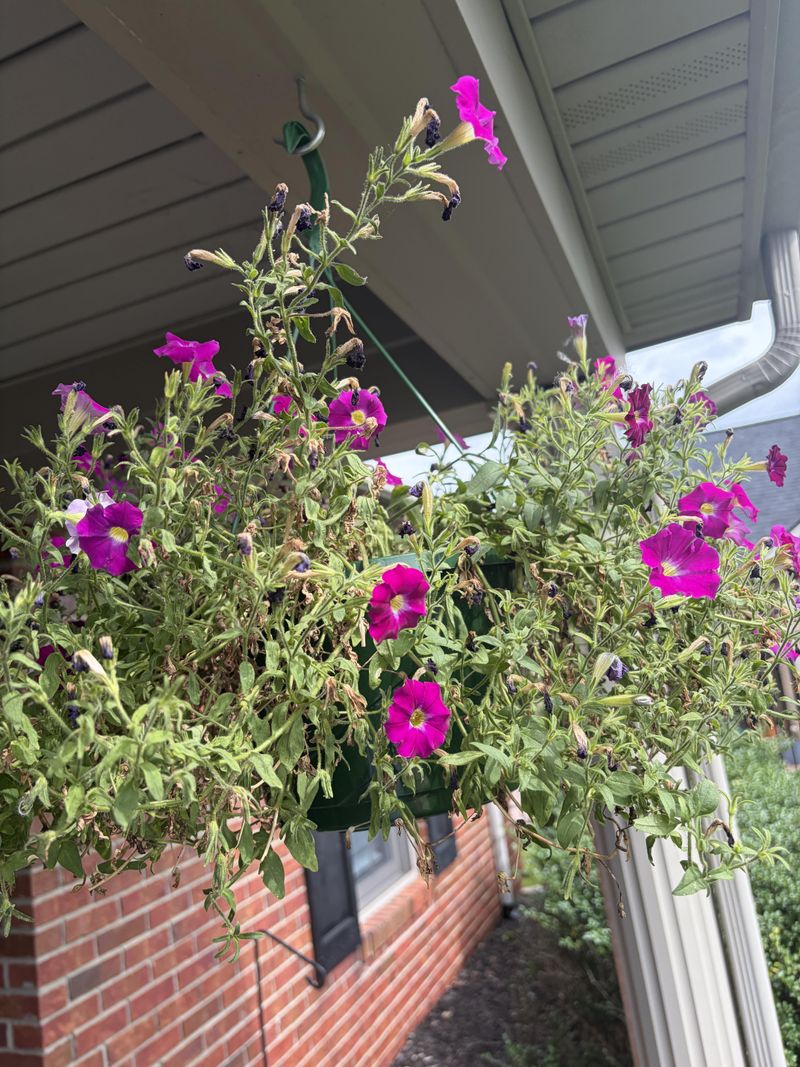
Some gardeners plant petunias, water them faithfully, and then wonder why blooms fade by midsummer. The missing piece is usually fertilizer.
Petunias are heavy feeders by nature. They push out blooms at an impressive rate, and that kind of floral output demands a steady supply of nutrients from the soil.
Garden soil, even good soil, gets depleted fast when petunias are working overtime. Without regular feeding, the plant runs out of fuel and slows bloom production to conserve energy.
Signs of a starved petunia include pale or yellowing leaves, smaller-than-usual flowers, and stems that look thin and weak. These are not random problems, they are hunger signals.
A simple liquid fertilizer applied every one to two weeks makes a dramatic difference. Water-soluble formulas absorb quickly and get nutrients to the roots faster than slow-release granules alone.
Slow-release granules are a great base layer, but they work best when paired with occasional liquid feeding during peak bloom season. Think of granules as breakfast and liquid fertilizer as a midday energy boost.
Starting a regular feeding schedule early in the season sets the plant up for success. Petunias that get consistent nutrition from the start tend to produce more blooms and resist stress better.
Leaving the fertilizer bottle untouched is one of the easiest ways to hold your petunias back. A little consistency goes a long way toward keeping those blooms coming strong all summer.
3. Feeding On A Random Schedule Confuses Root Uptake
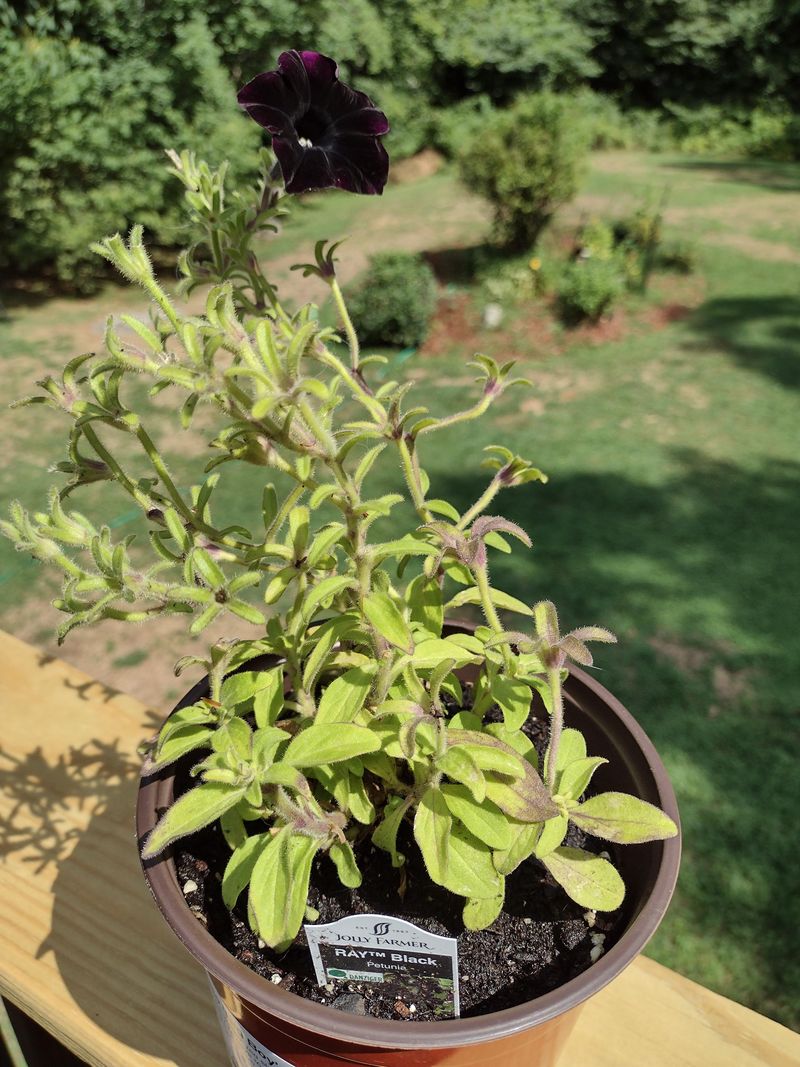
Feeding your petunias whenever you remember is a bit like eating one giant meal a week instead of regular meals. That kind of rhythm rarely works in the plant’s favor.
Plant roots absorb nutrients most efficiently when they receive consistent, predictable inputs. An erratic feeding schedule creates nutrient spikes followed by long gaps, and petunias struggle to manage that rollercoaster.
When nutrients flood in all at once after a long break, the plant can experience a kind of shock. Roots may absorb too much too fast, which can actually burn delicate root tips.
Then, during the dry spell between feedings, the plant scrambles to maintain bloom production with nothing left in reserve. That back-and-forth weakens the overall health of the petunia over time.
Setting a simple weekly or biweekly reminder on your phone is a quick habit to build. That small habit creates the kind of steady nutrition schedule your petunias genuinely thrive on.
Liquid fertilizers work best on a consistent schedule because they do not linger in the soil for long. Granular options release more slowly, but they still benefit from being reapplied at regular intervals.
Mark feeding days on a garden calendar or pair fertilizing with another weekly task like watering day. Routine makes it easier to stay consistent without overthinking the process.
A steady rhythm of feeding prevents the nutrient gaps that slow bud development. Your petunias will respond with fuller, more frequent blooms when their nutrition arrives on a dependable schedule.
4. Ignoring Soil pH Locks Away Key Nutrients
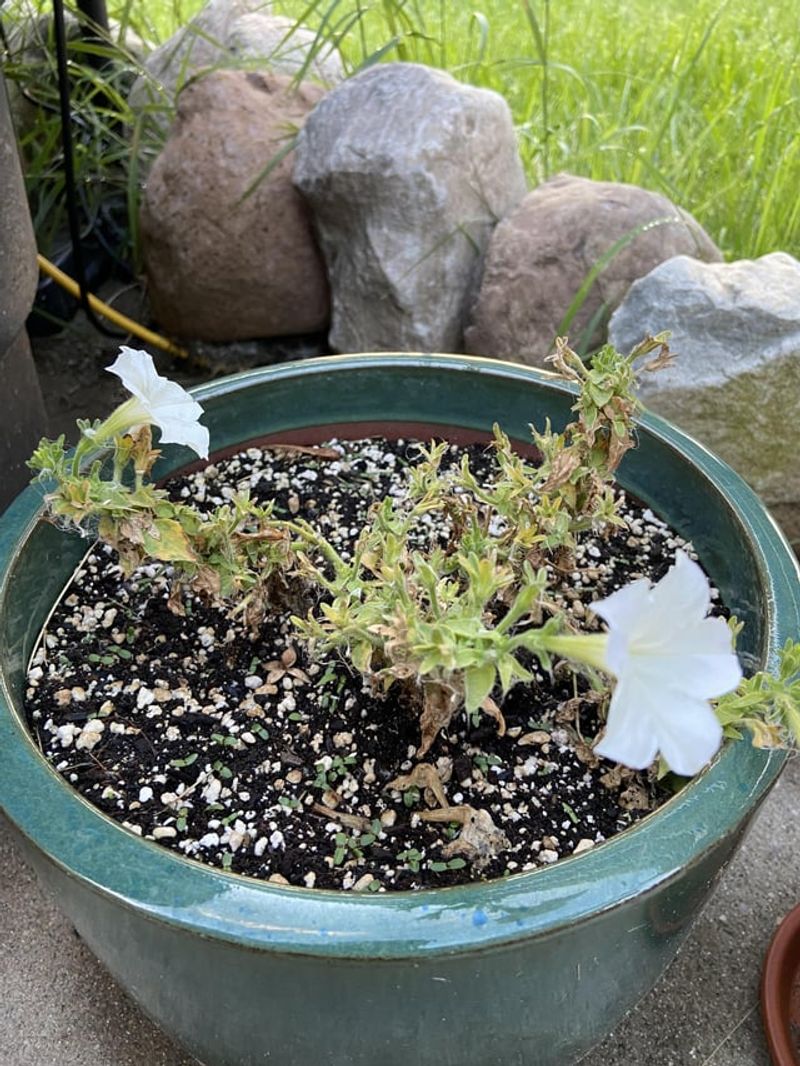
You can pour fertilizer on your petunias every single week and still see zero improvement. If your soil pH is off, those nutrients literally cannot get in.
Soil pH measures how acidic or alkaline your soil is on a scale from 0 to 14. Petunias prefer a slightly acidic range, ideally between 6.0 and 7.0.
Outside that range, nutrients like iron, phosphorus, and magnesium become chemically locked in the soil. The fertilizer sits there, but the roots cannot access what they need to fuel bloom production.
A simple soil test kit from most garden centers costs just a few dollars and takes only minutes to complete. Testing once at the start of the season and once midway through gives you a clear picture.
If your soil tests too alkaline, adding sulfur or using an acidic fertilizer blend can bring the pH back down. If it leans too acidic, a light application of garden lime helps neutralize it.
Many gardeners skip this step because it feels technical or unnecessary. But pH correction is often the single fastest fix for petunias that seem unresponsive to feeding.
Container petunias are especially vulnerable to pH drift because potting mix breaks down over the season. Refreshing the soil or using a pH-balanced potting blend at the start of each season helps a lot.
pH-related issues stay hidden until you actually run a test, which is exactly why they trip up so many gardeners. Once you correct the balance, nutrients flow freely and blooms respond almost immediately.
5. Overwatering After Feeding Washes Nutrients Past The Roots
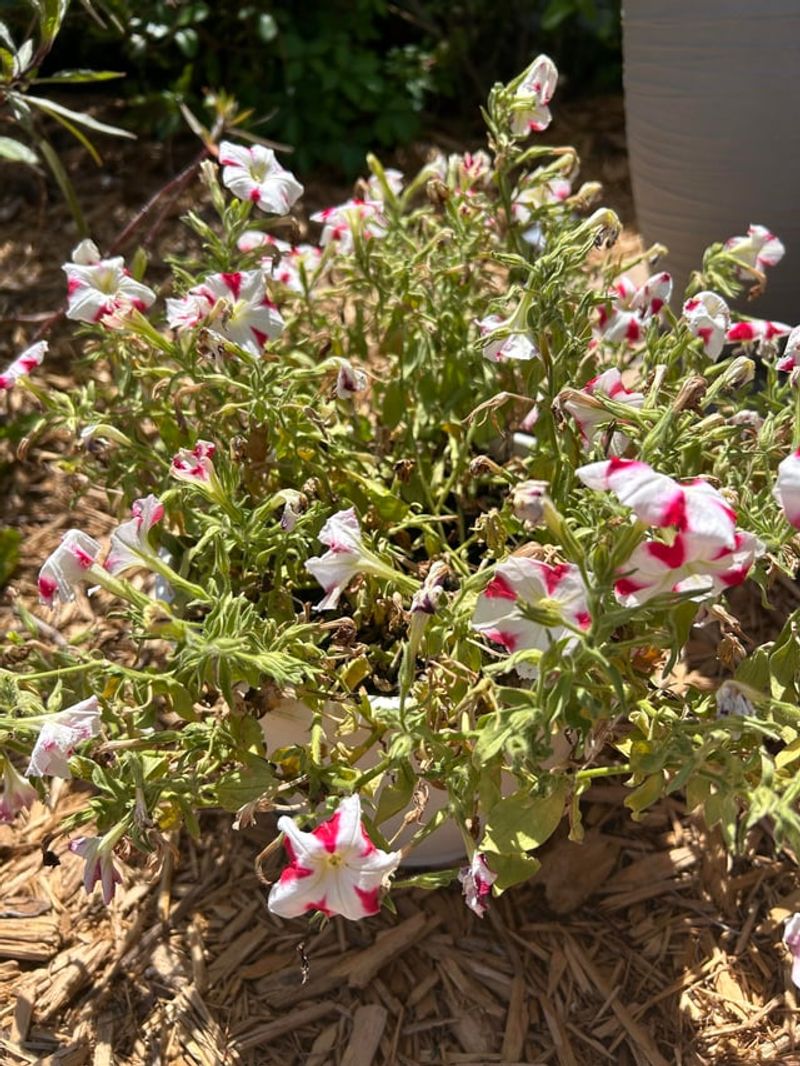
Watering right after fertilizing feels logical, almost satisfying. But drench that soil too hard and you send all those nutrients straight out the drainage holes before roots get a chance to absorb them.
This is called nutrient leaching, and it is one of the sneakiest feeding mistakes in container gardening. The fertilizer is technically applied, but the plant never actually benefits from it.
Liquid fertilizers are especially vulnerable to washout because they are already dissolved and mobile in the soil. Applying them to already saturated soil makes the problem even worse.
The best practice is to water lightly before applying liquid fertilizer to moist but not soggy soil. This helps nutrients move into the root zone without rushing straight through.
After applying fertilizer, hold off on heavy watering for at least 24 hours. Give the roots time to absorb what is there before the next rainfall or irrigation cycle.
For granular fertilizers, a light watering helps activate the formula without flooding the soil. The goal is even moisture, not a waterfall through the pot.
Hanging baskets and small containers are the most at-risk because they hold less soil volume. They drain fast by design, which means nutrients move through them quickly if watering is too aggressive.
Paying attention to soil moisture before and after feeding makes a noticeable difference. Petunias fed with care and proper watering technique bloom more consistently than those fed in a hurry.
6. Using The Wrong Ratio Fertilizer Slows Bud Formation
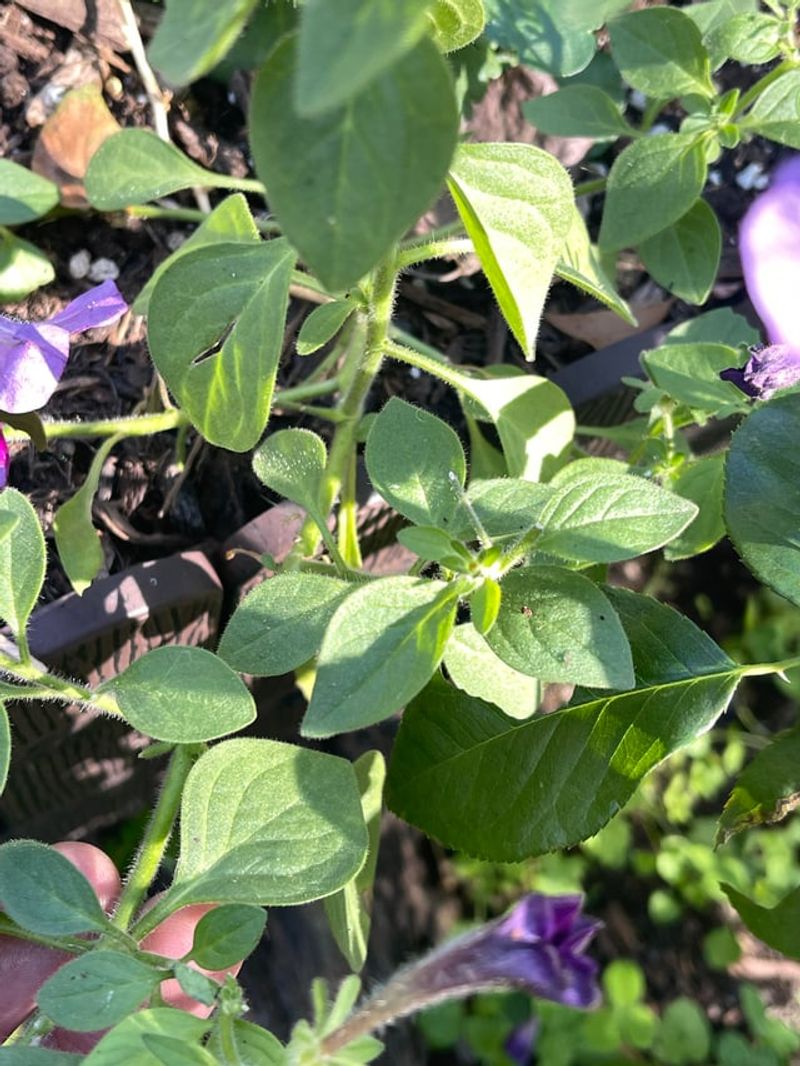
Not all fertilizers are created equal, and grabbing the wrong one can quietly stall your petunia’s bud production for weeks. The ratio printed on every bag is the real story.
Those three numbers, known as the NPK ratio, tell you the percentage of nitrogen, phosphorus, and potassium in the formula. Each nutrient plays a distinct role in plant health and flower production.
Phosphorus, the middle number, is the key player for flowering. A fertilizer with a higher middle number, like 15-30-15, sends a strong signal to the plant to focus on bud development.
Potassium, the third number, supports root strength and overall plant resilience. A good bloom fertilizer balances phosphorus and potassium to keep the whole system running smoothly.
Using a general all-purpose fertilizer with equal NPK numbers is better than nothing, but it is not ideal for petunias during peak bloom season. A bloom-specific formula gives targeted support where the plant needs it most.
Gardeners often stick with one fertilizer for all their plants to simplify the process. That approach works fine for foliage plants but leaves flowering annuals like petunias underpowered.
Switching to a bloom booster formula in late spring and keeping it up through late summer makes a visible difference. Buds form faster, flowers last longer, and the plant looks healthier overall.
Reading fertilizer labels takes less than a minute and can completely change your results. Choose the right ratio and your petunias will noticeably pick up bud production within a few weeks.
7. Fertilizing Stressed Plants Makes Recovery Even Harder
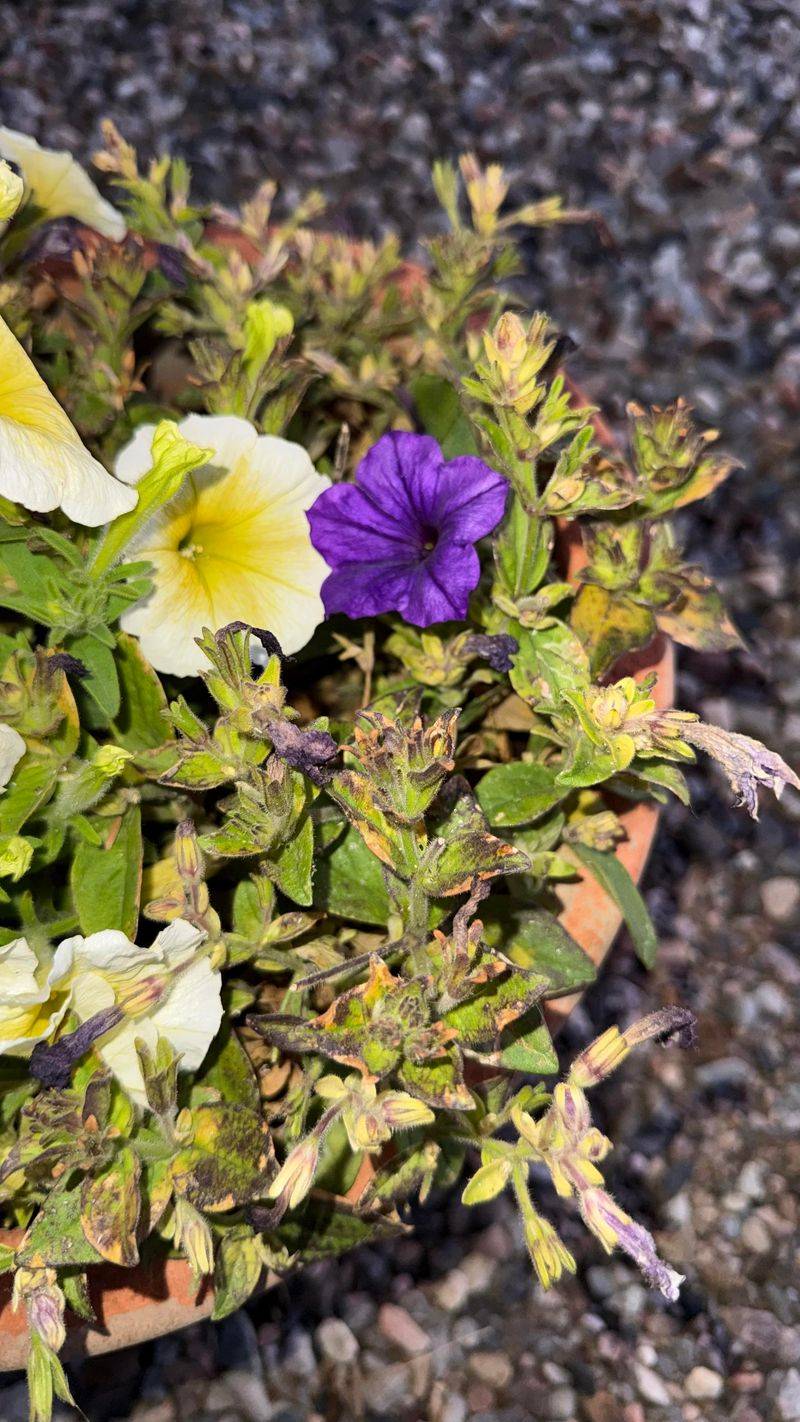
Think of it like being handed a heavy meal in the middle of a workout. The body simply can’t process it well under strain. That is essentially what happens when you fertilize a petunia that is already under serious stress.
Stressed plants, whether the cause is drought, heat, pest damage, or root rot, cannot process nutrients efficiently. Pushing fertilizer into a struggling plant actually adds to the workload instead of helping it recover.
The plant’s root system is the first thing to suffer during stress. When roots are compromised, they cannot take up nutrients properly, and uneaten fertilizer salts build up in the soil.
Salt buildup from unused fertilizer creates a harsh environment that makes root damage worse. You end up compounding the original problem instead of solving it.
The right move is to stabilize the plant before feeding it. Address the stress source first, such as adjusting watering, moving the pot to better light, or treating a pest problem.
Once the plant shows signs of recovery, like perking up, producing new growth, or regaining color, then you can reintroduce a diluted fertilizer solution. Start with half the recommended dose to ease the plant back in gently.
A diluted feeding given after recovery begins is far more effective than a full dose given to a plant in crisis. The roots are ready to receive nutrients and the plant can actually use them.
Patience during a stress period protects your petunias from further setbacks. Feeding at the right time, not just any time, is one of the most powerful moves a gardener can make.
8. Forgetting Container Petunias Need More Frequent Feeding
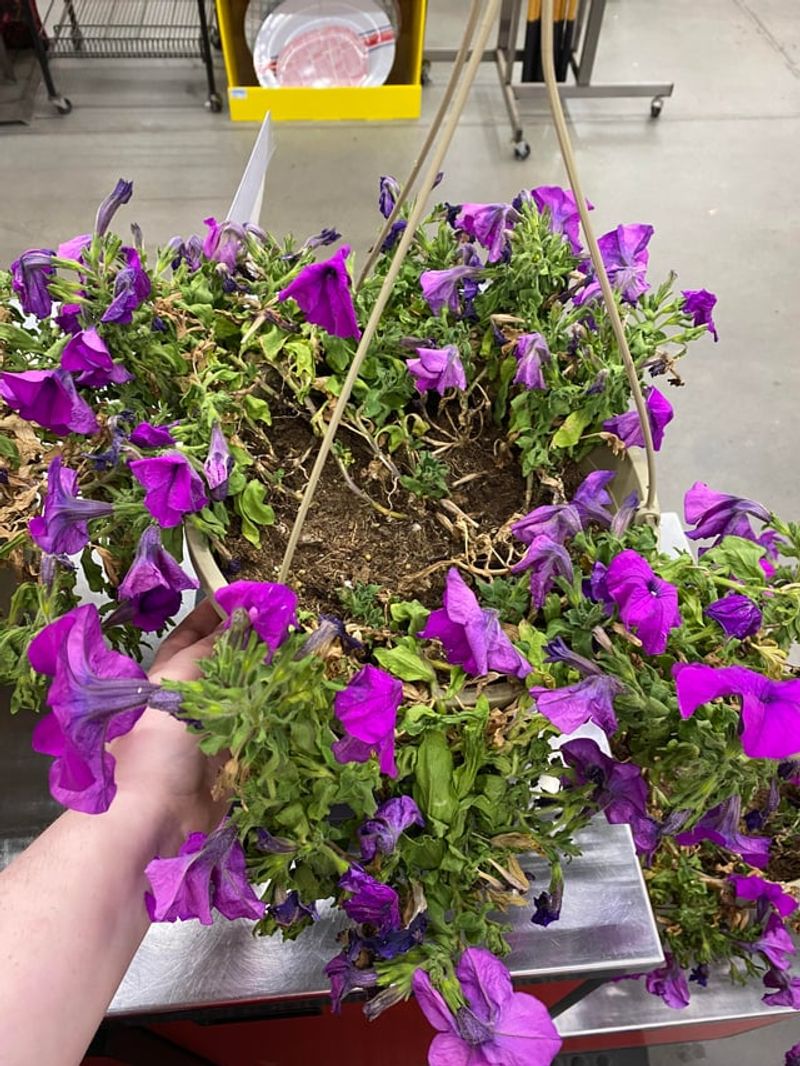
Container petunias live in a very different world than their in-ground cousins. The rules around feeding are not the same, and forgetting that difference is a classic feeding mistake.
In-ground petunias have access to a large volume of soil with natural mineral reserves. Container petunias are limited to whatever nutrients exist in a small amount of potting mix.
Potting mix starts losing its nutrient charge within four to six weeks of planting. After that, the plant is entirely dependent on what you add through fertilizer.
Container plants also get watered more frequently than in-ground plants, which speeds up nutrient depletion. Every watering session flushes a small amount of nutrients out through the drainage holes.
Weekly liquid feeding is the gold standard for container petunias during the growing season. Some gardeners with heavily blooming baskets even feed every five days during peak summer heat.
Slow-release granules mixed into the potting soil at planting time provide a helpful base. But they are not enough on their own to sustain a container petunia through a full bloom season.
A combination approach works best: slow-release granules at planting plus regular liquid feeding throughout the season. That layered strategy keeps nutrients available at different rates and prevents gaps.
Container petunias that get consistent, frequent feeding are the ones that turn heads with their color. Once you know what your petunias actually need, these missteps become easy to sidestep for good.