10 Things Silently Stopping Your Peonies From Blooming
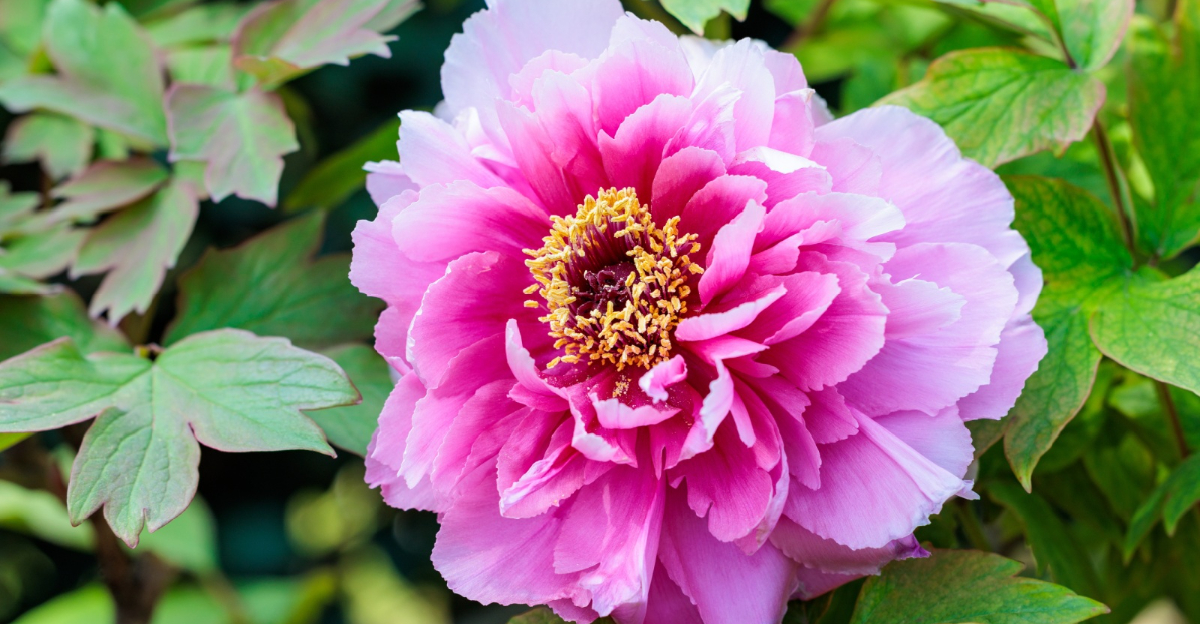
You waited four springs for a single bloom and got nothing but a wall of leaves staring back at you.
Peonies are quiet heartbreakers, gorgeous, fragrant, and maddeningly stubborn when they refuse to perform.
You plant three bare-root crowns along your fence line, tend them faithfully, and watch them mock you with lush foliage season after season. Not a single blossom.
That silence sends you digging through every root cause you can find. Planting depth is the most overlooked saboteur.
Just one inch too deep and your peony sulks underground indefinitely. Here is the part nobody warns you about: a perfectly healthy-looking peony can be silently failing from the roots up.
Soil chemistry quietly strangles the plant’s ability to absorb nutrients. Botrytis blight creeps in overnight, rotting buds before they ever open.
Clay-heavy soil traps moisture and chokes roots that desperately need room to breathe. So what exactly is your peony trying to tell you?
1. Planted Too Deep

Depth is everything with peonies. Bury your peony eyes deeper than two inches and you will get foliage every year but never a single flower.
Those eyes are the small pink or red buds on the root crown, and their depth controls everything.
It sounds almost unfair, but peonies need to feel the cold and sense the warmth of changing seasons near the surface to trigger blooming.
Many gardeners accidentally plant too deep when they try to protect roots from frost, not realizing the opposite approach actually works better.
Dig up your plant in early fall, gently brush away the soil, and check where those eyes sit. Replant so the eyes rest no more than one to two inches below ground level.
In warmer climates and clay-heavy soils, plant closer to one inch deep so the eyes stay near the surface and feel more winter chill. Sandy soils in cooler zones can handle the full two inches.
Mark the spot clearly so you do not accidentally dig too deep next time. Shallow planting feels counterintuitive, but it is the single most common fix that gets a stubborn peony blooming again within one to two seasons.
2. Recently Transplanted
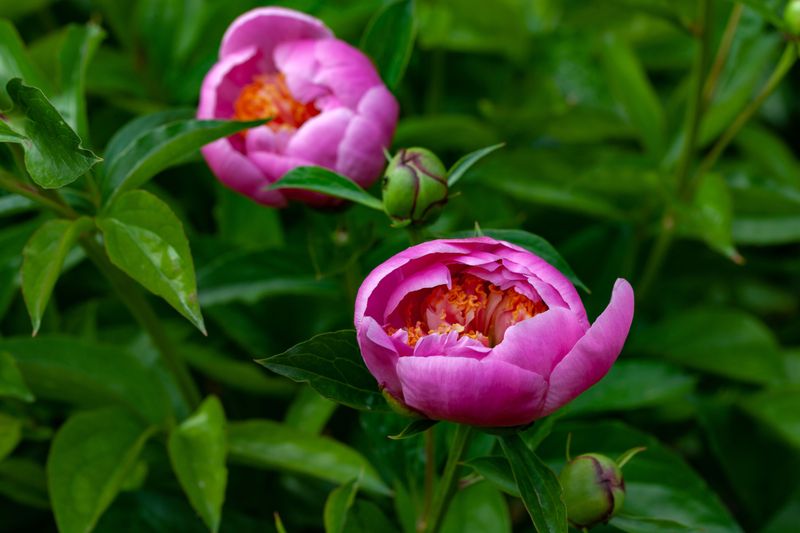
Moving a peony is like uprooting someone mid-sentence. After transplanting, peonies redirect nearly all their energy toward re-establishing their root system rather than producing flowers.
That recovery can take one to three full growing seasons. Patience here is not just a virtue, it is the only real strategy.
Many gardeners panic when a transplanted peony skips blooming and assume something went wrong, but the plant is simply focused on survival before showtime.
To speed things along, avoid dividing the roots into pieces that are too small. Each division should have at least three to five healthy eyes to give the plant enough energy reserves to recover quickly and eventually bloom.
Water consistently during the first growing season and resist the urge to fertilize heavily, since too much fertilizer can push leafy growth at the expense of root development.
A light application of a balanced, low-nitrogen fertilizer in early spring is plenty for a newly moved plant.
Give your peony the grace period it needs, and by the third season, you will likely see buds forming as a quiet reward for your patience.
3. Insufficient Sunlight

Six hours of sun is the minimum, not a suggestion. Peonies are sun-loving plants that struggle to produce flowers when grown in shade or even partial shade for most of the day.
If your peony sits beneath a tree canopy, next to a fence, or along the north side of your house, low light could be the silent reason your blooms never arrive.
Foliage will still grow, sometimes quite lush, which tricks gardeners into thinking the plant is thriving when it is actually just surviving.
Take a full day to observe how much direct sunlight your peony bed actually receives.
Use a simple sunlight calculator app or just check every two hours from morning to evening and count the hours of direct sun hitting the leaves.
If you are getting fewer than six hours, consider relocating the plant to a sunnier spot in early fall when the soil is still workable. Even moving a peony just ten feet can dramatically change its light exposure.
More sun means more energy stored in the roots. More energy in the roots means the spectacular, full blooms peonies are famous for finally making their appearance.
4. Lack Of Winter Chill Hours

Peonies actually need cold weather to bloom. Most varieties require between 500 and 1,000 hours of temperatures between 32 and 45 degrees Fahrenheit during winter.
Gardeners in warm southern climates like Florida, coastal California, or the Gulf Coast often discover this the hard way after years of lush but flowerless plants.
Without enough cold exposure, the internal trigger that tells a peony to bloom simply never fires.
If you live in a warm region and suspect this is your problem, look into Itoh hybrid peonies or certain tree peony varieties that have been bred to need fewer chill hours.
These types offer a realistic path to blooms in warmer zones where traditional herbaceous peonies struggle.
You can also try planting in a spot that gets morning sun and afternoon shade to slightly mimic cooler conditions, though this is not a perfect solution.
Checking your USDA hardiness zone before purchasing a peony variety saves a lot of frustration.
Choosing the right variety for your climate is the smartest shortcut to finally seeing those gorgeous blooms every spring.
5. Too Much Nitrogen
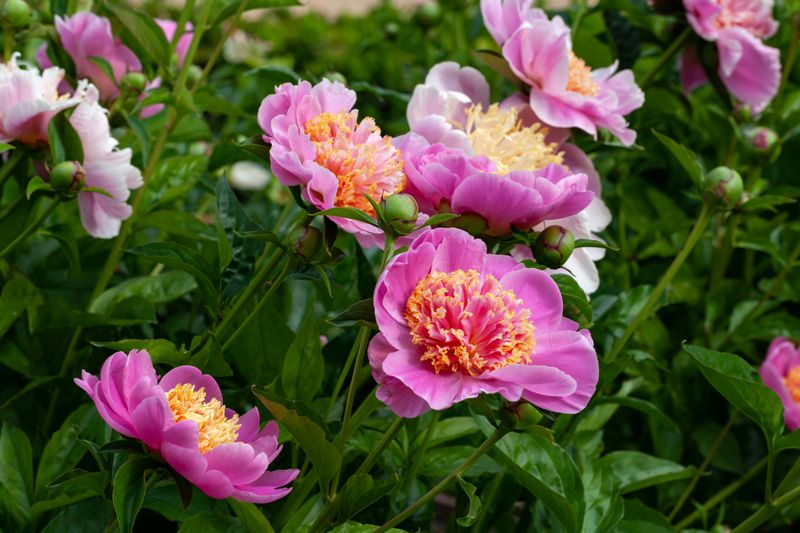
Your fertilizer might be the problem, not the solution. Nitrogen encourages rapid, leafy green growth, which sounds great until you realize that same surge of energy gets diverted away from flower bud development.
Peonies fed with high-nitrogen lawn fertilizers or heavy doses of fresh manure often produce enormous, healthy-looking plants that bloom almost never.
It is one of the most common mistakes home gardeners make, especially those who assume more fertilizer always equals better results.
Check the numbers on your fertilizer bag before applying anything near your peonies. The three numbers represent nitrogen, phosphorus, and potassium in that order. You want a formula where the middle number, phosphorus, is equal to or higher than the first.
Phosphorus supports root development and flower production, making it the nutrient your peony actually craves most.
A fertilizer ratio like 5-10-10 applied once in early spring as new growth emerges is a solid starting point for most established plants.
Skip fall fertilizing entirely, since it can push tender new growth that gets damaged by cold. A weakened plant heading into winter is the last thing you want when blooms are finally supposed to arrive.
6. Wrong Soil pH
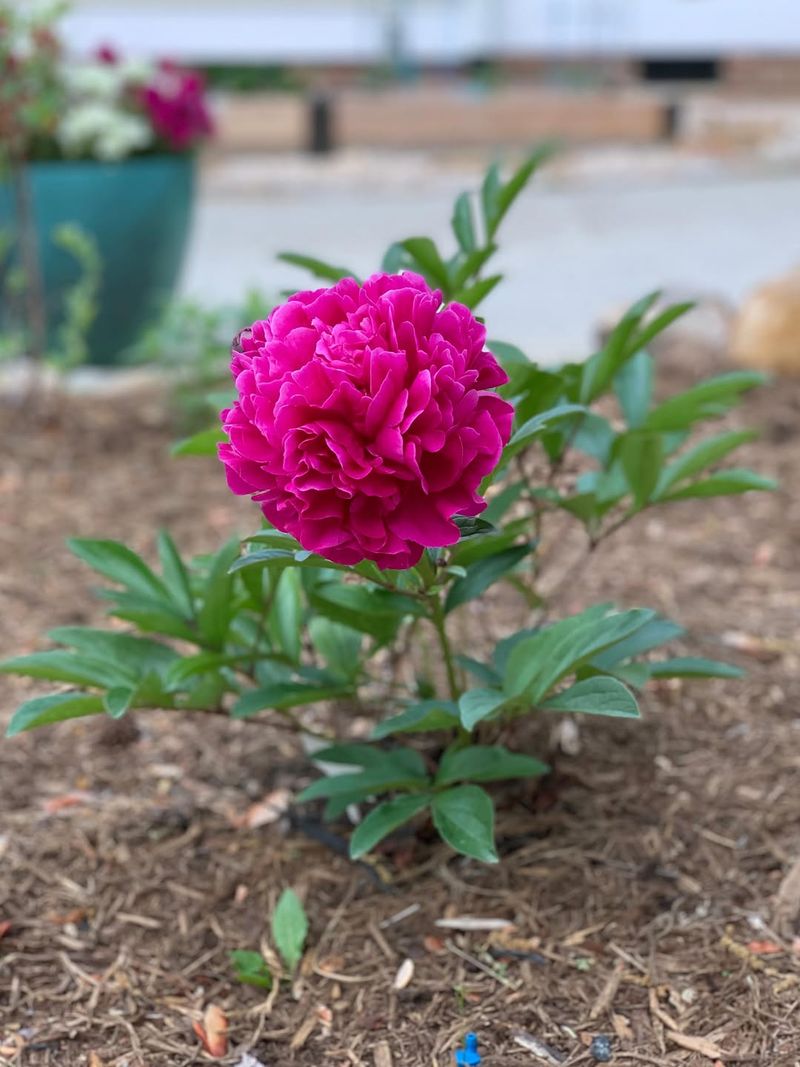
Soil chemistry matters more than most gardeners realize. Peonies thrive in soil with a pH between 6.5 and 7.0, which is slightly acidic to neutral.
When the pH drifts too far in either direction, the plant cannot absorb key nutrients properly, even if those nutrients are physically present in the soil.
Magnesium, iron, and phosphorus all become less available in highly acidic or highly alkaline conditions, leaving your peony nutrient-starved despite regular feeding.
Pick up an inexpensive soil test kit from your local garden center or send a sample to your county cooperative extension office for a detailed report.
If your soil tests too acidic, meaning below 6.0, add garden lime to raise the pH gradually over one to two seasons.
If the reading comes back too alkaline, above 7.0, sulfur or acidic compost can help bring it back into range.
Always follow the recommended application rates on the package, since over-correcting pH is a common mistake that creates new problems.
Getting your soil into the right range unlocks the full nutrient potential already sitting in your ground. Your peonies will respond with exactly the blooms you have been waiting for.
7. Foliage Cut Back Too Early
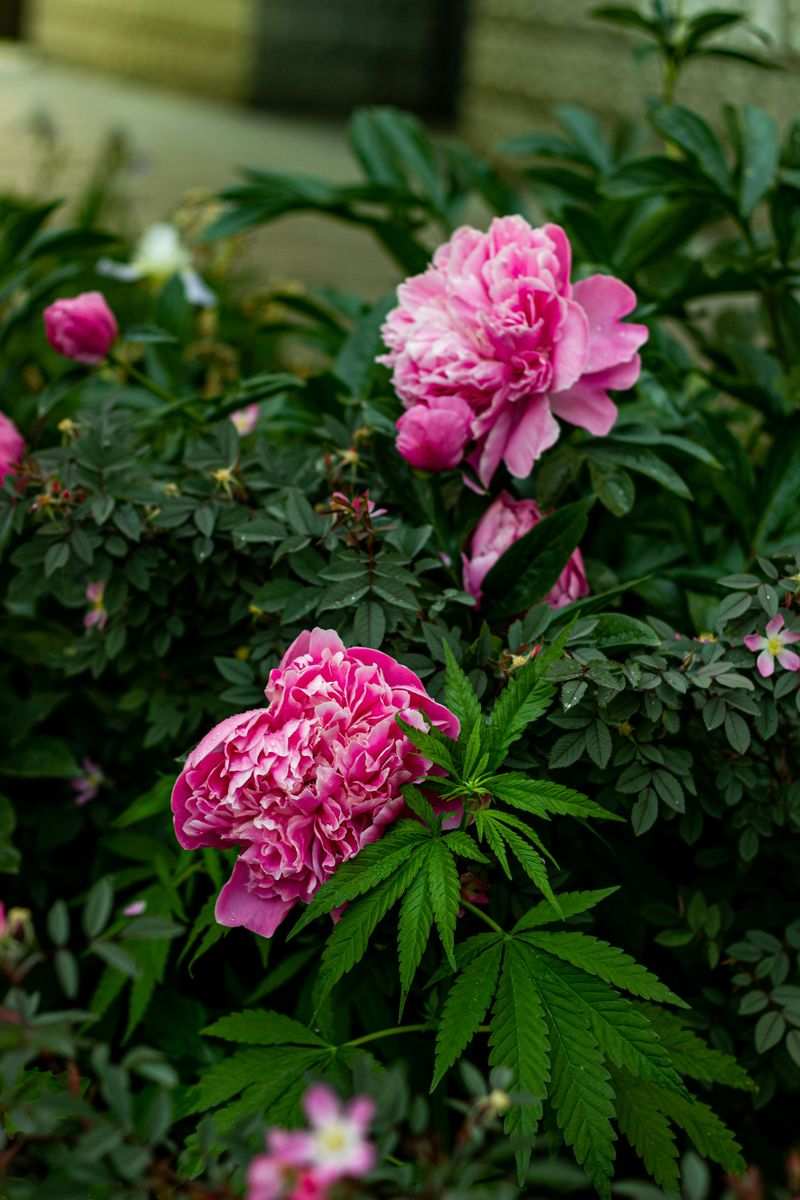
Cutting back your peony early feels tidy but costs you blooms. After flowering, peony leaves spend all summer capturing sunlight and sending energy back down into the roots to fuel next year’s blooms.
Removing that foliage before it naturally yellows and fades in fall starves the plant of stored energy. That energy is what forms strong flower buds for the following spring.
Many gardeners trim peonies in late summer to neaten up the garden, not realizing they are cutting off next year’s show before it ever starts.
Resist the urge to tidy up until the leaves have fully yellowed and the plant has entered dormancy on its own schedule.
Once the foliage dies back naturally, cut the stems down to about two to three inches above the soil line.
Remove all cut material from the garden bed rather than leaving it as mulch, since old peony foliage can harbor fungal spores that cause problems next season.
Letting the plant finish its natural cycle completely is one of the simplest habits in peony care. It consistently separates gardeners who get stunning blooms from those who wonder what went wrong.
8. Botrytis Blight (Fungal Disease)
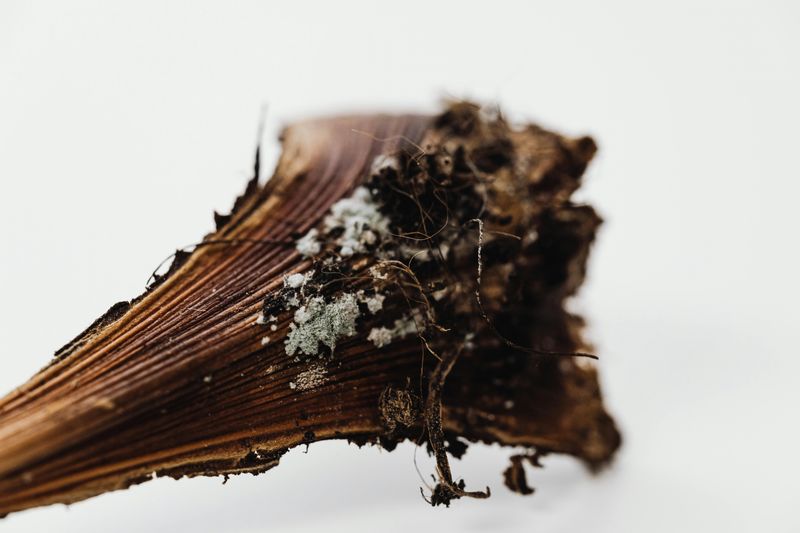
Brown, collapsing buds on your peony are the first warning sign. Gray fuzz comes later, once the tissue has already rotted.
Botrytis blight, caused by the fungi Botrytis paeoniae and Botrytis cinerea, is one of the most destructive diseases affecting peonies.
It attacks stems, buds, and leaves, causing them to turn brown and mushy before the flowers ever open, sometimes destroying an entire plant’s bloom cycle in just a few days.
Dense planting, poor air circulation, and overhead watering create the perfect damp conditions this fungus loves.
Prevention starts with spacing your plants at least three feet apart to allow air to move freely between them.
Water at the base of the plant in the morning rather than from above, so leaves and buds stay dry throughout the day.
Remove and dispose of any infected plant material immediately, and never compost it since the spores can survive and spread.
A copper-based fungicide applied early in spring as new shoots emerge can help protect plants in areas with a history of this disease.
Staying ahead of botrytis takes a little seasonal attention, but it is far easier than watching a season’s worth of buds collapse before they ever get the chance to open.
9. Root Competition From Trees Or Shrubs

Nearby trees are stealing your peony’s lunch. Large trees and aggressive shrubs like maples, willows, and privets send out wide, shallow root networks that compete fiercely with peonies for water, nutrients, and physical growing space underground.
Even if your peony gets adequate sunlight, its roots may be constantly outcompeted by a neighboring tree that has a decades-long head start.
This competition quietly drains the resources a peony needs to form buds, leaving you with a plant that looks okay on the surface but is perpetually stressed below it.
Walk around your garden and look for surface roots from nearby trees crossing into your peony’s growing area.
If competition is clearly an issue, the most effective fix is relocating the peony to a bed that sits at least ten to fifteen feet away from any established tree or large shrub.
Adding a root barrier between the peony and the competing plant can help in some situations, though it rarely solves the problem completely in tight spaces.
Peonies planted in open beds with rich, uncompeted soil consistently outperform those growing near established woody plants. The difference in bloom quality can stop you mid-step.
10. Immature Or Overcrowded Plant

Some peonies simply need more time, and others need more space. Newly planted peonies typically take three to five years to reach full blooming maturity.
Pushing them with extra fertilizer or frequent division during that window only slows the process down further.
On the opposite end, peonies left in the ground for ten or more years without division can become so overcrowded that the root clump competes with itself.
The result is fewer blooms and smaller flowers with each passing season. Both problems are common, and both have straightforward solutions once you identify which one applies to your plant.
Young plants need consistent care, adequate sun, and correct planting depth. A light annual fertilizing is enough, and division should wait until the plant has bloomed reliably for several seasons.
For older, overcrowded clumps showing a decline in bloom quality, fall is the ideal time to act. Dig up the entire root mass, divide it into sections with three to five eyes each, and replant in refreshed soil.
Understanding whether your peony is still finding its footing or has simply outgrown its space makes all the difference. Give it exactly what that stage demands, and the blooms will follow.
One last thing worth knowing before you start digging: peonies are toxic to cats, dogs, and horses.
The compound responsible is paeonol, found throughout the plant but concentrated in the roots.
Symptoms from ingestion include vomiting, lethargy, and digestive upset. Keep pets away from freshly divided roots in particular, and contact a veterinarian if ingestion is suspected.