These 13 Container Plants Bring Early Color To Florida Yards Fast
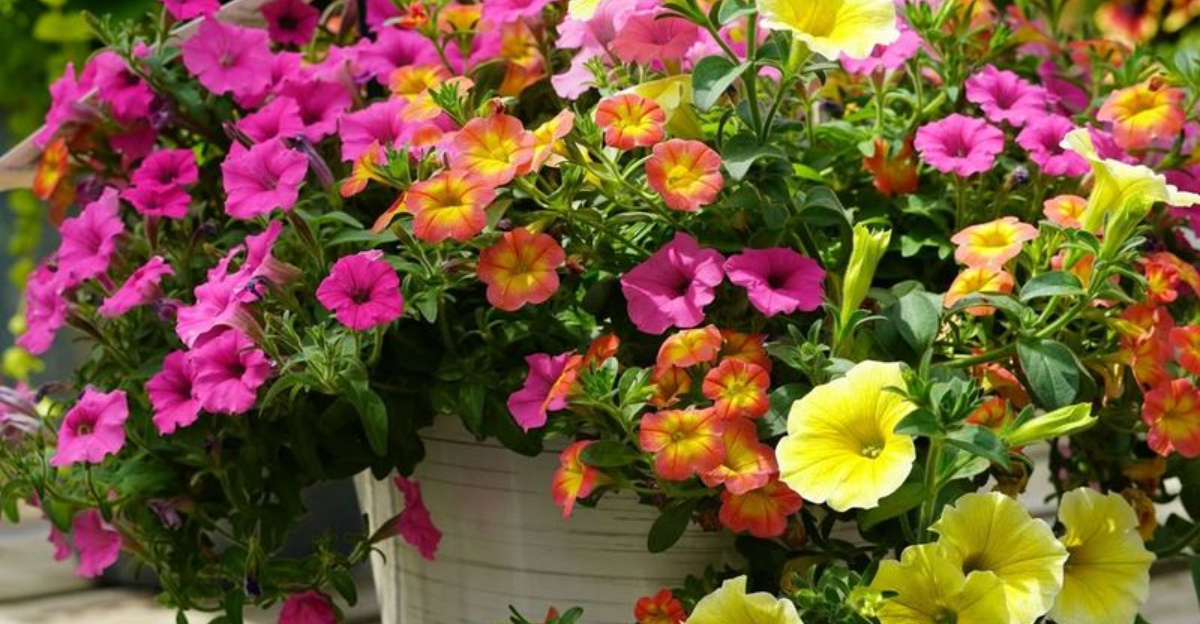
Florida yards can go from bare pots to bright, blooming showpieces faster than many gardeners realize.
After a long stretch of heat, rain, or cooler winter weather, nothing feels better than stepping outside and seeing fresh color greeting you at the door, around the pool, or along the patio.
The right container plants can deliver that payoff quickly, even in Florida’s unpredictable climate. From coastal breezes to inland humidity, local conditions demand plants that establish fast and keep performing.
Gardeners across North, Central, and South Florida know that timing and plant selection make all the difference between containers that struggle and ones that thrive.
These container favorites are known for fast growth, strong blooming habits, and dependable performance in Florida heat and seasonal swings.
With proper placement and basic care, many begin showing color within weeks, turning simple pots into eye-catching focal points that instantly upgrade outdoor spaces.
1. Petunias
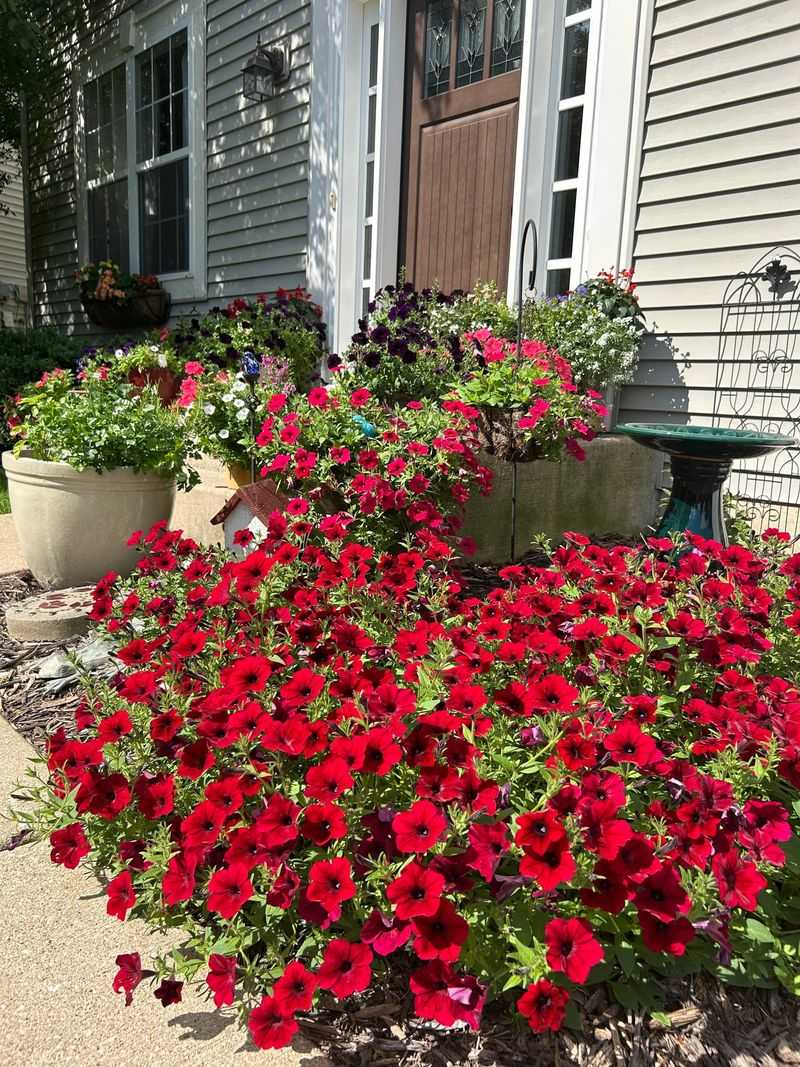
That first burst of color spilling over the edge of your front porch container catches everyone’s eye, and nothing delivers faster than a well-placed flat of blooming beauties ready to perform.
Petunias often continue blooming immediately or within 1–2 weeks after planting, especially when you choose transplants already showing buds.
Their trumpet-shaped blooms in shades of purple, pink, red, white, and bi-colors create instant visual impact that lasts for months when conditions cooperate.
In North Florida, plant petunias in early spring or fall for the longest show, since summer heat can slow their momentum. Central Florida gardeners enjoy extended planting windows from late winter through early spring and again in October.
South Florida sees the best petunia performance during the cooler months from November through March, when humidity drops and temperatures stay comfortable.
Place your containers where they’ll receive at least six hours of sunlight daily, and pair petunias with trailing sweet potato vine or upright spikes for a layered look. Pinch back leggy stems every few weeks to encourage bushier growth and more blooms.
Water consistently but avoid keeping soil soggy, since petunias prefer slightly drier conditions between waterings. Fertilize every two weeks with a bloom-boosting formula to keep those flowers coming strong all season long.
2. Geraniums (Pelargonium)
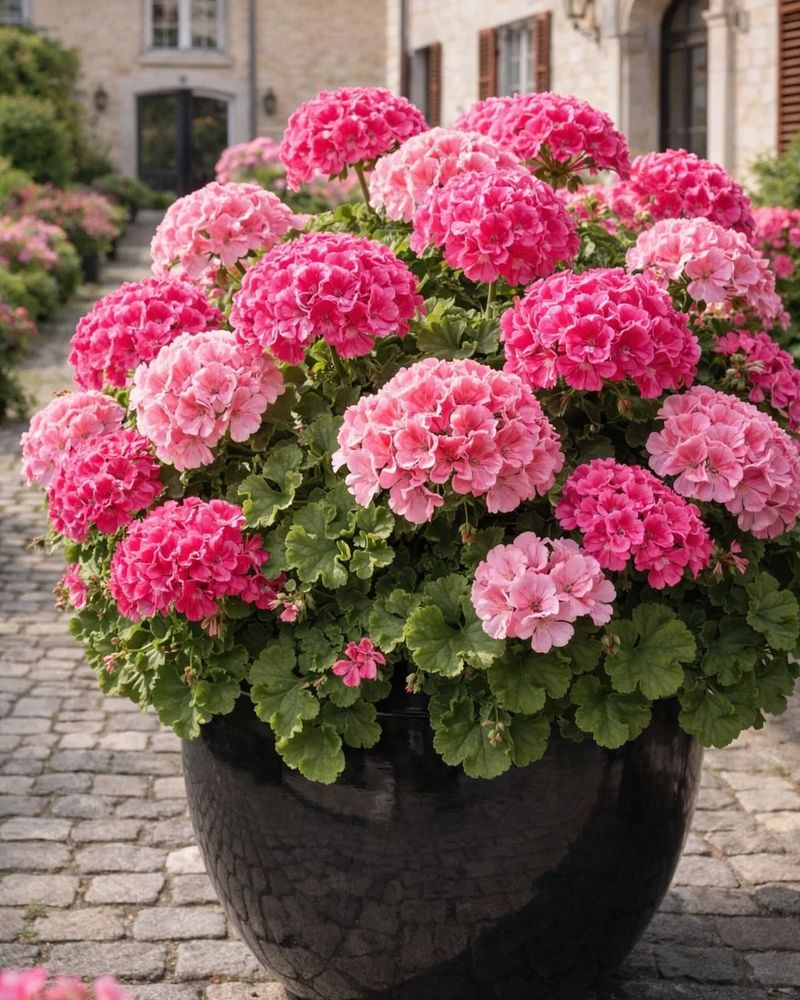
Bold clusters of blooms sitting atop sturdy stems bring a classic cottage garden feel to any container arrangement, and few plants deliver that look as reliably in Florida’s variable climate. Geraniums start flowering almost immediately after you transplant them, often arriving from the nursery already loaded with buds ready to open.
Their rounded flower heads in shades of red, pink, salmon, and white create dense pops of color that stand up beautifully against Florida’s bright skies.
North and Central Florida gardeners find geraniums most vigorous during spring and fall, when cooler nights help the plants stay compact and floriferous.
South Florida container enthusiasts enjoy geraniums from late fall through early spring, taking advantage of the region’s mild winter temperatures.
These plants thrive in full sun to partial shade, making them versatile for different spots around your yard.
Combine geraniums with trailing lobelia or dusty miller for textural contrast that highlights their bold blooms. Deadhead spent flowers regularly to keep new buds forming, and water when the top inch of soil feels dry to the touch.
Geraniums tolerate Florida’s occasional dry spells better than many annuals, making them forgiving choices for busy homeowners. Feed monthly with a balanced fertilizer to support continuous blooming without promoting excessive leafy growth.
3. Pentas
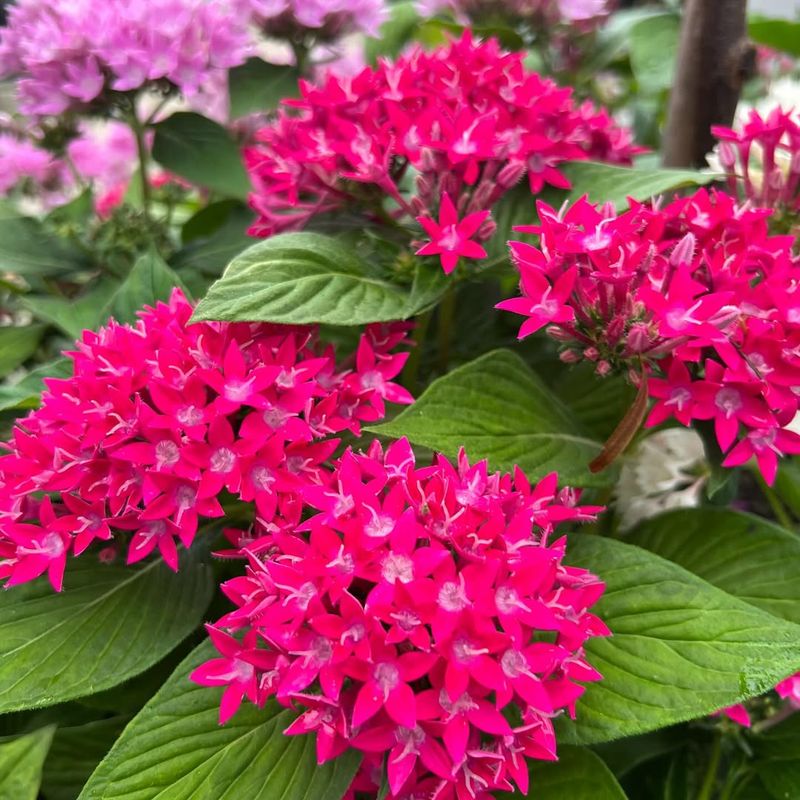
Star-shaped blooms clustered together like colorful fireworks bring both visual drama and wildlife activity to your container displays from the moment you plant them.
Pentas bloom almost year-round in most Florida regions, making them one of the most reliable choices for continuous color in pots.
Their flowers come in shades of red, pink, white, and lavender, and butterflies and hummingbirds adore them, adding movement and life to your outdoor spaces.
Central and South Florida gardeners can keep pentas blooming nearly every month of the year with proper care and placement. North Florida sees the strongest performance from late spring through fall, with some winter dieback in colder areas.
These heat-loving plants thrive in full sun and handle Florida’s humidity without the fungal issues that plague more delicate annuals.
Place pentas in containers near seating areas where you can enjoy watching pollinators visit throughout the day. Pair them with coleus or sweet potato vine for a combination that balances bold blooms with interesting foliage.
Trim back spent flower clusters regularly to encourage fresh blooms and maintain a tidy appearance. Water consistently during hot weather, since pentas in containers dry out faster than those in garden beds.
Fertilize every few weeks with a slow-release formula to support their vigorous blooming habit without burning tender roots.
4. Calibrachoa (Million Bells)
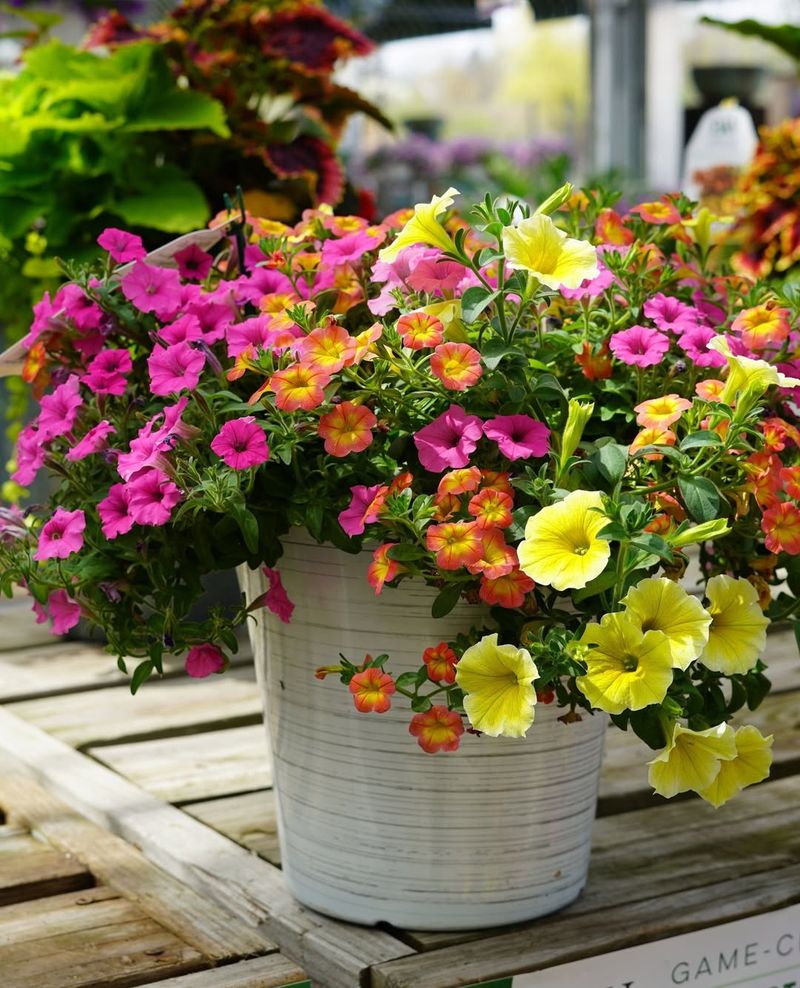
Tiny bell-shaped flowers cascading over container edges like a waterfall of color create instant charm wherever you place them, and their rapid growth surprises even experienced gardeners.
Calibrachoa starts blooming heavily within a week or two of planting, quickly filling out to create that lush, overflowing look everyone loves.
Available in nearly every color imaginable, including vibrant oranges, purples, yellows, and bi-colors, these miniature petunia relatives pack serious visual punch into small packages.
North Florida gardeners enjoy calibrachoa from spring through early summer and again in fall, while Central Florida sees extended performance from late winter into early summer.
South Florida container displays shine brightest with calibrachoa during the cooler months from November through April, when humidity levels drop and temperatures moderate.
These plants prefer full sun but tolerate light afternoon shade in hotter regions.
Hang baskets filled with calibrachoa near entryways or place them in tall containers where their trailing habit shows off best. Combine them with upright plants like geraniums or pentas for height variation that draws the eye upward.
Water daily during hot weather, since their fine root systems dry out quickly in containers. Fertilize every 7–14 days with a diluted liquid fertilizer to support their prolific blooming habit.
Calibrachoa naturally stays compact and rarely needs pruning, making them low-maintenance choices for busy schedules.
5. Dianthus
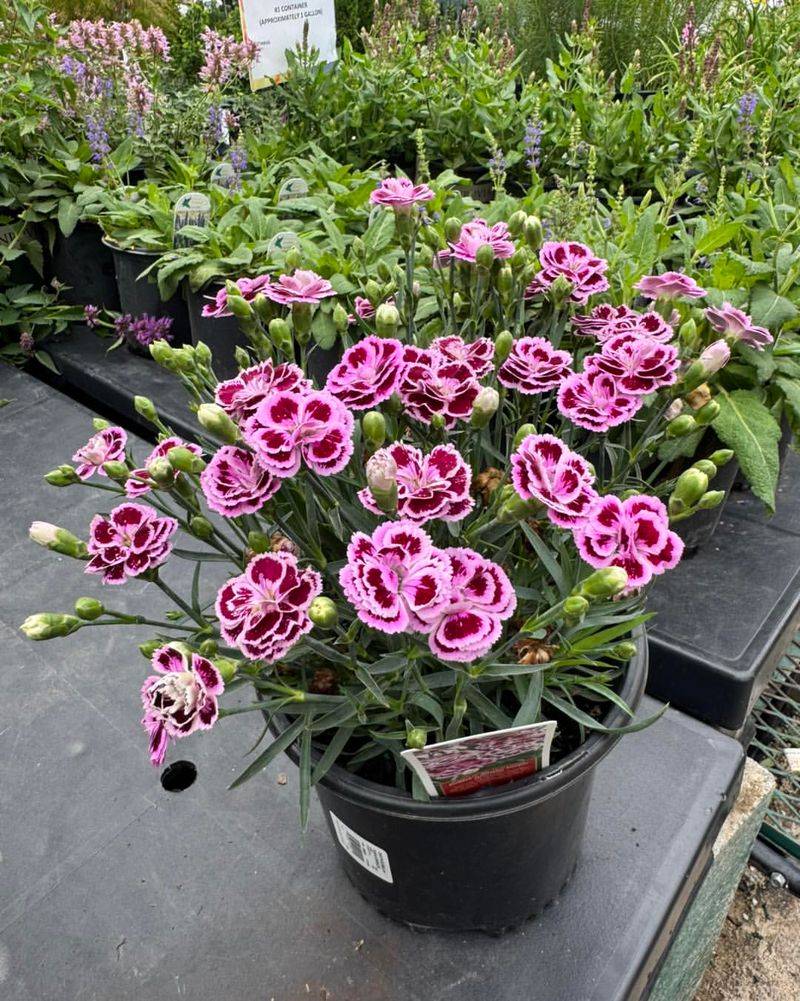
Ruffled blooms with spicy-sweet fragrance rising above silvery-green foliage bring old-fashioned charm to modern container designs, and their quick establishment makes them ideal for impatient gardeners.
Dianthus transplants often arrive from nurseries already loaded with buds, and those buds typically open within 1–2 weeks of planting to reveal fringed flowers in shades of pink, red, white, and bi-colors.
Their compact growth habit and neat appearance make them perfect for mixed containers or standalone displays near doorways where their fragrance can be appreciated.
North Florida gardeners plant dianthus in fall for winter and early spring color, or in early spring for a show that lasts until summer heat arrives.
Central Florida sees the best dianthus performance from late fall through early spring, when cooler temperatures keep plants compact and floriferous.
South Florida container enthusiasts enjoy dianthus from December through March, taking advantage of the region’s mild winter weather. These plants prefer full sun and excellent drainage, making them well-suited to raised containers or pots with plenty of drainage holes.
Pair dianthus with dusty miller or lobelia for color combinations that feel both classic and fresh. Deadhead spent blooms regularly to encourage continuous flowering throughout the season.
Water when soil feels dry an inch below the surface, and avoid overhead watering that can promote fungal issues on foliage. Feed monthly with a balanced fertilizer to support steady growth without pushing excessive leafy development that reduces bloom production.
6. Dusty Miller
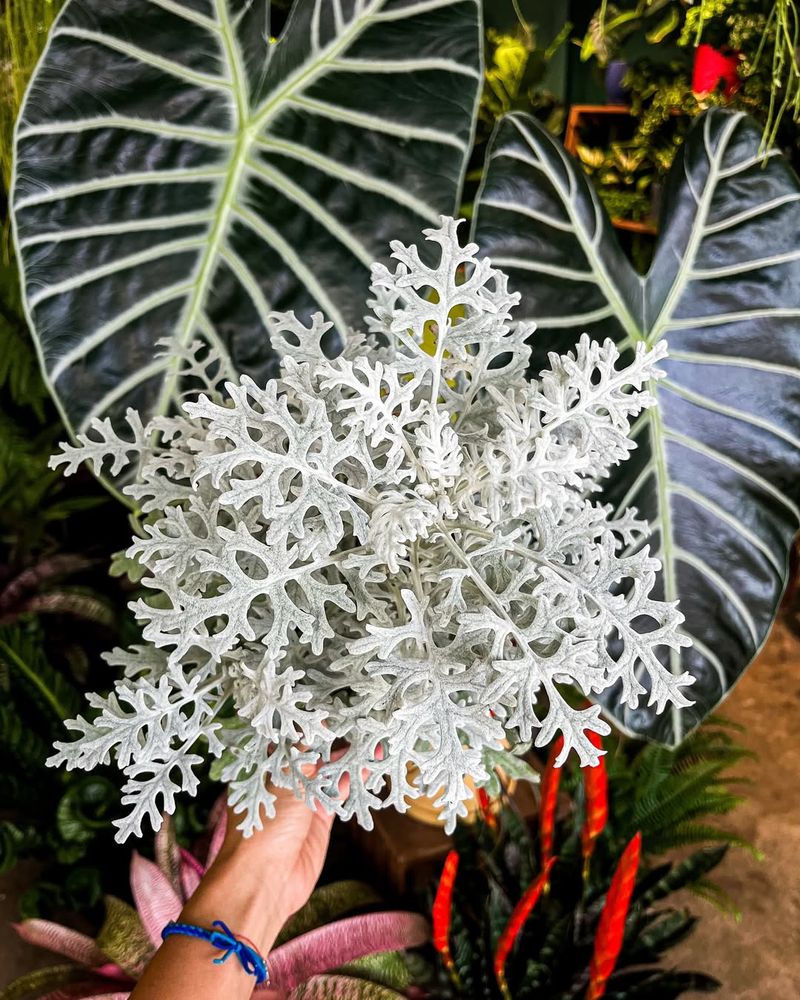
Silvery foliage that glows in both sunlight and moonlight provides the perfect backdrop for brighter blooms, and its quick establishment makes it a container staple across Florida.
While dusty miller doesn’t produce showy flowers, its soft, fuzzy leaves in shades of silver and gray-green create instant visual interest that anchors mixed plantings beautifully.
The plant fills out rapidly after transplanting, creating a full, lush appearance within just a few weeks that lasts for months with minimal care.
North Florida gardeners typically grow dusty miller from fall through spring, with frost protection needed during cold snaps, though extreme cold may damage foliage temporarily.
Central Florida sees nearly evergreen performance, with plants looking their best from fall through spring when temperatures stay moderate.
South Florida container displays benefit from dusty miller’s heat tolerance during the cooler months from October through May, when it provides steady color without the stress many flowering annuals experience.
This plant thrives in full sun to partial shade, making it adaptable to various locations around your property.
Use dusty miller as a neutral element that ties together bolder colors like red geraniums, purple petunias, or pink dianthus. Its silvery foliage brightens shady spots and creates contrast against darker container materials like black or bronze pots.
Water moderately, allowing soil to dry slightly between waterings, since dusty miller tolerates drought better than soggy conditions. Fertilize lightly every month or two, as too much feeding can reduce the intensity of its signature silver color and promote excessive growth.
7. Lobelia
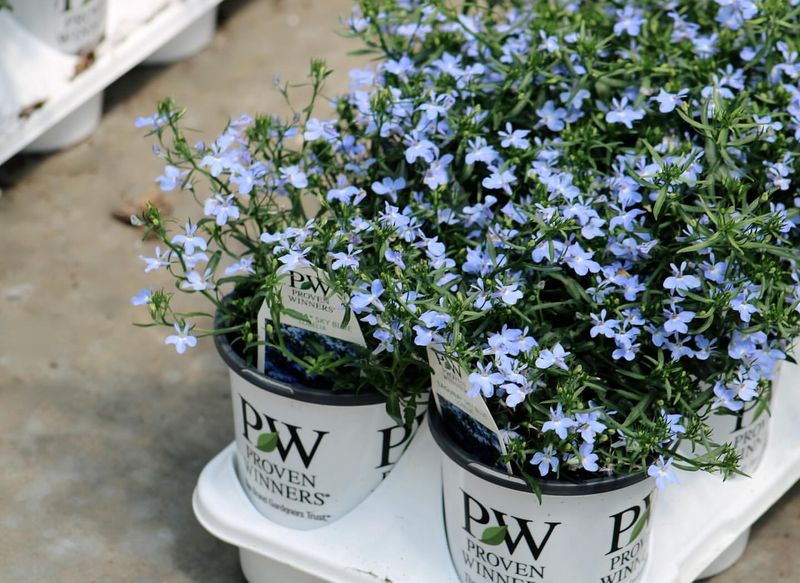
Delicate flowers in shades of blue, purple, white, and pink create clouds of color that soften container edges and fill gaps between larger plants with surprising speed.
Lobelia establishes quickly after planting, often blooming heavily within the first 1–2 weeks, especially when you start with transplants already showing color.
Its fine-textured foliage and abundant small blooms create a cottage-garden aesthetic that complements both traditional and modern container designs beautifully.
North Florida gardeners plant lobelia in early spring or fall for the longest flowering period, avoiding the heat of summer when plants tend to decline. Central Florida sees the best lobelia performance from late fall through early spring, when cooler temperatures keep plants blooming continuously.
South Florida container enthusiasts enjoy lobelia from December through March, during the region’s most comfortable weather. These plants prefer partial shade to full sun in cooler regions, but appreciate afternoon shade in hotter areas to prevent heat stress.
Combine lobelia with geraniums, petunias, or dusty miller for layered plantings that showcase its trailing habit. Place containers where lobelia can spill over edges or cascade through drainage holes for maximum visual effect.
Water regularly to keep soil consistently moist but not waterlogged, since lobelia suffers quickly when allowed to dry out completely. Fertilize every two weeks with a diluted liquid fertilizer to support continuous blooming.
Trim back plants by one-third if they become leggy mid-season to encourage fresh, compact growth and renewed flowering.
8. Alyssum
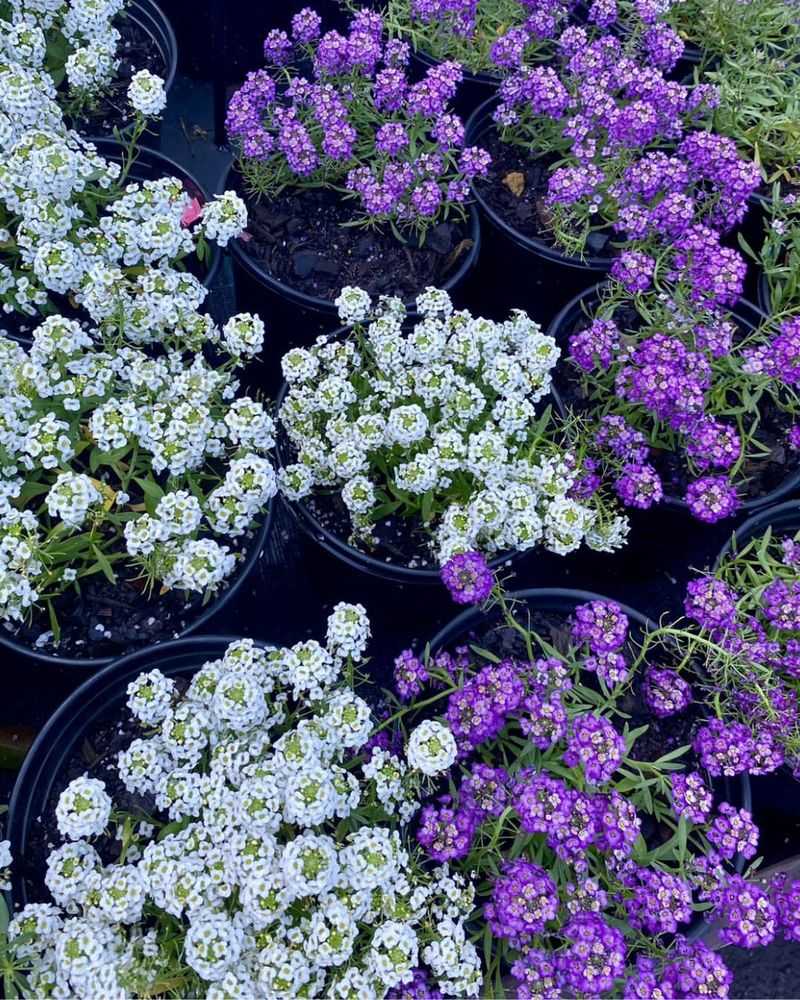
Honey-scented clusters of tiny flowers forming soft mounds of white, pink, or purple bring both fragrance and fast color to container plantings throughout Florida’s cooler months.
Alyssum typically begins blooming prolifically within 1–2 weeks of planting, quickly creating that full, finished look that makes containers appear established and mature.
Its low, spreading growth habit makes it ideal for filling spaces between taller plants or cascading gently over pot rims, and its sweet fragrance attracts beneficial insects that help pollinate nearby plants.
North Florida gardeners plant alyssum in fall for winter color or in early spring for blooms that last until heat arrives in late May. Central Florida sees excellent alyssum performance from October through April, when temperatures stay moderate and humidity levels drop.
South Florida container displays shine with alyssum from November through March, during the region’s driest and most comfortable season. These plants thrive in full sun to partial shade and tolerate light frost, making them reliable choices for variable spring weather in northern regions.
Pair alyssum with taller plants like geraniums or pentas, allowing it to weave around their bases and soften harsh container edges. Use it in mixed plantings where its neutral colors won’t compete with bolder blooms.
Water when the top inch of soil feels dry, and avoid letting containers dry out completely during hot, windy days. Fertilize monthly with a balanced formula, since alyssum doesn’t require heavy feeding to perform well.
Shear plants back by half if blooming slows mid-season to encourage fresh growth and renewed flowering.
9. Begonias (Wax or Dragon Wing)
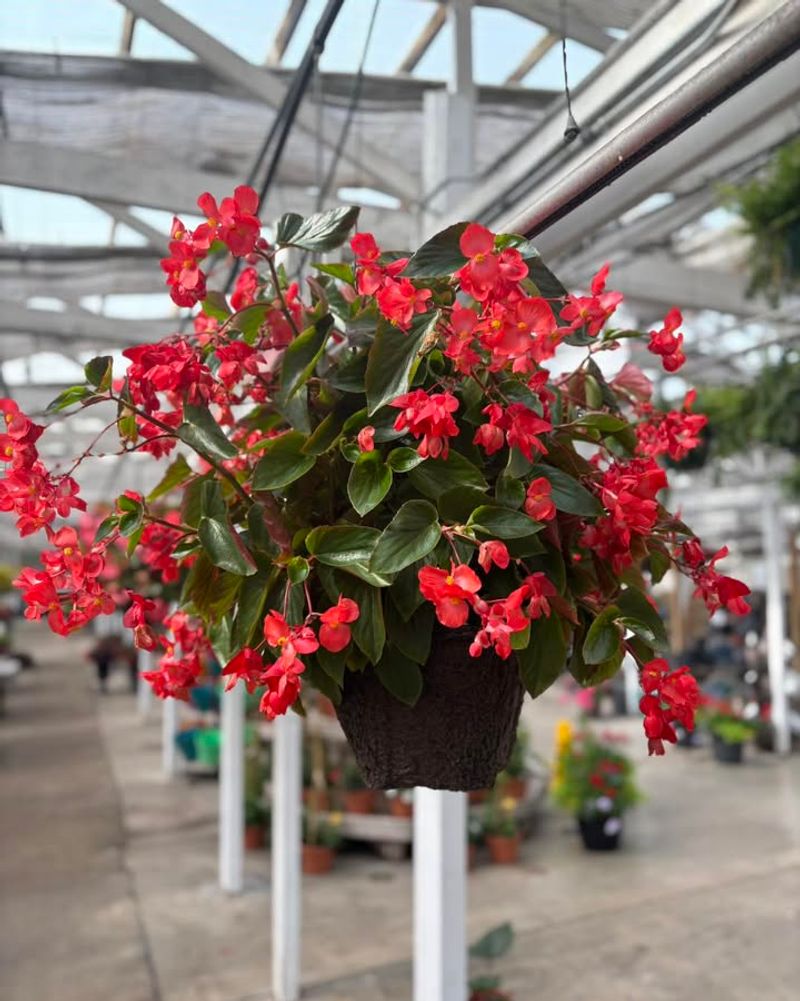
Glossy leaves and continuous blooms in shades of red, pink, or white bring reliable color to shady spots where many other container plants struggle to perform well.
Begonias start blooming immediately after planting and continue producing flowers for months without deadheading or special care, making them perfect for low-maintenance container displays.
Wax begonias offer compact growth and abundant small blooms, while Dragon Wing types provide larger leaves and flowers with a more dramatic presence in bigger pots.
North Florida gardeners enjoy begonias from spring through fall, with some varieties surviving mild winters in protected locations. Central Florida sees nearly year-round begonia performance, with plants looking their best during spring and fall when temperatures moderate.
South Florida container displays can feature begonias throughout the year, with best performance in partial shade during peak summer heat. These versatile plants thrive in partial shade to full shade, making them ideal for covered patios, north-facing porches, and under tree canopies where sunlight is limited.
Combine begonias with coleus or sweet potato vine for shade-loving combinations that offer both flowers and interesting foliage. Place containers near entryways or outdoor living spaces where their glossy leaves catch available light and brighten darker areas.
Water when soil feels dry an inch below the surface, and avoid overhead watering that can promote fungal issues on leaves. Fertilize monthly with a balanced formula to support continuous blooming without promoting excessive leafy growth that can make plants look leggy.
10. Coleus
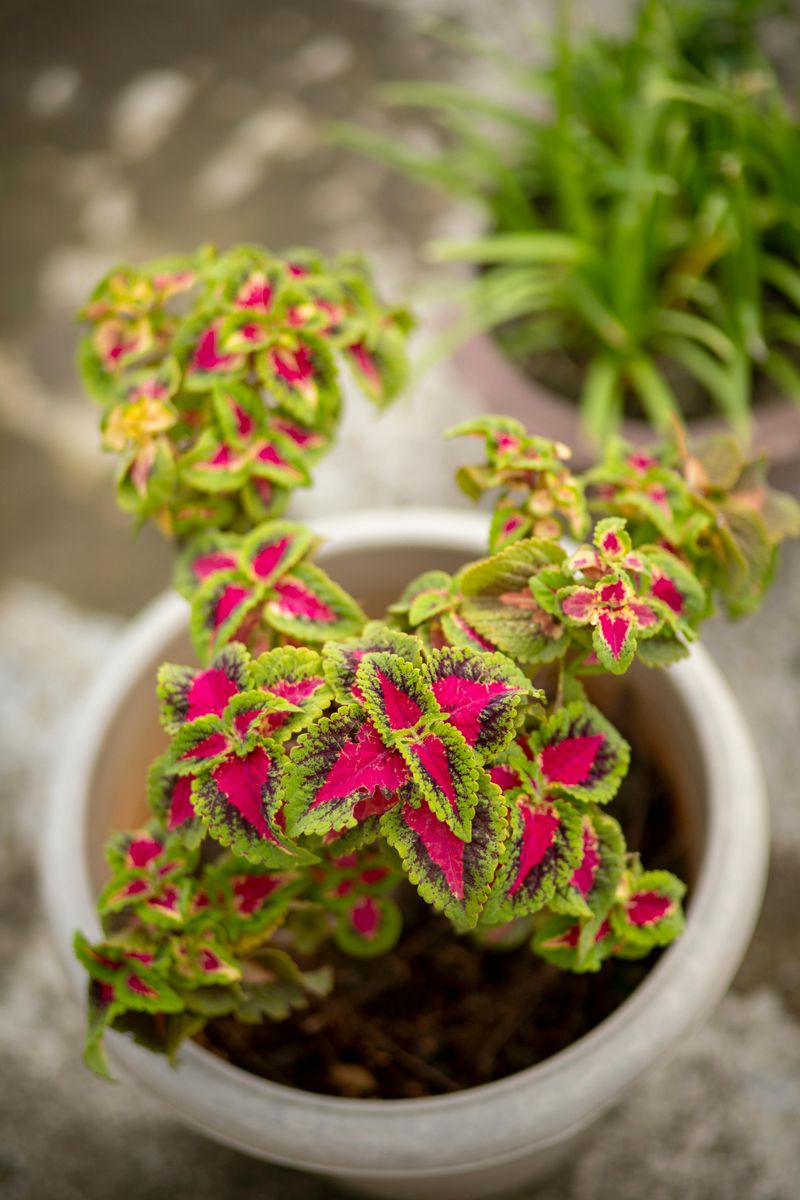
Vibrant foliage in combinations of red, purple, yellow, green, and pink creates instant visual drama that rivals any flowering plant, and its explosive growth surprises even experienced container gardeners.
Coleus fills out containers rapidly after planting, often doubling in size within just a few weeks when conditions are right.
While flowers appear occasionally, gardeners prize coleus for its stunning leaves that provide continuous color without the need for deadheading or special care to maintain their show.
North Florida gardeners enjoy coleus from late spring through fall, though frost will damage plants in winter. Central Florida sees nearly year-round coleus performance, with plants occasionally surviving mild winters in protected spots.
South Florida container displays feature coleus throughout the year, with the most vigorous growth occurring during warmer months when humidity and heat encourage rapid development.
These shade-loving plants thrive in partial shade to full shade, though some newer varieties tolerate more sun exposure than older types.
Pair coleus with begonias or sweet potato vine for shade combinations that layer different foliage colors and textures beautifully. Pinch back growing tips every few weeks to encourage bushier growth and prevent plants from becoming tall and leggy.
Remove flower spikes as they appear to redirect energy into foliage production and maintain the most vibrant leaf colors. Water consistently to keep soil evenly moist, since coleus wilts quickly when allowed to dry out completely.
Fertilize every two to three weeks with a balanced formula to support the rapid growth that makes coleus such effective container fillers.
11. Sweet Potato Vine
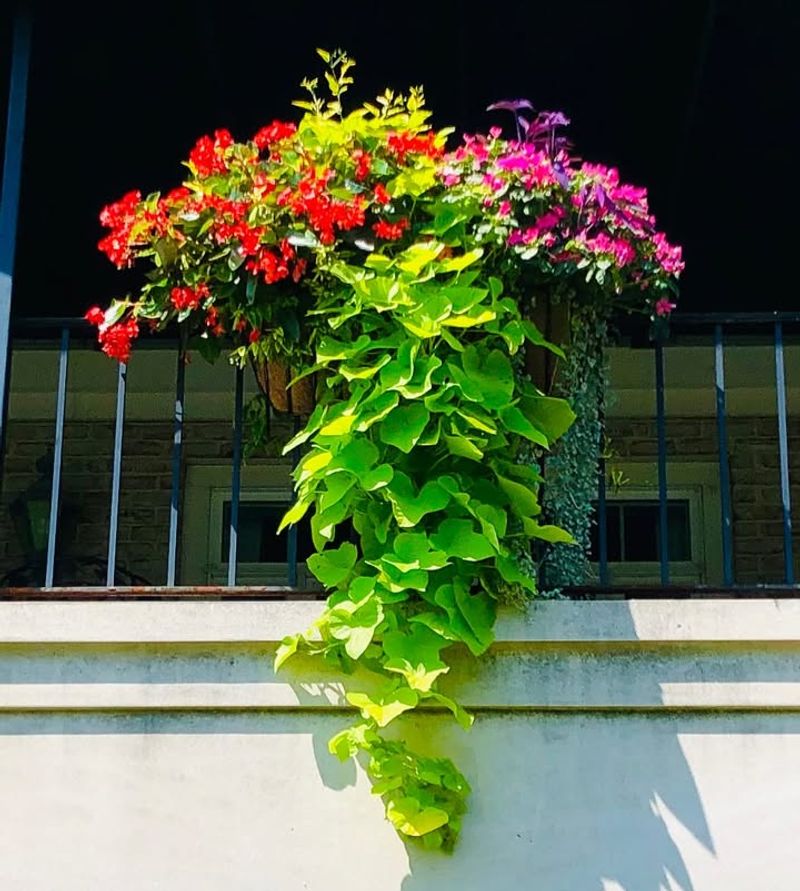
Cascading foliage in shades of chartreuse, purple, or bronze spills dramatically over container edges, creating movement and texture that brings life to static plantings almost overnight.
Sweet potato vine grows with astonishing speed in Florida’s warm climate, often trailing several feet within just a month or two of planting.
While it rarely flowers in container culture, its bold leaves provide the perfect foil for flowering companions, and its vigorous growth quickly fills empty spaces and softens hard container edges.
North Florida gardeners plant sweet potato vine after the last frost in spring and enjoy its performance through fall, when cooler temperatures finally slow its growth.
Central Florida sees rapid sweet potato vine development from spring through fall, with plants sometimes surviving mild winters as perennials.
South Florida container displays feature sweet potato vine year-round, with the most explosive growth occurring during the warm, humid months from May through October. These heat-loving plants thrive in full sun to partial shade, adapting easily to various locations around your property.
Combine sweet potato vine with upright flowering plants like petunias, geraniums, or pentas for combinations that balance vertical and cascading elements beautifully. Use chartreuse varieties to brighten shady spots or purple types to add depth and richness to sunny displays.
Trim back excessive growth every few weeks to keep plants in bounds and prevent them from overwhelming smaller companions. Water regularly during hot weather, since sweet potato vine’s rapid growth and large leaves increase water consumption significantly.
Fertilize monthly with a balanced formula to support vigorous development without promoting excessive leafy growth that can make containers look overgrown.
12. Blue Daze (Evolvulus)
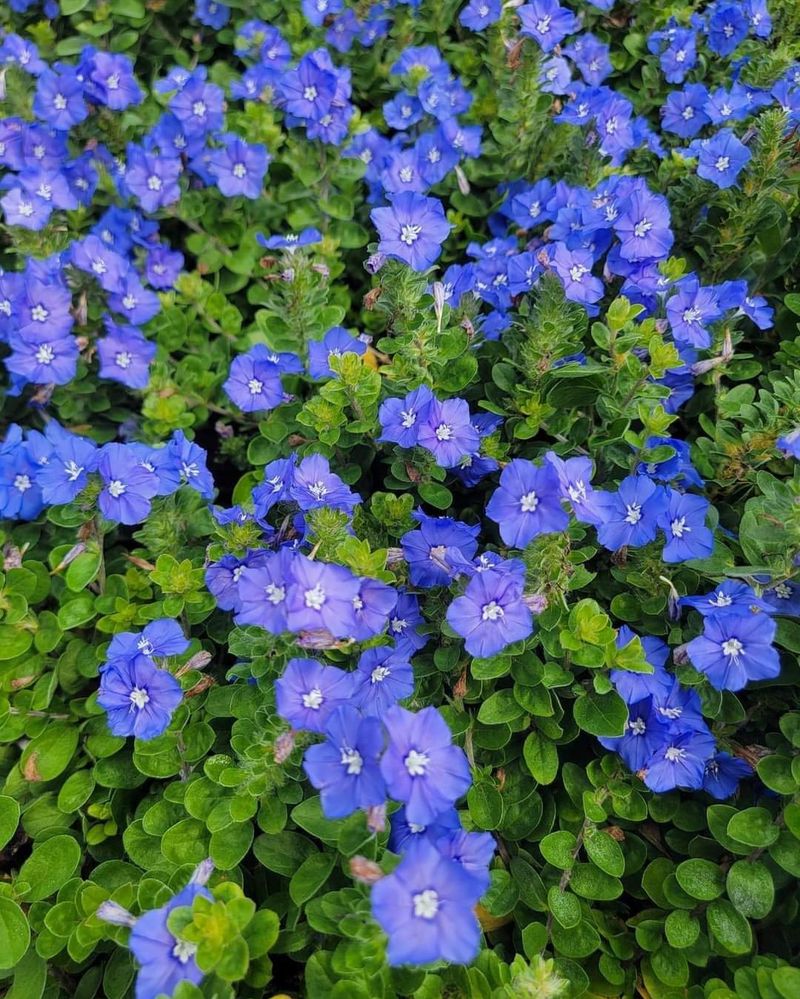
Sky-blue flowers opening each morning like tiny morning glories bring a touch of serenity to sunny container displays, and their quick establishment makes them favorites among Florida gardeners seeking fast color.
Blue Daze blooms heavily within a week or two of planting, quickly covering itself with delicate blue flowers that create a soft, romantic appearance in pots.
Its low, spreading growth habit and silvery-green foliage provide year-round interest even when blooming slows during occasional cool snaps.
North Florida gardeners enjoy Blue Daze from late spring through fall, with plants sometimes surviving mild winters in protected locations. Central Florida sees nearly year-round performance, with the heaviest blooming occurring during warm months from April through October.
South Florida container displays feature Blue Daze throughout the year, with plants blooming most prolifically during the region’s warmest weather when many other annuals struggle.
These sun-loving plants thrive in full sun and tolerate Florida’s heat and humidity better than most blue-flowered alternatives.
Pair Blue Daze with yellow calibrachoa or white alyssum for color combinations that feel fresh and cheerful. Place containers where morning sun will encourage flowers to open fully each day, since blooms close in shade or late afternoon.
Water when soil feels dry an inch below the surface, and avoid keeping containers constantly wet, since Blue Daze tolerates some drought once established. Fertilize every few weeks with a bloom-boosting formula to support continuous flowering throughout the growing season.
Trim back leggy stems occasionally to maintain a compact, tidy appearance that shows off the flowers best.
13. Portulaca (Moss Rose)
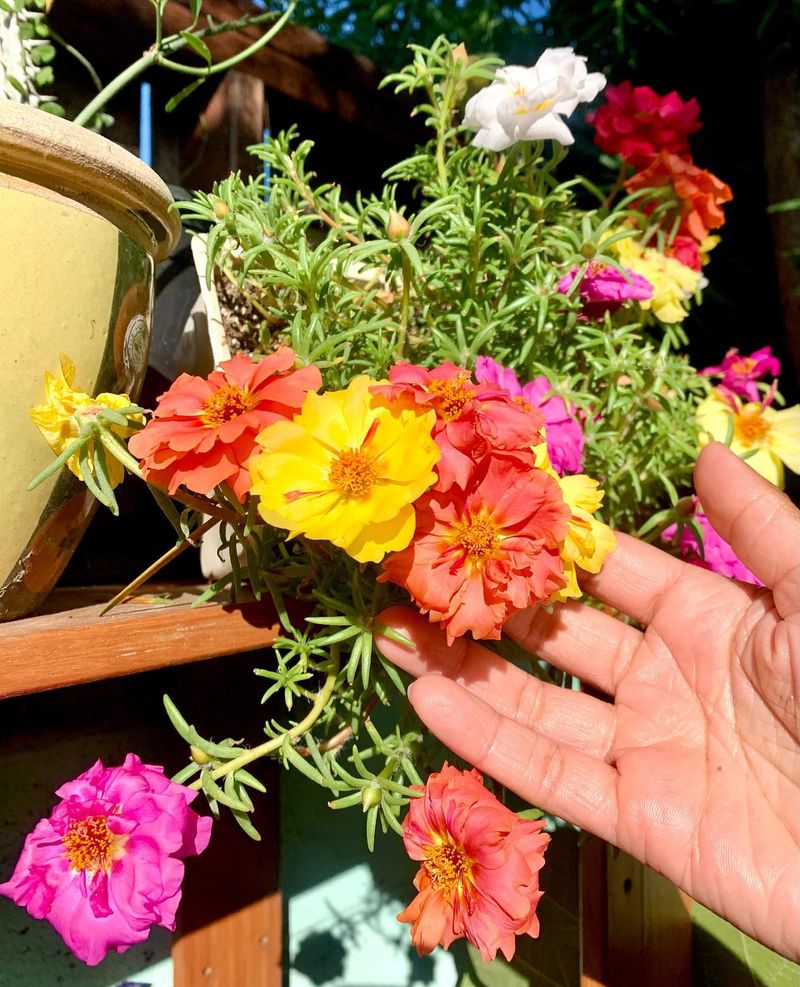
Jewel-toned flowers in shades of orange, pink, yellow, red, and white opening in full sun bring desert-garden toughness to Florida container displays, and their rapid growth surprises gardeners who assume delicate-looking flowers mean high-maintenance care.
Portulaca typically begins blooming prolifically within 1–2 weeks of planting, quickly covering succulent foliage with flowers that shine brightest during the hottest, sunniest parts of the day.
Its low, spreading habit and drought tolerance make it ideal for containers in full-sun locations where other plants struggle with heat stress.
North Florida gardeners plant portulaca in late spring after soils warm and enjoy continuous blooms through fall until frost arrives.
Central Florida sees excellent portulaca performance from spring through fall, with plants occasionally surviving mild winters in protected microclimates and returning in spring.
South Florida container displays feature portulaca year-round, with the most vigorous growth and heaviest blooming occurring during the warm months from April through October.
These sun-worshipping plants require full sun exposure and excellent drainage, making them perfect for terra-cotta pots or containers with multiple drainage holes.
Combine portulaca with other drought-tolerant plants like Blue Daze or dusty miller for low-water container displays that thrive on neglect. Place pots in the hottest, sunniest spots where other plants fail, and watch portulaca flourish where nothing else will grow.
Water sparingly, allowing soil to dry completely between waterings, since overwatering causes more problems than underwatering with these succulents.
Fertilize lightly once a month, as portulaca blooms best when slightly stressed rather than pampered with excessive feeding and watering.