These Evergreen Shrubs Keep Your Texas Yard Colorful All Year
Keeping your Texas yard vibrant year-round doesn’t have to be a challenge. Evergreen shrubs are the perfect solution for adding color, texture, and structure to your landscape through all four seasons.
Whether you’re dealing with blazing summers or chilly winters, these hardy plants hold their own, maintaining lush foliage and, in some cases, even providing beautiful blooms.
Unlike their deciduous cousins, evergreen shrubs stay green and healthy no matter the season, giving your yard a fresh look even during the colder months when most plants are dormant. Plus, many of these shrubs are low-maintenance, making them ideal for busy gardeners.
By adding a mix of evergreen shrubs to your yard, you can create a landscape that’s always full of life, offering a steady backdrop for other seasonal plants.
Whether you prefer bold, dramatic shapes or softer, more understated greenery, there’s an evergreen shrub for every Texas garden.
1. Texas Sage (Leucophyllum Frutescens)
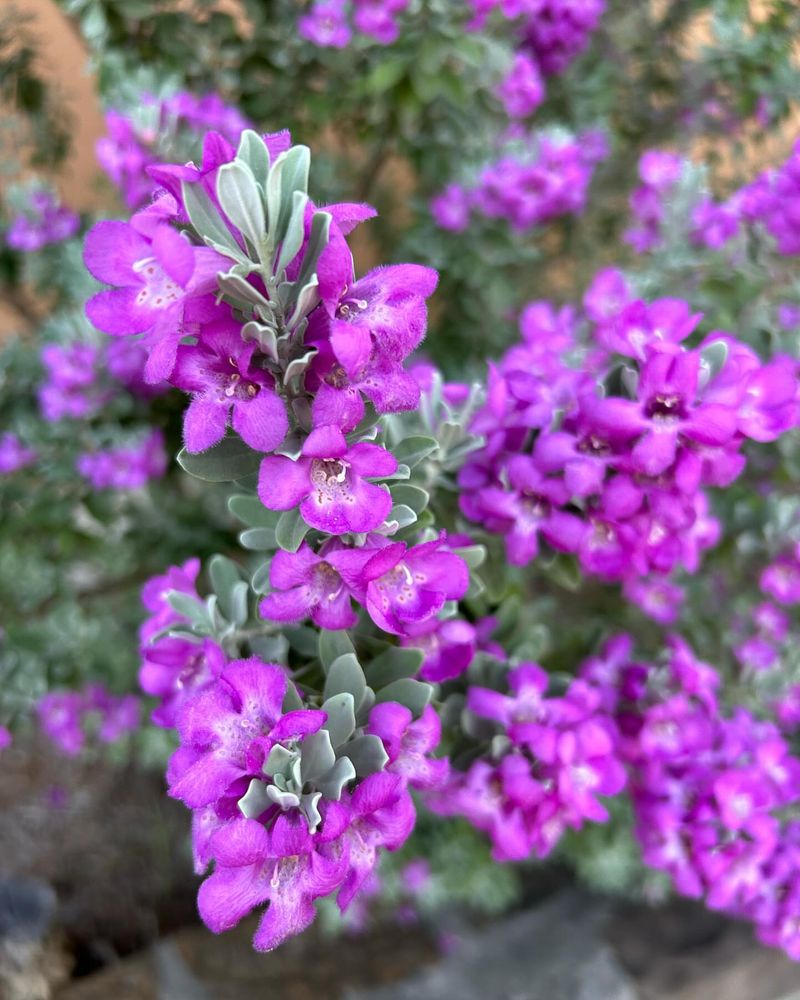
Rain is on the way, and Texas Sage already knows it. This remarkable native shrub, also called Cenizo, often bursts into purple bloom right before a summer rainstorm, earning its nickname as the “barometer bush.” Watching it flower feels like getting a weather forecast straight from nature.
Texas Sage is native to the Southwest and thrives across much of the Lone Star State, especially in West and Central Texas.
Its silver-gray leaves stay bright and attractive all year long, giving your yard a soft, elegant look even when it is not blooming. The contrast between the silvery foliage and the rich purple flowers is truly eye-catching.
One of the biggest reasons Texas gardeners love this shrub is how little water it needs. Once established, it handles serious drought and intense heat without missing a beat.
It actually prefers dry, rocky, or sandy soil with excellent drainage. Overwatering is one of the few things that can cause it trouble, so less is definitely more here.
Plant it in full sun for the best results. Texas Sage can grow between four and eight feet tall and wide, making it a great choice for a natural privacy screen or a colorful border plant.
It rarely needs fertilizing and does not require much pruning either. For Texas homeowners who want maximum beauty with minimal effort, this shrub is hard to beat. It is tough, gorgeous, and completely at home in the Texas heat.
2. Yaupon Holly (Ilex Vomitoria)
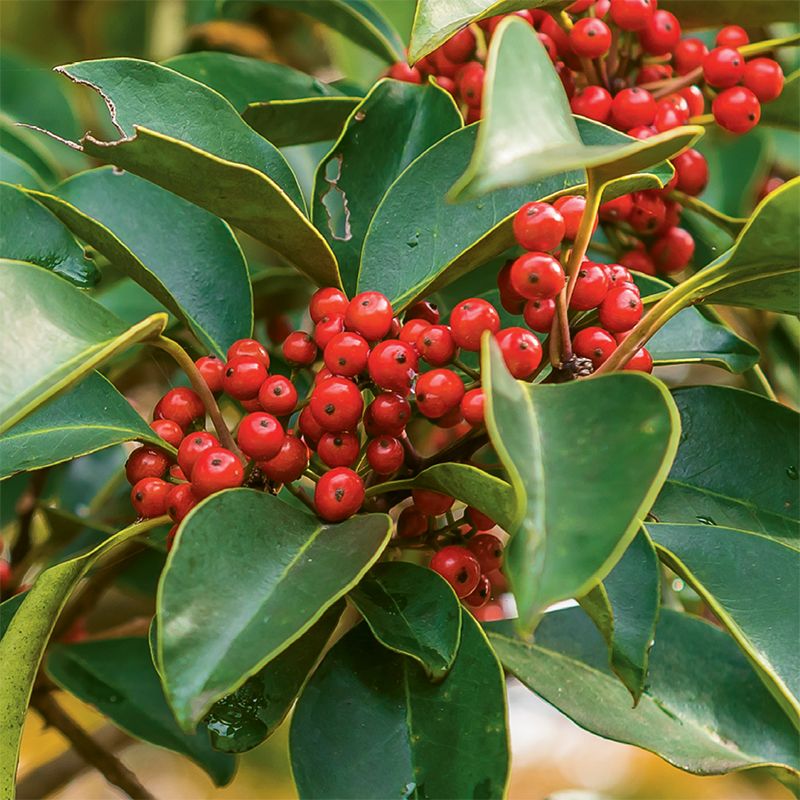
Ask any experienced Texas gardener which shrub they trust the most, and Yaupon Holly will probably come up fast.
This tough, reliable plant is native to East and Central Texas, and it has been thriving here long before anyone started planting fancy imported shrubs. It knows this land, and it shows.
Yaupon Holly keeps its deep green leaves all year long, giving your yard a lush, full look no matter the season. When winter rolls around, the female plants produce clusters of small, bright red berries that really make the landscape pop.
Birds absolutely love these berries, so planting Yaupon Holly is basically putting out a welcome sign for cardinals, mockingbirds, and other native wildlife.
What makes this shrub especially popular across Texas is how adaptable it is. It grows well in full sun or partial shade and handles a wide range of soil types, including clay, sand, and rocky ground.
It is drought-tolerant once established, which is a huge bonus in a state where summer heat can be brutal.
Yaupon Holly can be shaped into a formal hedge, left to grow naturally into a fuller form, or even pruned into a small tree shape. It is also one of the few native plants that deer tend to avoid, which matters a lot if you live in areas like the Texas Hill Country.
Low-maintenance and always dependable, this shrub earns its place in any Texas landscape with ease and quiet confidence.
3. Dwarf Burford Holly (Ilex Cornuta Burfordii Nana)
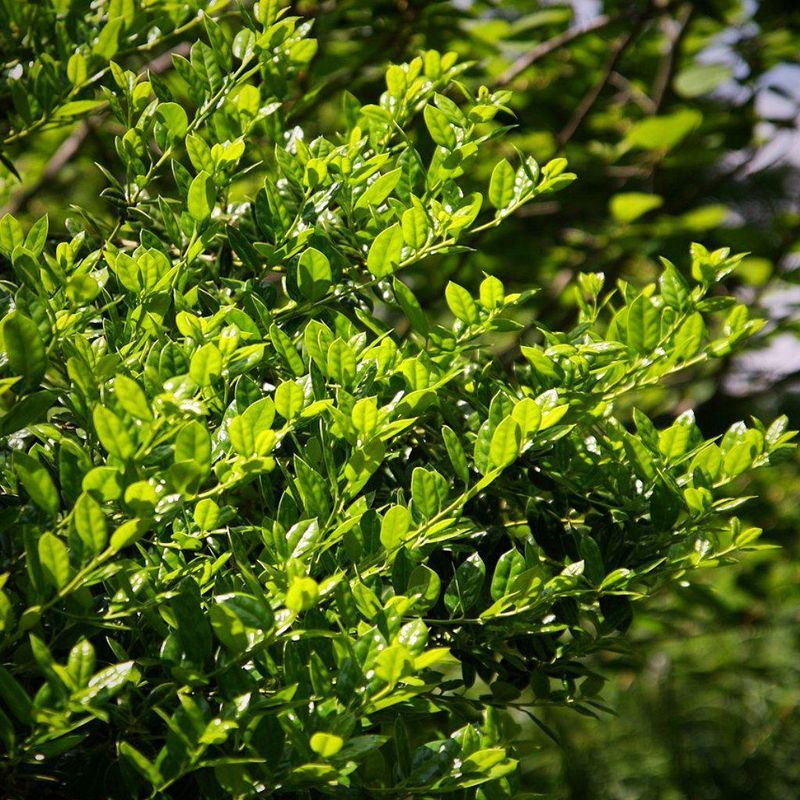
Compact, glossy, and loaded with seasonal color, Dwarf Burford Holly is the kind of shrub that makes a yard look polished without requiring a lot of work.
It is a smaller version of the full-sized Burford Holly, typically growing to about six to eight feet tall and wide, which makes it perfect for Texas homes where space might be limited.
The deep green, shiny leaves stay on the plant all year, creating a clean and attractive look in any season. Come winter, this holly produces clusters of bright red berries that add a festive splash of color to your yard.
The contrast between the glossy green leaves and the vivid red berries is one of the most satisfying sights in a Texas winter garden.
Dwarf Burford Holly works especially well as a hedge or foundation planting along the front of a house. It shapes up nicely with light pruning and holds its form well throughout the year.
Gardeners across North and Central Texas often use it to line driveways or create structured borders that look great in every season.
This shrub grows best in full sun to partial shade and prefers well-drained soil, though it adapts well to various Texas soil types. It is moderately drought-tolerant once established and does not need heavy fertilizing to stay healthy.
If you want a reliable, good-looking evergreen that brings winter color and year-round structure to your Texas yard, Dwarf Burford Holly is a smart and satisfying choice.
4. Wax Myrtle (Morella Cerifera)
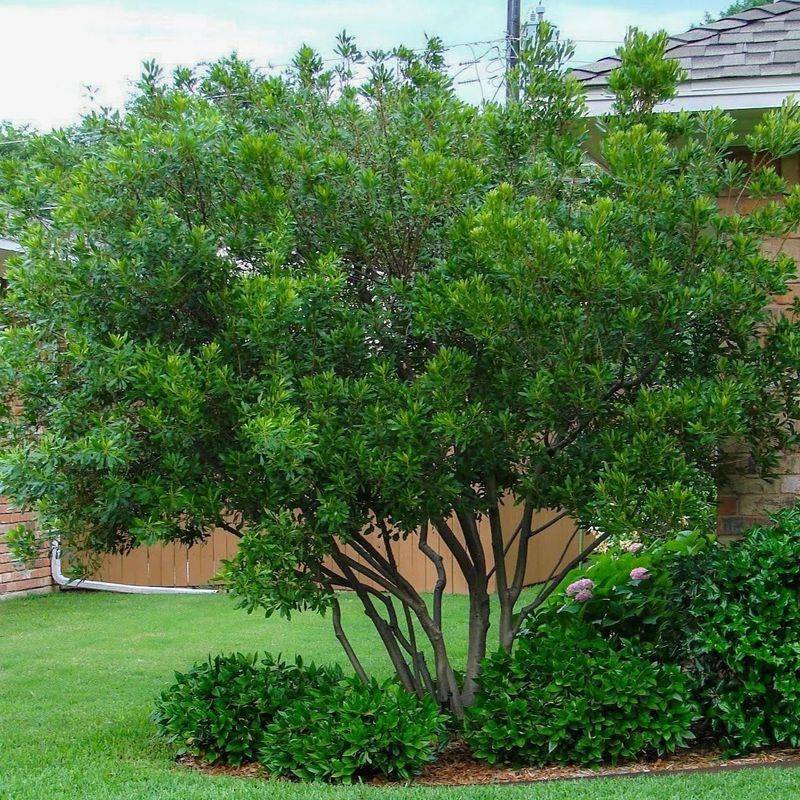
There is something almost magical about a plant that smells wonderful, feeds wildlife, and looks great all year long. Wax Myrtle does all three without asking for much in return.
Native to East and Central Texas, this fast-growing evergreen shrub has been a favorite in Texas landscapes for generations, and it is easy to see why.
The aromatic, olive-green leaves stay on the plant year-round, releasing a pleasant fragrance when brushed or crushed. In winter, female plants produce small, waxy, blue-gray berries that birds like yellow-rumped warblers find irresistible.
If you enjoy watching wildlife in your backyard, Wax Myrtle is one of the best plants you can add to your Texas garden.
One of the most impressive things about this shrub is its flexibility. It tolerates heat, drought, and even occasional flooding, which is rare for any plant.
It grows well in full sun or partial shade and adapts to a wide range of soil conditions found across Texas. It can grow anywhere from six to twenty feet tall, making it a great option for privacy screens or natural windbreaks.
Wax Myrtle grows quickly, which means you will see results fast. It can be kept as a large shrub with regular trimming or allowed to grow into a multi-trunk small tree.
Either way, it brings year-round greenery and seasonal interest to your outdoor space. For Texas homeowners looking for a low-fuss, high-reward native plant, Wax Myrtle is absolutely worth adding to the landscape.
5. Indian Hawthorn (Rhaphiolepis Indica)
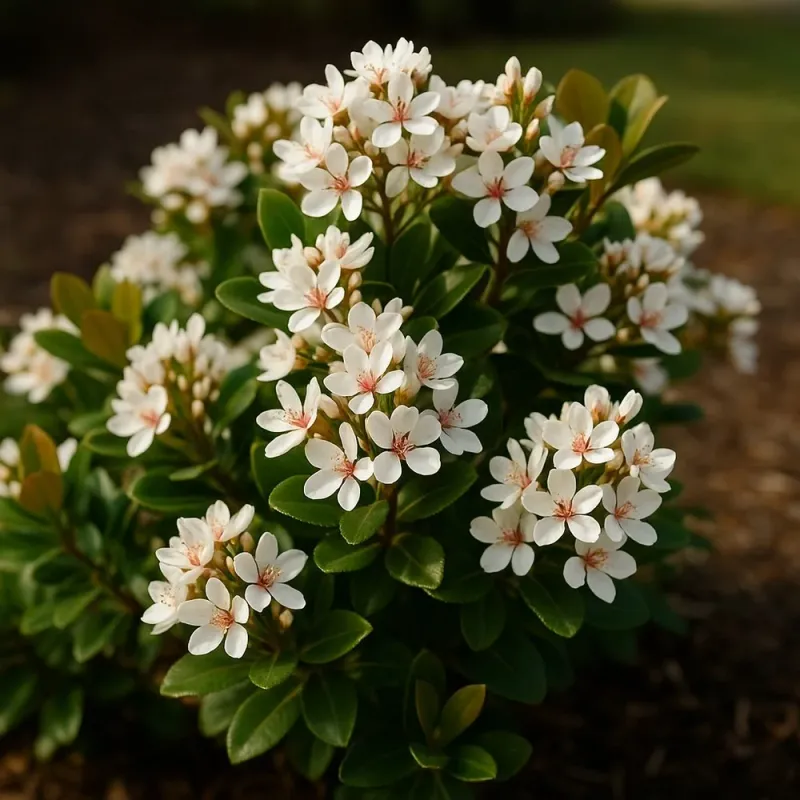
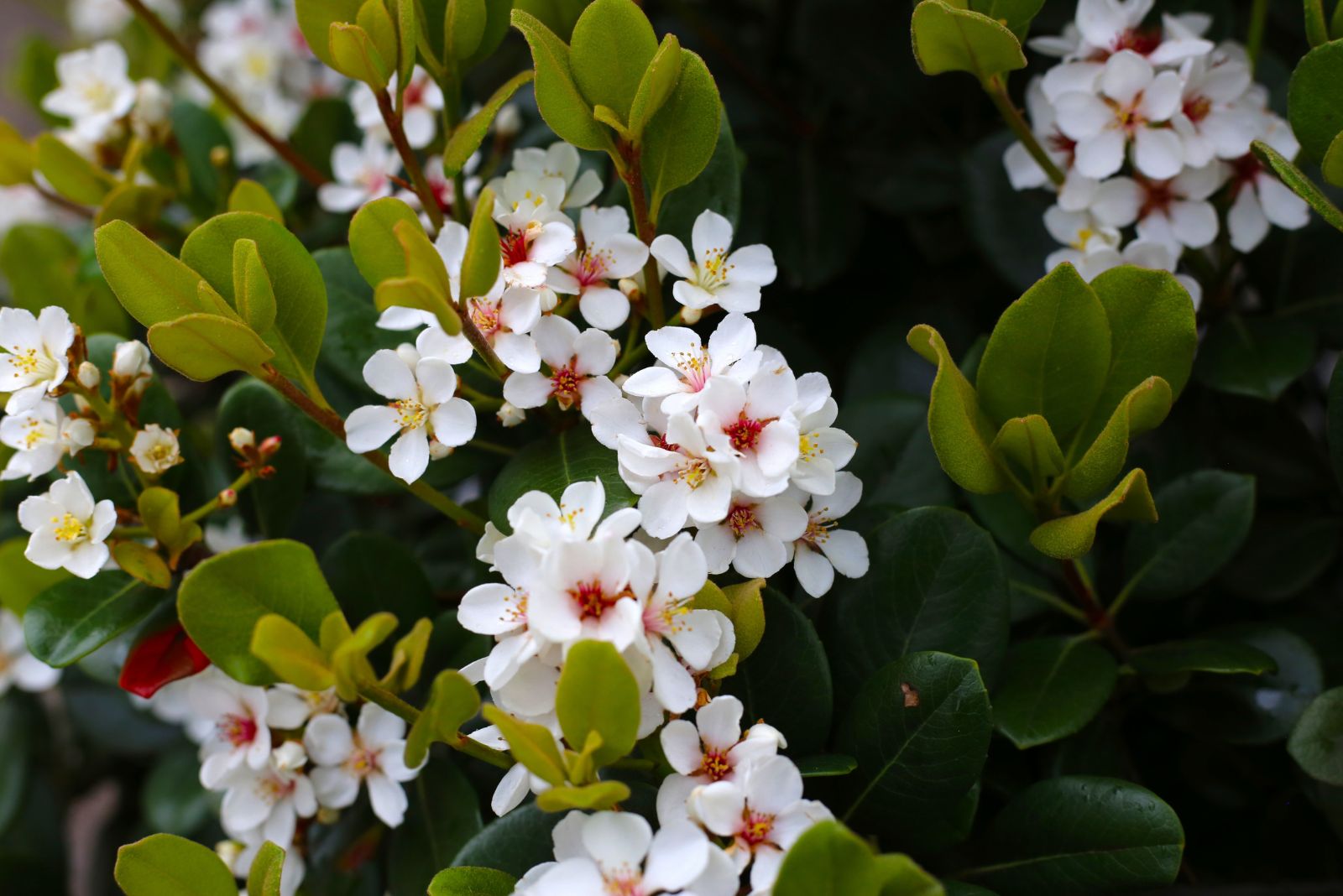
Every spring, Indian Hawthorn puts on a show that is hard to ignore. Clusters of soft pink or white flowers cover the entire shrub, turning it into a cloud of color just when the rest of the garden is waking up. It is one of those plants that makes neighbors stop and ask what it is.
Popular across Central and South Texas, Indian Hawthorn is an evergreen shrub that holds its glossy, dark green leaves all year long. Even when the flowers fade, the foliage keeps the yard looking neat and lively.
The leaves have a slightly leathery texture and often develop a reddish tint in cooler weather, adding extra seasonal interest without any extra effort on your part.
This shrub typically grows two to five feet tall and wide, making it a great choice for low borders, foundation plantings, or container gardening. It thrives in full sun to partial shade and handles the Texas heat well once it gets established.
After the first growing season, it becomes quite drought-tolerant, which is perfect for Texas summers that can stretch on for months.
Indian Hawthorn does best with good air circulation around it to prevent leaf spot disease, so avoid planting it in tight, cramped spots. Give it room to breathe and it will reward you with reliable blooms each spring and clean, attractive foliage all year.
For a low-maintenance shrub that brings real seasonal beauty to a Texas yard, Indian Hawthorn is a top-tier pick that rarely disappoints.
6. Camellia (Camellia Japonica)
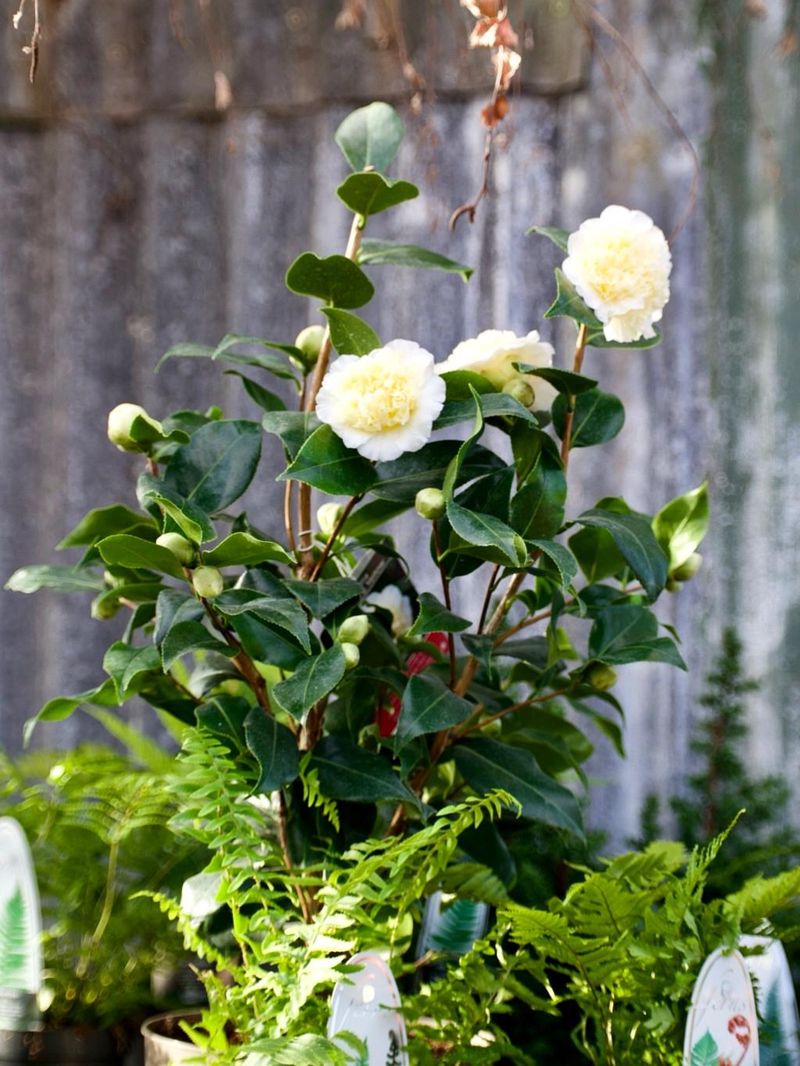
When most plants are resting quietly through the cold months, Camellia steps forward with some of the most stunning flowers you will ever see in a Texas winter garden.
Large, rose-like blooms in shades of red, pink, white, and even striped combinations open up between late fall and early spring, bringing a burst of elegance to the landscape when color is hardest to find.
Camellia japonica is an evergreen shrub that thrives in the shaded or partially sunny areas of East Texas and along the Gulf Coast, where humidity and mild winters suit it perfectly.
Its glossy, deep green leaves stay rich and full all year, giving your garden strong structure and a polished appearance even between blooming seasons.
It can grow anywhere from six to twelve feet tall over time, forming a beautiful backdrop in any landscape design.
Unlike many sun-loving Texas shrubs, Camellia actually prefers protection from harsh afternoon sun. Plant it on the north or east side of your home, or beneath tall trees where it gets bright but indirect light.
It likes well-drained, slightly acidic soil, so adding some pine bark mulch around the base helps keep the roots healthy and happy.
Camellia does need a little more attention than some of the tougher native shrubs on this list, but the payoff is absolutely worth it.
Few plants can match the sheer beauty of a Camellia in full bloom during a quiet Texas winter afternoon. For gardeners who love drama and elegance, this shrub delivers both in impressive style.
7. Nandina / Heavenly Bamboo (Nandina Domestica)
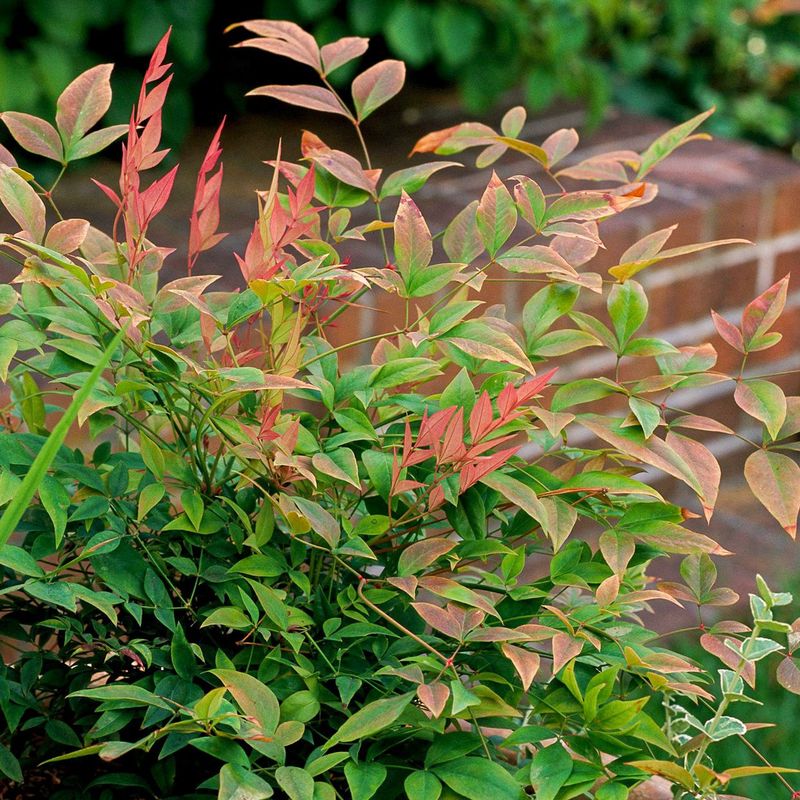
Bold red foliage in the middle of winter? Yes, Nandina makes it happen.
Commonly known as Heavenly Bamboo, this semi-evergreen shrub lights up Texas yards with fiery red and orange leaf color when temperatures drop, creating one of the most vivid winter displays of any landscape plant available to Texas gardeners.
Nandina is not actually a bamboo at all, even though its delicate, feathery leaves and upright canes give it a similar look. In spring, it produces clusters of small white flowers that are subtle but charming.
By fall, those flowers turn into bright red berries that hang on through winter, adding even more seasonal interest to the plant. It truly earns its keep across all four seasons.
Across much of Texas, Nandina performs as a reliable semi-evergreen, holding most of its leaves through mild winters and showing off its best color during cold snaps.
It grows well in full sun or partial shade, which makes it incredibly versatile for different spots around the yard. It adapts to various soil types and handles the heat of a Texas summer without much fuss.
Nandina typically grows three to eight feet tall depending on the variety, and there are many compact dwarf versions available that stay under three feet. Regular pruning helps keep it looking tidy and encourages fresh, colorful growth.
If you want a shrub that brings year-round interest, seasonal color changes, and real visual excitement to your Texas landscape, Nandina is a plant that consistently delivers the goods.