These 9 Fast Growing Shade Trees Actually Work In Florida
Florida sun can be brutal. Summer afternoons feel endless, and finding shade becomes a priority for every yard and patio.
Fast-growing trees promise relief, but not all deliver. Some topple in storms, others struggle in sandy soil, and many never reach the size you imagined.
Homeowners need trees that grow quickly, provide real shade, and stand strong through hurricanes and heat. The good news is Florida offers native and adaptable species that thrive in its unique climate.
These trees reach impressive heights, create generous canopies, and survive challenging conditions year after year. From the Panhandle to the southernmost coast, each tree brings beauty, structure, and comfort.
Imagine walking under broad branches, feeling instant coolness, and watching your property transform in just a few seasons. With the right choice, shade is not a dream; it is a fast-growing, lasting reality.
1. Live Oak Creates Massive Shade That Lasts Generations
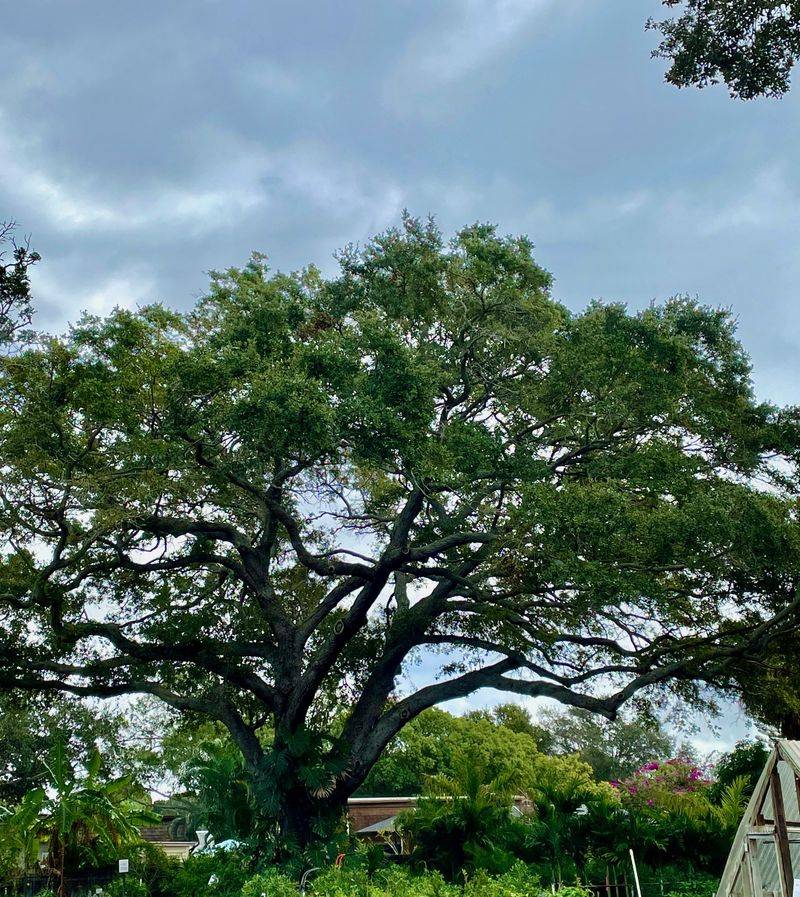
Walk through any old Florida neighborhood and you’ll notice the majestic live oaks arching over streets and homes, their limbs stretching wider than some houses. This iconic tree grows moderately fast for an oak, adding two to three feet per year when young, and eventually reaches 40 to 80 feet tall with a canopy spread that can exceed 100 feet.
Live oaks perform beautifully across all of Florida, from the Panhandle down to Central Florida, thriving in zones 8 through 10. Their dense wood and sprawling structure make them incredibly wind-resistant, which is why so many survive major hurricanes while other trees topple.
Plant your live oak in full sun with plenty of room to spread, keeping it at least 30 feet from structures and power lines. Water deeply during the first two years to establish a strong root system, then let Florida’s natural rainfall take over.
Mulch around the base but keep it a few inches away from the trunk to prevent rot and pest issues.
These trees stay mostly evergreen in South Florida but may drop leaves briefly in late winter farther north.
2. Southern Red Maple Grows Fast And Colors Your Yard
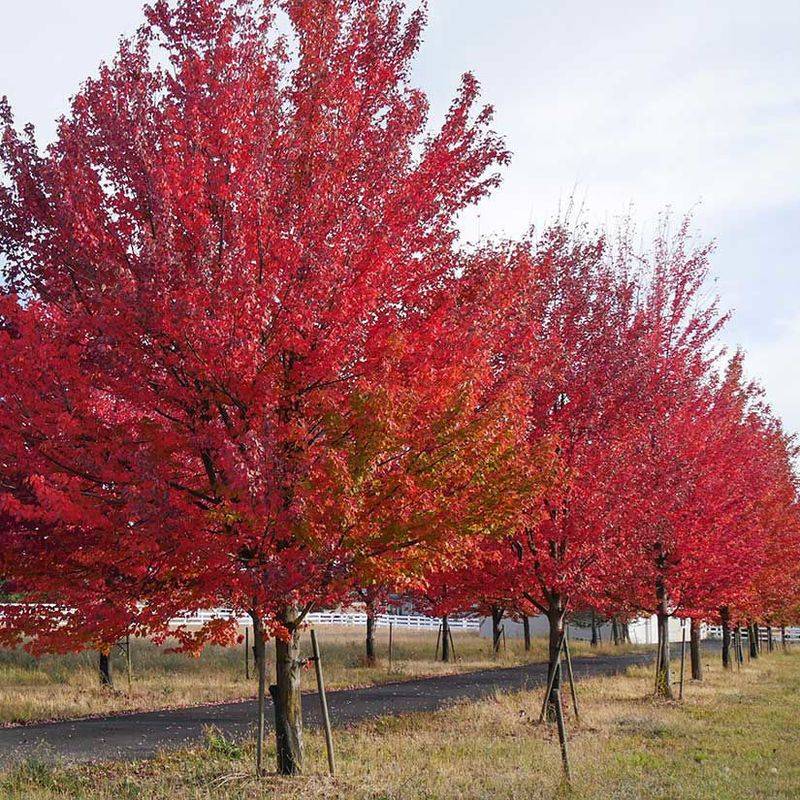
If you want fast shade with a touch of seasonal color, southern red maple delivers both without the hassle of raking mountains of leaves. This native beauty shoots up three feet or more each year, reaching 40 to 60 feet tall with a rounded canopy that spreads 30 to 40 feet wide.
Southern red maples adapt well to Florida’s soils and handle both wet and dry conditions better than most maples, making them a smart choice for North and Central Florida, where the climate and soils are ideal.
In late fall and winter, their leaves turn shades of orange, red, and yellow, giving you a hint of autumn color even in a subtropical climate.
Choose a planting site with full to partial sun and enough space for the canopy to develop without crowding nearby structures. Water your young maple regularly during dry spells for the first growing season, then taper off as the roots establish.
Mulching helps retain soil moisture and keeps competing grass away from the trunk. These trees also produce clusters of small red flowers in late winter, adding early-season interest before the leaves fully emerge.
3. Bald Cypress Thrives Even In Wet Florida Soil
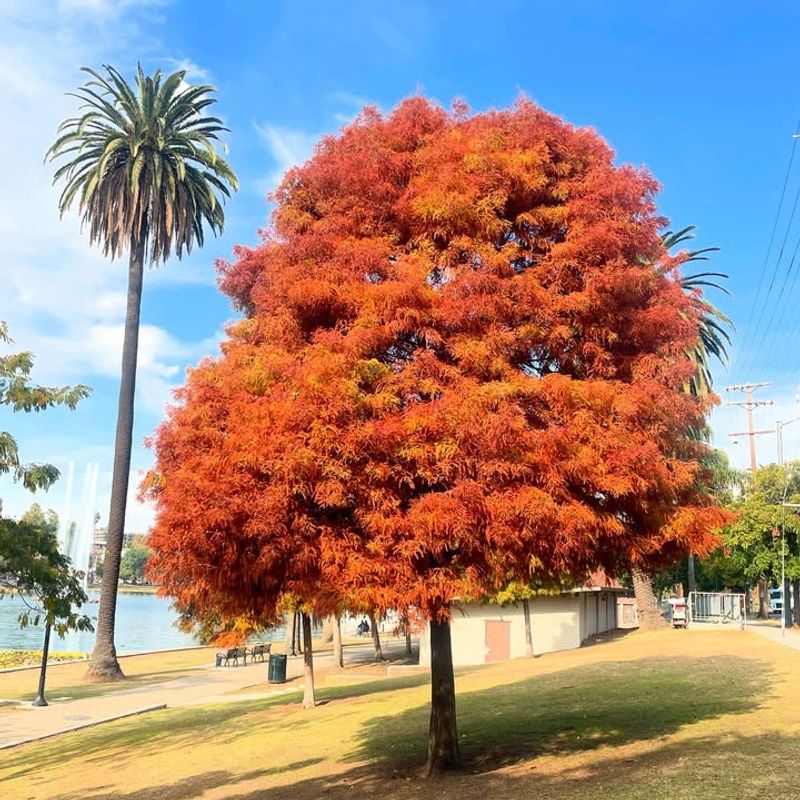
Most people think of bald cypress as a swamp tree, but it actually grows beautifully in regular yard conditions too, handling both soggy spots and well-drained soil with equal ease. This native Florida icon grows one to two feet per year, eventually reaching 50 to 70 feet tall with a narrow to moderately spreading crown.
Bald cypress works across the entire state, from the Panhandle to South Florida, and its strong, flexible wood holds up remarkably well during storms. The feathery green foliage turns a warm coppery brown in fall before dropping, giving you a brief seasonal show.
Plant your bald cypress in full sun where it has room to grow upward without interference from power lines. Water consistently during the first year, especially if your site is on the drier side, to help the roots take hold.
Once established, this tree becomes quite drought-tolerant and requires little maintenance.
Bald cypress develops unique knobby root structures called knees when planted in wet areas, adding character to your landscape. Its natural resistance to pests and diseases makes it a low-fuss choice for busy homeowners.
4. Green Buttonwood Delivers Coastal Shade Power
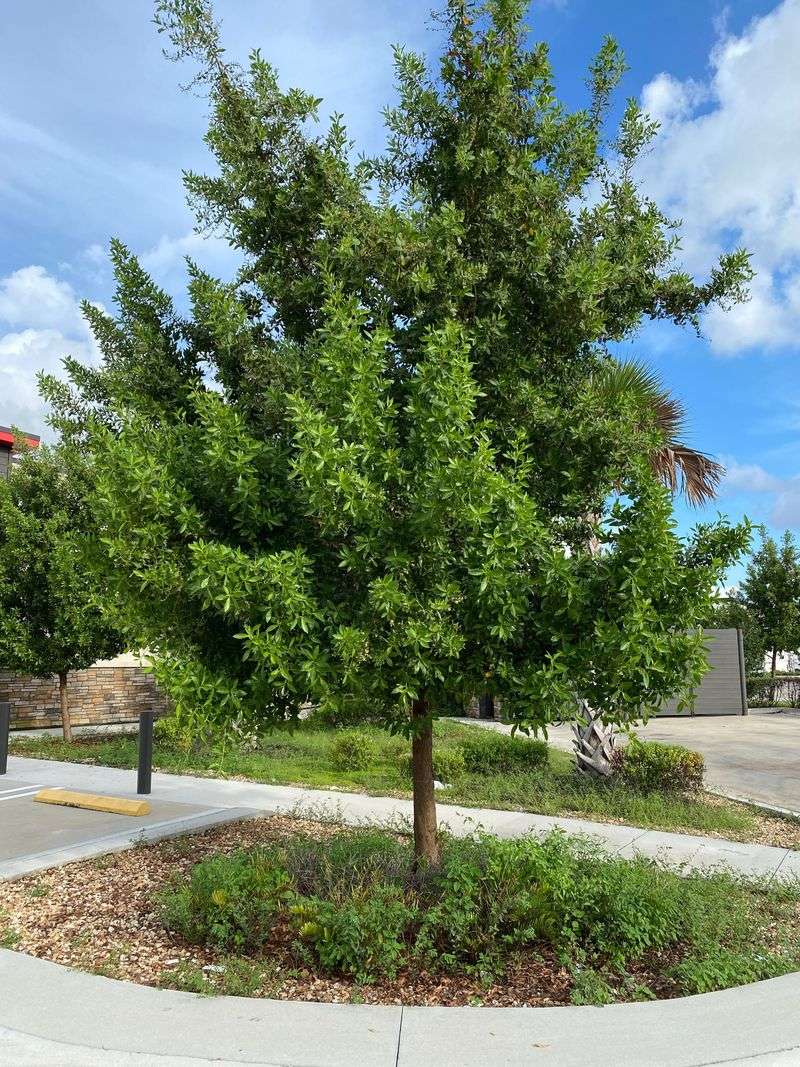
Green buttonwood is a coastal champion that laughs at salt spray and sandy soil, making it perfect for beachside properties and inland yards alike. This Florida native grows two to three feet per year, reaching 30 to 50 feet tall with a dense, rounded canopy that provides excellent shade.
Buttonwood thrives in South Florida, especially coastal areas in zones 10 and 11, where it handles heat, humidity, and salt exposure. Its silvery-green foliage stays evergreen year-round, and the tree’s strong branching structure resists wind damage during tropical storms.
Plant green buttonwood in full sun for best growth, and give it room to spread 20 to 30 feet wide at maturity. Water regularly during the establishment phase, then reduce frequency as the tree adapts to your site.
This tree tolerates a wide range of soil types, from sandy coastal ground to heavier inland soils.
Green buttonwood also works well as a hedge or windbreak when planted in groups. Its low maintenance requirements and natural resilience make it a favorite among landscape professionals working in challenging coastal environments.
5. Southern Magnolia Provides Thick Evergreen Shade
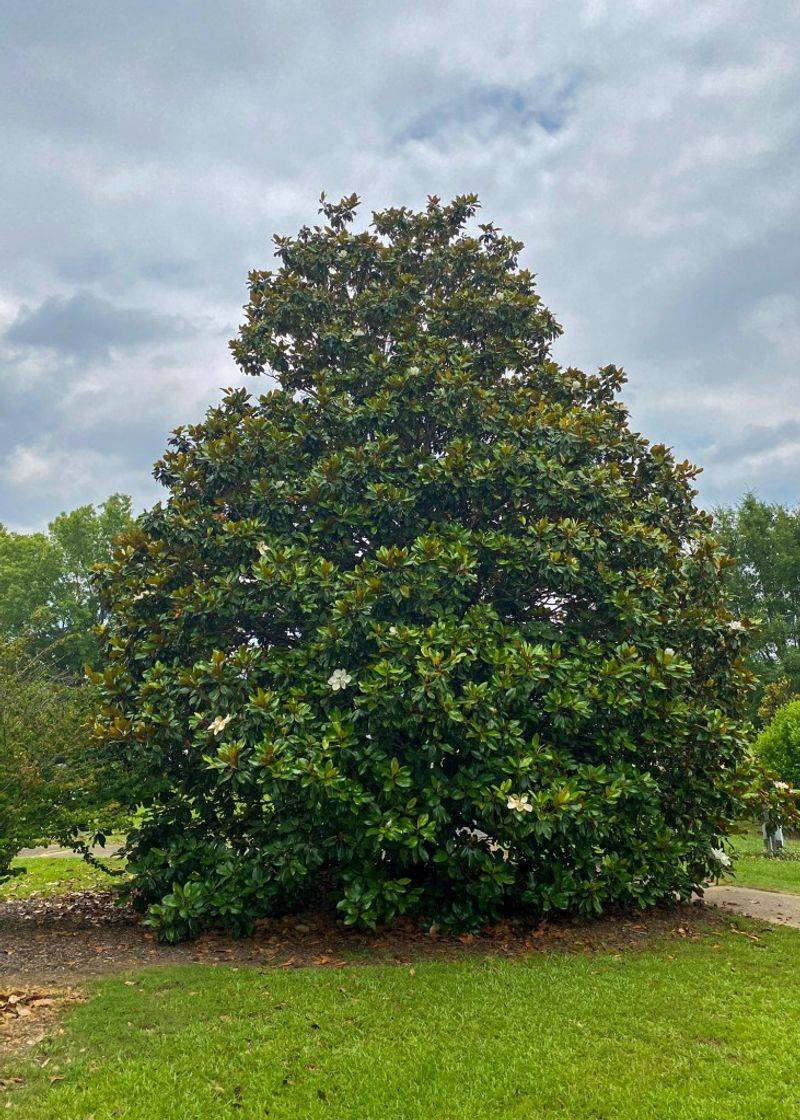
Few trees offer the lush, year-round shade of a southern magnolia, with its glossy dark green leaves and fragrant white blooms that perfume summer evenings. This classic Southern tree grows one to two feet per year, eventually reaching 60 to 80 feet tall with a pyramidal to rounded crown that spreads 30 to 50 feet.
Southern magnolia performs well throughout Florida, from the Panhandle down to Central Florida, and even into warmer parts of South Florida with proper care. Its thick evergreen canopy blocks sunlight effectively, creating cool, comfortable spaces underneath even during peak summer heat.
Plant your magnolia in full sun to partial shade, allowing plenty of space for its mature size and keeping it away from structures where falling leaves and seed pods might create maintenance issues. Water deeply and regularly during the first two years to support strong root development, then transition to occasional deep watering during dry periods.
Mulch generously around the base to retain moisture and keep the root zone cool. The large, fragrant flowers appear in late spring and early summer, attracting pollinators and adding a sweet scent to your landscape.
6. Laurel Oak Builds Quick Canopy Coverage
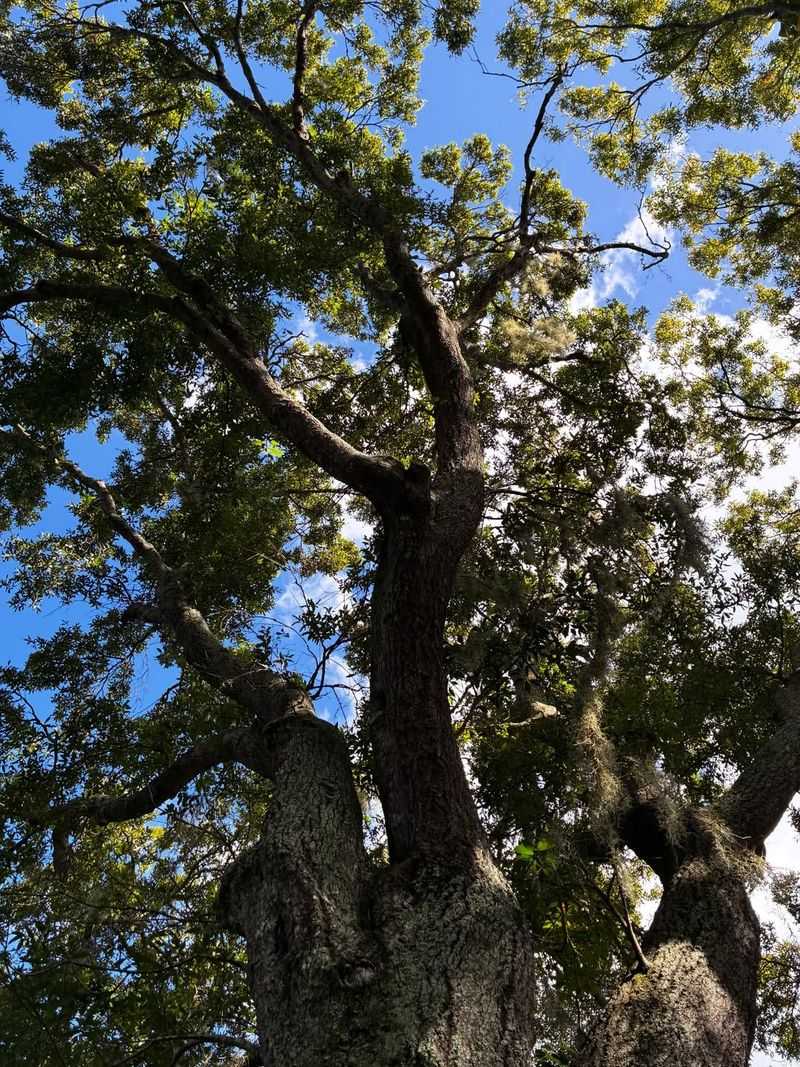
When you need shade fast, laurel oak delivers in a hurry, shooting up three to four feet per year and quickly forming a broad, rounded canopy. This Florida native reaches 40 to 60 feet tall with a spread of 30 to 50 feet, making it a popular choice for parks, streets, and residential yards.
Laurel oak grows best in North and Central Florida, where it adapts to a variety of soil types and moisture conditions. Its semi-evergreen foliage stays mostly green through winter in warmer areas but may drop leaves briefly in colder regions.
Plant laurel oak in full sun with adequate space for its spreading crown, keeping it well away from structures and underground utilities. Water regularly during the establishment period to encourage rapid growth and strong root development.
Once mature, this tree becomes quite self-sufficient and requires minimal care.
Laurel oak does have a shorter lifespan than some other oaks, typically living 50 to 70 years, and may become susceptible to wind damage as it ages. Regular pruning to remove weak or crossing branches helps maintain structural integrity and prolongs the tree’s health and beauty in your landscape.
7. Tulip Poplar Explodes With Rapid Vertical Growth
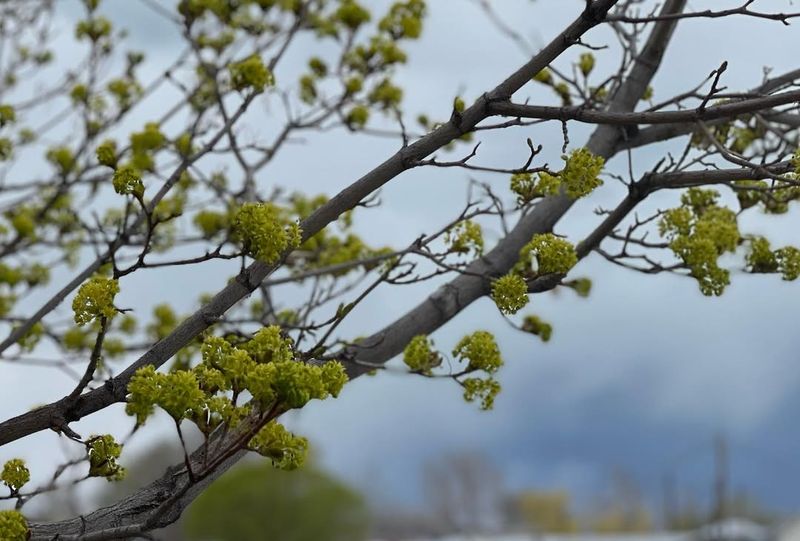
Tulip poplar is the speed demon of Florida shade trees, rocketing upward at rates of three to five feet per year and quickly reaching impressive heights. This tall, stately tree can grow 70 to 90 feet high with a narrow to moderately spreading crown of 30 to 50 feet, making it ideal for properties with vertical space but limited horizontal room.
This tree performs best in North Florida and the cooler parts of Central Florida, where it enjoys slightly more moisture and cooler winters than South Florida provides. Its distinctive tulip-shaped flowers appear in late spring, adding ornamental interest high in the canopy.
Plant tulip poplar in full sun with deep, well-drained soil that retains some moisture, as this tree prefers consistent water availability during its growing season. Water young trees regularly during dry spells to support their rapid growth and prevent stress.
Mulch around the base to conserve moisture and moderate soil temperature.
Tulip poplar’s soft wood makes it somewhat vulnerable to storm damage, so choose a protected planting site away from structures if possible. The bright yellow fall foliage adds a cheerful seasonal display before the leaves drop in late autumn.
Tulip poplar is best planted in North and Central Florida and is not recommended for South Florida due to heat and soil sensitivity.
8. River Birch Loves Moist Soil And Grows Fast
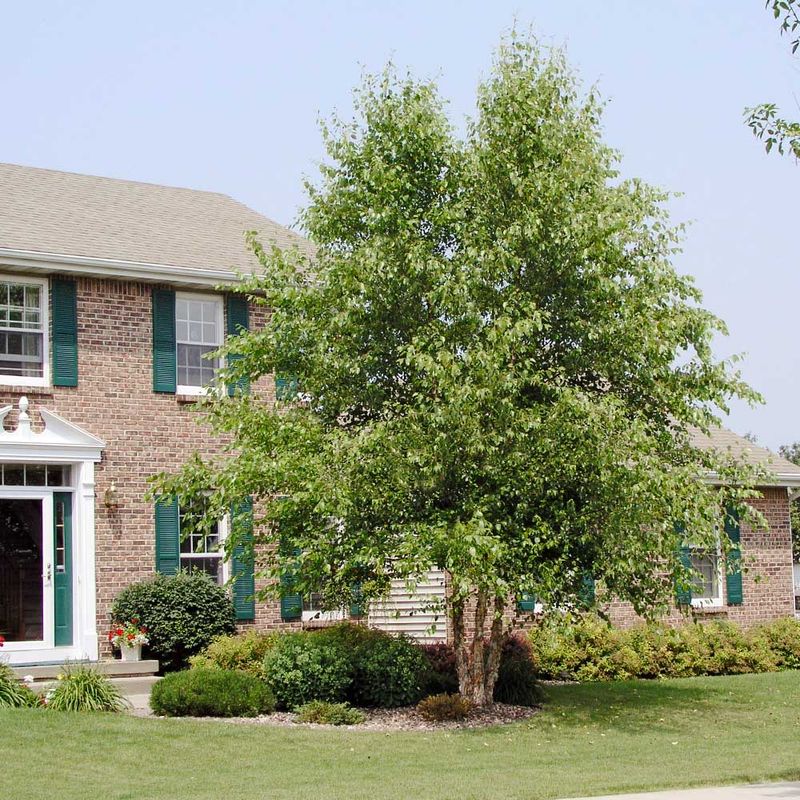
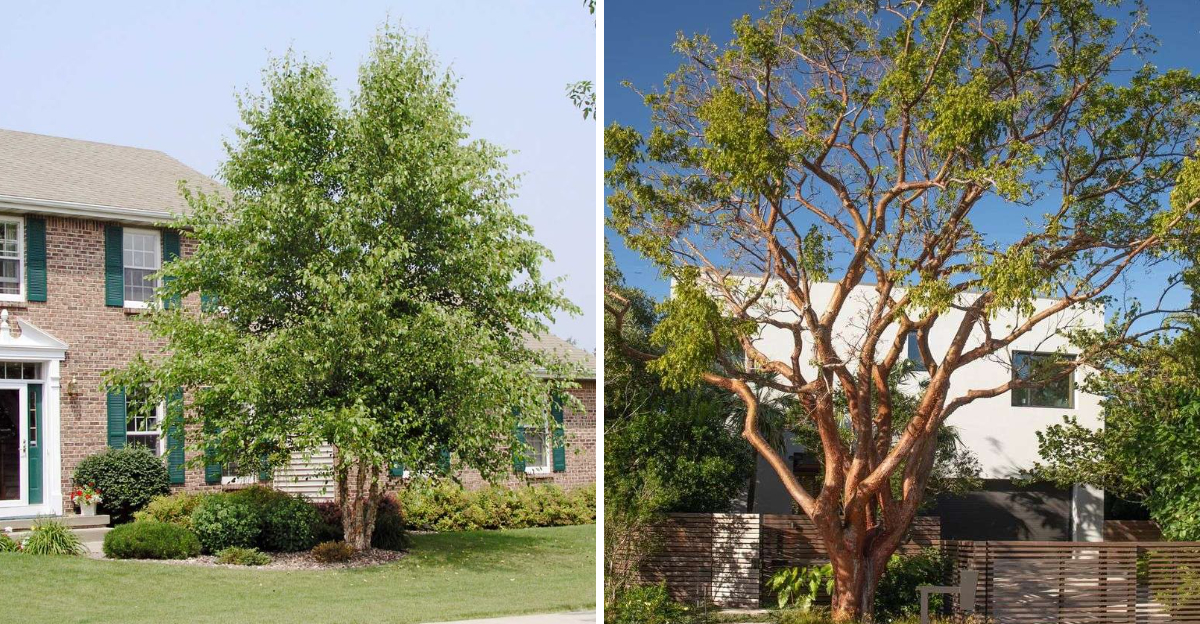
River birch brings texture and character to Florida landscapes with its distinctive peeling bark and fast growth rate of two to three feet per year. This adaptable native tree reaches 40 to 70 feet tall with a spreading, irregular crown that provides dappled shade and visual interest throughout the year.
River birch thrives in North and Central Florida, particularly in areas with moist or occasionally wet soil conditions, though it adapts reasonably well to drier sites once established. The exfoliating bark in shades of cream, salmon, and brown creates year-round appeal, especially during winter when the leaves drop.
Plant river birch in full sun to partial shade near water features, low spots, or areas with naturally moist soil for best performance. Water regularly during the establishment phase and continue supplemental watering during dry periods to keep the tree healthy and growing vigorously.
Mulching helps retain soil moisture and keeps roots cool during hot Florida summers.
River birch tolerates occasional flooding and works well in rain gardens or along pond edges. Its natural resistance to bronze birch borer, a pest that plagues other birch species, makes it a reliable choice for Florida conditions.
9. Gumbo Limbo Is South Florida’s Fastest Shade Tree
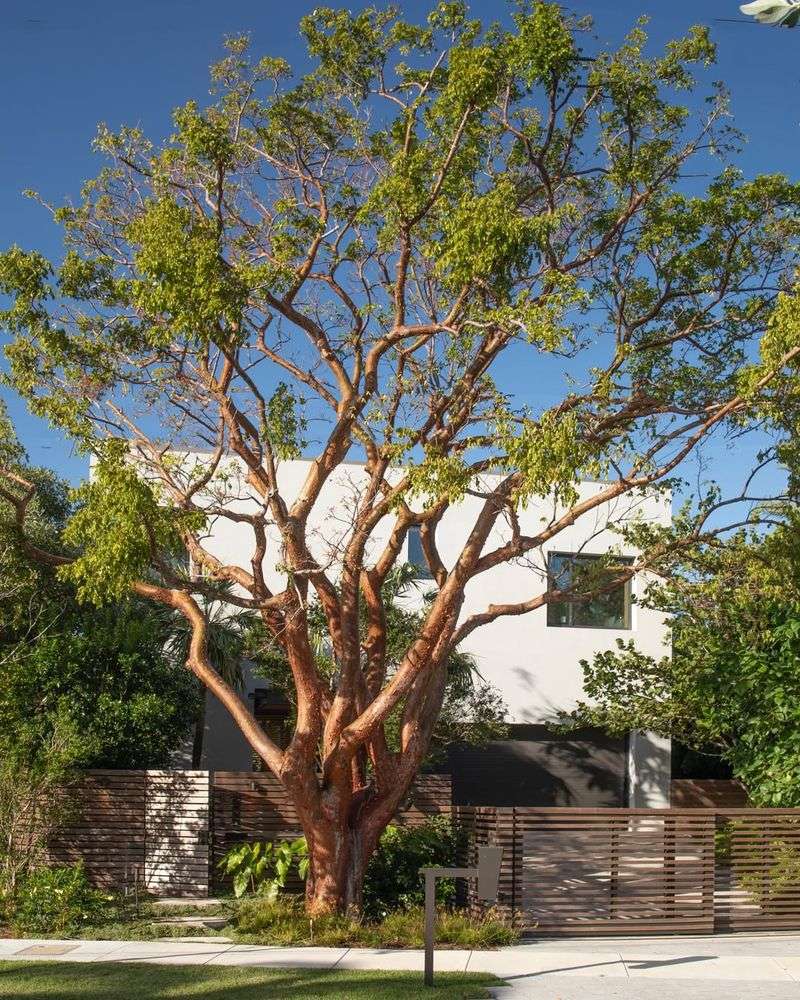
Gumbo limbo is a South Florida superstar that grows with incredible speed, often adding three to five feet per year and quickly forming a broad, spreading canopy. This native coastal tree reaches 25 to 50 feet tall with an equally wide spread, and its distinctive reddish peeling bark has earned it the nickname tourist tree because it looks sunburned.
Gumbo limbo thrives in South Florida’s tropical and subtropical climate, particularly in zones 10 and 11, where it handles salt spray, sandy soil, and hurricane-force winds with remarkable resilience. The tree stays evergreen year-round, providing consistent shade and a lush tropical appearance.
Plant gumbo limbo in full sun with plenty of space for its spreading crown, and water regularly during the first year to establish strong roots. Once established, this tree becomes extremely drought-tolerant and requires almost no maintenance, making it perfect for low-water landscapes.
Gumbo limbo propagates easily from cuttings, so you can even start new trees by planting large branches directly in the ground. Its natural resistance to pests and diseases, combined with rapid growth and storm tolerance, makes it an unbeatable choice for South Florida shade.