These 10 Florida Plants Resist Root Rot In Poor Drainage
Rain hits Florida fast and hard. One minute the sun is blazing, the next your garden is a shallow pond.
Most plants scream “enough” when roots sit in soggy soil, leaving leaves yellowed, stems limp, and flowerbeds looking sad. But some resilient natives and tough perennials don’t just survive-they thrive.
They turn low spots into color-filled magnets for butterflies, bees, and hummingbirds. They shrug off heavy rainfall, shrug off soggy soil, and keep your landscape looking lush while neighbors fight the mud.
From vibrant blooms that pierce through gray skies to sturdy shrubs that stand tall after storms, these ten plants handle Florida’s wettest moments with ease. No more planting guesses, no more frustration, no more soggy yard shame.
Your garden can stay alive, colorful, and resilient all season long, transforming every waterlogged patch into a thriving showcase of nature’s hardiest heroes.
1. Pickerelweed Thrives Even With Wet Feet
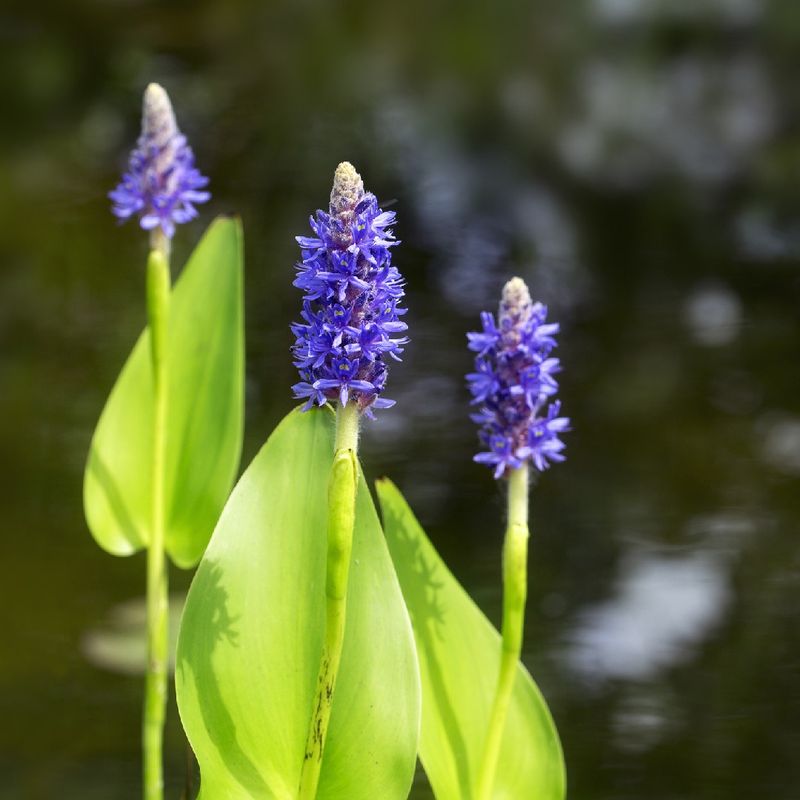
Pickerelweed thrives in shallow standing water, making it ideal for pond edges or low-lying areas that collect rainwater, but it does best in calm, still water rather than fast-flowing or deep water.
This native aquatic perennial produces gorgeous purple flower spikes that rise above glossy heart-shaped leaves throughout the warm months.
Butterflies and bees absolutely adore the blooms, turning your wet problem area into a pollinator paradise.
You will find pickerelweed naturally growing along pond edges, lake margins, and wetland areas across Florida. It performs beautifully in rain gardens, bioswales, or any spot that collects water after heavy rainfall.
The plant can handle full sun to partial shade, though flowering is most abundant with plenty of sunlight.
During our summer rainy season, pickerelweed stays vibrant and healthy while other plants might struggle with constantly moist roots. The thick rhizomes spread slowly to create attractive colonies without becoming invasive in your garden beds.
Maintenance is minimal since this Florida native evolved to handle our climate extremes.
Consider planting pickerelweed in groups of three or five for maximum visual impact along pond edges or in shallow water features. The plant reaches about two to three feet tall, creating nice vertical interest without overwhelming smaller landscape spaces.
2. Buttonbush Loves Moist Soil And Heavy Rain
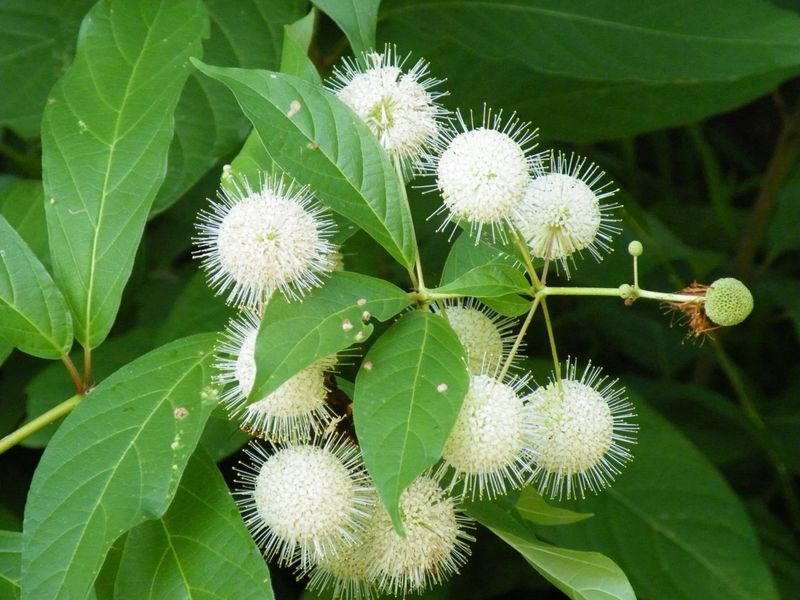
Buttonbush earns its name from the unique spherical white flower clusters that look like pincushions dotted with tiny pins. This Florida native shrub naturally grows in swamps and along waterways, so it welcomes the moisture that would harm less adapted plants.
The flowers appear in summer and attract an incredible variety of pollinators, including hummingbirds and butterflies that bring life to your landscape.
Your buttonbush will grow best in areas that stay consistently moist or even experience periodic flooding during heavy rain events. It tolerates full sun to partial shade, though flowering tends to be more prolific with at least six hours of direct sunlight daily.
The shrub can reach six to twelve feet tall and wide, so give it adequate space to develop its natural rounded form.
During Florida’s wet season, buttonbush roots handle saturated soil without developing rot issues that plague less tolerant species. The plant drops its leaves in winter, which is normal for this deciduous shrub in our climate.
New growth emerges in spring with fresh green foliage that stays attractive through the growing season.
Prune buttonbush in late winter before new growth starts if you need to control size or shape the plant for your landscape design.
3. Swamp Milkweed Handles Soggy Garden Beds
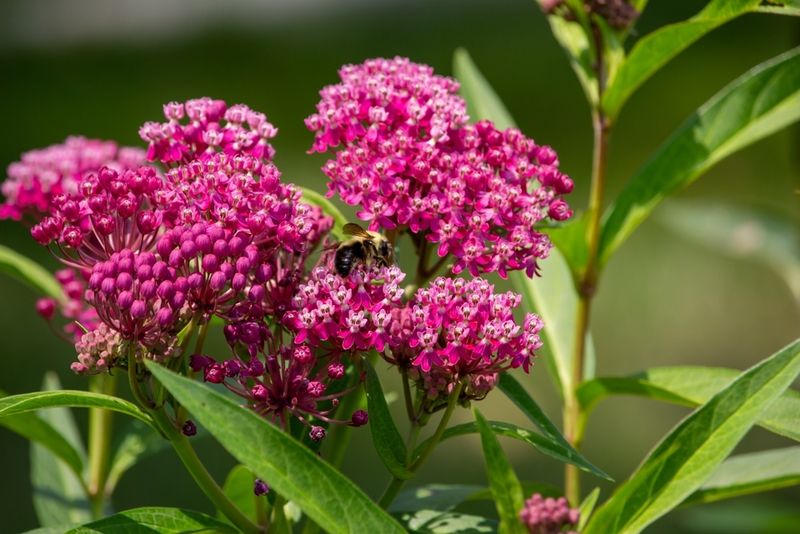
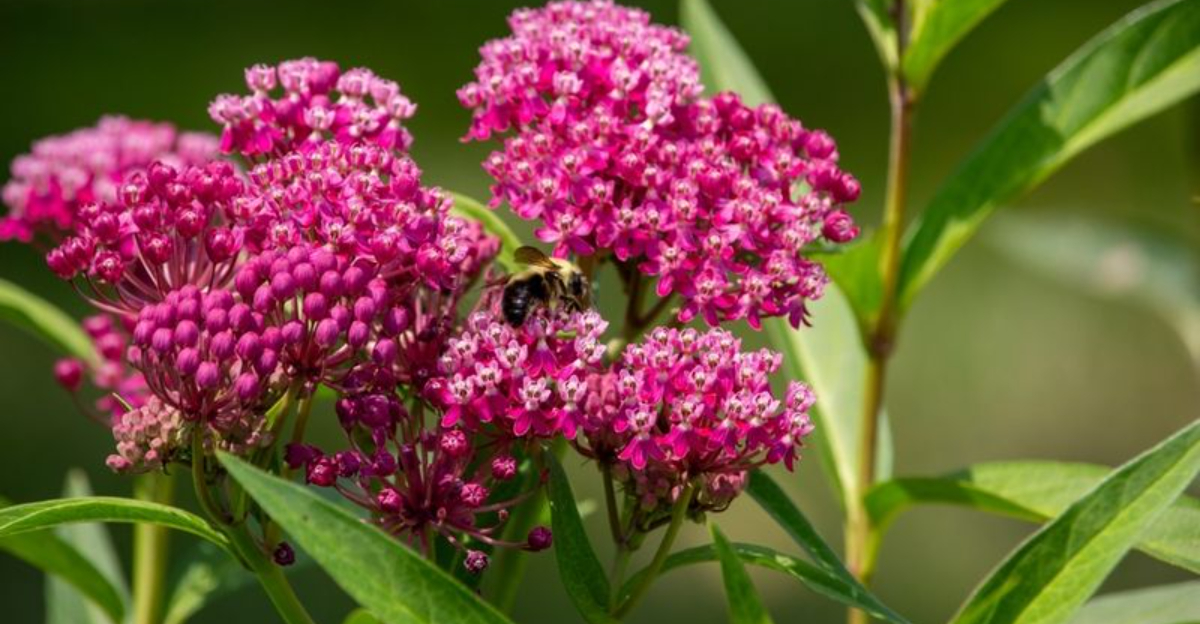
Swamp milkweed brings both beauty and ecological value to moisture-prone areas of your Florida yard. This native perennial produces clusters of pink to mauve flowers that serve as essential host plants for monarch butterfly caterpillars.
The blooms appear from late spring through fall, providing nectar for countless pollinators throughout our longest growing seasons.
As the common name suggests, swamp milkweed naturally occurs in wet prairies, marshes, and along ditches where water collects. Your plants will thrive in garden beds that stay damp or even experience temporary flooding after afternoon thunderstorms.
Full sun exposure produces the most flowers, though the plant tolerates light shade in hotter inland areas.
The upright stems reach two to four feet tall with narrow lance-shaped leaves arranged in opposite pairs along the stems. Unlike some milkweeds that spread aggressively, swamp milkweed forms well-behaved clumps that expand slowly over time.
The plant goes dormant in winter, cutting back to the ground before reemerging with fresh growth in spring.
Pair swamp milkweed with other moisture-loving natives like pickerelweed or blue flag iris to create a cohesive planting design. The seed pods that follow flowering split open to release silky-tufted seeds, adding late-season interest to your landscape.
4. Frogfruit Spreads Fast In Damp Areas
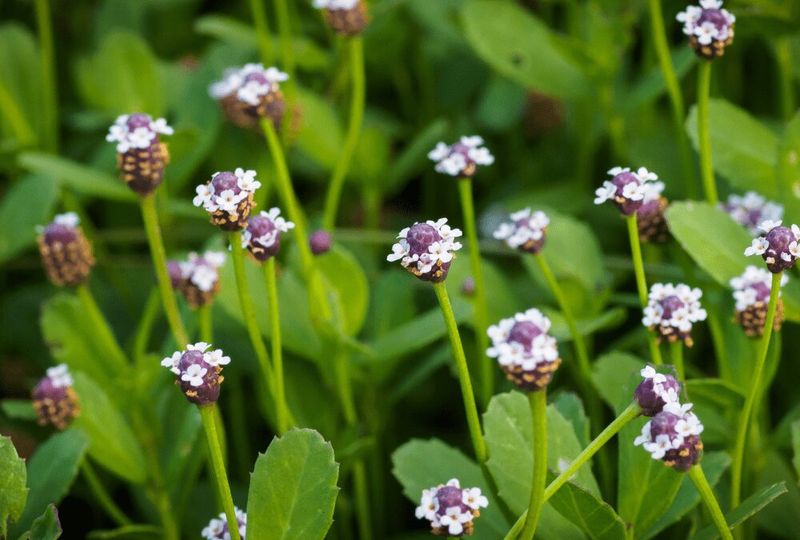
Frogfruit works beautifully as a low-growing groundcover that actually prefers moist soil conditions where traditional turf grass would struggle. This Florida native spreads by rooting stems that create a dense mat only a few inches tall.
Tiny white to lavender flowers bloom year-round in our climate, attracting small butterflies and native bees to areas you might have considered problematic.
You can use frogfruit as a lawn alternative in areas with poor drainage or as a living mulch beneath taller moisture-loving plants. It tolerates light foot traffic, making it practical for pathways through wet garden areas.
The plant grows equally well in full sun or partial shade, adapting to various light conditions throughout your landscape.
During heavy rain periods, frogfruit stays healthy and continues growing while other groundcovers might develop issues from constantly wet roots. The spreading habit means it can fill in bare spots quickly, reducing erosion in sloped areas that collect runoff.
Frogfruit requires minimal maintenance once established, needing only occasional trimming to keep it within desired boundaries.
This groundcover pairs wonderfully with rain garden plantings, creating a finished look while helping manage stormwater. The low profile means it will not compete with taller perennials and shrubs for visual attention in mixed plantings.
5. Firebush Stays Strong After Heavy Downpours
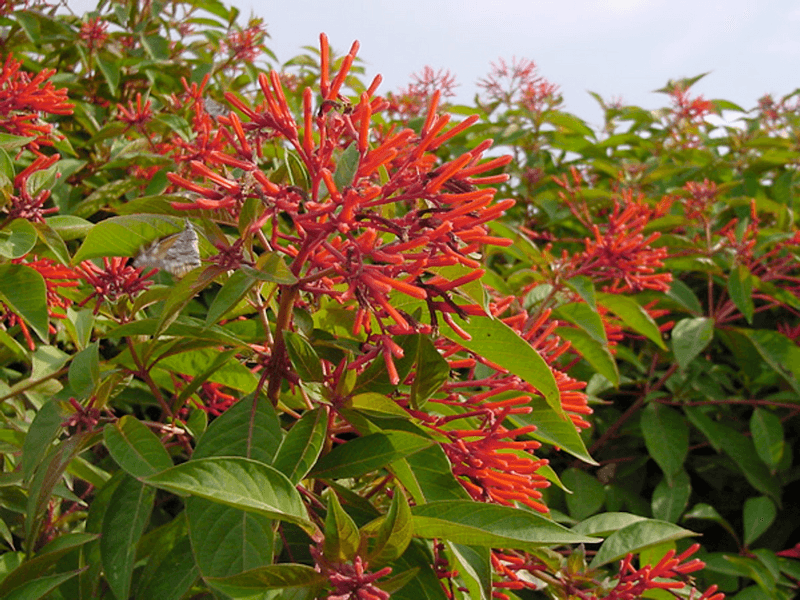
Firebush brings brilliant color to Florida landscapes while handling our unpredictable rainfall patterns with remarkable resilience. The tubular red-orange flowers bloom continuously from spring through fall, creating a magnet for hummingbirds and butterflies throughout the growing season.
This Florida native shrub adapts to various soil moisture levels, performing well in both average and occasionally wet conditions.
Your firebush will grow best with regular moisture but tolerates periods of heavy rain without developing root problems. The plant reaches six to eight feet tall in most landscape settings, though it can grow larger in ideal conditions with rich soil and consistent water.
Full sun produces the most prolific flowering, but firebush also tolerates partial shade in areas with afternoon protection.
During summer rainstorms, the woody stems and well-developed root system handle saturated soil better than many other flowering shrubs. The plant may experience some tip damage during occasional freezes in North Florida, but it reliably returns from the roots when temperatures warm.
Prune firebush in late winter or early spring to maintain desired size and encourage bushier growth.
Consider using firebush as a colorful hedge or specimen plant in areas that experience periodic standing water after heavy rainfall. The continuous blooms ensure your landscape stays vibrant even during our wettest months.
6. Muhly Grass Tolerates Seasonal Flooding
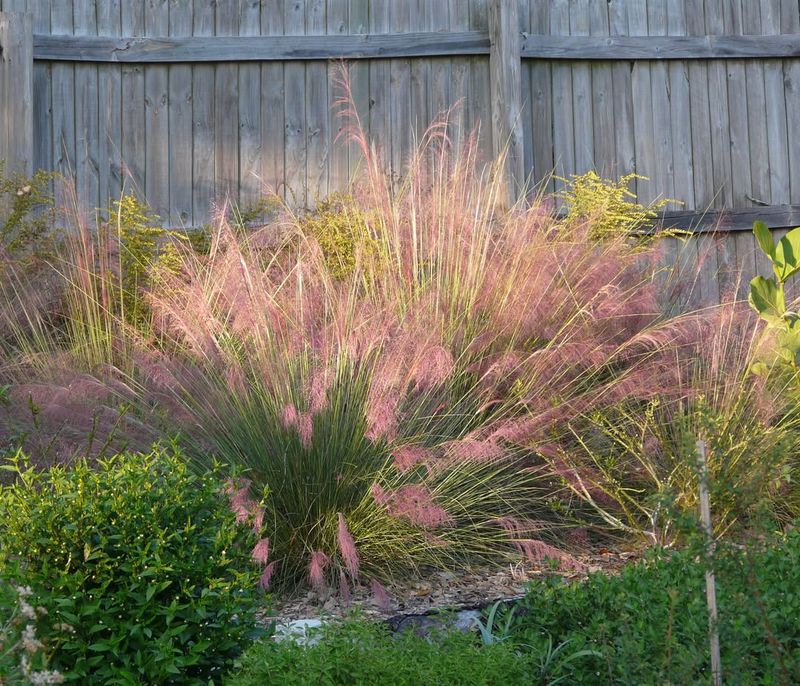
Muhly grass transforms Florida landscapes with spectacular pink to purple plumes that emerge in fall, creating clouds of color just when many other plants finish their show. This native ornamental grass forms graceful clumps of fine-textured foliage that moves beautifully in the breeze.
The plant handles a wide range of soil conditions, including areas that experience seasonal flooding during our rainy months.
You will find muhly grass performs best in full sun with good air circulation, though it adapts to light shade in hotter locations. The grass grows naturally in coastal areas, pine flatwoods, and wet prairies across Florida, so it evolved to handle moisture extremes.
Clumps typically reach three to four feet tall and wide, with flower plumes adding another foot or two of height in autumn.
During summer rainy season, muhly grass roots tolerate saturated soil for extended periods without developing rot issues common in less adapted species. The plant goes dormant in winter, turning tan before producing fresh green growth in spring.
Cut back old foliage in late winter before new growth emerges to keep plants looking tidy.
Muhly grass creates stunning mass plantings in rain gardens or along swales where water collects after storms. The airy texture contrasts beautifully with broader-leaved perennials and shrubs in mixed borders.
7. Blue Porterweed Handles Moist Soil But Not Standing Water
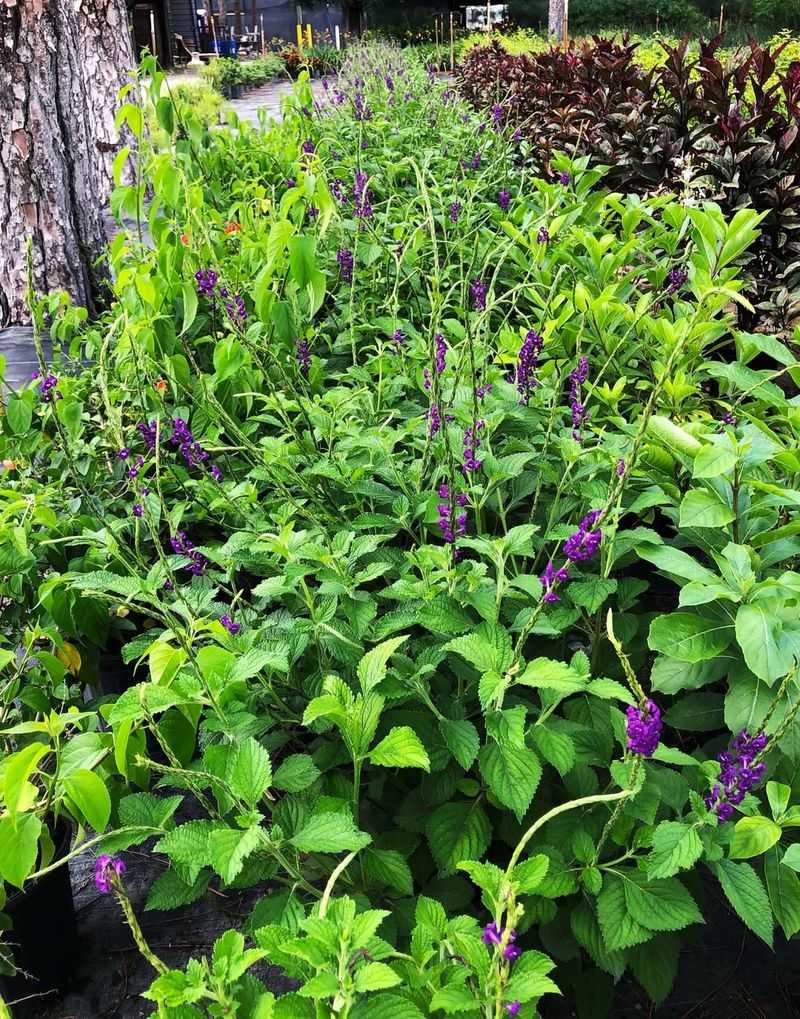
Blue porterweed offers nearly year-round color with spikes of small tubular blue to purple flowers that butterflies find irresistible. This Florida native perennial grows quickly to form bushy plants two to four feet tall and wide.
The plant handles moist soil conditions well but needs some drainage to prevent root problems during extended wet periods.
Your blue porterweed will thrive in areas that stay damp but drain within a day or two after heavy rain events. It performs best in full sun to partial shade, with flowering most abundant when plants receive at least six hours of direct sunlight daily.
The somewhat sprawling growth habit makes it useful for informal plantings where a relaxed look fits your landscape design.
During summer rainstorms, blue porterweed tolerates moist soil but should not be planted in areas where water stands for more than a day or two, as prolonged saturation can cause root issues. The plant may look a bit bedraggled after particularly heavy downpours but bounces back quickly once conditions improve.
Prune blue porterweed periodically throughout the growing season to encourage bushier growth and more flower production.
Consider planting blue porterweed in rain garden edges or transition zones where soil stays moist but drains reasonably well. The continuous blooms and butterfly activity make it a valuable addition to wildlife-friendly Florida landscapes that experience periodic moisture challenges.
8. Walter’s Viburnum Survives Damp Conditions With Good Airflow
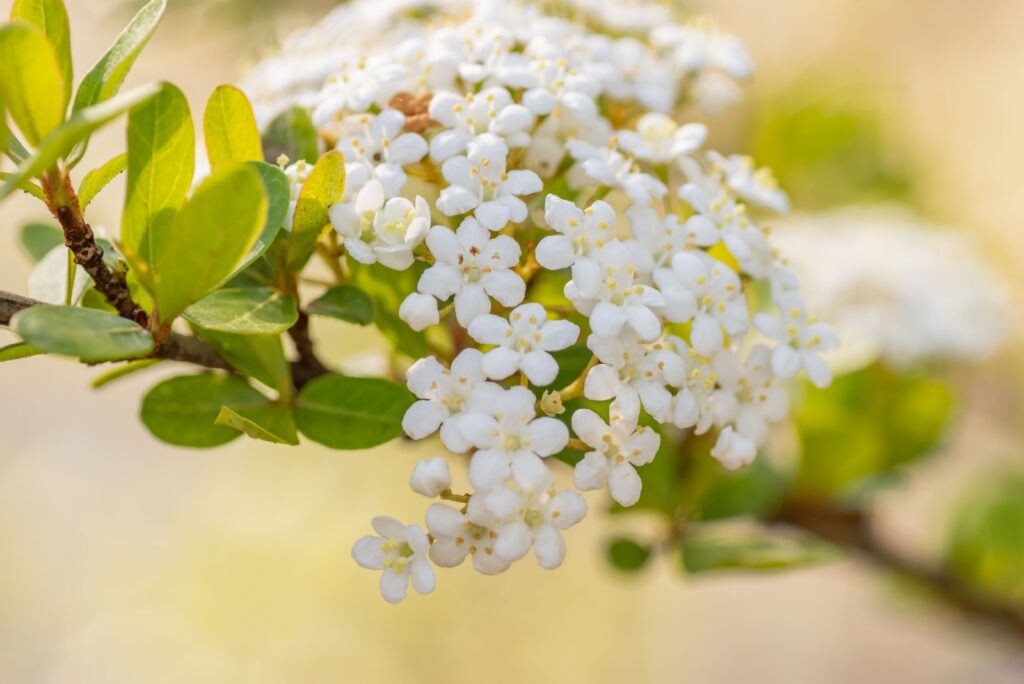
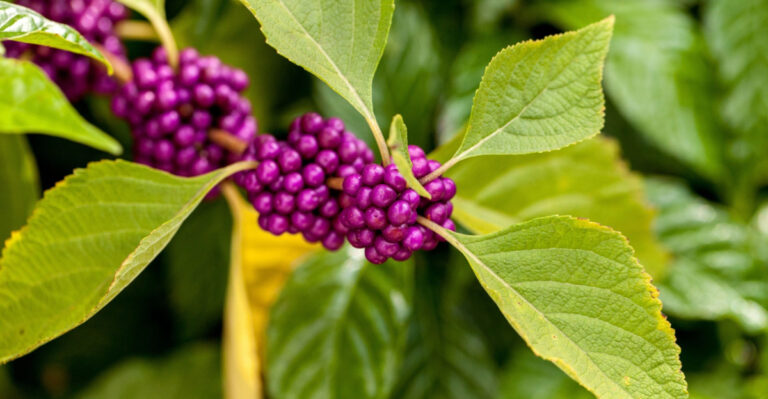
Walter’s viburnum brings year-round interest to Florida landscapes with glossy evergreen foliage, spring flowers, and colorful berries that birds devour. This native shrub naturally grows in swamps and along stream banks, so it handles moist soil conditions better than many other viburnums.
The plant reaches six to twelve feet tall, making it useful as a privacy screen or background planting in larger landscape areas.
Your Walter’s viburnum will perform best in locations with consistently moist soil and good air circulation to prevent fungal issues during humid weather. The shrub tolerates full sun to partial shade, though flowering and fruiting are most abundant with adequate sunlight.
White flower clusters appear in spring, followed by red berries that mature to black and attract songbirds throughout fall and winter.
During rainy season, Walter’s viburnum handles wet soil as long as the planting site has decent drainage and air movement around the foliage. Avoid placing this shrub in tight spaces with poor air circulation, which can lead to leaf spot problems during extended humid periods.
The plant requires minimal pruning beyond removing any damaged or crossing branches to maintain good structure.
Use Walter’s viburnum in rain garden borders or naturalized areas where soil stays damp but water does not stand for extended periods. The wildlife value and evergreen foliage make it an excellent choice for functional Florida landscapes.
9. Society Garlic Needs Some Drainage Help
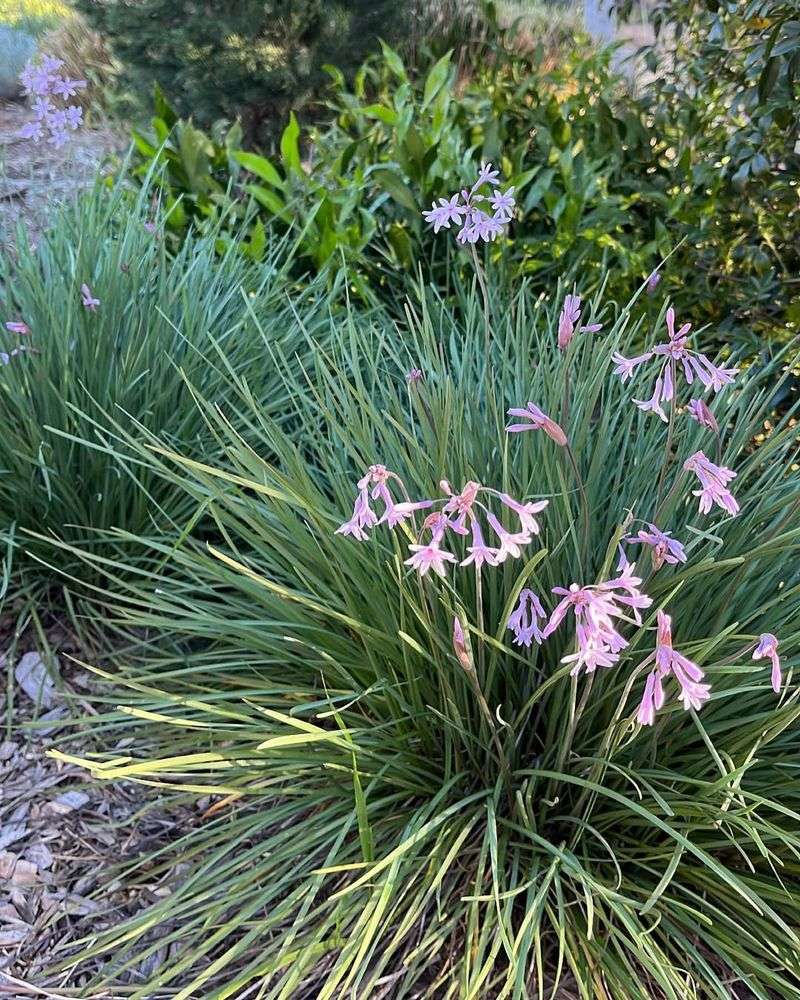
Society garlic brings delicate lavender flowers and grassy foliage to Florida gardens throughout most of the year. This South African native performs best in moderately drained soil and tolerates only brief wet spells; planting in areas that stay soggy for more than a day or two can lead to root rot.
The clumping perennial reaches about twelve to eighteen inches tall, making it suitable for borders, edging, or container plantings.
Your society garlic will thrive in areas that receive moisture during rain events but drain within a day or so afterward. The plant handles full sun to partial shade, with flowering most prolific in brighter locations.
Lavender-pink blooms appear on tall stems above the foliage, creating a soft color accent that complements bolder flowering plants in mixed beds.
Consider planting on slight berms or in raised beds if your site has significant drainage challenges. The plant requires minimal care once established, needing only occasional division every few years to maintain vigor.
Pair society garlic with other moderate-moisture plants in transition zones between wet and dry areas of your landscape. The mild garlic scent when foliage is crushed reportedly deters some pests, adding practical value beyond the ornamental appeal of the flowers and foliage.
10. Dwarf Yaupon Holly Tolerates Moist Soil But Hates Flooding
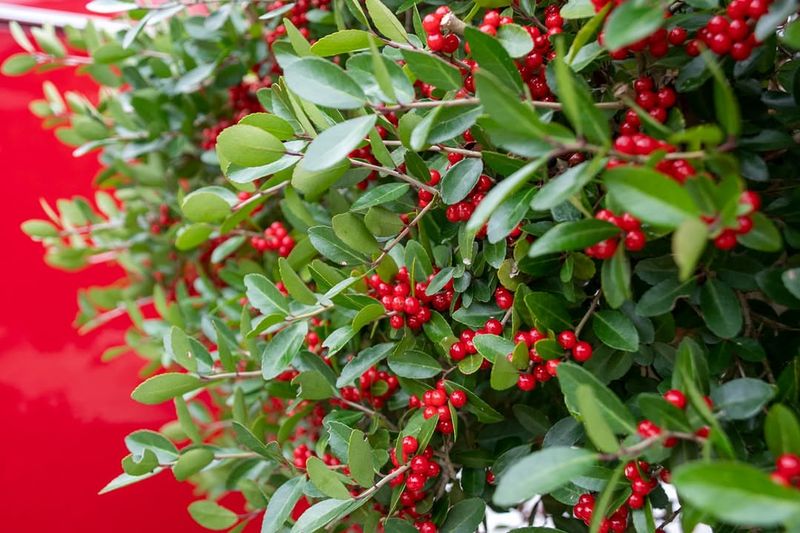
Dwarf yaupon holly provides compact evergreen structure in Florida landscapes with small glossy leaves and bright red berries on female plants. This native holly cultivar grows slowly to about three to five feet tall and wide, making it manageable for foundation plantings or low hedges.
Your dwarf yaupon will perform best in locations that stay slightly moist but offer good drainage, especially during our intense summer rainy season. The holly tolerates full sun to partial shade, adapting to different light conditions throughout your property.
Female plants produce abundant red berries in fall and winter when pollinated by a nearby male plant, creating seasonal interest and food for birds.
Dwarf yaupon tolerates moist soil for short periods (less than a day) but should never be planted where water stands for multiple days, as prolonged saturation can damage roots. Avoid planting in low spots where water pools for days after storms, as prolonged saturation can lead to root health problems.
The plant requires minimal maintenance beyond occasional shaping to maintain desired size and form.
Consider using dwarf yaupon holly in slightly elevated areas of rain gardens or along edges where soil stays moist but drains adequately. The compact size and evergreen foliage make it valuable for adding structure to moisture-challenged areas without overwhelming the space.