These 9 Florida Plants Will Bloom Better If You Prune Them In January
Florida winters are a breath of fresh air for gardeners, a sweet spot when the heat backs off and the yard finally invites you outside again.
While the rest of the country is scraping ice off windshields, Florida soil is wide awake, quietly waiting for a little loving care.
January is the month when small snips turn into big rewards, when a few well placed cuts can mean the difference between a plant that merely survives and one that steals the show.
This is when flower buds are lining up behind the scenes, roots are storing energy, and stems are ready to burst into action.
Pruning at the right moment is like setting the stage before the curtain rises, giving every plant its chance to shine.
In Florida, this simple winter ritual often spells the difference between a so so spring and a jaw dropping one.
Get it right and your garden will be humming with color, buzzing with life, and packed with blooms that stop neighbors in their tracks.
Miss the window and even the best plants can stumble.
January is the secret season when smart gardeners stack the deck in their favor and plant the seeds for months of nonstop beauty.
1. Crape Myrtle
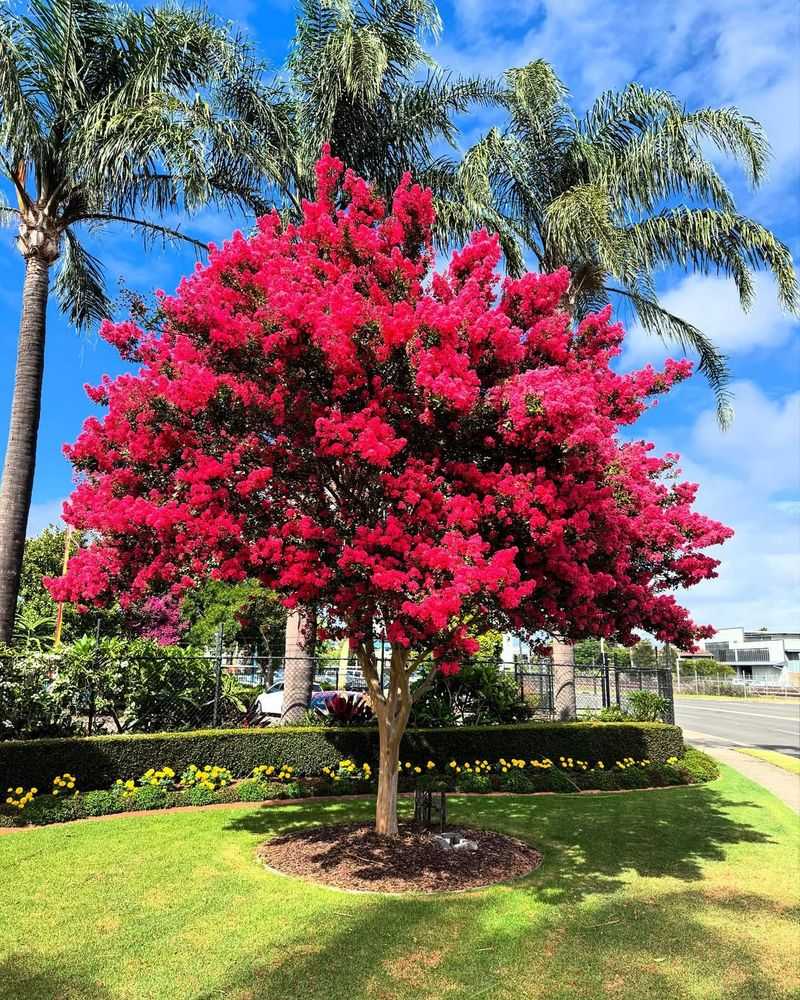
One of Florida’s most beloved flowering trees, the crape myrtle, finds January to be the ideal window for its annual pruning.
During this dormant period, the tree conserves energy and won’t experience stress from properly made cuts.
You can also clearly see the branch structure without leaves blocking your view, making it easier to identify crossing, rubbing, or awkward branches that need removal.
Proper pruning now directly translates to more flower clusters come summer.
Remove any branches thinner than a pencil, as these rarely produce quality blooms.
Focus on opening up the center of the tree to improve air circulation, which helps prevent powdery mildew and other fungal issues.
Rather than cutting all branches back, use selective thinning to shape the tree.
Remove entire unwanted branches back to the main trunk or a major limb, preserving the natural height and graceful form of the tree.
Avoid the common mistake of topping your crape myrtle, which creates ugly knobs and weak, unproductive growth.
Thinning allows strong new shoots to develop along existing branches, and each of those shoots will carry the large, showy flower panicles that make crape myrtles such spectacular summer bloomers.
2. Roses
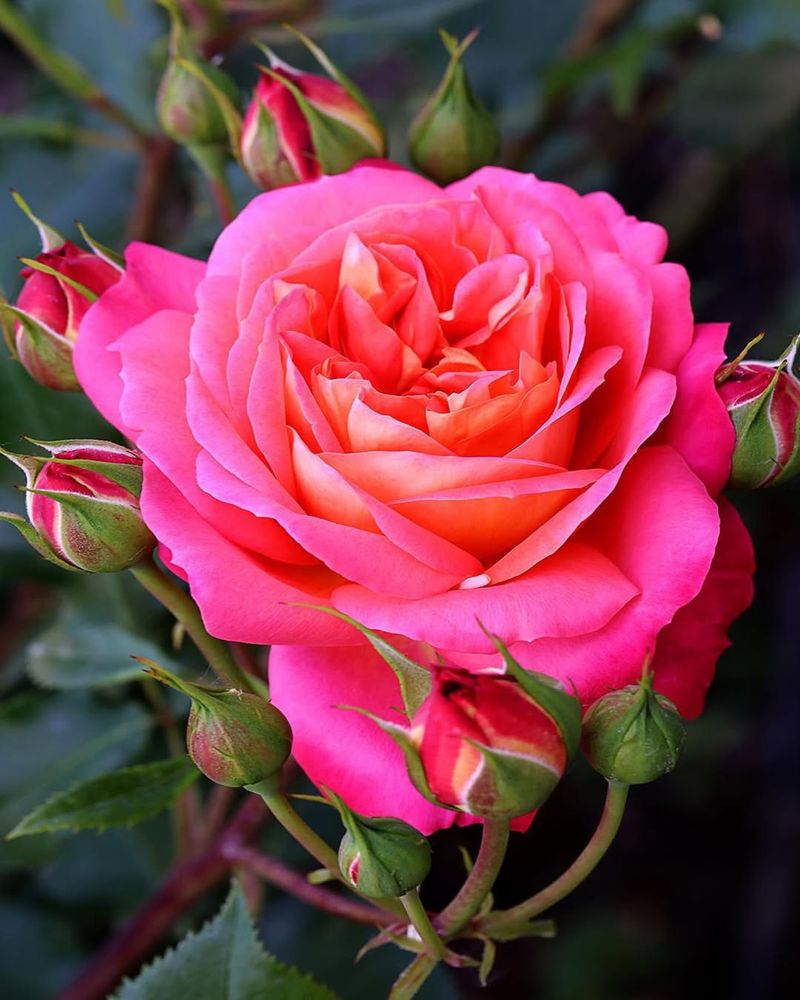
Roses thrive in Florida gardens when given proper attention during their winter rest period.
Late January marks the best time to prune most rose varieties, right before they break dormancy and start their spring growth cycle.
Pruning now channels the plant’s energy into producing strong new canes that will carry larger, more vibrant blooms.
Start by removing any damaged or diseased canes completely.
Look for canes that appear brown or shriveled rather than green and healthy.
Next, cut away any thin, spindly growth that won’t support good flowers.
For hybrid teas and grandifloras, cut the remaining healthy canes back to about 18 to 24 inches tall, making each cut at a 45 degree angle just above an outward facing bud.
This outward angle helps rainwater run off and prevents rot.
Shrub roses and landscape varieties need less severe pruning, just remove about one third of their height.
Always use sharp, clean pruners to make smooth cuts that heal quickly.
Your roses will reward this January attention with an impressive spring flush of blooms that sets the tone for the entire growing season.
3. Butterfly Bush
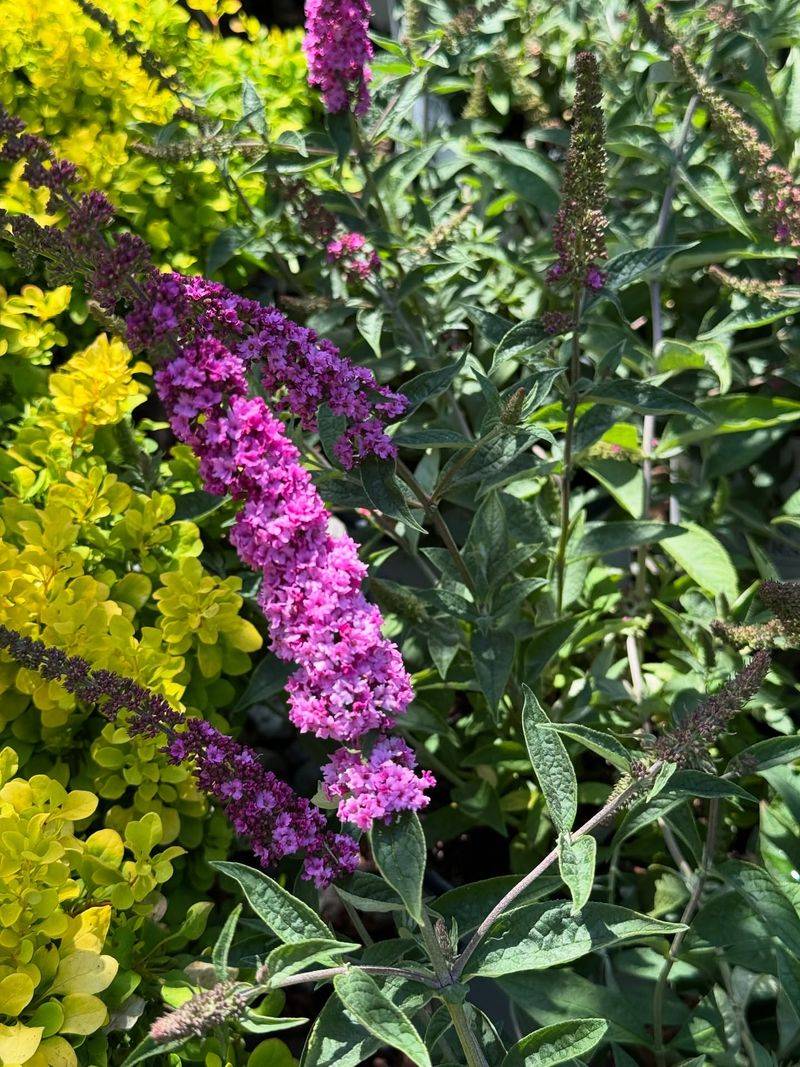
In Florida landscapes, the butterfly bush earns its place by attracting pollinators and producing long spikes of fragrant flowers, especially in North and Central Florida.
January pruning keeps this vigorous grower under control and greatly improves bloom production.
Without regular pruning, butterfly bush becomes tall and leggy, with flowers appearing mainly at the tips of long, bare branches.
Butterfly bush blooms on new wood, meaning all flowers are produced on fresh growth made during the current season.
This allows winter pruning without removing flower buds.
In areas where butterfly bush grows well, you can cut the plant back to about 12 to 18 inches from the ground in January to rejuvenate it.
This severe pruning may look drastic, but it stimulates multiple new shoots from the base.
Each of these shoots will produce flower spikes, resulting in a bushier plant covered in blooms rather than a tall, sparse shrub.
Make your cuts just above a set of buds or a branch junction.
In South Florida, however, butterfly bush often struggles due to heat, humidity, and soil diseases, and aggressive pruning can weaken or destroy the plant.
There it is best treated as a short-lived perennial or avoided altogether.
Within weeks of proper pruning in suitable climates, fresh green growth will emerge, and by late spring the plant will be loaded with those cone-shaped flower clusters that butterflies cannot resist.
4. Hibiscus
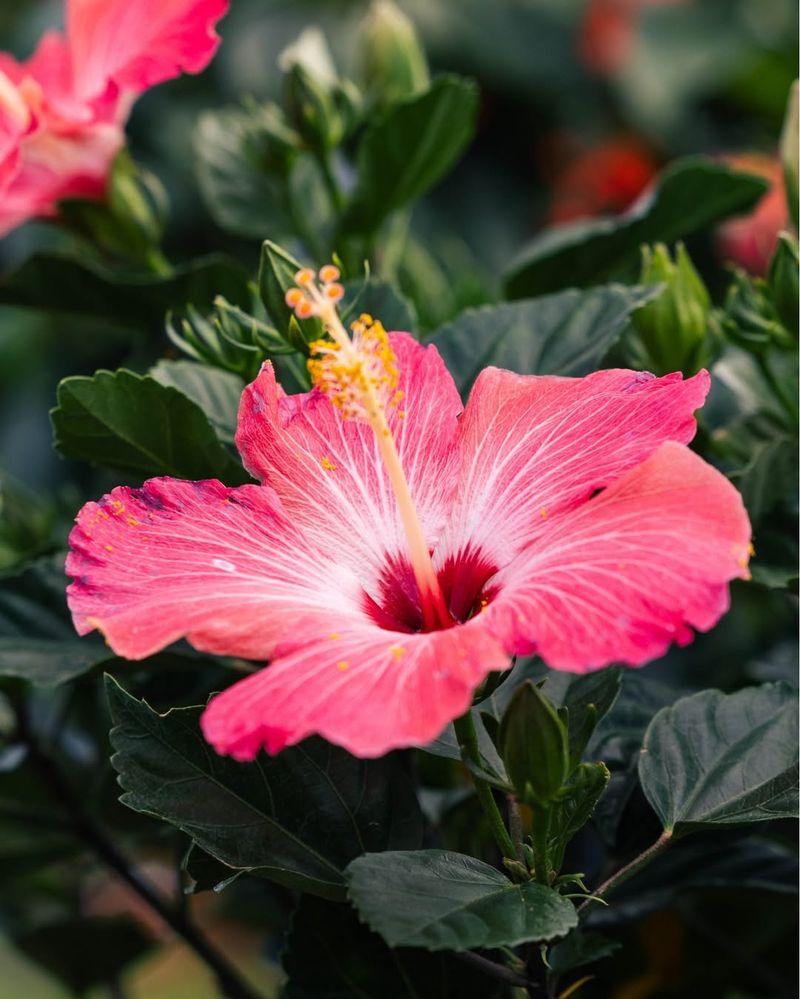
Tropical hibiscus lights up Florida gardens with its massive, showy flowers in every color imaginable.
Late winter, including January in warm parts of the state, is a good time to shape these plants and encourage bushier growth with more flowering points.
Hibiscus blooms on new growth, so pruning stimulates the branching that leads to more flowers throughout the year.
Begin by examining your hibiscus for any branches that look weak, damaged, or are growing inward toward the center of the plant.
Remove these completely at their base.
Then step back and look at the overall shape, deciding where you want to encourage new growth.
Cut back the remaining branches by about one-third to one-half, making each cut just above a leaf node at a slight angle.
This encourages the plant to branch at that point, creating a fuller, more compact shape.
If your hibiscus has grown tall and leggy, it can be cut back more severely, even to two or three feet tall, once the danger of hard freezes has passed.
The plant will respond quickly with dense new growth and abundant blooms.
Regular pruning also improves air circulation, which helps reduce pests and diseases and makes it easier to spot problems early.
5. Gardenia
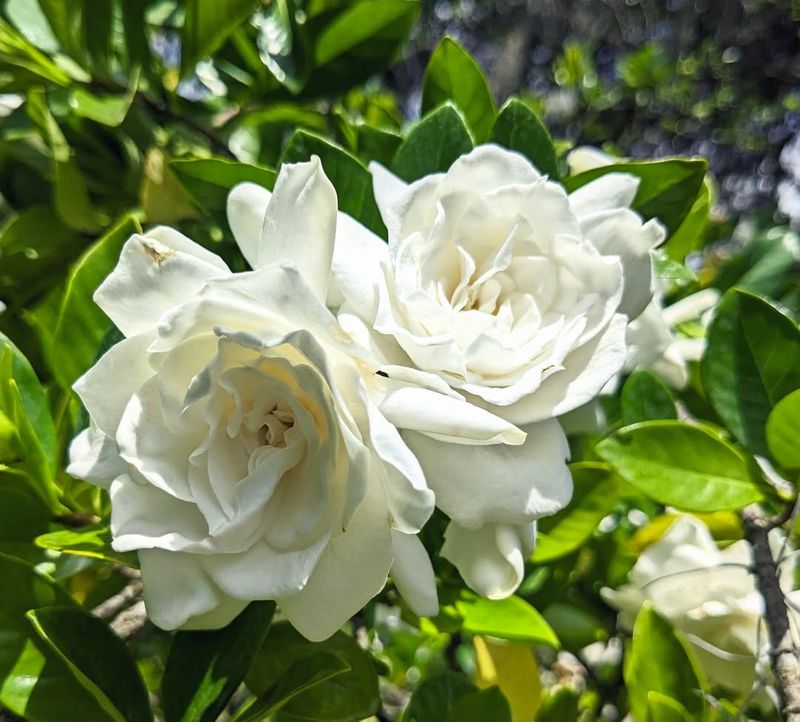
With their intensely fragrant white blooms and glossy evergreen leaves, gardenias captivate gardeners.
Properly timed pruning helps maintain their attractive rounded shape while protecting the wood that produces their famous flowers.
Gardenias bloom on old wood, so when you prune directly affects how many flowers you will enjoy in spring and early summer.
January is a good time for cleanup and light shaping, but not for heavy pruning.
At this time of year, many of the flower buds for the upcoming bloom season are already forming on last year’s growth.
Light pruning now allows you to tidy the plant without removing too many potential blooms.
Remove any branches that are wilted, damaged, crossing, or rubbing, since these create wounds that invite pests and disease.
Trim back long, straggly shoots only as needed to maintain a compact, rounded form, making each cut just above a leaf or branch junction.
You can also thin a few interior branches to improve air circulation, which helps prevent sooty mold and other fungal issues common in humid Florida conditions.
Avoid heavy pruning until after flowering is finished in late spring or early summer.
Pruning too hard in winter removes much of the wood that carries this year’s flowers.
When pruned at the right time, your gardenia will respond with healthy growth and the rich, unforgettable fragrance that makes it one of Florida’s most treasured shrubs.
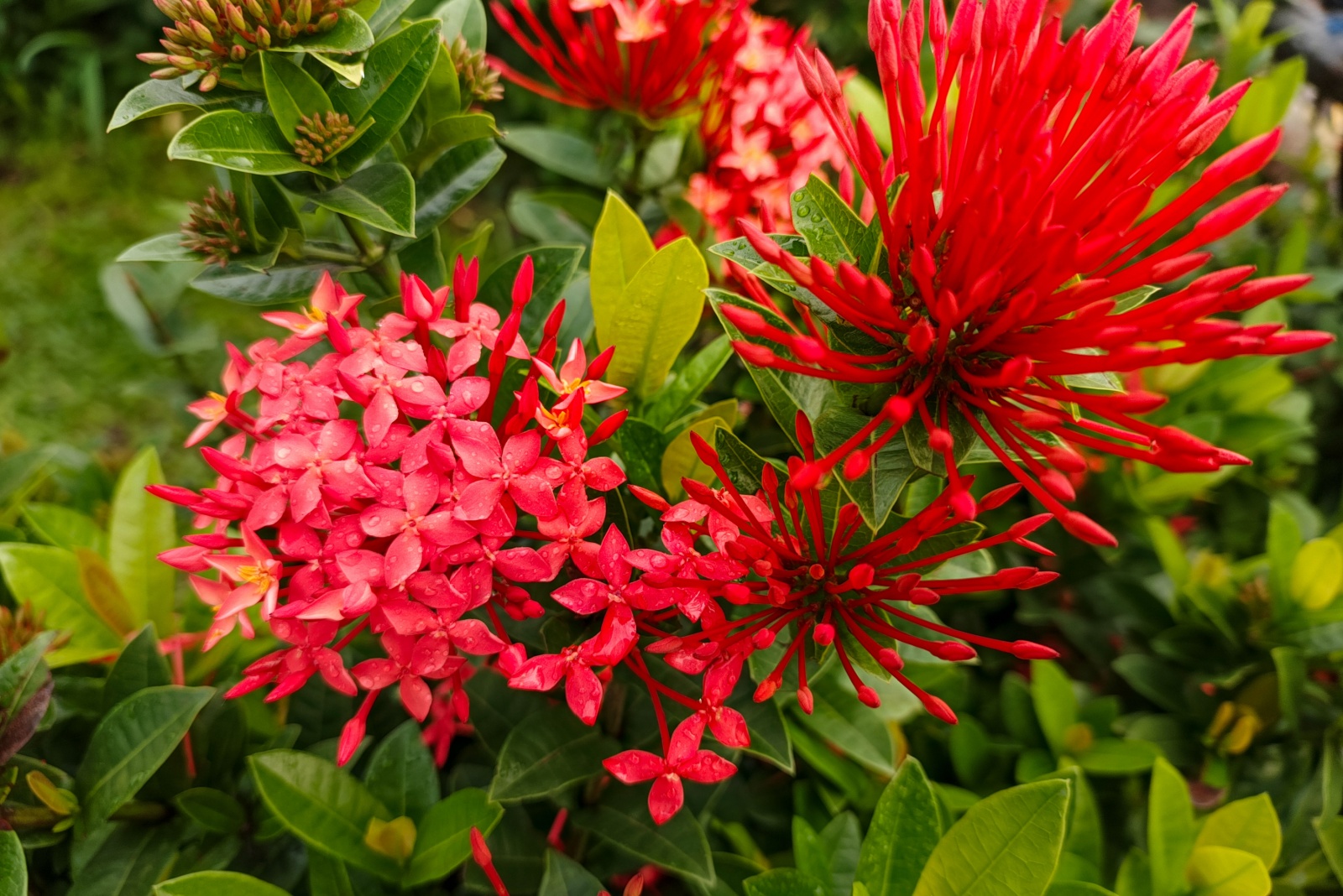
6. Ixora
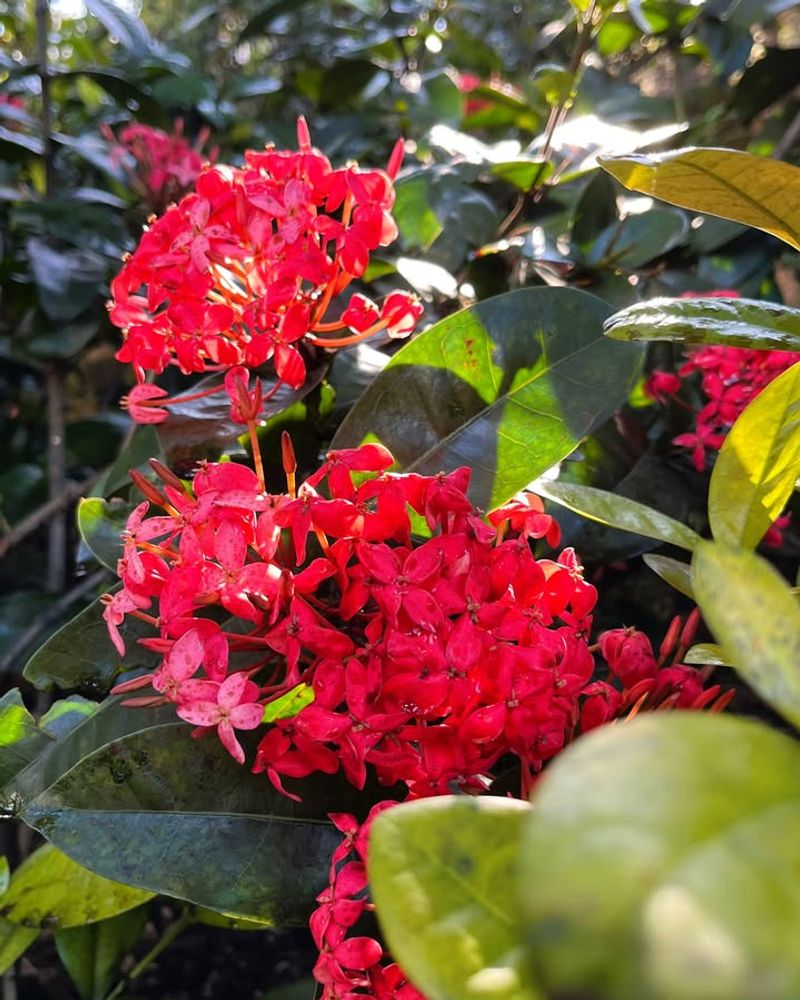
This beauty brings brilliant clusters of tubular flowers to Florida landscapes, blooming in shades of red, orange, yellow, and pink.
January pruning keeps these tropical shrubs dense and flowering prolifically rather than becoming open and sparse, once the risk of hard frost has passed.
Like many tropical plants, ixora responds to pruning by producing multiple new shoots, each capable of carrying flower clusters.
Focus your pruning efforts on shaping the plant and removing any branches that have become too long or are spoiling the overall form.
Ixora blooms on new growth, so pruning in late winter stimulates fresh branches that will flower within a few months.
Cut branches back by about one-quarter to one-third of their length, making each cut just above a leaf node.
If your ixora has grown quite large or lost its shape, you can prune more heavily, cutting it back to about half its current size.
The plant tolerates rejuvenation pruning well and will quickly regrow with a much better form.
Pay attention to the interior of the shrub, removing a few interior branches to allow light and air to penetrate.
This prevents the common problem of ixora developing a green shell of foliage on the outside with bare, woody stems inside.
Properly timed winter pruning results in a full, rounded shrub covered with those eye-catching flower clusters from spring through fall.
7. Bougainvillea
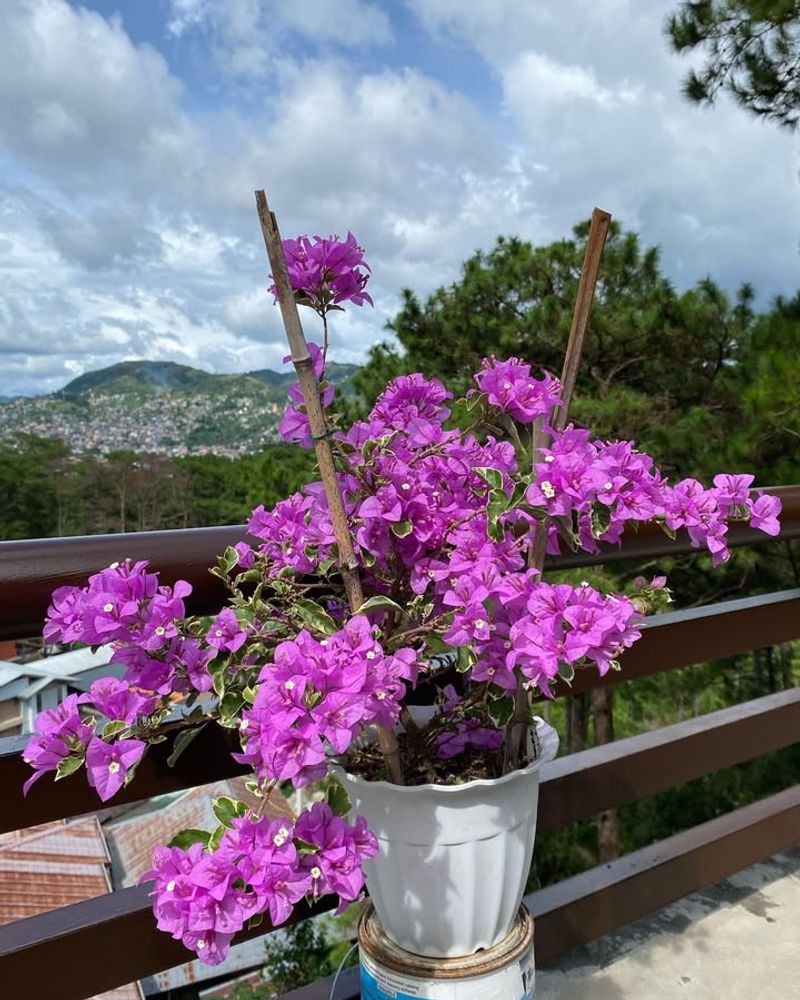
Bougainvillea creates stunning displays of color with its papery bracts in shades of purple, pink, red, orange, and white.
Late winter, including January, is an excellent time to prune these vigorous vines and shrubs in Florida, especially after the risk of hard frost has passed.
Bougainvillea blooms on new growth, so pruning now encourages the fresh shoots that will carry spring and summer color.
This plant tolerates pruning better than almost any other flowering plant.
You can safely cut back up to one-half of the plant to control size and shape.
Remove long, wandering vines that have grown beyond where you want them, and thin crowded growth to improve light penetration and air flow.
Make your cuts just above a node or bud, angling the cut slightly.
Bougainvillea often has sharp thorns, so gloves and long sleeves are essential while working.
After pruning, the plant quickly produces new shoots from below each cut.
These shoots must mature before flowering, which is why lightly shaping and thinning often produces more blooms than extreme cutting.
Many Florida gardeners prune their bougainvillea in winter to keep plants compact and manageable while setting the stage for heavy flowering later in the season.
With proper pruning, the plant’s rapid regrowth will soon be covered in the brilliant bracts that make bougainvillea such a standout in Florida landscapes.
8. Firebush
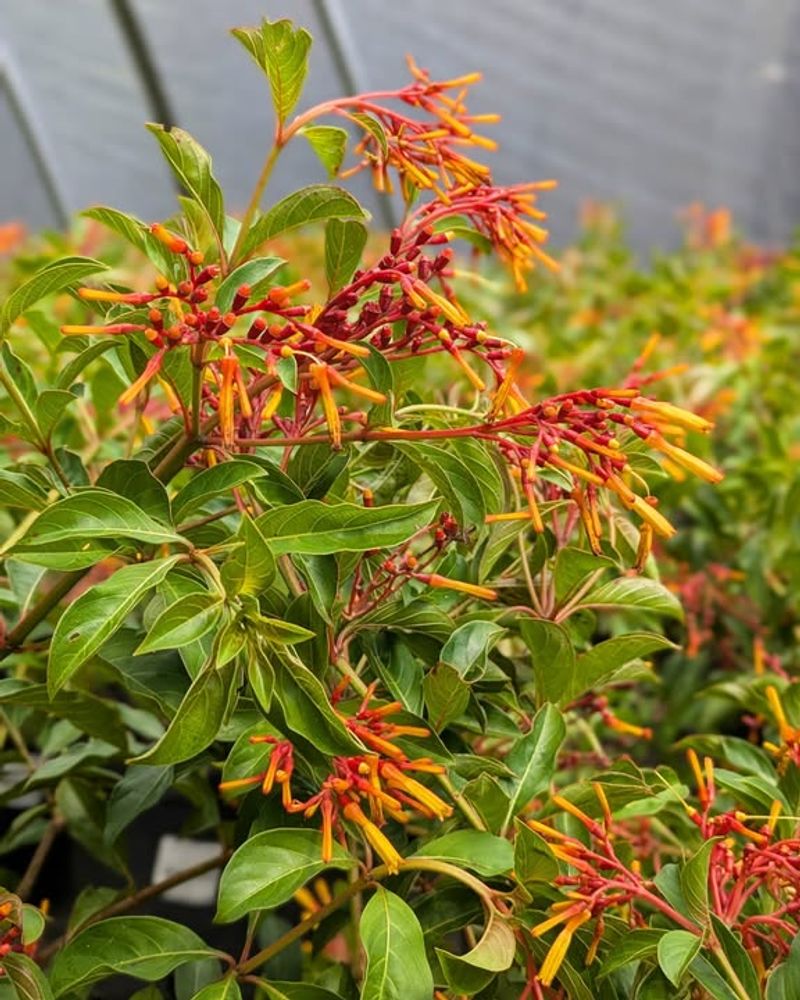
As a Florida native, firebush stands out for attracting hummingbirds and butterflies while producing tubular orange red flowers nearly year round.
January pruning keeps this fast-growing shrub looking its best and flowering prolifically.
Without regular pruning, firebush can become quite large and somewhat open in form, with most flowers appearing only at the branch tips.
Pruning in January takes advantage of the plant’s slower winter growth period.
You can cut firebush back quite hard, reducing its size by half or even more if needed.
The plant responds beautifully to severe pruning, quickly sending out multiple new branches that will flower heavily.
Make your cuts just above a leaf node or where a branch joins a larger stem.
If your firebush has become too tall or wide for its space, this is the time to bring it back under control.
Remove entire branches at the base to thin out the interior and create a more open structure.
This improves air circulation and allows light to reach inner branches, encouraging flowers throughout the plant rather than just on the outside.
Firebush grows vigorously once warm weather returns, so do not worry about cutting too much.
Your pruning efforts will be rewarded with a compact, well-shaped shrub covered in those brilliant flowers that bring so much wildlife activity to your Florida garden.
9. Blue Plumbago
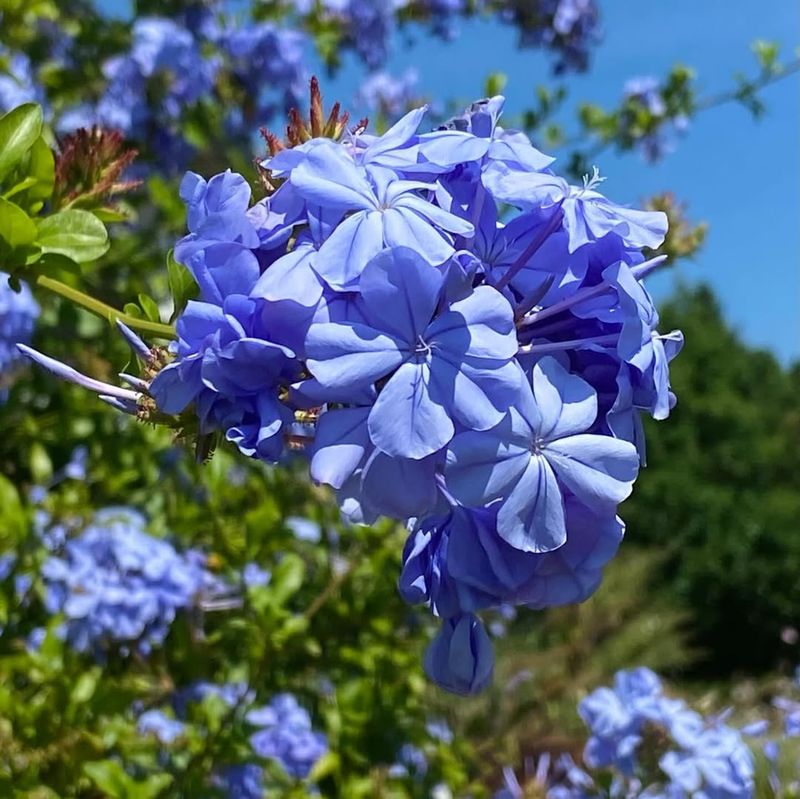
Blue plumbago offers masses of sky blue flowers that brighten Florida landscapes from spring through fall.
January provides the perfect opportunity to prune this reliable bloomer, encouraging bushier growth and more flower clusters.
Plumbago blooms on new wood, so cutting it back now directly increases the number of flowering stems you will enjoy throughout the growing season.
Start by removing any damaged or frost-nipped growth from occasional winter cold snaps.
Then cut back the entire plant by about one third to one half of its current size.
Plumbago tolerates hard pruning extremely well and will quickly regrow into a full, rounded shape.
Make your cuts just above a leaf node or branch junction to encourage branching at that point.
If your plumbago has become rangy or leggy, with long stems and sparse foliage, cut it back even more severely, to within 12 to 18 inches of the ground.
This rejuvenation pruning stimulates fresh growth from the base, creating a much fuller plant.
Remove some of the interior stems to open up the center and improve air circulation.
Within a few months of your January pruning, the plant will be covered with fresh green growth and those delightful clusters of true blue flowers that complement almost any color scheme in your Florida garden.