These 8 Florida Wildflowers Thrive Even In Sandy Soil
Sandy soil doesn’t have to mean boring landscaping. In Florida, some of the most beautiful wildflowers grow best in loose, fast-draining soil where other plants fail.
These native blooms handle intense sun, dry spells, and poor nutrients while still putting on an impressive show. They attract pollinators, spread easily, and often come back year after year with little effort.
If you’re tired of replanting flowers that never quite thrive, it might be time to work with Florida’s natural soil instead of against it. These eight wildflowers prove that sand can still grow stunning color.
1. Tickseed Is Florida’s Springtime Showstopper That Turns Roadsides Into Gold
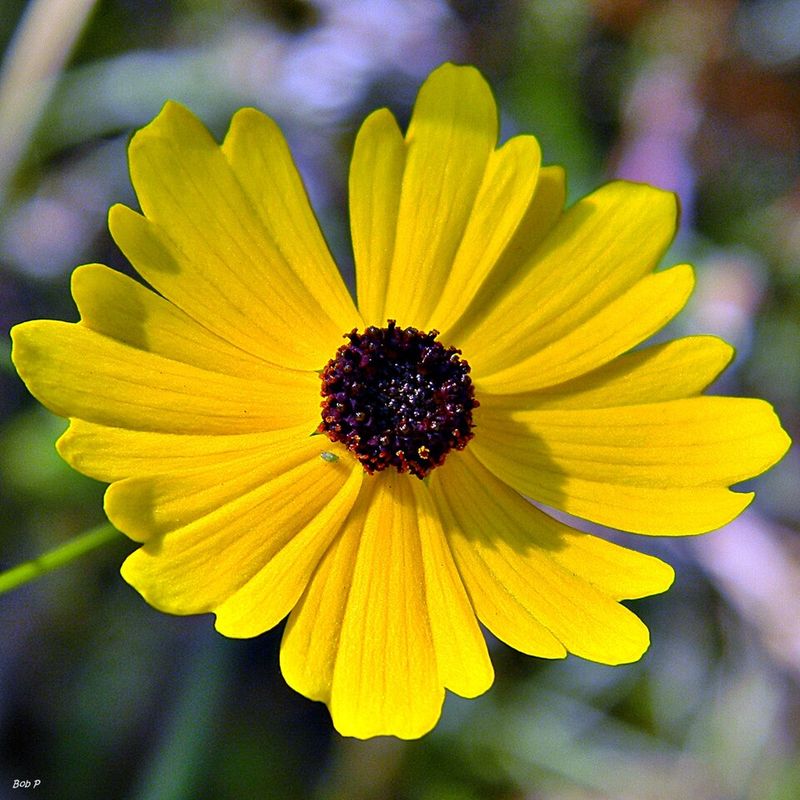
Drive through Central Florida in spring and you’ll see entire fields painted pink and gold with tickseed, one of our most spectacular native wildflowers. Coreopsis leavenworthii prefers wet to moist sandy areas but adapts surprisingly well to average garden conditions as long as drainage stays good.
The bright yellow flowers with slightly darker centers create a soft, meadow-like look that contrasts beautifully with bolder blooms.
Tickseed blooms heavily from March through May, transforming gardens into pollinator magnets during peak butterfly migration. Painted ladies, buckeyes, and swallowtails visit constantly, and native bees collect pollen throughout the day.
After blooming finishes, the plants produce abundant seeds that feed songbirds and reseed for next year’s display, creating a self-sustaining wildflower meadow with very little work from you.
Sow tickseed seeds in fall for spring blooms, scattering them across bare sandy soil and pressing lightly to ensure good contact. Water gently until seedlings appear, then reduce watering gradually.
These plants don’t need fertilizer and actually bloom better in lean soil. Once established, they handle typical Florida rainfall patterns without supplemental irrigation, making them ideal for low-maintenance wildflower gardens that still deliver impressive seasonal color.
2. Blanketflower Is The Heat-Proof Wildflower That Blooms When Everything Else Gives Up
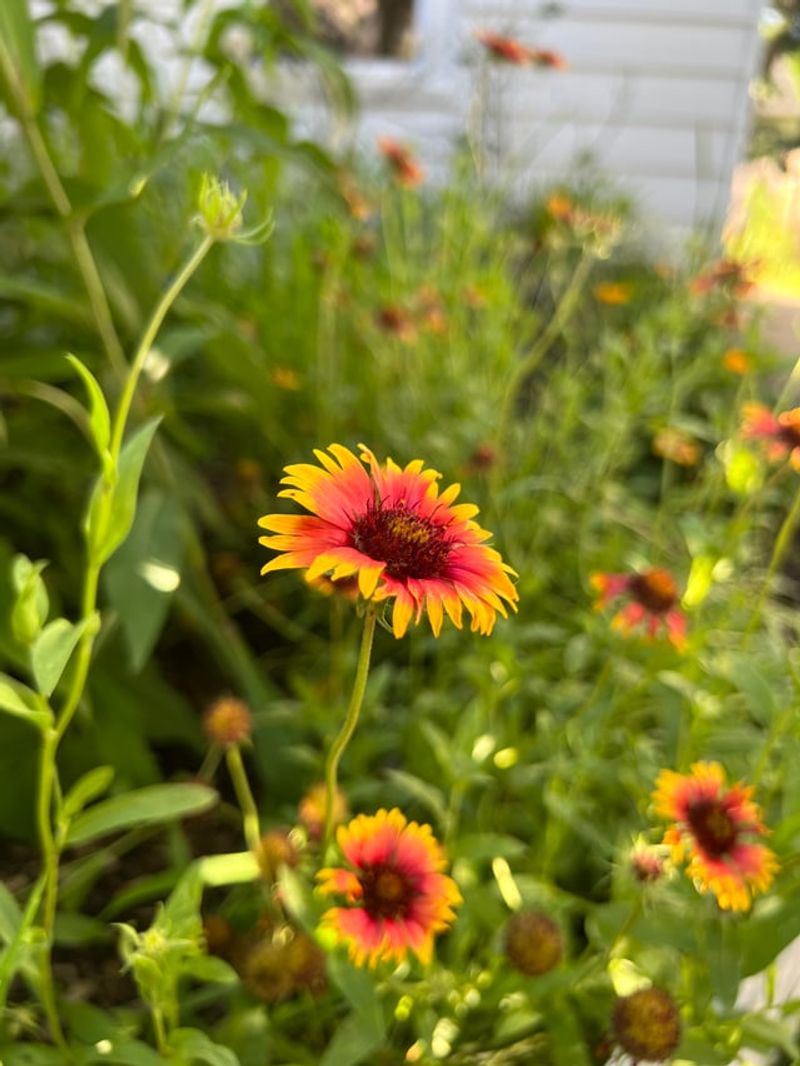
Imagine a wildflower that laughs at heat, shrugs off drought, and keeps blooming when everything else looks tired. Blanketflower does exactly that, producing red and yellow daisy-like blooms from spring straight through the first frost.
Native to Florida’s coastal areas and sandy prairies, this tough little plant has evolved to handle salt spray, intense sun, and nutrient-poor sand without complaint.
The flowers look like tiny sunsets, with red centers fading to yellow tips, and they attract an incredible variety of butterflies and bees. Blanketflower also provides seeds for songbirds in late summer and fall, making your garden a wildlife hotspot.
Plant them along walkways or in mass plantings for maximum impact, and watch them spread slowly through self-seeding without becoming weedy.
Starting blanketflower is simple. Sprinkle seeds on bare sand after the last spring frost or in early fall, rake lightly, and water until germination.
Once they’re growing, these plants need almost no care. They tolerate our summer thunderstorms and winter dry periods equally well, and they’ll keep your garden looking vibrant with minimal effort on your part.
3. Beach Sunflower Is The Spreading Groundcover That Thrives In Pure Sand And Salt
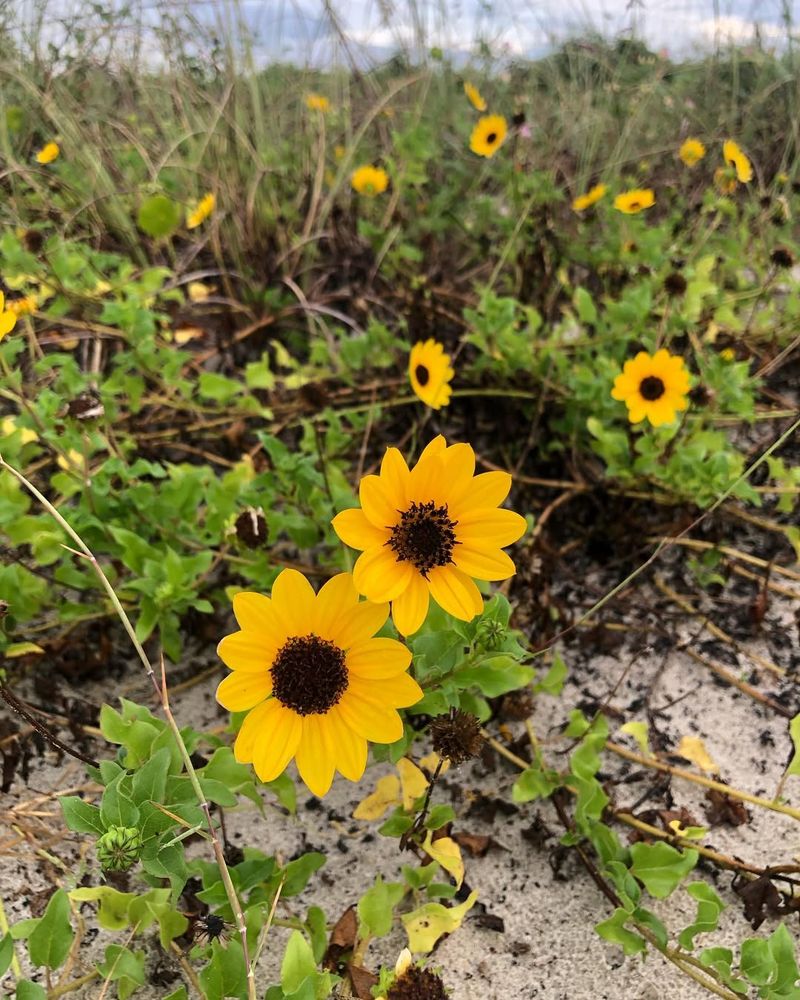
Along Florida’s coastlines, beach sunflower sprawls across sand dunes like golden waves frozen in time. This low-growing wildflower sends trailing stems several feet in all directions, anchoring loose sand and creating habitat for small wildlife.
Bright yellow flowers with dark centers bloom nearly year-round in South Florida and from spring through fall in North Florida, providing constant nectar for pollinators.
Beach sunflower tolerates salt spray, wind, and the harshest sandy conditions you can imagine. It needs full sun and excellent drainage, which makes it perfect for those challenging spots where other plants struggle.
The flowers attract dozens of butterfly species, including monarchs, gulf fritillaries, and cloudless sulphurs, while songbirds feast on the seeds later in the season.
Plant beach sunflower from nursery transplants or rooted cuttings rather than seeds for faster establishment. Space them about three feet apart and water regularly for the first month, then back off and let them adapt.
They’ll spread naturally to form a dense groundcover that suppresses weeds and looks beautiful with minimal maintenance. This wildflower truly shines in sandy, sunny locations where nothing else seems to work.
4. Scarlet Sage Is The Hummingbird Magnet That Blooms For Months
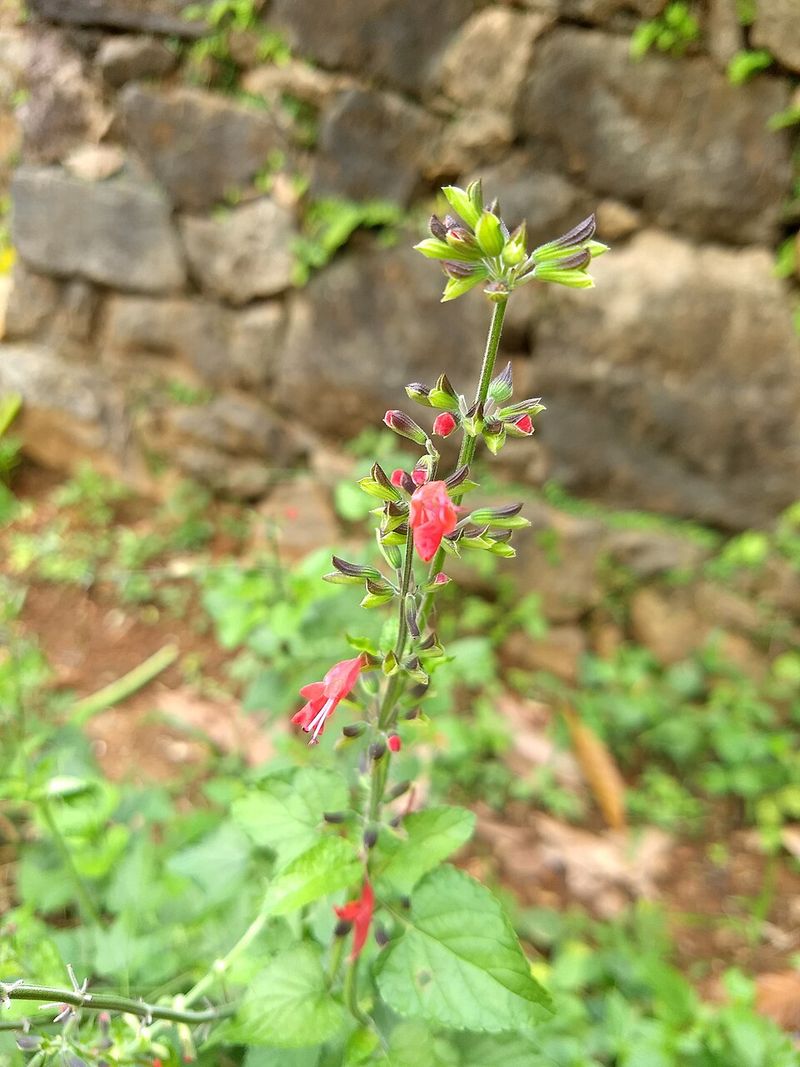
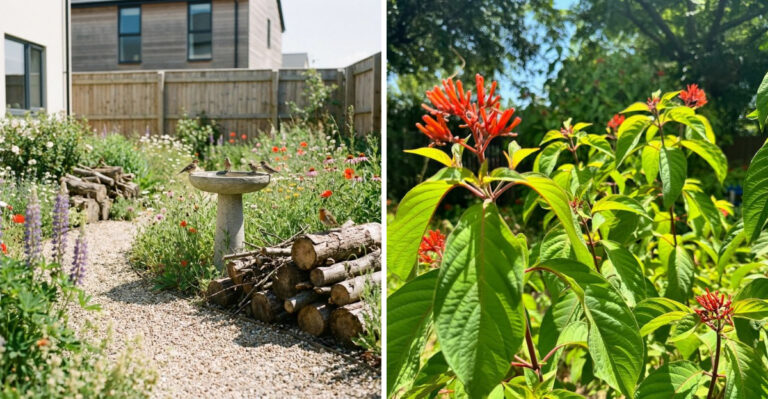
Hummingbirds can’t resist scarlet sage, and once you plant it in your sandy garden, you’ll have these tiny jeweled birds visiting all season long. The tubular red flowers appear on spiky stems from spring through fall, creating vertical interest and brilliant color that stands out from across the yard.
Native to Florida and adapted to sandy soils throughout the state, this wildflower handles heat and drought like a champion.
Scarlet sage grows quickly from seed or transplants, reaching about two feet tall and blooming within weeks of planting. Besides hummingbirds, you’ll see butterflies, bees, and even sphinx moths visiting the flowers.
The plant reseeds readily but never becomes aggressive, and volunteer seedlings are easy to pull if they pop up where you don’t want them.
Plant scarlet sage in full to partial sun in well-drained sandy soil, spacing plants about eighteen inches apart. Water regularly during establishment, then taper off as plants mature.
They’ll bloom more heavily with occasional deadheading, but even if you ignore them completely, they’ll keep producing flowers all season. This wildflower combines beauty, toughness, and wildlife value in one easy-care package that’s perfect for Florida’s challenging sandy soils and hot climate.
5. Black-Eyed Susan Is The Classic Yellow Flower That Never Stops Smiling
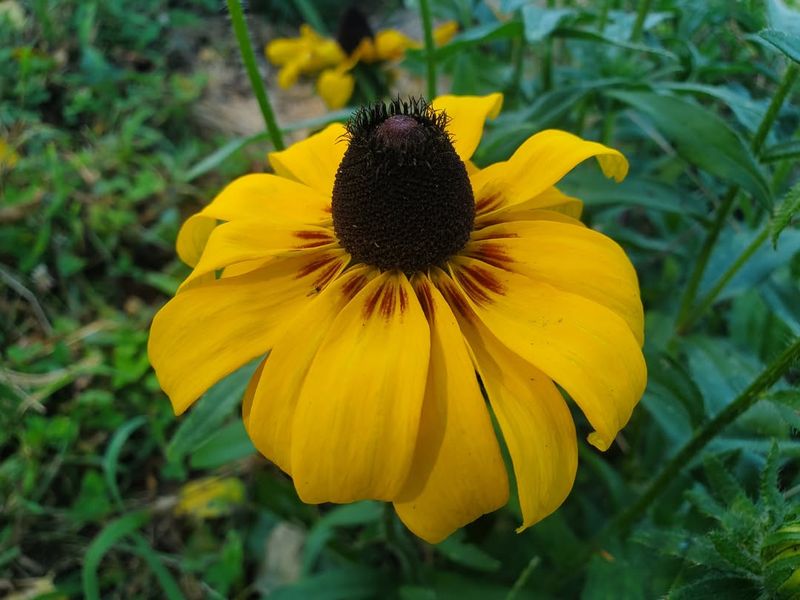
Few wildflowers deliver as much cheerful color with as little effort as black-eyed Susan. These golden flowers with dark chocolate centers bloom from late spring through fall, creating masses of sunshine-bright color that lifts your spirits every time you see them.
Native to the southeastern United States and found naturally in parts of North Florida, they’re well adapted to sandy soils and warm climates.
Black-eyed Susans attract butterflies, bees, and beneficial insects during blooming, then provide seeds for goldfinches and other songbirds in fall and winter. The plants grow about two feet tall and spread slowly through self-seeding, filling in gaps and creating natural-looking drifts.
They’re also excellent cut flowers that last well in arrangements, bringing that sunny Florida garden feeling indoors.
Start black-eyed Susans from seeds or transplants in fall or early spring, planting them in full sun with good drainage. Sandy soil is ideal because it prevents the root rot that can occur in heavy, moisture-retentive soils.
Water new plants regularly for the first month, then gradually reduce watering as they establish. Once growing strongly, they’ll handle typical rainfall and need almost no care beyond occasional deadheading to encourage more blooms throughout the long flowering season.
6. Blazing Star Is The Purple Pollinator Tower Butterflies Can’t Resist
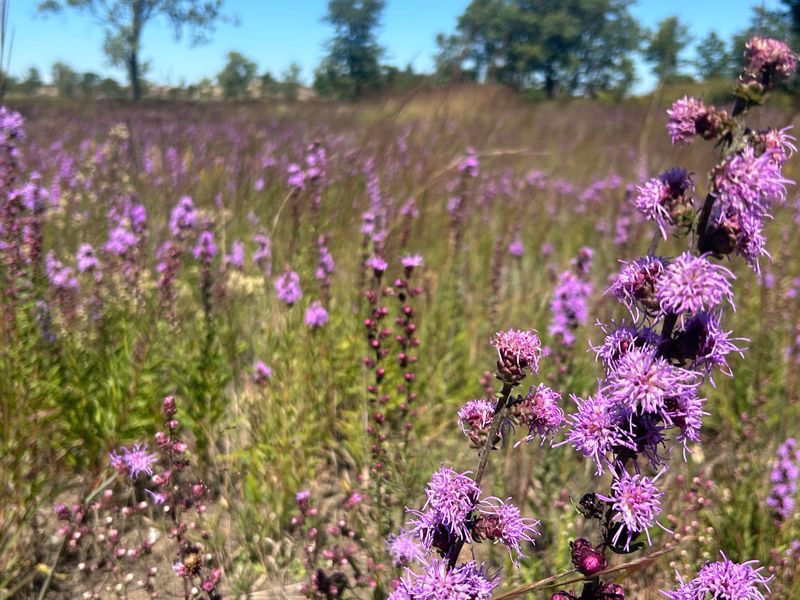
Tall purple spikes rising from sandy soil announce that blazing star is blooming, and when it does, butterflies arrive in clouds. Several Liatris species grow naturally in Florida’s sandy habitats, with dense blazing star and Chapman’s blazing star being particularly well-suited to garden conditions.
The unique flower spikes bloom from the top down, creating an unusual and eye-catching display from summer into fall.
Monarchs, swallowtails, and fritillaries visit blazing star constantly during migration periods, making it essential for any pollinator-friendly garden. The plants grow from underground corms that store energy and moisture, allowing them to survive drought and sandy conditions that would challenge other perennials.
Goldfinches and other seed-eating birds appreciate the seeds that form after blooming finishes, extending the wildlife value well into winter.
Plant blazing star corms in fall or early spring, spacing them about twelve inches apart in full sun. Sandy, well-drained soil is essential because these plants will not tolerate wet feet.
Water regularly until you see strong growth, then reduce watering and let them adapt to natural rainfall patterns. Once established, blazing star returns reliably year after year, growing stronger and producing more flower spikes as the corms mature and multiply slowly underground.
7. Partridge Pea Is The Self-Fertilizing Wildflower That Feeds Butterflies And Birds
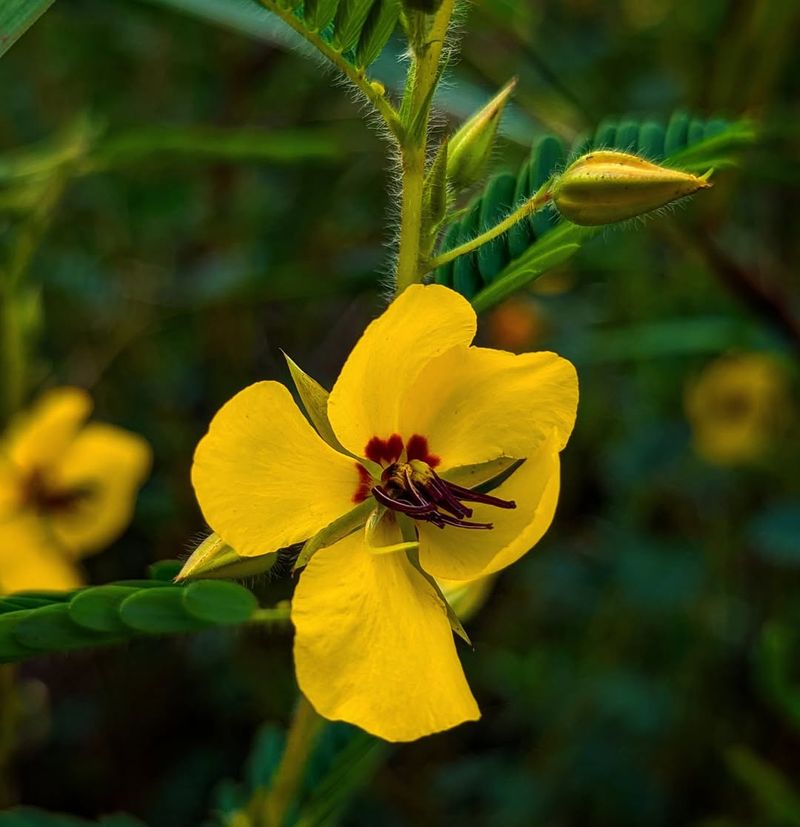
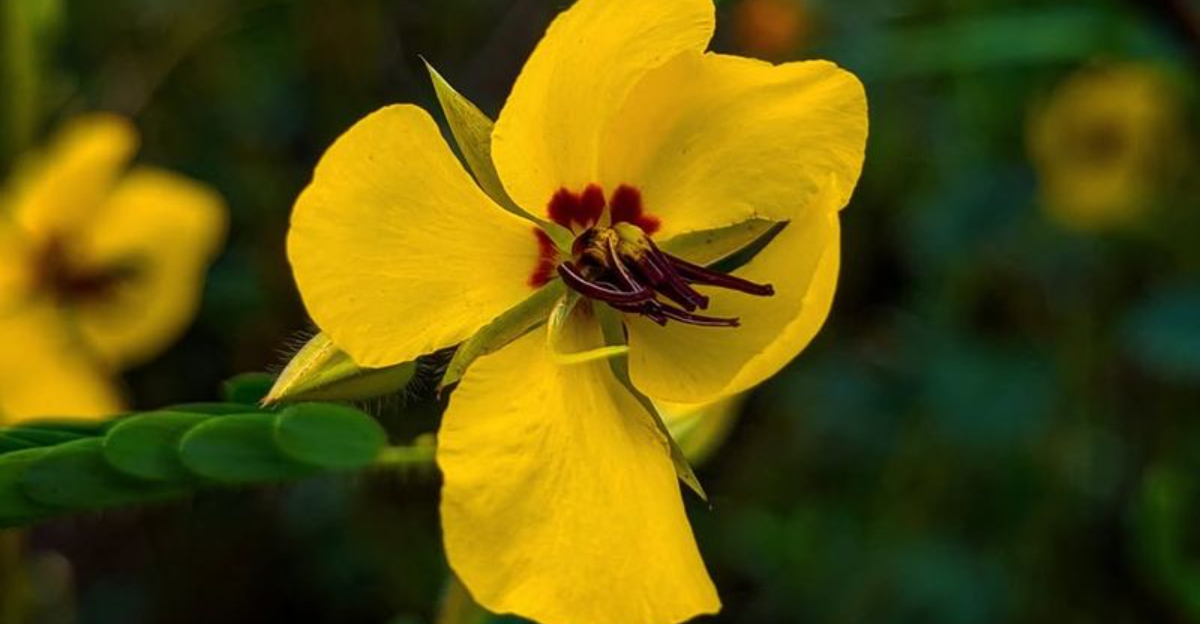
Delicate yellow flowers dance on feathery foliage when partridge pea blooms from summer through fall, creating a soft, textured look that contrasts beautifully with bolder wildflowers. This Florida native thrives in the poorest sandy soils because it’s a legume that fixes its own nitrogen, actually improving soil quality as it grows.
The compound leaves fold up at night or when touched, providing endless fascination for curious gardeners and children.
Partridge pea attracts sulfur butterflies, bees, and other pollinators to its cheerful yellow blooms, while the seeds feed bobwhite quail, wild turkeys, and songbirds. The plant grows as an annual in most of Florida, but it reseeds so reliably that it returns year after year without replanting.
It’s also a host plant for several butterfly species, including cloudless sulphurs and sleepy orange butterflies, making it doubly valuable for wildlife.
Sow partridge pea seeds in spring directly into sandy soil, scratching them lightly into the surface and watering until germination. The plants grow quickly, reaching two to three feet tall and blooming within a few months.
They need no fertilizer and very little water once established, handling our summer heat and occasional dry spells without complaint. This tough, beautiful wildflower deserves a spot in every Florida sandy soil garden.
8. Frogfruit Is The Lawn Replacement That Brings Butterflies By The Dozens
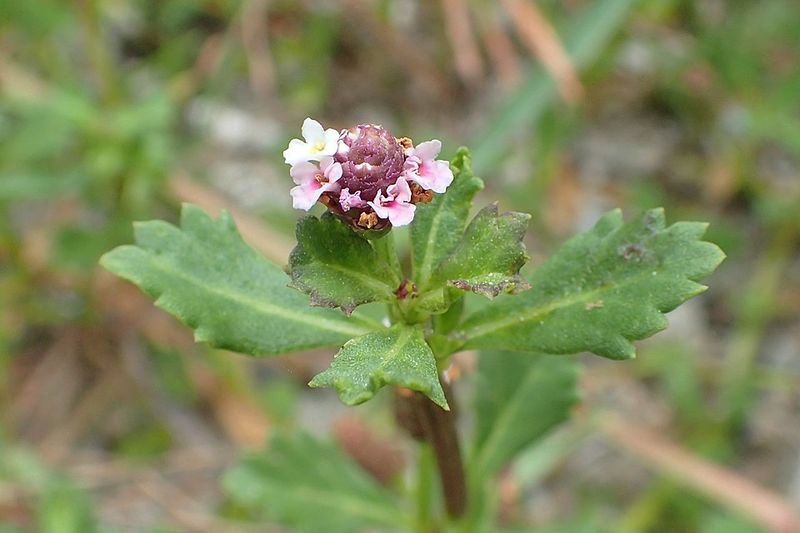
Looking for a tough groundcover that blooms constantly and attracts more butterflies than you can count? Frogfruit might be the answer you’ve been searching for.
This low-growing native spreads across sandy soil, rooting at the nodes and creating a dense mat that stays green year-round in most of Florida. Tiny white and purple flowers appear on short spikes throughout the warm months, providing nectar for dozens of butterfly species.
Frogfruit is the primary host plant for several butterfly species, including the common buckeye and white peacock, so you’ll often see caterpillars munching the leaves alongside adult butterflies sipping nectar. The plant tolerates foot traffic reasonably well, making it useful as a lawn substitute in sunny sandy areas where grass struggles.
It also handles salt spray and coastal conditions, expanding your planting options significantly.
Start frogfruit from nursery transplants or rooted cuttings, spacing them about two feet apart in full to partial sun. Water regularly for the first month to help establishment, then reduce watering as plants begin spreading.
Once established, frogfruit needs almost no care and spreads steadily to fill in bare sandy areas. It stays low, rarely exceeding a few inches tall, and blooms reliably without fertilizer or special attention throughout Florida’s long growing season.