These 11 Flowering Perennials Thrive With Neglect In Oregon
Not every plant needs constant attention to thrive, and in Oregon, some flowering perennials prove it. These tough plants keep blooming year after year, even if you forget a watering or two.
I’ve learned the hard way that some favorites demand a lot of care, while others just do their thing. The neglected ones still reward you with color, texture, and reliable growth, without endless work.
Oregon’s wet winters and mild summers make certain perennials especially resilient. They handle rain, occasional drought, and soil changes better than many high-maintenance flowers.
These flowering perennials are perfect for gardeners who want beauty without constant babysitting. They fill the garden with blooms, attract pollinators, and keep your outdoor space vibrant with minimal effort.
1. Coneflowers (Echinacea)
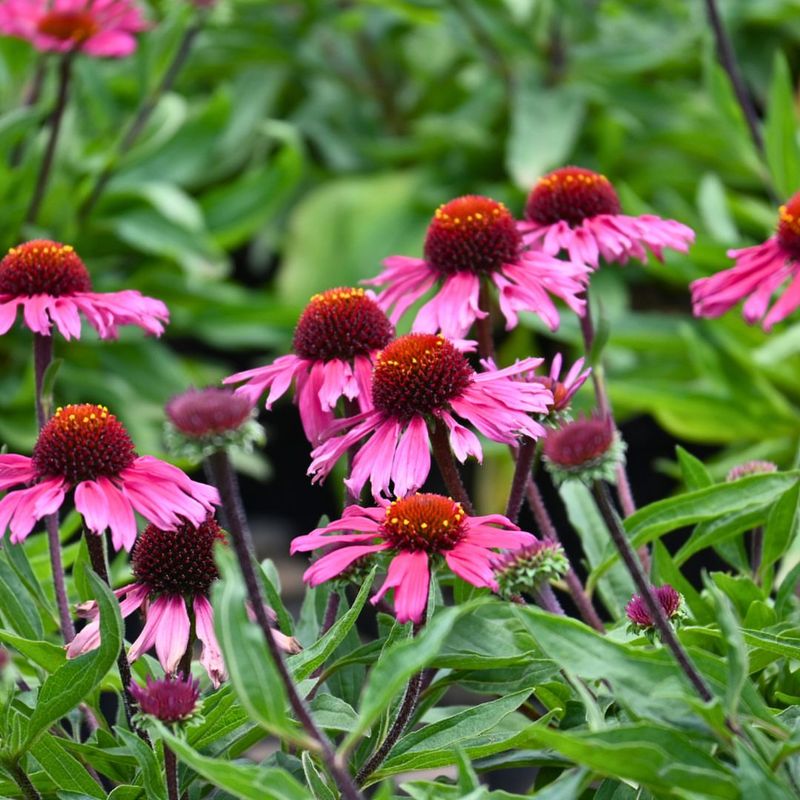
That resilience belongs to coneflowers, which handle Oregon’s dry summers with impressive grace. Their bold, daisy-like petals surround spiky centers that butterflies and bees cannot resist.
Coneflowers prefer full sun and well-drained soil but adapt surprisingly well to clay or sandy conditions common across Oregon. Once established, they rarely need supplemental watering, relying instead on their deep taproots to find moisture.
You will see blooms from June through September, with deadheading extending the show even longer.
Plant them in groups of three or five for maximum impact, pairing them with ornamental grasses or black-eyed Susans for a prairie-style garden. They look stunning in borders or naturalized meadow areas.
One mistake to avoid is overwatering, which can lead to root rot in Oregon’s winter-wet soils.
Coneflowers tolerate heat, drought, and even poor soil, making them ideal for slopes or areas where irrigation is impractical. Leave the seed heads standing in fall to feed goldfinches and other songbirds.
Their vertical structure adds winter interest long after blooms fade.
For Oregon gardeners seeking color without constant care, coneflowers deliver every time. They multiply slowly, filling in gaps without becoming aggressive.
2. Black-Eyed Susans (Rudbeckia)
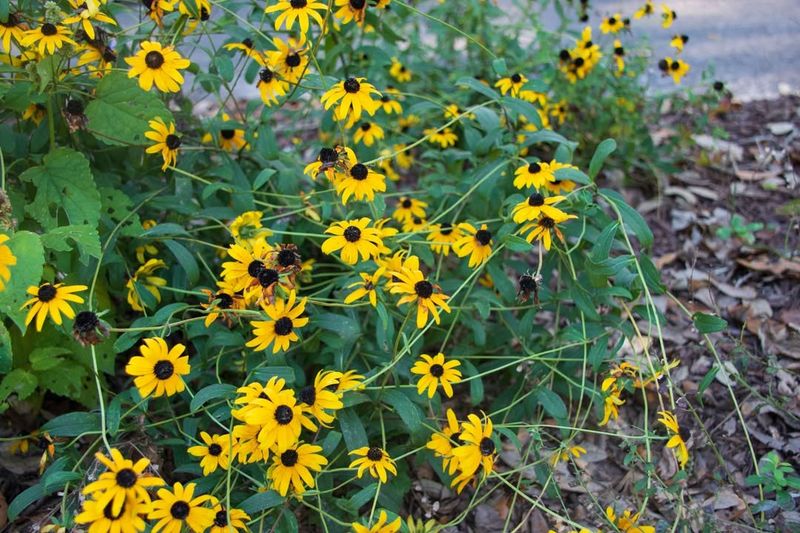
When your garden needs a burst of sunshine that lasts from summer into fall, black-eyed Susans step up without asking for much in return. These cheerful yellow blooms with dark chocolate centers brighten even the most neglected corner of your yard.
They spread gradually, filling bare spots with golden color year after year.
Rudbeckia thrives in full sun to partial shade and tolerates a wide range of soil types, from heavy clay to rocky patches. Oregon’s wet winters pose no problem, as these plants handle moisture without rotting.
During dry summer months, they keep blooming even when rainfall disappears for weeks.
Expect flowers from July through October, with peak blooms in late summer when many other perennials have faded. Pair them with purple coneflowers, Russian sage, or ornamental grasses for a dynamic, pollinator-friendly display.
They work beautifully in cottage gardens, meadow plantings, or along fence lines.
Avoid planting them in deep shade, where bloom production drops significantly. Deadheading is optional; leaving seed heads provides winter food for birds and adds architectural interest.
Black-eyed Susans self-sow modestly, creating natural drifts without becoming invasive.
For Oregon gardeners who want reliable color with zero fuss, these golden beauties are hard to beat. They handle neglect better than most houseplants handle regular care.
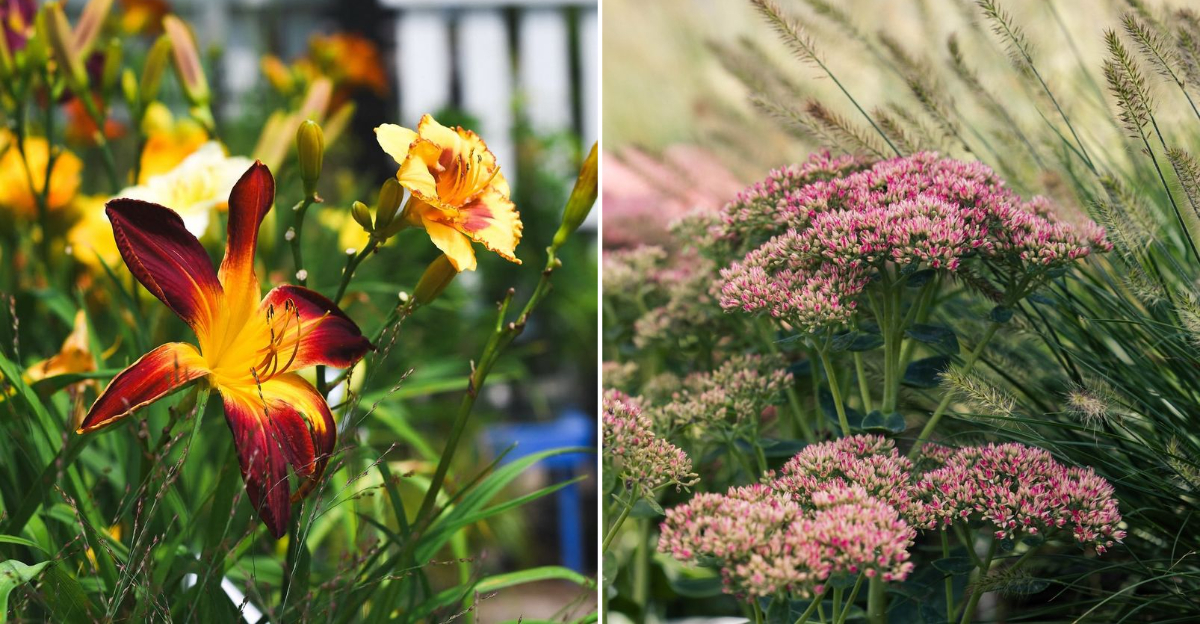
3. Sedum
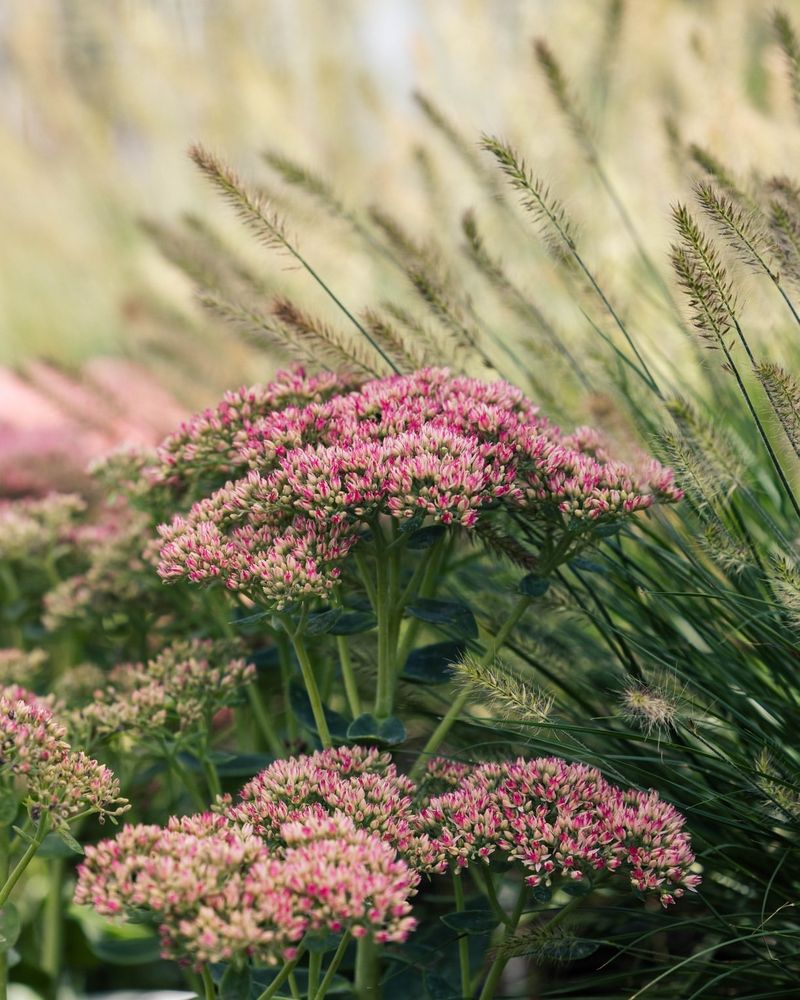
Imagine a plant so tough it thrives in places where other perennials give up entirely. Sedum varieties, especially the upright types like Autumn Joy, survive on rainfall alone once established.
Their succulent leaves store water, allowing them to laugh off Oregon’s summer droughts.
These perennials prefer full sun and well-drained soil but tolerate poor, rocky, or sandy conditions with ease. They handle Oregon’s wet winters without complaint, provided drainage is decent.
Blooms appear in late summer and fall, with pink or red flower clusters that attract butterflies and beneficial insects.
Sedum works beautifully in rock gardens, along pathways, or as edging for borders. Pair them with ornamental grasses, lavender, or yarrow for a low-water garden that looks intentional and polished.
Their fleshy foliage provides year-round interest, turning bronze or burgundy in cooler months.
One common mistake is planting sedum in heavy, poorly drained clay without amending the soil. While they tolerate clay, adding compost or gravel improves survival rates.
Avoid overwatering, which can cause root rot or floppy stems.
Sedum requires almost no maintenance beyond an occasional trim in spring to remove old growth. They rarely suffer from pests or diseases, making them ideal for gardeners who prefer to plant and forget.
Their tough nature makes them perfect for slopes, containers, or neglected garden edges.
4. Lavender
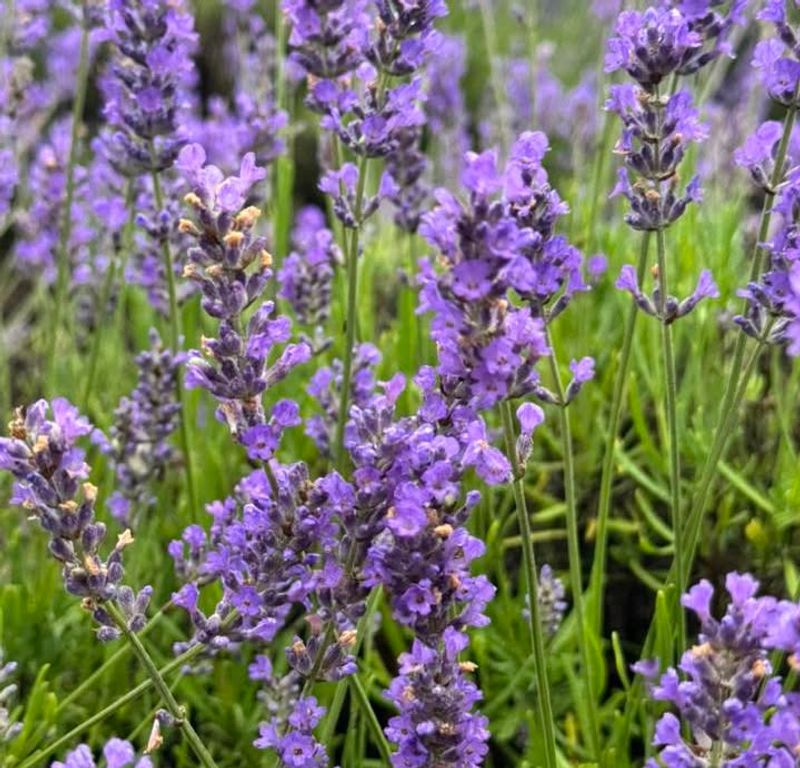
Few plants combine beauty, fragrance, and resilience quite like lavender. Once established, it asks for almost nothing yet delivers months of purple blooms and intoxicating scent.
Oregon’s dry summers suit lavender perfectly, as it despises soggy roots and thrives on neglect.
Lavender demands full sun and excellent drainage, making it ideal for sandy or amended clay soils. English lavender varieties handle Oregon’s climate best, tolerating winter moisture better than French or Spanish types.
Blooms appear from June through August, attracting bees, butterflies, and hummingbirds.
Plant lavender along pathways, in rock gardens, or as low hedges for structure and fragrance. It pairs beautifully with roses, catmint, or ornamental grasses, creating Mediterranean-style plantings that feel transported from Provence.
Avoid planting it in heavy clay without amending the soil, as poor drainage causes root rot.
Prune lavender lightly after blooming to maintain shape and encourage bushier growth. Avoid cutting into old wood, which rarely regenerates.
Overwatering is the most common mistake; once established, lavender survives on rainfall alone in most Oregon locations.
Lavender tolerates heat, drought, and poor soil, rewarding you with fragrant blooms year after year. Harvest stems for drying, sachets, or bouquets without harming the plant.
Its evergreen foliage provides structure even in winter, making it a year-round garden asset.
5. Daylilies (Hemerocallis)
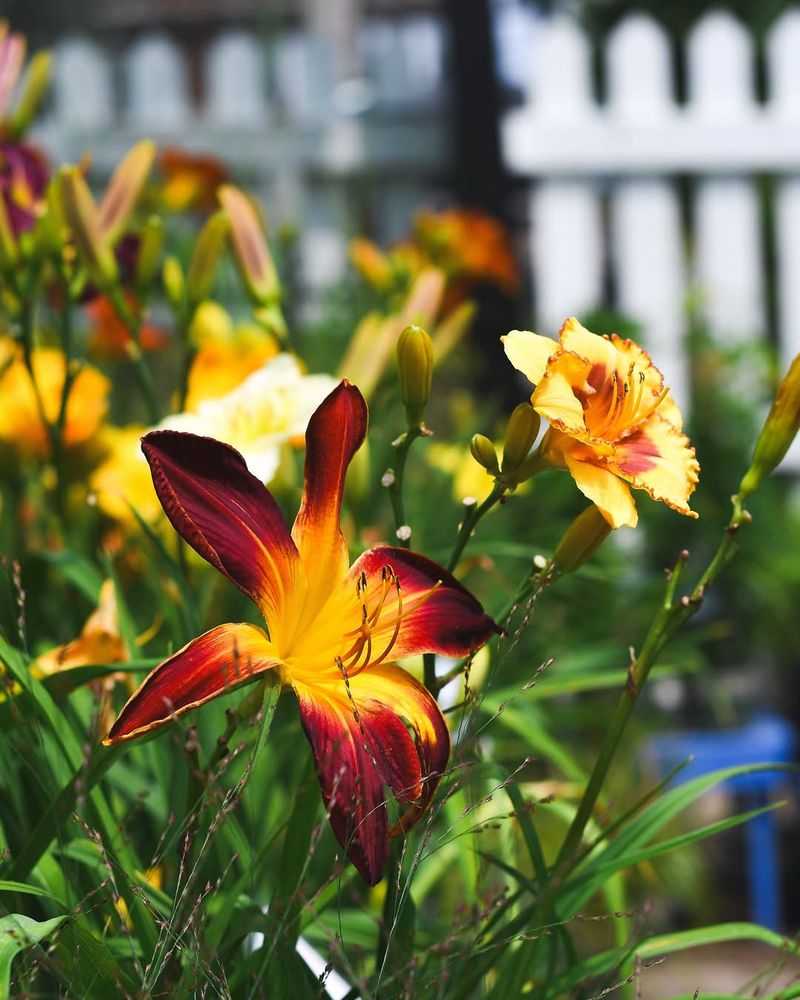
When you need a perennial that tolerates just about anything Oregon throws at it, daylilies answer the call. These workhorses bloom for weeks, shrug off pests, and multiply without becoming invasive.
Each flower lasts only a day, but plants produce so many buds that blooms seem endless.
Daylilies grow in full sun to partial shade and adapt to clay, loam, or sandy soils without complaint. They handle Oregon’s wet winters and dry summers equally well, rarely needing supplemental water once established.
Bloom times vary by variety, with some flowering in early summer and others in late summer or fall.
Plant daylilies in borders, along driveways, or as groundcover on slopes where erosion is a concern. They pair beautifully with ornamental grasses, hostas, or coneflowers, creating layered plantings with extended bloom seasons.
Avoid planting them in deep shade, where bloom production drops significantly.
Deadheading spent blooms keeps plants looking tidy but is not necessary for continued flowering. Divide clumps every few years if they become crowded, though many gardeners skip this step entirely.
Daylilies tolerate neglect better than most perennials, making them ideal for vacation homes or busy households.
Their strap-like foliage adds texture even when plants are not blooming. Daylilies rarely suffer from pests or diseases, requiring almost zero intervention.
For Oregon gardeners seeking reliable color with minimal effort, daylilies are a no-brainer.
6. Yarrow (Achillea)
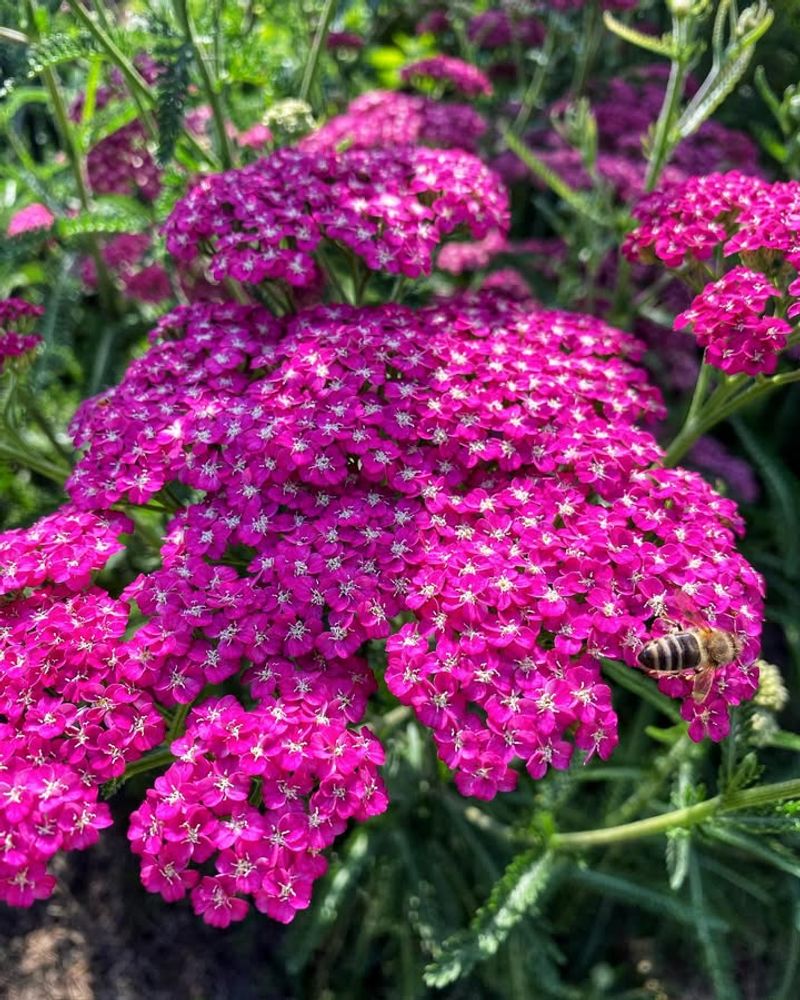
This tough perennial survives on neglect, thriving in hot, dry spots where other plants struggle. Once established, it rarely needs watering, even during Oregon’s driest summers.
Yarrow prefers full sun and well-drained soil but tolerates clay, sand, or rocky conditions with ease. It handles Oregon’s wet winters without rotting, provided drainage is reasonable.
Blooms appear from June through September in shades of yellow, pink, red, or white, depending on the variety.
Plant yarrow in meadow gardens, borders, or as groundcover on sunny slopes. It pairs beautifully with ornamental grasses, Russian sage, or black-eyed Susans, creating naturalized plantings that feel effortless.
Avoid overwatering, which causes floppy stems and encourages fungal issues.
Deadheading extends the bloom season, but leaving seed heads provides winter interest and food for birds. Yarrow spreads slowly via rhizomes, filling in gaps without becoming aggressive.
Divide clumps every few years if they outgrow their space, though this is rarely necessary.
Yarrow tolerates heat, drought, poor soil, and even foot traffic, making it ideal for pathways or lawn alternatives. Its aromatic foliage deters deer and rabbits, adding another layer of resilience.
For Oregon gardeners who want color without constant maintenance, yarrow delivers beautifully.
7. Catmint (Nepeta)
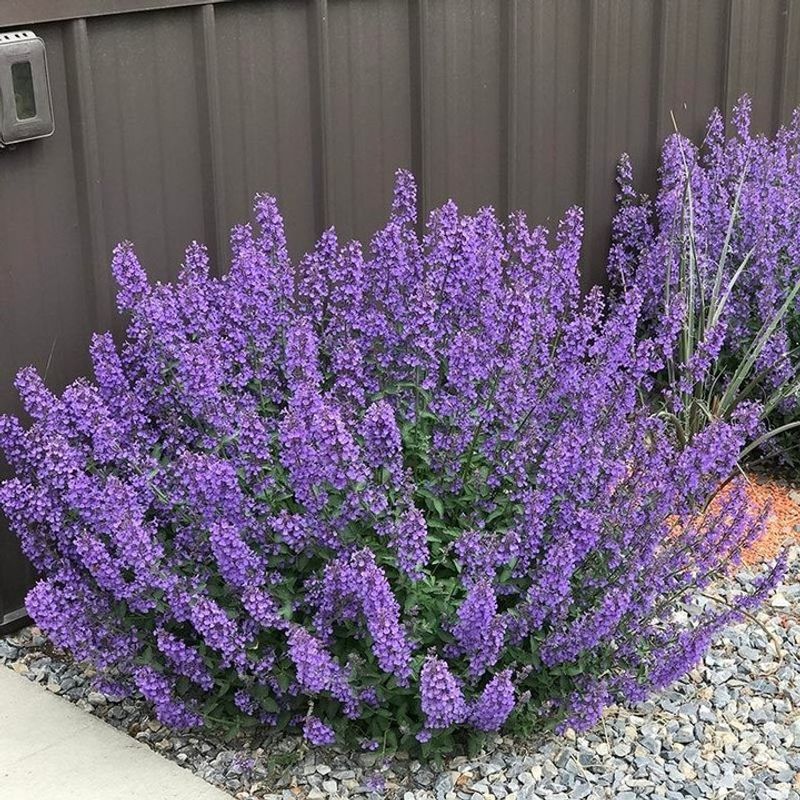
Bees and butterflies adore it, while deer and rabbits pass it by. This perennial handles neglect with grace, thriving on Oregon’s natural rainfall once established.
Catmint prefers full sun and well-drained soil but adapts to partial shade and various soil types, including clay and sand. It tolerates Oregon’s wet winters and dry summers without complaint, rarely needing supplemental water.
Blooms appear from late spring through fall, with peak flowering in early summer.
Plant catmint along pathways, in borders, or as edging for rose gardens, where its soft texture contrasts beautifully with bold blooms. It pairs wonderfully with lavender, coneflowers, or ornamental grasses, creating low-water plantings that look lush yet require minimal care.
Avoid planting it in heavy shade, where bloom production declines.
Shear catmint back by one-third after the first flush of blooms to encourage a second wave of flowers. This light pruning keeps plants compact and tidy.
Overwatering is the most common mistake, leading to floppy growth and reduced flowering.
Catmint tolerates heat, drought, and poor soil, making it ideal for neglected garden areas. Its aromatic foliage releases a pleasant scent when brushed, adding sensory appeal.
For Oregon gardeners seeking long-blooming color with minimal effort, catmint is a reliable performer.
8. Russian Sage (Perovskia)
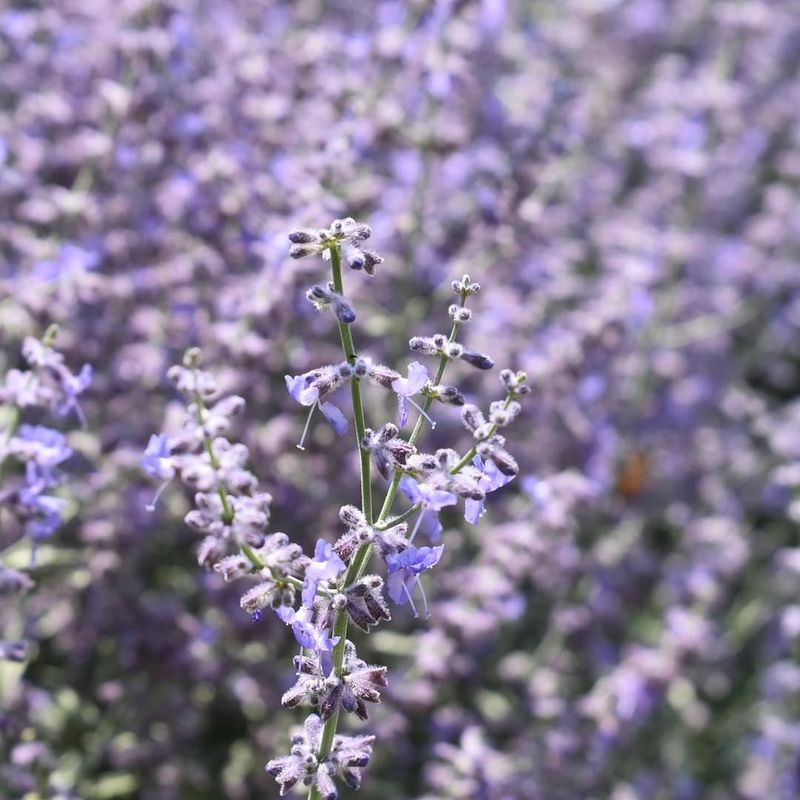
Russian sage brings airy elegance to gardens with its silvery stems and clouds of lavender-blue flowers that dance in summer breezes. This perennial thrives on neglect, preferring dry conditions once established.
Oregon’s summer heat poses no challenge, as Russian sage was born for tough growing conditions.
Russian sage demands full sun and excellent drainage, making it ideal for sandy or amended clay soils. It tolerates Oregon’s wet winters but appreciates raised beds or slopes where water drains quickly.
Blooms appear from July through September, attracting bees and butterflies while deer avoid its aromatic foliage.
Plant Russian sage in borders, meadow gardens, or as a backdrop for lower-growing perennials like catmint or sedum. It pairs beautifully with ornamental grasses, coneflowers, or yarrow, creating textured plantings that feel effortless.
Avoid planting it in heavy, poorly drained clay without amending the soil.
Cut Russian sage back hard in early spring to encourage bushy growth and abundant blooms. Without annual pruning, plants become woody and sparse.
Overwatering is the most common mistake, leading to root rot and reduced vigor.
Russian sage tolerates heat, drought, and poor soil, making it perfect for low-water gardens. Its vertical structure adds height and movement without requiring staking.
For Oregon gardeners seeking late-summer color with minimal care, Russian sage is a standout choice that delivers year after year.
9. Coral Bells (Heuchera)
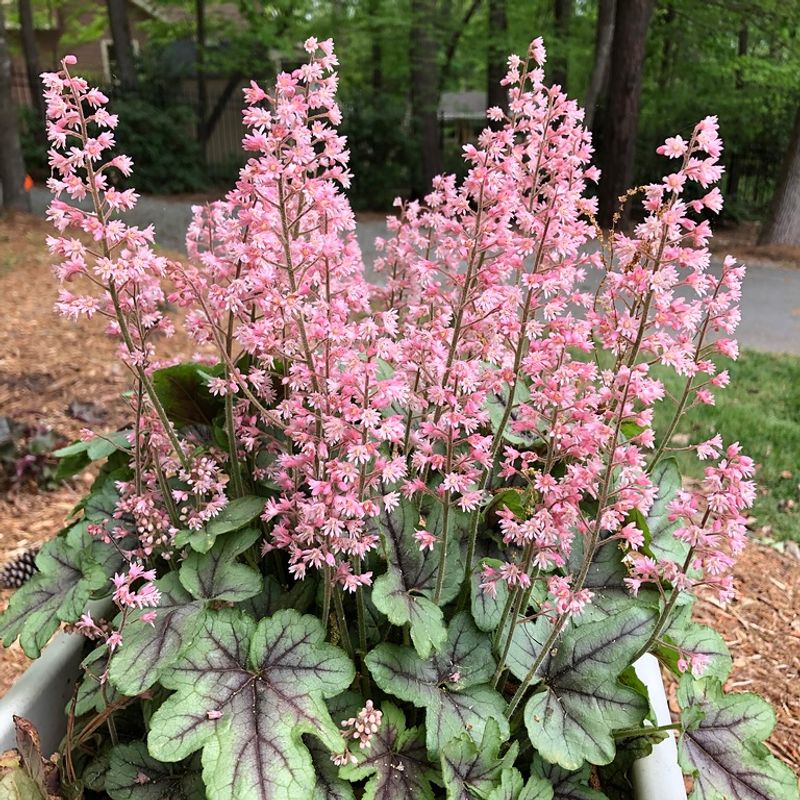
Heuchera offer stunning foliage in shades of purple, bronze, lime, or silver, with delicate flower spikes that add vertical interest in late spring. While grown primarily for their colorful leaves, the airy blooms attract hummingbirds and bees.
These perennials thrive in Oregon’s climate, handling wet winters and dry summers with minimal fuss.
Coral bells prefer partial shade to full sun, depending on the variety, and adapt to various soil types, including clay and loam. They tolerate Oregon’s winter moisture well, provided drainage is decent.
Blooms appear from May through July, with foliage providing year-round color and texture.
Plant coral bells in borders, woodland gardens, or containers, where their colorful foliage brightens shady spots. They pair beautifully with hostas, ferns, or astilbes, creating layered plantings with contrasting textures.
Avoid planting them in deep shade, where foliage colors fade and plants become leggy.
Mulch coral bells lightly to prevent frost heaving in winter, which can expose roots. Trim off old leaves in early spring to make room for fresh growth.
Overwatering is rarely an issue, but planting in poorly drained clay without amendment can cause crown rot.
Coral bells tolerate neglect better than many shade perennials, requiring little more than occasional watering during extended dry spells. Their compact size makes them ideal for small gardens or tight spaces.
For Oregon gardeners seeking colorful foliage with minimal maintenance, coral bells are a versatile, reliable choice.
10. Bee Balm (Monarda)
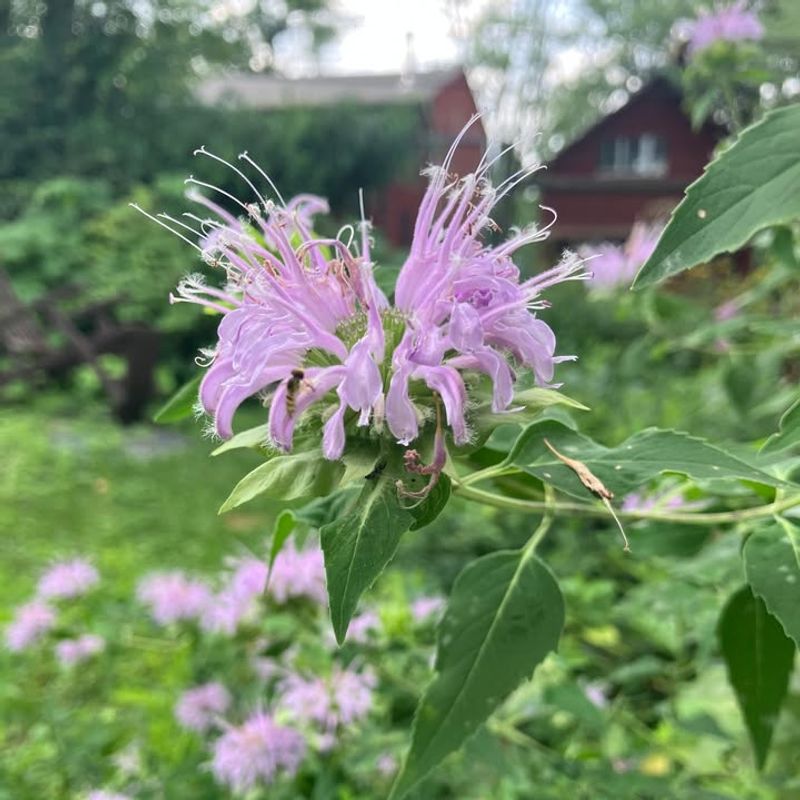
This native perennial thrives in Oregon gardens, handling wet winters and adapting to various soil types with ease. Its aromatic foliage adds fragrance when brushed, making it a sensory delight.
Bee balm prefers full sun to partial shade and moist, well-drained soil but tolerates clay and loam common in Oregon. It handles summer drought better than expected, though it appreciates occasional watering during extended dry spells.
Blooms appear from June through August, attracting pollinators and beneficial insects.
Plant bee balm in borders, cottage gardens, or naturalized areas where it can spread freely. It pairs beautifully with coneflowers, black-eyed Susans, or ornamental grasses, creating wildlife-friendly plantings.
Avoid planting it in areas with poor air circulation, which can encourage powdery mildew on foliage.
Deadhead spent blooms to encourage a second flush of flowers and prevent excessive self-seeding. Divide clumps every few years to maintain vigor and control spread.
Bee balm spreads via rhizomes, so give it room to roam or plant it where spreading is welcome.
Bee balm tolerates neglect, wet soil, and even occasional flooding, making it ideal for rain gardens or low-lying areas. Its bold blooms and pollinator appeal make it a favorite among Oregon gardeners seeking color and wildlife habitat with minimal effort.
11. Blanket Flower (Gaillardia)
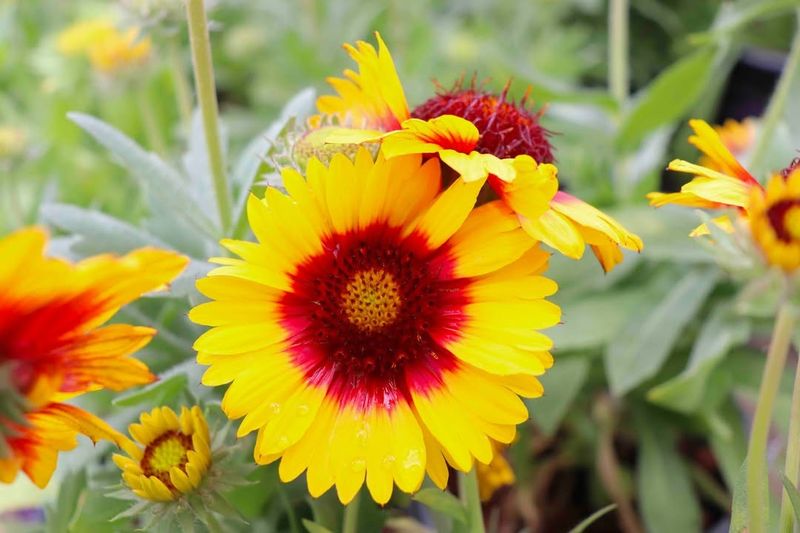
Blanket flowers bring fiery colors to gardens with their bold red and yellow blooms that resemble miniature sunsets. These cheerful perennials thrive on neglect, preferring lean soil and minimal water once established.
Oregon’s dry summers suit them perfectly, as they despise soggy roots and love full sun.
Blanket flowers prefer full sun and well-drained soil, making them ideal for sandy or rocky conditions. They tolerate clay if drainage is improved with compost or gravel.
Blooms appear from June through October, providing months of color when many other perennials have faded.
Plant blanket flowers in borders, meadow gardens, or along pathways where their vibrant colors can shine. They pair beautifully with ornamental grasses, coneflowers, or Russian sage, creating low-water plantings that feel lively and dynamic.
Avoid planting them in rich, heavily amended soil, which encourages floppy growth and reduced flowering.
Deadhead spent blooms regularly to encourage continuous flowering throughout summer and fall. Blanket flowers are short-lived perennials, often lasting three to four years, but they self-sow modestly, ensuring new plants fill gaps.
Overwatering is the most common mistake, leading to root rot and poor performance.
Blanket flowers tolerate heat, drought, and poor soil, making them ideal for neglected areas or low-maintenance landscapes. Their long bloom season and pollinator appeal make them favorites among Oregon gardeners seeking reliable color with minimal effort.