These 10 Flowers Often Struggle When Planted Too Early In Oregon
A warm afternoon in Oregon can be wildly convincing. The sun comes out, garden centers look irresistible, and suddenly it feels like planting season has fully arrived.
Then the temperature drops again, the soil stays chilly, and those fresh flowers that looked so promising start stalling instead of settling in.
It happens all the time, especially in spring, when Oregon weather loves to act friendly right before throwing one more cold surprise your way.
Some flowers just are not built for that kind of stop-and-start season. They want warmer soil, steadier nights, and a gentler start than Oregon often gives them early on.
Plant them too soon, and you may end up with weak growth, fewer blooms, or plants that never really take off. Knowing which flowers struggle with an early start can save you money, time, and a whole lot of spring disappointment.
1. Petunias
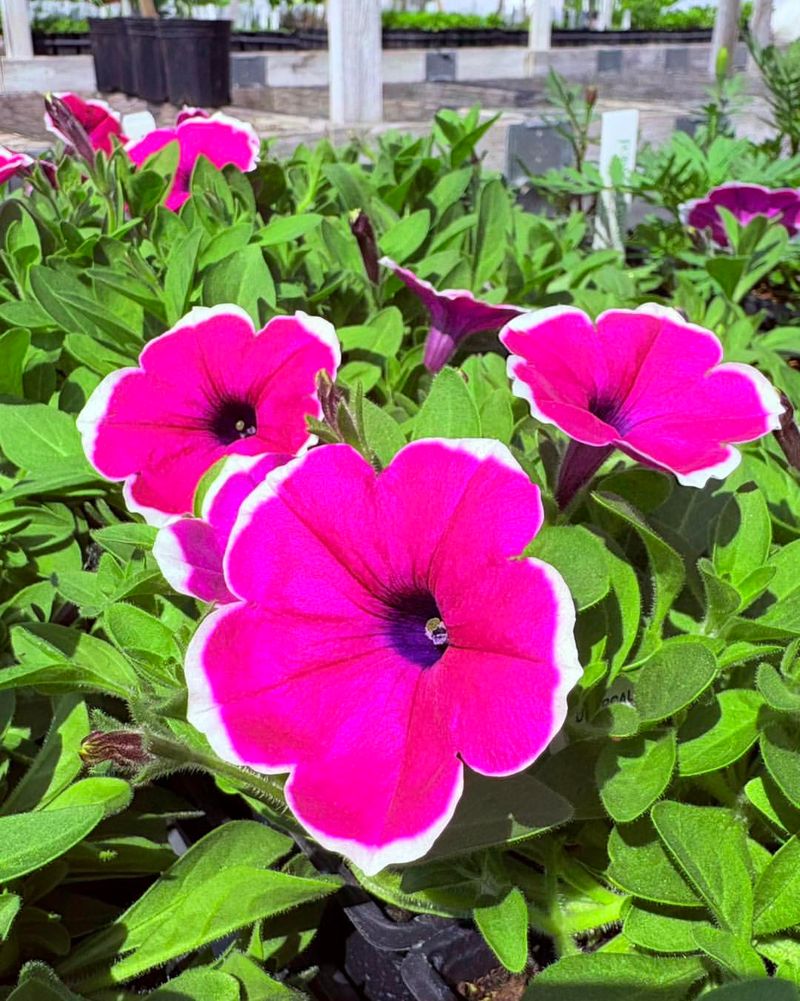
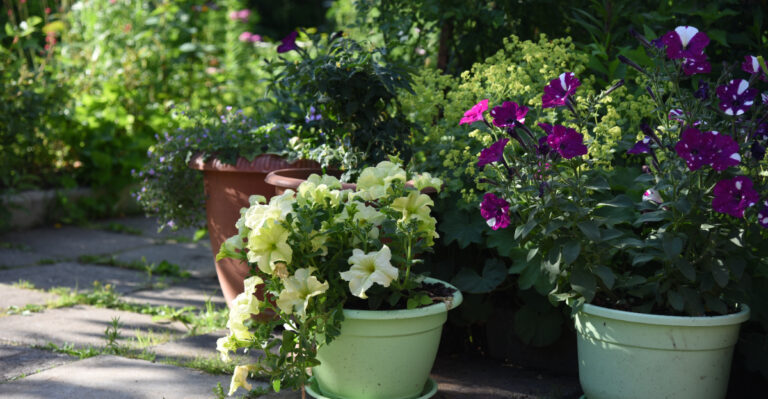
Few flowers scream summer quite like petunias, with their trumpet-shaped blooms spilling over pots and window boxes in every color imaginable. But here in Oregon, these cheerful annuals have a serious weakness: cold soil and late-season frost.
Petunias are native to South America and genuinely love warmth. When soil temperatures drop below 55 degrees Fahrenheit, petunias slow way down.
They may look okay on the surface, but their roots struggle to absorb nutrients properly in cold, wet ground.
Oregon’s spring rains make this even trickier. Wet, cool soil encourages root rot, which can quietly weaken a petunia plant before it ever gets a chance to bloom well.
Many gardeners in the Willamette Valley plant petunias in early April and then wonder why the plants look yellow and sad a few weeks later.
The fix is simple: wait until nighttime temperatures stay consistently above 50 degrees Fahrenheit before transplanting petunias outdoors. In most parts of western Oregon, that means mid-to-late May is your safest window.
Along the Oregon coast, where cool marine air lingers well into summer, waiting until late May or even early June is a smart move. Starting petunias indoors six to eight weeks before your target transplant date gives you a head start without the risk.
2. Calibrachoa Or Million Bells
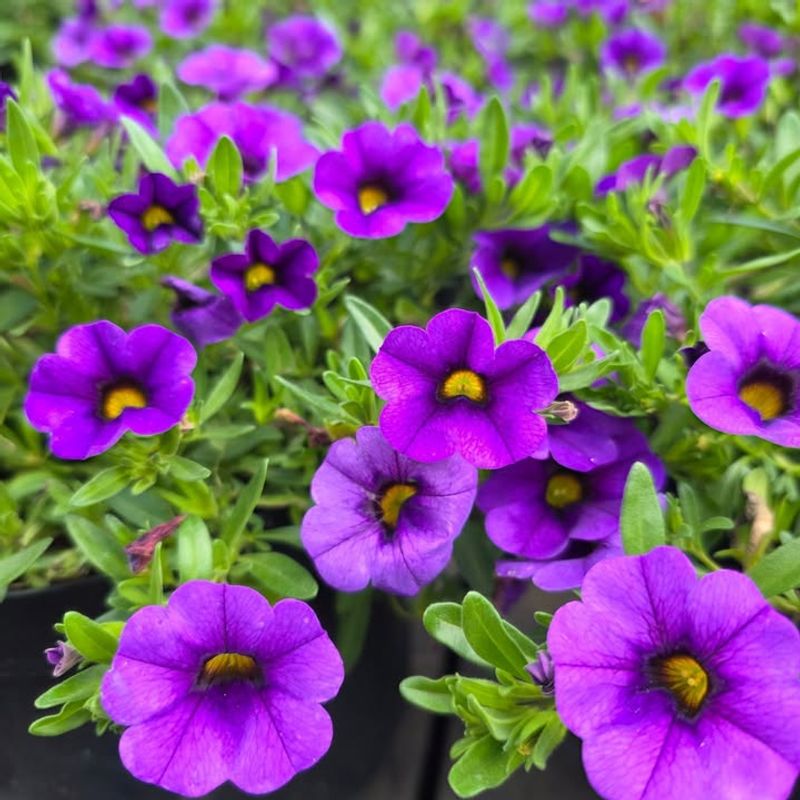
Walk into any Oregon garden center in early spring and you will almost certainly spot calibrachoa, commonly called million bells, spilling beautifully out of hanging baskets. They look irresistible, and that is exactly the problem.
Gardeners grab them too soon.
Million bells are closely related to petunias and share the same cold sensitivity. These tiny-flowered plants originated in South America and simply are not built for the cool, damp springs that Oregon is famous for.
Soil temperatures below 55 degrees Fahrenheit cause the roots to shut down, leaving the plant unable to take in iron and other key nutrients.
The result? Yellow leaves, stunted growth, and flowers that never quite reach their full potential.
Gardeners in Portland and Salem often notice this yellowing and assume the plant needs fertilizer, but the real issue is cold stress from planting too early.
Calibrachoa also hates sitting in waterlogged soil, and Oregon’s spring rainfall can easily turn a container or garden bed into a soggy mess. Good drainage is essential, and so is timing.
Your Oregon Garden Changes Every Week. Your Plan Should Too.
Gardening in Oregon changes quickly throughout the season. Every Friday you’ll receive a simple weekly plan showing exactly what to plant, prune, fertilize, harvest, and protect so you never miss the right timing.
Wait until late May when nights are reliably mild before moving million bells outdoors permanently. If you already have them outside and a cold snap is forecast, bring the containers inside overnight to protect them.
3. Impatiens
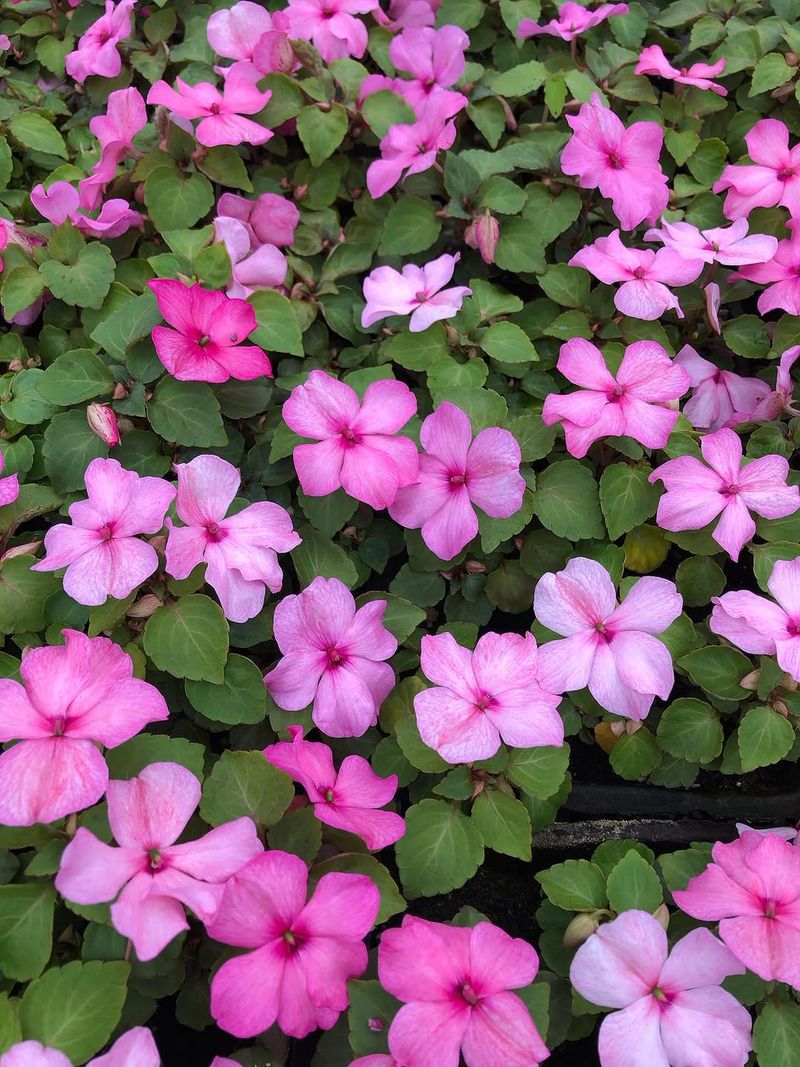
Impatiens have long been the go-to flower for shady spots in Oregon gardens. They come in a rainbow of colors, grow quickly, and fill in bare spots beautifully.
But plant them too early in Oregon and you will watch that potential fizzle out fast.
These plants are extremely sensitive to cold. Even a light frost can turn impatiens to mush overnight.
But even without a hard frost, consistently cool temperatures below 50 degrees Fahrenheit cause impatiens to sulk. Growth slows, leaves may develop a purplish tinge, and blooms become sparse.
Oregon’s springs are notoriously unpredictable. A warm week in April can be followed by a cold, rainy stretch that feels more like February.
Impatiens planted during that warm spell often pay the price when the cold returns.
Waiting until late May is the standard advice for most of western Oregon. In higher elevation areas or in the central part of the state, early June is a smarter target.
If you are eager to get a jump on the season, start impatiens seeds indoors under grow lights about ten weeks before your planned outdoor planting date. Hardening off the seedlings gradually before transplanting will also help them adjust to outdoor conditions without too much shock.
4. Wax Begonias
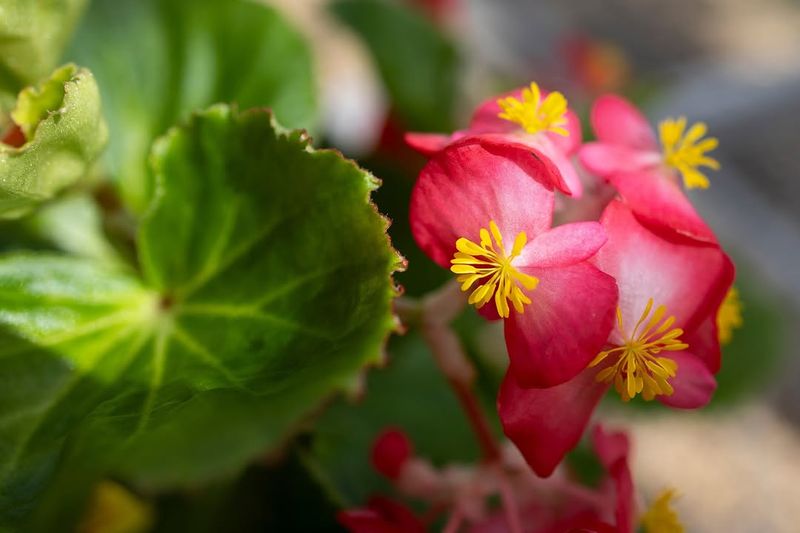
Wax begonias are tough little plants in many ways. They handle heat, tolerate partial shade, and keep blooming long after other flowers have faded.
But toughness has its limits, and cold Oregon soil in early spring is one of them.
These compact, glossy-leaved plants originated in tropical regions of Brazil and simply were not designed for temperatures that dip below 50 degrees Fahrenheit. Cold soil slows their root development significantly.
When roots cannot function well, the entire plant suffers, even if it looks okay at first glance.
A common mistake Oregon gardeners make is planting wax begonias in April during a warm sunny stretch. Then the rains return, temperatures drop, and the plants spend weeks barely hanging on instead of growing and blooming as expected.
For the Willamette Valley, late May is the sweet spot for transplanting wax begonias outdoors. Along the Oregon coast, the cool marine influence means waiting until late May or even early June is wise.
Wax begonias also prefer well-drained soil, so amending heavy clay soil with compost before planting is a great way to set them up for success. A light layer of mulch after planting helps regulate soil temperature and keeps moisture levels more consistent through Oregon’s unpredictable late-spring weather.
5. Tuberous Begonias
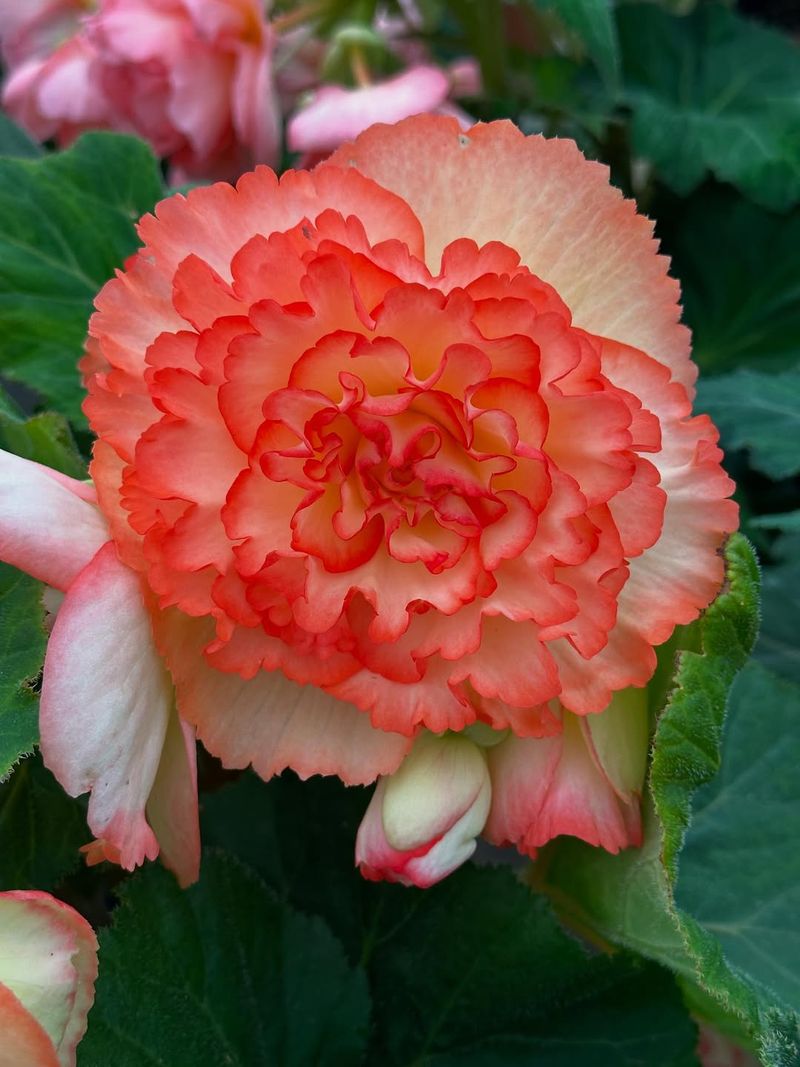
There is something almost theatrical about tuberous begonias. Their blooms are enormous, ruffled, and come in shades of red, orange, pink, yellow, and white that look almost too good to be real.
Oregon gardeners love them for shady spots where other flowers refuse to perform.
But tuberous begonias are among the most cold-sensitive flowers you can grow in Oregon. These plants grow from fleshy tubers that absolutely need warm soil to wake up and sprout properly.
Planting tubers in cold, wet Oregon soil before late May is almost always a recipe for rot.
Cool, soggy conditions are the enemy of tuberous begonia tubers. The tuber sits in the ground unable to dry out or warm up, and fungal problems take hold quickly.
Many gardeners have planted tubers in April only to dig them up in June and find nothing but mush.
The smarter approach is to start tubers indoors in late February or March in shallow trays of moist potting mix. Keep them in a warm spot around 70 degrees Fahrenheit and let them sprout before transplanting outdoors after the last frost risk has passed.
In Oregon, that typically means late May for the Willamette Valley and early June for cooler coastal or inland areas. This indoor head start gives the plants a real advantage.
6. Annual Vinca
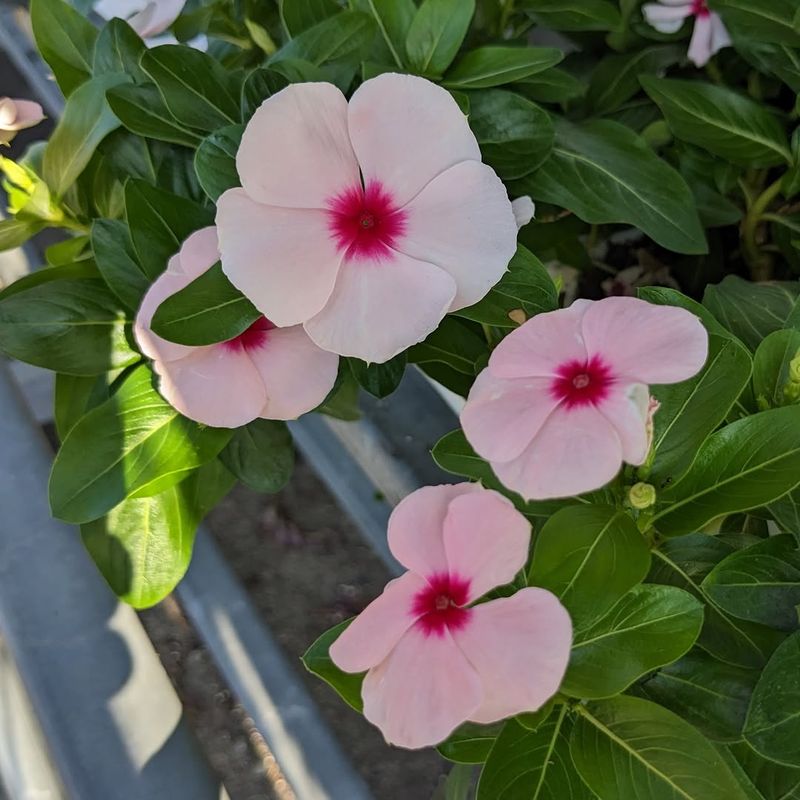
Annual vinca, also called Madagascar periwinkle, is one of the most heat-tolerant flowers you can grow. It thrives in blazing summer sun and bounces back from drought.
But give it cold Oregon spring weather and it will make you wonder why you even bothered.
Vinca originates from Madagascar, a place where cold is not really part of the vocabulary. Soil temperatures below 60 degrees Fahrenheit cause vinca to stall completely.
The leaves may turn yellow, growth stops, and the plant becomes highly vulnerable to a fungal problem called aerial phytophthora, which is especially common in cool, wet Oregon springs.
Gardeners in the Portland area often get excited when garden centers stock vinca in April. But putting those plants in the ground too soon almost always leads to disappointment.
The plants just sit there, looking miserable, while the soil warms up at its own pace.
Patience really pays off with annual vinca in Oregon. Waiting until late May or early June, when soil temperatures are reliably above 60 degrees Fahrenheit, gives these plants the warm welcome they need to take off.
Once the weather warms up properly, vinca grows fast, fills in beautifully, and blooms non-stop until fall frost arrives. It is absolutely worth the wait.
7. Zinnias
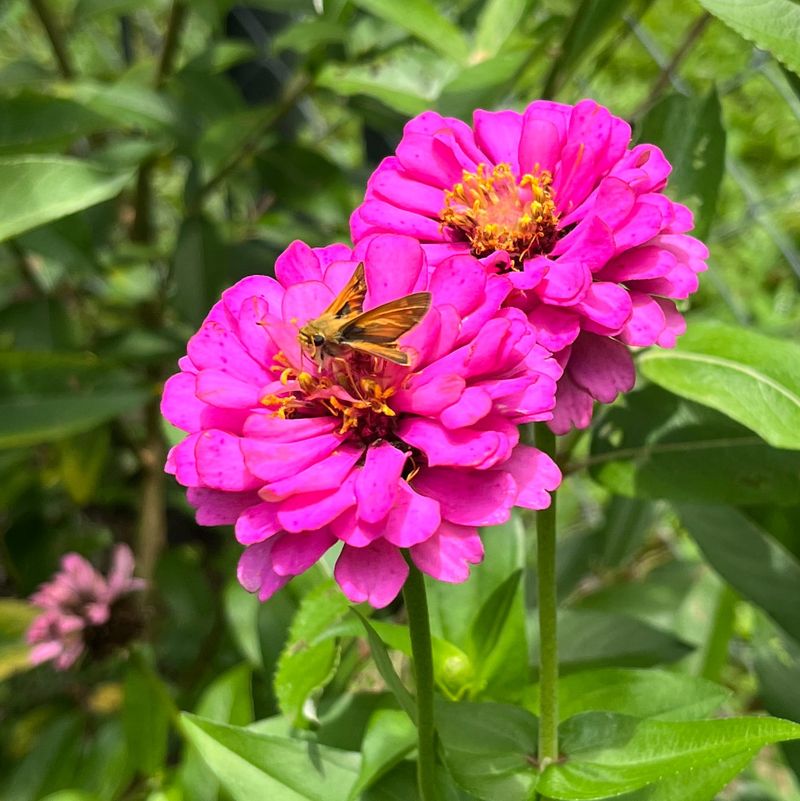
Zinnias are one of the most rewarding flowers a gardener can grow, producing bold, colorful blooms that attract butterflies and hummingbirds from midsummer through fall. They are fast-growing, easy to care for, and absolutely stunning in cut flower arrangements.
The catch? They hate cold.
Zinnia seeds need soil temperatures of at least 65 to 70 degrees Fahrenheit to germinate reliably. Planting them in cool Oregon soil in April or early May often results in seeds that rot in the ground or sprout slowly and unevenly.
Even seedlings that do emerge can struggle badly if temperatures drop again.
Zinnias are also surprisingly sensitive to frost. A single frosty night can wipe out a whole row of young zinnia seedlings that took weeks to establish.
Oregon gardeners in the Willamette Valley need to wait until late May before direct sowing zinnia seeds outdoors.
The good news is that zinnias grow so quickly that there is no need to rush. Seeds direct-sown in late May will catch up to and often surpass plants started indoors.
If you want a slight head start, sow seeds indoors just three to four weeks before your transplant date. Zinnias do not love having their roots disturbed, so handle seedlings gently and transplant carefully for the best results in your Oregon garden.
8. Marigolds
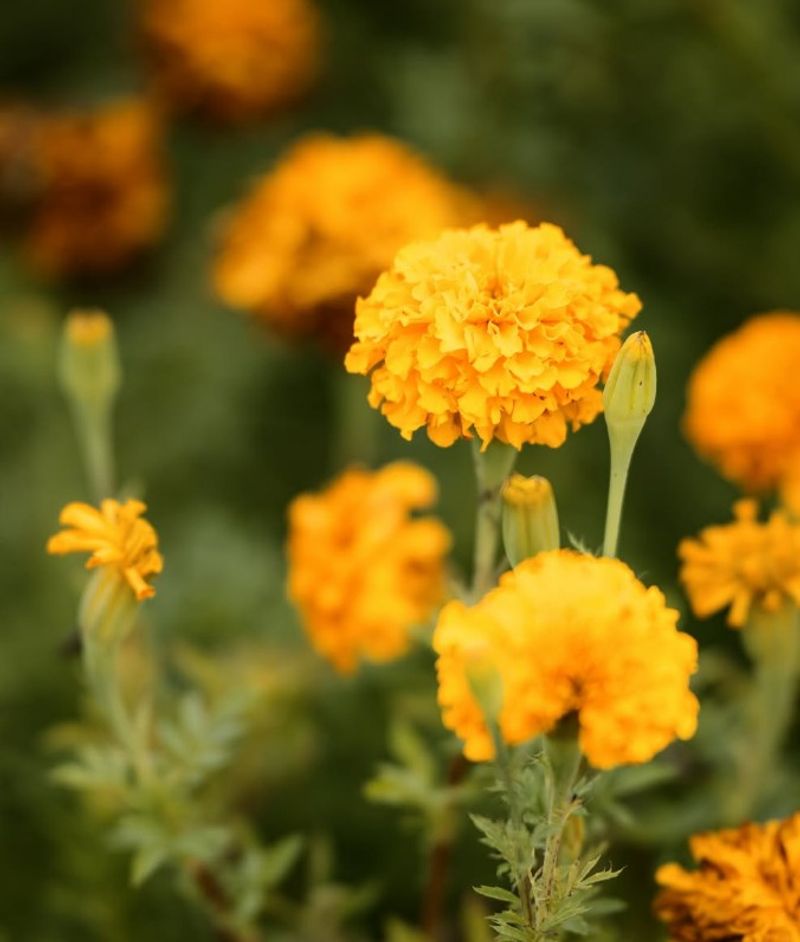
Marigolds have a reputation for being nearly indestructible, and in the right conditions, they kind of are. They resist pests, tolerate heat, and bloom for months without much fuss.
That reputation, though, leads many Oregon gardeners to plant them way too early in spring.
Even marigolds have their limits. Soil temperatures below 50 degrees Fahrenheit slow their root development significantly.
Young marigold transplants exposed to repeated cold nights often develop yellowing leaves and grow painfully slowly. In Oregon’s wet spring climate, soggy cold soil can also encourage damping off, a fungal problem that can wipe out seedlings seemingly overnight.
Marigolds planted in late April in the Willamette Valley may look fine for a week or two, then stall out as cold, rainy weather returns. Meanwhile, marigolds planted in late May in the same garden will quickly catch up and often surpass those early-planted ones by midsummer.
For most of Oregon, waiting until mid-to-late May is the right call. Starting seeds indoors four to six weeks before your target outdoor planting date gives you sturdy seedlings ready to hit the ground running when the soil warms up.
Marigolds also prefer well-drained soil, so avoid planting in low spots where Oregon’s spring rains tend to pool and saturate the ground.
9. Celosia
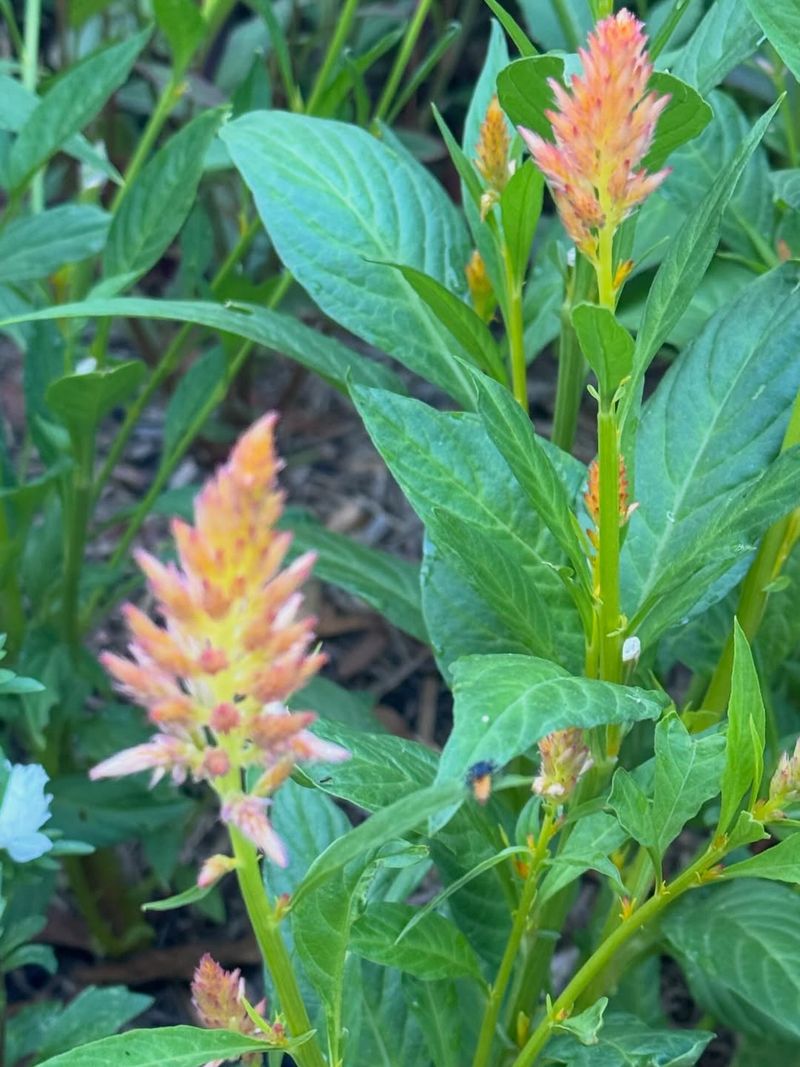
Celosia is one of those flowers that stops people in their tracks. Whether it is the feathery plume types or the wild, brain-like cockscomb varieties, celosia brings a uniquely dramatic look to any garden.
Oregon gardeners who discover it tend to become instant fans. But timing its planting correctly is everything.
Celosia is a true warm-season plant that originated in tropical Africa and Asia. It needs soil temperatures of at least 60 to 65 degrees Fahrenheit to germinate and grow well.
Plant it too early in Oregon’s cool, damp spring soil and the seeds may rot, or seedlings may emerge weak and struggle to establish any meaningful root system.
Cold temperatures also cause celosia to stunt permanently in some cases. A plant that experienced severe cold stress early in its life may never fully recover, even after the weather warms up.
That early setback can mean fewer blooms and shorter plants all season long.
Oregon gardeners should hold off on planting celosia outdoors until late May or early June, depending on their specific location. The coast and higher elevation areas should lean toward early June.
Starting seeds indoors about four weeks before the outdoor planting date works well, since celosia does not need a long indoor period. Warm, well-drained soil and full sun will help it flourish beautifully all summer.
10. Ageratum
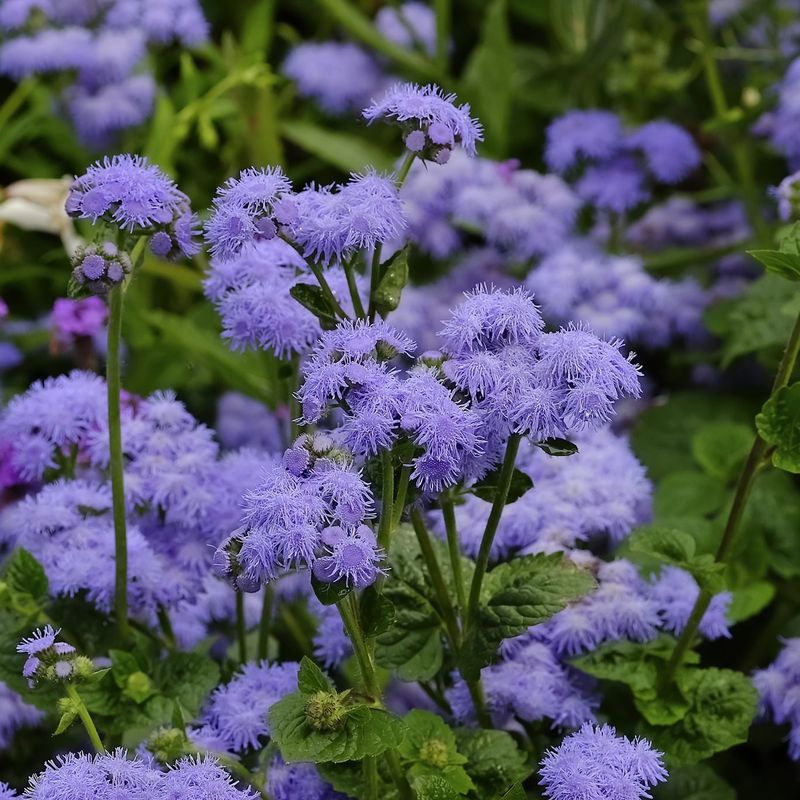
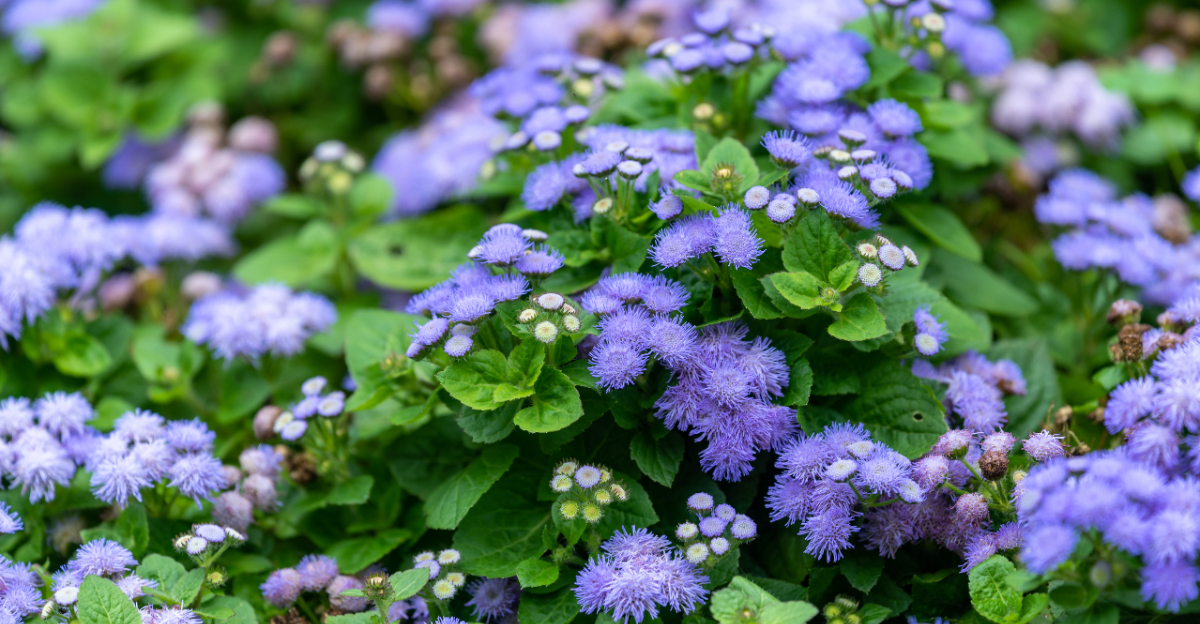
Ageratum may not be the flashiest flower in the garden, but those soft, fluffy clusters of blue, purple, or white blooms have a quiet charm that gardeners absolutely love. They are excellent border plants and pair beautifully with taller annuals like zinnias and marigolds.
But in Oregon, planting ageratum too early is a mistake that catches many gardeners off guard.
Ageratum is a warm-season annual that originated in Central America and Mexico. It is not frost-hardy at all, and even cool temperatures without a hard frost can cause significant stress.
Soil temperatures below 60 degrees Fahrenheit slow root development and leave plants looking pale and weak for weeks.
Oregon’s unpredictable spring weather is particularly hard on ageratum. A sunny week in late April might tempt you to plant, but a return to cool, rainy weather shortly after can leave your ageratum plants struggling to survive rather than growing and blooming.
Waiting until late May is the standard recommendation for most of the Willamette Valley and other parts of western Oregon. For the coast and cooler inland regions, early June is a safer bet.
Start ageratum seeds indoors six to eight weeks before your planned outdoor planting date under bright grow lights. Transplant carefully outdoors once nighttime temperatures stay reliably above 50 degrees Fahrenheit, and your ageratum will reward you with months of beautiful blooms.