These 10 Front Yard Design Mistakes Are Ruining Florida Curb Appeal
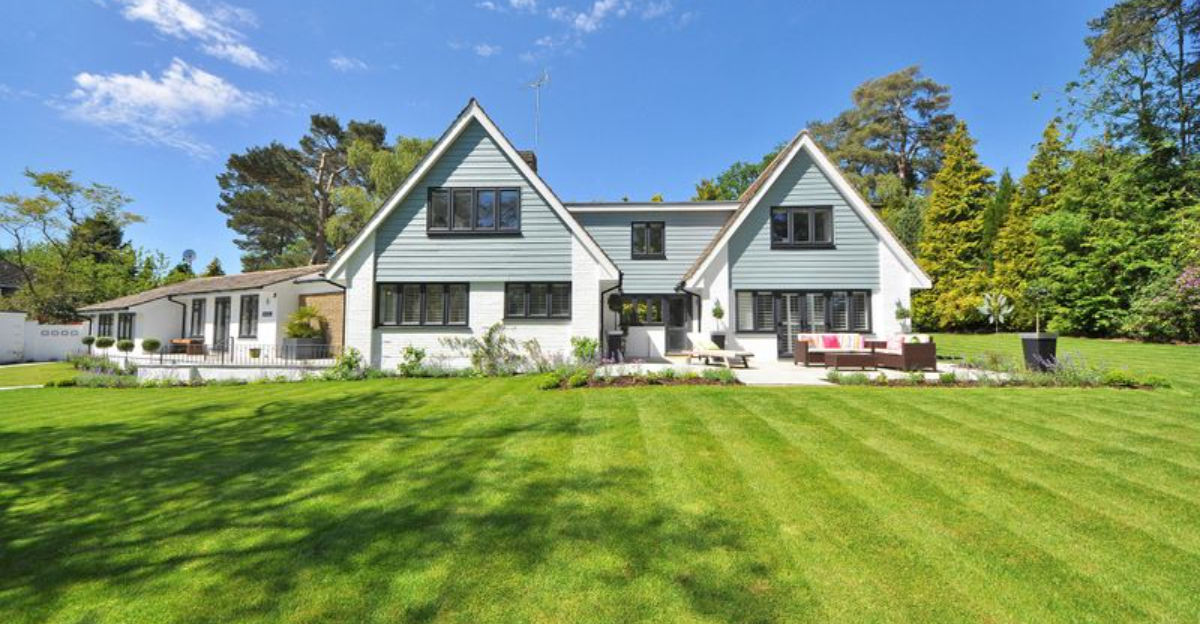
Florida homes have a certain magic from bright sunshine to swaying palms and colorful blooms. But even in paradise, curb appeal can quietly slip away without homeowners realizing it.
You might mow regularly, water faithfully, and still feel like something about your front yard looks off. Neighbors’ homes seem sharper.
Your house feels a little less inviting. That uneasy feeling usually comes from small design mistakes that add up fast in Florida’s powerful growing climate.
Plants grow faster here. Sun exposure is stronger. Rainfall changes everything.
What works in other states often fails in this environment, and what looks fine one season can spiral out of control the next.
The good news is that most curb appeal problems are easy to fix once you know what to look for.
A few simple adjustments can transform your front yard from average to eye-catching and make your home feel brighter, cleaner, and more welcoming the moment someone pulls into the driveway.
1. Plants Pressed Too Close To The House
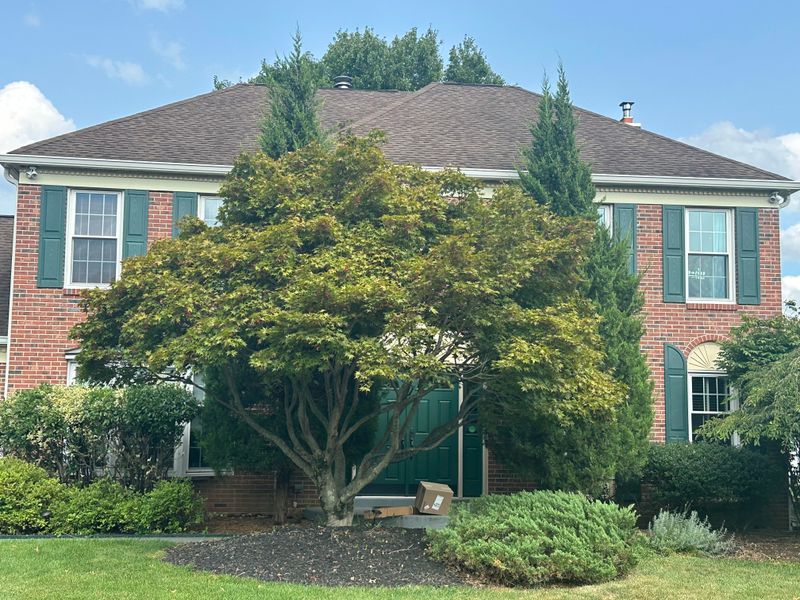
When you walk past a home and notice foundation plants brushing against the siding or crowding the front windows, something feels off even if you cannot name it. The house looks squeezed, almost trapped behind greenery that was supposed to frame it beautifully.
Homeowners plant shrubs and perennials close to the foundation hoping for instant fullness, not realizing how aggressively Florida’s heat and rainfall push growth.
In South Florida, a croton or ixora planted six inches from the wall can easily double in width within a year. Central Florida sees similar spurts during summer rainy season.
Even North Florida’s slower winter months cannot stop spring expansion.
This crowding blocks airflow, traps moisture against your home, and invites pests looking for cool hiding spots. Your house starts to feel hidden rather than highlighted.
Pulling plants back 18 to 24 inches from the foundation instantly opens up visual breathing room.
Your home looks taller, cleaner, and more intentionally designed. Windows catch light again, and the architecture gets to shine instead of disappearing behind dense foliage that nobody planned for.
2. Sun And Shade Are Being Ignored
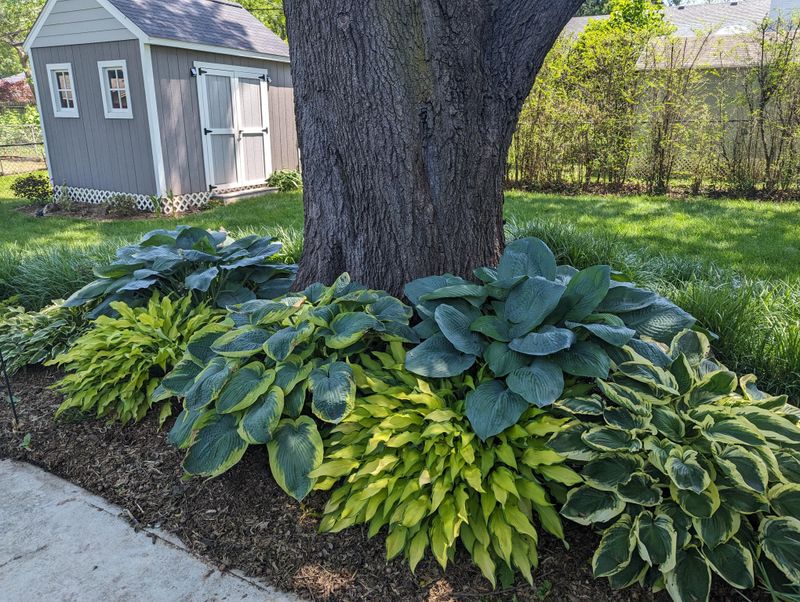
Picture a sun-loving bougainvillea planted under a sprawling oak, struggling to bloom while shade-loving ferns bake in full afternoon sun a few feet away. Both plants look stressed, thin, and dull instead of vibrant and healthy.
Ignoring light conditions is one of the fastest ways to make a Florida front yard look tired and neglected.
Many homeowners choose plants based on color or size without checking whether their yard offers the right light. A plant fighting the wrong exposure never thrives, no matter how much you water or fertilize.
In Central and South Florida, afternoon sun is especially brutal and can scorch plants labeled as full sun in cooler states.
North Florida gardeners sometimes underestimate how much shade deciduous trees create in summer. Matching plants to actual light conditions transforms your yard almost overnight.
Pentas and lantanas explode with color in sunny spots.
Caladiums, ferns, and some hostas bring lush texture to shaded corners. Your front yard starts looking like it was designed by someone who understands Florida, not someone guessing from a catalog.
3. Too Many Styles Fighting Each Other
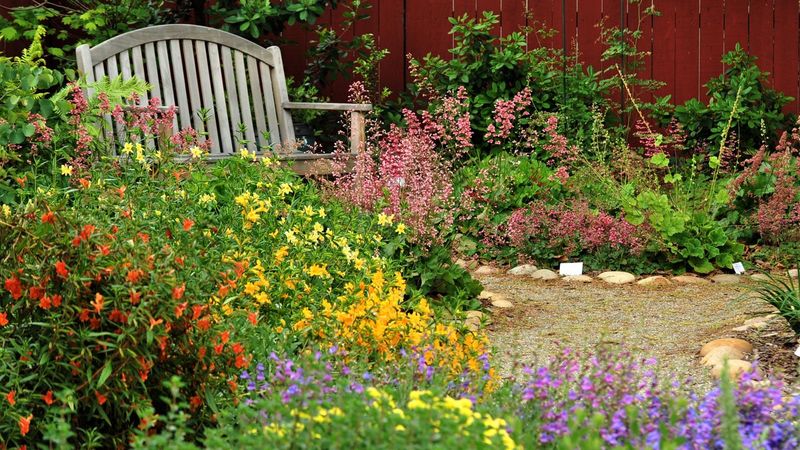
You see it in neighborhoods everywhere: a front yard mixing formal boxwood hedges with wild tropical palms, rustic split-rail fencing beside sleek modern planters, and a cottage-style mailbox next to minimalist concrete pavers.
Each element might look fine alone, but together they create visual chaos that makes the whole yard feel confused and unfinished.
Homeowners often add features over time without a unifying vision, picking up ideas from different sources and layering them in. Florida’s design flexibility makes this especially easy because so many styles work here, from coastal casual to Mediterranean elegance.
But when too many compete, none of them land.
Your eye does not know where to focus, and the home loses its personality. Choosing one clear style and letting every plant, hardscape, and accent support that direction brings instant cohesion.
A tropical look leans into palms, bromeliads, and bold foliage.
A cottage garden embraces flowering shrubs, curved beds, and natural stone. Once your front yard speaks one design language, it stops looking like a collection of random choices and starts feeling intentional, polished, and welcoming.
4. Big Empty Soil Patches Stand Out
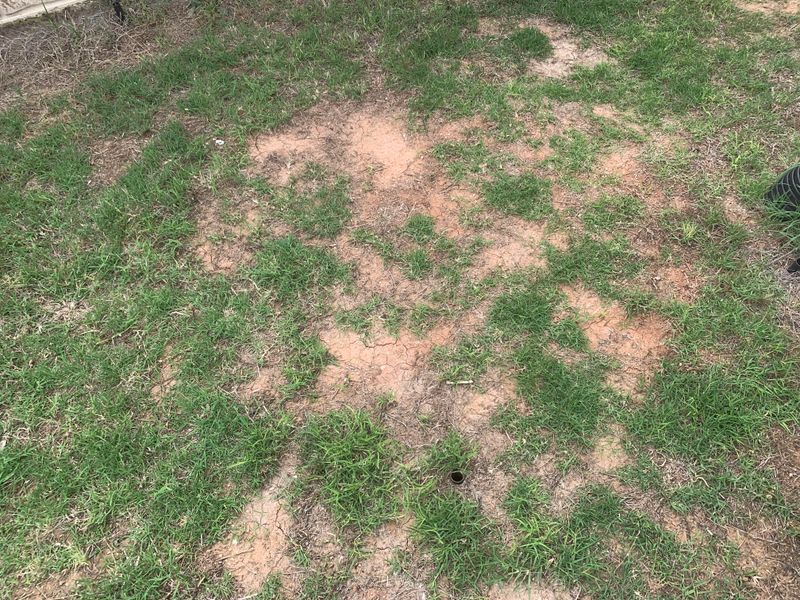
Bare dirt between plants catches your eye immediately, especially in Florida where everything around it grows so fast and full. Those empty patches make a yard look unfinished, like the homeowner ran out of plants halfway through or simply gave up.
Weeds love exposed soil and move in quickly, making the problem even more obvious.
Many people leave gaps thinking plants will fill in, but in Florida’s variable rainfall and intense sun, bare soil either turns to dust or washes away during summer storms. Exposed ground also heats up fast, stressing nearby plant roots and creating an unwelcoming look.
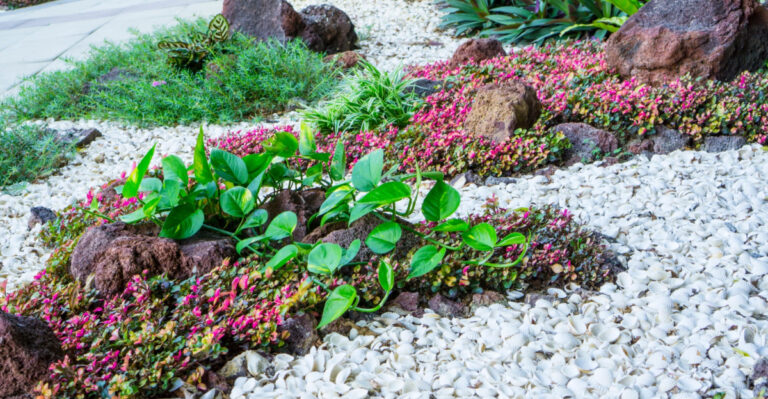
Covering soil with mulch, groundcovers, or low-growing perennials solves the problem beautifully.
Mulch regulates temperature, holds moisture, and gives beds a clean finished edge. Groundcovers like asiatic jasmine or perennial peanut spread steadily and stay green most of the year across much of Florida.
In South Florida, you can use tropical options like beach sunflower.
North Florida gardeners find success with liriope and mondo grass. Once those gaps disappear, your front yard looks intentional, cared for, and complete instead of patchy and forgotten.
5. Plants Outgrowing Their Space
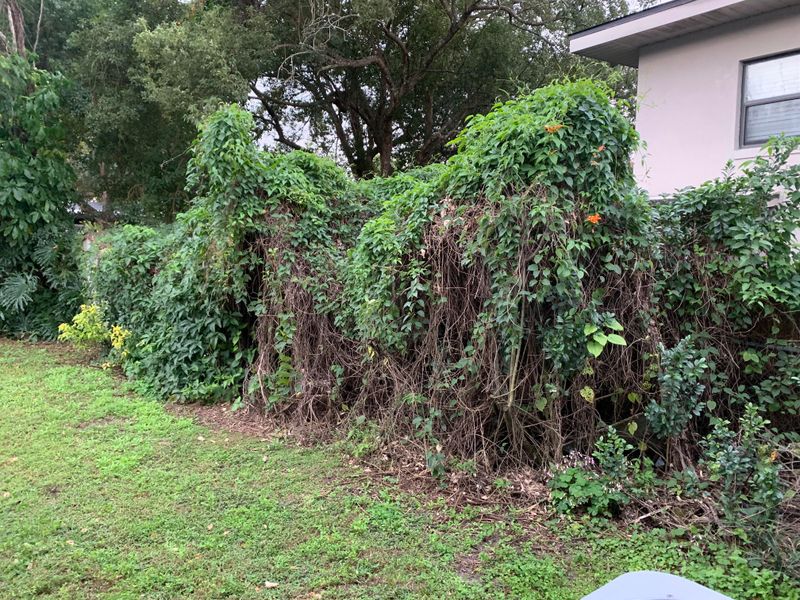
When a shrub meant to stay three feet tall shoots up past the roofline or sprawls across the walkway, your front yard stops looking designed and starts looking out of control.
Oversized plants dominate the view, hide architectural details, and make the whole property feel smaller and darker.
Overgrown shrubs and trees also increase storm damage risk during Florida’s hurricane season by catching more wind and debris.
Florida’s growing conditions encourage this problem because many plants grow much larger here than their tags suggest.
A ligustrum hedge can add two feet of height in a single summer. Loropetalum and Indian hawthorn quickly outgrow their intended spots if not pruned regularly.
Homeowners often choose plants based on their size at the garden center without researching mature dimensions or accounting for Florida’s aggressive growth cycles.
Once a plant outgrows its space, it requires constant trimming or looks messy and overgrown. Replacing oversized plants with appropriately scaled varieties opens up your yard and brings back balance.
Dwarf varieties of popular shrubs give you the look you want without the overwhelming size.
Compact beautyberry, dwarf yaupon holly, and smaller pittosporum cultivars stay manageable and let your home shine instead of hiding behind runaway greenery.
6. Lawns Taking Over The Front Yard
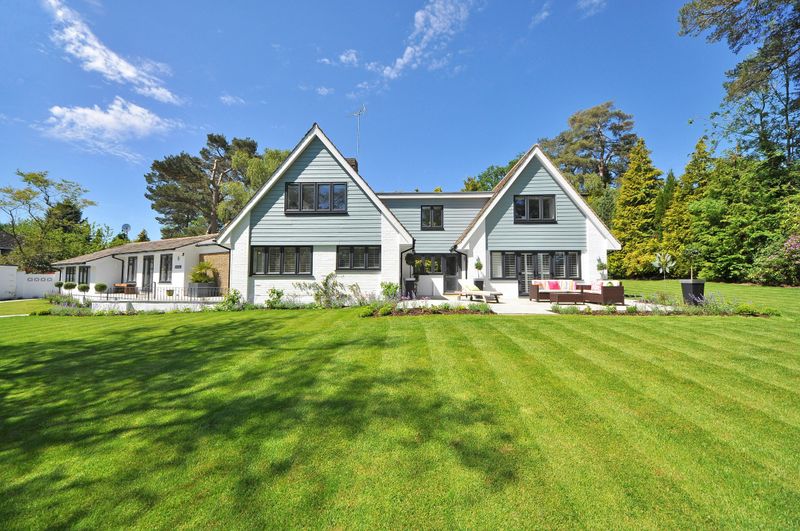
A front yard that is nothing but grass from sidewalk to front door feels flat, boring, and strangely empty even when the lawn is perfectly mowed. Grass alone does not create visual interest, frame your home, or guide visitors toward the entry.
It just sits there, requiring constant mowing, edging, watering, and fertilizing without adding curb appeal.
Many Florida homeowners default to all-lawn front yards because grass feels safe and low-maintenance, but the reality is different. St. Augustine and Bahia grass need regular care to look good, and during Florida’s dry spells or extreme summer heat stress, large lawns can turn patchy and brown.
Reducing lawn area and adding layered planting beds instantly elevates your curb appeal.
Beds along the foundation, around trees, and flanking the walkway create depth, color, and structure. You can mix flowering shrubs, ornamental grasses, and seasonal color for year-round interest.
Less lawn also means less mowing, less water, and fewer chemicals.
Your front yard starts feeling designed instead of default, and neighbors notice the transformation immediately because your home finally has personality and polish instead of just grass.
7. Entryways That Don’t Feel Inviting
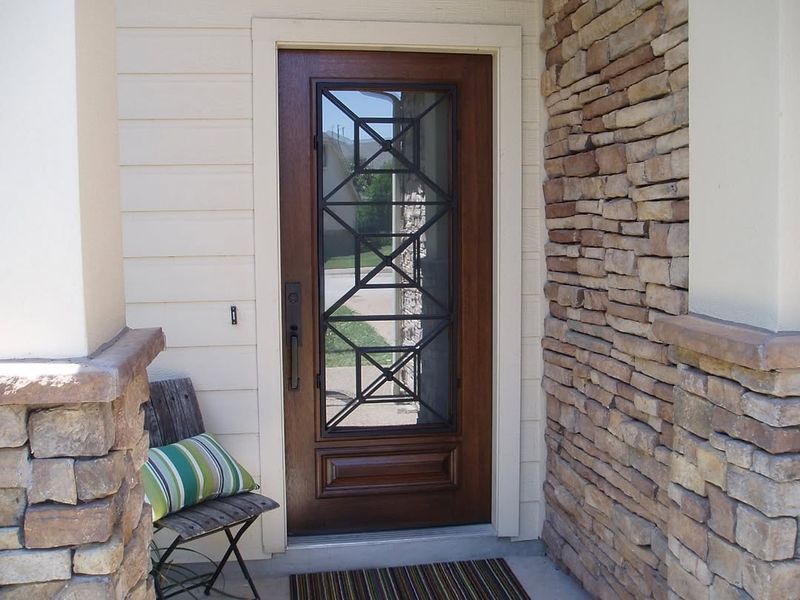
Your front door should draw people in, but if the path is narrow, dark, or lined with overgrown shrubs, visitors hesitate instead of feeling welcomed. An entryway that feels like an afterthought makes your whole home seem less approachable, even if the rest of the yard looks great.
Florida’s bright light makes shadowy, cramped entries stand out even more.
Homeowners often focus on foundation planting and lawn care but forget that the entry is where first impressions truly form. A plain concrete walkway with no lighting, no flanking plants, and no clear focal point does not invite anyone forward.
Adding simple upgrades transforms how your home feels.
Widen the walkway if possible, or visually expand it with border plantings and low landscape lighting. Frame the front door with symmetrical planters, colorful blooms, or architectural plants like bird of paradise or sago palms (avoid sago palms if you have pets).
Paint or stain the door a welcoming color that contrasts with your home’s exterior.
Add a new house number plaque, updated door hardware, or a seasonal wreath. These small touches make your entryway feel intentional, warm, and genuinely inviting instead of forgettable.
8. Messy Mulch And Bed Lines
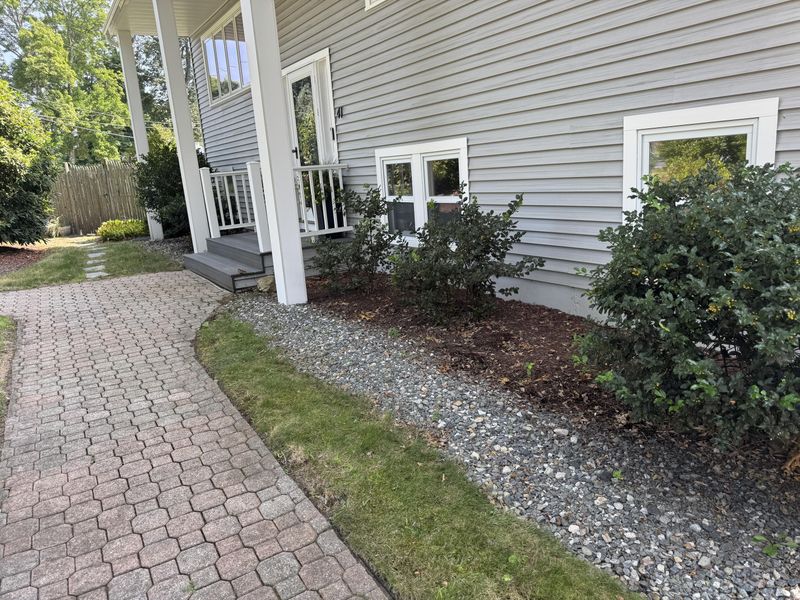
When mulch spills onto the lawn, bed edges blur into grass, and the color of your mulch does not match your home, the whole yard looks sloppy no matter how healthy your plants are.
Clean lines and fresh mulch are some of the fastest, most affordable ways to boost curb appeal, yet many Florida homeowners overlook this simple step.
Mulch fades fast under Florida sun, turning gray and dusty within months. Grass creeps into beds, and without defined edges, your landscaping loses its shape and structure.
Refreshing mulch once or twice a year and re-edging beds keeps everything looking crisp and intentional.
Use a natural brown or dark hardwood mulch that complements your home’s color palette. Avoid dyed red mulch, which often looks artificial and clashes with Florida’s natural tropical tones.
Edge beds with a clean line using a flat shovel or install permanent edging like aluminum or steel for lasting definition.
Pull back mulch from plant stems to prevent rot and pests. Once your beds have sharp edges and fresh mulch, your front yard looks professionally maintained, and that polished look makes your entire property feel more valuable and cared for.
9. Shrubs Blocking Windows And Light
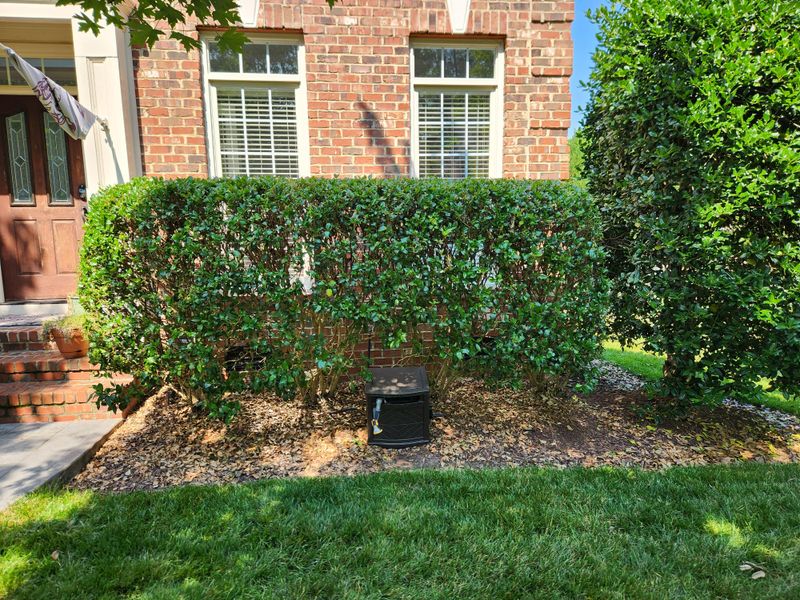
When you cannot see the windows from the street because shrubs have grown up and over them, your home looks dark, closed off, and smaller than it actually is. Blocked windows also cut natural light inside, making rooms feel dim and uninviting.
This mistake happens gradually as Florida’s year-round growing season pushes shrubs upward and outward faster than homeowners expect.
A viburnum or wax myrtle planted below a window can reach window height within two to three years in Central and South Florida. Even in North Florida, spring and summer growth quickly covers lower panes.
Many people hesitate to prune hard or remove plants they have invested time and money into, so they let shrubs keep climbing.
But windows are architectural features that deserve to be seen. Trimming shrubs to sit below the window sill or replacing tall growers with low, compact varieties opens up your home’s facade.
Suddenly your house looks brighter, more welcoming, and better proportioned.
Light floods into interior rooms, and your curb appeal improves dramatically because the home’s design is no longer hidden behind greenery that should be framing, not covering, your windows.
10. Nothing Looks Good All Year Long
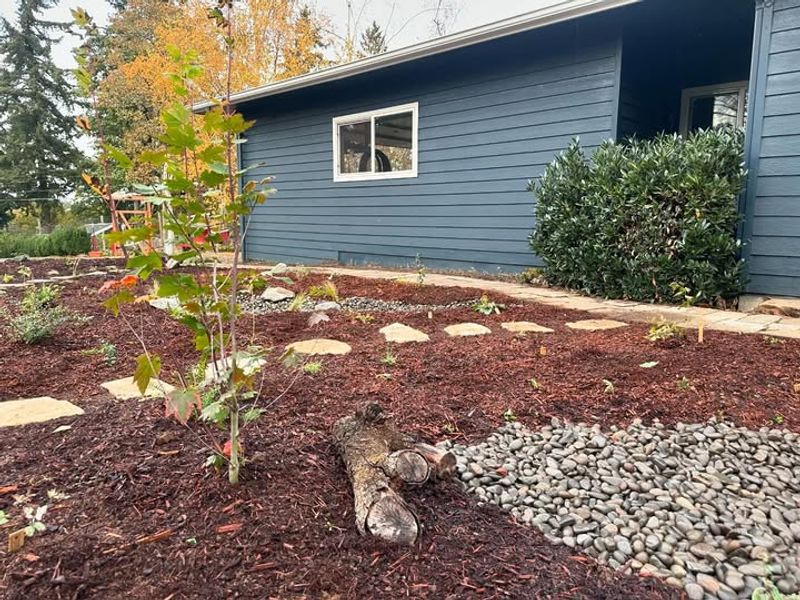
A front yard that looks amazing in spring but bare and brown by fall tells visitors that your landscaping was not planned for year-round appeal.
Florida’s climate allows for continuous color and texture, but many homeowners plant only seasonal annuals or rely on a single bloom period, leaving their yard looking tired and neglected for months at a time.
In North Florida, some plants slow down or go dormant in winter, so planning for evergreen structure and cool-season color keeps your yard interesting. Central Florida enjoys near year-round growth, making it easy to layer plants with staggered bloom times.
South Florida rarely sees a true dormant season, so there is little reason for long gaps in color or interest.
Mixing evergreen shrubs with perennials that bloom at different times ensures something always looks good. Add plants with interesting foliage, bark, or form so your yard has visual appeal even when nothing is flowering.
Rotate seasonal annuals in key spots for pops of color.
When your front yard looks polished and vibrant every single month, your home stands out as one that is truly cared for and thoughtfully designed.