These Frost Protection Tips Can Save Your Florida Garden This January
January in Florida can surprise even the most seasoned gardeners with its sudden frost.
The Sunshine State is known for warmth, palm trees, and vibrant gardens, but winter cold snaps can strike without warning, leaving tender tropical plants vulnerable.
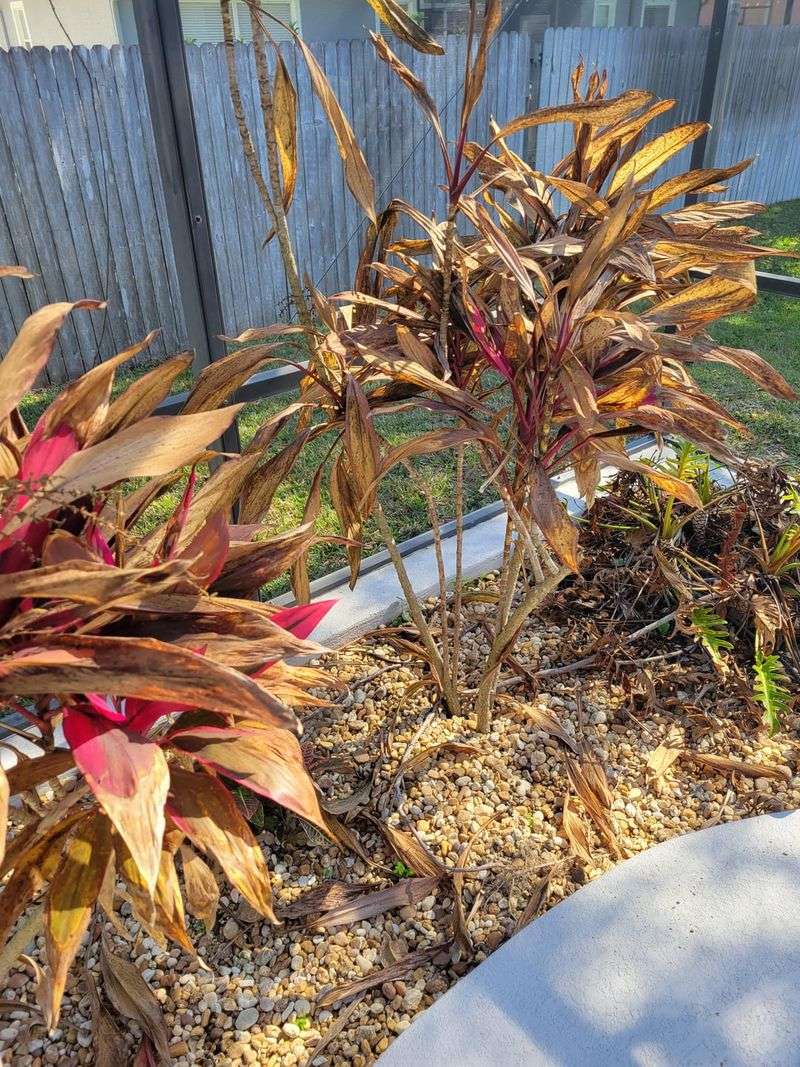
One night of freezing temperatures can blacken leaves, stunt growth, and turn months of careful landscaping into a recovery project.
From north to south, Florida’s diverse climate zones shape the risks each garden faces.
Northern regions may experience temperatures in the low twenties, central areas see frost during rare Arctic incursions, and even southern gardens are not entirely safe from unusual cold.
Understanding how frost forms, recognizing which plants are most at risk, and preparing in advance are crucial for keeping gardens healthy.
With the right strategies, homeowners can turn these chilling nights into opportunities to protect and preserve their landscapes, ensuring vibrant blooms, thriving vegetables, and strong tropical trees throughout winter and into the spring season.
1. Florida’s January Weather And Why Frost Is A Serious Garden Threat
Florida’s climate zones create a fascinating patchwork of temperature variations that gardeners need to understand before the first cold front arrives.
North Florida experiences USDA hardiness zones 8a through 9a, where temperatures can plunge into the low twenties during January cold snaps.
Central Florida sits comfortably in zones 9a through 10a, typically seeing frost only during the most extreme weather events that sweep down from the arctic.
South Florida enjoys zones 10b through 11a, where frost remains rare but not impossible during unusual cold patterns.
The Florida Automated Weather Network tracks these temperature swings carefully, showing that even Miami has recorded temperatures below forty degrees during exceptional January events.
Your garden’s vulnerability depends entirely on which region you call home and the specific microclimate surrounding your property.
Cold air masses from Canada occasionally break through the Gulf Stream’s warming influence, dropping temperatures rapidly across the peninsula.
These events typically last only twelve to twenty-four hours, but that brief exposure can stress sensitive plants significantly.
Understanding your local frost risk helps you prepare appropriate protection measures before meteorologists issue freeze warnings for your county.
2. How Frost Forms And What It Does To Plants
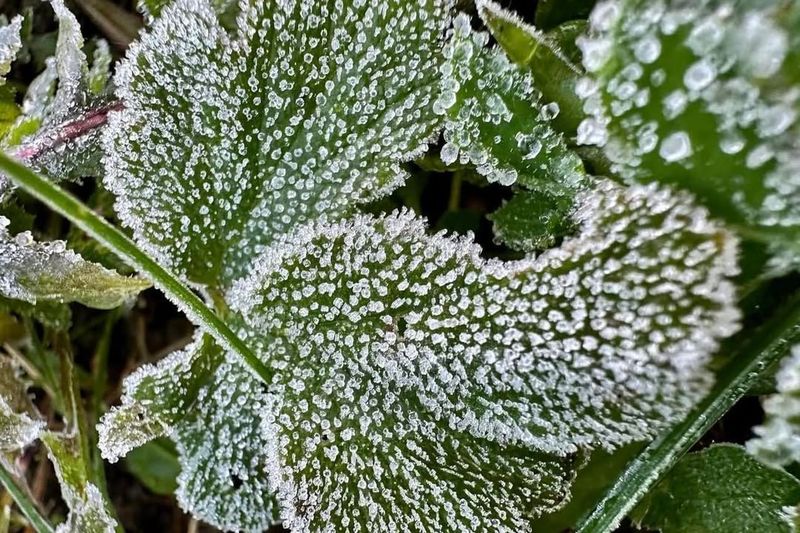
Frost develops when moisture in the air freezes onto surfaces as temperatures drop below thirty-two degrees Fahrenheit, creating delicate ice crystals that can seem beautiful until you realize the damage they cause.
The process begins on clear, calm nights when heat radiates away from the earth’s surface without cloud cover to trap warmth near the ground.
Wind typically prevents frost formation by mixing warmer air down from higher elevations, but still nights create perfect conditions for widespread freezing.
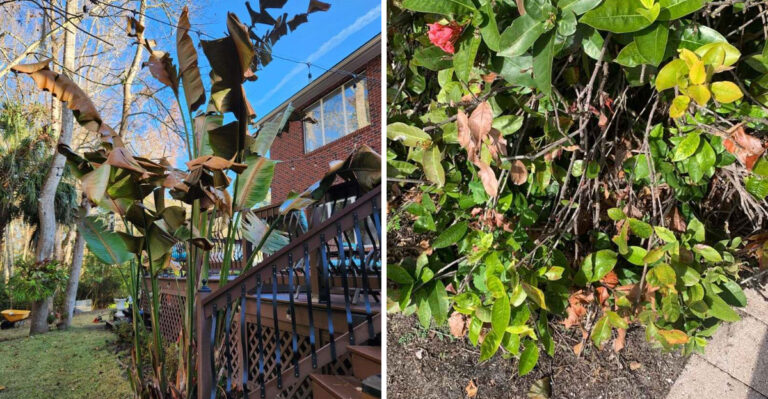
Plant cells contain water that expands when frozen, rupturing cell walls and causing the tissue damage you see as blackened, wilted foliage the next morning.
Tender new growth suffers first because young cells have thinner walls and higher water content than mature plant tissues.
Tropical species evolved without frost exposure, so they lack the cellular adaptations that allow temperate plants to survive freezing temperatures without significant harm.
Different frost types create varying levels of danger for your garden plants throughout January’s unpredictable weather patterns.
Light frost occurs between twenty-nine and thirty-two degrees, damaging only the most sensitive species like impatiens, hibiscus, and basil.
Hard freezes drop below twenty-eight degrees for several hours, threatening even cold-hardy citrus, bougainvillea, and established palms that normally shrug off brief temperature dips.
3. Identifying The Most Vulnerable Plants In Your Florida Garden
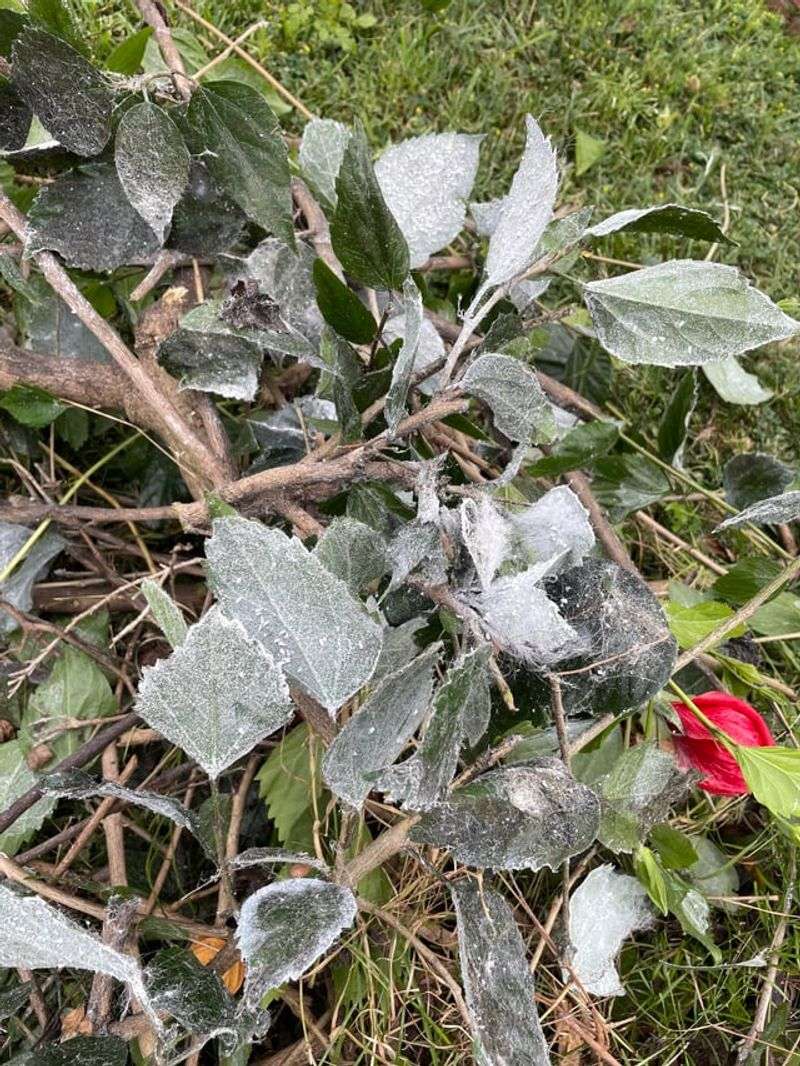
Knowing which plants need protection most urgently helps you prioritize your efforts when frost warnings arrive with little notice from the National Weather Service.
Tropical species top the vulnerability list because they evolved in frost-free environments and possess zero natural cold tolerance mechanisms.
Hibiscus, croton, ixora, pentas, and most flowering annuals will show damage when temperatures approach thirty-two degrees, requiring immediate coverage or relocation to protected areas.
Citrus trees present a more complex situation because their cold hardiness varies significantly by variety and rootstock combination.
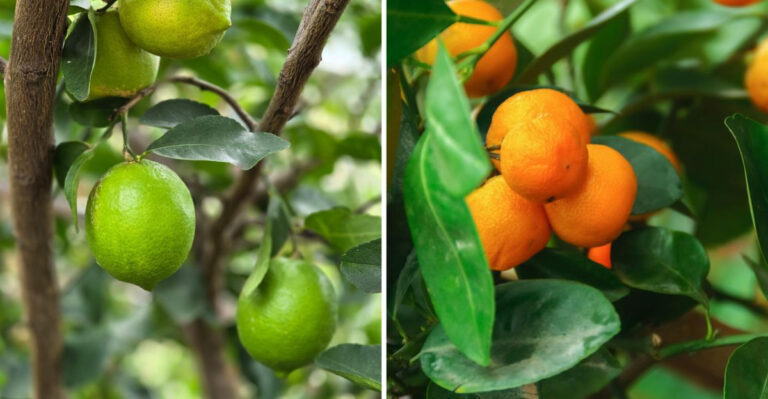
Kumquats tolerate temperatures down to about eighteen degrees, while key limes suffer damage at twenty-eight degrees or slightly below.
Satsumas and tangerines fall somewhere in the middle range, surviving brief exposure to temperatures in the low twenties without losing their entire canopy or fruit crop.
Vegetable gardens need careful assessment because different crops show vastly different frost tolerance levels that determine whether you harvest or lose your produce.
Tomatoes, peppers, squash, and beans cannot survive any frost exposure and require protection or harvest before freezing temperatures arrive.
Broccoli, cabbage, kale, and lettuce actually improve in flavor after light frost, making them excellent choices for January gardens that need minimal protection during typical Florida winter weather patterns.
4. The Best Time To Start Preparing For A Frost Event
Monitoring weather forecasts becomes essential during Florida’s winter months when cold fronts can develop and sweep southward with surprising speed.
The National Weather Service typically issues freeze watches thirty-six to forty-eight hours before expected cold conditions, giving gardeners adequate time to implement protection strategies without rushing.
Waiting until the last minute often means you cannot find supplies at garden centers or complete all necessary tasks before temperatures drop after sunset.
Afternoon preparation works best because you have daylight to see what you are doing and temperatures remain comfortable enough for extended outdoor work.
Applying covers too early in the day can trap heat underneath and actually stress plants before the cold arrives.
Most experts recommend installing frost protection between four and six o’clock in the evening, allowing trapped daytime warmth to benefit plants throughout the coldest predawn hours.
Your preparation timeline should account for the size of your garden and the number of plants requiring individual attention or specialized protection measures.
Small container gardens might need only thirty minutes to move everything into a garage or covered patio area.
Extensive landscapes with numerous in-ground tropical specimens could require several hours to properly cover, mulch, and protect using the various techniques that provide adequate insulation against damaging temperatures expected overnight.
5. How To Use Covers, Fabric, And Plastic The Right Way
Choosing appropriate covering materials makes the difference between effective protection and wasted effort when frost threatens your Florida garden overnight.
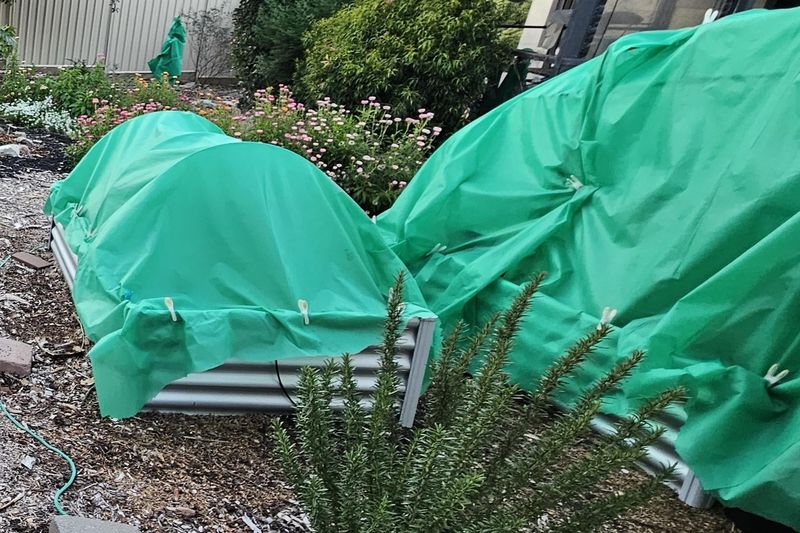
Frost blankets made from spunbonded polypropylene fabric provide excellent insulation while allowing moisture to escape, preventing the fungal problems that develop under impermeable materials.
These commercial products typically add four to eight degrees of protection, which proves sufficient for most Florida frost events that hover just below freezing for brief periods.
Old sheets, blankets, and towels work surprisingly well as emergency frost protection if you lack specialized garden fabric when cold weather arrives unexpectedly.
The key is ensuring your makeshift covers reach all the way to the ground, trapping warmer soil heat around plant foliage throughout the night.
Draping fabric over plants without securing the edges allows cold air to flow underneath, rendering your protection efforts essentially worthless despite the time invested.
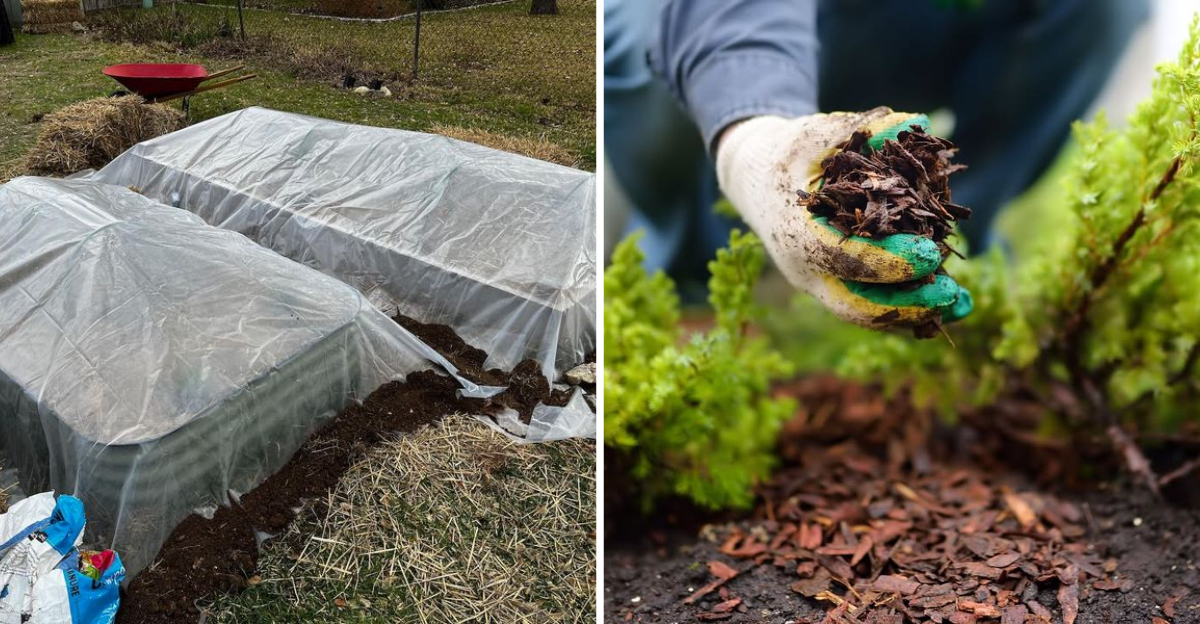
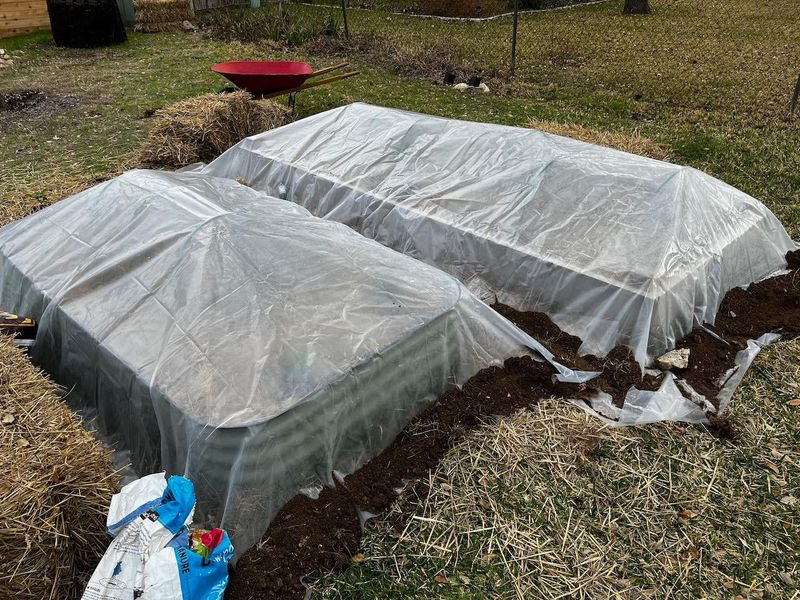
Plastic sheeting requires extra caution because it conducts cold directly to any foliage it touches, causing more damage than leaving plants uncovered in many situations.
If you must use plastic, create a frame with stakes or tomato cages that holds the material away from leaves and stems.
Remove plastic covers by mid-morning to prevent overheating as temperatures rise, while breathable fabrics can remain in place for several days if extended cold weather continues across your region.
6. Watering And Mulching Techniques That Protect Plant Roots
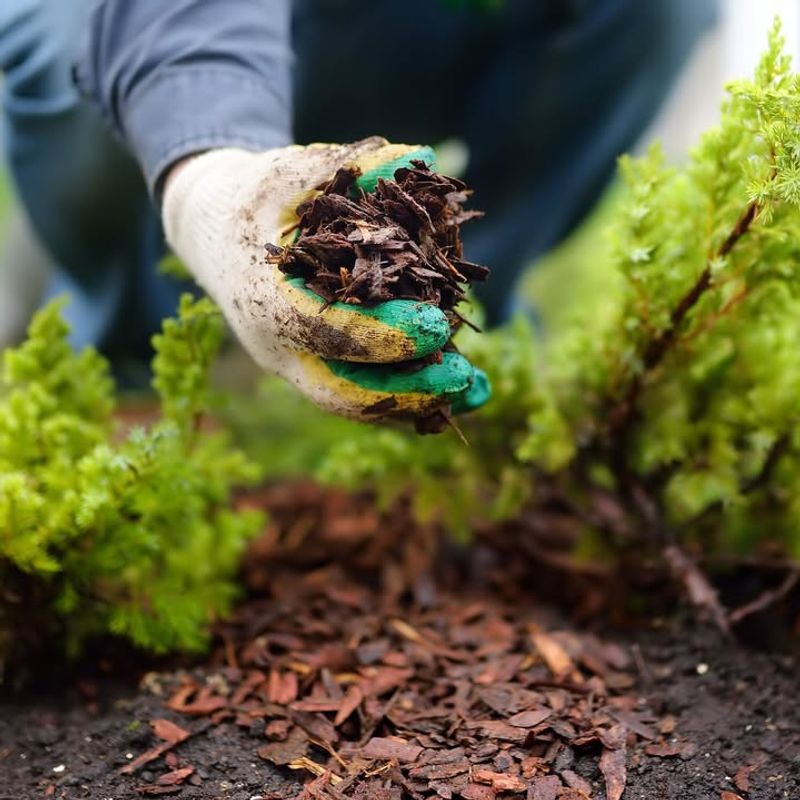
Moist soil holds significantly more heat than dry ground, making thorough watering one of the most effective frost protection strategies available to Florida gardeners.
Water your landscape thoroughly the day before expected frost, ensuring moisture penetrates at least six inches deep throughout root zones.
As soil water releases stored heat overnight, it creates a protective microclimate around plant bases that can prevent root damage even when foliage suffers from freezing temperatures.
Timing your watering correctly prevents ice formation on foliage while maximizing the soil’s heat retention benefits throughout the coldest hours.
Water during morning or early afternoon so leaves dry completely before sunset, because wet foliage freezes faster than dry leaves when temperatures drop.
The soil will retain moisture and continue releasing heat long after leaf surfaces have dried, providing exactly the protection you need without increasing frost damage risk.
Mulch acts as insulation that moderates soil temperature swings and protects tender root systems from cold penetration during extended freeze events.
Apply a three to four inch layer of organic mulch around vulnerable plants, keeping material a few inches away from trunks and stems to prevent rot.
Pine straw, shredded leaves, and wood chips all work effectively, with darker materials absorbing more daytime heat that radiates back to plants when temperatures plummet overnight across your Florida landscape.
7. Using Heat Sources And Microclimates To Your Advantage
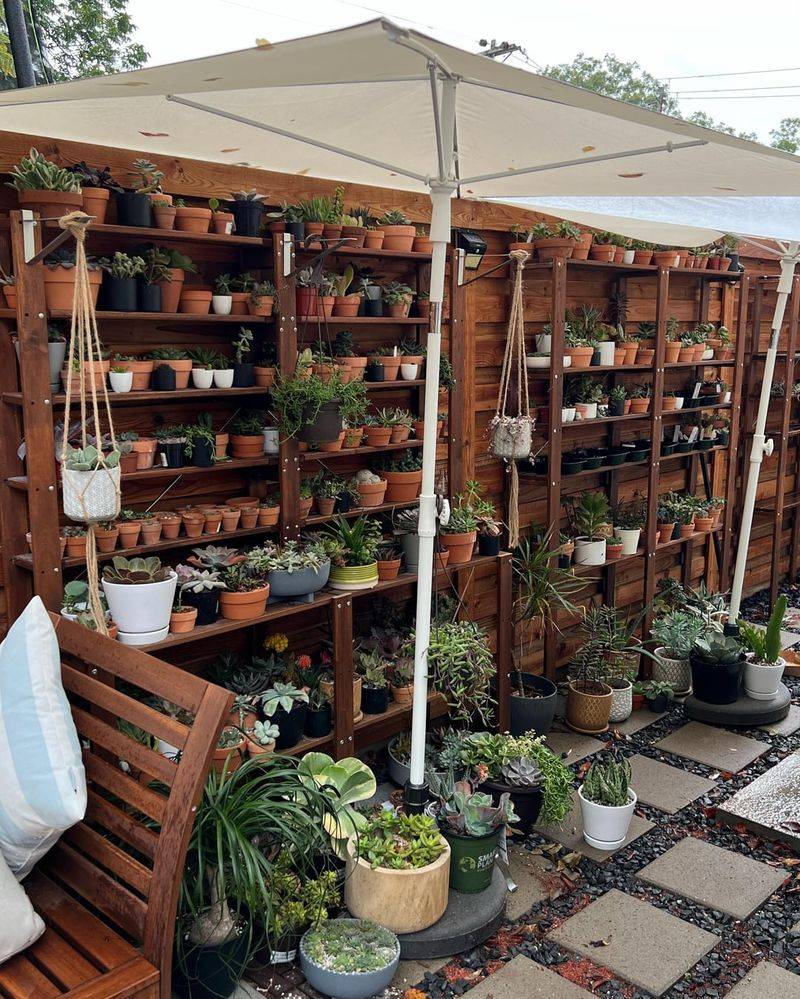
Strategic placement of outdoor heat sources can provide just enough warmth to keep temperatures above the critical freezing point in small garden areas.
Incandescent holiday lights strung through tree canopies generate surprising amounts of heat while creating a beautiful display during Florida’s winter season.
Older bulbs work better than LED versions because they produce more waste heat, which becomes beneficial rather than wasteful when protecting plants from frost damage.
Locating plants near structures creates natural microclimates that stay several degrees warmer than open garden spaces throughout cold nights.
South-facing walls absorb solar heat during the day and radiate that warmth after sunset, protecting nearby plantings from the worst temperature extremes.
Overhangs and eaves provide additional protection by preventing heat radiation into the night sky, which is the primary mechanism that causes frost formation on clear, calm evenings.
Grouping container plants together and moving them against the house creates a protected zone where combined plant mass and building warmth moderate temperature drops.
The north side of your home stays coldest, while southern and western exposures offer maximum protection from January frost events.
Garages, covered patios, and even carports provide excellent temporary shelter for potted tropicals that cannot survive exposure to freezing temperatures predicted by meteorologists for your specific Florida county or region.