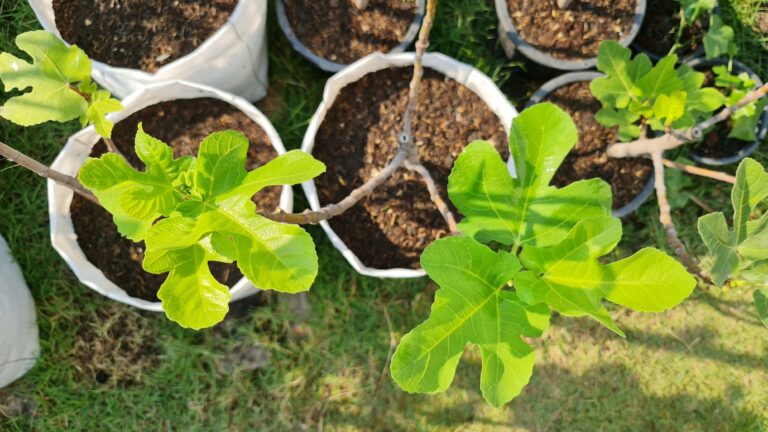
These 10 Fruit Trees Are Perfect For Beginners In Texas
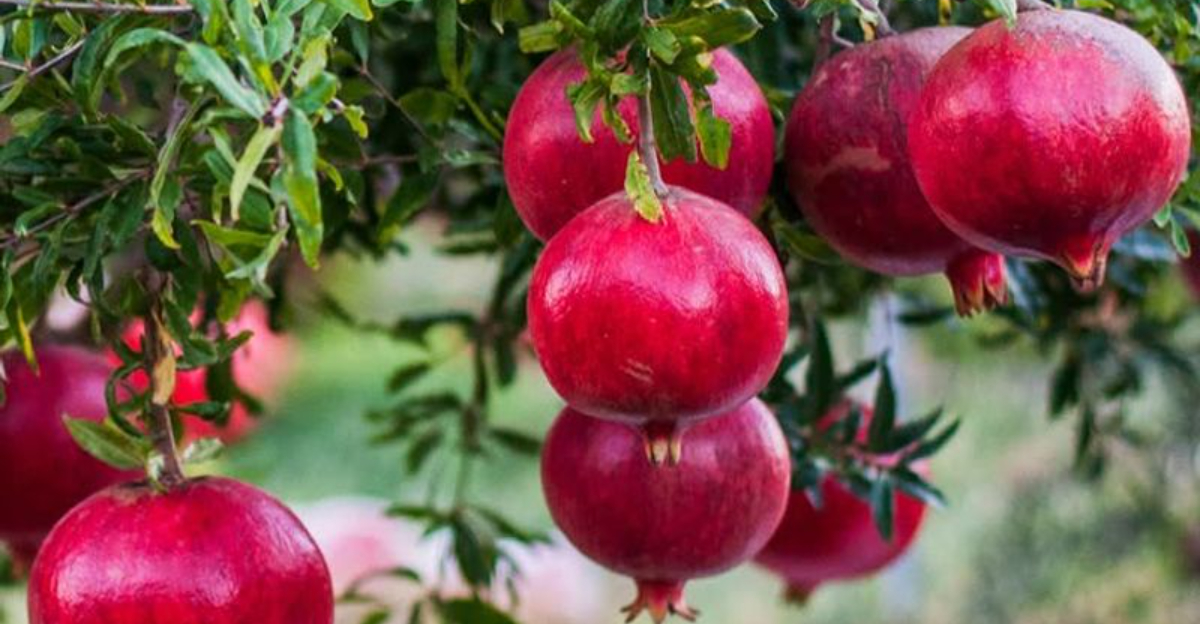
Growing fruit in Texas doesn’t have to be complicated. Some trees are easier to care for than others, making them ideal for beginners who want fresh, homegrown produce without years of trial and error.
Start small, grow strong, and enjoy delicious fruit from your own yard. These fruit trees thrive in Texas climates, requiring minimal pruning, watering, and maintenance while producing abundant harvests.
From hardy apples and peaches to flavorful citrus and plums, each variety is forgiving, resilient, and well-suited for novice gardeners. Proper planting, sunlight, and occasional care ensure strong growth and long-term productivity.
Even first-time growers can enjoy fruitful results with these reliable trees. Texas homeowners who plant these beginner-friendly fruit trees can enjoy fresh, tasty produce while building confidence and experience in gardening.
Grow your first fruit tree successfully and savor the rewards.
1. Dwarf Meyer Lemon
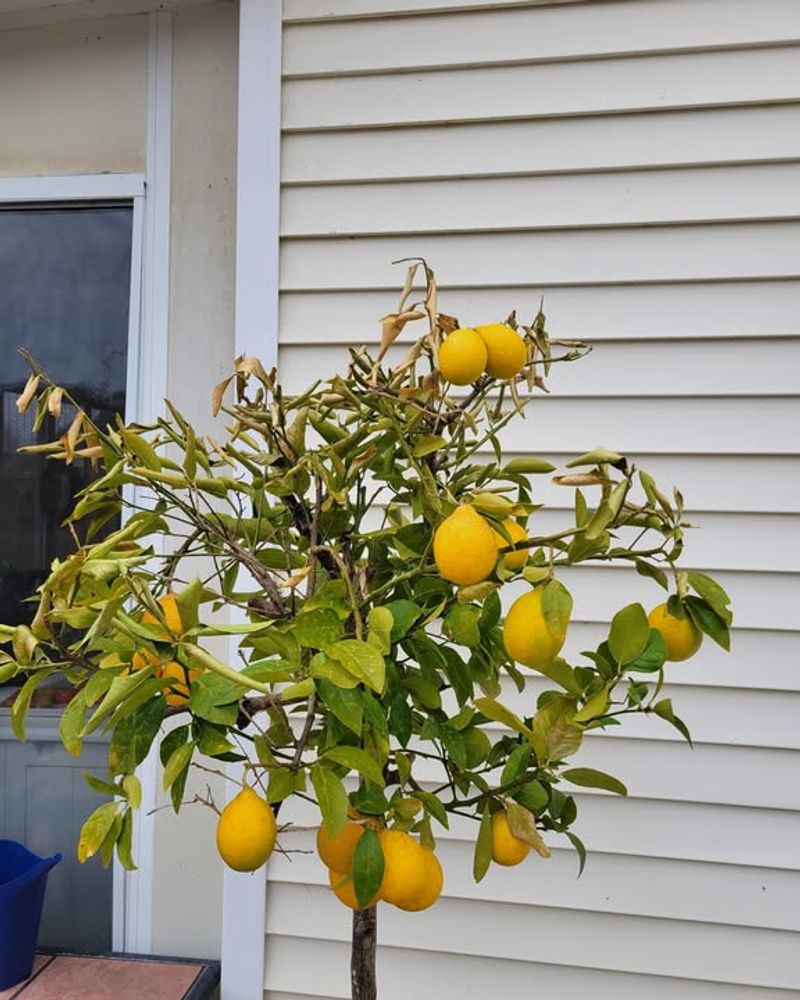
Meyer lemons have earned a special place in the hearts of Texas gardeners, and for good reason.
These compact citrus trees bring a burst of sunshine to any patio or garden bed, producing fragrant white blossoms that eventually transform into sweet, juicy lemons with a hint of mandarin flavor.
Unlike their tart grocery-store cousins, Meyer lemons are milder and more versatile, perfect for everything from lemonade to baked goods.
Container gardening becomes a breeze with these dwarf varieties, as they stay manageable in size and can be moved indoors during unexpected cold snaps.
Texas winters are generally mild enough for Meyer lemons to survive outdoors in most regions, but having the flexibility to protect them ensures a steady supply of fruit.
Their shallow root systems adapt well to pots, and they appreciate well-draining soil and consistent watering during the growing season.
One of the most appealing aspects of Meyer lemons is their relatively low maintenance requirements compared to other fruit trees.
They need full sun, regular feeding during spring and summer, and occasional pruning to maintain shape. Pests are rarely a major issue, though keeping an eye out for aphids and scale insects is always wise.
With proper care, your Meyer lemon tree will reward you with fruit almost year-round, making it an absolute winner for beginners.
2. Dwarf Fig (Brown Turkey)
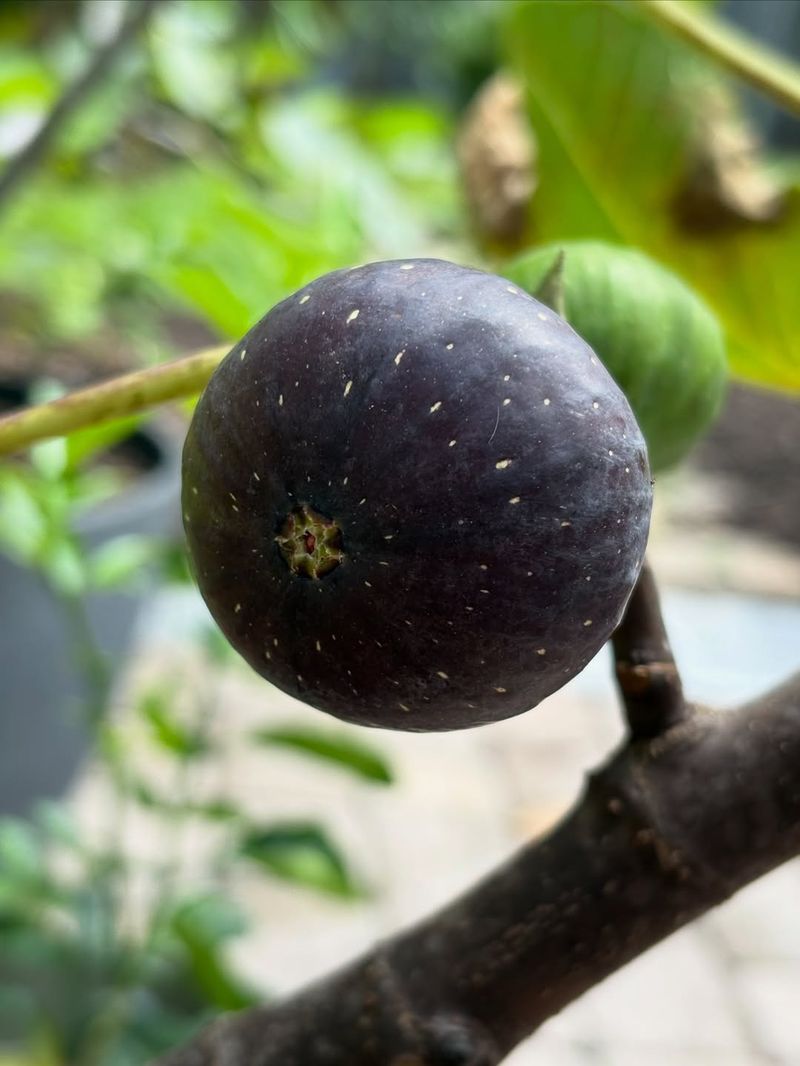
Brown Turkey figs are legendary among Texas gardeners for their ability to thrive in hot, dry conditions without demanding constant attention.
These hardy trees produce sweet, purplish-brown figs that are absolutely delicious fresh off the branch or dried for later enjoyment.
The fruit has a rich, honey-like flavor that makes it perfect for snacking, preserves, or adding to salads and desserts.
Adaptability is the name of the game with Brown Turkey figs, as they can flourish in both containers and garden beds with equal enthusiasm.
Their drought tolerance makes them ideal for Texas summers, though they will appreciate occasional deep watering during extended dry spells.
The trees develop attractive, broad leaves that provide lovely shade and add a Mediterranean feel to any landscape.
Pruning requirements are minimal, which is music to the ears of beginner gardeners who may feel intimidated by complicated maintenance routines.
Simply remove any damaged branches and shape the tree lightly in late winter to encourage healthy growth. Brown Turkey figs are also self-pollinating, so you only need one tree to enjoy a bountiful harvest.
They begin producing fruit relatively quickly, often within the first or second year, giving new gardeners that instant gratification that keeps the gardening passion alive and growing strong.
3. Dwarf Peach (Bonanza Or Elberta)
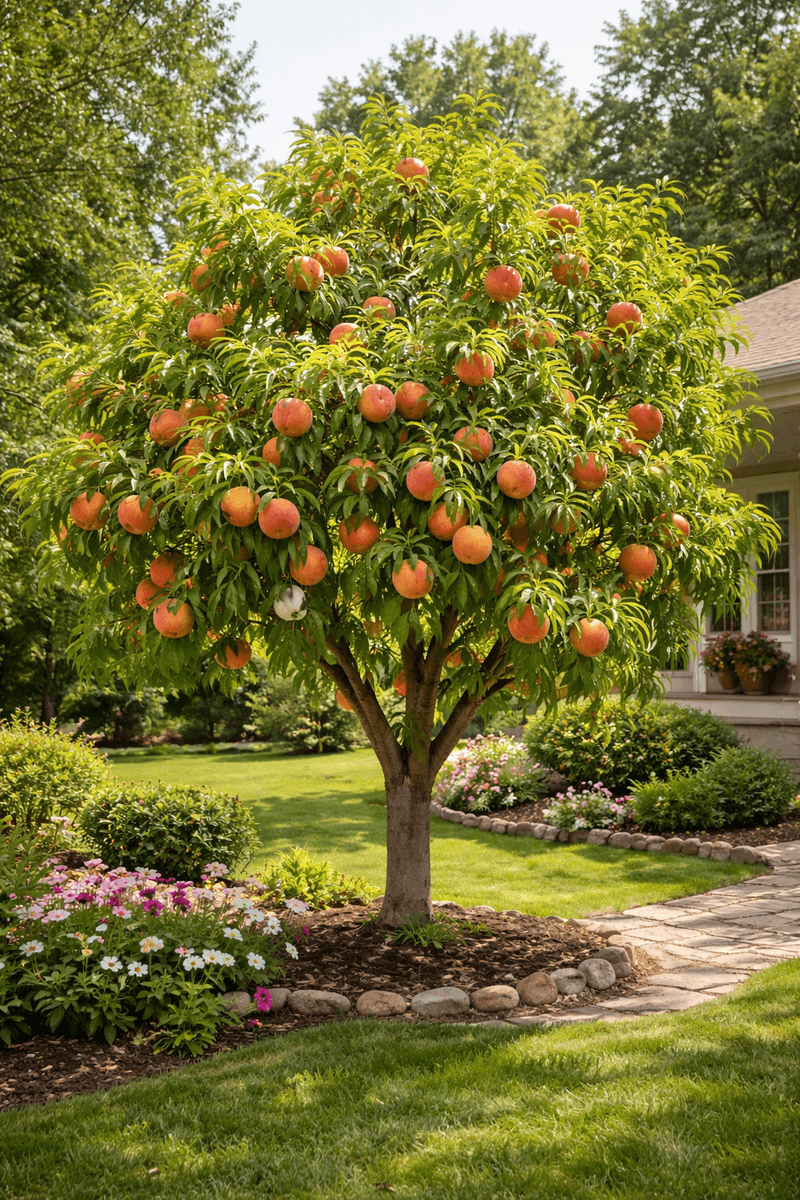
Nothing quite captures the essence of summer like biting into a sun-warmed, perfectly ripe peach from your own backyard.
Dwarf peach varieties like Bonanza and Elberta bring this delightful experience within reach for Texas gardeners who may not have acres of space to spare.
These compact trees pack all the flavor of their full-sized relatives into a more manageable package that fits beautifully in smaller yards or even large containers.
Early fruit production is one of the standout features that makes dwarf peaches so appealing to beginners eager to see results.
Many varieties begin bearing fruit within just two to three years of planting, offering sweet rewards much sooner than traditional fruit trees.
The trees burst into gorgeous pink blossoms each spring, creating a stunning display before the fuzzy green peaches begin to develop throughout the summer months.
Sunny locations are absolutely essential for dwarf peach trees to reach their full potential and produce the sweetest, most flavorful fruit. They need at least six to eight hours of direct sunlight daily and appreciate well-draining soil enriched with compost.
Regular watering during fruit development keeps the peaches plump and juicy, while annual pruning helps maintain an open canopy that allows sunlight to reach all the developing fruit.
With their manageable size and reliable production, dwarf peaches are a fantastic choice for anyone starting their fruit-growing adventure in Texas.
4. Dwarf Apple (Gala Or Fuji)
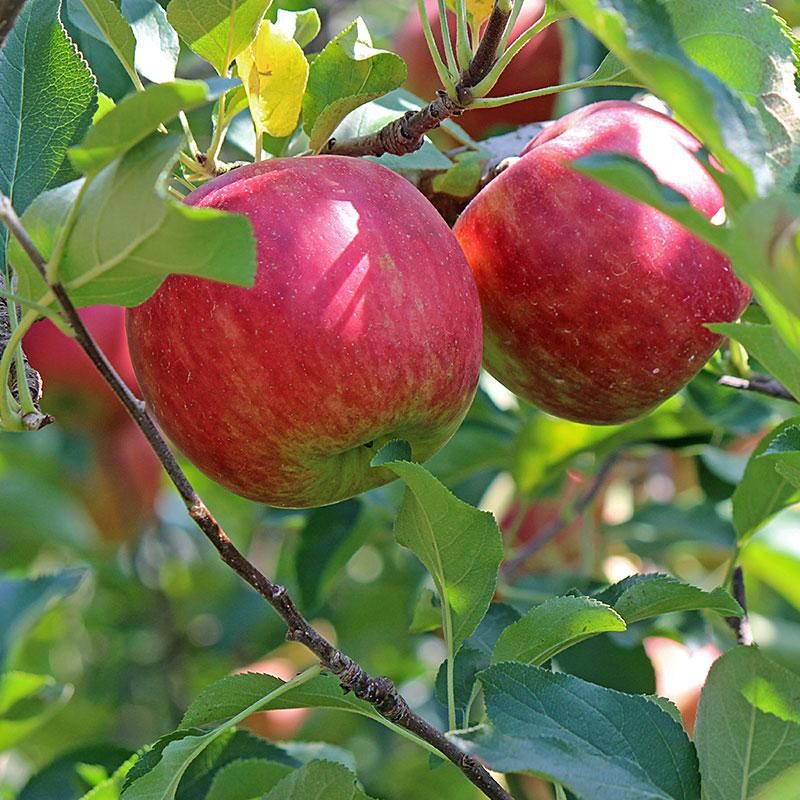
Apples might not be the first fruit that comes to mind when thinking about Texas gardening, but dwarf varieties like Gala and Fuji have proven themselves remarkably adaptable to the state’s diverse climate zones.
These compact trees bring crisp, sweet apples within reach of gardeners who previously thought apple cultivation was reserved for cooler northern states.
The key is choosing varieties bred specifically for lower chill-hour requirements, meaning they need fewer cold winter hours to produce fruit successfully.
Manageability is perhaps the greatest advantage of dwarf apple trees for beginners who might feel overwhelmed by the prospect of caring for large, sprawling trees.
These smaller versions typically reach only six to ten feet tall, making pruning, spraying, and harvesting much easier and safer.
They can be grown in large containers on sunny patios or planted directly in garden beds where they create charming focal points throughout the seasons.
Proper pollination is important to consider when planting apple trees, as most varieties need a compatible partner nearby to produce fruit. Planting two different varieties ensures cross-pollination and better fruit set, though some cultivars are self-fertile.
Regular watering during the growing season, annual fertilization, and vigilant pest monitoring will keep your dwarf apple trees healthy and productive.
The satisfaction of harvesting your own crisp, homegrown apples makes the effort absolutely worthwhile for any Texas gardener.
5. Dwarf Pear (Bartlett Or Bosc)
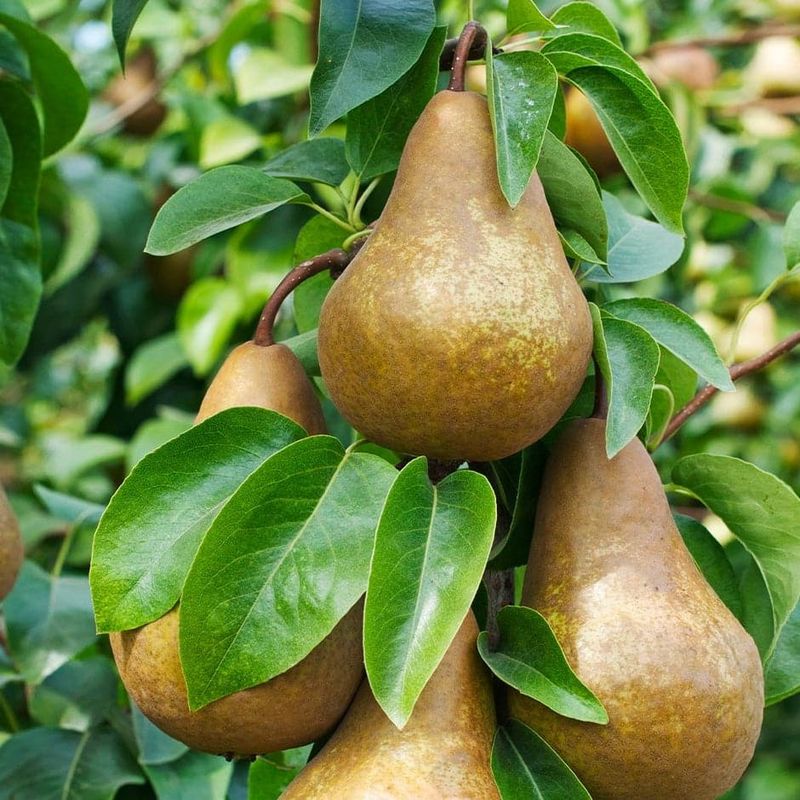
Pear trees offer an elegant addition to any Texas landscape, with their attractive spring blossoms and delicious autumn harvests making them worth every bit of garden space they occupy.
Dwarf varieties like Bartlett and Bosc adapt surprisingly well to Texas soils, even tolerating the heavy clay that challenges many other fruit trees.
Their ability to thrive in less-than-perfect conditions makes them particularly appealing for beginners who may not have ideal garden soil to work with from the start.
Low-maintenance care requirements set pear trees apart from more demanding fruit varieties, as they generally resist common pests and diseases better than apples or peaches.
They appreciate regular watering during establishment and fruit development but become quite drought-tolerant once their root systems mature.
Annual pruning helps maintain a strong branch structure and encourages better air circulation, reducing the risk of fungal issues in humid Texas summers.
Harvest timing requires a bit of knowledge, as pears are unique in that they ripen best off the tree rather than on it.
Picking them when they’re still firm and allowing them to ripen indoors results in the perfect buttery texture and sweet flavor that makes pears so beloved.
This quirk actually works in your favor, as it extends the storage life of your harvest and gives you more flexibility in enjoying the fruits of your labor throughout the fall and winter months.
6. Dwarf Plum (Santa Rosa Or Methley)
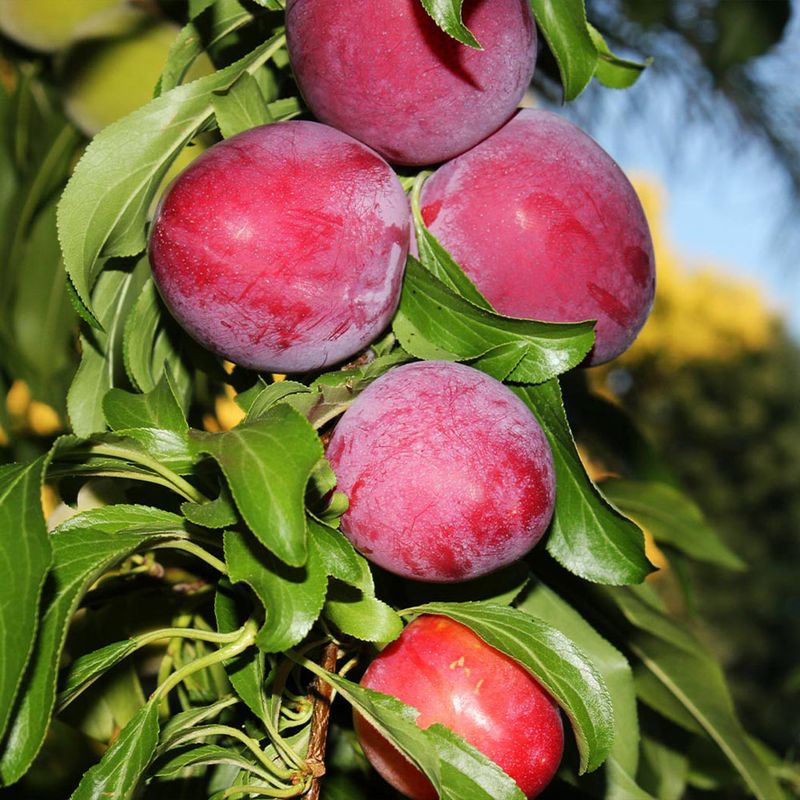
Plum trees bring an explosion of color and flavor to Texas gardens, with varieties like Santa Rosa and Methley proving exceptionally hardy and productive even in challenging conditions.
These dwarf versions deliver all the sweetness of full-sized plums while occupying a fraction of the space, making them perfect for urban gardens or anyone working with limited square footage.
The trees produce stunning white to pink blossoms in early spring that attract pollinators and signal the promise of summer fruit to come.
Container gardening becomes entirely possible with dwarf plum trees, opening up fruit cultivation to apartment dwellers and those with only patio space available.
Choose a large pot with excellent drainage, use quality potting mix, and ensure the container receives at least six hours of direct sunlight daily.
Container-grown plums need more frequent watering than their in-ground counterparts, but the trade-off is complete control over soil conditions and the ability to move the tree if needed.
Productivity is truly impressive with varieties like Methley, which can produce abundant crops of juicy, sweet plums even in their first few years. The fruit ripens in early summer, typically before the intense heat sets in, making harvest a pleasant experience.
Thinning the fruit when they’re marble-sized ensures the remaining plums grow larger and sweeter, preventing branch breakage from overloaded limbs. With minimal fuss and maximum reward, dwarf plums are absolute champions for beginner Texas gardeners.
7. Pomegranate (Wonderful Or Salavador)
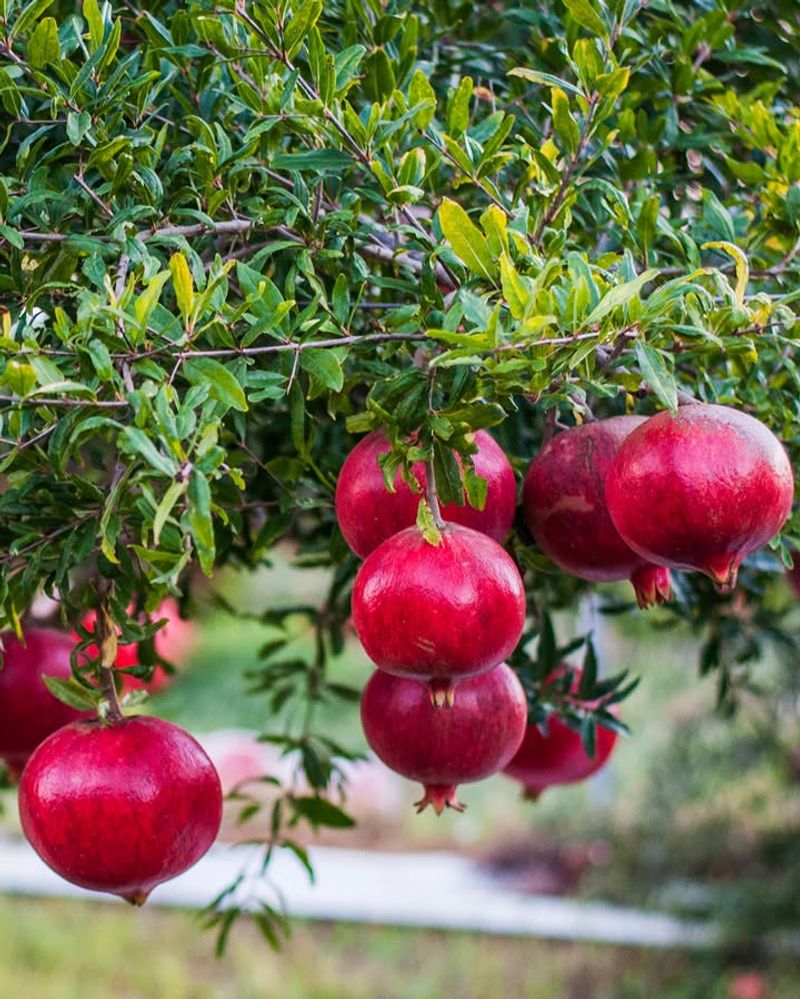
Pomegranates are absolute superstars in the Texas fruit tree world, thriving in the heat and drought that would stress many other varieties.
Varieties like Wonderful and Salavador produce gorgeous orange-red flowers throughout late spring that are as ornamental as they are functional, eventually developing into the jewel-toned fruits packed with sweet-tart arils.
These trees bring a touch of ancient Mediterranean beauty to modern Texas landscapes while requiring remarkably little maintenance once established.
Heat tolerance is where pomegranates truly shine, as they actually prefer the hot, dry summers that characterize much of Texas.
They can handle temperatures well over 100 degrees without batting an eye, continuing to grow and develop fruit while other plants wilt in the scorching sun.
Once their deep root systems establish, pomegranates become quite drought-tolerant, though occasional deep watering during extreme dry spells helps ensure the best fruit quality and size.
Fruiting happens reliably with minimal intervention, making pomegranates ideal for beginners who want success without complicated care routines.
The trees are naturally shrubby and can be grown as multi-trunk specimens or pruned into single-trunk trees depending on your landscape preferences. Harvesting occurs in late fall when the fruits develop their characteristic color and make a metallic sound when tapped.
The antioxidant-rich arils are worth the wait, offering fresh eating enjoyment and adding spectacular color to salads, desserts, and beverages throughout the winter months.
8. Persimmon (Fuyu Or Jiro)
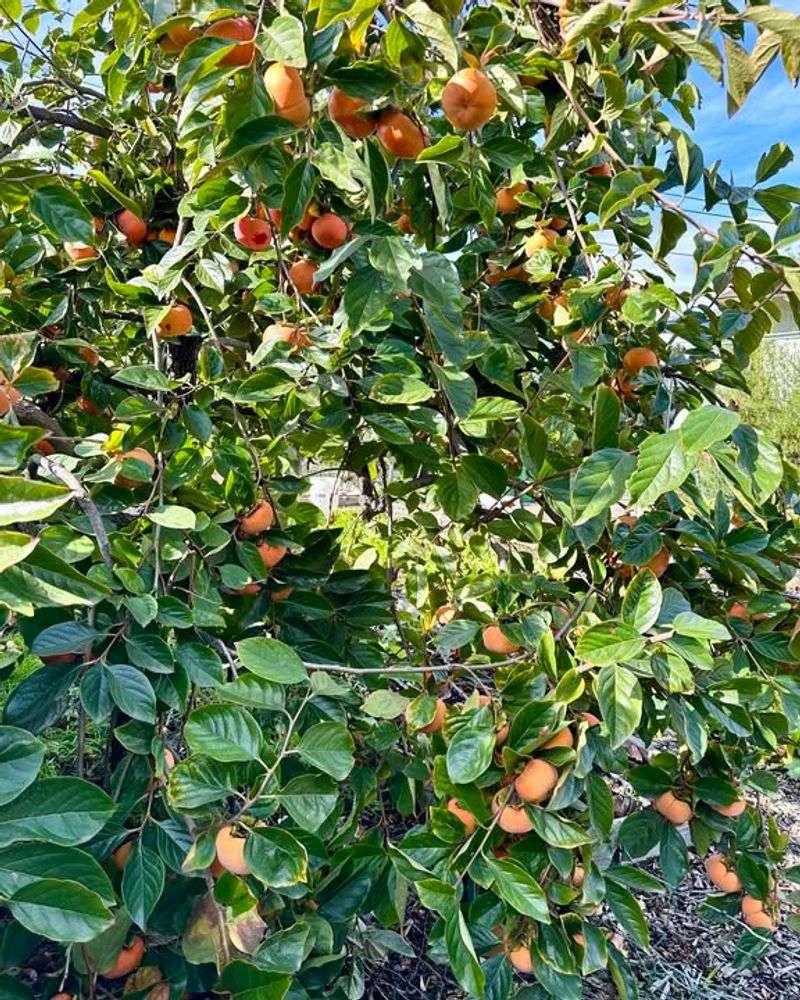
Persimmon trees offer something truly special for Texas gardeners willing to try something a bit different from the usual fruit tree suspects.
Varieties like Fuyu and Jiro produce gorgeous orange fruits that hang like ornaments on the branches long after the leaves have turned brilliant shades of yellow and orange in autumn.
The non-astringent types can be eaten while still firm and crisp, offering a sweet, honey-like flavor that becomes addictive once you experience your first homegrown persimmon.
Cold tolerance sets persimmons apart from many other fruit trees, as they can handle Texas winter temperatures without any special protection in most regions.
They actually benefit from the winter chill, using those cooler months to develop strong root systems and prepare for vigorous spring growth.
The trees are naturally attractive with interesting bark patterns and a graceful branching structure that provides visual interest even during the dormant season.
Minimal pruning needs make persimmons particularly appealing for beginners who may feel uncertain about proper pruning techniques.
The trees naturally develop a pleasant shape and only require removal of damaged or crossing branches to maintain health and appearance.
They resist most common pests and diseases, rarely requiring chemical interventions that can intimidate new gardeners.
Patience pays off with persimmons, as the trees may take a few years to begin producing, but once they start, they provide reliable harvests of unique, delicious fruit that you simply cannot find in most grocery stores.
9. Loquat
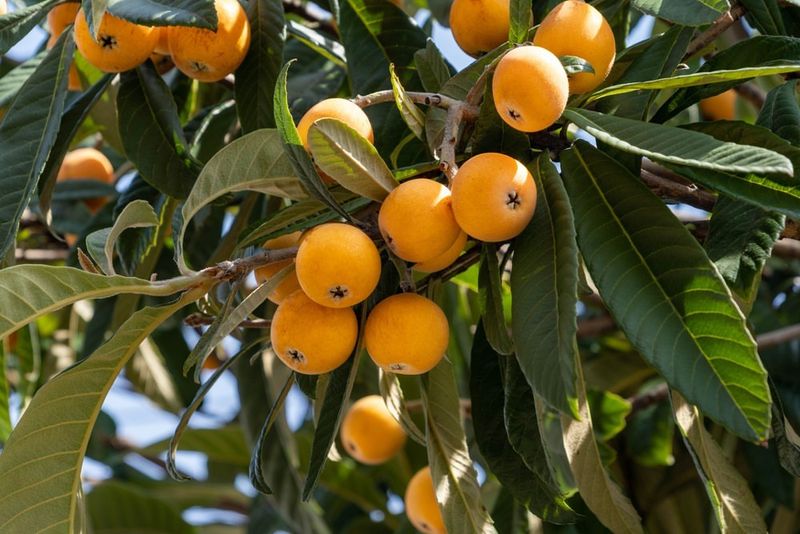
Loquat trees remain somewhat of a hidden gem in Texas gardening circles, despite being perfectly suited to the climate and offering unique, delicious fruit that ripens earlier than almost any other tree fruit.
These evergreen beauties produce clusters of small, golden-orange fruits with a flavor reminiscent of apricots, peaches, and citrus all rolled into one delightful package.
The large, tropical-looking leaves create a lush, exotic appearance that stands out in the landscape throughout all four seasons.
Heat tolerance is exceptional with loquats, as they sail through Texas summers without showing signs of stress or requiring excessive watering once established.
The trees actually begin blooming in fall and winter, with fragrant white flowers that develop into fruit by late winter or early spring.
This early fruiting schedule means you can enjoy fresh, homegrown fruit long before peaches, plums, or apples even begin to ripen, extending your harvest season significantly.
Pest resistance is another major advantage that makes loquats ideal for beginners who want to avoid complicated spray schedules and constant monitoring for insect damage.
The trees naturally resist most common fruit tree pests and diseases, requiring minimal intervention to stay healthy and productive.
They grow relatively quickly and can reach fifteen to twenty feet tall if left unpruned, though they respond well to shaping and can be maintained at smaller sizes.
Whether eaten fresh, made into jams, or baked into desserts, loquats offer a unique taste of something special from your own Texas backyard.
10. Olive Tree (Arbequina Or Mission)
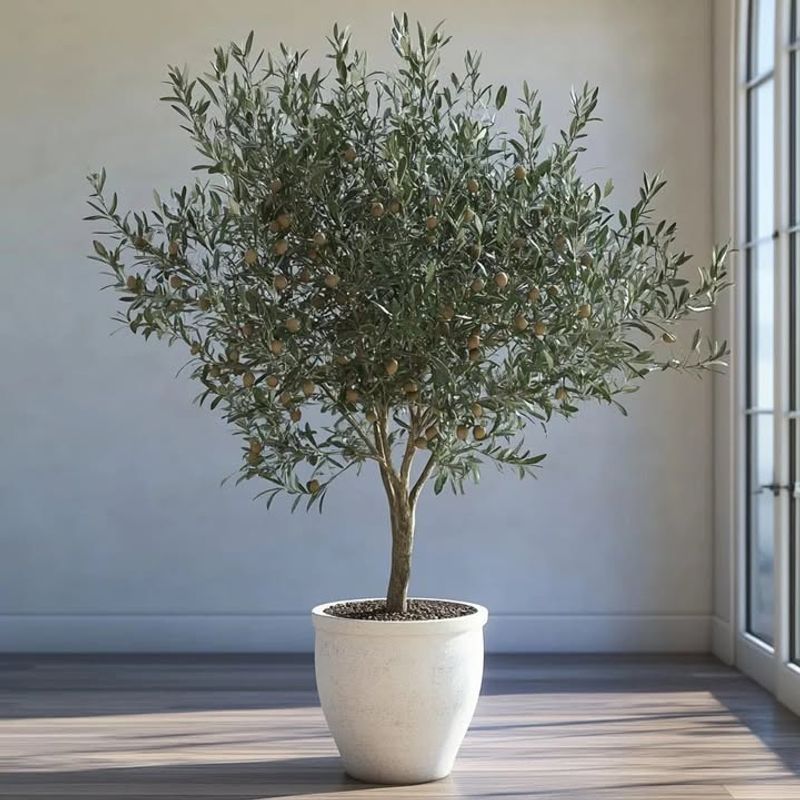
Olive trees bring a touch of Mediterranean elegance to Texas landscapes while proving surprisingly well-adapted to the state’s climate challenges.
Varieties like Arbequina and Mission produce small but flavorful olives that can be cured for eating or pressed for oil, though many gardeners grow them simply for their stunning silvery-green foliage and gnarled, sculptural trunks.
These slow-growing trees develop incredible character over time, becoming living works of art that anchor garden designs with timeless beauty.
Drought tolerance ranks among the highest of any fruit tree, making olives perfect for water-conscious Texas gardeners or those in areas prone to extended dry periods.
Once established, olive trees can survive on rainfall alone in many regions, though occasional deep watering during extreme drought helps maintain optimal health and fruit production.
Their deep root systems seek out moisture far below the surface, allowing them to thrive where other trees would struggle.
Manageability comes naturally with olive trees, as their slow growth rate means they require minimal pruning and rarely outgrow their designated space.
They adapt well to containers, making them suitable for patios and small urban gardens where space is at a premium. The trees prefer well-draining soil and full sun exposure but tolerate a range of soil types including alkaline conditions common in many Texas areas.
For beginners seeking a low-maintenance, beautiful, and productive tree that embodies the laid-back Mediterranean lifestyle, olives are an absolutely perfect choice that will bring years of enjoyment and visual interest.