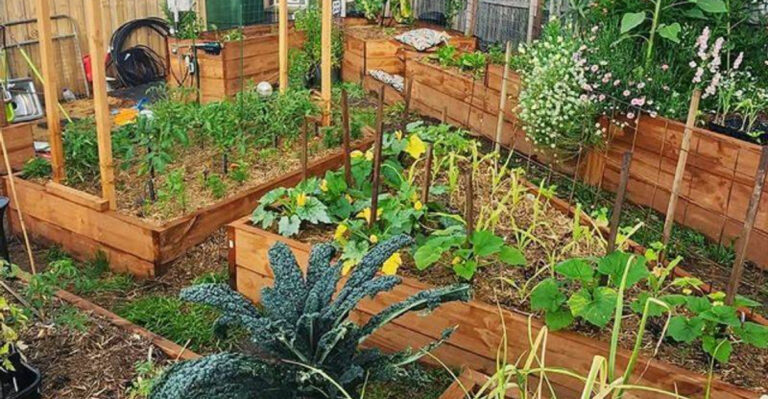
These 8 Fruit Trees Double As Ornamental Plants In Florida
A beautiful Florida yard should do more than just look good. It should reward you.
The right fruit trees deliver both beauty and harvest, filling the landscape with glossy leaves, fragrant blossoms, and colorful fruit that turn an ordinary yard into something unforgettable.
Warm sunshine, long growing seasons, and mild winters give many fruit trees exactly what they need to flourish with very little fuss.
Choose wisely and your landscape becomes more than decoration. It becomes a living showcase that looks stunning through the seasons while producing fresh fruit just steps from your door.
1. Loquat Produces Fragrant Winter Blossoms And Sweet Spring Fruit
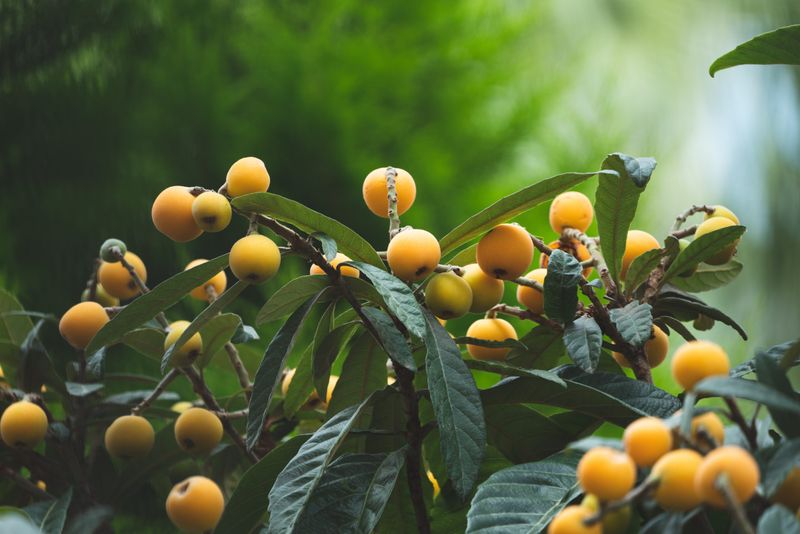
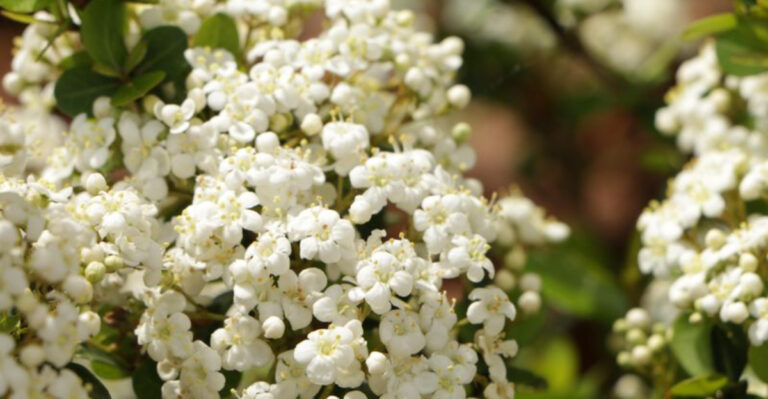
On a cool December morning in Central Florida, while most gardens sit quietly dormant, the loquat tree bursts into bloom with clusters of small, creamy white flowers that fill the yard with a sweet, honey-like fragrance. Eriobotrya japonica is one of those rare trees that flips the typical fruit calendar upside down, flowering in late fall and delivering ripe, apricot-colored fruit by late winter or early spring.
The ornamental value is hard to overstate. Large, deeply veined, glossy evergreen leaves give the tree a bold, tropical character year-round, and the compact, rounded canopy makes it a natural focal point in Florida landscapes.
University of Florida IFAS Extension lists loquat as a reliable fruit tree for most of Florida, noting its adaptability to a wide range of soil conditions, including the sandy, well-drained soils common across much of the state.
Fruit clusters ripen to shades of golden yellow and soft orange, adding another layer of color before the harvest season arrives. Birds are drawn to the fruit, which adds lively wildlife activity to the garden.
Loquats perform best in full sun and tolerate mild drought once established. Planting in a spot with good air circulation helps reduce fungal issues during Florida’s humid summers.
2. Meyer Lemon Brightens Florida Gardens With Glossy Leaves And Golden Fruit
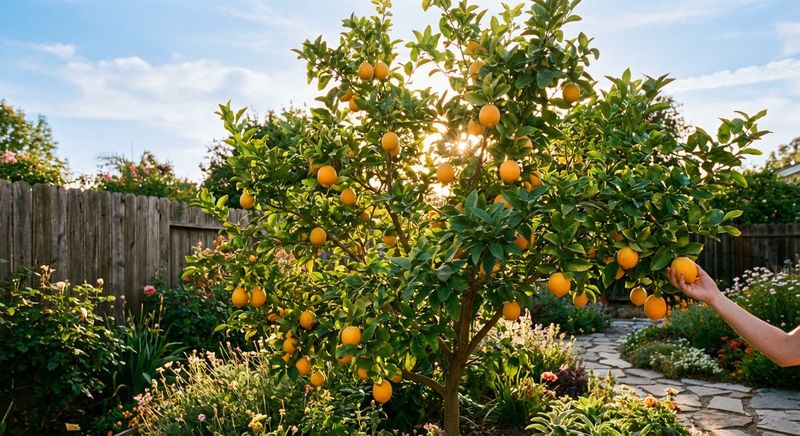
Few sights in a Florida garden are more cheerful than a Meyer lemon tree glowing with golden fruit against a backdrop of rich, glossy green leaves. Citrus x meyeri is actually a hybrid, believed to be a cross between a true lemon and a mandarin orange, which gives the fruit a sweeter, less acidic flavor that fresh lemons rarely deliver.
That same hybrid nature also contributes to its compact, tidy growth habit, making it a natural fit for patios, courtyards, and small yards across Florida.
The ornamental appeal goes well beyond the fruit. Fragrant white blossoms appear multiple times throughout the year in Florida’s warm climate, releasing a perfume that rivals any flowering ornamental shrub.
The dense, evergreen canopy stays attractive through every season, and the contrast between deep green foliage and bright yellow fruit creates a striking visual display that landscape designers genuinely appreciate.
University of Florida IFAS Extension recommends growing citrus in well-drained, slightly acidic soil with full sun exposure for best results. Meyer lemons are well-suited to container growing, which is especially useful in North Florida where occasional cold snaps can threaten in-ground citrus.
Regular feeding with a balanced citrus fertilizer keeps the foliage lush and fruit production strong throughout the year.
3. Barbados Cherry Loads Branches With Scarlet Fruit And Pollinator Friendly Flowers
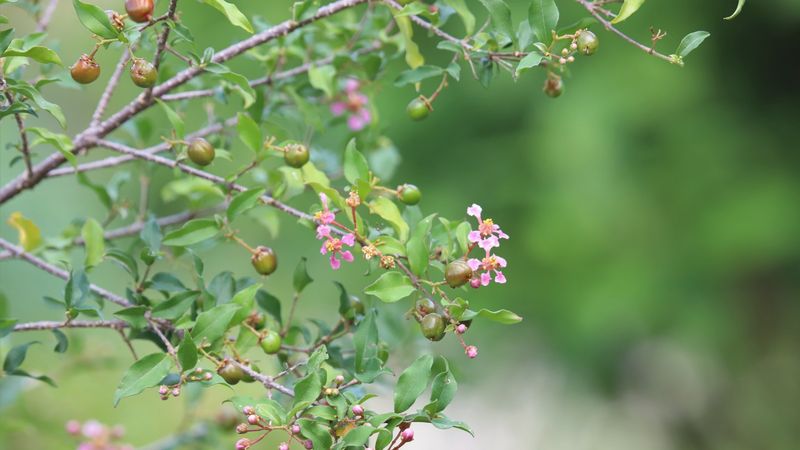
Walk past a Barbados cherry in full fruit and it stops you in your tracks. Branches dripping with clusters of brilliant scarlet, cherry-sized fruits against a backdrop of neat, glossy foliage create a display that looks almost too vivid to be real.
Malpighia emarginata is one of the most visually rewarding small fruit trees available to Florida gardeners, and it happens to be one of the most nutritionally impressive as well, producing fruit with one of the highest vitamin C concentrations of any known plant.
The flowers are equally delightful. Delicate, frilly pink blooms appear in flushes throughout the warm months, drawing bees, butterflies, and other pollinators into the garden with reliable consistency.
The tree itself stays relatively compact, typically reaching eight to fifteen feet, which makes it easy to fit into mixed landscape beds, hedge lines, or as a standalone specimen in smaller Florida yards.
Barbados cherry thrives in South and Central Florida’s warm, humid climate and performs best in full sun with well-drained soil. University of Florida IFAS Extension notes that it tolerates a range of soil types and is moderately drought-tolerant once established.
Light, regular pruning after fruiting flushes helps maintain a tidy, attractive shape while encouraging fresh growth and continued flower and fruit production through the season.
4. Tropical Guava Combines Lush Foliage With Fragrant Fruit
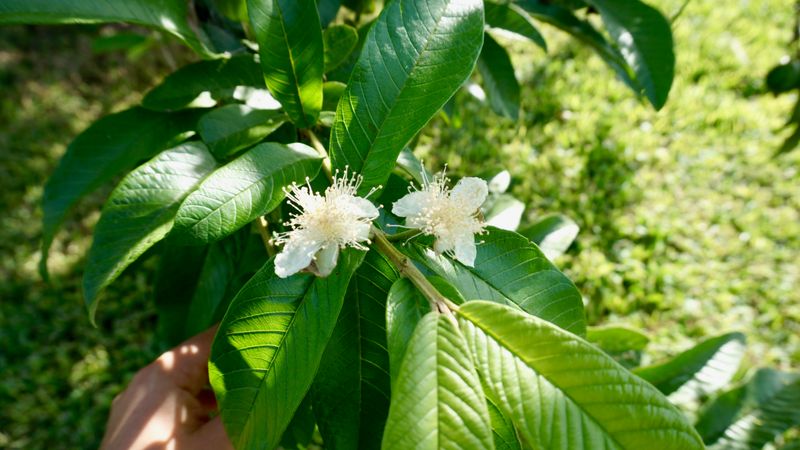
Peel back a layer of bark on a tropical guava tree and you reveal one of the most beautiful trunks in the fruit tree world. Psidium guajava develops smooth, mottled bark in shades of tan, green, and gray that peels away in papery sheets, giving the trunk an artistic, sculptural quality that landscape designers in Florida genuinely prize.
Combined with large, tropical-looking leaves and a naturally graceful branching structure, the visual appeal of this tree extends well beyond its harvest season.
White, star-shaped flowers with a soft fragrance appear in spring and summer, attracting bees and other pollinators before the round or pear-shaped fruit ripens to yellow-green. The flesh inside ranges from white to deep pink, and the sweet, musky aroma of ripe guava is unmistakable.
Florida’s warm, humid climate suits tropical guava extremely well, and the tree grows vigorously in sandy or loamy soils with good drainage.
According to University of Florida IFAS Extension, guava is best suited to Central and South Florida, where freezing temperatures are rare. Young trees benefit from frost protection in cooler northern regions.
Full sun promotes the best fruit production and healthiest canopy. Pruning after harvest keeps the tree at a manageable size and encourages a full, attractive shape that enhances the landscape throughout the year.
5. American Persimmon Brings Fiery Fall Color And Honey Sweet Fruit
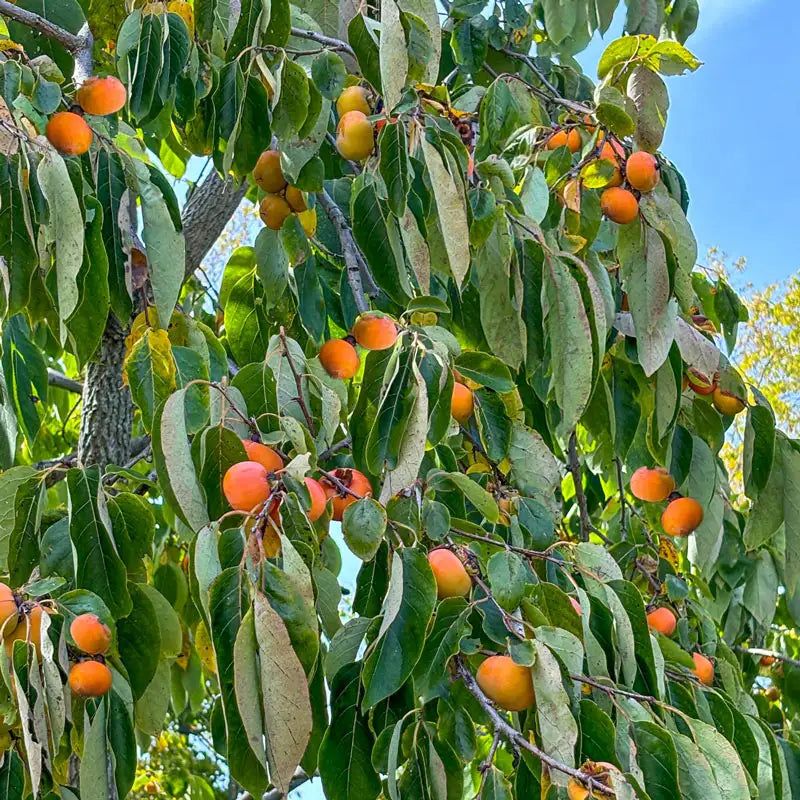
When fall arrives in North Florida and most trees barely hint at a color change, the American persimmon puts on a show that genuinely rivals New England autumn displays. Diospyros virginiana is a Florida native, which means it evolved alongside the state’s soils, rainfall patterns, and wildlife communities, making it one of the most ecologically valuable fruit trees a Florida gardener can plant.
Fiery orange and red fall foliage transforms the canopy into a warm, glowing beacon just as temperatures begin to cool.
The small, rounded orange fruit ripens after the first cool nights of autumn and develops a rich, honey-sweet flavor once fully soft. Wildlife absolutely loves it.
Deer, foxes, raccoons, and dozens of bird species rely on persimmon fruit as a critical fall and winter food source, so planting one essentially creates a living wildlife feeder in your yard. University of Florida IFAS Extension highlights the American persimmon as a native tree well-adapted to the sandy, acidic soils found across much of North and Central Florida.
Male and female trees are typically needed for fruit production, though some specimens produce without cross-pollination. The tree grows at a moderate pace, eventually reaching twenty to thirty feet, making it an excellent medium-sized shade tree.
Minimal care is needed once established, as it naturally adapts to Florida’s climate and seasonal rainfall patterns.
6. Pineapple Guava Displays Exotic Flowers And Silvery Evergreen Leaves
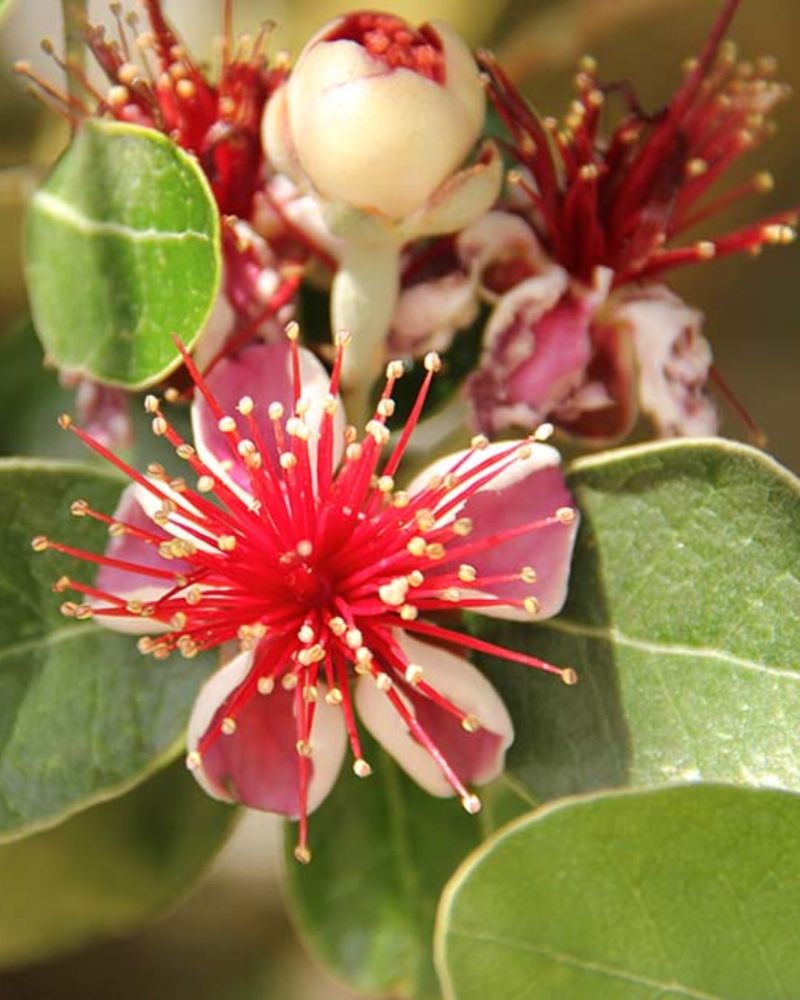
If you have never seen a pineapple guava flower up close, it is genuinely one of the most exotic-looking blooms produced by any edible plant grown in Florida. Acca sellowiana produces striking flowers with white, ruffled petals surrounding a dramatic burst of long, crimson stamens, and the petals themselves are actually edible, carrying a sweet, floral flavor that makes a memorable addition to salads or desserts.
The ornamental impact of a tree in full bloom is extraordinary.
Beyond the flowers, the silvery-green evergreen foliage provides year-round textural contrast in the landscape. The leaves have a distinctive two-toned appearance, bright green on top and silvery-white underneath, which catches the light beautifully and adds movement to the garden on breezy Florida days.
The oval green fruit ripens in fall, offering a flavor that blends pineapple, guava, and mint in a combination that is genuinely unlike anything else.
Pineapple guava is notably drought-tolerant once established, which makes it an excellent choice for Florida gardeners looking to reduce irrigation needs. University of Florida IFAS Extension notes that it performs well in North and Central Florida, tolerating mild frosts better than many tropical fruit trees.
Full sun to partial shade suits this plant well, and it adapts to a wide range of well-drained soil types, including Florida’s sandy coastal soils.
7. Starfruit Creates A Tropical Statement With Glossy Foliage And Crisp Fruit
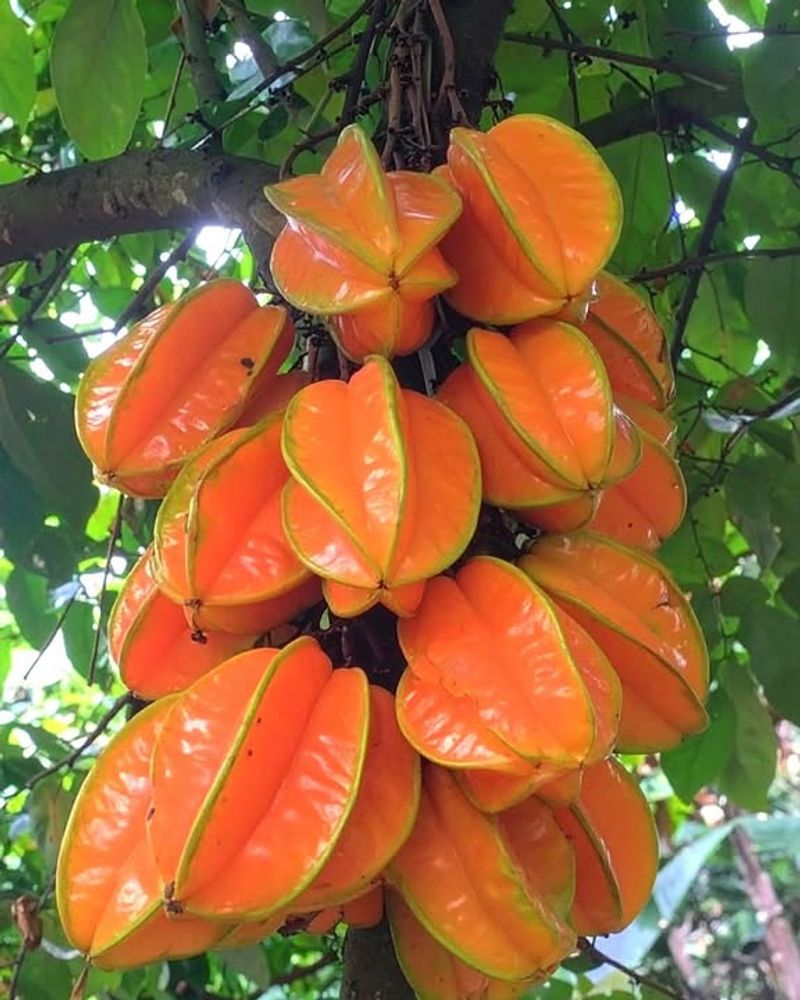
Slice a ripe starfruit crosswise and you get a perfect five-pointed star, which is exactly the kind of detail that makes this tree a conversation piece in any Florida garden. Averrhoa carambola is not just a novelty, though.
The tree itself is genuinely beautiful, with a graceful, spreading canopy of glossy, compound leaves that stay lush and green throughout the year in South and Central Florida’s warm climate. The foliage has a fine, feathery texture that moves gently in the breeze and creates a pleasantly tropical atmosphere in the landscape.
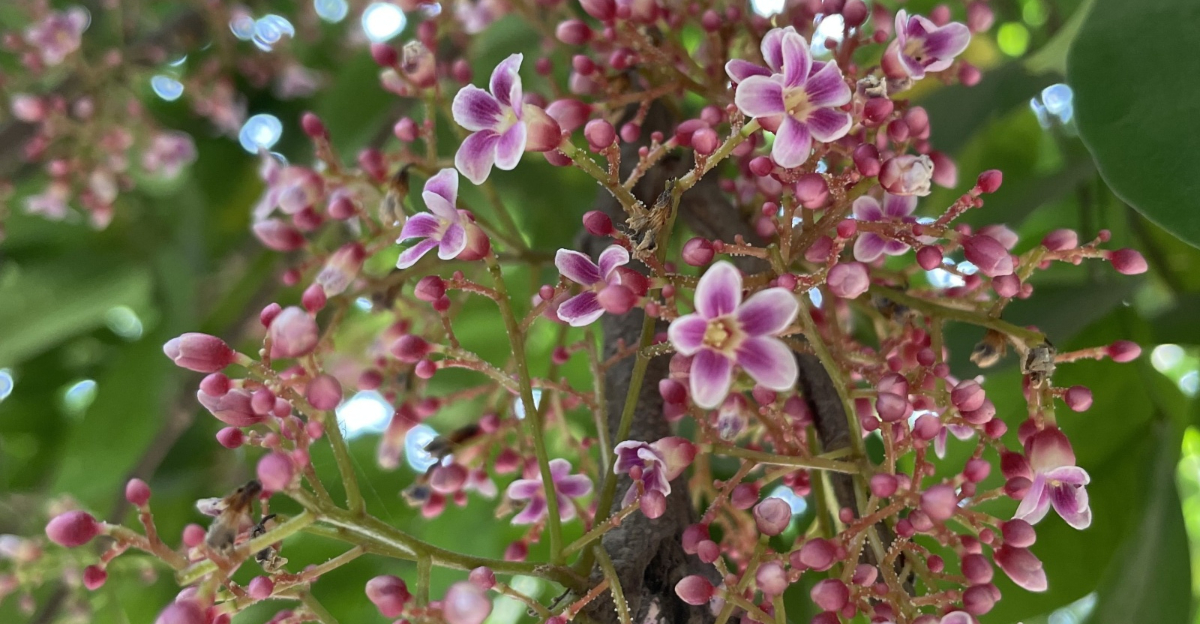
Delicate clusters of small pink and lavender flowers appear several times a year, providing a soft, romantic floral display before the fruit develops. As the ribbed, waxy fruit matures, it transitions from pale green to a luminous golden yellow, hanging in dense clusters that look almost decorative.
The crisp, juicy flesh has a mild, refreshing flavor that works beautifully in fruit salads, drinks, and garnishes.
University of Florida IFAS Extension recommends starfruit for South and Central Florida, where the tree thrives in full sun and well-drained, fertile soil. Young trees need regular watering until established, and protection from frost is important in cooler northern zones.
A mature starfruit tree can produce fruit multiple times per year, making it one of the most continuously productive ornamental trees available to Florida gardeners.
8. Red Mulberry Produces Sweet Fruit And Supports Native Wildlife
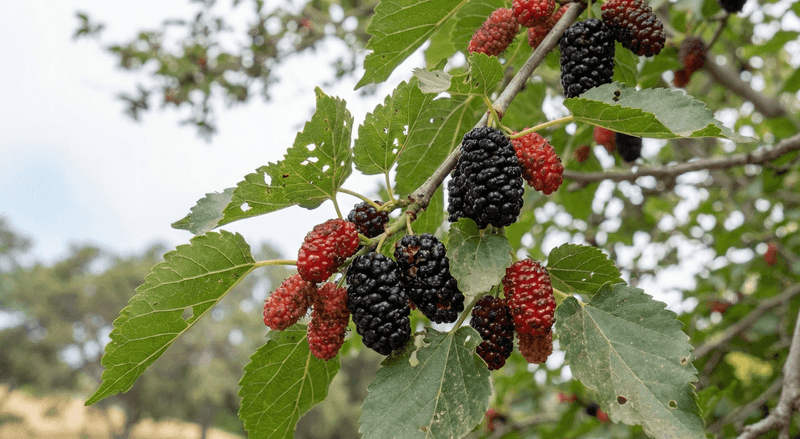
Every spring in Florida, the red mulberry tree becomes one of the busiest spots in the entire yard. Morus rubra is a Florida native, and the wildlife community knows it well.
Dozens of bird species, from cedar waxwings to mockingbirds to orioles, descend on a fruiting mulberry with an enthusiasm that turns the tree into a living, feathered spectacle. Butterflies and other insects visit the flowers, and the fallen fruit feeds ground-dwelling creatures from box turtles to gray foxes.
From a purely visual standpoint, the red mulberry is a handsome shade tree with large, heart-shaped leaves and a broad, spreading canopy that provides genuine cooling shade in Florida’s hot summers. The fruit itself ripens from red to a deep, glossy black-purple and carries a rich, sweet flavor that many people find more complex and satisfying than store-bought berries.
Fruit production can be abundant, which is as much a gift for the gardener as it is for the wildlife.
University of Florida IFAS Extension recognizes red mulberry as a valuable native tree for Florida landscapes, particularly in North and Central Florida where it grows most vigorously. It adapts well to a range of soil types, including moist, fertile bottomland soils and well-drained upland sites.
Minimal pruning is needed, and the tree requires little supplemental fertilization once it establishes itself in a suitable Florida planting location.