5 Vegetables That Struggle In Oregon Raised Beds And 4 That Grow Like Crazy
Raised beds can make Oregon gardeners feel unstoppable. Better drainage, warmer soil, fewer mystery rocks, what’s not to love?
Then a fussy vegetable shows up and reminds everyone that plants did not read the brochure. Some crops sulk when raised beds dry out too fast, heat up too quickly, or simply don’t give their roots the cool, steady conditions they crave.
That’s where choosing the right vegetables gets deliciously important. A raised bed can be paradise for quick, eager growers like lettuce, bush beans, and radishes, which seem to wake up one morning and choose abundance.
But other vegetables can be trickier, especially if they need deep moisture, lots of space, or cooler soil than a sunny raised bed provides.
Before you fill every square inch with hopeful seedlings, it helps to know which crops may pout and which ones are ready to party.
1. Celery
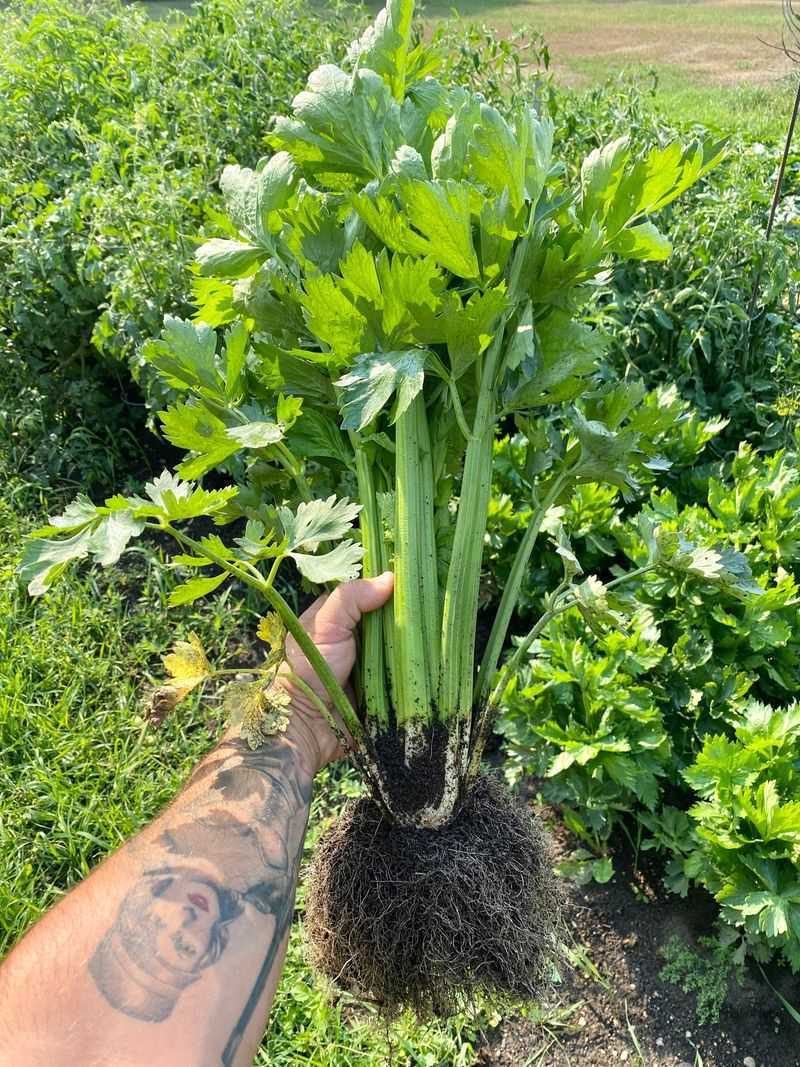
Most gardeners in Oregon have tried growing celery at least once, only to end up with thin, bitter stalks that barely resemble what you find at the store. Celery is one of the most demanding vegetables you can grow.
It needs a long growing season, consistent moisture, and steady warm temperatures to develop properly.
Oregon’s cool springs and unpredictable summers make it hard for celery to get the warmth it craves. Even in raised beds, where the soil warms up faster, celery often stalls out during cool spells.
It needs about 130 to 140 days to mature, and that timeline is tough to hit in many parts of Oregon.
Celery also needs constant watering. If the soil dries out even once, the stalks can turn tough and stringy.
Raised beds drain faster than in-ground plots, which actually works against this thirsty plant. You would need to water almost every day during dry stretches.
If you really want to try it, start seeds indoors in February and use a thick layer of mulch to hold moisture. But honestly, many Oregon gardeners find it just is not worth the effort.
2. Cauliflower
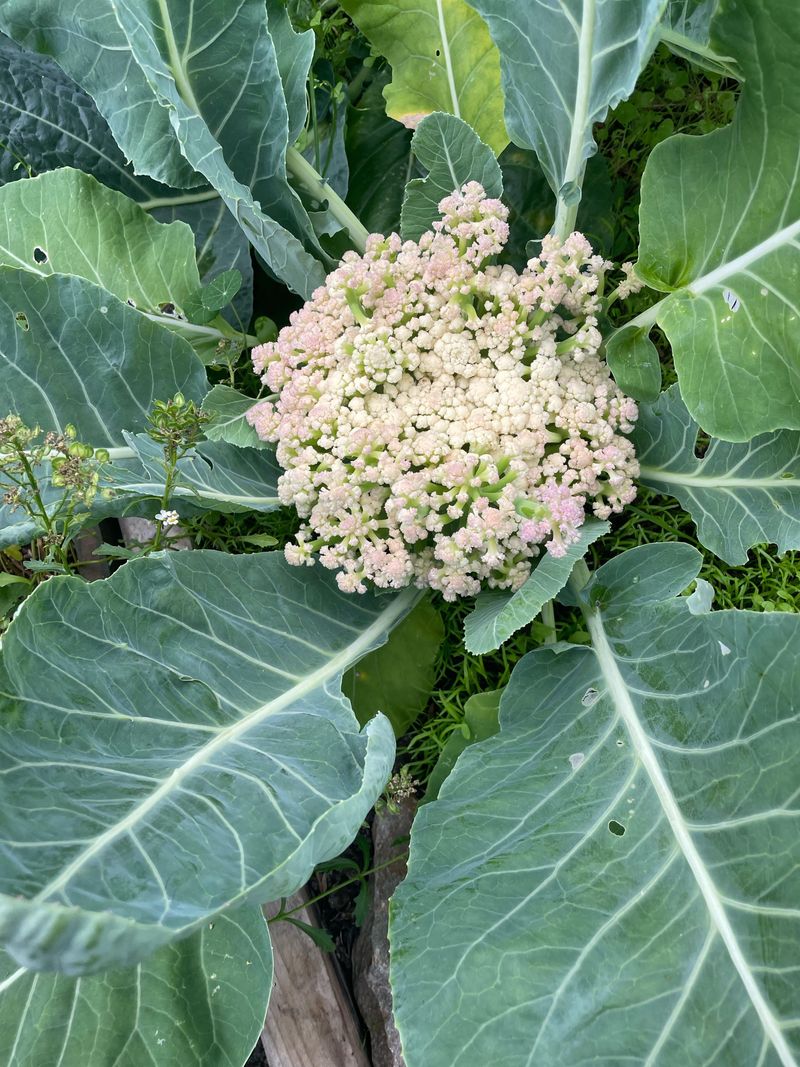
Cauliflower looks simple enough at the garden center, but growing it well in Oregon raised beds is a whole different story. This vegetable is famously picky about temperature.
It needs cool but not cold weather to form tight, white heads. Oregon’s weather swings can throw it completely off track.
When temperatures drop too low or spike unexpectedly, cauliflower heads can turn yellow, purple, or just fall apart into loose, rice-like pieces. That condition is called riciness, and it is super common here.
Raised beds can also heat up quickly on sunny days, which stresses the plant even more.
Timing is everything with cauliflower in Oregon. Planting too early means frost damage.
Planting too late means summer heat ruins the heads before they form. The window is surprisingly narrow.
Some gardeners in the Willamette Valley have luck with fall plantings, starting in late July for a September or October harvest. But even then, success is not guaranteed.
Pests like cabbage worms love cauliflower too, and they are very active in Oregon. If you want a low-stress brassica, broccoli or cabbage is usually a better bet for raised beds across the state.
Your Oregon Garden Changes Every Week. Your Plan Should Too.
Gardening in Oregon changes quickly throughout the season. Every Friday you’ll receive a simple weekly plan showing exactly what to plant, prune, fertilize, harvest, and protect so you never miss the right timing.
3. Broccoli Raab
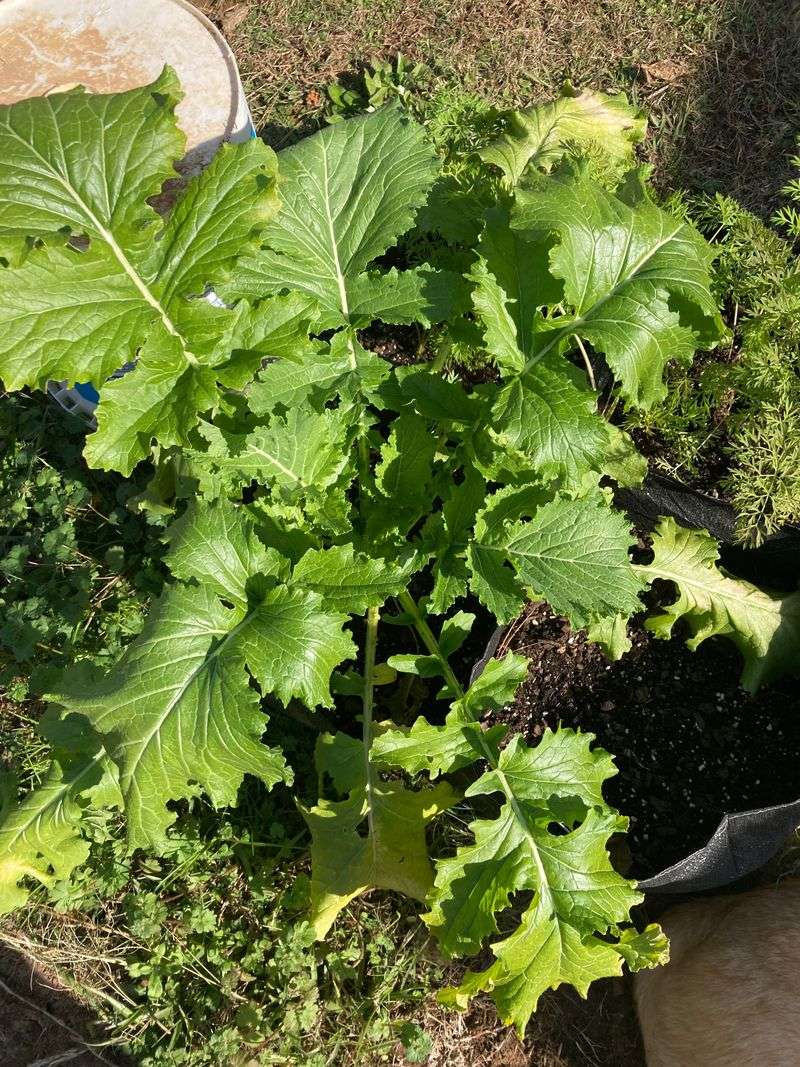
Broccoli raab, also called rapini, sounds like a fun and trendy vegetable to grow. And in warmer, more stable climates, it can be.
But in Oregon raised beds, it has a frustrating habit of bolting way too fast. Bolting means the plant skips straight to flowering instead of producing the leafy, tender shoots you actually want to eat.
Oregon’s temperature swings are a big part of the problem. Broccoli raab is very sensitive to heat.
Even a few warm days in a row can trigger bolting. Once it bolts, the flavor turns bitter and the texture gets tough.
Raised beds warm up faster than garden soil, which speeds up this process even more.
Timing your planting is tricky here. If you plant in early spring, a warm spell can ruin your harvest before it starts.
If you plant in late summer for a fall crop, early rains and cold snaps can also cause issues. Gardeners in the Portland area often report pulling out broccoli raab plants after just a few weeks because they bolted so quickly.
It is not impossible to grow, but you have to watch the forecast closely and harvest the moment the shoots appear, before any flowers open.
4. Sweet Corn
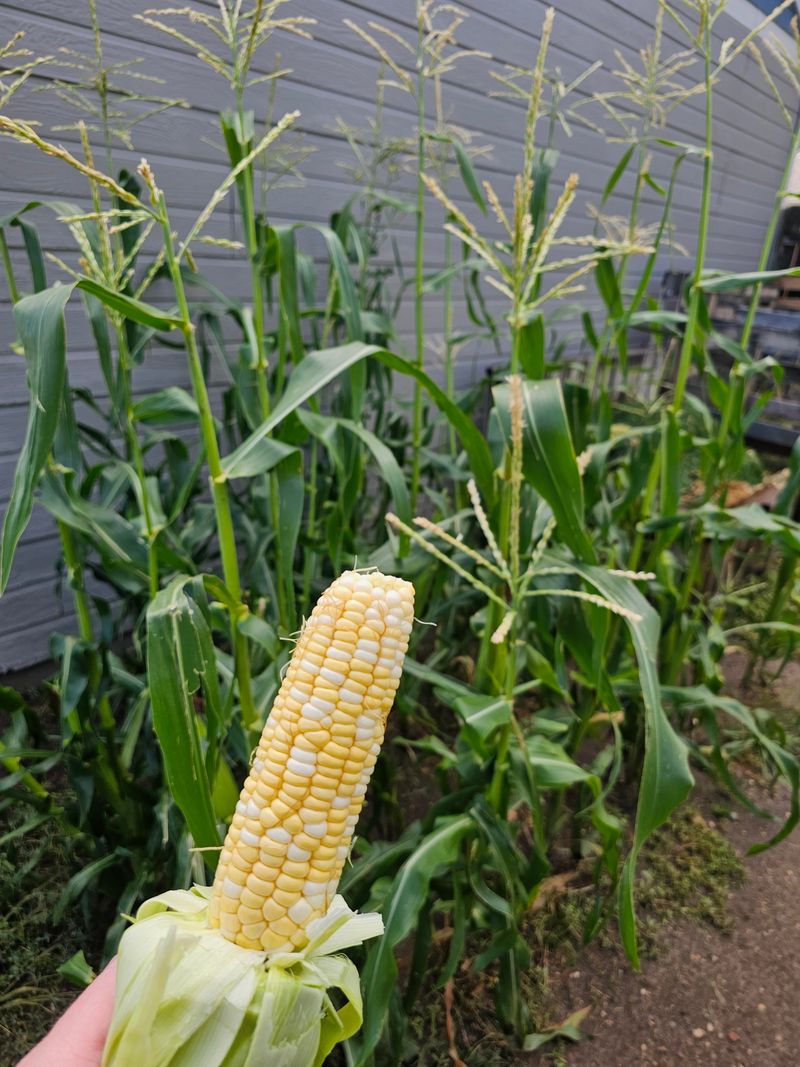
Sweet corn is one of those vegetables that almost every gardener wants to grow. There is nothing quite like fresh corn picked right from the garden.
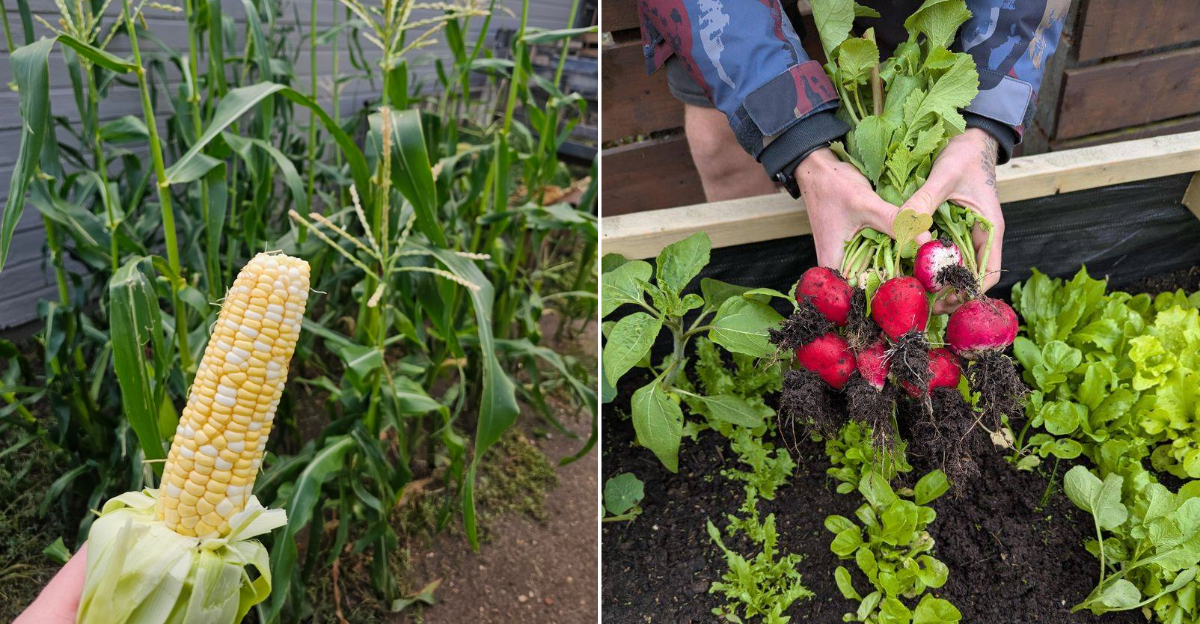
But in Oregon, especially west of the Cascades, sweet corn is a real struggle in raised beds. The main issue is warmth.
Corn needs lots of heat and sunshine to develop full, sweet ears.
Most of western Oregon just does not get enough consistent heat during the growing season. The corn plants may grow tall and look healthy, but without enough heat units, the ears stay small or never fill out properly.
Raised beds do help warm the soil faster in spring, but they cannot make up for cool, cloudy summers that are common in cities like Portland and Eugene.
Space is another problem. Corn needs to be planted in blocks, not rows, so it can pollinate properly.
A raised bed that is four feet wide and eight feet long simply does not give corn enough room to pollinate well. Poor pollination leads to patchy ears with missing kernels.
Gardeners in eastern Oregon, around Bend or the Hood River area, often have better results because summers are hotter and sunnier there. If you live west of the Cascades, sweet corn in a raised bed is usually a gamble that rarely pays off.
5. Large Winter Squash
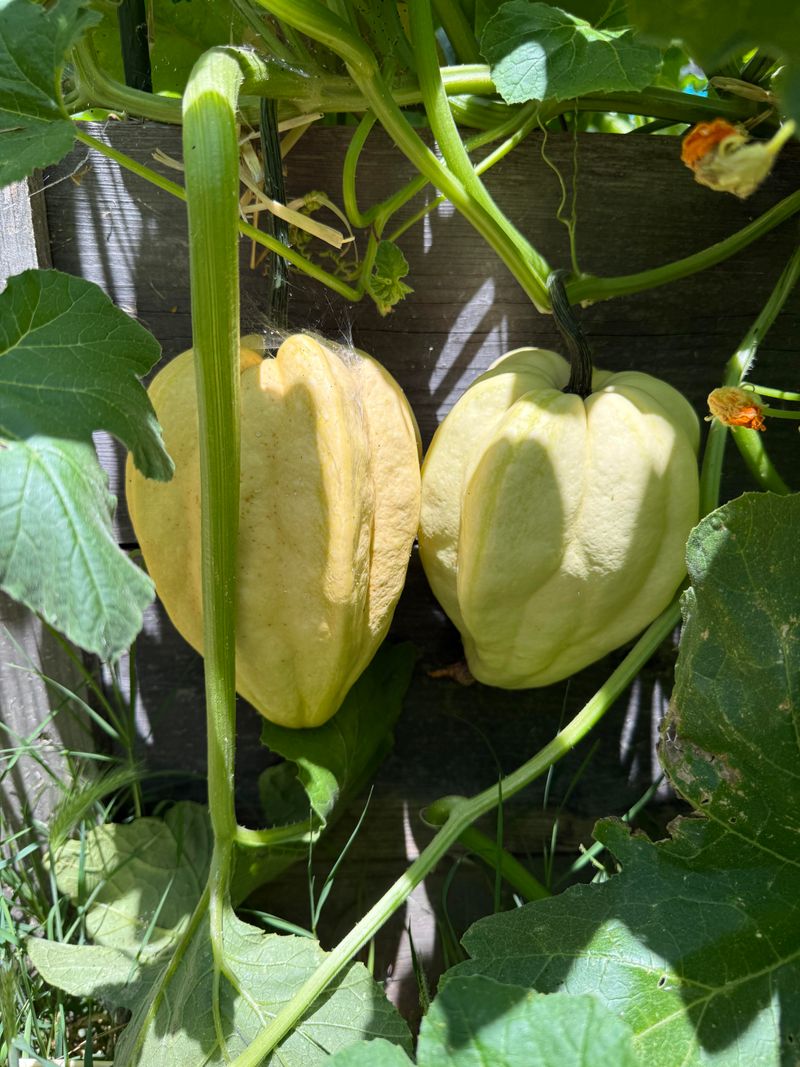
Butternut squash, Hubbard squash, and other large winter varieties are beloved for their rich flavor and long shelf life. But growing them in Oregon raised beds comes with some serious headaches.
The biggest one is space. These plants are vigorous and sprawling.
A single vine can easily grow 10 to 15 feet long, which quickly takes over an entire raised bed and spills into surrounding areas.
Beyond the space issue, large winter squash also needs a long, warm growing season to fully ripen. In Oregon, especially in the Willamette Valley, the warm window is often too short.
The squash may form and grow, but it can struggle to fully cure before the fall rains arrive. Wet conditions also encourage powdery mildew and rot, which are very common problems for squash in Oregon.
Raised beds do offer better drainage, which helps a little. But the combination of limited space, cool summers, and wet falls makes large winter squash a frustrating choice for most Oregon raised bed gardeners.
Smaller squash varieties like Delicata or Acorn do better because they mature faster. If you are set on growing large winter squash, try starting seeds indoors in April and giving the vines room to roam beyond your raised bed structure.
6. Lettuce
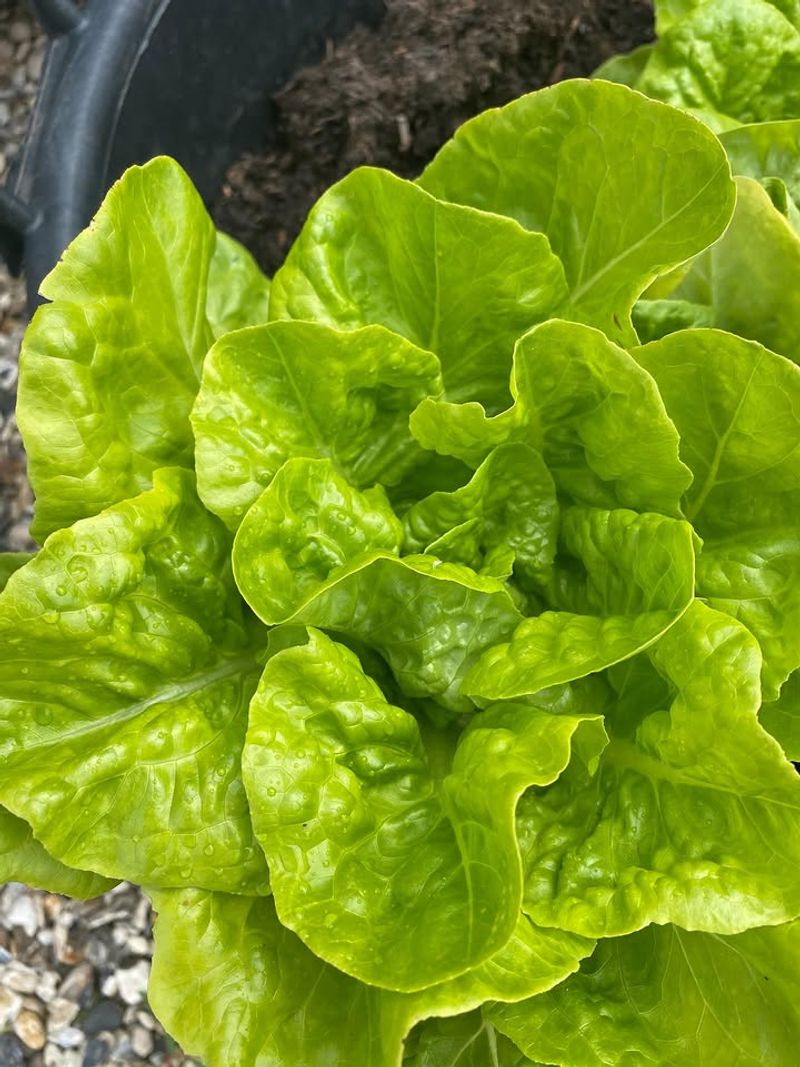
Ask any experienced Oregon gardener what grows best in raised beds, and lettuce will almost always be at the top of the list. This leafy green is practically made for the Oregon climate.
Cool, moist springs and mild falls give lettuce exactly what it needs to thrive. It grows fast, tastes great, and fills up a raised bed beautifully.
Lettuce actually prefers temperatures between 45 and 65 degrees Fahrenheit, which describes a huge chunk of the Oregon growing season. In Portland, Eugene, and the Willamette Valley, you can often grow lettuce from March all the way through November with very little trouble.
Raised beds are perfect for lettuce because the well-drained soil and easy access make watering and harvesting a breeze.
One of the best things about lettuce in Oregon is how quickly it produces. Many varieties are ready to harvest in just 30 to 45 days.
You can also use the cut-and-come-again method, trimming outer leaves while the plant keeps growing. Succession planting every two to three weeks gives you a steady supply all season long.
Try varieties like Black Seeded Simpson, Buttercrunch, or Red Sails for reliable results in Oregon raised beds. Honestly, it is hard to go wrong with lettuce here.
7. Kale
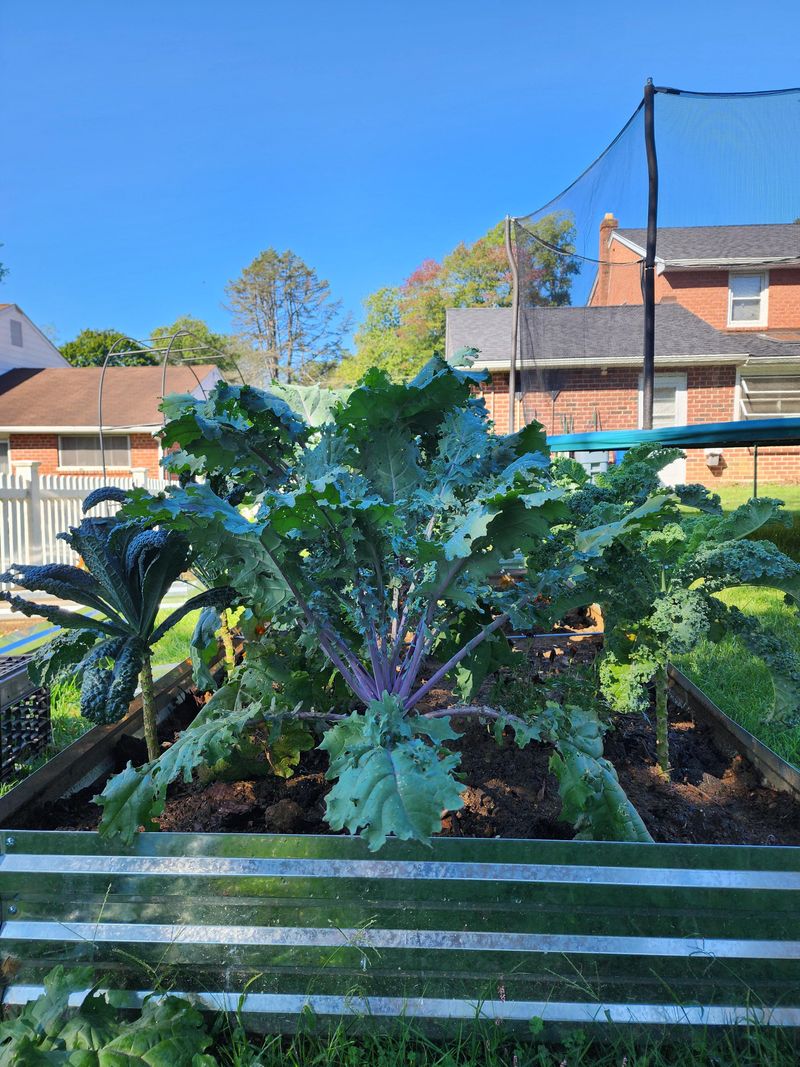
Kale and Oregon are basically a perfect match. This tough, nutrient-packed green loves cool weather, tolerates frost, and keeps producing leaves for months on end.
It is one of those plants that seems to get better as the weather cools down. A light frost actually sweetens the flavor, which makes fall harvests in Oregon particularly delicious.
Raised beds suit kale really well. The improved drainage keeps the roots healthy, and the loose soil makes it easy for plants to anchor themselves and grow strong.
Kale planted in early spring can produce all the way through winter in many parts of Oregon. In milder coastal areas and the Willamette Valley, kale plants sometimes survive multiple growing seasons without replanting.
Lacinato kale, also called Dinosaur kale, is especially popular with Oregon gardeners. It has a slightly sweeter, more tender flavor than curly kale and handles Oregon’s wet winters with ease.
Red Russian kale is another favorite because it grows fast and produces tender leaves that are great for salads. One thing to watch for is aphids, which love kale and can show up in clusters on the undersides of leaves.
A strong spray of water or a little neem oil usually handles them. Overall, kale is one of the most rewarding vegetables you can grow in an Oregon raised bed.
8. Bush Beans
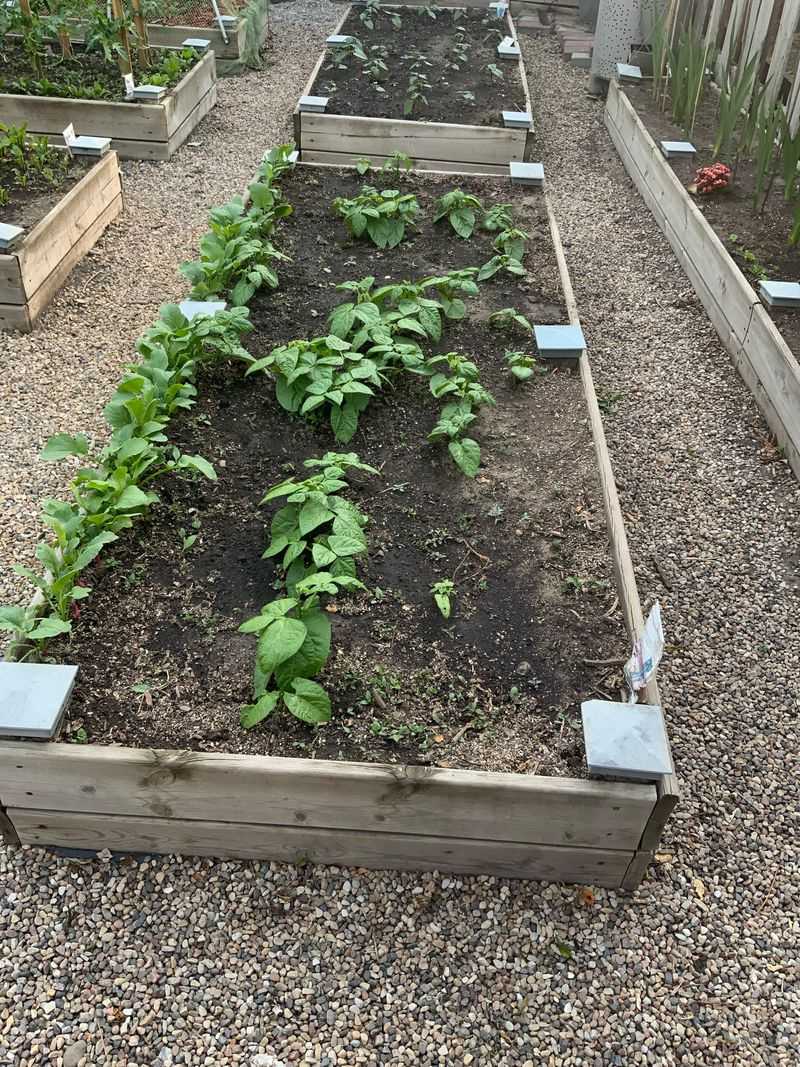
Few vegetables reward Oregon raised bed gardeners quite like bush beans. Once the soil warms up in late spring, bush beans take off fast.
They are compact, easy to manage, and produce a surprising amount of beans in a short amount of time. Unlike pole beans, they do not need staking or trellising, which makes them ideal for raised bed growing.
Bush beans love the well-drained, loose soil that raised beds provide. They can go from seed to harvest in as little as 50 to 60 days, which fits nicely into Oregon’s warm summer window.
In Portland, Salem, and other Willamette Valley cities, you can usually get two full plantings in by staggering your sowing dates a few weeks apart.
Green varieties like Provider and Blue Lake are tried-and-true favorites for Oregon gardeners. Provider is especially popular because it handles cool, damp soil better than most other varieties, which is a real plus in Oregon springs.
Yellow wax beans and purple bush beans are also fun to try and tend to do very well here. Water consistently during flowering and pod formation to get the best yields.
Bush beans fix nitrogen in the soil too, which means they actually improve your raised bed for the next crop you plant.
9. Radishes
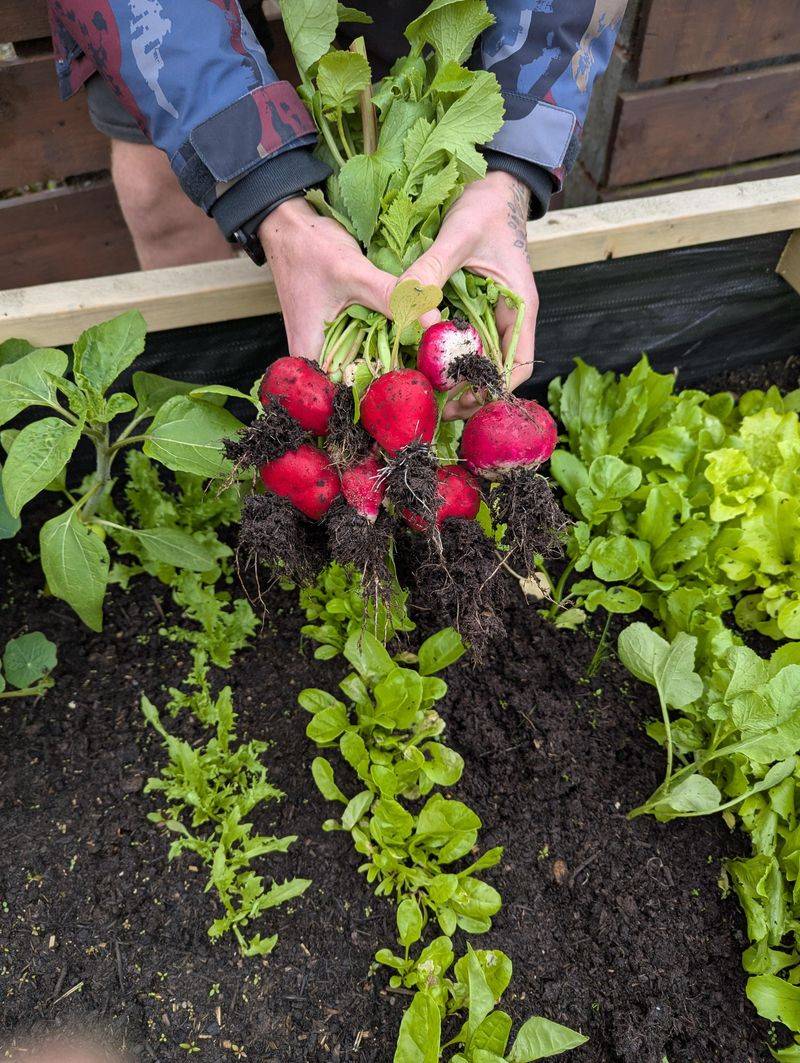
If you want a quick win in your Oregon raised bed, radishes are the answer. These little root vegetables grow so fast it almost feels like magic.
Some varieties go from seed to table in as few as 22 days. That makes radishes one of the fastest-maturing vegetables you can grow anywhere, and Oregon’s cool, moist climate suits them perfectly.
Radishes love the same conditions that Oregon naturally provides for much of the year. Cool temperatures, consistent moisture, and loose soil help them develop smooth, crisp roots with a satisfying crunch.
Raised beds are ideal because the soil stays loose and easy to work, which allows radishes to expand without hitting hard ground. Rocky or compacted soil causes misshapen roots, but that is rarely a problem in a well-built raised bed.
Spring and fall are the best times to grow radishes in Oregon. Summer heat can make them bolt and turn pithy, so timing matters.
Varieties like Cherry Belle, French Breakfast, and Easter Egg radishes all perform very well across the state. Radishes are also great for filling in gaps between slower-growing plants.
You can tuck them in beside carrots or broccoli and harvest them before the bigger plants need the space. They are a smart, satisfying addition to any Oregon raised bed garden.