These 10 Gorgeous Outdoor Hanging Plants Will Refresh Your Florida Patio This March
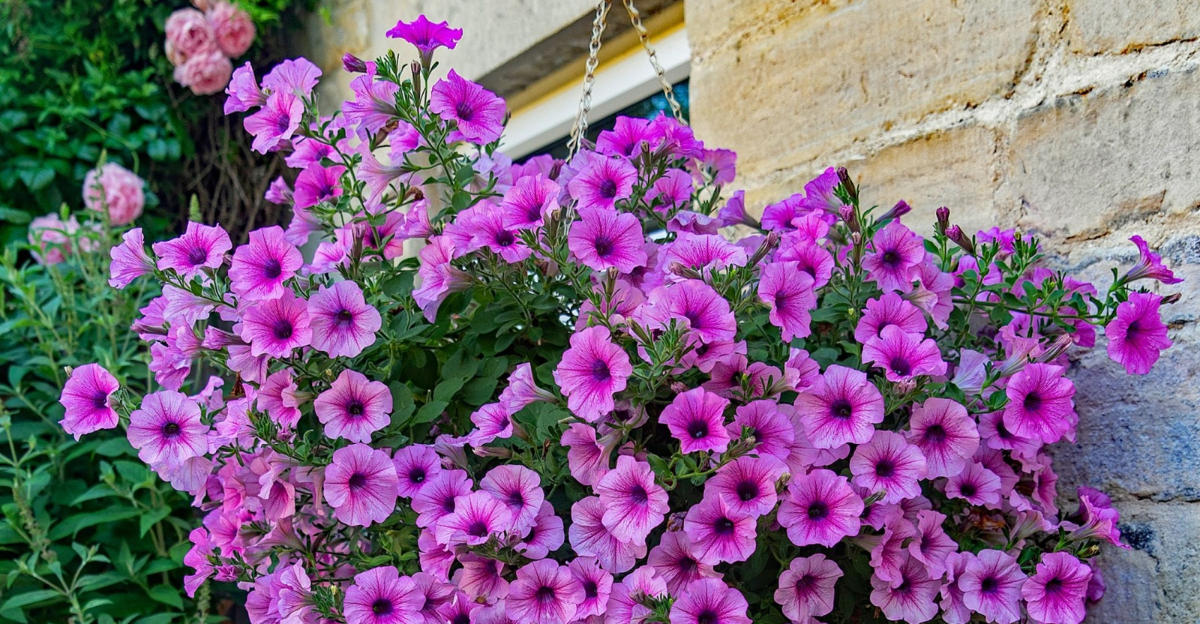
March is the ideal month to give your Florida patio a fresh boost with hanging plants. Bright blooms and vibrant greenery draw the eye and make outdoor spaces feel alive.
Some plants bring bold color, others add soft textures that make patios feel cozy and inviting. Certain varieties attract butterflies or hummingbirds, turning your outdoor area into a lively retreat.
Hanging plants fit any space, even small patios or narrow balconies, and they stay low-maintenance while thriving in Florida’s sun. Classic ferns, flowering favorites, and unique leafy options bring life to any corner. They transform simple outdoor areas into inviting spots where friends and family want to spend time.
This selection of hanging plants offers versatility, style, and a touch of natural charm that can refresh your patio instantly. March is the moment to make your space stand out with effortless greenery.
1. Boston Fern Brings Instant Lush Tropical Vibes
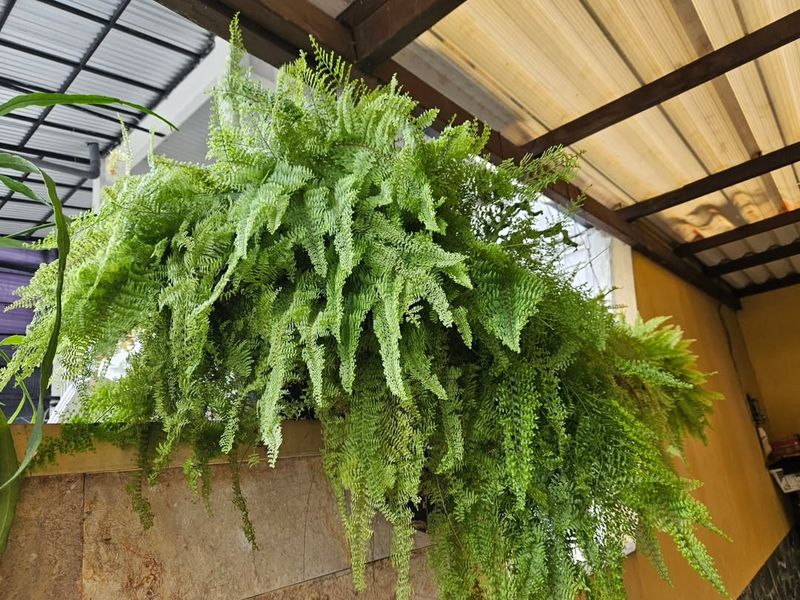
Few plants deliver that instant jungle feeling quite like a fully grown Boston fern swaying gently in the breeze. Those gracefully arching fronds create a waterfall effect that softens any patio corner and adds movement to your outdoor space.
March provides excellent conditions for establishing these beauties before summer arrives.
Boston ferns thrive in Florida’s naturally humid environment, particularly in Central and South Florida where moisture levels stay consistently high. North Florida gardeners can also grow them successfully but should wait until after any late March frost and may need to provide extra humidity during drier spring days.
These ferns prefer bright indirect light or dappled shade, making them ideal for covered patios, lanais, or spots beneath tree canopies.
Watering requirements stay moderate to high throughout the growing season. Check the soil every 2–3 days in North Florida and daily in Central and South Florida as temperatures climb, and water when the top inch feels dry to the touch.
Misting the fronds occasionally helps maintain that deep green color and prevents browning tips.
These ferns respond beautifully to regular feeding with a balanced liquid fertilizer diluted to half strength. Apply every two weeks during the active growing season.
Trim away any brown or damaged fronds to keep plants looking fresh and encourage new growth from the crown.
2. Spider Plant Spills Over With Effortless Greenery
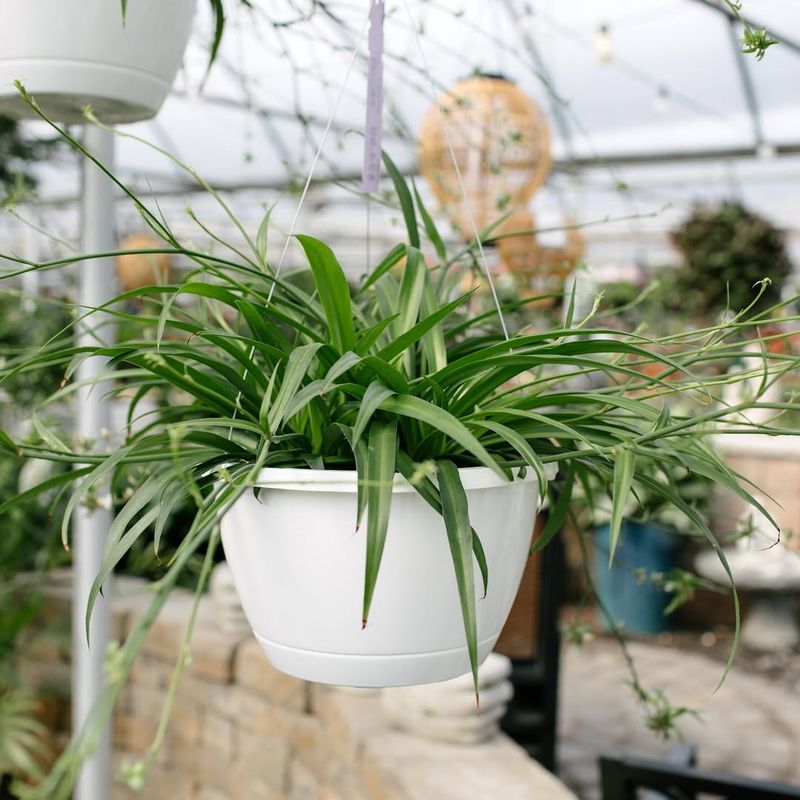
Cascading ribbons of green and white striped foliage make spider plants a reliable choice for Florida gardeners who want beauty without fuss. The plantlets that dangle from long stems add an architectural element that changes as the plant matures.
This adaptable species handles Florida’s varying conditions across all three growing regions with minimal complaints, though baskets in hot South Florida sun may dry out quickly.
Spider plants tolerate a wide range of light conditions from bright indirect sun to partial shade. They perform well on patios that receive morning sun and afternoon shade, which describes many Florida outdoor living spaces.
The variegated varieties maintain their striping best with adequate light exposure.
Water needs stay moderate throughout March and into the warmer months. Allow the soil to dry slightly between waterings but never let it become completely parched.
These plants store moisture in their thick roots, giving them some drought tolerance that proves useful during busy weeks.
March temperatures encourage vigorous growth and the production of those charming baby plantlets. You can leave them attached for a fuller display or snip them off to start new plants.
Feed monthly with a balanced fertilizer to support healthy foliage and strong runner production throughout the growing season.
3. Golden Pothos Trails Beautifully With Almost No Effort
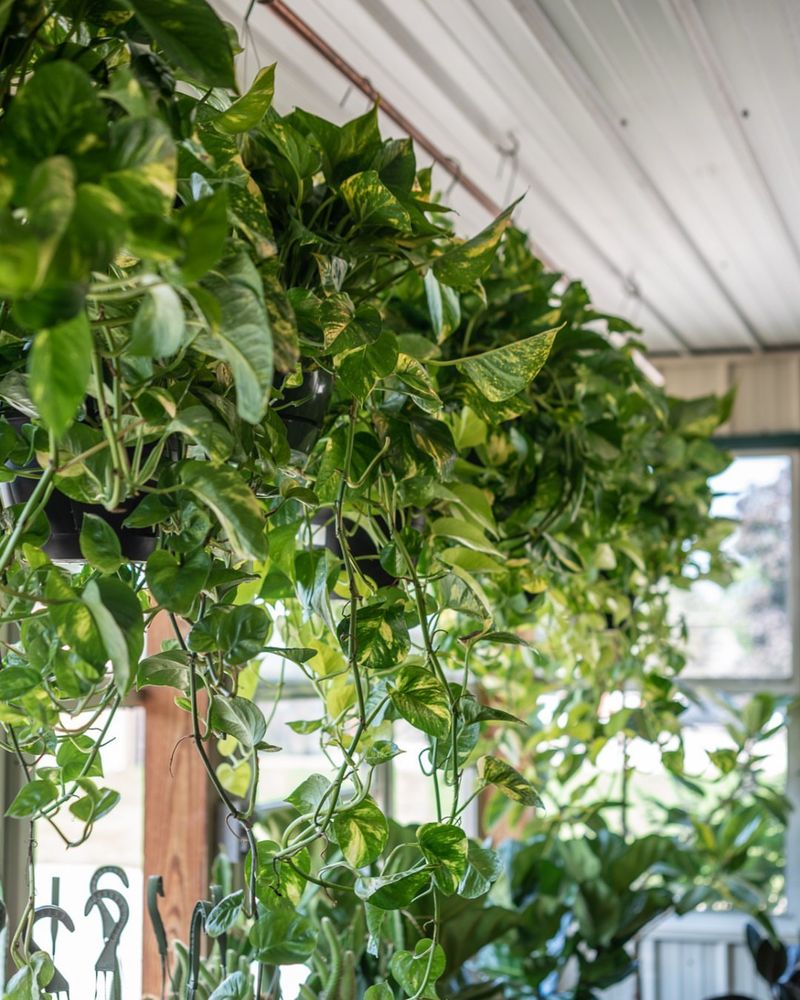
Heart-shaped leaves marbled with golden yellow create stunning trailing displays that seem to thrive on neglect. Golden pothos adapts to almost any growing condition Florida throws at it, making this vine a favorite among both new and experienced gardeners.
The vines can grow several feet long, creating dramatic vertical interest on your patio. This plant handles low to bright indirect light, though the golden variegation shows up most prominently in moderate indirect light.
Shaded patios, covered lanais, and spots under eaves all work beautifully for pothos. All three Florida regions provide suitable growing conditions year-round.
Watering requirements stay minimal compared to many hanging basket plants. Let the soil dry out between waterings, and the plant will actually signal when it needs moisture by showing slight leaf droop.
Overwatering causes more problems than underwatering with this species.
March marks an excellent time to start new pothos or refresh existing plants with a trim. Cut back long vines to encourage bushier growth near the crown.
Those cuttings root easily in water, giving you free plants to share or expand your collection. Feed every six to eight weeks with a balanced fertilizer to maintain vigorous growth and vibrant leaf coloration.
4. Trailing Lantana Bursts With Sun Loving Color
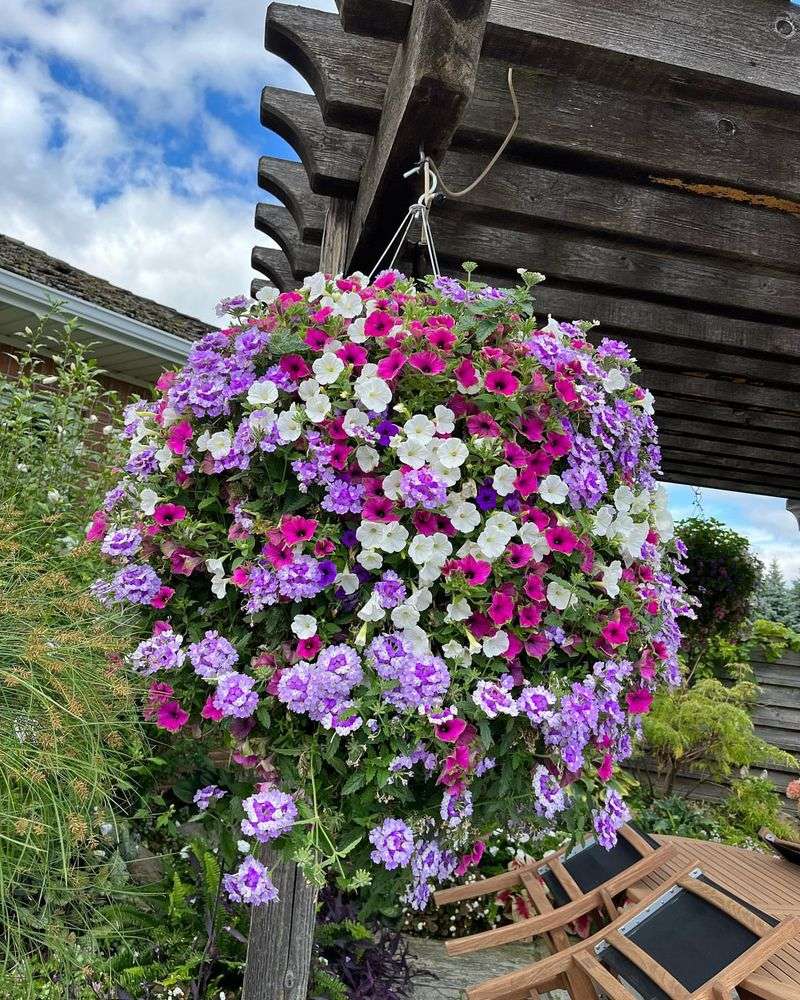
Clusters of tiny flowers in sunset shades transform trailing lantana into a showstopper for sunny Florida patios. This heat-loving plant actually performs better as temperatures climb, making it ideal for the intense conditions that arrive after March.
The flowers attract butterflies and hummingbirds, adding movement and life to your outdoor space.
Trailing lantana demands full sun to produce its best flower display. Six or more hours of direct sunlight daily keeps blooms coming continuously from spring through fall.
This makes it suitable for unshaded patios, pool areas, and sunny balconies across all Florida regions. Central and South Florida gardeners can grow it nearly year-round, while North Florida blooms may be slower until late March or April.
Water needs increase as temperatures rise, but lantana tolerates some drought once established. Check soil moisture regularly during March and water when the top two inches feel dry.
Good drainage prevents root problems in Florida’s heavy afternoon rains.
Deadheading spent flower clusters encourages continuous blooming, though many trailing varieties keep flowering even without this maintenance. Feed every two weeks with a bloom-boosting fertilizer high in phosphorus.
Trim back leggy growth occasionally to maintain a full, bushy appearance. This tough plant handles Florida’s heat and humidity better than many flowering alternatives.
5. Calibrachoa Fills Baskets With Nonstop Spring Blooms
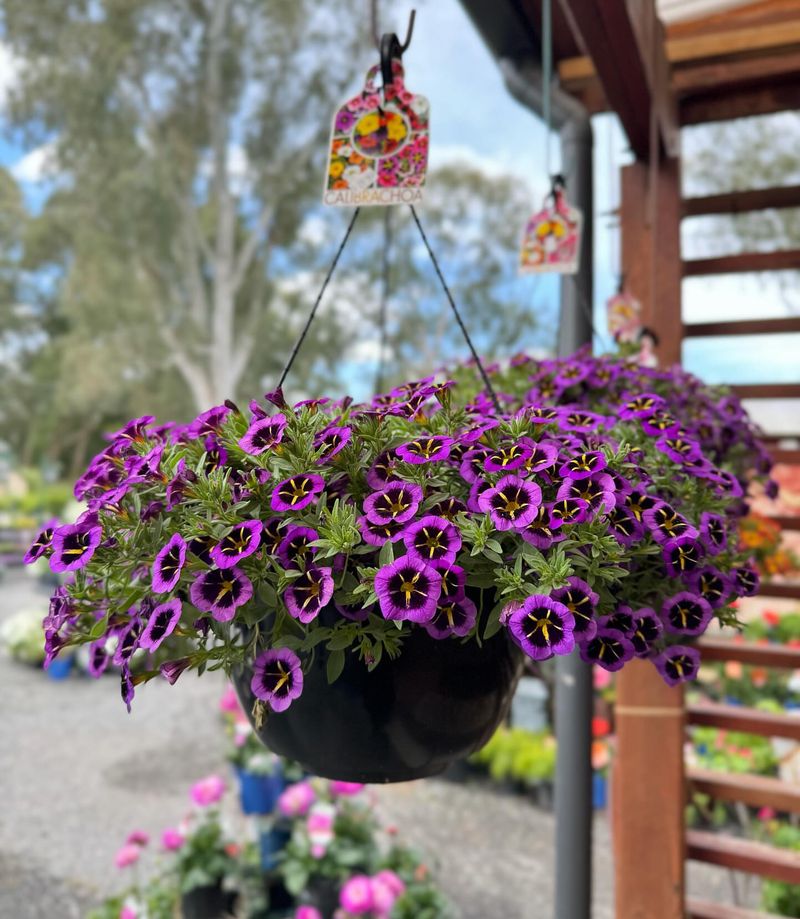
Tiny petunia-shaped flowers smother the foliage of calibrachoa from spring through fall, earning this plant its common name of million bells. The blooms come in nearly every color imaginable, and mixing different shades in one basket creates stunning combinations.
March provides ideal conditions for establishing these prolific bloomers before summer heat intensifies.
Calibrachoa prefers full sun but tolerates partial shade in the hottest parts of South Florida. Morning sun with afternoon shade works well in Central Florida during the peak summer months.
North Florida gardeners can provide full sun exposure throughout most of the growing season; in South Florida, protect from harsh afternoon sun or provide partial shade during the peak summer months.
Consistent moisture keeps calibrachoa blooming heavily throughout the season. Water when the top inch of soil feels dry, which might mean daily watering as March transitions into April.
These plants show stress quickly when too dry, with flowers fading and foliage wilting slightly.
Regular feeding proves essential for continuous bloom production. Apply a water-soluble fertilizer formulated for flowering plants every week to ten days.
Calibrachoa rarely needs deadheading since the tiny spent flowers drop cleanly on their own. Pinch back stems occasionally to encourage branching and fuller growth throughout the basket.
6. Heat Loving Petunias Deliver Bold Cascading Flowers
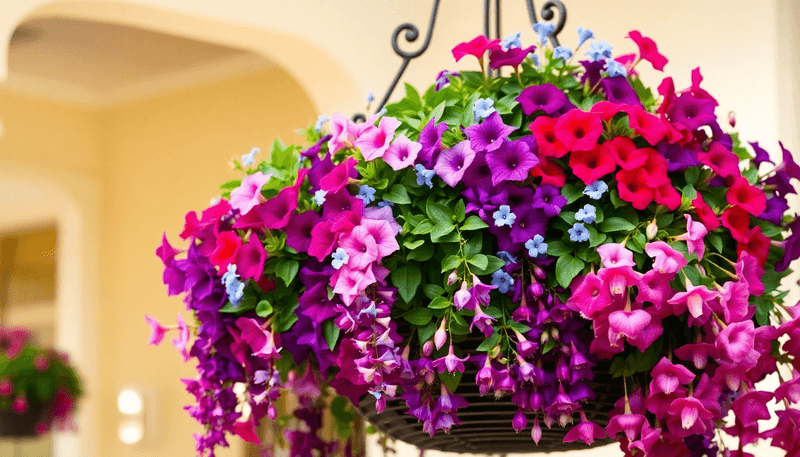
Modern petunia varieties bred specifically for heat tolerance have changed the game for Florida gardeners. Wave and Supertunia series create waterfalls of color that cascade two feet or more from hanging baskets.
These vigorous growers fill in quickly and bloom continuously when given proper care, making them worth the extra attention they require.
Full sun exposure produces the most impressive flower displays on heat-tolerant petunias. They need at least six hours of direct sunlight daily to perform their best.
All three Florida regions can grow these successfully, though North Florida enjoys the longest season without extreme heat stress, and South Florida may require heat-tolerant varieties or some afternoon shade.
Petunias require consistent moisture to maintain heavy blooming. Check baskets daily during warm March afternoons and water thoroughly when the top inch of soil feels dry.
Allowing them to wilt repeatedly reduces flower production and overall plant vigor.
Heavy feeding keeps these prolific bloomers producing flowers continuously. Apply a bloom-boosting fertilizer every week following package directions.
Pinch back stems by one-third in mid-season if plants become leggy or bloom production slows. This encourages fresh growth and renewed flowering.
Remove spent blooms regularly to redirect energy into new flower production rather than seed formation.
7. String Of Bananas Adds A Fun Succulent Twist
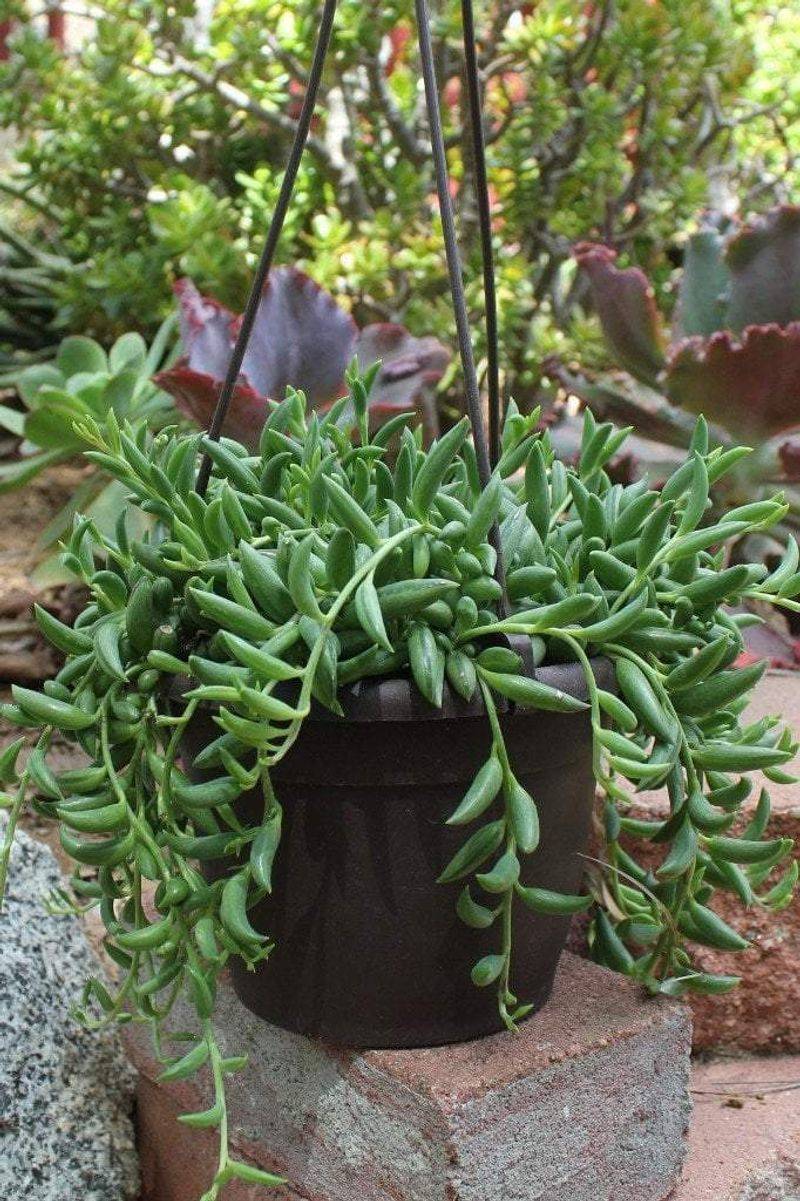
Plump banana-shaped leaves strung along trailing stems give this succulent its whimsical common name and undeniable charm. String of bananas brings a modern aesthetic to Florida patios while requiring minimal care compared to thirsty tropical plants.
The unusual texture and form create visual interest that sparks conversation among visitors.
This succulent thrives in bright indirect light or morning sun; protect from hot afternoon sun, especially in Central and South Florida. East-facing locations work beautifully across all regions.
Too much direct Florida sun can scorch the leaves, while too little light causes stretching and sparse growth. The plant tolerates our humidity better than many succulents from arid climates.
Watering needs stay low throughout the year. Allow the soil to dry completely between waterings, then water thoroughly until moisture drains from the bottom.
March typically requires watering every seven to ten days depending on your specific conditions. Overwatering causes more problems than underwatering with this species.
String of bananas requires minimal fertilizing compared to flowering plants. Feed once monthly during the growing season with a diluted succulent fertilizer.
The stems can grow several feet long, creating dramatic displays as they mature. Trim back stems occasionally to encourage branching near the crown, or let them grow long for a more relaxed appearance.
8. Dragon Wing Begonia Shines With Glossy Leaves And Blooms
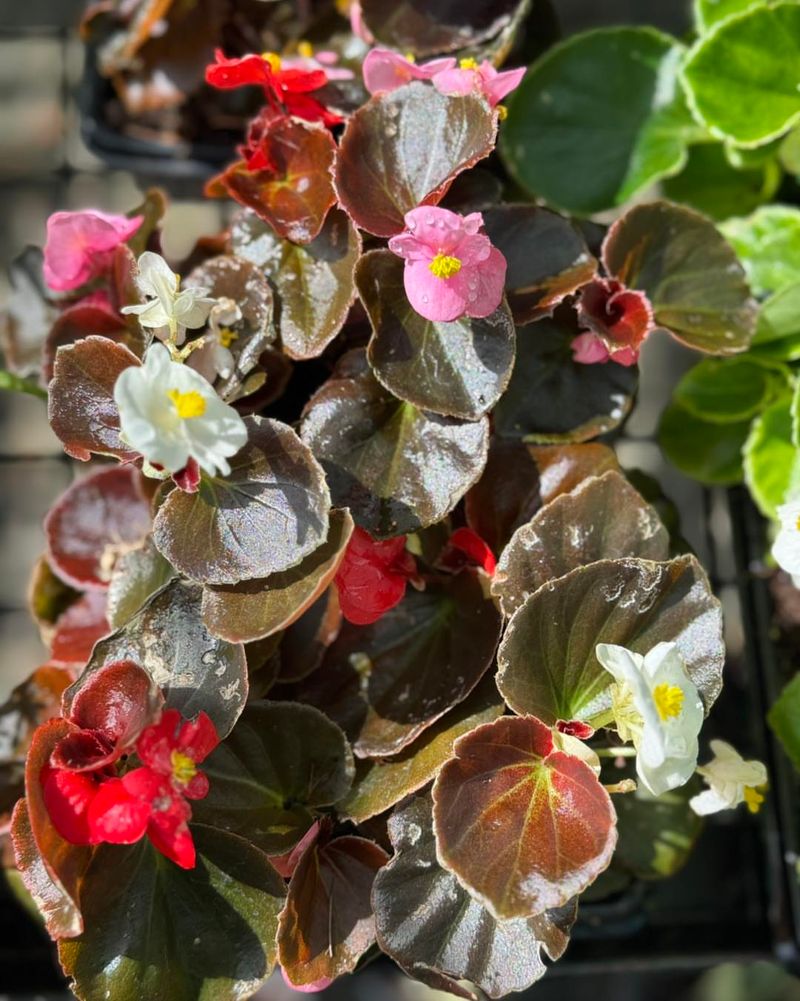
Glossy wing-shaped leaves catch light beautifully while clusters of pink or red flowers add pops of color to shaded patio areas. Dragon wing begonias handle Florida’s heat and humidity better than many begonia varieties, making them reliable performers from spring through fall.
The combination of attractive foliage and continuous blooms provides multi-season interest.
These begonias prefer bright shade or filtered light throughout the day. Morning sun with afternoon shade works well; avoid locations with intense midday or afternoon sun in Central and South Florida.
They perform beautifully under covered patios, in the dappled shade of trees, or on north-facing walls. All three Florida regions provide suitable growing conditions for dragon wing begonias.
Moisture requirements stay moderate to high during the growing season. Water when the top inch of soil feels dry, maintaining consistent moisture without waterlogging the roots.
Good drainage prevents root rot issues that sometimes plague begonias in Florida’s heavy rains.
Feed every two weeks with a balanced liquid fertilizer to support both foliage and flower production. Dragon wing begonias rarely need deadheading since spent flowers drop cleanly on their own.
Remove any damaged or yellowing leaves to maintain appearance. These begonias can grow quite large in hanging baskets, creating substantial displays by late summer.
9. Shade Friendly Fuchsia Brings Elegant Dangling Color
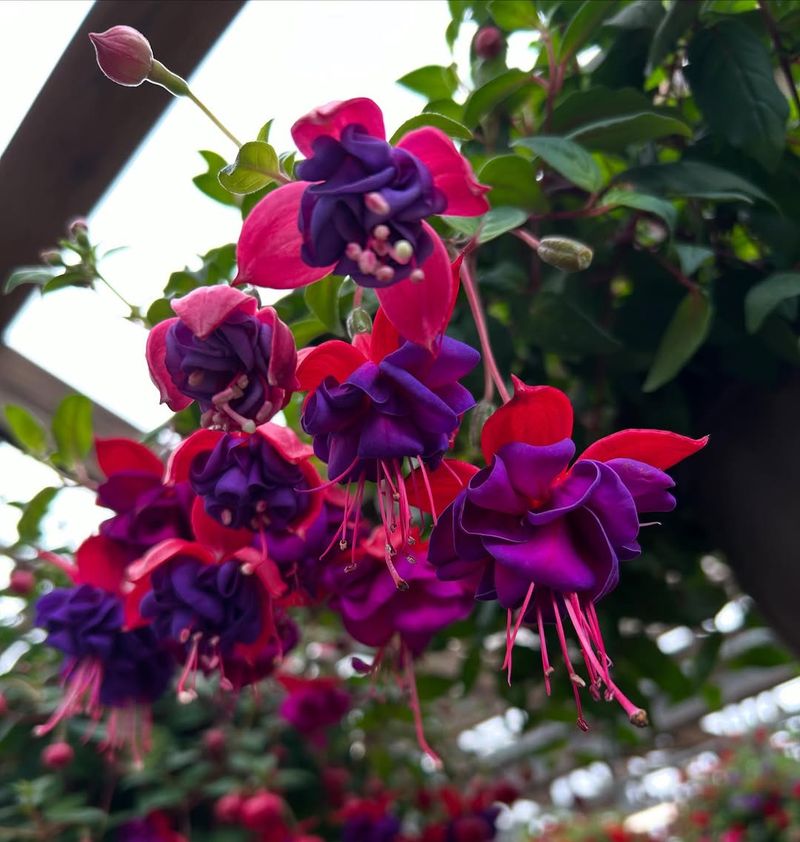
Exotic dangling flowers resembling tiny ballerinas in colorful skirts make fuchsias instantly recognizable and utterly charming. These shade-loving plants add elegance to covered patios and shaded garden areas where many flowering plants struggle.
The two-toned blooms come in stunning color combinations that catch the eye from across the yard.
Fuchsias require shade or filtered light to thrive in Florida, particularly in Central and South Florida where heat intensity increases quickly; in North Florida, they grow well in mild March and April but may need protection from late frosts. Morning sun with afternoon shade works in cooler regions, but deep shade proves necessary in warmer areas.
Consistent moisture keeps fuchsias blooming and prevents stress. Water daily during warm weather when plants show any signs of wilting.
These plants prefer cooler root temperatures, which can be challenging in Florida’s climate. Hanging baskets in shaded locations stay cooler than those in sun exposure.
Feed weekly with a diluted bloom-boosting fertilizer during active growth. Remove spent flowers regularly to encourage continuous blooming.
Fuchsias may struggle during the hottest summer months in Central and South Florida, but they often revive and bloom again in fall. Consider them a spring specialty plant in the warmest regions.
10. Air Plants Create A Breezy Modern Tropical Look
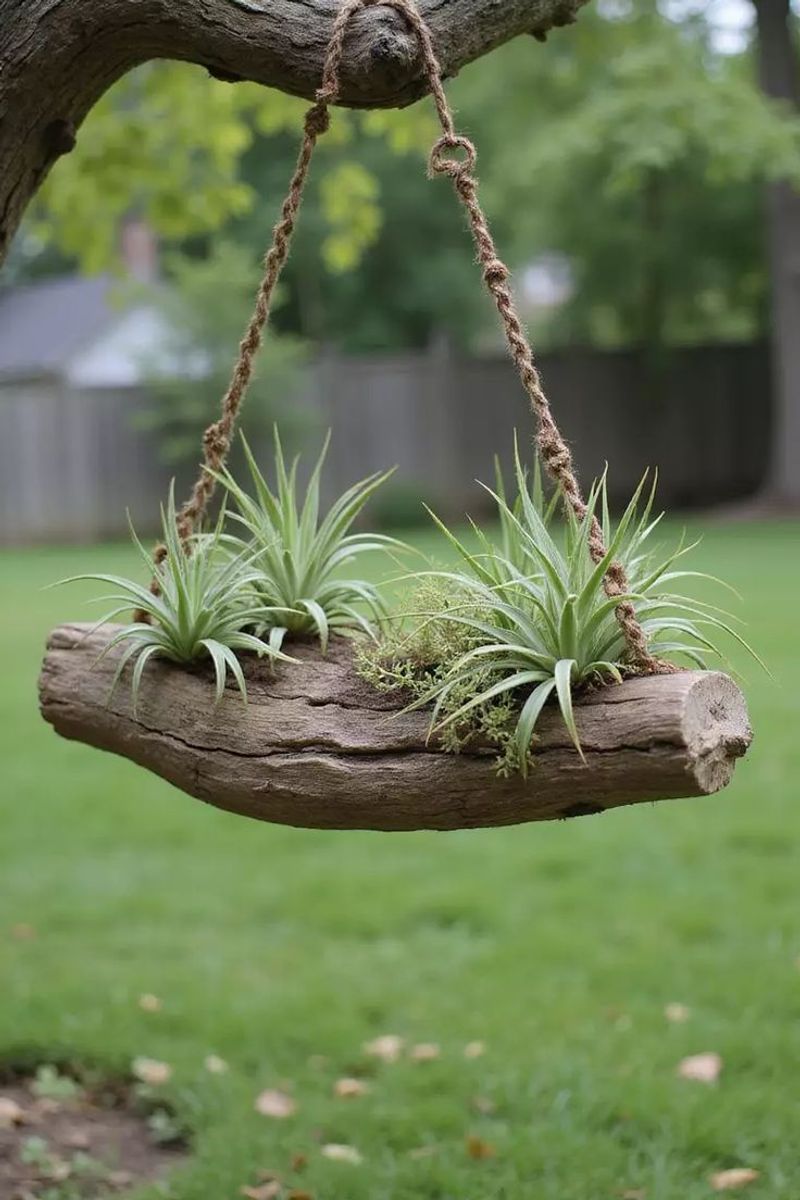
Rootless wonders that absorb moisture and nutrients through their leaves bring a contemporary edge to Florida patio displays. Air plants work beautifully in hanging glass globes, wire frames, or mounted on driftwood, creating living art installations.
Their minimal care requirements and tolerance for Florida’s climate make them surprisingly easy despite their exotic appearance.
Air plants prefer bright indirect light or filtered sun throughout the day. They handle Florida’s humidity naturally since many species originate from similar tropical climates.
All three Florida regions can grow air plants outdoors year-round, though protection from direct afternoon sun prevents leaf burn. In South Florida’s high humidity, soak once weekly may be sufficient; in North Florida’s drier conditions, soaking twice weekly may be needed.
Watering involves soaking plants in room-temperature water for twenty to thirty minutes once or twice weekly. Shake off excess water and allow plants to dry completely within four hours to prevent rot.
March’s increasing humidity means you might water less frequently than during drier winter months. Misting between soakings provides supplemental moisture.
Feed monthly by adding a diluted bromeliad or orchid fertilizer to the soaking water. Most air plant species bloom once in their lifetime and produce offsets afterward, though some species may flower annually.
After blooming, the parent plant produces offsets or pups that can be separated once they reach one-third the size of the mother plant.