These 9 Groundcovers Stop Weeds Naturally In Florida Homes
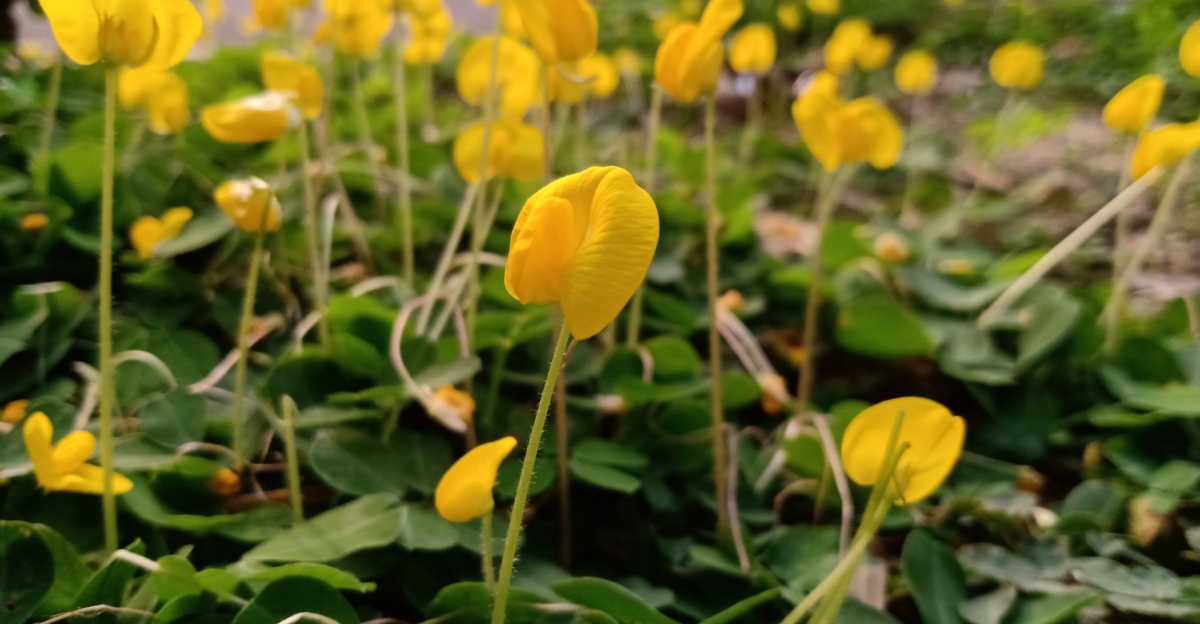
Florida lawns fight a constant battle against weeds, heat, and nonstop growth. The good news is your yard can win naturally.
These powerful groundcovers create thick, living carpets that choke out weeds, lock in moisture, and keep your landscape looking lush with less work.
Think of dull, patchy areas turning into lush groundcover that spreads quickly, loves Florida humidity, and enriches your soil.
No harsh chemicals. No endless pulling.
Just smart planting that does the heavy lifting for you. From sunny front yards to shady backyard corners, these options thrive in Florida’s unique climate and bring serious curb appeal along the way.
If you want a cleaner lawn, fewer weeds, and more time to enjoy your outdoor space, this list is about to change how you landscape. Get ready to plant once and relax more all season long!
1. Perennial Peanut: Weed-Proof Green Carpet
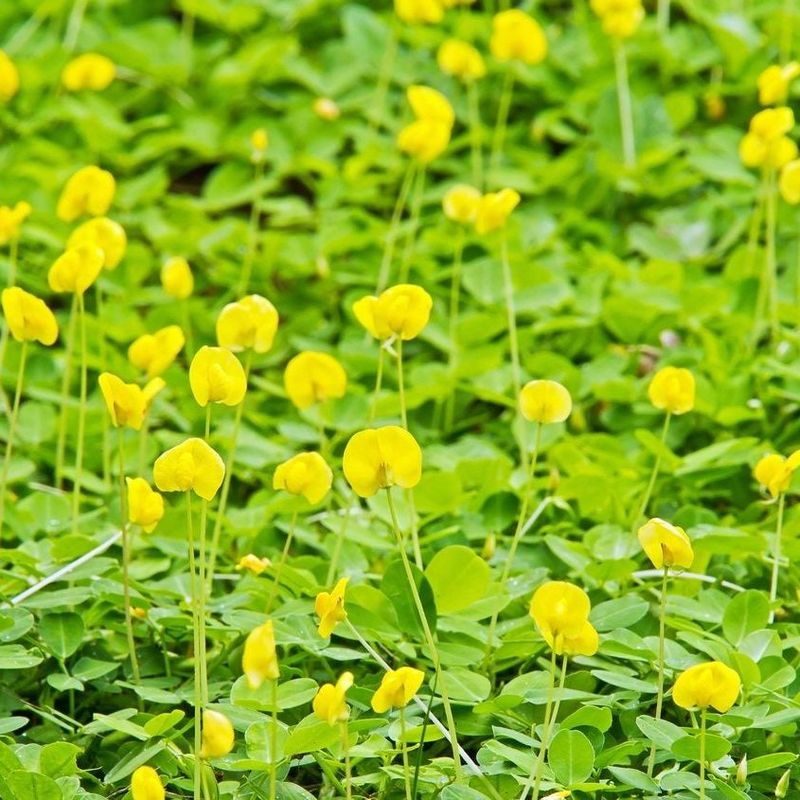
Perennial peanut creates one of the toughest weed barriers available for Florida landscapes. This nitrogen-fixing legume spreads through underground rhizomes, forming such a thick mat that weeds struggle to push through.
Unlike its edible cousin, this plant produces no peanuts but delivers beautiful bright green foliage and cheerful yellow flowers throughout the growing season. Florida gardeners love how this groundcover handles occasional foot traffic better than many alternatives.
It stays green nearly year-round in South Florida and goes dormant only briefly in northern parts of the state. Once established, it needs mowing just once or twice monthly during peak growth periods.
Water requirements drop significantly after the first year, making this an eco-friendly choice during dry seasons. The dense root system also helps prevent soil erosion on slopes and banks.
Many homeowners report that after two growing seasons, their perennial peanut areas become virtually weed-free without any chemical treatments. This groundcover works beautifully in full sun locations where traditional grass struggles.
It handles sandy Florida soils exceptionally well and actually improves soil quality over time by adding nitrogen naturally.
2. Sunshine Mimosa: Fast-Spreading Native Mat
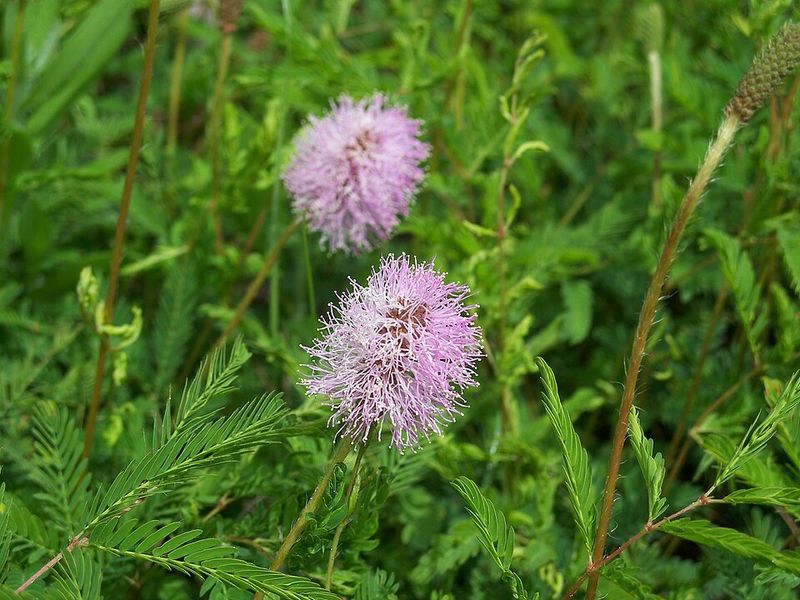
Speed matters when you want to cover bare ground before weeds move in. Sunshine mimosa earns its reputation as one of Florida’s fastest-spreading native groundcovers, sometimes covering several square feet in a single growing season.
Those feathery leaves create a soft texture that contrasts beautifully with bolder foliage plants nearby. The pink fluffy flowers appear sporadically throughout warm months, attracting butterflies and native bees to your yard.
This plant stays low, rarely exceeding six inches in height, making it perfect for areas where you want to maintain clear sight lines. Florida’s heat and humidity never slow it down.
Sunshine mimosa demonstrates remarkable drought tolerance once its roots establish. It thrives in the sandy, well-drained soils common throughout coastal and central Florida.
The dense growth pattern leaves little room for competing weeds to gain a foothold. Gardeners appreciate how this native performs best in full sun but tolerates light partial shade.
It requires minimal maintenance beyond occasional trimming to keep it within desired boundaries. Many landscape professionals recommend it for homeowners seeking quick results without constant upkeep or chemical interventions.
3. Frogfruit: Tough Lawn Alternative
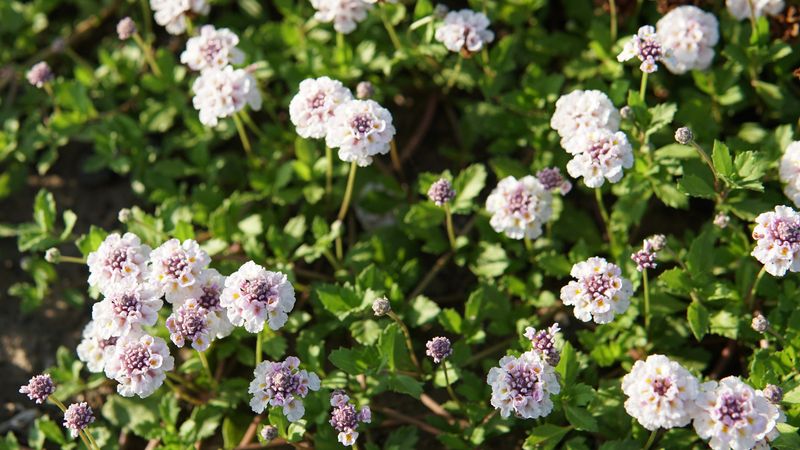
Walking on frogfruit feels surprisingly pleasant underfoot, making it an excellent substitute for high-maintenance grass lawns. This tough Florida native tolerates moderate foot traffic while providing continuous blooms that pollinators adore.
The tiny white and purple flowers appear on short spikes, creating a subtle spotted effect across the green carpet. Homeowners throughout Florida discover that frogfruit needs far less water than St. Augustine or Bermuda grass.
It stays green during dry spells that would turn traditional lawns brown and crispy. The low growth habit means you can skip mowing entirely or just trim occasionally for a neater appearance.
Weed suppression happens naturally as frogfruit spreads through stolons that root at nodes, creating multiple layers of coverage. This dense structure blocks light from reaching the soil surface where weed seeds wait to germinate.
Established patches rarely need weeding. Florida’s native butterflies, including the common buckeye and white peacock, depend on frogfruit as a host plant for their caterpillars.
By planting this groundcover, you support local wildlife while reducing your yard maintenance workload. It adapts well to both sandy and clay soils found across different regions of the state.
4. Beach Sunflower: Sunshine Groundcover Star
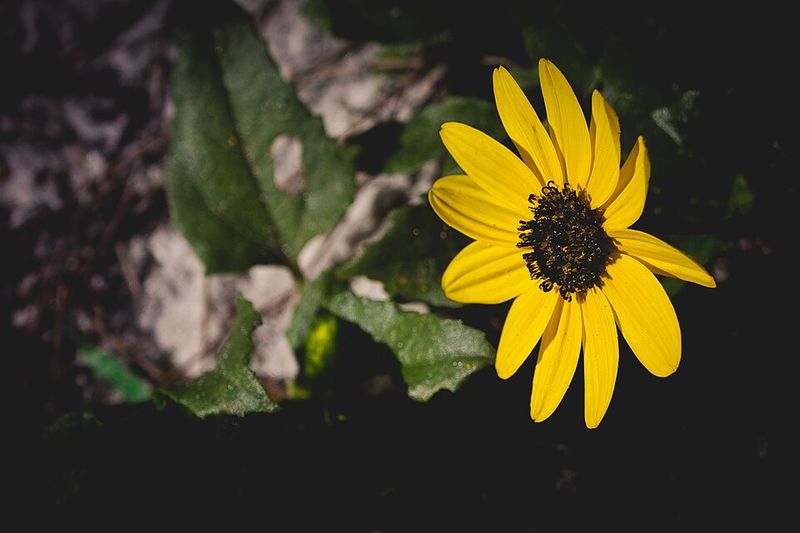
Bright yellow blooms practically glow against the thick, succulent foliage of beach sunflower. This coastal native brings serious flower power to sunny Florida yards while creating a dense barrier that strongly suppresses weeds.
Each plant can spread several feet wide, with new growth constantly filling in gaps where unwanted plants might try to establish. Salt tolerance makes beach sunflower perfect for properties near the ocean, but it performs equally well inland throughout Florida.
The fleshy leaves store water efficiently, allowing this groundcover to laugh at drought conditions that stress other plants. Those cheerful flowers appear year-round in South Florida and most months in central regions.
Butterflies and native bees visit constantly, making your yard a hub of beneficial insect activity. The dense growth habit smothers existing weeds while preventing new ones from taking root.
Many gardeners report that areas planted with beach sunflower need virtually no weeding after the first season. This groundcover grows vigorously in sandy soils where many plants struggle.
It handles full sun and heat without wilting or burning, staying attractive through Florida’s toughest summer months. Occasional trimming keeps it compact, or let it sprawl naturally for maximum coverage and weed prevention.
5. Railroad Vine: Sand-Locking Spreader
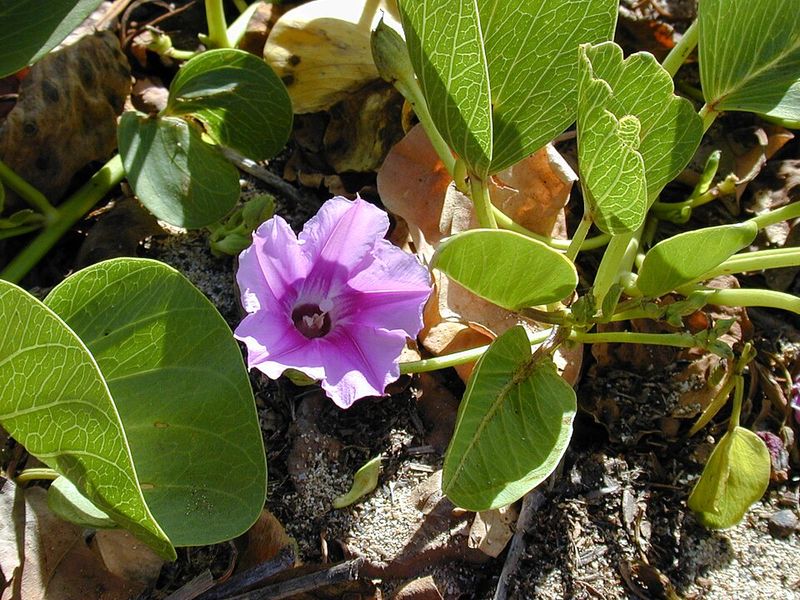
Railroad vine earned its name from its habit of growing along railroad tracks, but Florida gardeners value it for stabilizing sandy soils and preventing weed invasions. This vigorous spreader produces long runners that root wherever nodes touch the ground, creating an interconnected network that holds soil in place.
The heart-shaped leaves create attractive foliage even when the pretty pink morning glory flowers take a break. Coastal properties benefit enormously from railroad vine’s ability to thrive in pure sand with salt spray.
It colonizes bare areas quickly, preventing erosion while simultaneously blocking weeds from establishing. The dense mat of vegetation shades the soil surface, making conditions unfavorable for most weed seeds.
Florida’s intense summer heat and sun never faze this tough native. It requires almost no supplemental watering once established, making it ideal for water-conscious homeowners.
The extensive root system reaches deep for moisture during dry periods. Morning blooms open fresh each day, providing nectar for early-rising pollinators.
Railroad vine works particularly well on slopes, banks, and other challenging areas where maintaining traditional plantings proves difficult. Many landscape professionals recommend it for properties with sandy soils primarily in coastal and sandy environments.
6. Twinflower: Shade-Friendly Spreader
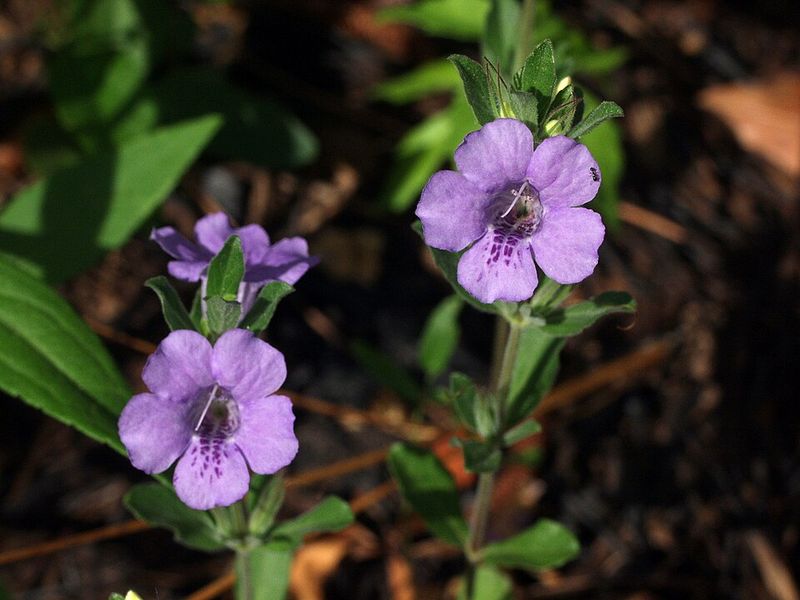
Finding groundcovers that thrive in Florida’s shady spots challenges many homeowners, but twinflower solves that problem beautifully. This shade-loving native spreads steadily under trees and along north-facing walls where grass refuses to grow.
The glossy green leaves stay attractive year-round, while white flowers add seasonal interest without requiring full sun. Twinflower’s growth pattern creates overlapping layers of foliage that help reduce weed growth by shading the soil surface.
It tolerates the dry shade under oak trees and other challenging conditions common in Florida landscapes. The moderate spreading rate means it fills in reliably without becoming aggressively invasive.
Florida gardeners appreciate how this groundcover handles both sandy and organic-rich soils. It needs regular moisture during establishment but becomes more drought-tolerant over time.
The root system helps prevent erosion on shaded slopes where other options fail. Native wildlife benefits from twinflower’s presence, with various insects visiting the blooms for nectar.
The dense foliage provides shelter for small creatures while maintaining a neat appearance with minimal care. Many homeowners use it to create natural-looking transitions between wooded areas and maintained lawns throughout Florida properties.
Shaded areas that once required frequent weeding become easier to manage after twinflower establishes itself completely.
7. Powderpuff Mimosa: Low Native Blanket
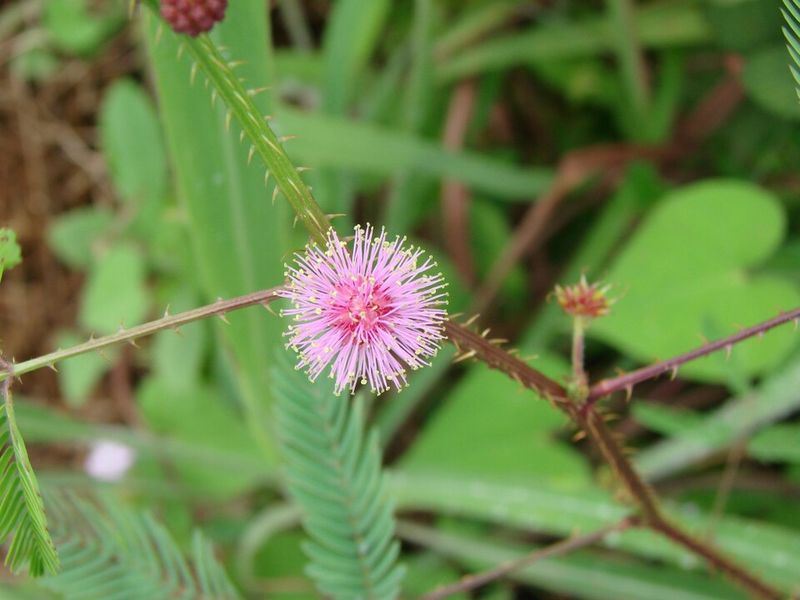
Soft, feathery leaves give powderpuff mimosa a delicate appearance that belies its tough nature. This low-growing Florida native spreads horizontally rather than vertically, creating a living blanket that weeds cannot penetrate.
The adorable pink powderpuff flowers appear throughout warm months, adding whimsical charm to practical weed control. Homeowners throughout Florida discover that powderpuff mimosa adapts to various soil types and moisture conditions.
It tolerates short wet periods and moderate drought once established, making it reliable in areas with inconsistent drainage. The fine-textured foliage creates interesting contrast when planted alongside bold-leaved companions.
Weed suppression occurs naturally as the dense growth shades out competing plants. The spreading habit quickly covers bare ground, preventing weed seeds from finding suitable germination sites.
Established plantings rarely require weeding beyond occasional removal of tree seedlings. Florida’s native pollinators visit the flowers regularly, supporting local ecosystems while you reduce lawn maintenance.
This groundcover stays naturally low, eliminating the need for frequent trimming. Many gardeners use it in areas where they want living coverage without the height of shrubs.
Sandy soils pose no challenge, and the plant actually seems to prefer the well-drained conditions common in many Florida yards.
8. Creeping Sage: Stunning And Functional
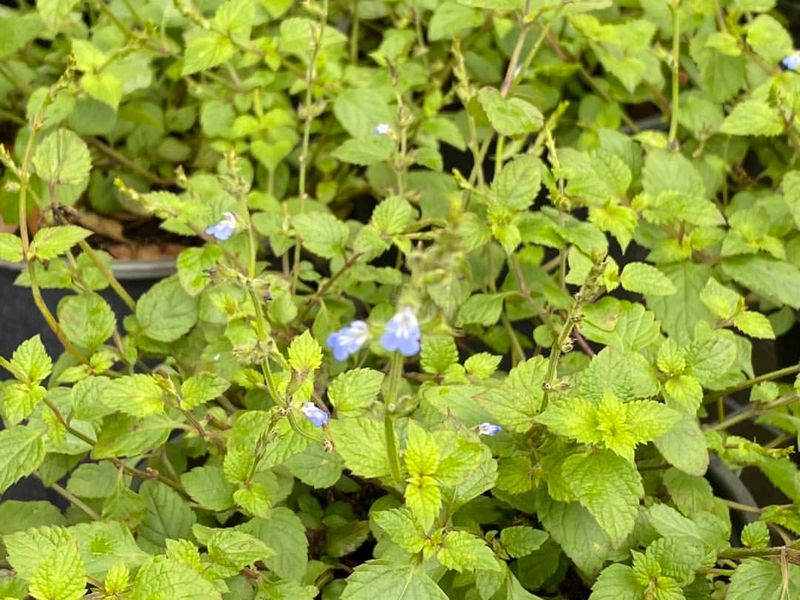
Creeping sage creates a low, spreading mat that works beautifully as a natural weed barrier in sunny Florida landscapes. This Florida native spreads outward along the soil surface, rooting as it grows and quickly filling open spaces that weeds would normally invade.
Small lavender-blue flowers appear throughout the warm months, adding soft color while attracting native bees, butterflies, and other beneficial pollinators. The fine-textured foliage stays compact and low, rarely exceeding six inches in height, making it ideal for ground-level coverage without blocking views.
Once established, creeping sage demonstrates impressive drought tolerance and handles Florida’s intense heat with ease. It thrives in sandy, well-drained soils and performs especially well in full sun to light shade locations.
The dense growth pattern shades the soil surface, reducing weed seed germination and limiting the need for frequent hand-weeding. Homeowners appreciate how quickly bare areas transform into living green carpets with minimal maintenance.
Creeping sage requires little upkeep beyond occasional trimming to maintain boundaries and encourage fresh growth. Its spreading habit makes it perfect for borders, open lawn replacements, pathways, and difficult sunny areas where traditional turf struggles.
By planting creeping sage, Florida gardeners gain an attractive, pollinator-friendly groundcover that naturally suppresses weeds while supporting local ecosystems and reducing long-term maintenance needs.
9. Coontie: Hardy Native Ground Base
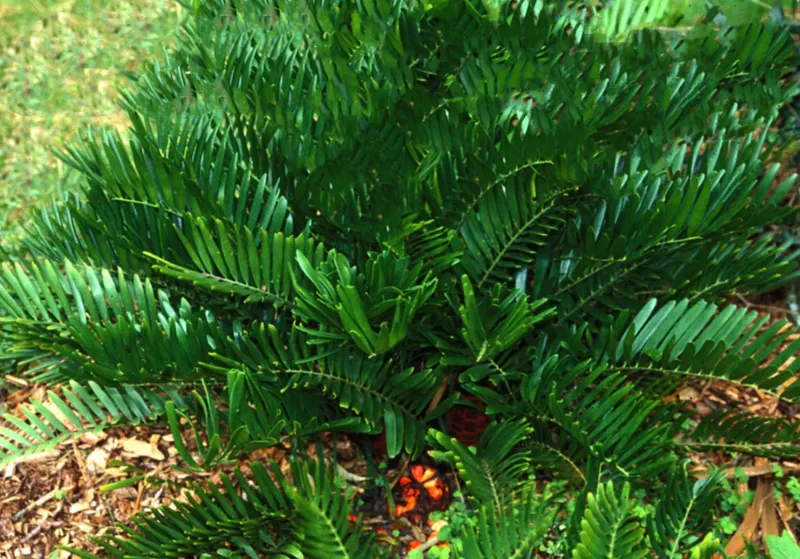
Coontie represents Florida’s only native cycad, bringing prehistoric charm and modern weed control to contemporary landscapes. The stiff, dark green fronds grow in attractive rosettes that slowly spread through underground stems.
While individual plants expand gradually, their dense root systems and thick foliage create conditions where weeds struggle to compete. Florida homeowners value coontie for its incredible toughness and low maintenance requirements.
It tolerates deep shade under tree canopies as well as bright sunny locations. Drought resistance improves dramatically after establishment, making it perfect for water-conscious landscapes throughout the state.
The unusual texture adds architectural interest while the spreading clumps gradually cover more ground each year. Weeds find little opportunity to grow among the established plants.
Coontie’s thick roots occupy soil space that would otherwise host unwanted vegetation. Atala butterflies depend exclusively on coontie as their caterpillar food source, making this groundcover essential for supporting these rare native insects.
The plant handles sandy and organic soils equally well across Florida’s diverse regions. Many gardeners combine coontie with faster-spreading groundcovers for immediate coverage that transitions into long-term, virtually maintenance-free plantings.
Once established, these tough plants can outlive their planters, providing long-term low-maintenance coverage without chemicals or constant attention.