These 9 Herbs Are Perfect To Start Indoors In Florida This January
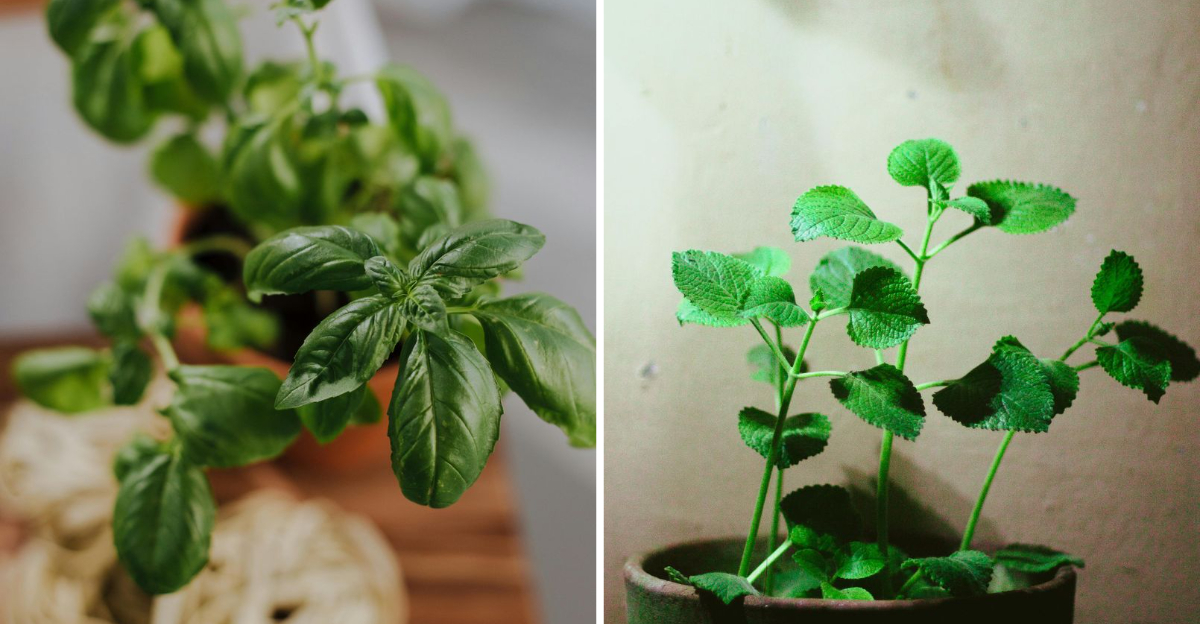
January in Florida is a bit of a balancing act—cool mornings, mild afternoons, and the occasional cold snap that keeps gardeners on their toes.
While outdoor planting can still feel like rolling the dice, starting herbs indoors lets you stack the odds in your favor.
A few pots by a sunny window can bring fresh flavor to your kitchen, cut down on grocery bills, and fill your home with comforting, feel-good aromas.
Growing herbs inside now means you’re not waiting on spring to enjoy vibrant meals and creative cooking.
Florida’s winter light is gentle but steady, giving young herbs exactly what they need to grow without stress.
Best of all, having fresh herbs within arm’s reach makes everyday meals feel a little more special without much extra effort.
These nine herbs are especially well-suited for indoor growing this January and will keep your kitchen garden thriving well beyond winter.
1. Basil
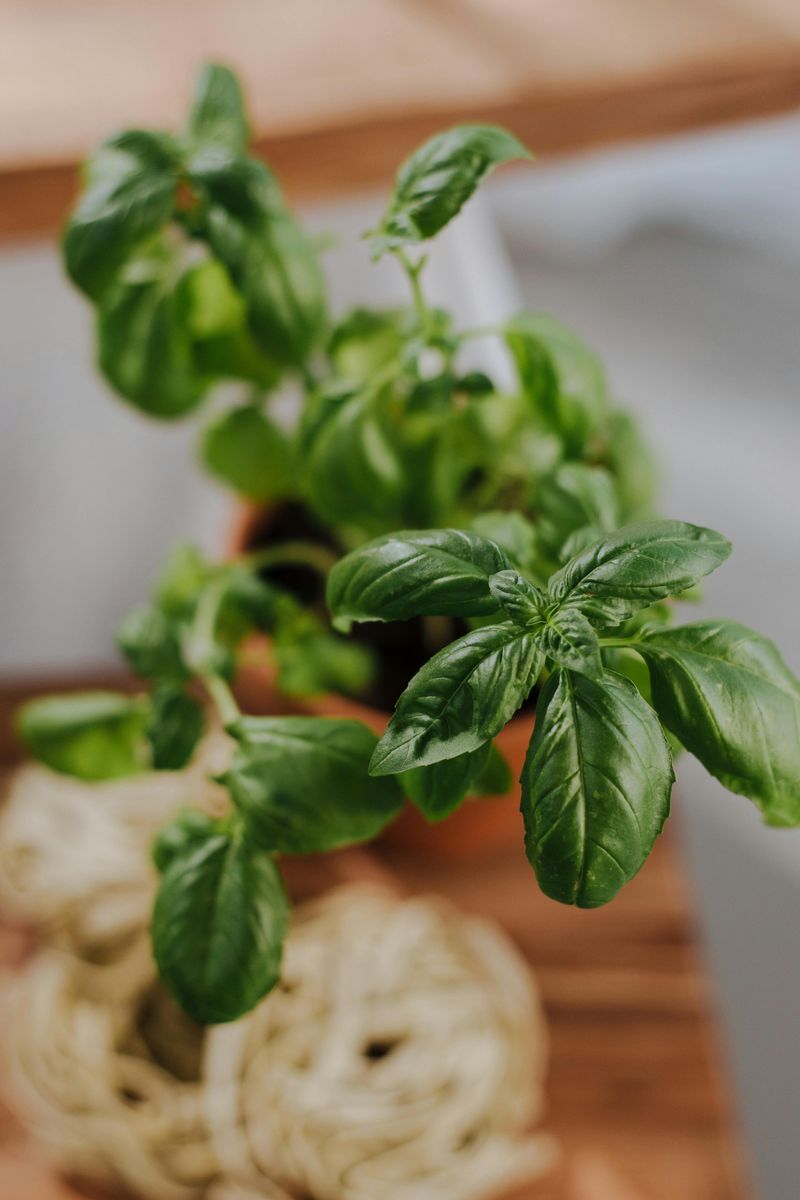
Few herbs bring such bold flavor to pasta dishes, fresh salads, and homemade pizzas while filling the kitchen with a sweet, peppery scent inside.
Seeds sprout quickly indoors when placed near a sunny window where strong light reaches the plant for at least six hours daily each winter day.
Soil should remain consistently moist but never soggy, since shallow roots prefer well-draining conditions that stop them from sitting in excess water too long indoors.
Regular pinching of the top leaves encourages bushier growth and helps prevent early flowering, which can quickly turn the flavor unpleasant for the plant.
Warm indoor temperatures throughout January keep growth steady without requiring special heating tools or complicated setups that overwhelm beginner gardeners at any point inside.
Popular options include Genovese, Thai, and lemon types chosen based on which flavors excite your taste buds most when cooking at home.
Fresh leaves deliver far more aroma and intensity than dried store-bought versions, making the small effort of growing them completely worthwhile for most cooks.
Starting indoors now ensures plenty of flavorful leaves are ready once summer cooking begins and outdoor gardens finally take off nearby outside again.
2. Cilantro
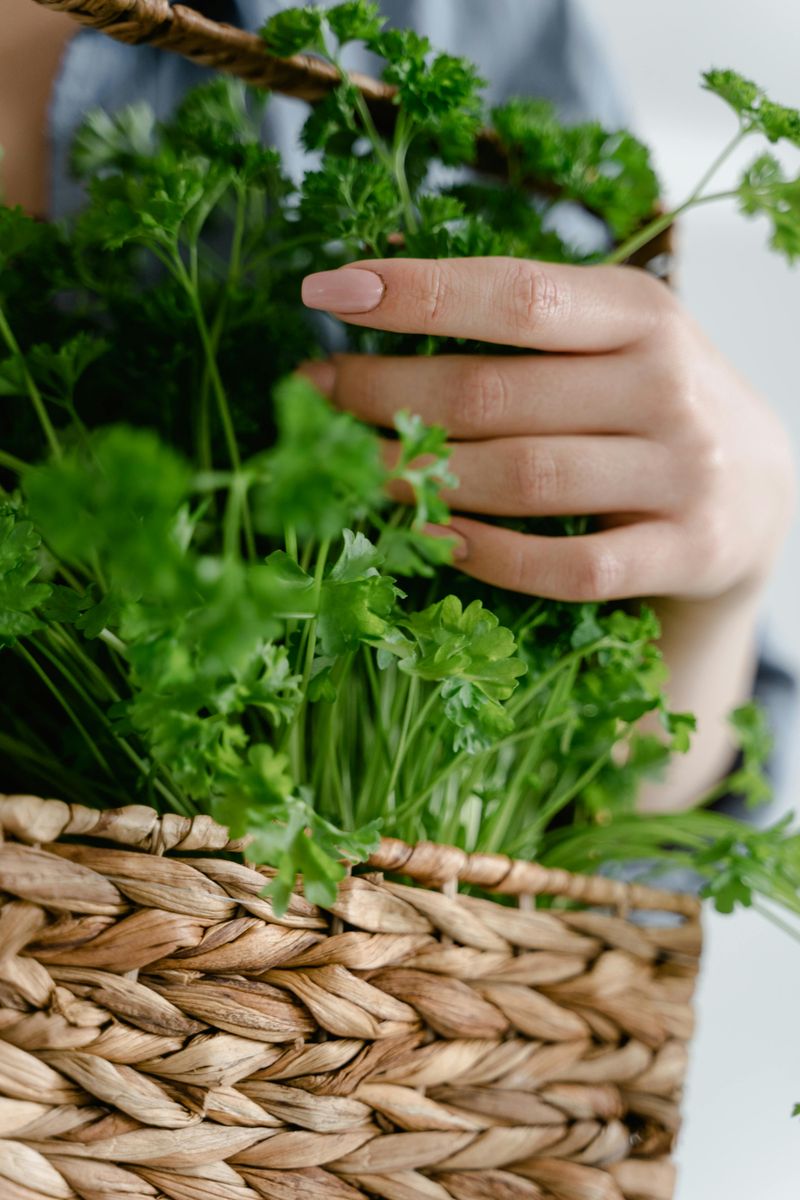
A bright, citrusy freshness brings life to salsas, tacos, curries, and countless dishes in a way dried herbs never manage to achieve.
Indoor growing works especially well during Florida’s January weather because cooler conditions help slow bolting and encourage leaf production for longer periods.
Seeds should be planted directly into containers filled with loose, well-draining soil to avoid disturbing sensitive roots later on during growth.
Placing pots where they receive gentle morning sunlight provides enough energy without exposing plants to harsh heat that can stress them.
Regular watering keeps the soil evenly moist, though excess water should always be avoided to prevent root issues that slow development.
Harvesting the outer leaves once plants reach about six inches tall allows the center to continue producing fresh growth over time.
Some people experience a soapy taste due to genetics, but fans of this herb consider it completely essential in the kitchen.
Starting it indoors now provides a reliable supply long before rising temperatures make growing it more challenging outdoors.
3. Parsley
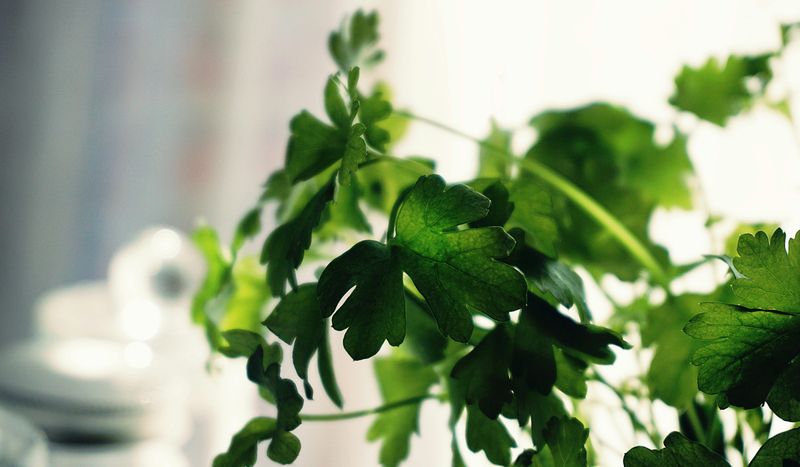
Often dismissed as a simple garnish, this herb delivers impressive nutrition while adding fresh flavor to countless meals enjoyed across kitchens around the entire world.
Both curly and flat-leaf varieties grow well indoors during January, though the flat-leaf type offers a stronger, more robust flavor favored by many home cooks.
Seeds can take up to three weeks to germinate, so patience truly matters when starting this plant from scratch inside your indoor garden space.
Soaking seeds overnight before planting helps speed up germination and gives young plants a better chance of sprouting successfully without unnecessary delays or frustration.
Placing containers in bright, indirect light while keeping soil consistently moist helps plants stay healthy and produce abundant leaves steadily for many months indoors.
Early growth seems slow at first, but plants eventually develop into bushy growers that provide steady harvests when outer leaves are clipped regularly away.
Florida’s mild January temperatures create ideal conditions for indoor growing without concerns about frost damage or sudden temperature swings that stress delicate young seedlings.
Fresh harvests brighten soups, stews, salads, and sauces with a clean, lightly peppery taste dried versions never fully manage to capture properly.
4. Mint
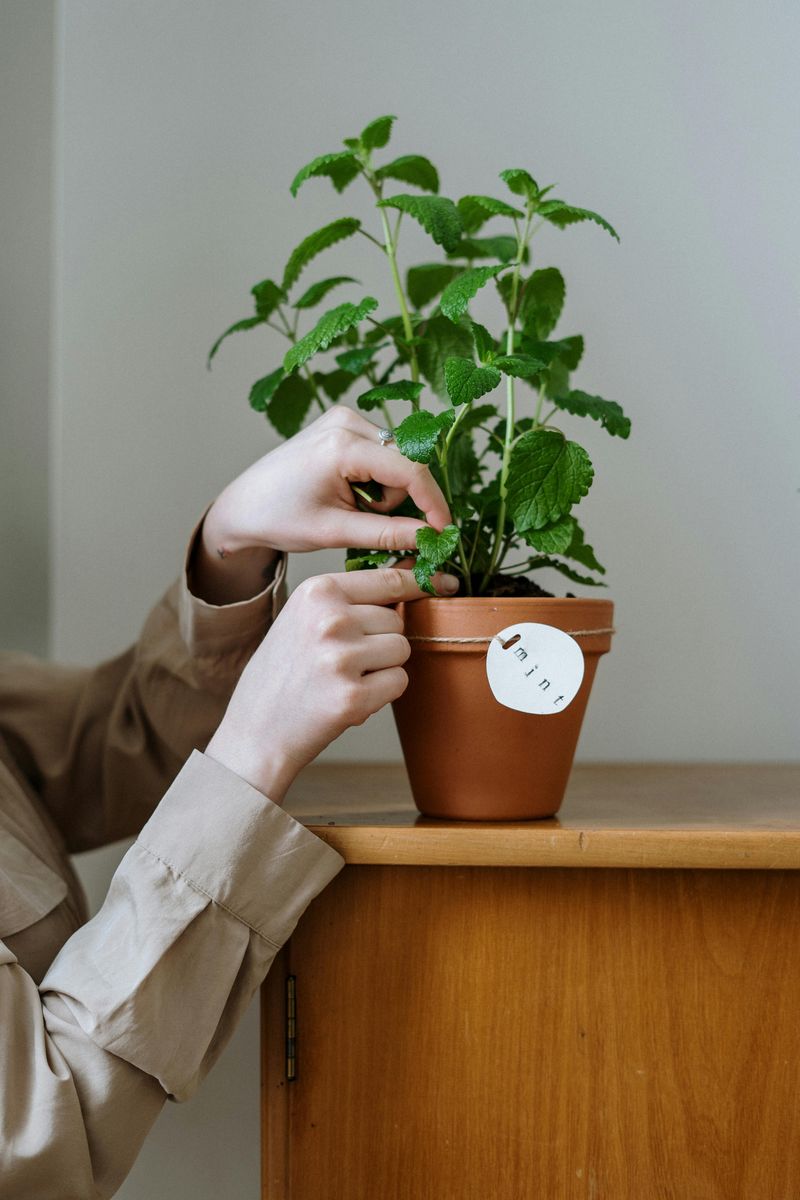
A refreshing scent fills the room the moment the leaves are touched, instantly making drinks and dishes feel cooler and brighter.
Growing this herb indoors during January keeps its energetic growth contained instead of allowing it to spread aggressively through outdoor garden beds.
Fresh leaves work beautifully in teas, mojitos, desserts, sauces, and a wide range of Middle Eastern and Mediterranean recipes.
Many varieties are available, including spearmint, peppermint, chocolate mint, and apple mint, allowing you to choose flavors that suit your taste.
Partial shade works perfectly indoors, making placement easier than herbs that demand strong, direct sunlight all day long.
Soil should remain consistently moist, as letting it dry out too often can slow growth and reduce leaf quality over time.
Regularly pinching back stems encourages fuller, bushier plants and prevents a leggy appearance as the plant matures indoors.
This herb propagates easily from cuttings placed in water, making it simple to expand your collection or share plants with friends.
Fresh leaves add a cooling flavor that feels especially rewarding once warmer weather returns later in the year.
Having it within reach turns simple water and meals into something special with very little effort required.
5. Oregano
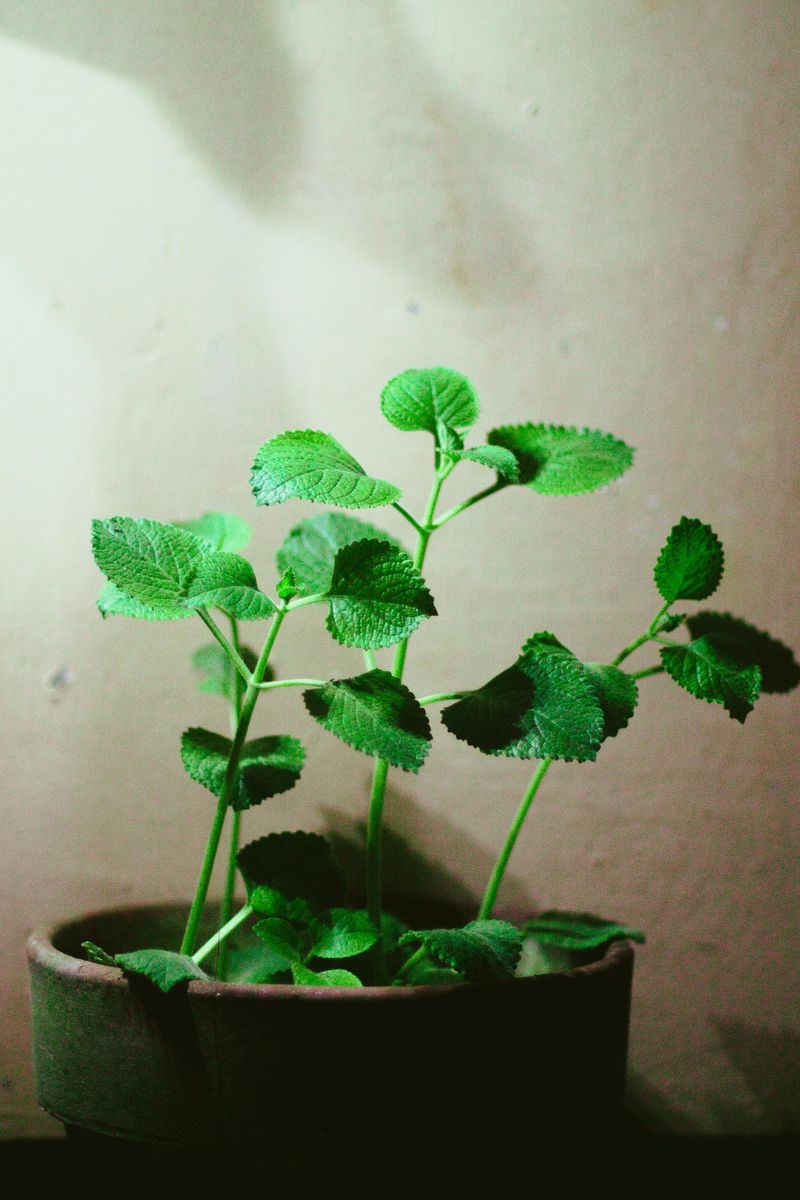
A deep, earthy aroma gives this herb a strong presence in the kitchen and instantly signals comfort food is on the way.
Its flavor plays a key role in Mediterranean and Mexican cooking, especially in tomato-based sauces and slow-simmered dishes.
This plant handles drier conditions better than many herbs, making it forgiving for gardeners who occasionally forget to water.
Placing containers on a bright, south-facing windowsill helps ensure at least six hours of direct sunlight each day indoors.
Allowing soil to dry slightly between waterings is important, since soggy roots can quickly lead to fungal problems and weak growth.
Florida’s mild January weather provides ideal indoor conditions for young plants to establish without temperature stress.
Freshly harvested leaves offer a more complex, aromatic flavor than dried oregano from the store ever can.
Regular harvesting encourages new growth and prevents plants from becoming woody or less productive over time.
With proper care, plants can continue producing for years, making this herb a reliable long-term addition.
Starting it indoors now builds a strong foundation for abundant harvests later in the season.
6. Thyme
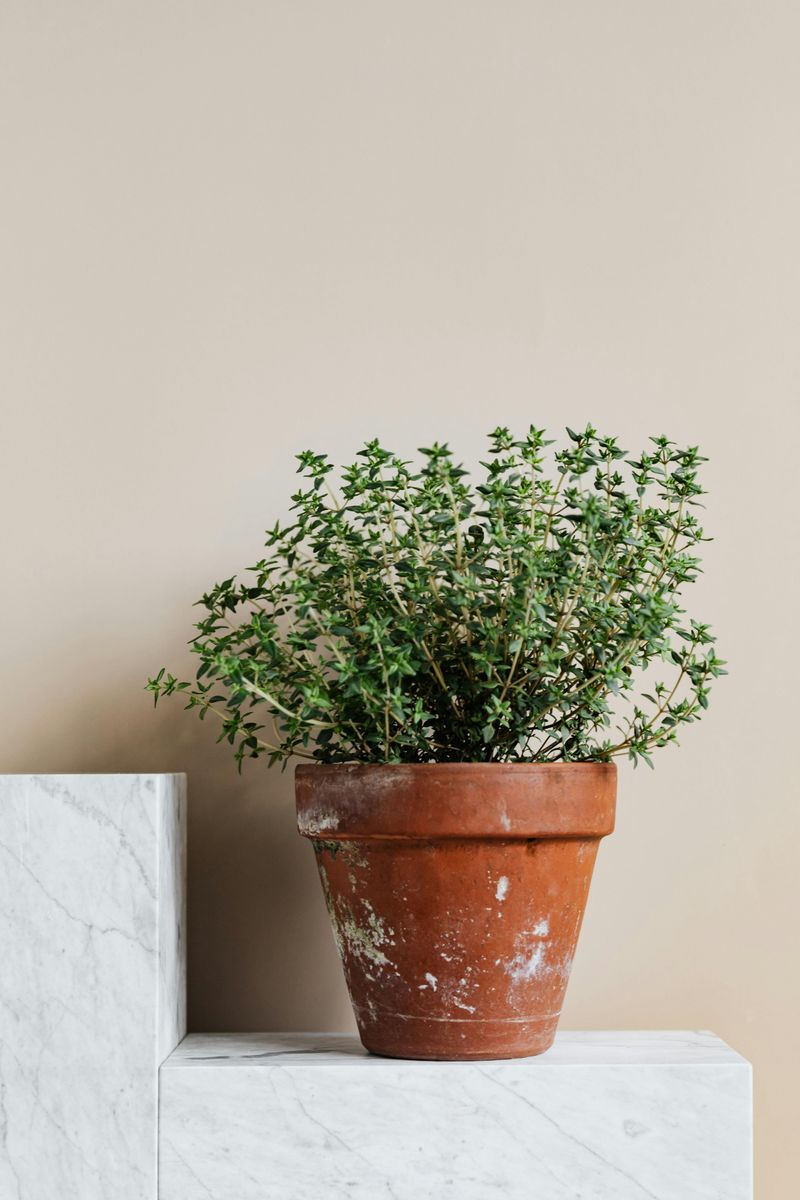
A subtle, earthy taste enhances roasted vegetables, soups, and meat dishes while needing very little space and care compared to many other kitchen herbs.
This low-growing plant appears in many varieties, including lemon, caraway, and common types, each bringing slightly different flavor profiles for creative cooking.
Well-draining soil and strong sunlight support healthy growth, which makes south-facing windows ideal spots for productive indoor plants during January.
Dry soil between waterings works best because its Mediterranean origins mean natural adaptation to low rainfall and drier conditions.
Florida’s January temperatures remain mild enough to allow strong root development indoors without stress from occasional cold snaps.
Fresh leaves release powerful essential oils when rubbed between fingers, filling the kitchen with a rich aroma dried herbs cannot match.
Sprig harvesting works best when stems are cut instead of leaves, which encourages bushier growth and preserves a neat, compact shape over time.
Starting plants now ensures established growth ready to supply fresh herbs for spring and summer cooking projects ahead.
7. Chives
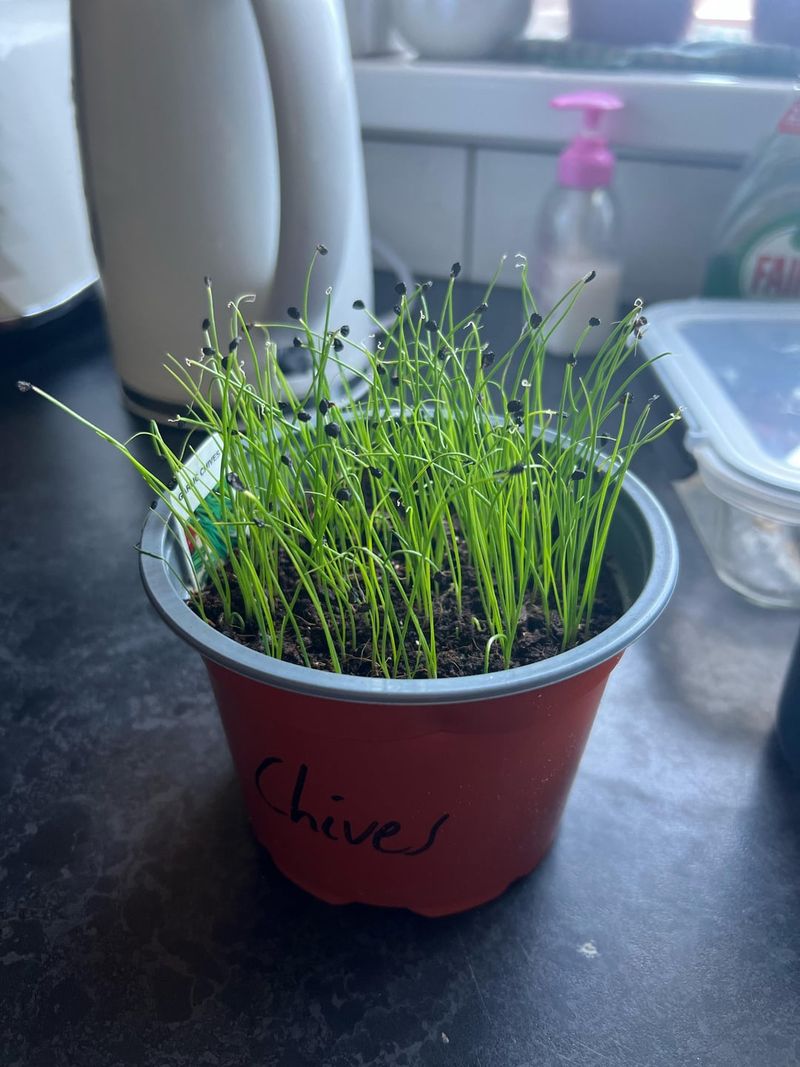
A gentle onion flavor enhances many dishes without the tears or harsh aftertaste that usually comes from chopping full onions for subtle allium recipes.
Grass-like plants grow quickly from seeds or divisions, producing hollow, tubular leaves that bring color and flavor to baked potatoes, omelets, and cream cheese.
Bright light and consistently moist soil support healthy growth, although these plants tolerate imperfect conditions better than many finicky herbs needing constant care.
Leaves should be trimmed to about two inches above the soil line at harvest time, which encourages fresh growth and prevents plants from looking overgrown or messy.
Indoor planting during Florida’s January weather gives plants time to establish before warmer months arrive and outdoor gardening season shifts into high gear.
Edible flowers add striking purple pops of color to salads, though blooming temporarily reduces leaf production during active flowering periods.
Fresh snips taste brighter and more delicate than dried alternatives, which makes growing them worthwhile even when only small amounts are used while cooking.
Hardy perennial growth allows plants to live for years, providing steady harvests that make them one of the easiest and most rewarding herbs to grow indoors.
8. Rosemary
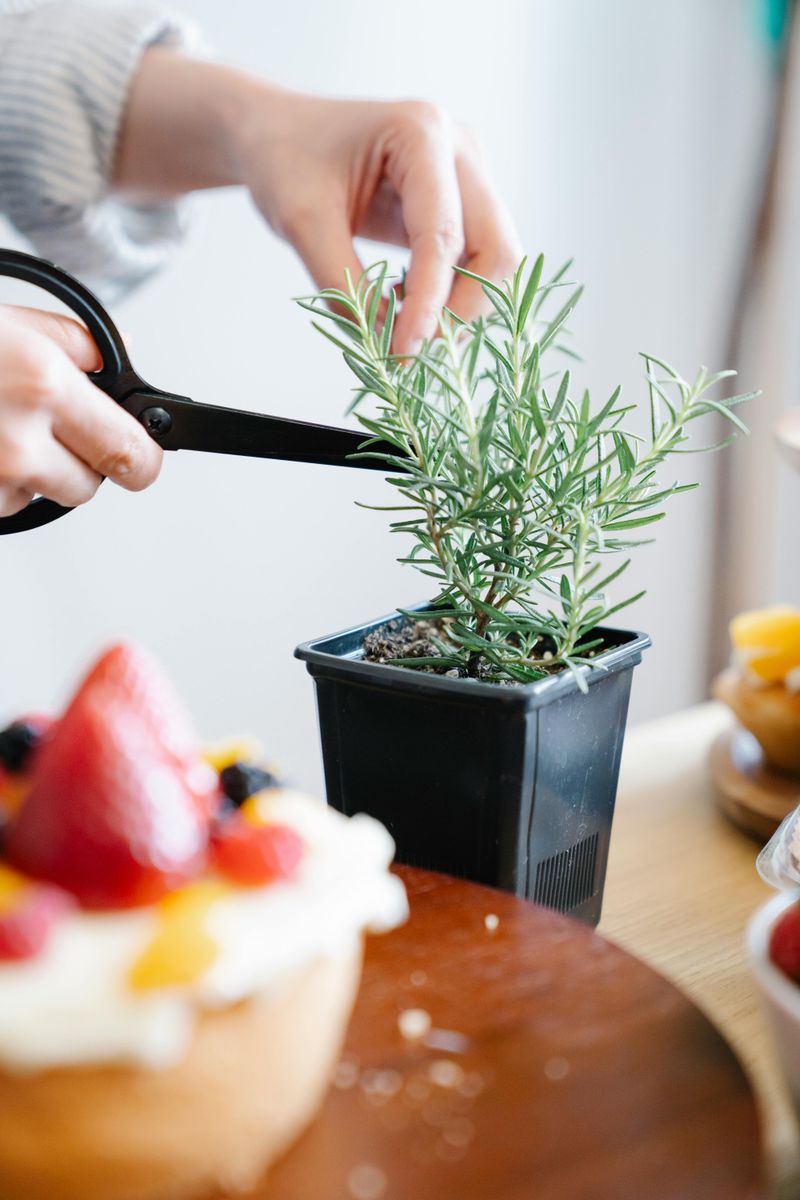
A bold, pine-like aroma fills the kitchen and instantly elevates roasted potatoes, grilled meats, and homemade bread during everyday cooking.
This woody plant prefers dry conditions and excellent drainage, making it ideal for gardeners who occasionally forget to water indoor containers.
Bright, direct sunlight plays a major role in healthy growth, so the sunniest window available provides the best results throughout winter.
Completely dry soil between waterings prevents root rot, since excess moisture causes problems quickly and limits long-term success.
Florida’s January temperatures remain comfortable enough to help young plants establish indoors without the intense summer heat that stresses container growth.
Fresh sprigs release an incredible fragrance when brushed or harvested, which makes this plant popular for both cooking and natural home scent.
Stem harvesting works best, as cutting sprigs instead of stripping leaves maintains an attractive shape and encourages branching over time.
Slow but steady growth rewards patience, and plants often grow large indoors when given consistent light and proper care.
9. Dill
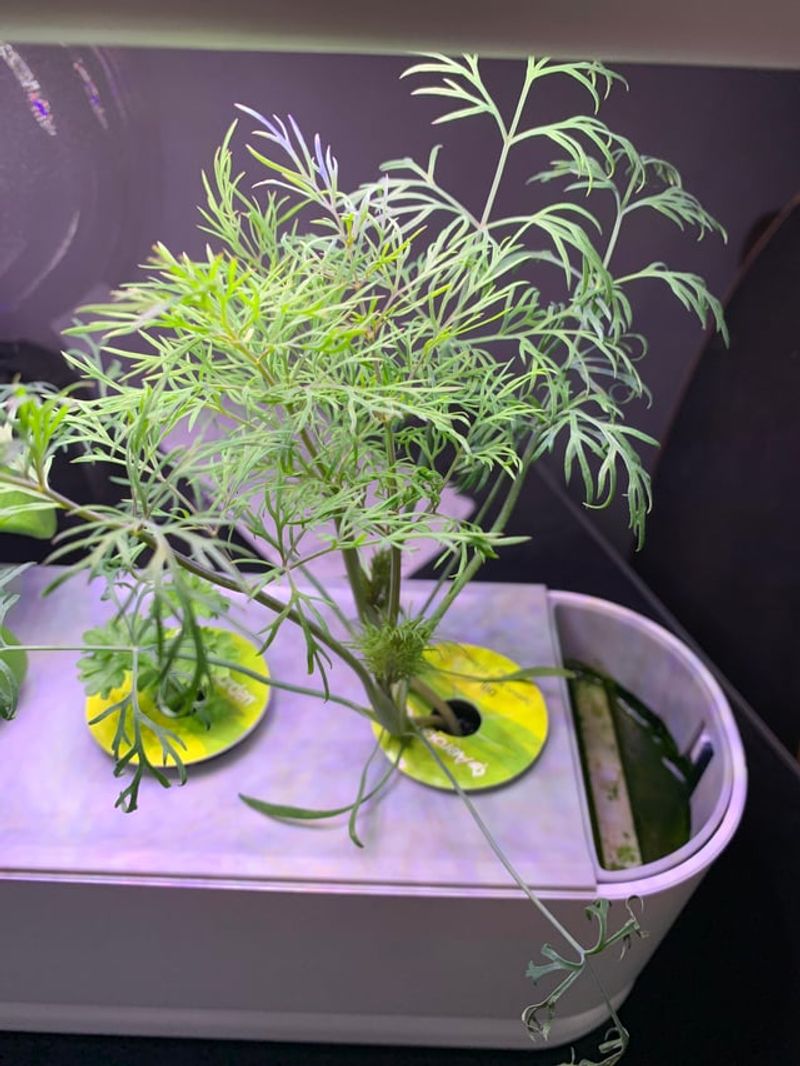
A bright, tangy taste brings life to pickles, fish dishes, and potato salads, offering a distinctive flavor that reminds many people of familiar comfort foods from home.
This fast-growing annual develops soft, feathery foliage that looks almost ornamental while still producing plenty of fresh leaves for cooking throughout the season ahead.
Full sun and well-draining soil support strong growth, so containers should be placed near bright windows where plants receive several hours of direct light daily for best results.
Seeds sprout quickly, most often within seven to ten days, which makes this plant especially satisfying for impatient gardeners eager to see progress fast.
Florida’s mild January temperatures create ideal conditions for indoor growing without concerns about frost damage or extreme cold harming young seedlings early on.
Leaves should be harvested before flowering begins, as blooming alters flavor and signals the plant to slow production of tender foliage used for cooking.
Fresh leaves deliver a brighter, more complex taste than dried versions, with light lemony notes that pair beautifully with seafood and creamy dishes.
Starting plants now ensures fresh herbs are ready exactly when needed, making this quick-growing annual a valuable addition to any indoor herb garden.