These Indoor Plants Handle Texas Heat Better Than Most
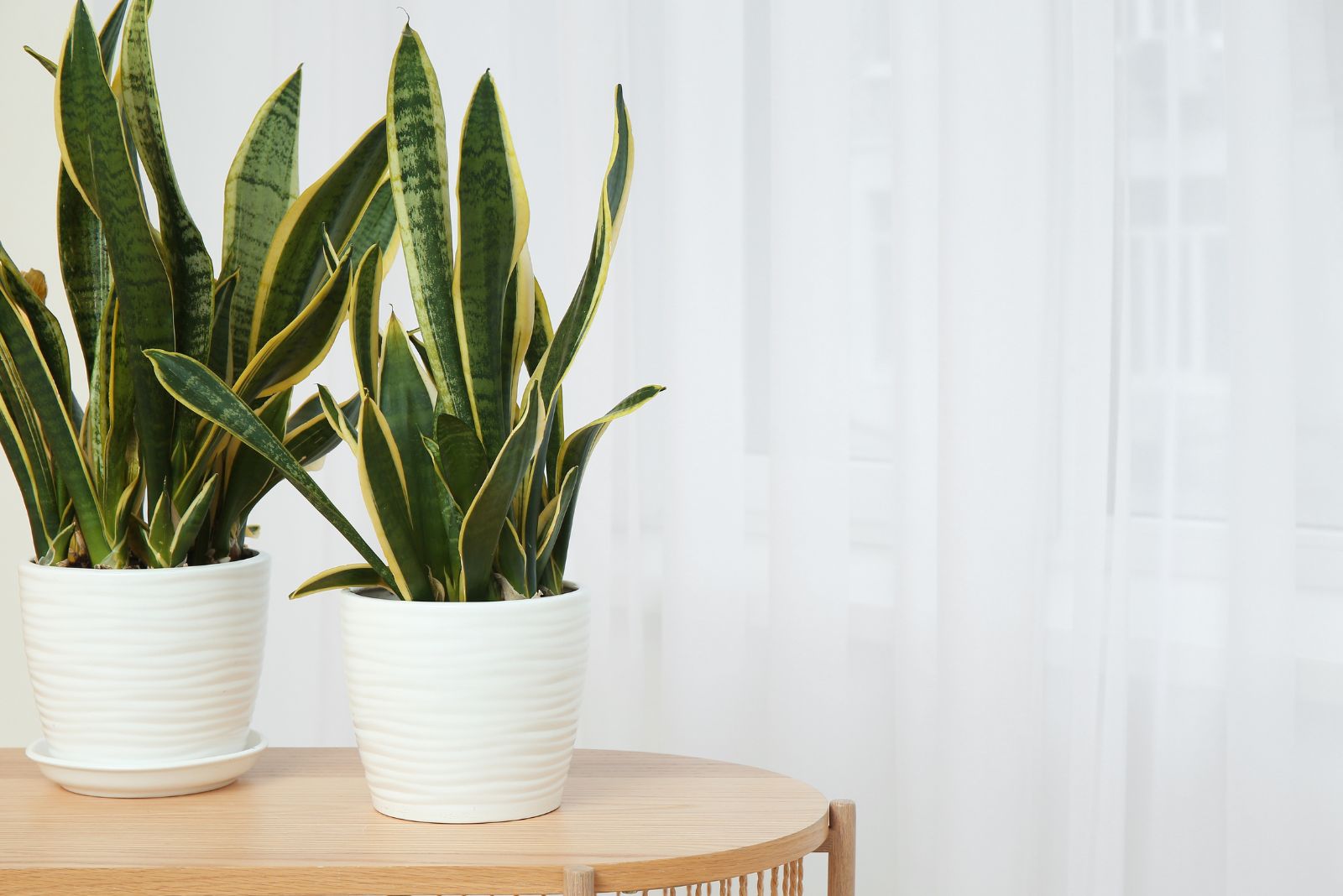
Texas heat can be exhausting, and it is not just people feeling it. Indoor plants deal with it too, especially when bright sun, warm rooms, dry air, and nonstop air conditioning all start working against them at once.
Some plants wilt the second conditions change, while others seem to take it all in stride and keep looking good anyway.
That is exactly why the tougher indoor varieties deserve a little more attention, especially if you want greenery in your home without constantly worrying about every temperature swing.
The good news is that plenty of houseplants are better built for Texas conditions than people realize. Some can handle warmth, dry indoor air, and strong light without turning dramatic the moment summer kicks in.
They still bring color, texture, and life into a room, but they do it with a lot less fuss. That makes them perfect for busy plant owners, beginners, or anyone tired of watching high-maintenance plants struggle through another hot season.
If your home runs warm for months at a time, these are the kinds of indoor plants that can keep up and still look great doing it.
1. Snake Plant
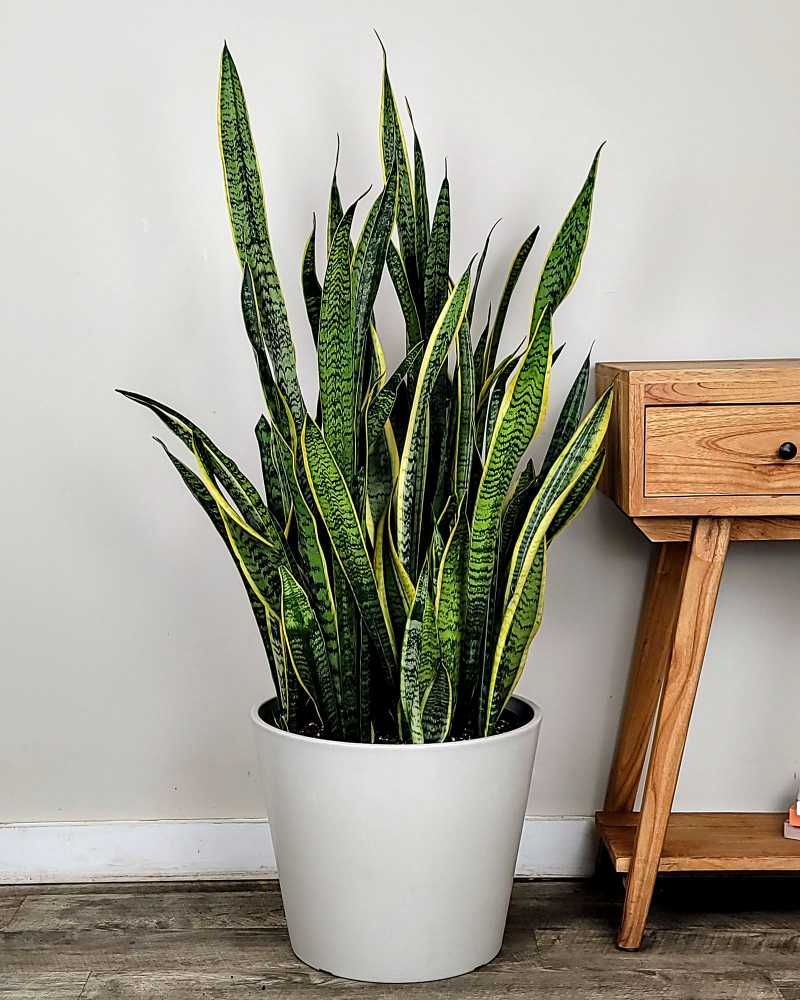
If there were a trophy for the most unbreakable houseplant in Texas, the snake plant would win every single time.
Its tall, sword-shaped leaves stand proud even when the indoor air turns hot and dry during those brutal Texas summers. You can basically forget about it for weeks, and it will still look sharp.
Snake plants store water right inside their thick leaves, which means they do not need frequent watering at all. In fact, overwatering is the one thing that can really hurt them.
Water yours once every two to three weeks during summer, and even less in winter. Let the soil dry out completely between waterings.
One of the coolest things about this plant is how well it handles dry indoor air. Air conditioning pulls moisture out of the air, and most plants hate that.
The snake plant barely notices. It keeps on growing without complaint, even in rooms with low humidity.
In Texas homes, snake plants do great near windows that get indirect sunlight. They can also handle low-light corners surprisingly well. If you have a room that does not get much natural light, this is your go-to plant.
Beyond looks, snake plants actually help clean the air in your home. They release oxygen at night, which makes them a smart choice for bedrooms too.
For beginner plant owners anywhere in Texas, the snake plant is honestly the best place to start your indoor garden journey.
2. ZZ Plant
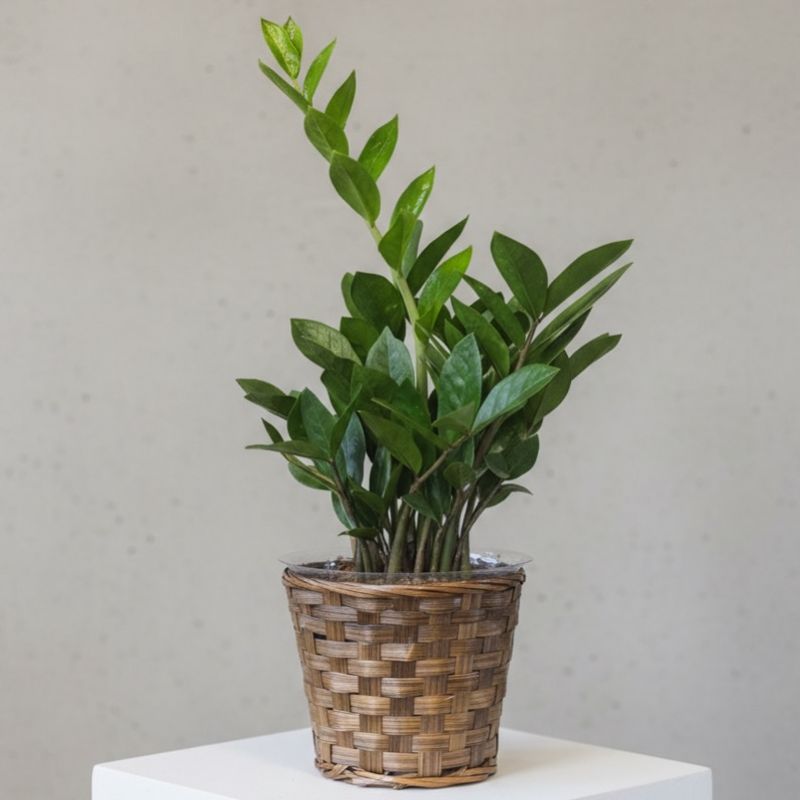
Walk into almost any plant shop in Texas and you will spot the ZZ plant right away. Its leaves are so shiny they almost look fake, but do not let that fool you.
This plant is as tough as they come, and it handles heat, low light, and neglect better than almost anything else you can grow indoors.
The secret to the ZZ plant’s toughness is hidden underground. Its roots grow from thick, potato-like rhizomes that store a surprising amount of water.
When the soil dries out during a hot Texas summer, the plant simply draws from those reserves and keeps on going. It is basically its own backup water supply.
Watering a ZZ plant is wonderfully simple. Water it deeply once every two to three weeks, and then leave it alone. Do not hover over it. Do not fuss.
This plant genuinely thrives on a little bit of neglect, which makes it perfect for busy people or anyone who travels a lot.
ZZ plants grow well in low to bright indirect light. They are a solid choice for offices, living rooms, or any space in your Texas home that does not get direct sun blasting through the windows all day long.
One fun fact worth knowing: ZZ plants are slow growers, but they are incredibly long-lived. With basic care, your ZZ plant can be a part of your home for many years. For beginner gardeners in Texas, this plant is a true confidence booster.
3. Aloe Vera
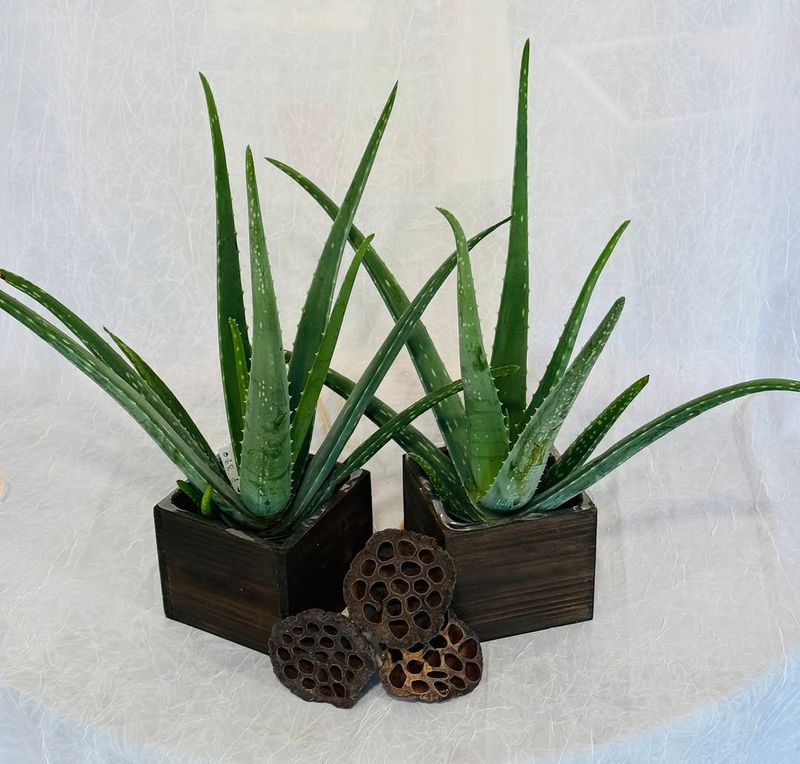
Aloe vera has been a household staple for hundreds of years, and for very good reason. Texans especially love it because it doubles as a first-aid kit for sunburns and minor skin irritations, which come with the territory when you live somewhere this sunny and hot.
Keep one on your windowsill and you will always have a natural remedy within arm’s reach. As a succulent, aloe vera stores water in its thick, fleshy leaves. That built-in reservoir means it can go weeks without a drink and still look perfectly healthy.
During Texas summers, water it about once every three weeks. Always let the soil dry out completely before watering again, because soggy roots are its biggest weakness.
Aloe vera absolutely loves bright light. A south- or west-facing window in your Texas home is an ideal spot.
The more sunlight it gets, the happier and more compact it grows. If it starts to look stretched out or pale, that is a sign it needs more light, not more water.
Temperature-wise, aloe vera is right at home in the warm conditions that are just everyday life in Texas. It prefers temperatures between 55 and 80 degrees Fahrenheit, which means your air-conditioned home is a comfortable environment for it year-round.
Repotting is rarely needed, since aloe vera grows slowly. But when it does outgrow its pot, just move it up one size.
With minimal effort, this plant will reward you with years of beauty and practical usefulness inside your Texas home.
4. Pothos
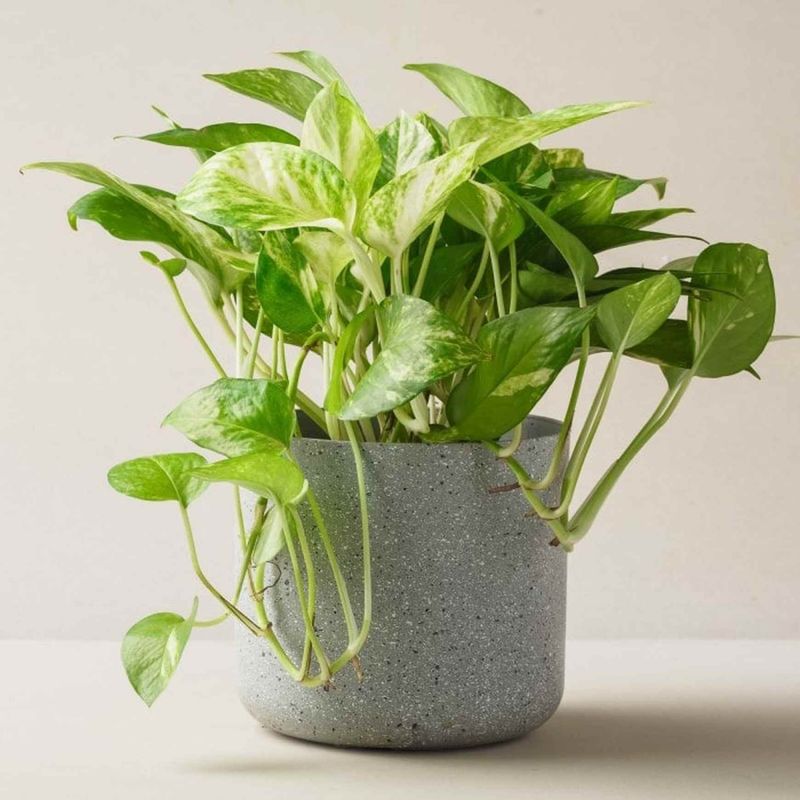
Few plants are as forgiving or as fast-growing as pothos, and Texas plant lovers have known this for a long time.
Whether you hang it in a basket, let it trail across a shelf, or train it to climb a wall, pothos always delivers a lush, tropical look with almost zero effort on your part.
Pothos handles heat remarkably well compared to most houseplants. Even when your Texas home warms up between air conditioning cycles, pothos stays unfazed.
It can tolerate a wide range of temperatures, from cool air-conditioned rooms to warm, stuffy corners that other plants would struggle in.
One of its most useful traits is its ability to bounce back after drying out. Forget to water it for a week or two?
The leaves might droop a little, but a good drink of water will perk them right back up within hours. That kind of resilience makes it a fantastic choice for busy households.
Pothos grows in almost any light condition. It does best in bright indirect light but can survive in dim rooms too.
Just know that its leaf colors will be more vibrant and patterns more defined when it gets decent light. Near a window that gets morning sun is a sweet spot in most Texas homes.
Another great thing about pothos is how easily it multiplies. Cut a stem just below a node, place it in water, and roots will appear within a couple of weeks.
Before long, you will have enough pothos to fill every room, share with neighbors, or gift to friends across Texas.
5. Jade Plant
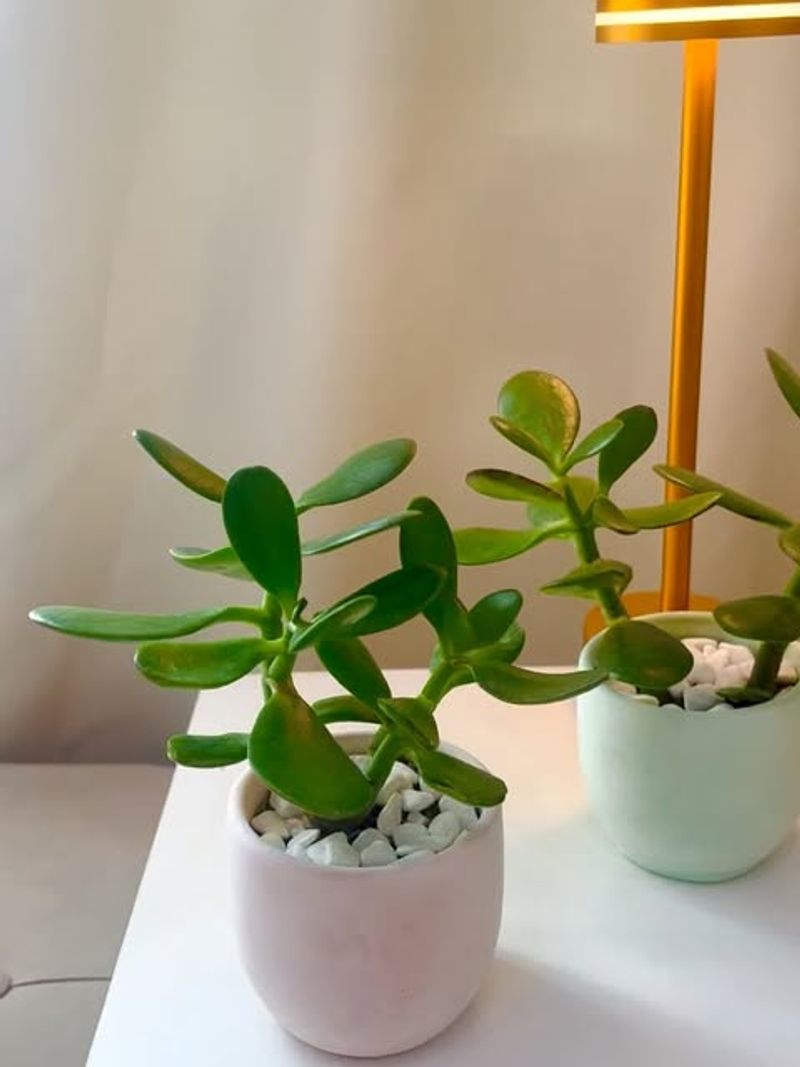
Some plants age gracefully, and the jade plant is a perfect example of that. Over time, its stems thicken into a small, tree-like trunk that gives it a bonsai-style appearance without any of the complicated trimming work.
In Texas, where warm indoor temperatures are the norm, jade plants feel completely at ease.
Jade plants are succulents, so they store water in their plump, oval-shaped leaves. That water storage ability makes them extremely drought-resistant, which is a huge advantage during the long, hot Texas summer.
Water yours once every two to three weeks, and always let the soil dry out fully before watering again.
Sunlight is where jade plants really shine. They love bright, direct light, making a south-facing window in your Texas home the perfect home base.
Give it at least four hours of sunlight daily, and it will reward you with thick, healthy growth. Without enough light, the stems can stretch out and become weak.
One thing that surprises many people is how long jade plants live. With proper care, they can survive for decades and even get passed down through generations.
There are stories of jade plants being kept in the same family for 50 years or more. That kind of longevity makes it a truly meaningful plant to own.
Jade plants are also low-maintenance in the best possible way. They rarely need fertilizing, do not demand much attention, and adapt well to the warm, sunny conditions that define life in Texas. If you want a plant that grows with you over the years, jade is the one.
6. Spider Plant
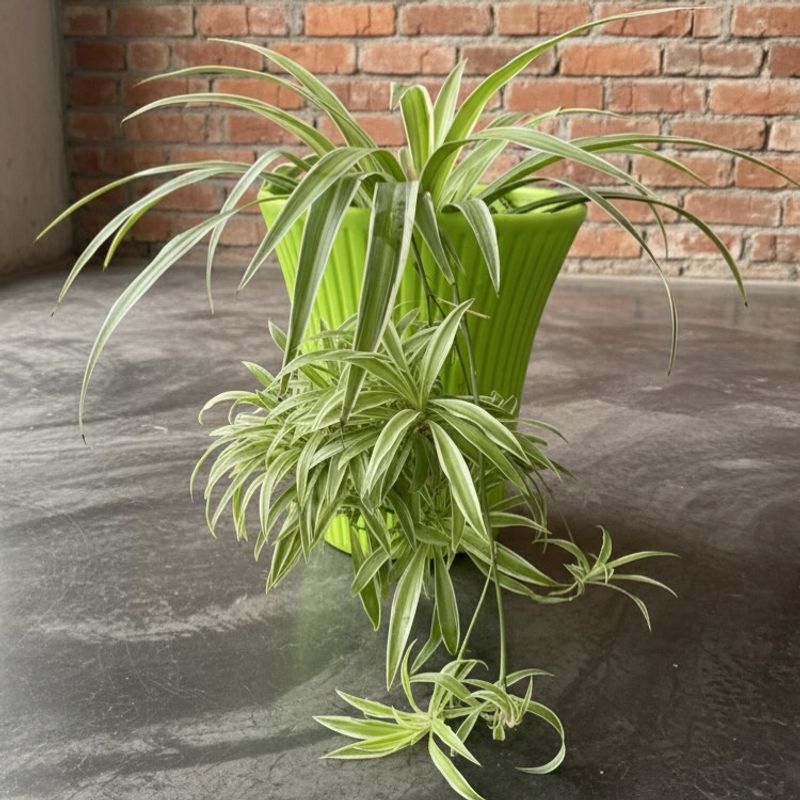
There is something almost cheerful about a spider plant. Its long, arching leaves striped with green and white fan out in every direction, and before long, little baby plants start dangling from thin stems like tiny green spiders on a web.
It is one of those plants that never looks boring, no matter where you put it in your Texas home.
Spider plants are surprisingly adaptable to heat. They prefer cooler temperatures, but they bounce back quickly when conditions get warm.
In Texas, where even indoor temperatures can climb during summer, spider plants recover fast from short bursts of heat stress, especially if they are getting regular water and decent light.
Watering is pretty relaxed with spider plants. Water them once a week during the hotter months and cut back to every ten days or so in cooler weather.
They like their soil to stay slightly moist but not soggy. If the leaf tips start turning brown, that usually means the water has too much fluoride, so try using filtered water instead.
These plants thrive in indirect bright light. A spot near a window that does not get harsh afternoon sun is ideal, especially during peak Texas summer. Too much direct sunlight can scorch the leaves, so a bit of shade goes a long way.
The baby plants, called spiderettes, are one of the most fun parts of owning this plant. Just snip one off, pop it in a small pot with soil, and it will take root on its own.
It is one of the easiest ways to grow your indoor plant collection across your Texas home for free.
7. Rubber Plant
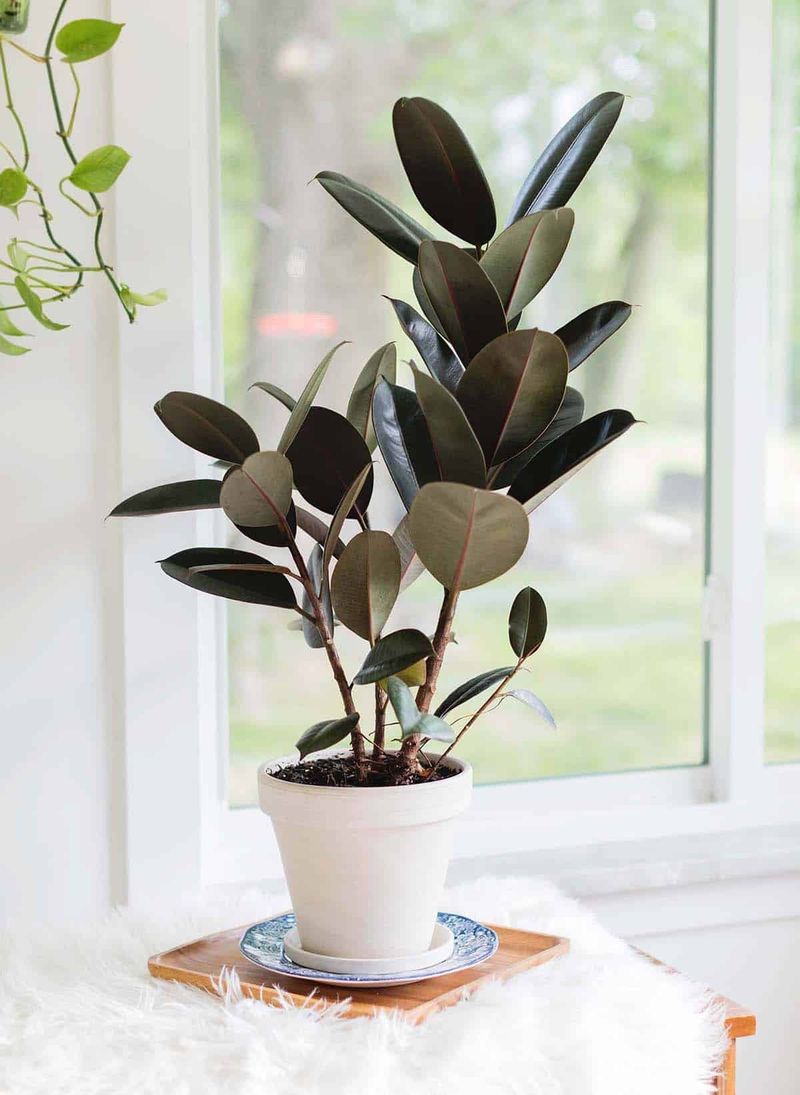
Bold, beautiful, and built to handle warmth, the rubber plant is one of the most striking houseplants you can grow indoors in Texas.
Its large, glossy leaves in deep shades of green, burgundy, or even near-black make a dramatic statement in any room. It is the kind of plant that people notice the moment they walk through your front door.
Native to tropical rainforests, rubber plants are naturally adapted to warm, humid environments. That makes them a surprisingly good match for Texas homes, where temperatures stay warm for most of the year.
They prefer daytime temperatures between 60 and 80 degrees Fahrenheit, which aligns perfectly with most Texas indoor environments.
One of the rubber plant’s standout features is its thick, waxy leaves. Those leaves help the plant hold onto moisture even when the air is dry, which is common in air-conditioned Texas homes during summer.
Water it once a week during the growing season, and reduce that to every ten days in winter.
Rubber plants love bright indirect light. Place yours near a large window that gets plenty of natural light but is shielded from harsh afternoon sun.
In Texas, a north- or east-facing window often works beautifully for keeping the leaves vibrant without scorching them.
Wiping the leaves with a damp cloth every few weeks does wonders for this plant. Dust buildup blocks sunlight absorption, so a quick wipe keeps the leaves shiny and the plant healthy.
With a little regular attention, your rubber plant will grow into a tall, impressive centerpiece inside your Texas home.