These Invasive Plants Are Illegal To Have In Pennsylvania
Some plants look harmless in a yard or along a fence, which is exactly why this catches so many people by surprise. In Pennsylvania, certain invasive plants are not just a landscaping problem.
They are illegal to have. That can be a shock for homeowners and gardeners who may not realize a fast-growing or attractive plant is actually on the banned list.
The issue goes far beyond appearance. Invasive plants can spread quickly, crowd out native species, and cause lasting damage to local ecosystems.
What starts as one plant in a corner can turn into a much bigger problem than expected. That is why knowing the rules matters.
If you garden, maintain your yard, or plan to add new plants, it helps to know which ones can lead to trouble. A little awareness can save time, money, and a lot of frustration while also protecting the natural beauty of Pennsylvania.
1. Tree-Of-Heaven
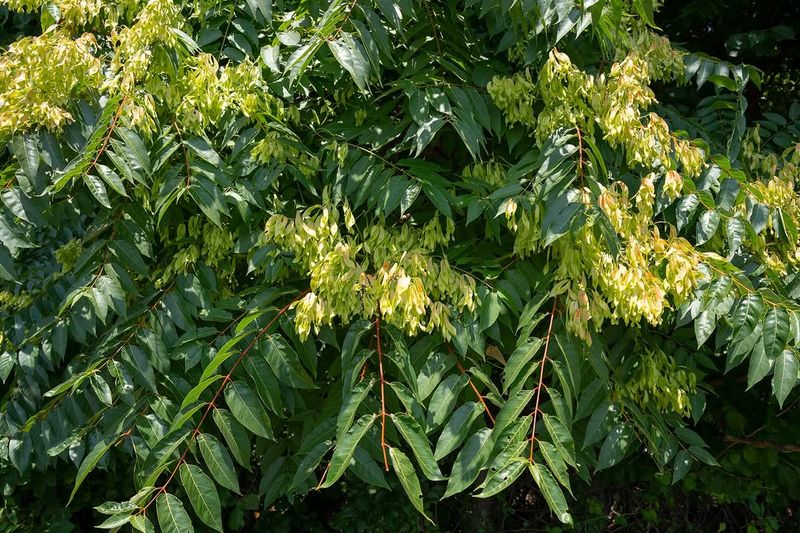
If a tree could be called a bully, Tree-of-Heaven would be at the top of the list. Originally brought to the United States from China in the 1700s as an ornamental plant, it has since spread across Pennsylvania at an alarming rate.
It grows fast, spreads everywhere, and pushes out native trees and shrubs that local wildlife depends on.
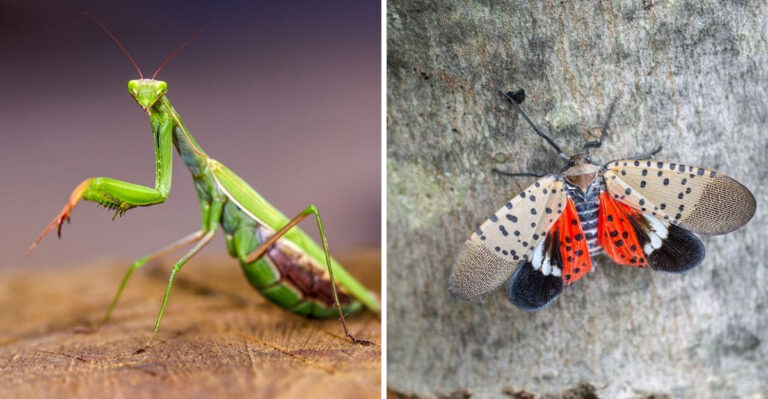
One of the biggest concerns with Tree-of-Heaven in Pennsylvania is its connection to the spotted lanternfly. This destructive pest uses the tree as a primary host, meaning that wherever Tree-of-Heaven grows, spotted lanternflies are likely to follow.
The spotted lanternfly threatens Pennsylvania’s agriculture, including vineyards, orchards, and timber industries worth billions of dollars.
Tree-of-Heaven produces thousands of seeds each year and can also spread through its root system. It shows up along roadsides, in vacant lots, and even cracks in pavement.
Once it takes hold, it is incredibly hard to remove. The roots release chemicals into the soil that prevent other plants from growing nearby.
Under Pennsylvania law, Tree-of-Heaven is classified as a noxious weed. Selling, planting, or transporting it is prohibited.
If you spot this tree on your property, contact your local Penn State Extension office for guidance on safe removal. Taking action early makes a big difference in protecting Pennsylvania’s natural landscapes from further damage.
2. Japanese Knotweed
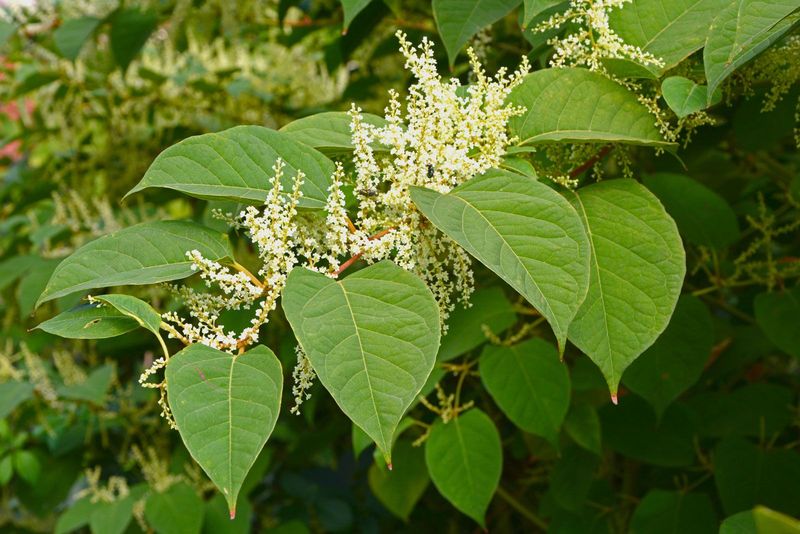
Few plants are as stubborn or destructive as Japanese Knotweed. Brought over from Asia as an ornamental plant in the 1800s, it has become one of the most problematic invasive species in Pennsylvania.
Its underground root system, called rhizomes, can stretch up to 10 feet deep and 65 feet wide, making it nearly impossible to fully remove once established.
What makes Japanese Knotweed especially troubling is the physical damage it causes. The roots are strong enough to crack through pavement, damage building foundations, and destabilize streambanks.
Along Pennsylvania’s waterways, it forms thick colonies that block sunlight from reaching the water and crowd out native plants that fish and other wildlife rely on.
A single piece of root left in the soil can regrow into a full plant. That means even well-meaning efforts to remove it can accidentally spread it further.
Your Pennsylvania Garden Changes Every Week. Your Plan Should Too.
Gardening in Pennsylvania changes quickly throughout the season. Every Friday you’ll receive a simple weekly plan showing exactly what to plant, prune, fertilize, harvest, and protect so you never miss the right timing.
Mowing, tilling, or dumping yard waste containing knotweed can make the problem worse. Pennsylvania has classified it as a noxious weed, and moving or planting it is illegal.
If you find Japanese Knotweed on your property in Pennsylvania, do not try to compost or dump it elsewhere. Instead, contact your county conservation district for advice on proper management.
Consistent treatment over several seasons is usually needed to reduce a colony. Catching it early gives you the best chance of keeping it under control before it causes serious damage.
3. Purple Loosestrife
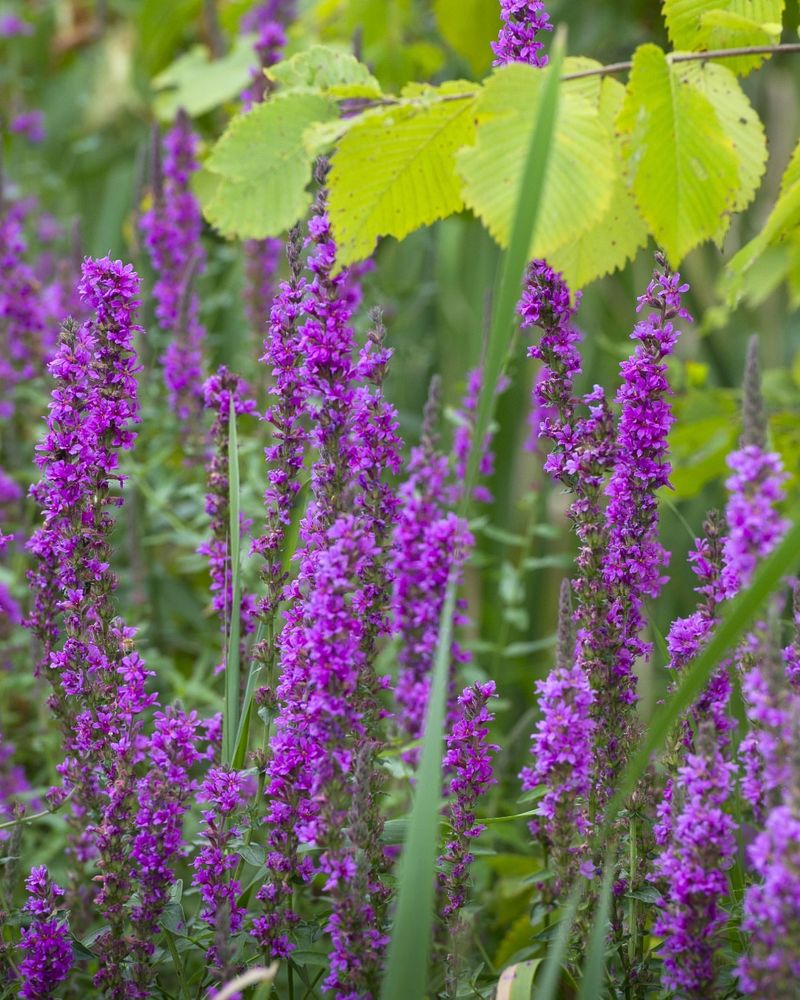
At first glance, Purple Loosestrife looks like it belongs in a garden. Its tall, bright purple flower spikes are genuinely beautiful.
But do not let the pretty appearance fool you. This wetland invader is one of the most damaging plants threatening Pennsylvania’s marshes, bogs, and stream edges today.
Purple Loosestrife was introduced from Europe in the early 1800s, likely through ship ballast and as a garden plant. A single mature plant can produce up to 2.7 million seeds per year.
Those seeds spread easily through wind and water, allowing colonies to take over large stretches of wetland in a short amount of time. Once established, it crowds out native cattails, sedges, and other wetland plants.
The loss of native wetland plants has a ripple effect on wildlife. Birds, insects, and amphibians that depend on native vegetation for food and shelter are left with fewer options.
Wetlands also help filter water and control flooding, and when Purple Loosestrife takes over, those natural functions can be disrupted across Pennsylvania’s waterways.
Pennsylvania lists Purple Loosestrife as a noxious weed, making it illegal to sell or plant. If you have it in your yard or garden, remove it before it goes to seed.
Bag the plant material and dispose of it properly rather than composting it. Several counties in Pennsylvania have active management programs, and biological control efforts using specific beetles have shown promising results in reducing established populations.
4. Giant Hogweed
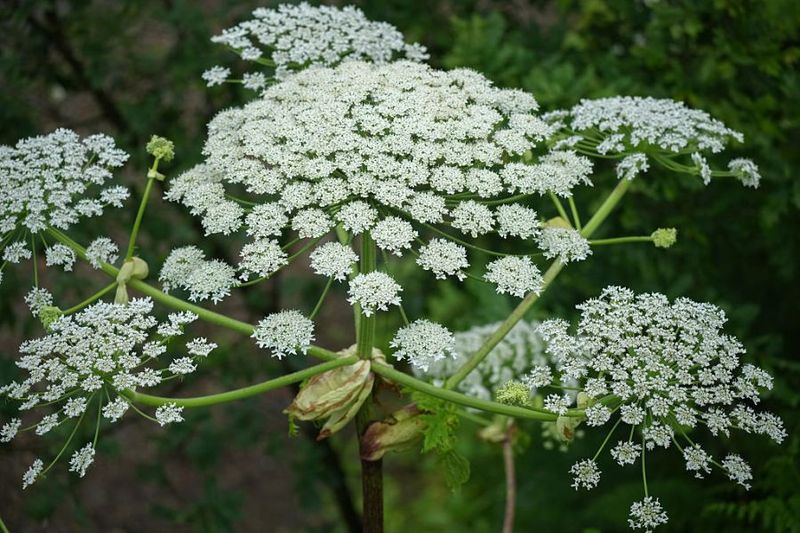
Giant Hogweed is not just an ecological threat. It is also a genuine danger to human health. This massive plant, which can grow up to 14 feet tall, produces a toxic sap that causes severe chemical burns when skin is exposed to sunlight after contact.
In serious cases, it can lead to permanent scarring and even temporary blindness if the sap reaches the eyes.
Originally from the Caucasus region of Central Asia, Giant Hogweed was brought to North America as a novelty garden plant in the early 20th century. It has since spread into parts of Pennsylvania, particularly in the northern and western regions of the state.
It tends to grow along roadsides, streams, and disturbed areas where it can quickly outcompete native plants.
Because of both its health risks and its ecological impact, Giant Hogweed is strictly regulated in Pennsylvania. It is listed as a Class A noxious weed, meaning the state prioritizes its complete removal.
Reporting a sighting is actually encouraged. The Pennsylvania Department of Agriculture wants to know where it appears so crews can respond quickly.
Never touch Giant Hogweed with bare skin. If you think you have spotted it, keep a safe distance and report it immediately through the Pennsylvania iMapInvasives database or by contacting the Pennsylvania Department of Agriculture directly.
Trained professionals should handle removal. Wearing protective clothing and working on overcast days are standard precautions used during official removal efforts in Pennsylvania.
5. Mile-A-Minute Vine
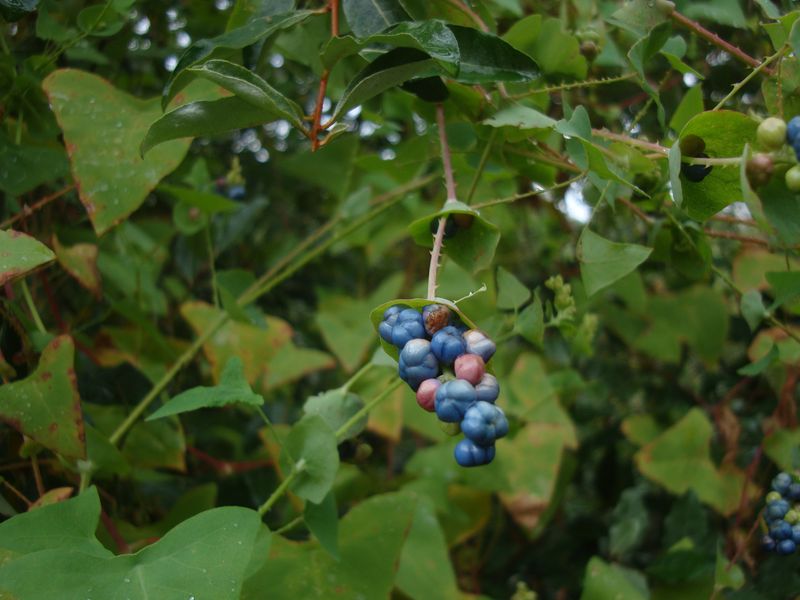
The name says it all. Mile-a-Minute Vine is one of the fastest-growing plants in Pennsylvania, capable of growing up to 6 inches per day under the right conditions.
This annual vine from Asia was accidentally introduced to the United States in the 1930s through a shipment of nursery stock in Pennsylvania itself. From that point, it has spread steadily across the eastern part of the state and beyond.
What makes this vine so damaging is the way it smothers everything in its path. It climbs over shrubs, young trees, and native plants, blocking sunlight and weighing branches down until they break.
The vine uses small, curved barbs along its stems to grab onto anything nearby. This makes it painful to handle and difficult to pull away without tearing up the plants underneath.
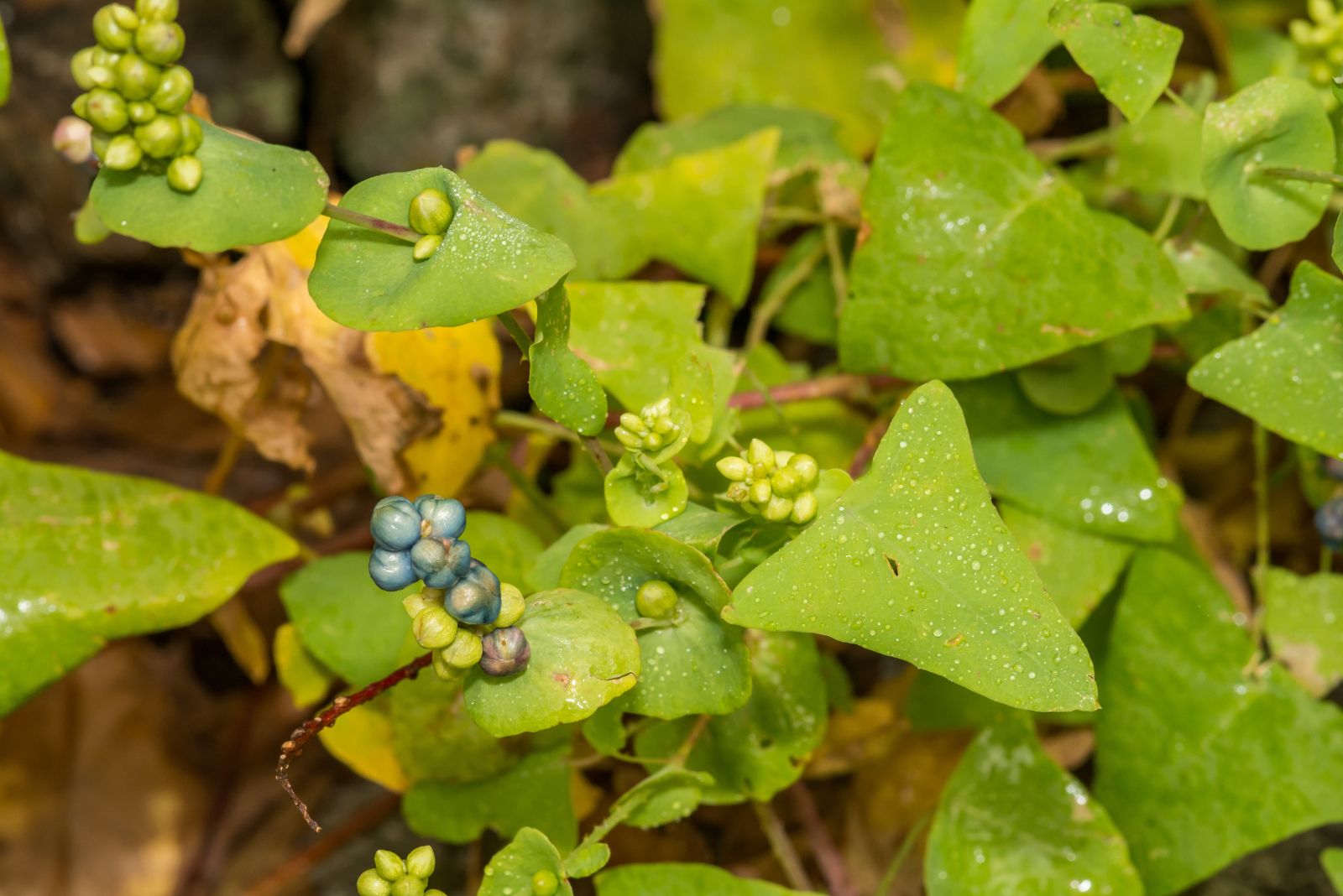
Mile-a-Minute Vine thrives in disturbed areas like roadsides, forest edges, and stream corridors throughout Pennsylvania. It produces small blue berries that birds eat and then spread through their droppings, which helps it colonize new areas quickly.
Its seeds can remain in the soil and sprout for years, making repeated management necessary.
Pennsylvania classifies this vine as a noxious weed. Early detection is key because pulling young plants before they produce seeds is much more effective than dealing with an established colony.
Biological control using a tiny weevil called Rhinoncomimus latipes has been approved and used in Pennsylvania with some success in reducing vine populations over time.
6. Japanese Barberry
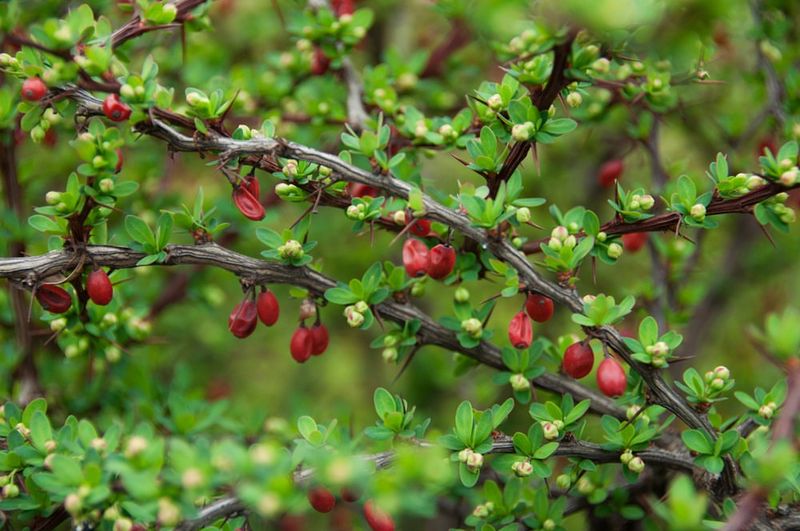
Walk through almost any Pennsylvania woodland and you are likely to spot Japanese Barberry. For decades, this compact shrub was sold widely at garden centers across the state as a low-maintenance ornamental plant.
Its colorful foliage and neat shape made it a popular landscaping choice. But beneath that tidy exterior lies a serious ecological problem that has spread into forests throughout Pennsylvania.
Japanese Barberry forms dense, thorny thickets in forest understories that crowd out native wildflowers and tree seedlings. The shade it creates, combined with the way it changes soil chemistry, makes it very hard for native plants to grow back once it takes hold.
Studies have also found that the humid microclimate inside barberry thickets creates ideal conditions for ticks, including black-legged ticks that carry Lyme disease.
Pennsylvania has restricted Japanese Barberry under its noxious weed regulations. While certain sterile cultivars have been approved for sale under specific conditions, the standard varieties remain prohibited.
If you purchased barberry plants in the past, check whether they are spreading into nearby natural areas and consider replacing them with native shrubs like spicebush or native viburnums.
Removing Japanese Barberry requires patience. Small plants can be pulled by hand in early spring before leaves emerge, but wear thick gloves because the thorns are sharp.
Larger established plants may need repeated cutting at the base over several seasons. Pennsylvania’s county conservation districts can offer guidance on the best removal approach for your specific situation and property type.
7. Hydrilla
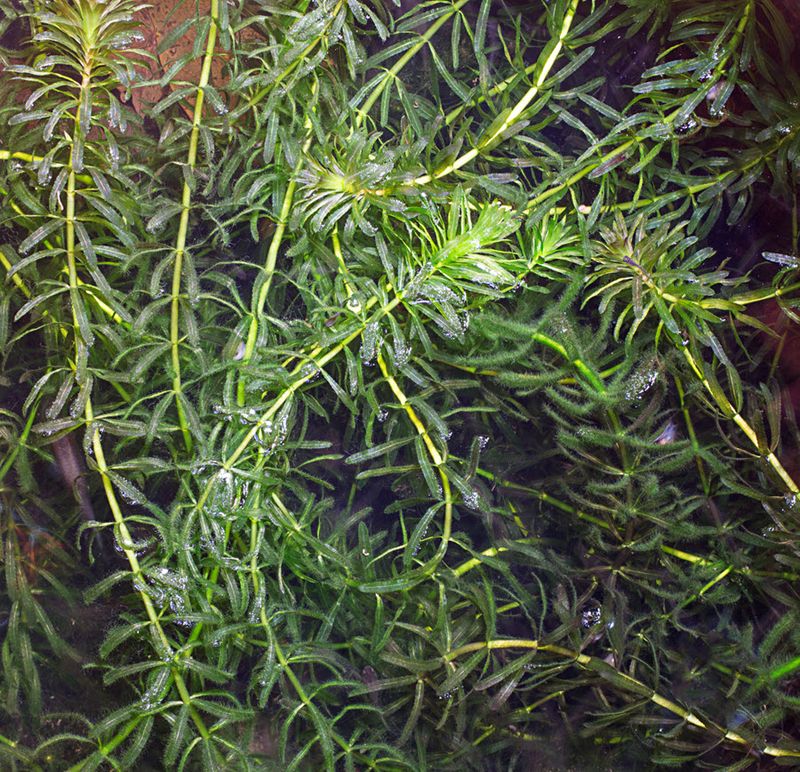
Underwater and out of sight, Hydrilla has been quietly causing major problems in Pennsylvania’s lakes, rivers, and reservoirs. Native to parts of Asia and Africa, this aquatic plant was introduced to the United States through the aquarium trade in the 1950s.
Once it enters a waterway, it spreads aggressively and is extremely difficult to remove. Even tiny plant fragments can take root and form new colonies.
Hydrilla grows in dense mats that reach the water’s surface, blocking sunlight from reaching native aquatic plants below. These thick mats reduce oxygen levels in the water, which harms fish and other aquatic life.
For people using Pennsylvania’s waterways, Hydrilla creates serious problems for boating, swimming, and fishing. Boat propellers get tangled, and fishing lines become nearly impossible to use in heavily infested areas.
The plant spreads through fragments carried on boats, trailers, and fishing equipment. That is why Pennsylvania has strict rules about cleaning watercraft before moving between bodies of water.
Hydrilla is classified as a noxious weed in Pennsylvania, and introducing it into any waterway is illegal. The state actively monitors known infestations and works to contain spread.
Preventing new introductions is the most effective tool available. Always clean, drain, and dry your boat and gear after every trip on Pennsylvania waters.
Never release aquarium plants into any natural waterway. If you spot unusual aquatic vegetation in a Pennsylvania lake or river, report it to the Pennsylvania Fish and Boat Commission right away so it can be identified and managed quickly.