These Low-Maintenance Perennials In Texas Look Beautiful Year After Year
Some plants give you one good season and then act like they deserve a standing ovation forever. Others quietly return year after year, looking beautiful with far less effort than you would expect.
That is exactly why low-maintenance perennials are such a smart choice for Texas gardens. In a climate where heat, dry spells, and intense sun can wear plants down fast, dependable growers are worth a lot.
Texas gardeners often want color and structure without signing up for constant watering, replanting, trimming, and fussing. Perennials that can handle local conditions make that possible.
Once established, the best ones keep showing up with strong foliage, reliable blooms, and the kind of staying power that makes a yard feel settled and full.
They take a lot of pressure off because you are not starting from scratch every season or worrying that one stretch of rough weather will wipe everything out.
The real appeal is not just that these plants survive. It is that they keep looking good while doing it.
A Texas garden filled with low-maintenance perennials can still feel colorful, lively, and polished without turning into a full-time job, which is exactly the kind of balance many gardeners are after.
1. Blackfoot Daisy
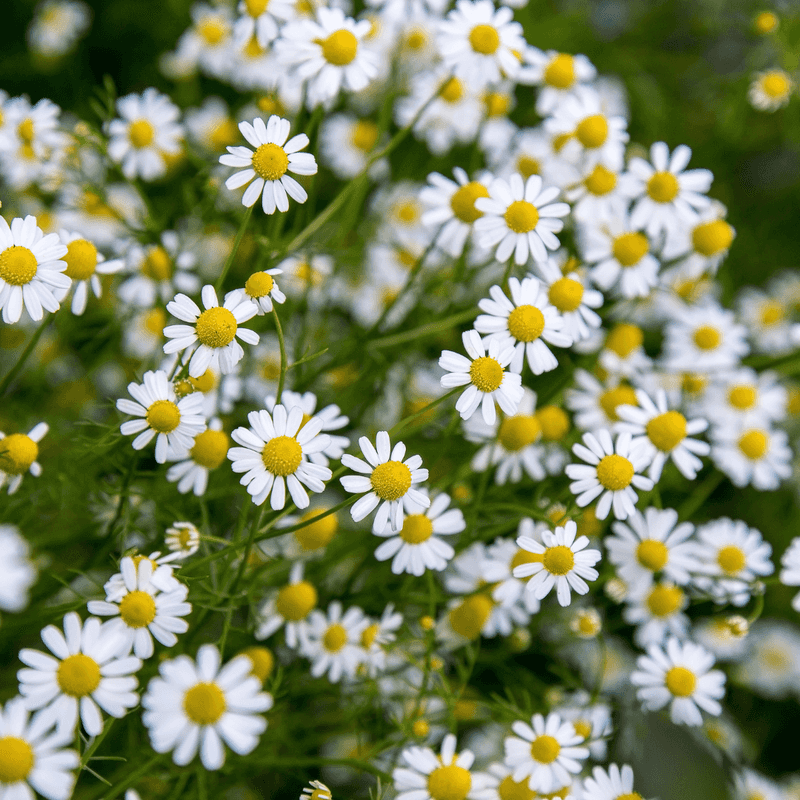
Few plants are as cheerful and reliable as the Blackfoot Daisy. This little native blooms from early spring all the way to late fall, giving Texas gardeners months of bright, white, daisy-like flowers with sunny yellow centers.
That is an incredibly long show for such a low-effort plant. What makes this perennial stand out is how well it handles tough Texas conditions. It loves full sun and actually prefers poor, rocky, or sandy soil with excellent drainage.
Rich, moist soil can cause more problems than dry, lean ground. Once established, it needs almost no supplemental watering, making it perfect for water-wise Texas gardens.
The plant stays compact and tidy, usually growing about one foot tall and wide. It does not flop over or spread aggressively, so you do not need to spend weekends cutting it back. A light trim after heavy bloom periods can encourage fresh new flowers.
Blackfoot Daisy is native to Texas and surrounding states, so it has naturally adapted to the climate over thousands of years. Butterflies and bees love visiting the blooms, adding extra life to your yard.
Plant it along walkways, in rock gardens, or in sunny border areas where it can soak up all that Texas sunshine without any fuss.
2. Autumn Sage
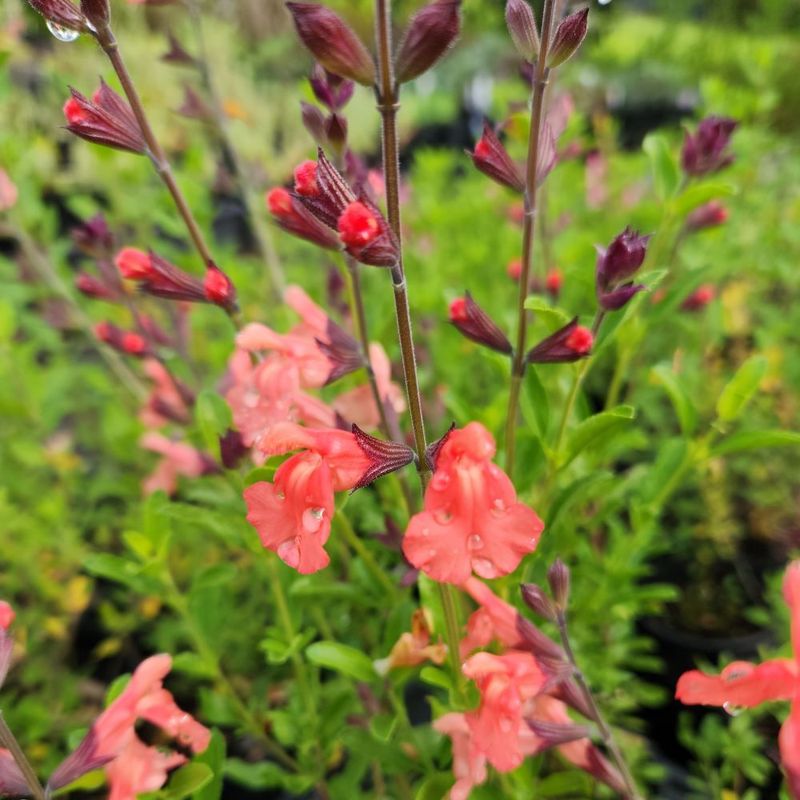
Autumn Sage is one of those plants that makes you wonder why everyone does not grow it. Blooming from spring through fall, this shrub-like perennial produces a steady stream of tubular flowers in shades of red, pink, coral, and even white.
It is practically a magnet for hummingbirds and butterflies, turning your Texas yard into a wildlife hotspot.
Native to Texas and northern Mexico, this plant was practically born to handle the heat. It thrives in full sun and handles drought without complaint once it has settled into your garden.
In mild Texas winters, it often stays evergreen, meaning you get some color and texture even when other plants are resting.
Care is minimal. A light pruning in early spring or after heavy bloom flushes keeps the plant looking neat and encourages fresh growth.
You do not need to fertilize much, and overwatering is actually a bigger risk than underwatering. Well-drained soil is the key to keeping it happy.
Autumn Sage comes in many cultivars, so you can mix colors for a lively display. It pairs beautifully with ornamental grasses and other Texas natives.
Gardeners across the state from San Antonio to Dallas have fallen for this tough, colorful plant. It is a true workhorse that earns its place in any low-maintenance Texas garden.
3. Purple Coneflower
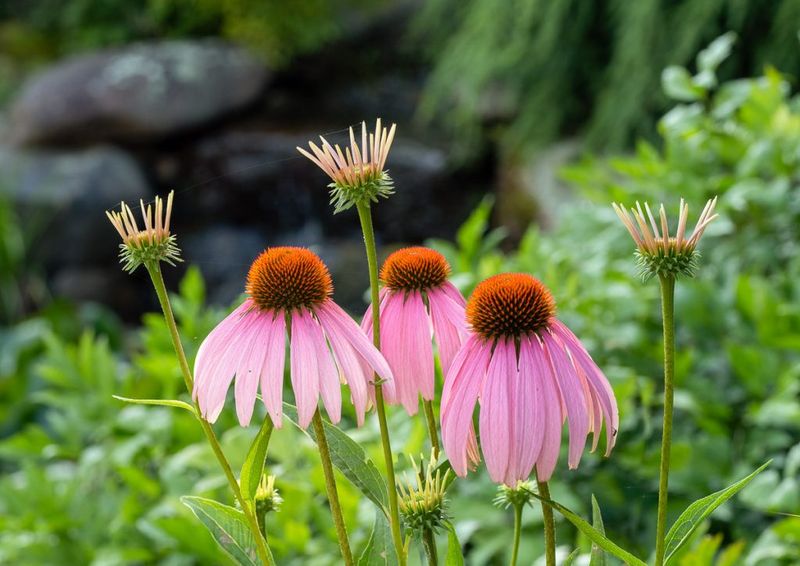
Walk past a patch of Purple Coneflower on a summer afternoon and you will immediately understand why North Texas gardeners adore it.
The bold, lavender-pink petals sweep back from a spiky, copper-colored center cone, creating a flower that looks almost sculptural. It is eye-catching without being fussy.
Echinacea purpurea is surprisingly tough once it gets established. It can handle Texas heat, tolerate poor soil, and bounce back after dry spells without much help from you.
Summer is its prime blooming season, but if you deadhead spent flowers regularly, it will keep pushing out new blooms well into fall. Wildlife absolutely loves this plant. Bees and butterflies crowd the flowers all summer long.
When fall arrives and the seed heads form, goldfinches and other songbirds swoop in to snack on them. Leaving the seed heads standing through winter adds structure to your garden and feeds the birds at the same time.
Another great perk is that Purple Coneflower reseeds itself naturally. Over time, a small planting can slowly spread into a fuller, more impressive display without any extra effort from you.
It grows well in sunny spots throughout Texas and pairs nicely with ornamental grasses, Black-eyed Susans, and Autumn Sage. For a garden that practically takes care of itself, this perennial is hard to beat.
4. Coreopsis
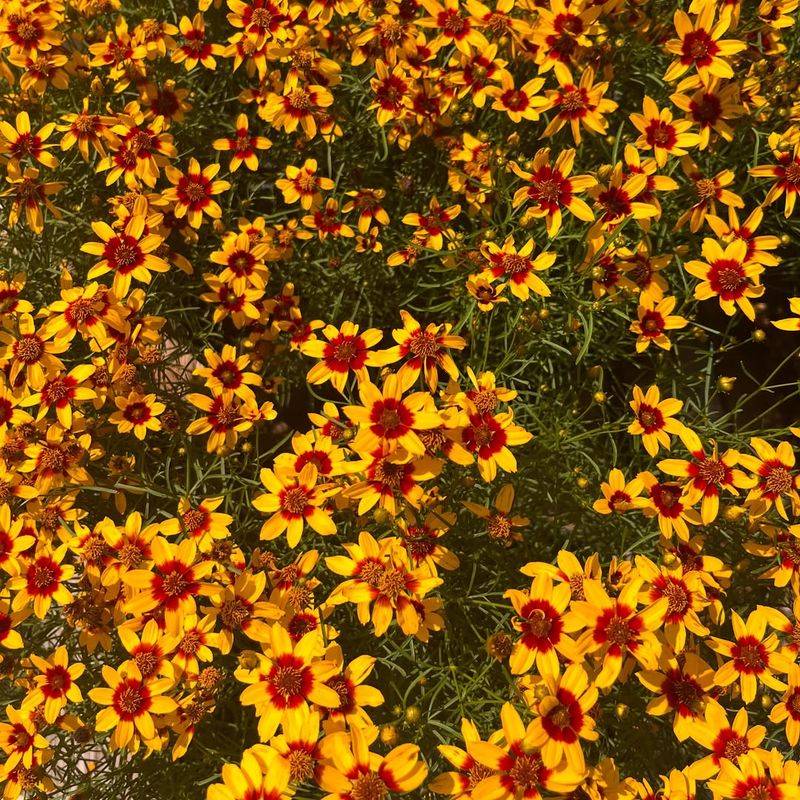
If sunshine had a flower, it would probably look a lot like Coreopsis. Also known as Lanceleaf Coreopsis or Tickseed, this perennial produces masses of bright golden-yellow blooms that practically glow in the Texas sun.
It starts flowering in spring and keeps going through much of summer, sometimes pushing out another round of color in fall.
Texas conditions suit this plant extremely well. It loves full sun, handles heat without wilting, and actually performs better in dry or average soil than in rich, heavily watered ground.
Overwatering or soggy soil is the one thing that can cause trouble, so make sure it has good drainage and you are mostly set.
Maintenance is refreshingly simple. Deadheading old blooms encourages the plant to produce more flowers and extends the blooming season.
Dividing the clumps every few years keeps the plants vigorous and prevents them from getting overcrowded. Other than that, Coreopsis pretty much handles itself.
Did you know Coreopsis is the official wildflower of several southeastern states? It grows naturally across much of the South, including Texas, which means it is already well-adapted to the climate here.
It works beautifully in meadow-style plantings, along sunny borders, or mixed into cottage gardens. Plant it once, give it a sunny spot, and enjoy years of cheerful, no-fuss color right in your Texas backyard.
5. Mexican Bush Sage
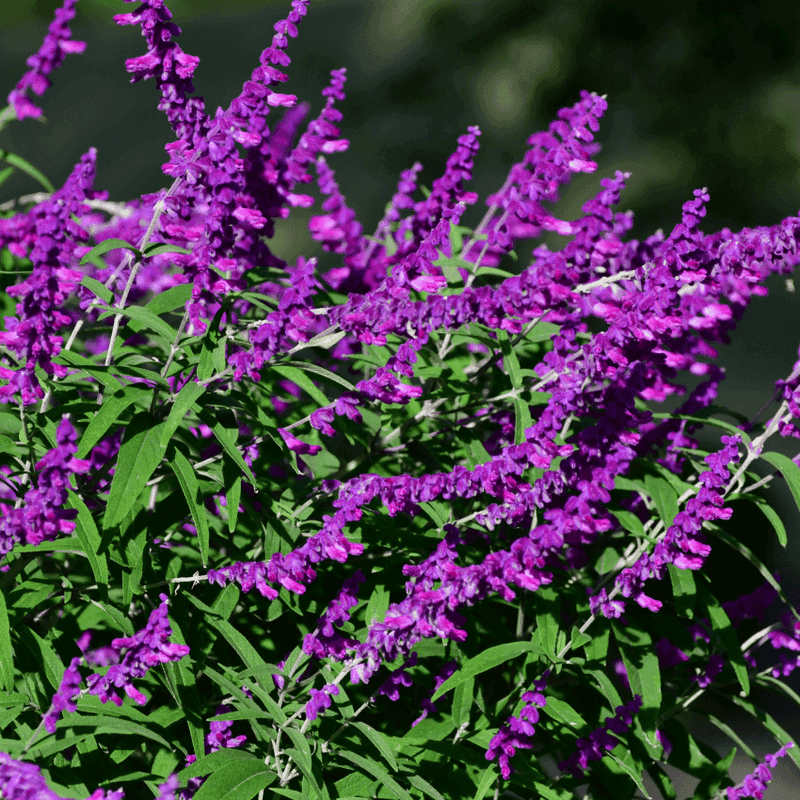
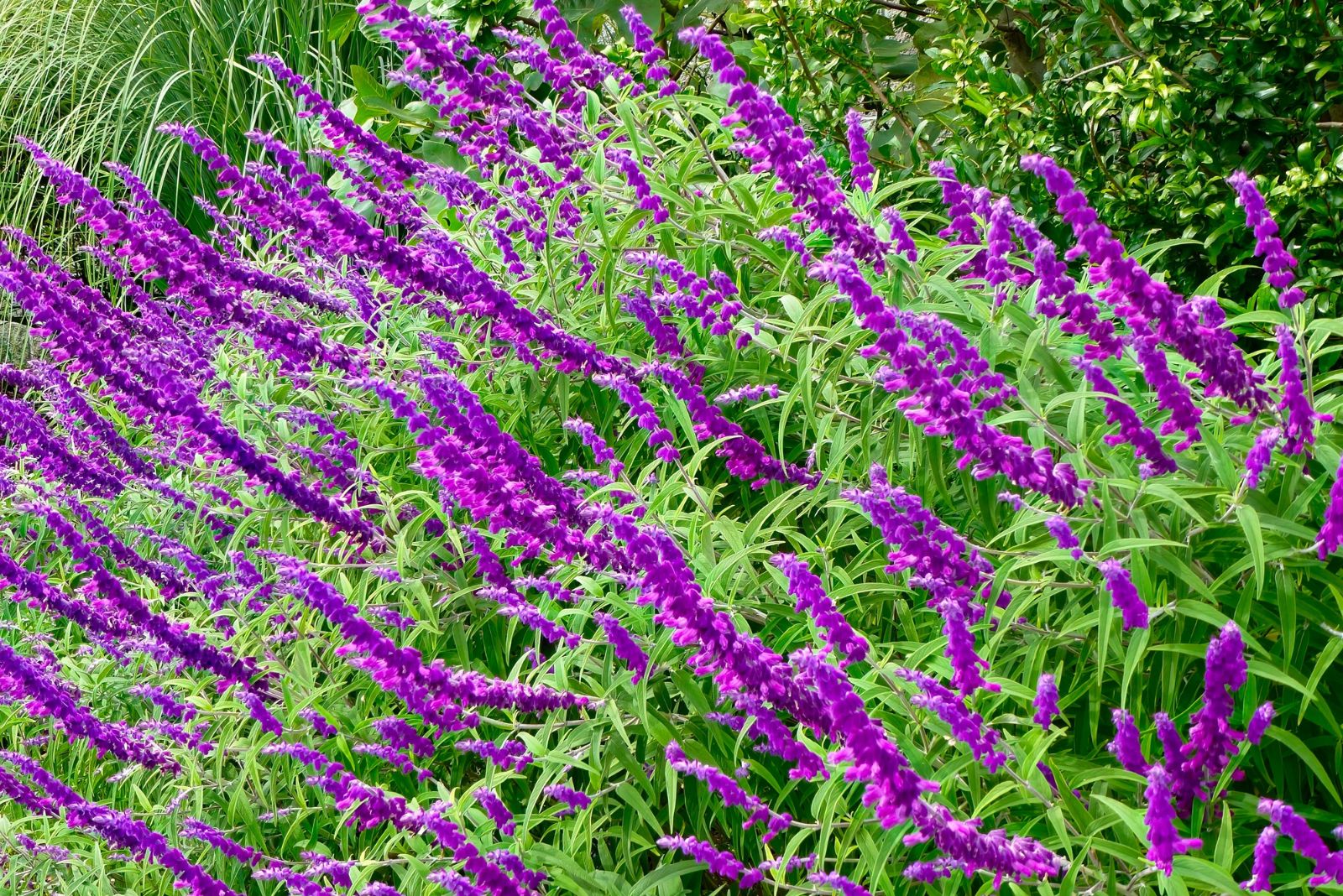
When fall arrives in Texas and most other perennials are winding down, Mexican Bush Sage is just hitting its stride. The plant sends up long, arching stems covered in soft, velvety spikes of purple and white flowers that look almost like something from a dream garden.
It is one of the most striking plants you can grow in a Texas landscape during the cooler months.
Mexican Bush Sage thrives in full sun and handles Texas heat like a champ throughout the summer, even when it is not yet blooming.
The silvery-green foliage looks attractive all season long, so the plant earns its space even before the flower show begins. Once established, it needs very little water and no fussing over.
The plants can grow three to four feet tall and wide, creating a bold, shrubby presence in the garden.
A hard cutback in late winter or early spring encourages fresh, vigorous growth and a full display of blooms come fall. You can also take cuttings in summer to root new plants for free.
Hummingbirds and butterflies are drawn to the flowers, especially during their fall migration through Texas. The soft texture of the flower spikes makes this plant a favorite for gardeners who love interesting plant combinations.
Pair it with ornamental grasses or yellow-blooming perennials for a fall display that truly stands out in any Texas yard.
6. Damianita
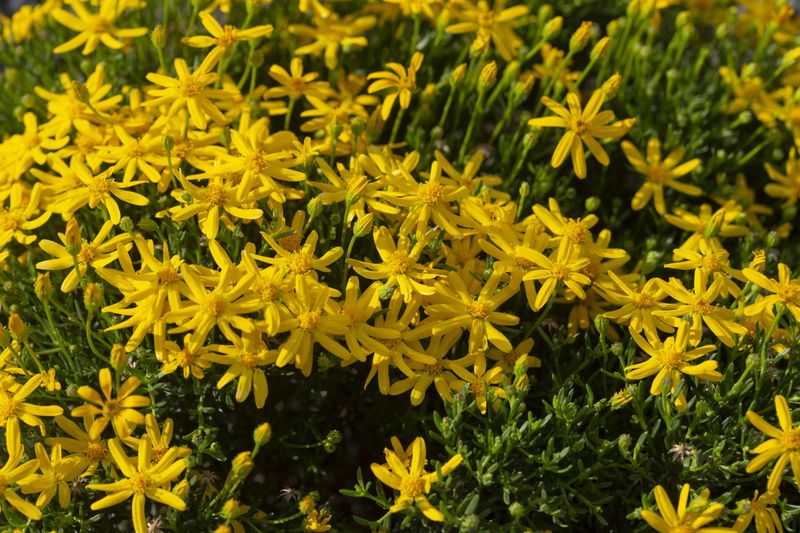
Not many plants can say they thrive where others struggle, but Damianita is exactly that kind of overachiever. Native to the rocky, limestone soils of the Texas Hill Country and surrounding areas, this compact evergreen shrub is built for tough conditions.
It produces cheerful, bright yellow daisy-like flowers that pop against its fine, dark green foliage.
Damianita blooms most heavily in spring, often putting on a spectacular golden display that covers the entire plant. It can rebloom again in fall if conditions are right, giving you two seasons of color with almost no effort.
The flowers have a pleasant, aromatic scent that adds another layer of sensory appeal to your garden.
Rocky, dry, well-drained soil is where this plant is happiest. It actually struggles in rich or constantly moist soil, so resist the urge to pamper it.
Once established, it is extremely drought-tolerant and rarely needs supplemental watering in most parts of Texas. Full sun is a must for the best blooming performance.
Damianita stays relatively small, usually one to two feet tall and wide, making it a great choice for rock gardens, dry slopes, or low borders where you want year-round structure without constant maintenance.
It is also deer-resistant, which is a huge bonus for Texas gardeners dealing with hungry wildlife. This tough little native is truly one of the Hill Country’s hidden gems.
7. Lantana
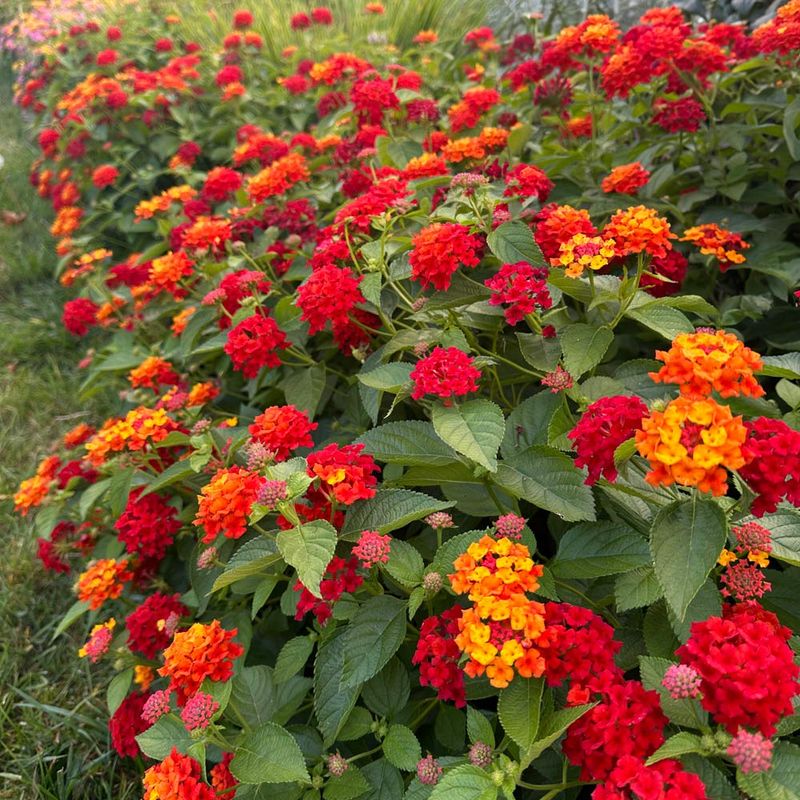
There is something almost magical about watching a Lantana shrub covered in butterflies on a hot Texas afternoon.
The clusters of tiny flowers, which blend shades of orange, yellow, pink, red, and purple, are irresistible to monarchs, swallowtails, and dozens of other butterfly species.
It is one of the best plants you can grow if you want to turn your yard into a butterfly garden.
Lantana is famously tough. It laughs at Texas heat, shrugs off drought, and keeps blooming non-stop from late spring until the first frost.
You can plant it in full sun, forget to water it for a couple of weeks, and come back to find it still loaded with color. Few plants are this forgiving and this rewarding at the same time.
Texas native Lantana urticoides is well-adapted to local conditions, and many hybrid varieties also perform beautifully across the state. They range from low-growing groundcover types to shrubby plants several feet tall.
Cutting the plants back by about a third in midsummer can encourage a fresh flush of blooms if flowering slows down.
One thing to keep in mind is that Lantana berries are toxic to pets and children, so plant thoughtfully if that is a concern in your yard.
Aside from that, this is one of the most rewarding, low-maintenance perennials a Texas gardener can grow. The color, the wildlife, and the toughness make it absolutely worth planting.
8. Red Yucca
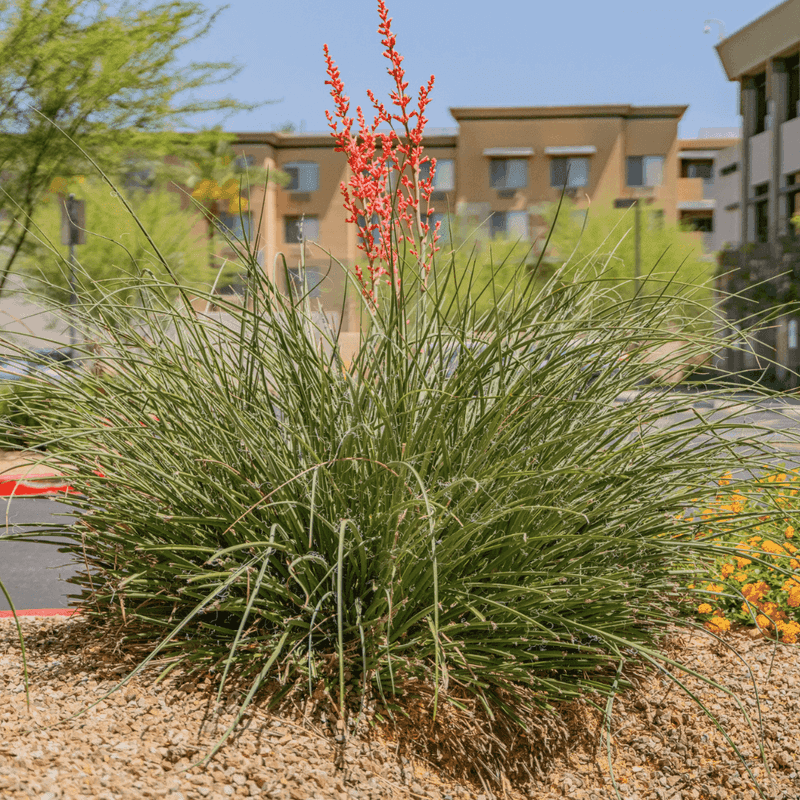
Red Yucca does not look like most perennials, and that is exactly what makes it so interesting. Despite its name, it is not a true yucca at all.
It belongs to the agave family and produces graceful, grass-like foliage that arches outward in a fountain shape.
From late spring through summer, tall flower spikes rise dramatically from the center, covered in tubular coral-red blooms that hummingbirds absolutely cannot resist.
For Texas gardeners who want structure and drama without a lot of work, Red Yucca is a dream plant. It is one of the most drought-tolerant perennials you can grow in the state.
Once established, it rarely needs watering, even during the hottest, driest Texas summers. It thrives in full sun and handles poor, rocky, or sandy soil with ease.
The plant is also extremely long-lived and slow to spread, so it will not take over your garden.
The evergreen foliage looks attractive all year, and the seed pods that follow the flowers add winter interest to the landscape. Deer tend to leave it alone, which is always a welcome quality in Texas gardens.
Red Yucca works beautifully as a focal point in xeriscape designs, along dry borders, or in large container plantings. It pairs well with ornamental grasses, agaves, and other drought-tolerant Texas natives.
Plant it once in a sunny, well-drained spot and enjoy its architectural beauty for many years to come.