These Native Oregon Groundcovers Outperform Mulch In Full Shade Without Any Watering
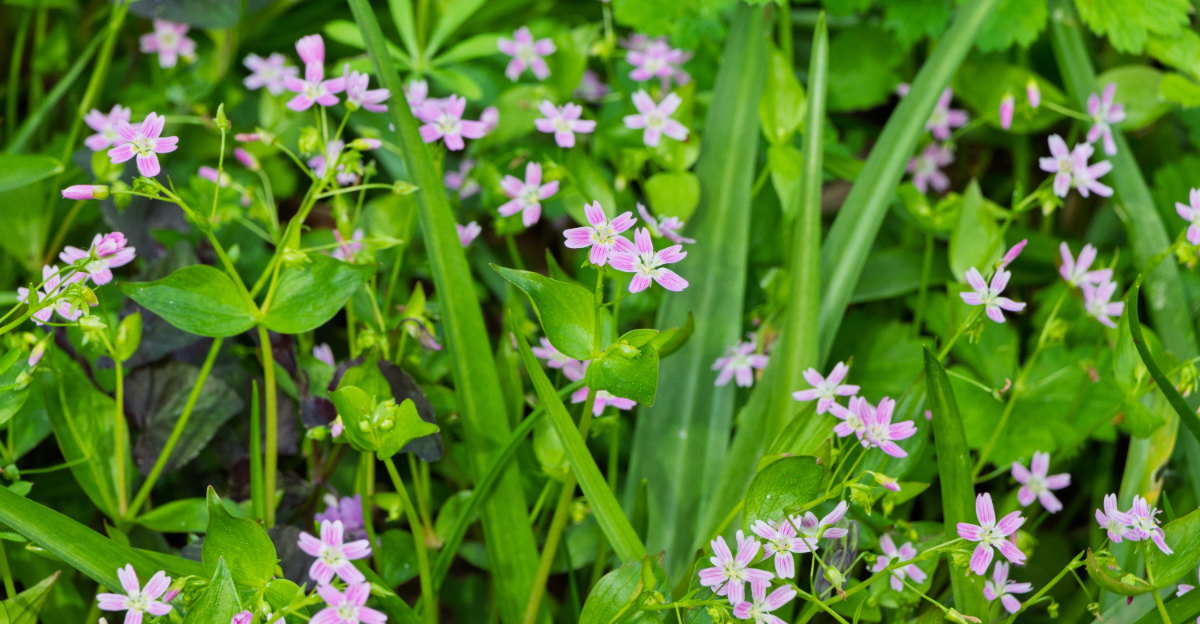
Full shade can make a yard feel like nothing wants to grow there. Mulch may cover the bare soil for a while, but it does not bring much life to the space.
Native Oregon groundcovers can do a lot more. Once they settle in, some can handle shade with little help and no extra watering.
That is a big win in dry summer months, especially under trees where roots already compete for moisture.
These low growing plants spread gently, protect the soil, and make shady corners look cared for instead of forgotten.
They can also fit the natural feel of an Oregon yard better than a fresh layer of bark. The best part is how quietly they work.
You plant them, give them a good start, and let them fill in over time. Choose the right groundcovers, and your darkest garden spots can finally look lush without constant effort.
1. Youth-On-Age
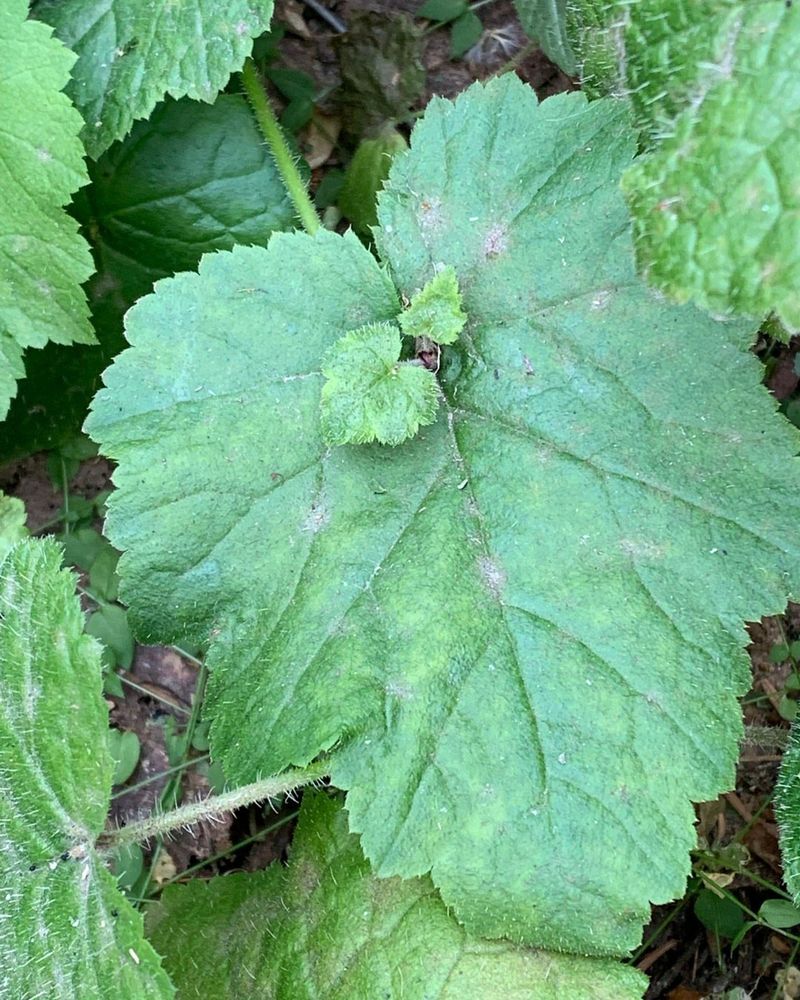
Few plants earn a nickname as perfectly as this one does. Youth-On-Age, known botanically as Tolmiea menziesii, grows tiny new plantlets right at the base of its own leaves.
It is a quirky little trick that makes this plant one of the most fascinating groundcovers in the Pacific Northwest.
Found naturally in moist, shaded forests across the western part of this state, it thrives where most plants struggle. Once established, it spreads steadily without becoming aggressive.
The bright green, heart-shaped leaves create a dense mat that smothers weeds better than any layer of bark dust ever could.
It handles full shade with ease. Deep spots under big conifers, along north-facing fences, or beneath dense shrubs are exactly where this plant feels at home.
It does not need irrigation once the roots settle in because the cool, shaded soil holds moisture naturally.
Pollinators visit the small, reddish-brown flowers in spring, adding a little extra wildlife value to your garden.
Deer tend to leave it alone, which is a big bonus in many parts of this region. The plant stays under twelve inches tall, so it never crowds out other shade lovers nearby.
Gardeners who want a low-effort, high-impact solution for bare shady ground will find Youth-On-Age to be an excellent choice. It is honest, reliable, and genuinely beautiful in a quiet, understated way.
2. Pacific Sanicle
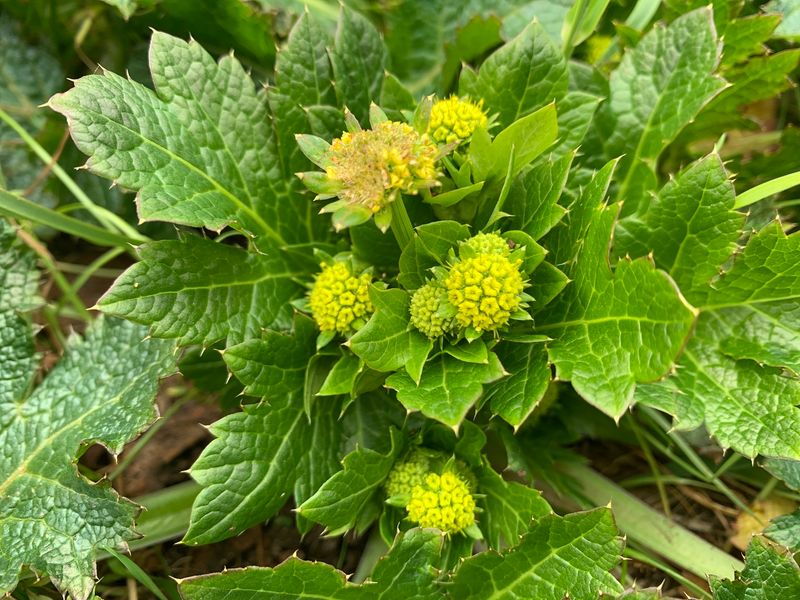
Not every groundcover needs flashy flowers to earn its place in the garden. Pacific Sanicle, or Sanicula crassicaulis, is a workhorse of the shaded forest floor.
Its deeply lobed, glossy leaves form a bold, attractive mat that holds its own against weeds all year long.
This plant grows naturally across the western lowlands and foothills of this state. It is well adapted to the heavy clay soils and deep shade found under Oregon white oak and big-leaf maple trees.
Those are exactly the conditions where most gardeners struggle to grow anything at all. Pacific Sanicle is drought-tolerant once established.
The roots go deep enough to find water even during the dry months of summer.
That makes it a genuinely low-maintenance option for gardeners who want results without constant effort.
Your Oregon Garden Changes Every Week. Your Plan Should Too.
Gardening in Oregon changes quickly throughout the season. Every Friday you’ll receive a simple weekly plan showing exactly what to plant, prune, fertilize, harvest, and protect so you never miss the right timing.
The small yellow-green flower clusters appear in late spring and attract tiny native insects. While the flowers are not showy, they add subtle interest and support the local food web.
Birds occasionally visit the spiny seed heads in fall, adding another layer of wildlife value.
One of the best things about this plant is its toughness. It handles foot traffic better than most groundcovers and bounces back quickly from disturbance.
Gardeners who have dogs, kids, or foot paths running through shaded areas will appreciate how resilient it really is. Pacific Sanicle is built for real-world gardens, not just picture-perfect ones.
3. Candy Flower
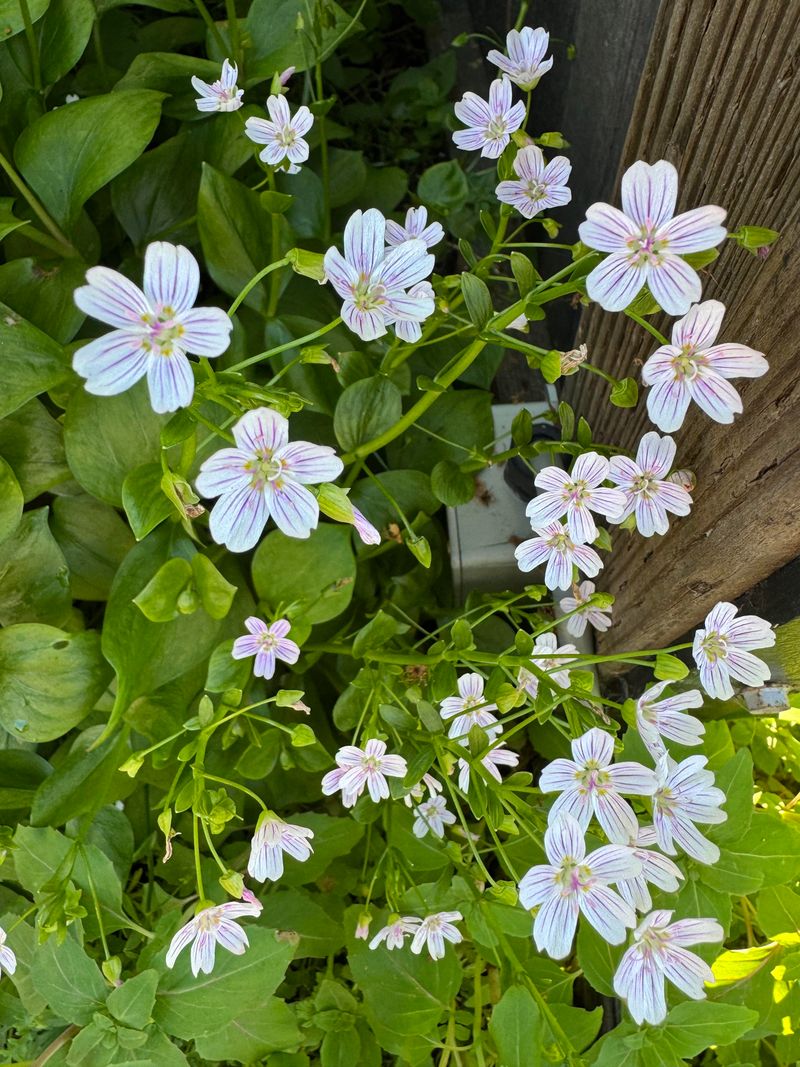
There is something cheerful about a plant that blooms in the middle of deep shade. Candy Flower, or Claytonia sibirica, does exactly that.
Its small pink-striped white flowers pop up in spring and early summer, bringing a gentle sweetness to dark garden corners that rarely see color.
This plant is a self-seeder, which means it spreads on its own over time without any help from you.
New seedlings pop up each year, slowly filling in bare patches under trees and along shaded edges. It stays low to the ground and never gets unruly or invasive.
The succulent-like leaves store moisture, which helps the plant handle dry summer shade without wilting.
That is a big deal in this state, where summers can get surprisingly dry even under tree canopies. Once established, it is essentially care-free from spring through fall.
Native bees and small pollinators love the flowers, making Candy Flower a strong choice for gardeners who want to support local ecosystems.
It pairs beautifully with ferns and Wild Ginger, creating layered texture in shaded beds.
Candy Flower is also edible. The leaves have a mild, slightly tangy flavor and have been used in salads for generations by Indigenous peoples of this region.
That extra bit of history makes growing it feel even more meaningful. It is a plant with real roots in this land.
4. Pathfinder
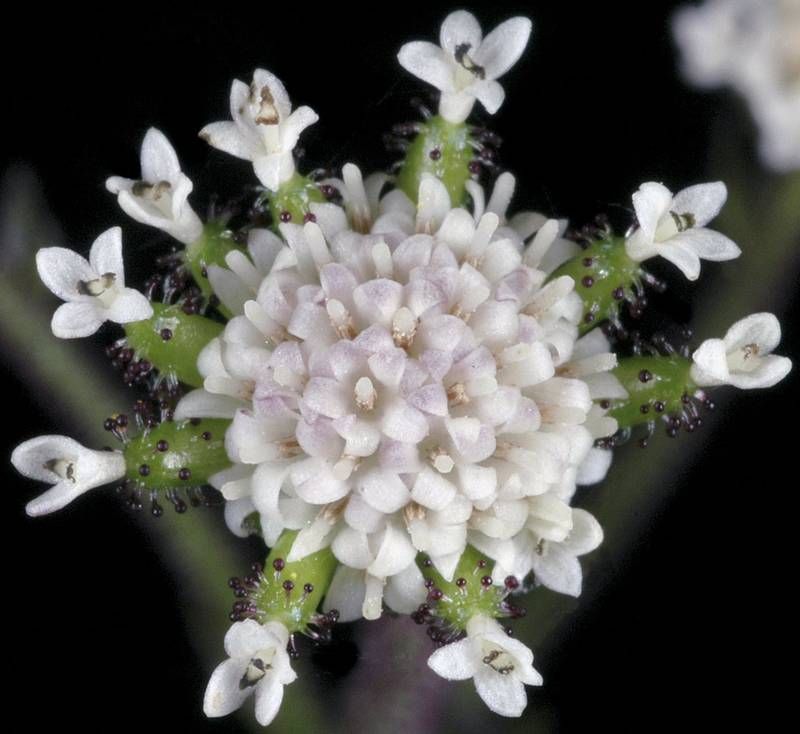
Walk through a shaded forest trail in this state and you might notice a plant with leaves that flash silver-white on the underside when the wind blows.
That is Pathfinder, or Adenocaulon bicolor, and it earned its name from Indigenous peoples who used the bright undersides of its leaves to mark trails through dense forest.
That historical connection makes Pathfinder one of the most interesting native plants you can add to a shaded garden. Beyond its story, it is a genuinely useful groundcover.
The large, triangular leaves spread out wide, blocking sunlight from reaching the soil and suppressing weed growth naturally.
It grows best in deep shade under conifers and deciduous trees. The moist, humus-rich soil of a Pacific Northwest forest floor is exactly what it prefers.
Once established, it needs no additional water, even through the dry summer months. Pathfinder grows to about two feet tall, making it one of the taller groundcovers on this list.
That height adds nice visual structure to shaded beds and helps it stand out among lower-growing plants.
It layers beautifully with shorter species like Twinflower or Wild Ginger.
The tiny white flowers appear on long stems in late summer and are not particularly showy, but they do attract small beneficial insects.
Pathfinder spreads slowly by seed, so it fills in gradually without ever becoming a problem. It is a trustworthy, historically rich plant that deserves more attention from home gardeners.
5. Large-Leaved Avens
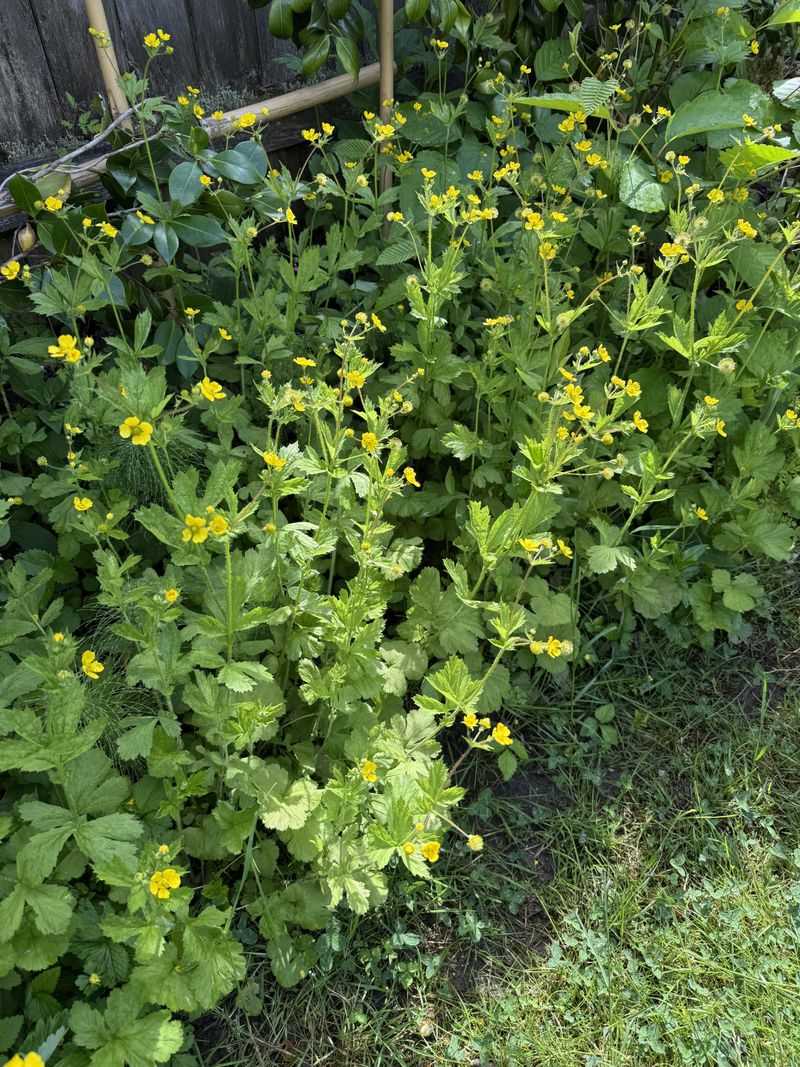
Bold leaves and bright yellow flowers make Large-Leaved Avens, or Geum macrophyllum, one of the most visually striking native groundcovers for shaded spots. The large, deeply lobed leaves give it a lush, tropical feel that looks intentional and designed, even though it grows wild across the forests of this state.
This plant thrives in moist, shaded areas near streams, under big trees, and along the edges of woodland gardens.
It handles full shade well but also tolerates partial shade, giving gardeners flexibility in where they place it.
The roots hold soil firmly, which makes it excellent for shaded slopes prone to erosion.
Bright yellow flowers bloom in late spring and early summer, drawing in native bees and bumblebees. The flower stalks rise above the foliage, creating a nice layered effect in the garden.
After blooming, the seed heads develop a spiky, burr-like appearance that adds fall texture.
Once established, Large-Leaved Avens requires very little attention. It does not need supplemental watering during summer, and it spreads gradually by seed and rhizome to fill in bare patches over time.
It plays well with other natives and never becomes overly aggressive. Gardeners dealing with wet, shaded problem spots will find this plant especially valuable.
Areas that stay damp in winter and dry out in summer are no challenge for it at all. It handles those swings in soil moisture better than almost any mulch or cover crop could.
6. Woodland Violet
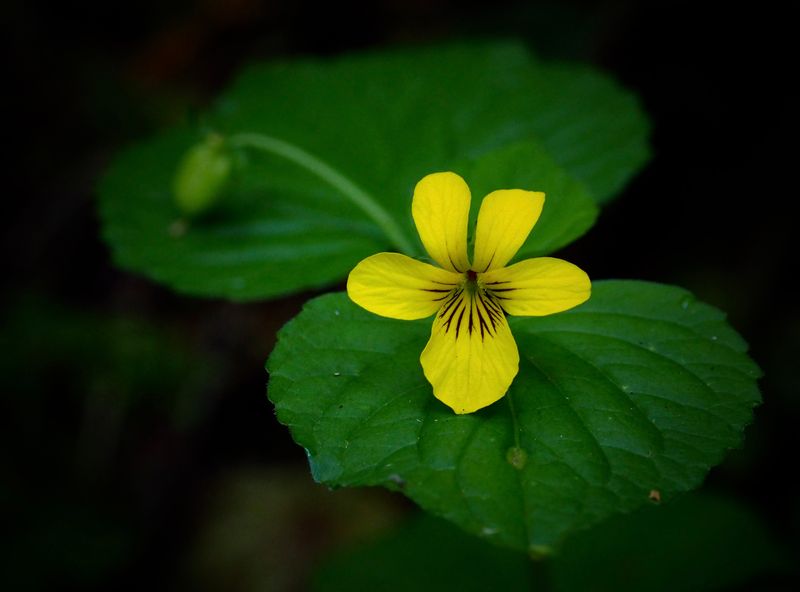
Some plants just make you smile when you see them. Woodland Violet, or Viola glabella, is one of those plants.
Its cheerful yellow flowers with dark purple veins bloom in early spring, often while snow is still melting in the mountains. In shaded lowland gardens, it blooms reliably every year without any fuss.
The heart-shaped leaves are bright green and glossy, forming a soft, low carpet that looks tidy and intentional.
It spreads gently by runners and self-seeding, slowly filling in bare patches under trees and along shaded pathways. It never takes over, but it does make steady, satisfying progress.
Woodland Violet is a host plant for native fritillary butterflies. The caterpillars feed on the leaves, which means growing this plant directly supports one of the most beautiful butterfly species in the Pacific Northwest.
That ecological value alone makes it worth planting. It prefers moist, humus-rich soil but adapts well to the dry shade found under mature conifers.
Once the root system establishes itself, supplemental watering becomes unnecessary.
The plant simply works with whatever moisture the forest soil holds naturally.
This violet stays under six inches tall, making it perfect for tight spaces between stepping stones or under low-growing shrubs.
It also pairs beautifully with ferns and mosses, creating a layered, forest-floor aesthetic that feels completely natural. Woodland Violet is small in size but enormous in charm and ecological value.
7. Starflower
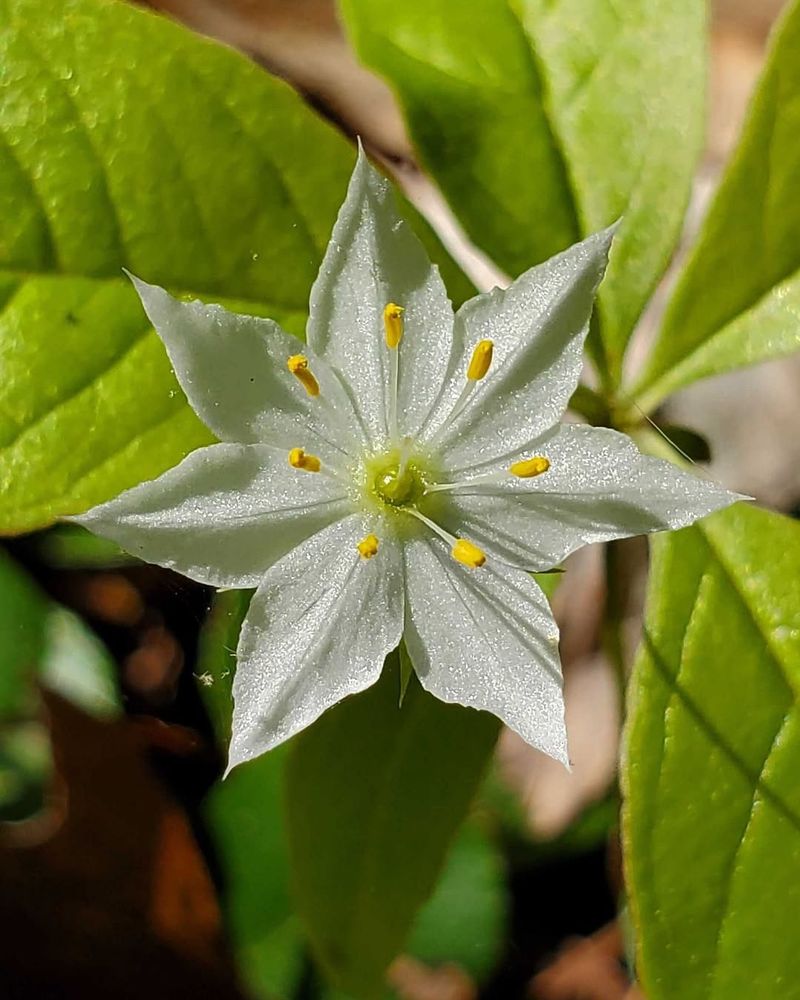
Delicate and quietly stunning, Starflower, or Trientalis latifolia, looks like something out of a fairy tale.
Its tiny pink flowers rise on threadlike stems above a whorl of oval leaves, creating a look so elegant that it seems almost too beautiful to be a groundcover. But that is exactly what it is.
Found in shaded forests throughout the western part of this state, Starflower grows from small underground tubers.
Those tubers store energy and water, which is why the plant handles dry summer shade so well.
Even when the soil feels bone-dry above ground, the tuber keeps the plant alive and ready for the next rainy season.
Starflower spreads slowly by tuber offsets, gradually forming loose colonies under trees and shrubs.
It stays very low, usually under six inches tall, which makes it ideal for planting beneath taller groundcovers or along the edges of shaded paths.
The flowers appear in late spring and attract small native bees and flies. After blooming, the plant stays green through summer before going dormant in fall.
That summer dormancy is perfectly normal and nothing to worry about. New growth returns reliably each spring.
Gardeners who appreciate subtlety and quiet beauty will connect deeply with Starflower. It does not shout for attention the way some plants do.
Instead, it rewards those who look closely. Planting it in drifts of ten or more creates a magical, jewel-like effect on the forest floor.
8. False Solomon’s Seal
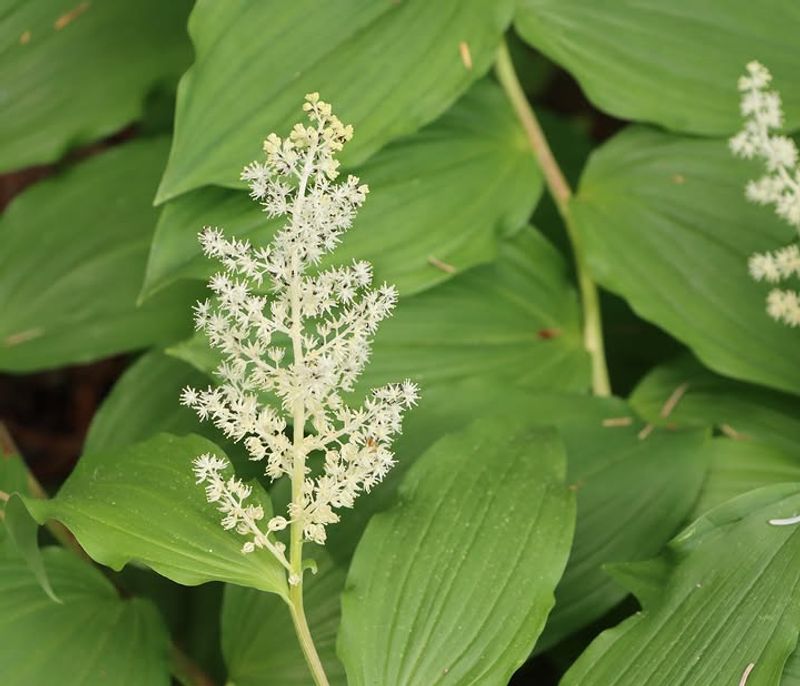
Few native plants deliver as much visual drama in a shaded garden as False Solomon’s Seal. Known scientifically as Maianthemum racemosum, this plant sends up arching stems loaded with broad, parallel-veined leaves.
At the tip of each stem, a plume of tiny white flowers bursts open in late spring, filling the garden with a soft, sweet fragrance.
After flowering, the plant produces clusters of berries that start green, turn speckled red, and eventually ripen to a deep ruby red by fall.
Birds love these berries, making False Solomon’s Seal one of the best native plants for supporting wildlife in shaded gardens.
The whole seasonal show, from flowers to fruit, is genuinely impressive. It grows naturally in moist, forested areas across this state, thriving under conifers and big-leaf maples alike.
The rhizomes spread slowly underground, forming expanding colonies that fill in bare shaded ground over several seasons.
No supplemental watering is needed once the plants settle in. The arching stems reach two to three feet tall, giving shaded beds a lush, layered look.
Pairing False Solomon’s Seal with lower-growing plants like Woodland Violet or Starflower creates a naturalistic, multi-level planting that looks professionally designed.
Slugs can occasionally be a nuisance with young plants, but established colonies are tough enough to handle minor damage without missing a beat.
This plant is a true showstopper that earns its space in any shaded Pacific Northwest garden.
9. Wild Ginger
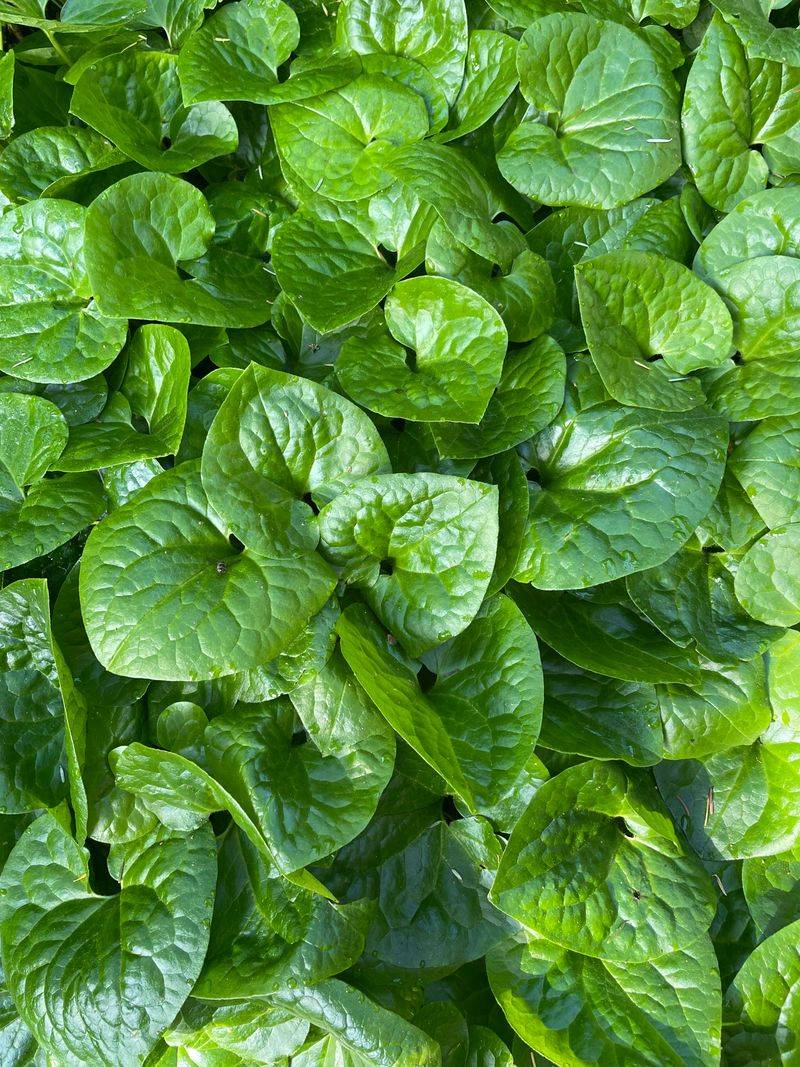
Rich, dark green leaves that overlap like shingles on a roof make Wild Ginger one of the most effective weed-suppressing groundcovers in the Pacific Northwest. Asarum caudatum is its scientific name, and it is a true workhorse in shaded gardens.
The dense leaf canopy it creates blocks light so effectively that weeds simply cannot get a foothold beneath it. The leaves are large, heart-shaped, and deeply lustrous.
They stay evergreen through most winters in the lowlands of this state, giving the garden color and coverage even during the gray months of December and January. That year-round presence is something mulch can never offer.
Wild Ginger spreads by rhizome, slowly creeping outward from the original planting.
It takes a couple of seasons to really get going, but once established, it fills in steadily and reliably.
Patience pays off with this plant in a big way. The small, brownish-purple flowers bloom in early spring, hidden beneath the leaves close to the soil.
They are pollinated by ground-crawling insects like ants and beetles, which is a fascinating and unusual trait.
You have to lift the leaves to see the flowers, which makes discovering them feel like finding a secret.
The roots have a spicy, ginger-like scent when crushed, which is how the plant earned its common name.
Wild Ginger is not related to culinary ginger, but it has been used medicinally by Indigenous peoples of this region for generations. It is a plant with deep roots in both the soil and the culture of this land.
10. Twinflower
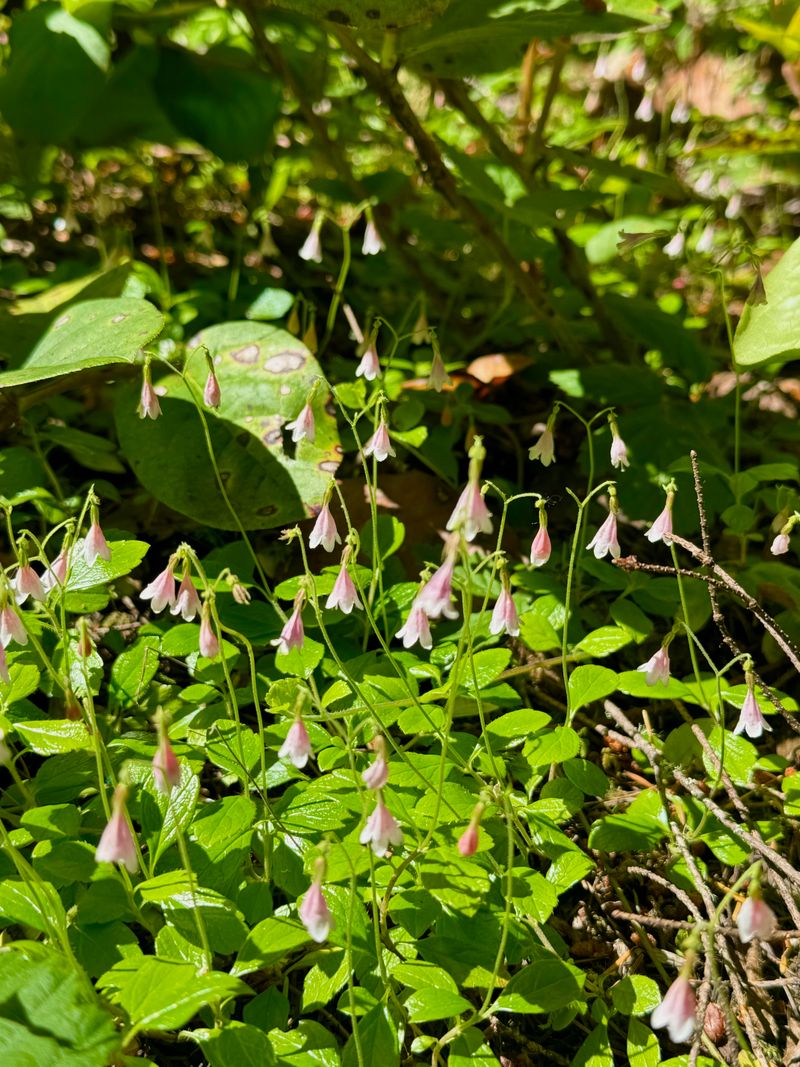
Named after the great botanist Carl Linnaeus himself, Twinflower carries a legacy as impressive as its beauty.
Linnaea borealis is a creeping, mat-forming plant that sends up pairs of tiny pink bell-shaped flowers on slender forked stems.
The flowers nod gently in the breeze and release a faint, sweet fragrance that feels perfectly matched to a quiet shaded garden.
Twinflower grows naturally across cool, shaded forests in northern regions of this state and at higher elevations throughout the Cascades. It hugs the ground tightly, rarely growing more than four inches tall.
That low profile makes it ideal for filling gaps between stepping stones, covering mossy banks, or carpeting the ground beneath large conifers.
It spreads by slender, woody runners that creep along the soil surface. The spread is gradual and never aggressive.
Over a few seasons, it builds a soft, dense mat that holds moisture in the soil and keeps weed seeds from finding purchase.
Twinflower is adapted to the cool, moist conditions of Pacific Northwest forest floors. Once established in the right spot, it needs no supplemental water and very little attention.
The key is starting it in a location with deep shade and good organic matter in the soil. Few plants bring as much quiet elegance to a shaded garden as Twinflower does.
It is small, subtle, and deeply connected to the wild forests of this region. Planting it feels like bringing a piece of the old-growth forest right into your own backyard.