These Native Plants Attract Painted Buntings In South Texas This Winter
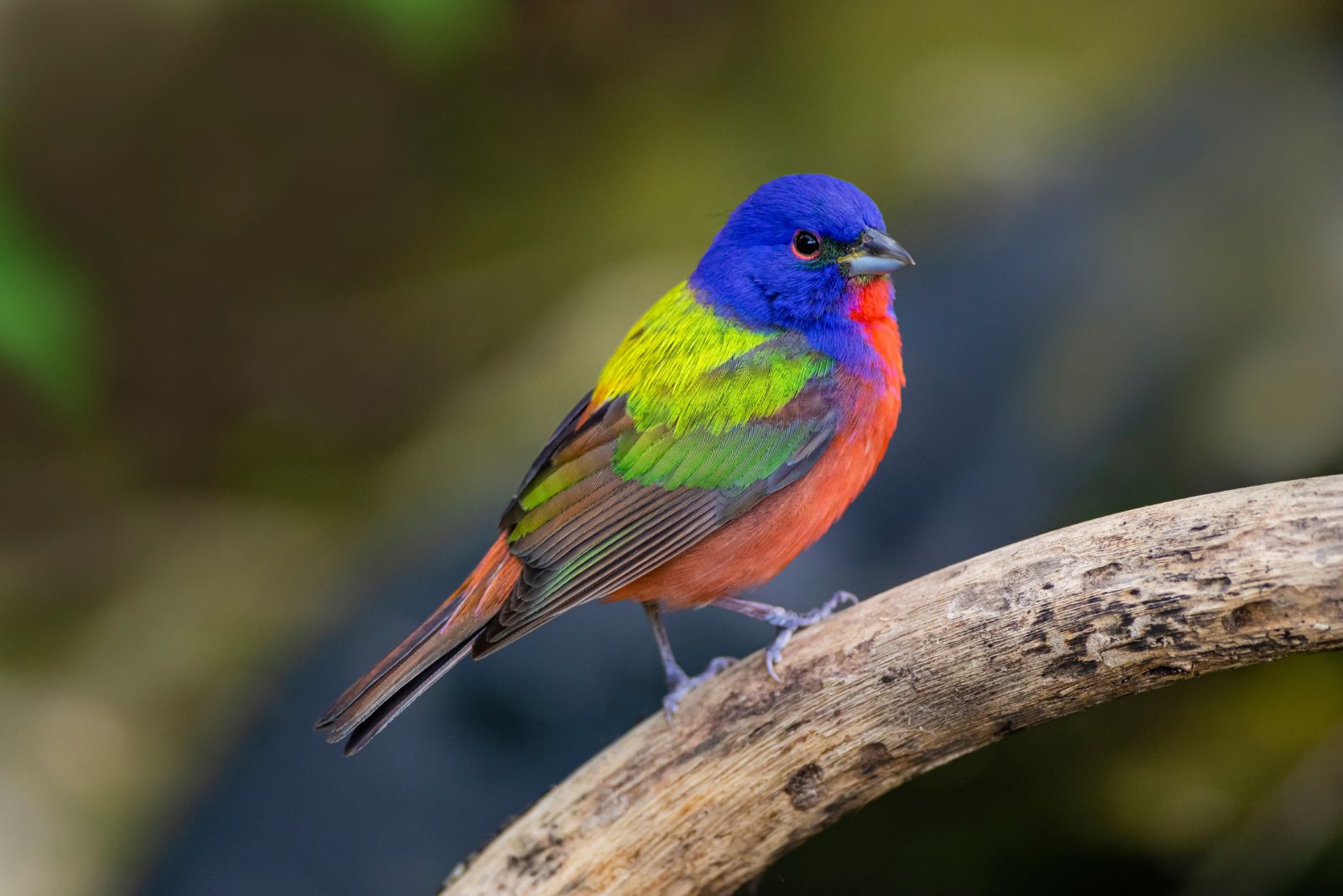
Seeing a painted bunting in your yard feels like spotting a living rainbow. With bright blues, reds, and greens, these beautiful birds are a favorite among South Texas bird lovers, especially during the winter months.
The best part is that you don’t need fancy feeders or expensive setups to bring them closer. Many native plants naturally provide the food and shelter painted buntings look for when temperatures drop.
By choosing the right plants, you can turn your garden into a safe and welcoming stop for these colorful visitors. It also helps local wildlife and supports the natural ecosystem at the same time.
If you’ve ever dreamed of watching painted buntings flutter through your yard, now is the perfect time to start. Let’s explore the native plants that make your South Texas garden irresistible to these stunning birds.
1. Inland Sea Oats
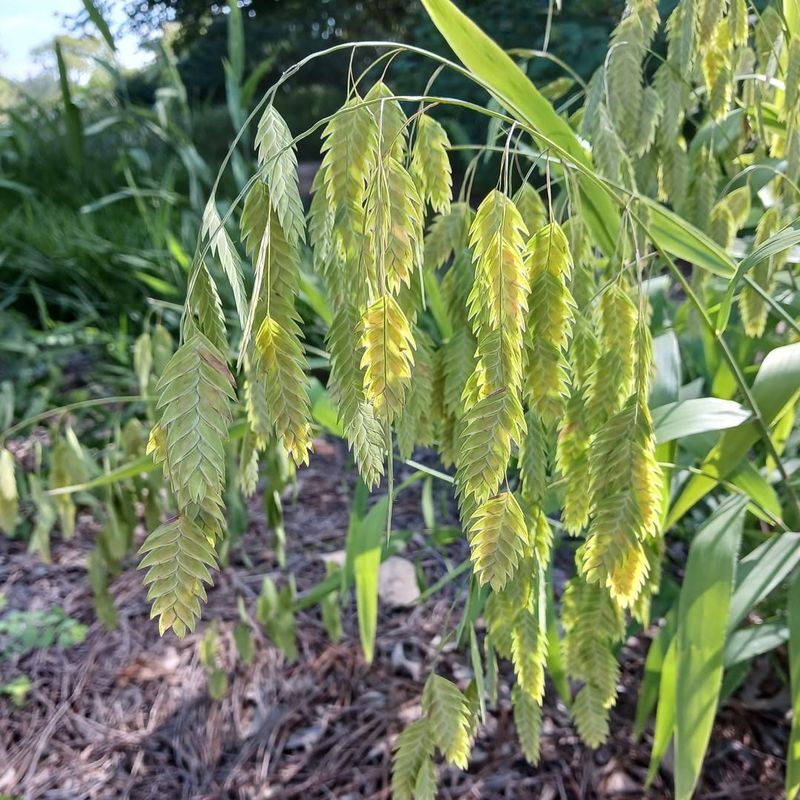
Inland sea oats produce flat, drooping seed heads that painted buntings absolutely love during winter months. The seeds ripen in fall and persist through winter, creating a reliable food source when other options become scarce.
This ornamental grass grows three to five feet tall with attractive bamboo-like foliage that adds texture to any South Texas landscape.
Painted buntings perch on the sturdy stems while feeding on the nutritious seeds. The dense growth pattern provides excellent cover where birds can hide from hawks and other predators.
This native grass tolerates shade better than most grasses, making it perfect for planting under trees or along fence lines in your South Texas property.
Drought tolerance makes inland sea oats an easy choice for gardeners who want low-maintenance plantings. Once established, this grass survives on natural rainfall alone in most South Texas locations.
The foliage turns copper-bronze in winter, adding seasonal interest to your garden while continuing to feed hungry painted buntings.
Clumps spread slowly through rhizomes, creating natural-looking drifts over time. You can divide established plants in spring to create more feeding stations throughout your yard.
The seed heads also attract other beneficial birds like cardinals, sparrows, and finches to your South Texas garden.
Plant inland sea oats in groups of three or more for maximum visual impact and bird appeal. Space plants two feet apart to allow room for spreading.
This native grass adapts to various soil types, from sandy to clay, making it versatile for different South Texas garden conditions.
2. Turk’s Cap
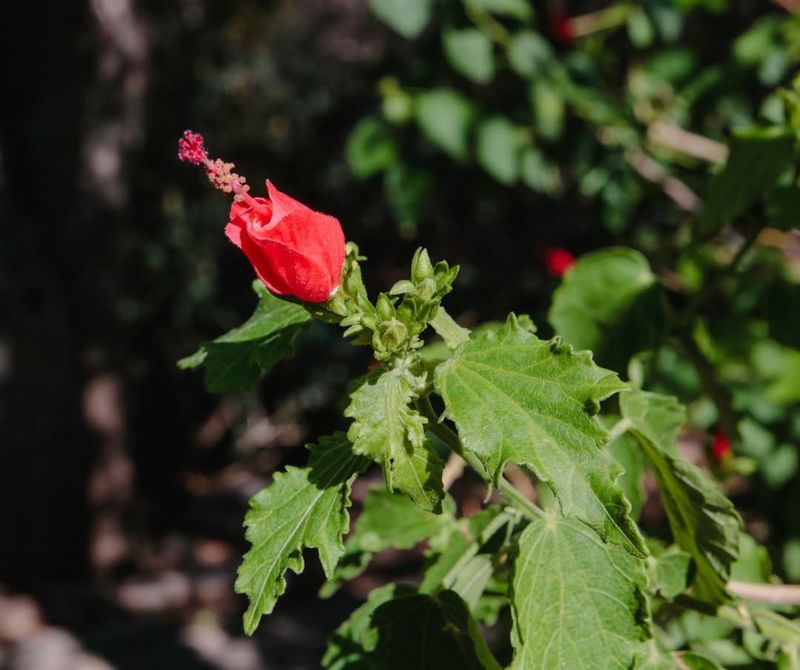
Bright red tubular flowers bloom almost year-round on this tough native shrub that painted buntings find irresistible.
The flowers attract hummingbirds during warmer months, but the real treasure for painted buntings comes from the small dark fruits that develop after flowering.
These berries provide essential protein and fat that help birds survive cold snaps in South Texas.
Turk’s cap grows four to six feet tall and spreads equally wide, creating substantial shelter for painted buntings. The dense branching structure offers protected spots where birds can rest between feeding sessions.
Leaves persist through mild South Texas winters, maintaining cover even during cooler months.
This adaptable shrub thrives in partial shade to full sun locations. Gardeners appreciate how turk’s cap handles both moist and dry conditions once roots establish in South Texas soil.
The plant naturally takes on a rounded shape that requires minimal pruning to maintain an attractive appearance.
Red flowers appear on new growth, so painted buntings can find fresh berries throughout winter.
The fruits ripen gradually, ensuring a steady food supply rather than a single flush that disappears quickly. Other wildlife, including butterflies and native bees, also benefit from this generous plant.
Place turk’s cap near windows where you can watch painted buntings visit throughout the day. The shrub works well as a foundation planting or mixed into perennial borders.
In South Texas gardens, turk’s cap serves as a cornerstone plant that supports wildlife while adding vibrant color to the landscape year after year.
3. Little Bluestem
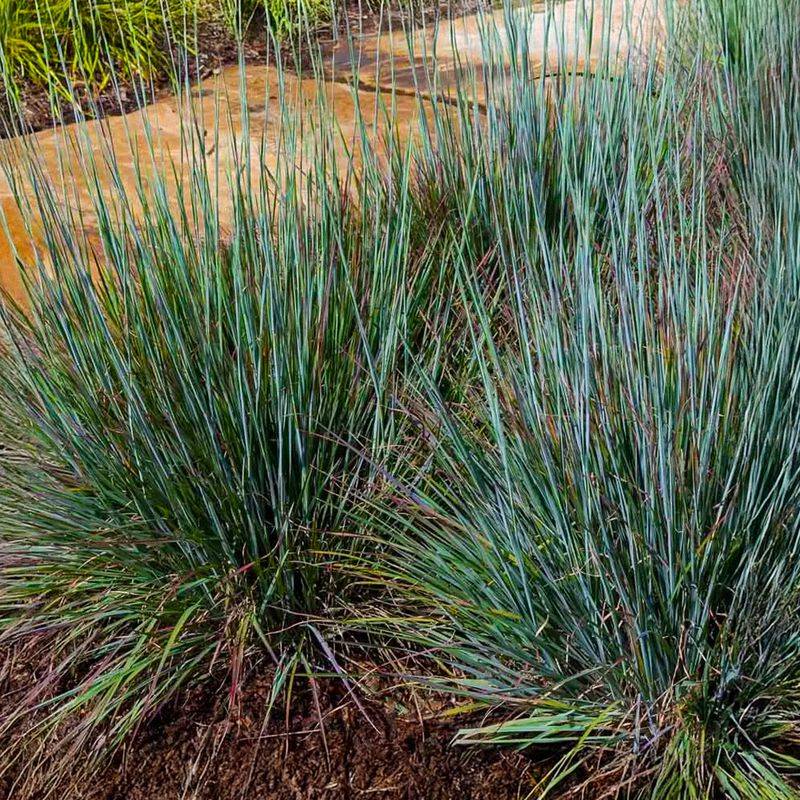
Few native grasses match the beauty and bird value of little bluestem during South Texas winters. Slender blue-green stems turn brilliant shades of copper, orange, and burgundy as temperatures drop.
Fluffy white seed heads emerge in fall and remain attractive through winter while providing painted buntings with abundant small seeds.
This warm-season grass grows two to four feet tall in upright clumps that never become invasive. Painted buntings land on the sturdy stems to pluck seeds directly from the feathery seed heads.
The fine texture creates a soft, natural look that contrasts beautifully with broader-leaved plants in South Texas gardens.
Exceptional drought tolerance makes little bluestem perfect for water-wise landscapes. The deep root system helps this grass survive extended dry periods without supplemental irrigation.
Full sun brings out the most intense winter colors, though the plant tolerates light shade in South Texas locations.
Wildlife benefits extend beyond painted buntings, as sparrows, juncos, and towhees also feed on the nutritious seeds.
The grass provides nesting material for birds in spring when they pull dried blades to construct their nests. Butterflies use the foliage as host plants for their larvae during warmer months.
Mass plantings create stunning drifts that sway gracefully in winter breezes. Space individual clumps eighteen inches apart for a meadow effect, or use little bluestem as an accent plant among other natives.
This grass adapts to various South Texas soil types, from sandy to rocky, making it suitable for challenging sites where other plants struggle to establish.
4. American Beautyberry
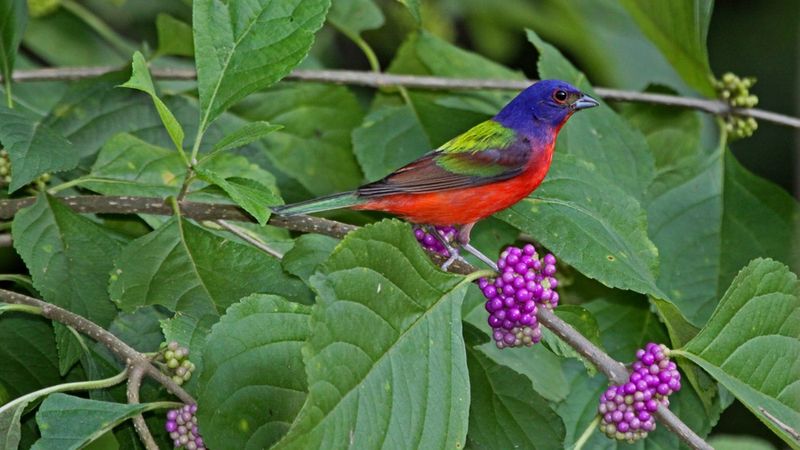
Clusters of brilliant purple berries line the arching branches of American beautyberry from fall through winter. Painted buntings eagerly consume these colorful fruits that provide vital nutrition during their South Texas stay.
The berries contain high levels of fat that help birds maintain body heat during occasional cold fronts.
This deciduous shrub grows four to six feet tall with a loose, open habit that allows easy access for feeding birds. Leaves drop in late fall, making the spectacular berry clusters even more visible against bare branches.
The exposed fruits attract painted buntings from considerable distances across South Texas landscapes.
American beautyberry tolerates a wide range of growing conditions, from moist bottomlands to drier upland sites. Partial shade produces the best growth and fruit production, though the plant survives in full sun with adequate moisture.
The shrub spreads slowly through root suckers, eventually forming attractive colonies if left undisturbed.
Purple berries persist into winter unless birds consume them all first. A single mature shrub can produce thousands of berries in a good year, feeding numerous painted buntings and other species.
Cedar waxwings, mockingbirds, and cardinals also relish these nutritious fruits during migration and winter residence.
Plant American beautyberry in groups of three or more to ensure good fruit set through cross-pollination. Space shrubs four feet apart to create a berry-rich zone that becomes a painted bunting magnet.
In South Texas gardens, this native shrub combines ornamental value with exceptional wildlife benefits, making it a must-have for bird-friendly landscapes.
5. Sideoats Grama
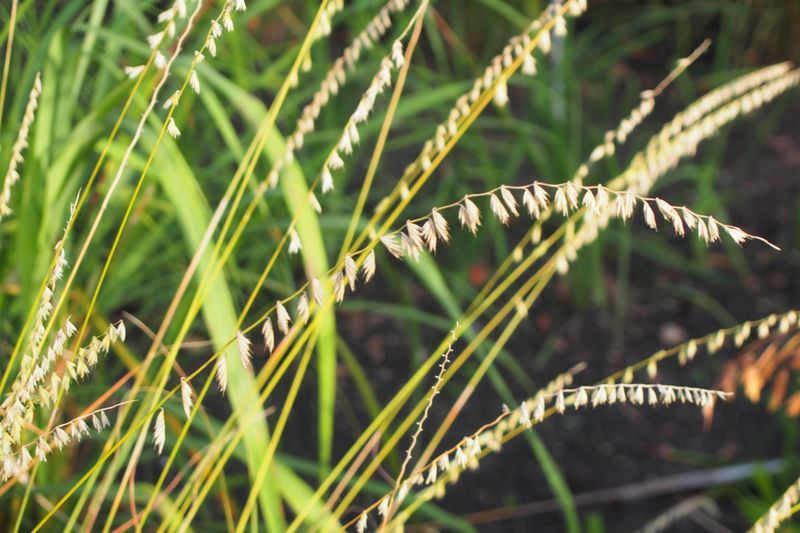
Distinctive seed heads hang like tiny flags along one side of each stem on this attractive native grass. Sideoats grama ranks among the most important food plants for painted buntings spending winter in South Texas.
The small seeds pack concentrated nutrition that helps these colorful birds maintain their energy through shorter, cooler days.
This warm-season grass grows two to three feet tall in upright clumps that add vertical interest to gardens. The unique seed arrangement makes it easy for painted buntings to perch and feed without competing for space.
Seed heads turn golden-tan in fall and persist through winter, providing reliable food even during harsh weather.
Sideoats grama thrives in full sun and well-drained soils typical of South Texas regions. Excellent drought tolerance means this grass survives on natural rainfall once roots establish deeply.
The fine-textured foliage creates an airy appearance that complements bolder plants in mixed borders.
Named Texas state grass for its ecological importance and adaptability, sideoats grama supports diverse wildlife beyond painted buntings.
Native bees visit the flowers in summer, while various sparrow species join painted buntings at the seed buffet during winter months. The grass also provides excellent erosion control on slopes and disturbed sites.
Create naturalistic plantings by combining sideoats grama with other native grasses and wildflowers. Space plants twelve to eighteen inches apart for a meadow effect that mimics natural South Texas prairies.
This versatile grass works equally well in formal landscapes or casual wildlife gardens, always delivering beauty and function throughout the year.
6. Coral Honeysuckle
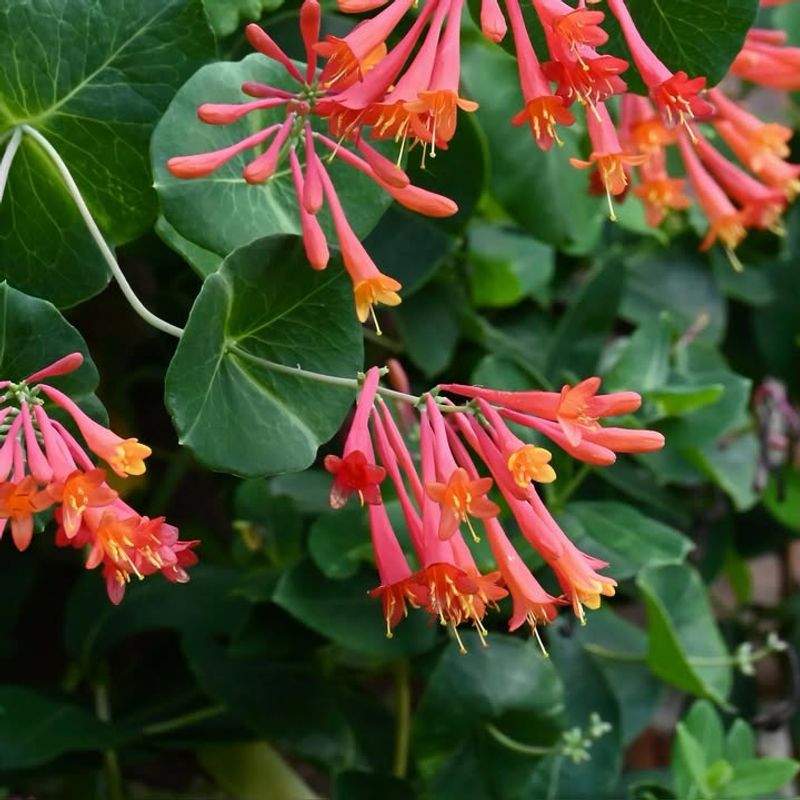
Brilliant red tubular flowers cover this native vine from spring through fall, but painted buntings visit for the small berries that ripen in winter.
Unlike invasive Japanese honeysuckle, coral honeysuckle behaves politely in South Texas gardens while providing superior wildlife value. The berries offer painted buntings important nutrients during their winter residence.
This evergreen to semi-evergreen vine climbs eight to fifteen feet using twining stems that need support from fences, trellises, or shrubs. Blue-green leaves persist through mild South Texas winters, maintaining cover for birds seeking shelter.
The vine creates dense tangles that painted buntings use as protected feeding and resting spots.
Coral honeysuckle adapts to various light conditions, from full sun to partial shade. The plant produces more flowers and berries in sunny locations but tolerates shadier sites common under trees in South Texas yards.
Moderate water needs make this vine suitable for gardens with regular irrigation or consistent rainfall.
Hummingbirds pollinate the tubular flowers during warmer months, while painted buntings and other songbirds harvest the resulting berries in winter. The fruits ripen gradually, ensuring food availability over an extended period.
Native bees and butterflies also visit the flowers, adding to the ecological benefits this vine provides.
Train coral honeysuckle on arbors, pergolas, or fence lines where you can easily observe visiting painted buntings. The vine also works well growing through large shrubs, creating layered habitat that appeals to various bird species.
In South Texas landscapes, this beautiful native vine combines ornamental appeal with practical wildlife support throughout the year.
7. Frostweed
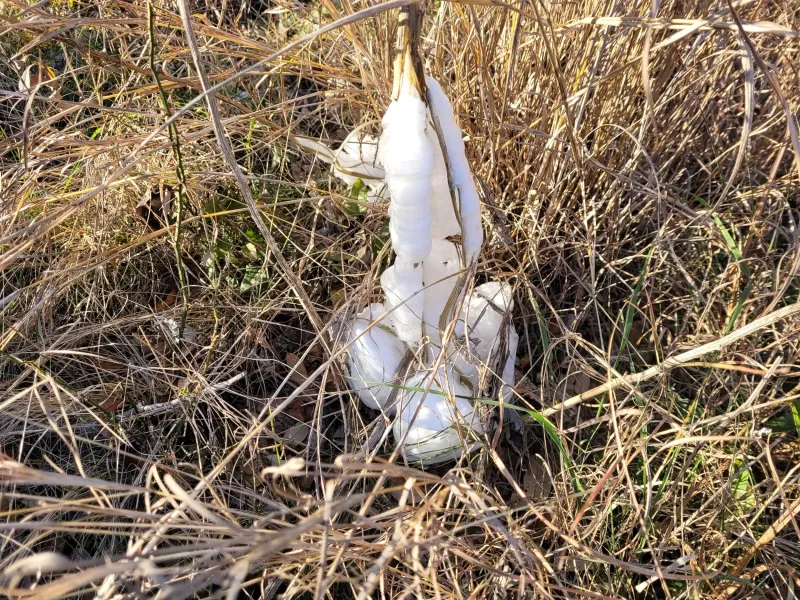
White flowers bloom abundantly in fall on this herbaceous perennial that painted buntings rely on for winter seeds. Frostweed gets its common name from ice crystals that form on stems during freezing weather, creating beautiful natural sculptures.
The seed capsules split open in winter, revealing small seeds that painted buntings expertly extract while foraging in South Texas gardens.
This native plant grows two to four feet tall with narrow leaves that give it a delicate appearance. Stems become woody at the base but remain herbaceous above.
The upright growth habit allows painted buntings to perch comfortably while feeding on the abundant seeds.
Frostweed thrives in well-drained soils and full sun to partial shade locations. The plant tolerates drought once established, making it suitable for low-maintenance South Texas landscapes.
Self-seeding produces new plants each year, though frostweed never becomes weedy or invasive in garden settings.
Seeds provide food for painted buntings and various sparrow species throughout winter months. The dried stems also offer shelter for overwintering beneficial insects that emerge in spring to pollinate garden plants.
Frostweed supports a complete ecosystem in your South Texas yard while requiring minimal care from gardeners.
Plant frostweed in groups for maximum impact and seed production. Space plants eighteen to twenty-four inches apart to allow room for natural spreading.
This versatile native works well in perennial borders, meadow gardens, or naturalized areas where painted buntings can forage safely. In South Texas, frostweed combines beauty, toughness, and exceptional wildlife value in one easy-care package.