These Native Texas Plants Practically Grow Themselves
Wish your yard could look full and thriving without feeling like a second job? In Texas, that kind of low effort beauty is actually possible.
The secret often comes down to choosing plants that already know how to handle the heat, the dry spells, and the wild weather shifts that roll through the state.
Native Texas plants have been doing just fine on their own long before backyard irrigation systems were even a thing.
These are the kinds of plants that settle in, stretch their roots, and get comfortable fast. They are used to the soil, the sun, and even those surprise cold snaps.
Once established, many of them need very little watering, trimming, or fussing. That means fewer weekend chores and more time actually enjoying your outdoor space.
If you want a yard that feels alive without constant upkeep, planting smart makes all the difference. Sometimes the easiest way to garden is to work with nature instead of against it.
1. Texas Sage (Leucophyllum Frutescens)
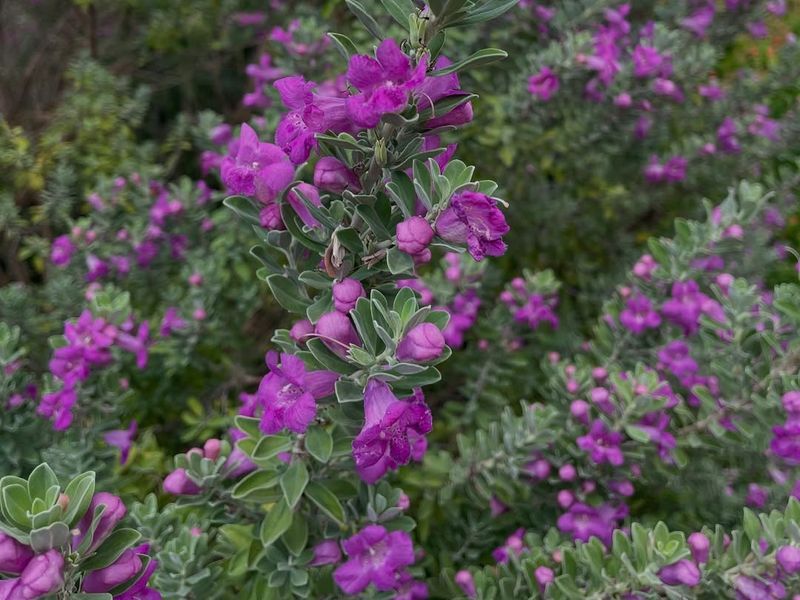
Walk through any neighborhood in South or West Texas after a summer rainstorm, and you will likely spot a Texas Sage bursting into a cloud of purple blooms. That is actually how this plant earned its nickname, the Barometer Bush.
It senses rising humidity and responds by flowering almost overnight. It is one of nature’s most reliable signals that rain is on the way.
Texas Sage is native to South and West Texas, where the soil is often rocky and rainfall is sparse. Once established, it needs almost no supplemental watering.
It thrives in full sun and extreme heat, making it a perfect fit for the harsh Texas climate. The silvery-gray foliage stays attractive even when the plant is not in bloom.
Gardeners love it because it requires very little care. No complicated fertilizing schedules, no constant pruning, and no fussing over soil type.
Just plant it in a sunny, well-drained spot and let Texas do the rest. It grows into a rounded shrub that works beautifully as a hedge or border plant.
Wildlife also benefits, since bees are drawn to the blooms. If you want a low-effort plant that puts on a spectacular show, Texas Sage is a top pick for any Texas yard.
2. Blackfoot Daisy (Melampodium Leucanthum)
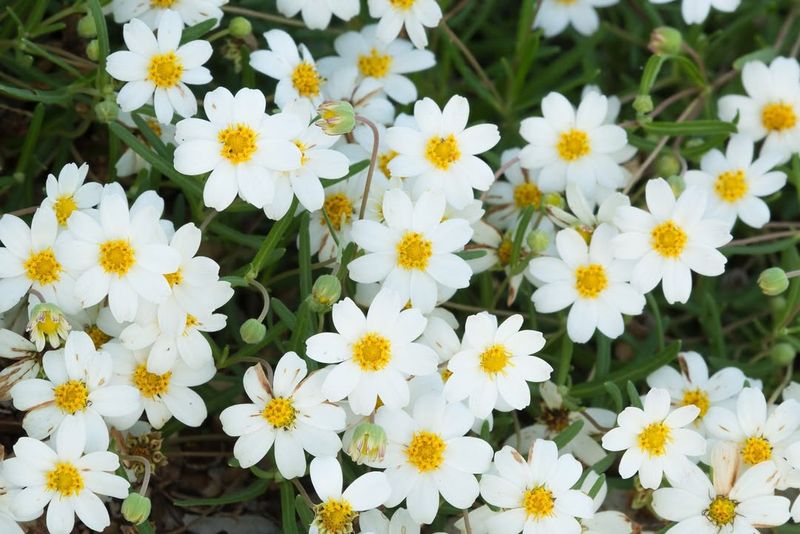
Cheerful, compact, and almost impossible to ignore, the Blackfoot Daisy is one of those plants that makes you smile every time you walk past it.
Small white flowers with sunny yellow centers cover the plant from spring all the way through fall. That is a long season of color for a plant that asks for almost nothing in return.
Native to Central and West Texas, this little wildflower was made for rocky, well-drained soil. In fact, it actually performs better in poor soil than in rich, heavily amended garden beds.
Too much water or fertilizer can cause it to get leggy and weak. The key is to treat it tough, just like the Texas landscape it came from.
Once established, Blackfoot Daisy rarely needs supplemental watering. It handles full sun and summer heat without complaint.
The plant stays relatively small, usually reaching about one foot tall and two feet wide, making it a great choice for rock gardens, borders, or containers. Butterflies and native bees love visiting the blooms, adding even more life to your outdoor space.
Did you know the name comes from the small black seed at the base of each flower? That tiny detail makes this already charming plant even more interesting to grow across Texas.
3. Autumn Sage (Salvia Greggii)
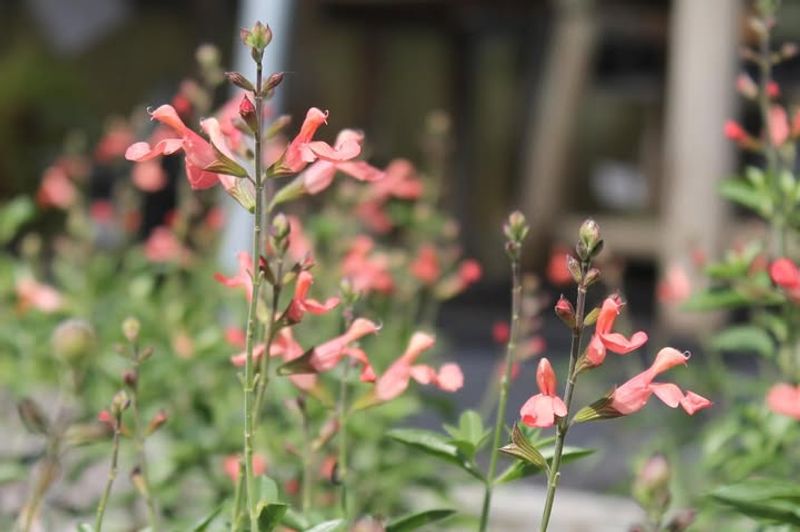
Some plants bloom for a few weeks and call it a season. Autumn Sage refuses to follow that rule.
This tough little shrub produces clusters of tubular flowers in shades of red, pink, coral, and white for months at a time, often starting in spring and continuing well into fall. That kind of staying power is rare, and Texas gardeners have taken notice.
Native to Central and Southwest Texas, Autumn Sage was built for heat and drought. Once it gets established in your yard, it can go long stretches without rain and still look great.
Full sun brings out its best performance, though it can handle a little afternoon shade during the most brutal Texas summers. The plant stays compact and tidy without much effort on your part.
Minimal pruning is really all it needs to keep blooming strong. A light trim after each big flush of flowers encourages fresh new growth and more blooms.
Hummingbirds absolutely love Autumn Sage, and once they discover it in your yard, they will return season after season. It pairs beautifully with other native Texas plants like Texas Sage and Blackfoot Daisy.
Whether you plant it along a walkway or in a pollinator garden, Autumn Sage delivers reliable color and attracts wildlife with almost no effort from you.
4. Texas Lantana (Lantana Urticoides)
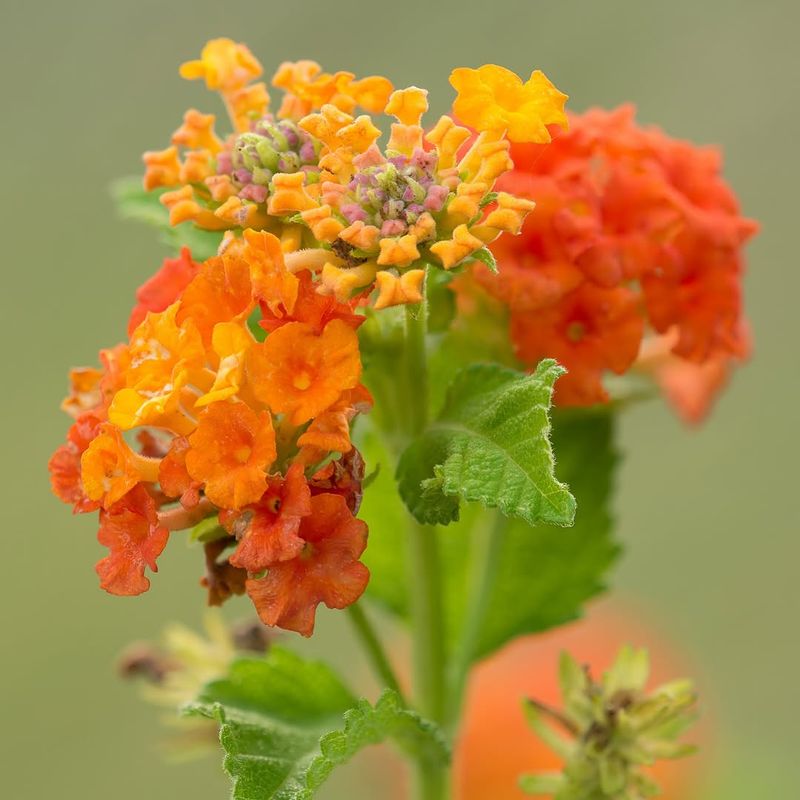
If there is one plant that truly does not care how hot Texas gets, it is Texas Lantana. While other plants wilt under the blazing summer sun, this native wildflower just keeps on blooming.
Clusters of bright orange, yellow, and red flowers pop open in wave after wave throughout the growing season. It is bold, it is bright, and it is built for the Texas heat.
Texas Lantana grows naturally across much of Texas, from the Gulf Coast to the Hill Country and beyond. It loves full sun and is extremely tolerant of drought once established.
The more sun it gets, the more flowers it produces. Gardeners who try to coddle it with too much water or shade often end up with fewer blooms and more leafy growth.
One of its best features is that deer tend to leave it alone. In areas of Texas where deer pressure is high, that makes Texas Lantana a genuinely valuable plant.
Butterflies, on the other hand, are completely wild about it. You can expect to see dozens of different butterfly species visiting throughout summer.
The plant spreads over time and can form a wide, low mound that works well as a ground cover on slopes or in open beds. It is one of the hardest-working native plants you can add to a Texas landscape.
5. Mealy Blue Sage (Salvia Farinacea)
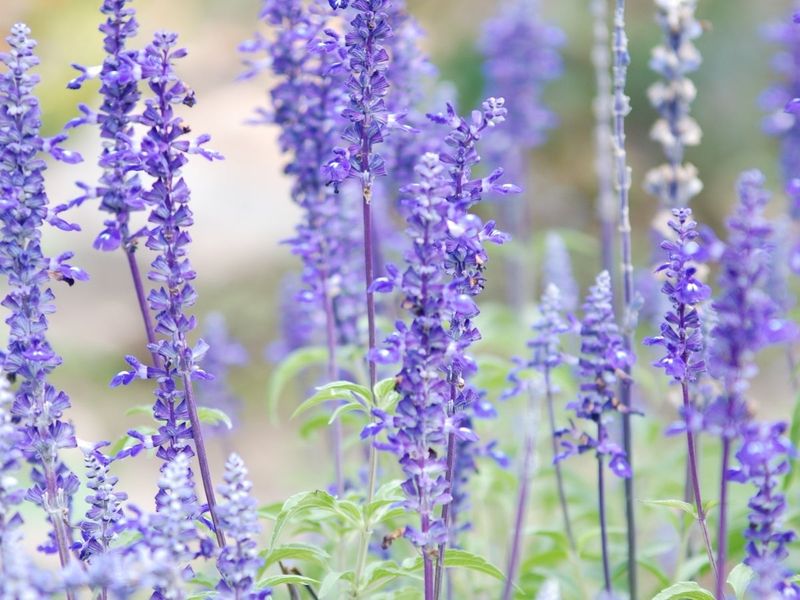
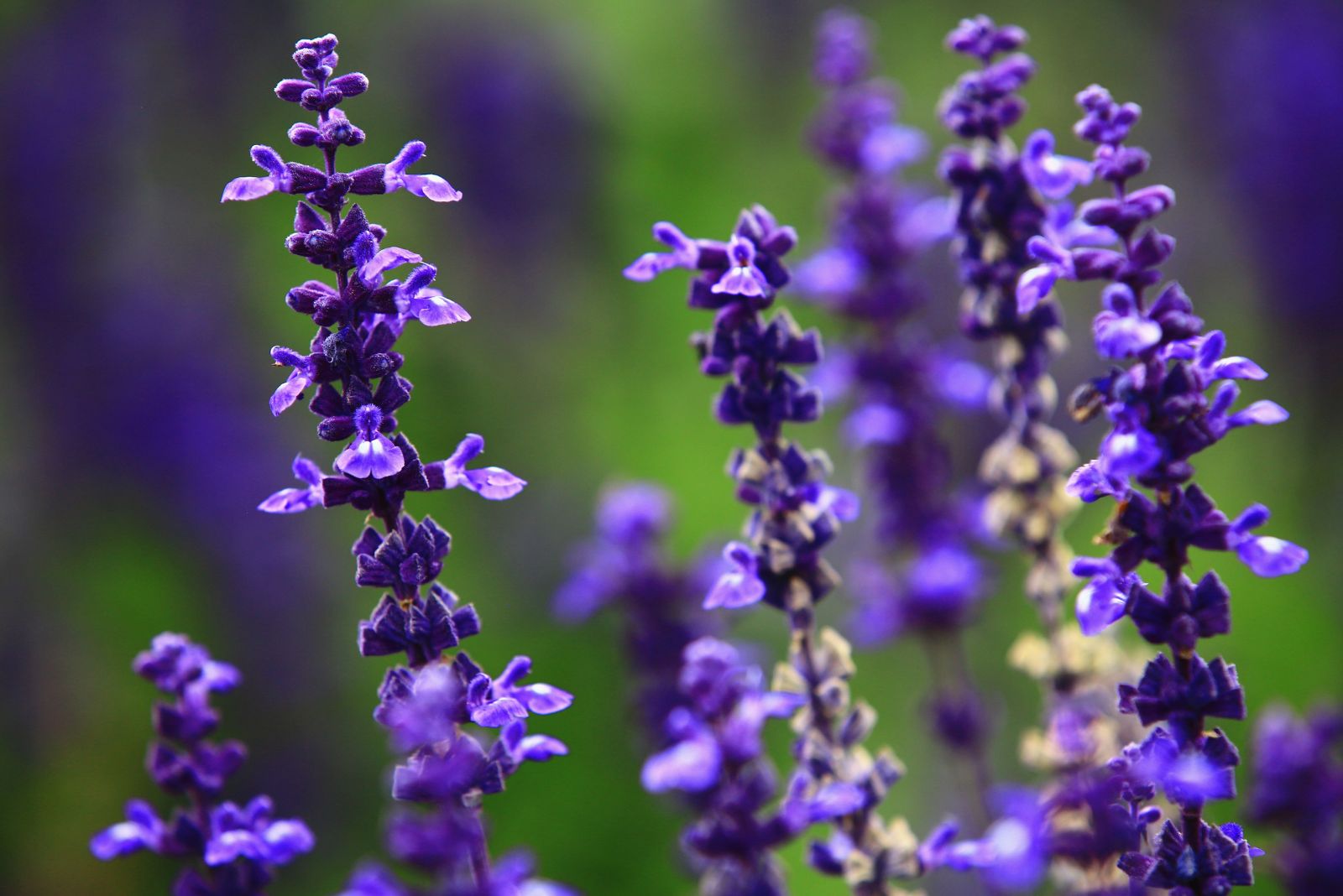
Picture tall, elegant spikes of blue-purple flowers swaying gently in a warm Texas breeze. That is Mealy Blue Sage in its element, and it is hard not to stop and stare.
This native perennial has been a favorite in Texas gardens for decades, and it earns that reputation every single season with very little help from the gardener.
Native to Central and South Texas, Mealy Blue Sage handles the unique combination of Texas heat and summer humidity better than most plants. It thrives in full sun and well-drained soil, and it does not need much water once it gets going.
The plant blooms reliably from spring through fall, giving your yard months of vertical color that most other plants simply cannot match.
Bees and butterflies are especially drawn to the blue flower spikes, making this a fantastic choice for anyone wanting to support local pollinators across Texas. It works well in mixed borders, cottage gardens, or even large containers.
The plant reseeds itself readily, so you may find new plants popping up around your yard from year to year without any effort on your part. Mealy Blue Sage also pairs naturally with other native Texas plants, creating an effortless, layered garden look.
For reliable beauty with almost zero fuss, this sage is a standout performer in any Texas garden.
6. Turk’s Cap (Malvaviscus Arboreus Var. Drummondii)
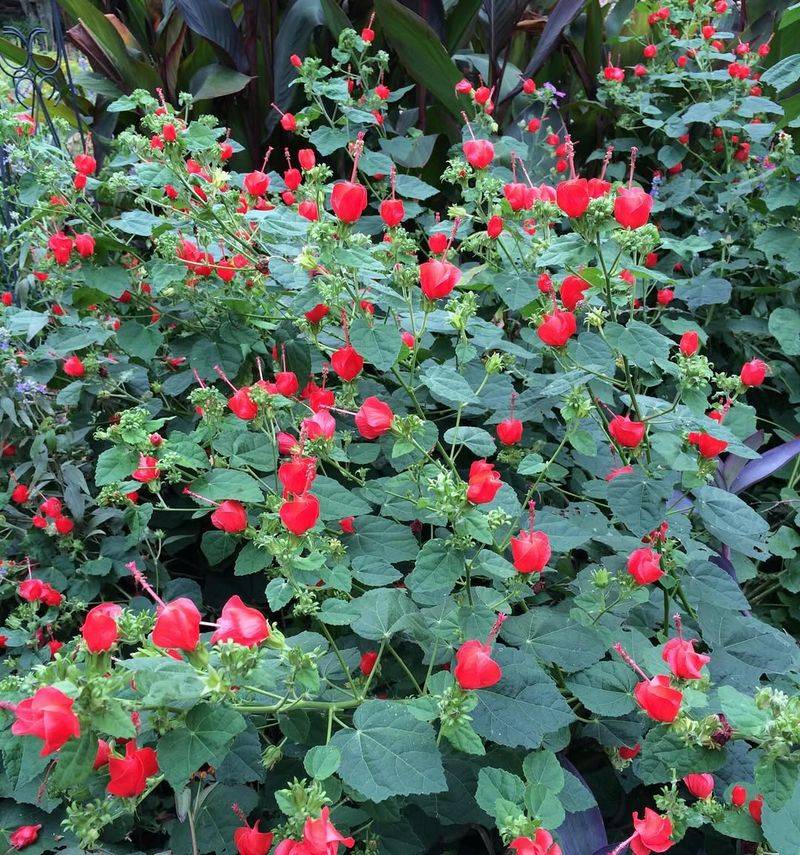
Most shade-loving plants come with a long list of demands. Turk’s Cap has exactly one: just give it a little shade and step back.
This native Texas perennial is one of the most forgiving and wildlife-friendly plants you can grow, and it thrives in spots where other plants simply refuse to cooperate. Shady corners, spots under trees, and north-facing beds are all fair game for Turk’s Cap.
Native to South and Central Texas, this plant produces distinctive bright red flowers that never fully open. They stay twisted into a tube shape, which is exactly what hummingbirds love.
The long, narrow shape fits a hummingbird’s beak perfectly, and once these little birds find your Turk’s Cap, they will visit it all season long. Few plants create that kind of reliable wildlife connection.
Turk’s Cap goes dormant in winter and returns each spring with fresh energy. It can grow quite large over time, sometimes reaching six feet tall in ideal conditions, so give it room to spread.
The plant handles Texas summers well even in partial shade, and it needs very little supplemental water once established. The red berries that follow the flowers are edible and attract birds too.
For shaded areas in Texas landscapes where color and wildlife activity are both welcome, Turk’s Cap is truly one of a kind and almost effortless to maintain.
7. Flame Acanthus (Anisacanthus Quadrifidus Var. Wrightii)
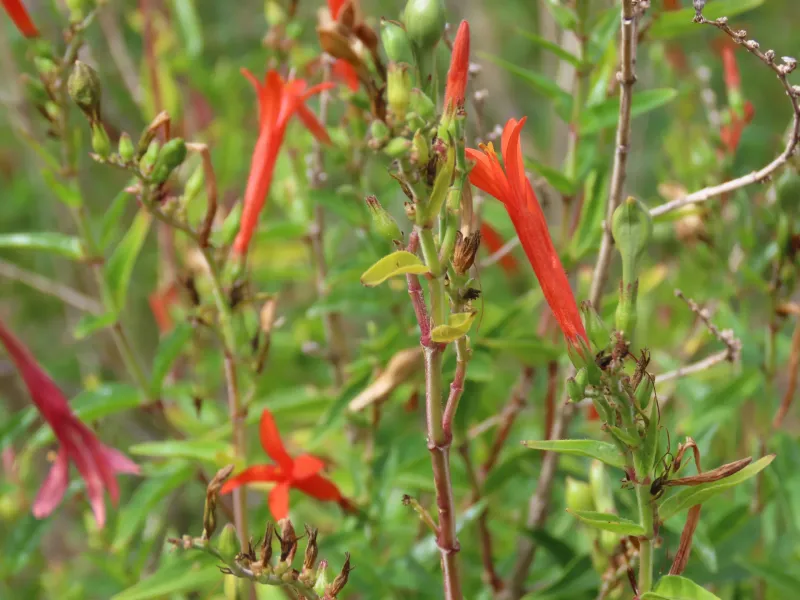
When summer temperatures in Texas climb to triple digits and most plants are struggling to survive, Flame Acanthus is just getting started.
This tough native shrub actually hits its peak bloom during the hottest weeks of the year, which makes it unlike almost anything else you can plant in a Texas yard.
The tubular orange-red flowers are striking against the summer sky and seem to glow in the intense sunlight.
Native to West and Southwest Texas, Flame Acanthus was shaped by dry, rocky terrain and relentless sun. It thrives in full sun and well-drained soil, and it is remarkably drought tolerant once established.
You will not need to set up an irrigation schedule or worry about it during dry spells. It handles neglect better than most plants handle careful attention.
Hummingbirds and butterflies are strongly attracted to the bright blooms, making summer in the garden feel especially alive when this plant is in full swing.
Flame Acanthus grows into an open, airy shrub and benefits from a hard cutback in late winter to encourage fresh, vigorous growth each season.
It pairs well with other native Texas plants and fits naturally into xeriscape designs. Very low maintenance and visually bold, this plant earns its place in any West Texas or statewide native garden with almost no effort required from you.
8. Indian Blanket (Gaillardia Pulchella)
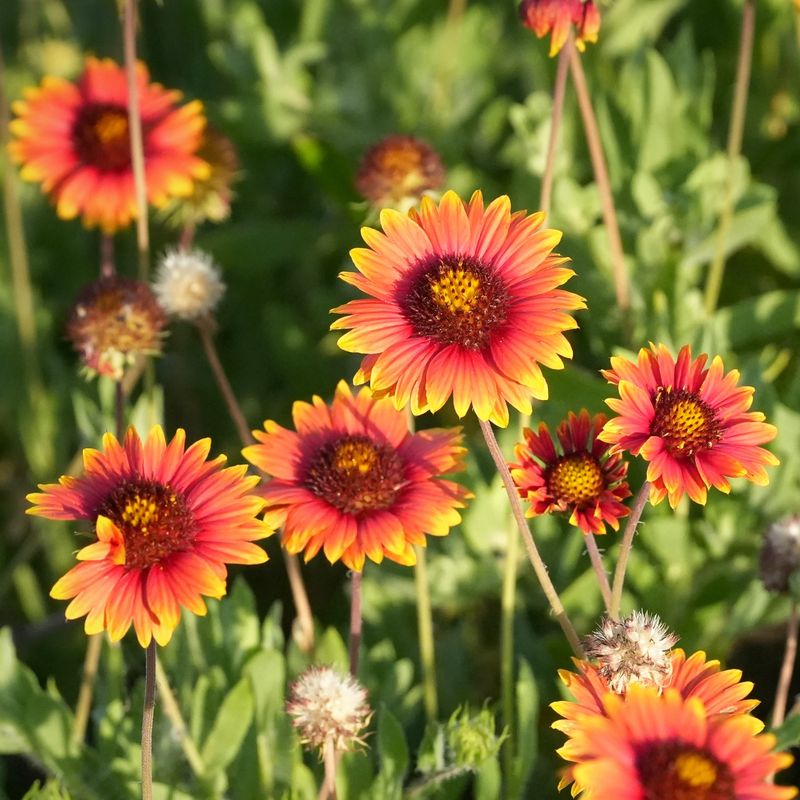
Few wildflowers capture the spirit of Texas quite like Indian Blanket. Those fiery red and yellow blooms scattered across roadsides, prairies, and open fields are a familiar sight across the entire state, from the Panhandle to the Gulf Coast.
It is actually the state wildflower of Oklahoma, but Texas embraced it long ago as one of its own beloved natives.
Indian Blanket grows statewide across Texas, which says a lot about how adaptable it really is. It thrives in poor, sandy, or rocky soils where other plants would struggle.
Rich, heavily fertilized soil actually works against it, encouraging leafy growth at the expense of flowers. For a plant that looks this cheerful, it asks for remarkably little from the gardener.
Drought tolerance is one of Indian Blanket’s greatest strengths. Once seeds are established, the plant can handle long dry spells without any supplemental watering.
It blooms from spring through summer, creating waves of warm color across the landscape. Bees, butterflies, and birds all benefit from Indian Blanket, making it a great choice for anyone building a pollinator-friendly yard in Texas.
Scatter seeds in a sunny, open area in fall and let nature handle the rest. By spring, you will have a colorful, low-maintenance wildflower display that feels like a true piece of the Texas landscape.